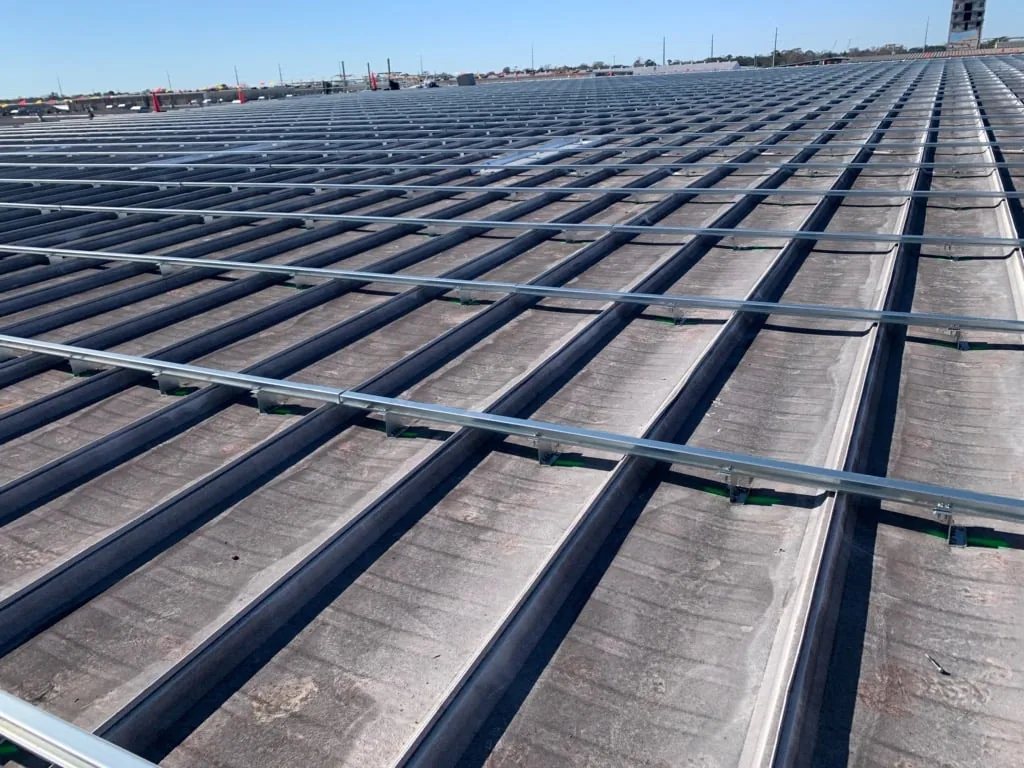
Commercial Roof Recover
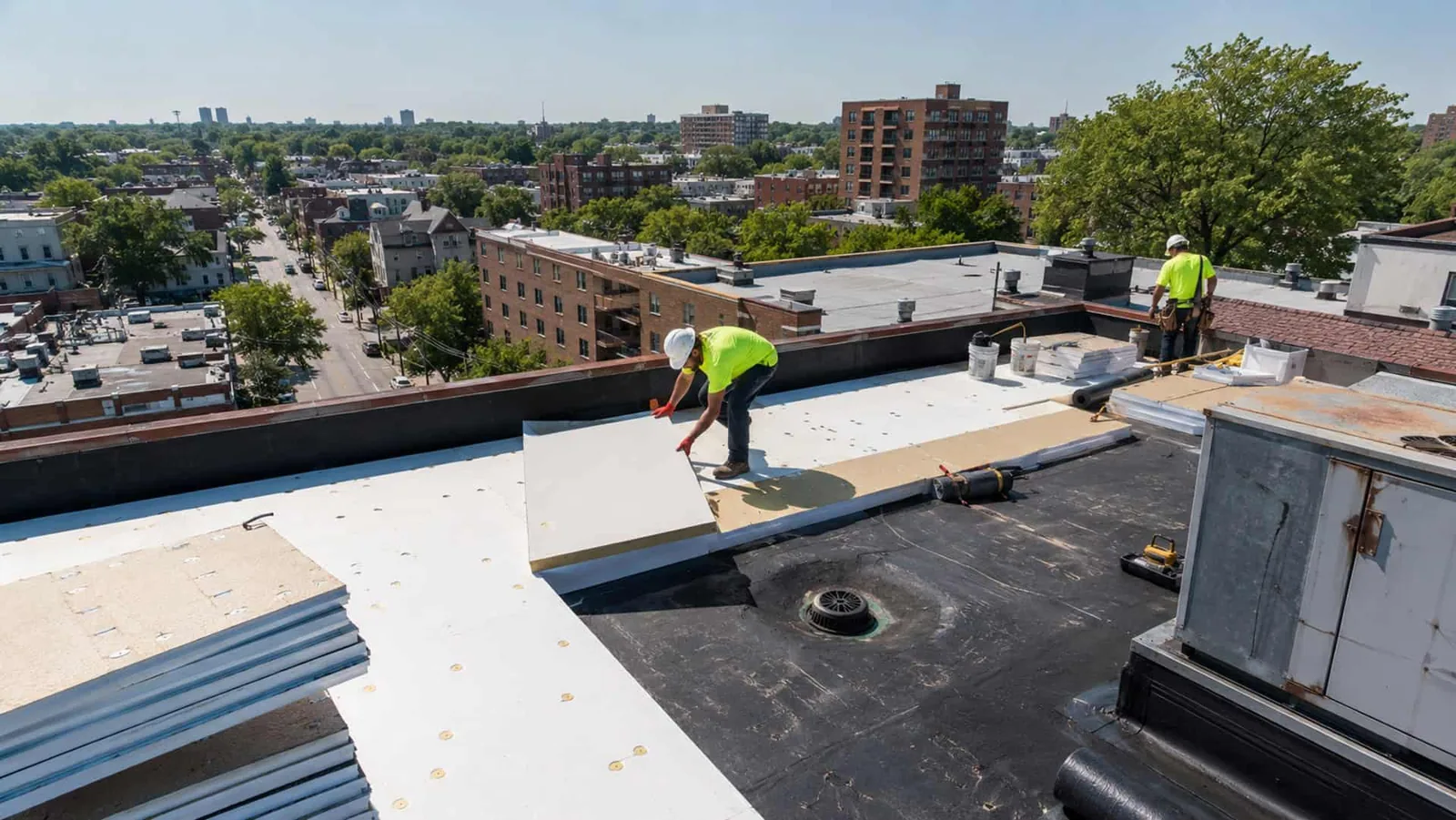
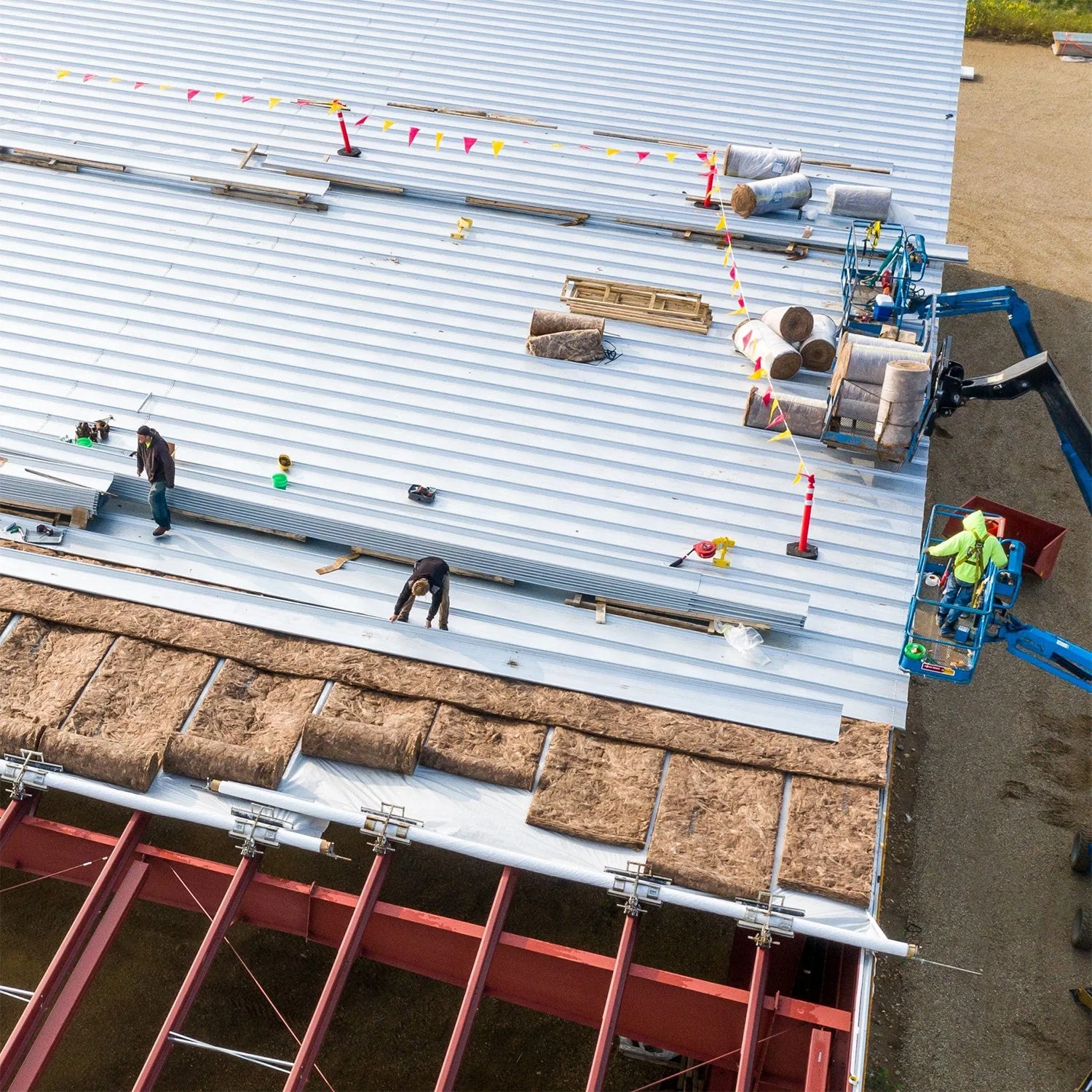
A roof recover can limit tear-off when code, moisture and attachment conditions allow. We test the existing assembly and document the Greeley work scope.
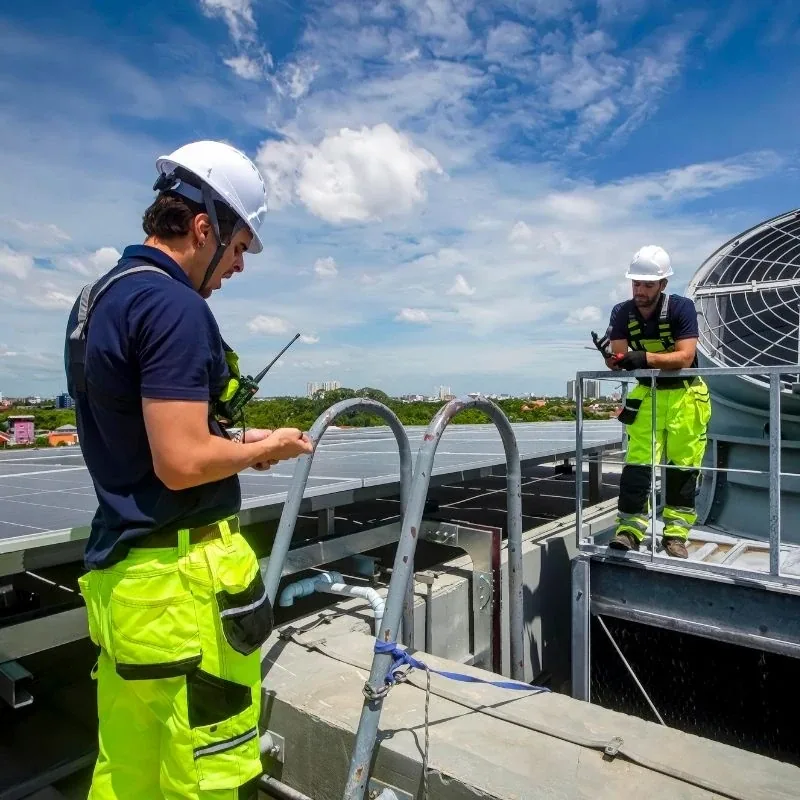
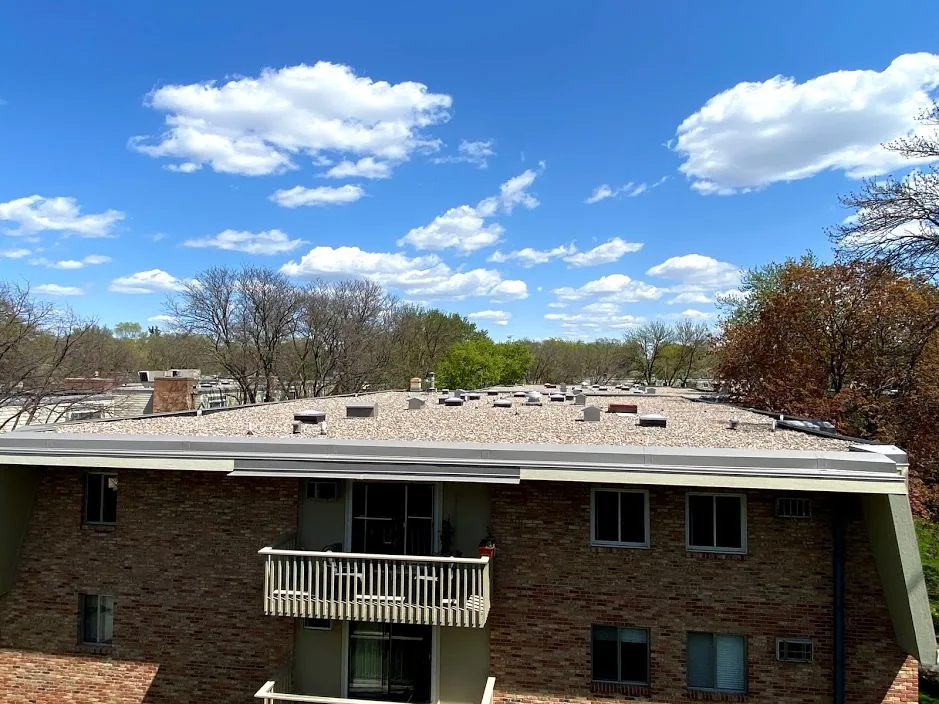
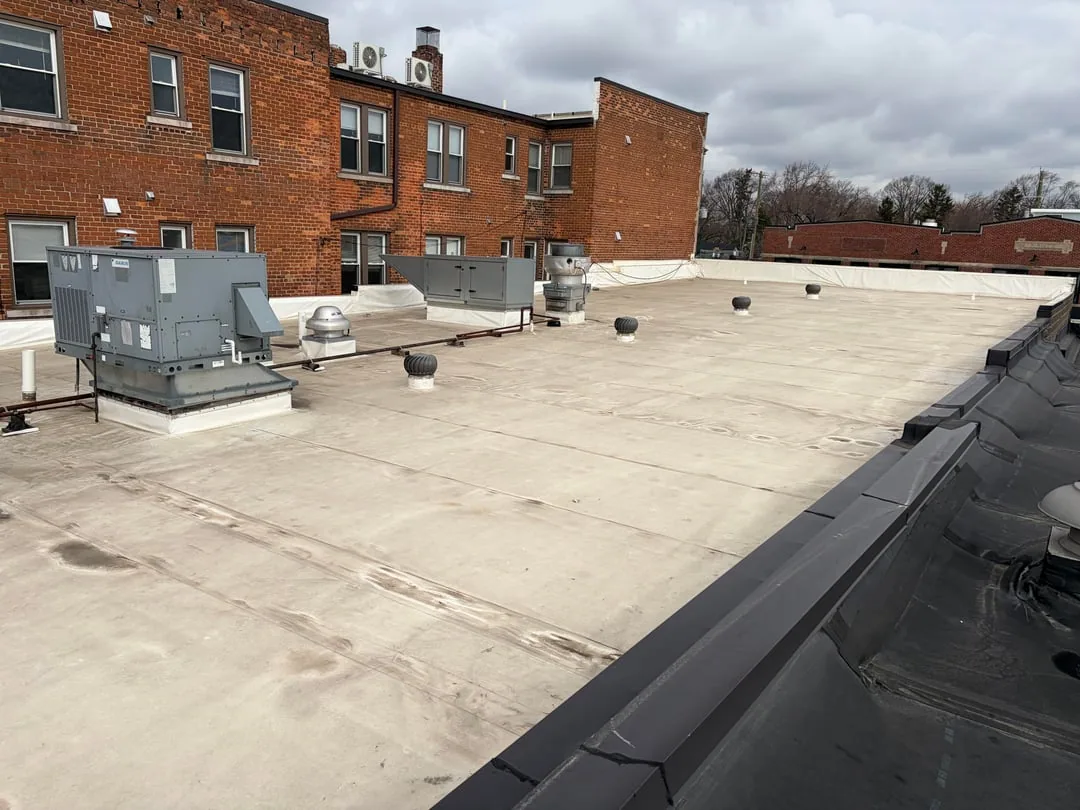
A roof decision starts with the condition in front of us: a leak, a worn detail, a planned renewal or a question about what is below the membrane. Commercial Roofing Greeley inspects low-slope and metal roof assemblies, records visible findings and builds a work scope around the building’s access and schedule. Greeley’s snow, wind and heat influence safe roof access. We inspect the surface and review the owner’s repair history before recommending work.
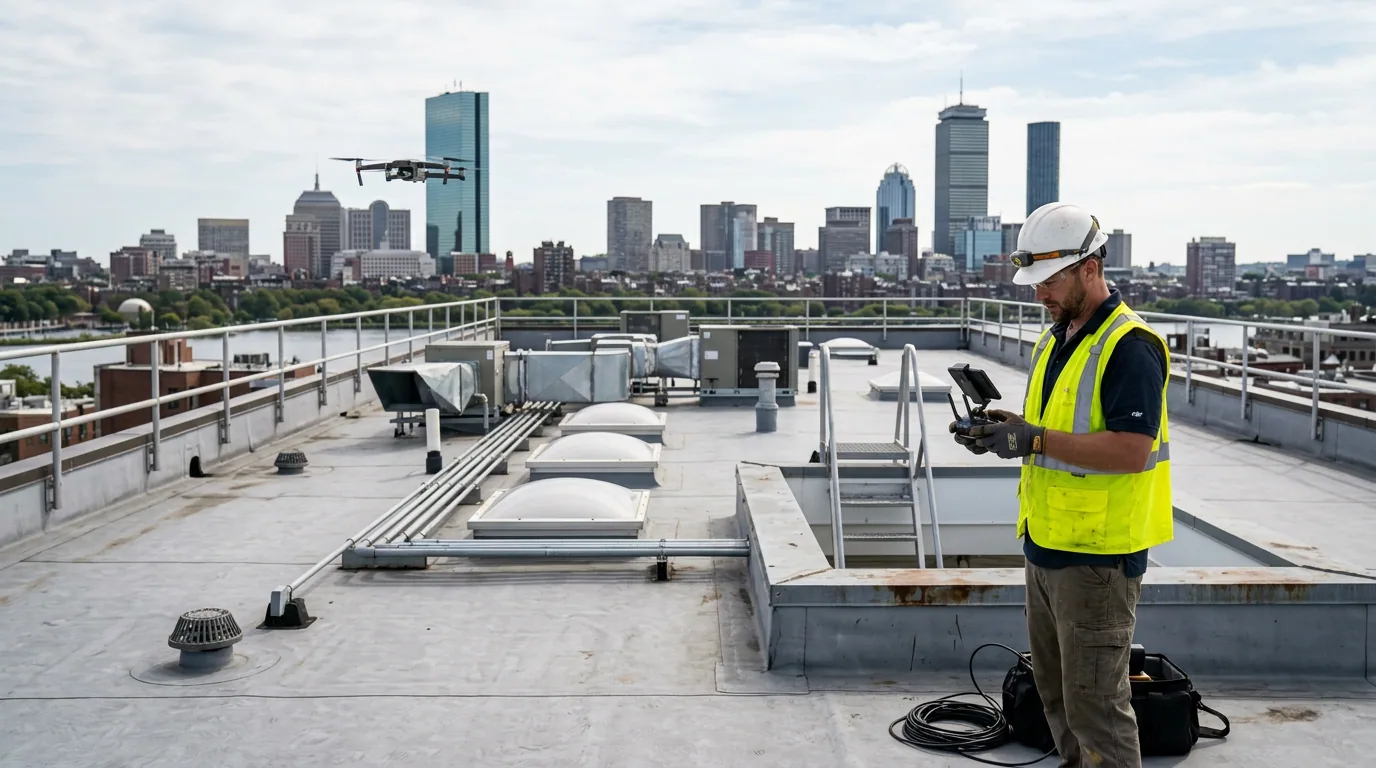
Some calls need a focused commercial roof repair. Others begin with a full inspection or a moisture survey that can check concealed areas. We identify the boundary we inspected, note any test that remains and explain what decision it supports.
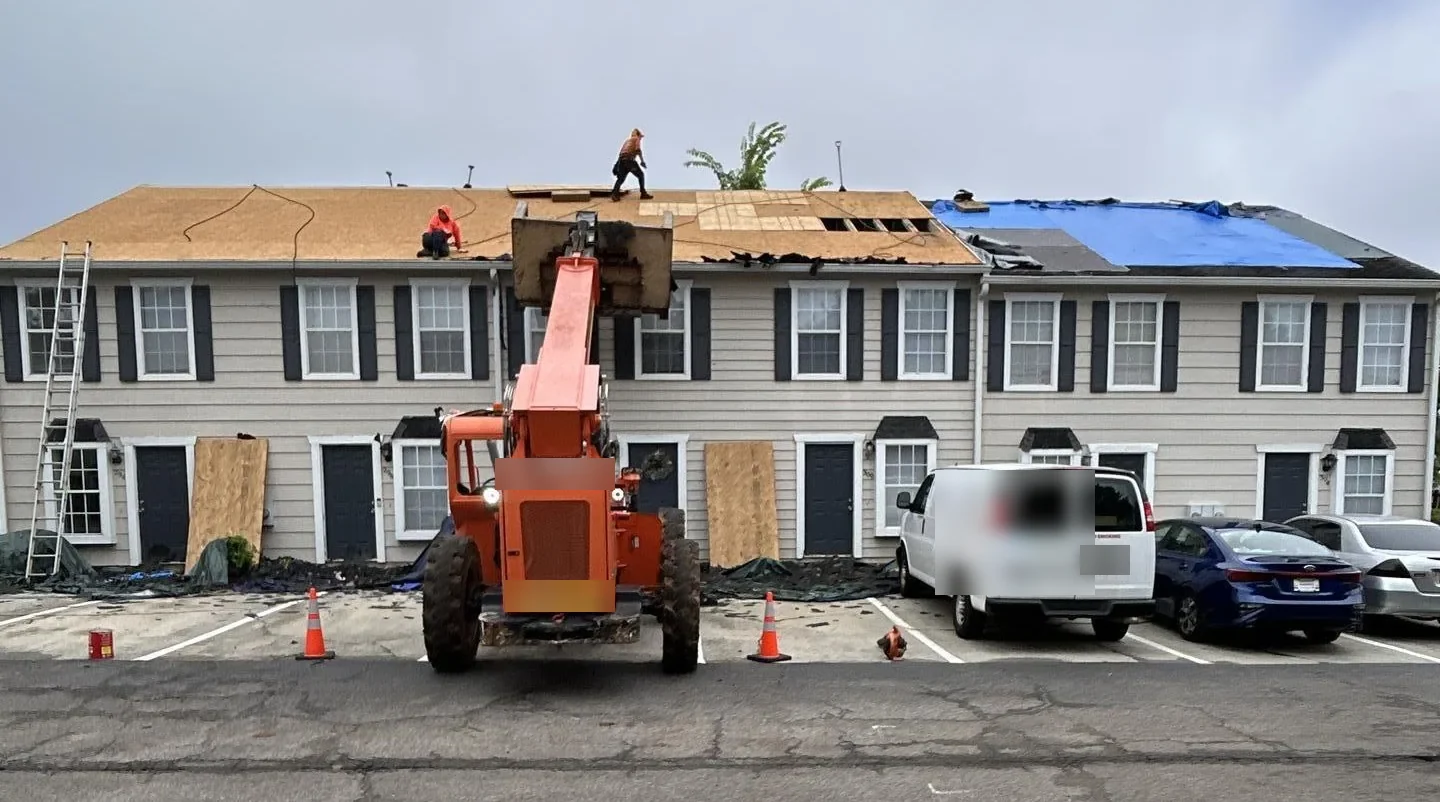
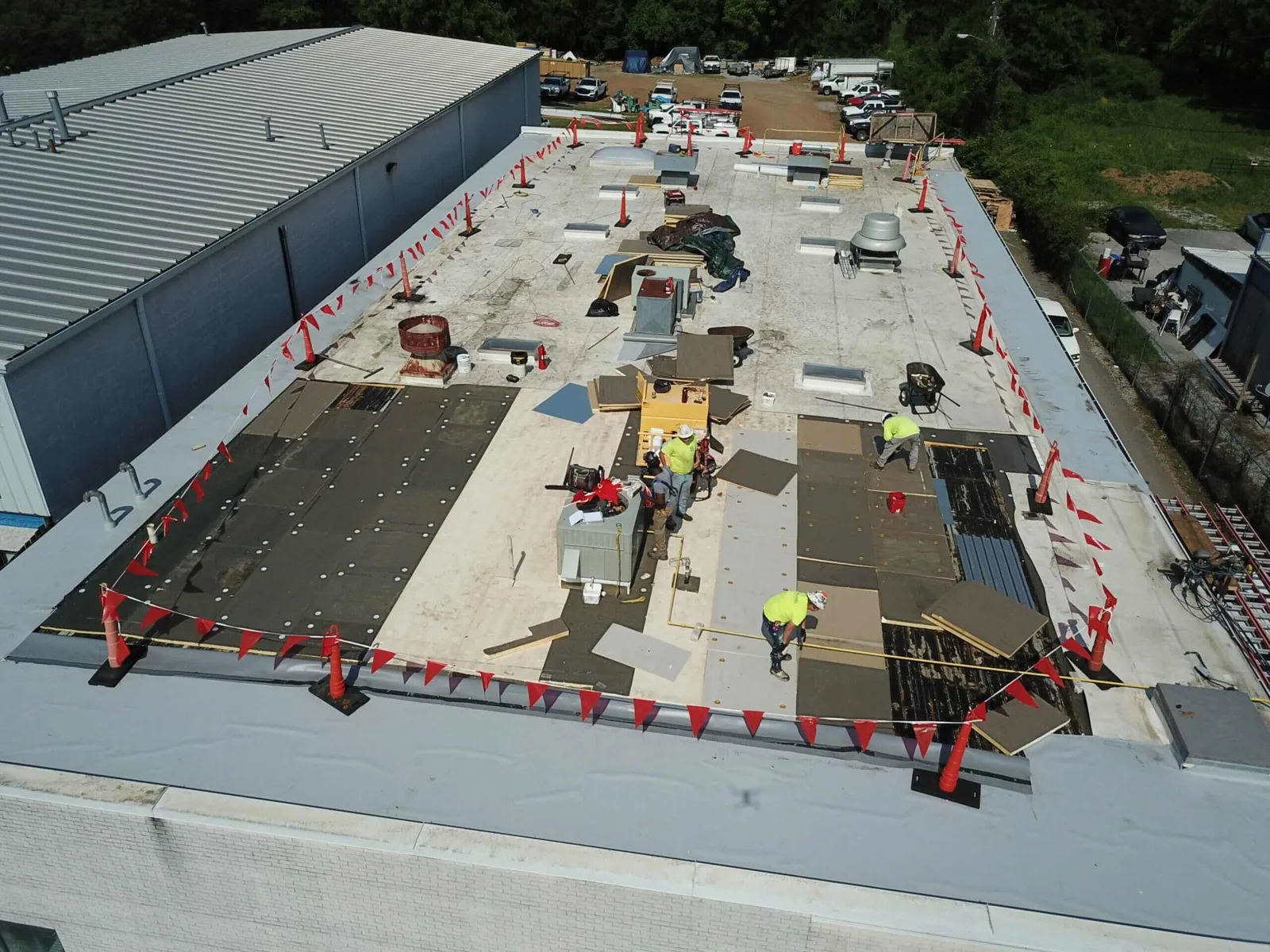
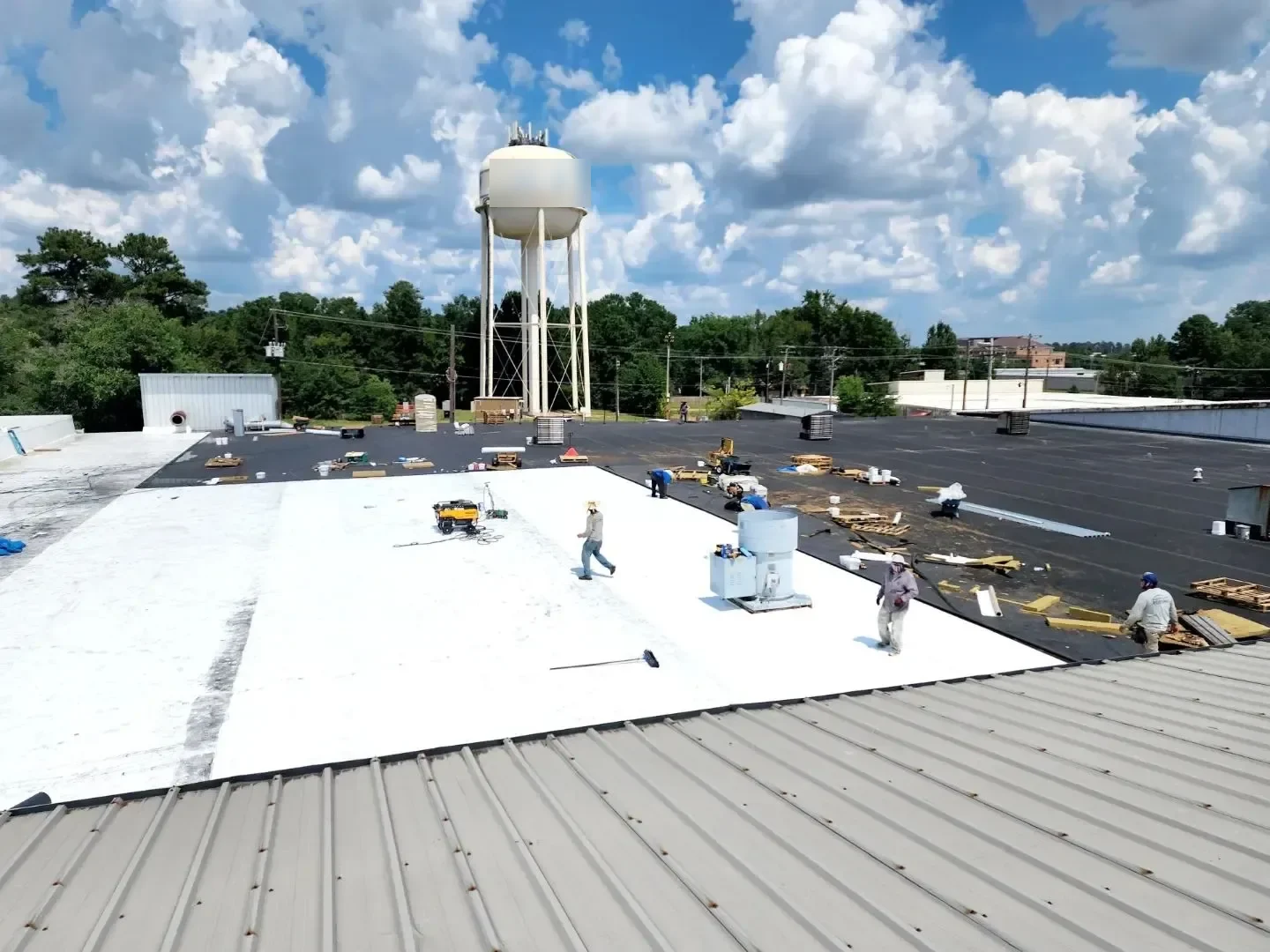
On an active leak, emergency protection can limit water entry while permanent materials are assessed. The crew documents the temporary measure, then returns to the affected zone to plan a compatible repair. For a larger project, a replacement scope identifies removal, dry-in, staging and work below. A recover evaluation compares a new layer only when the existing assembly and structure support it.
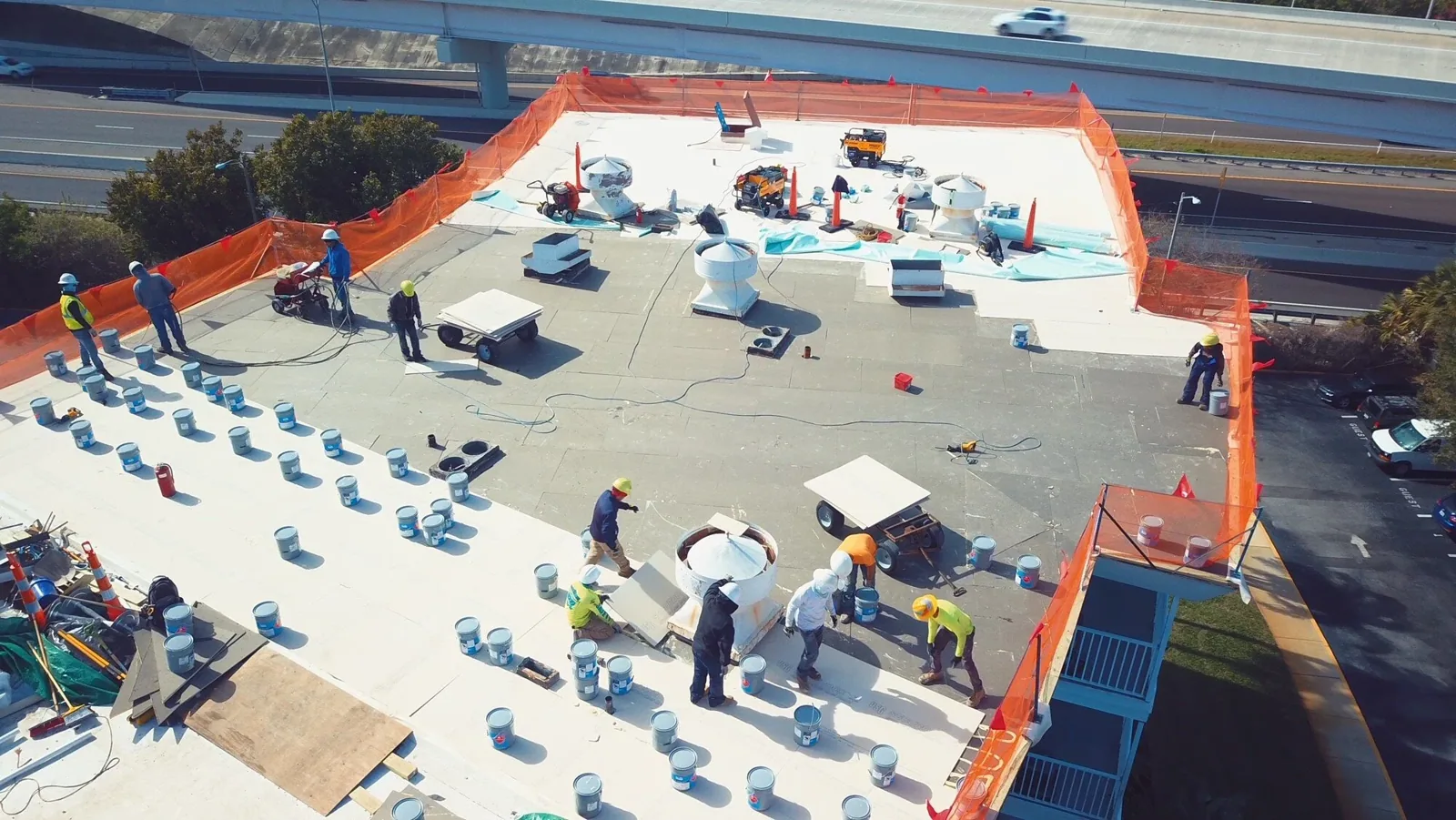
Occupied work is divided by roof section, with access, protection and shutdowns confirmed by the site contact. An owner near U.S. 34 or the South Platte River receives the same clear sequence: inspect, mark the area, complete authorized work and return closeout photos.
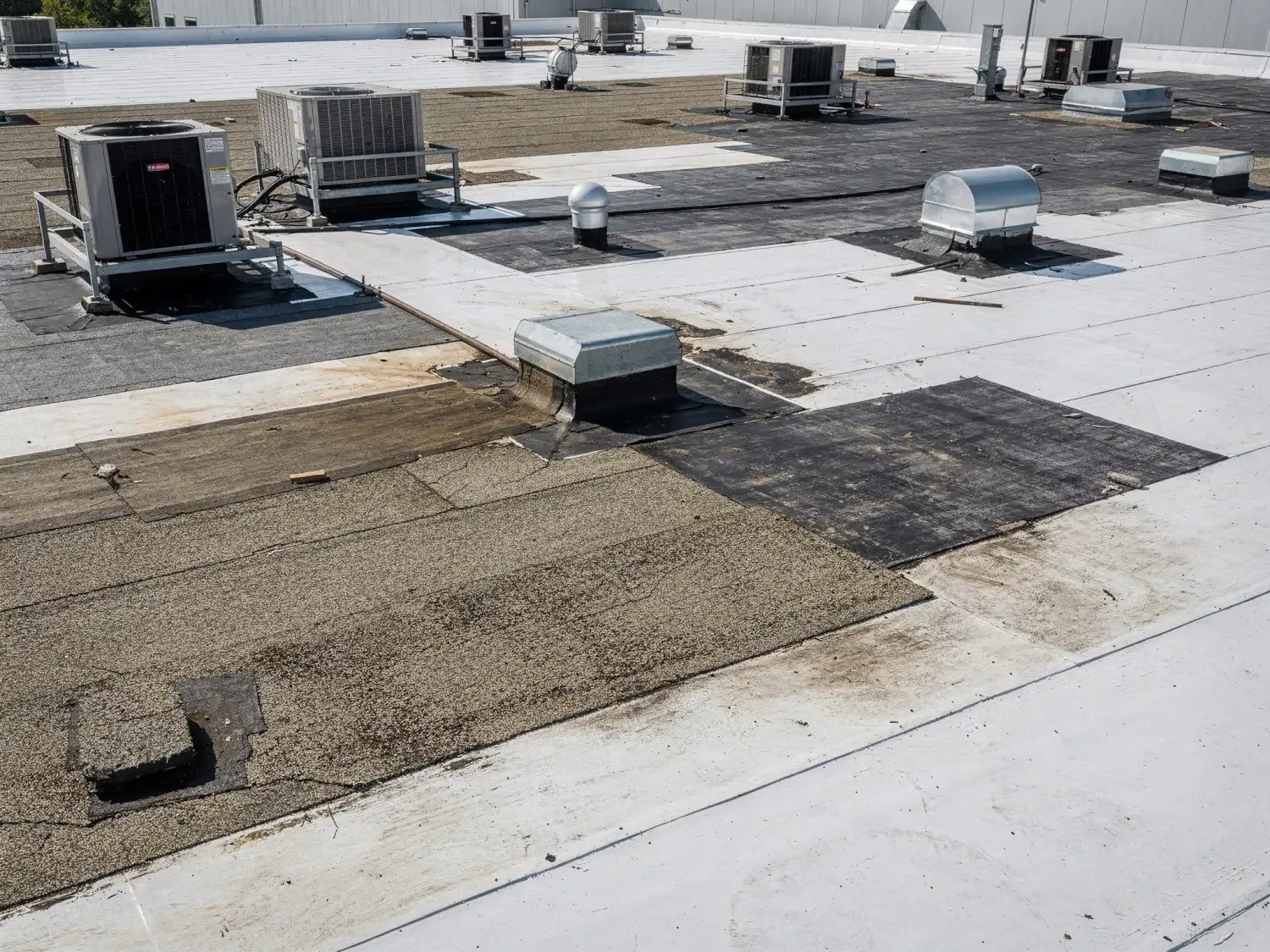
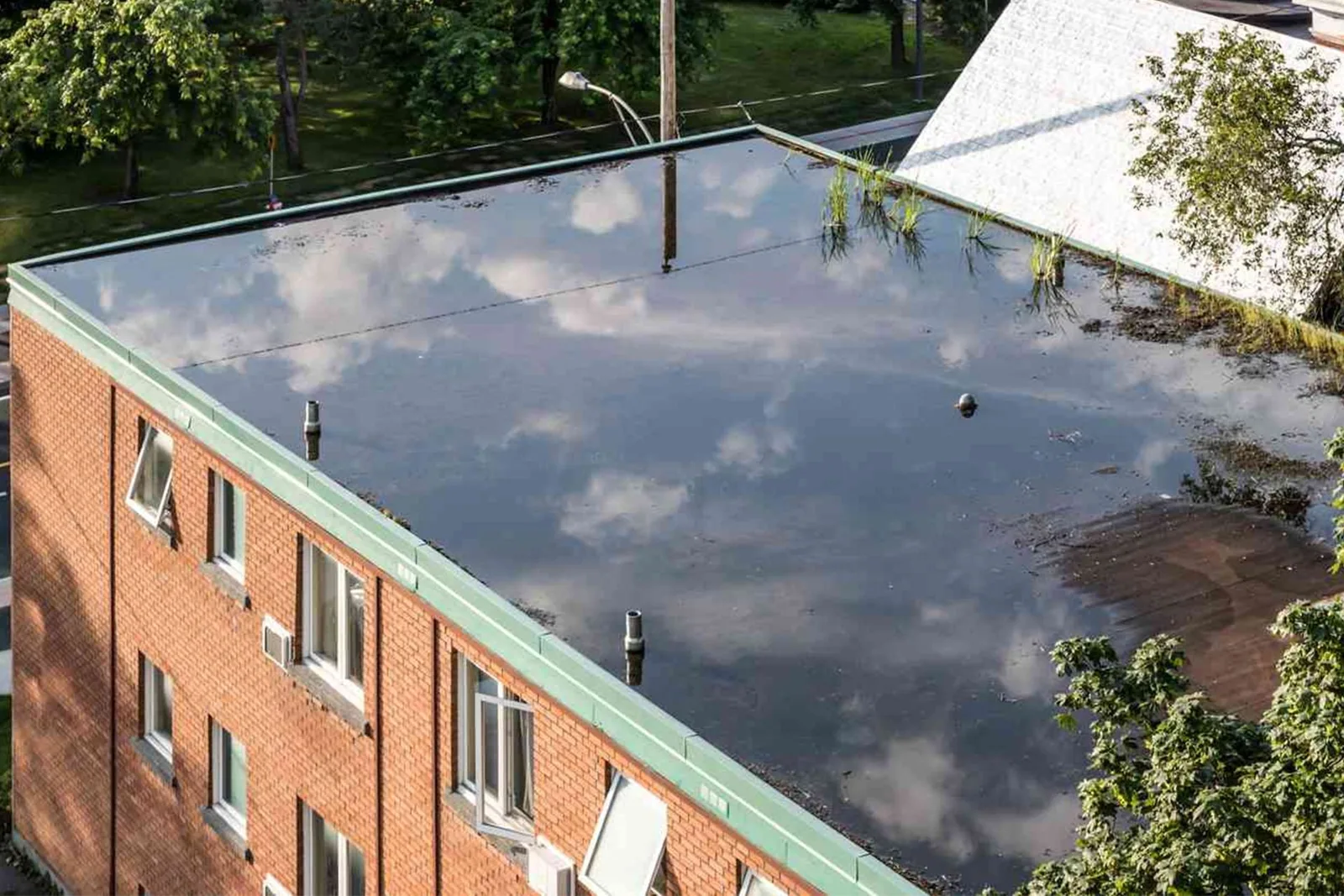
Maintenance keeps drains, edges and previous repairs on a planned schedule. A preventive maintenance program can catch a blocked outlet or loose detail before it becomes a leak. When water path or insulation condition is unclear, an infrared moisture survey may help locate areas for further testing; the result is reviewed against roof conditions, not treated as a repair by itself.
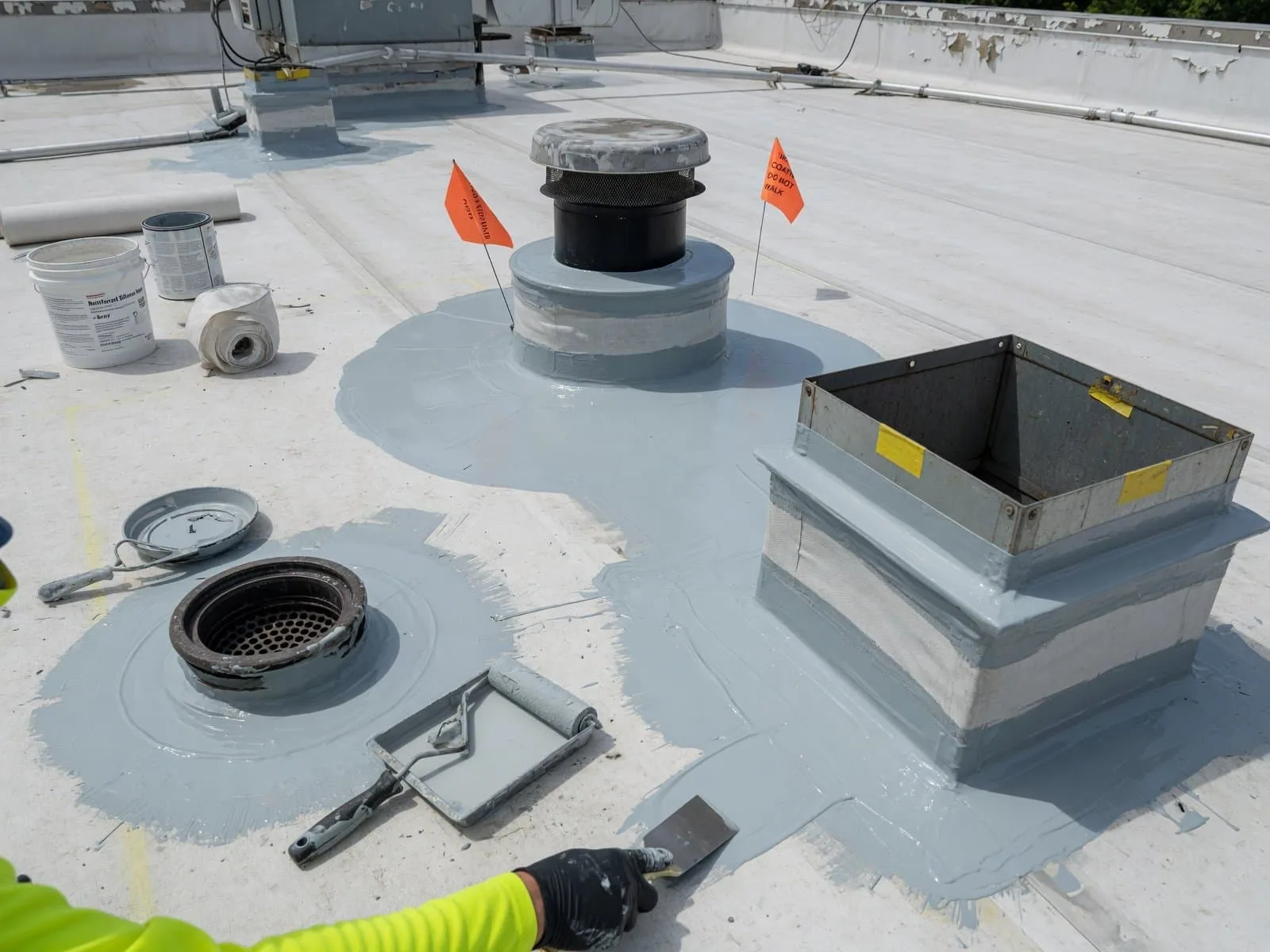
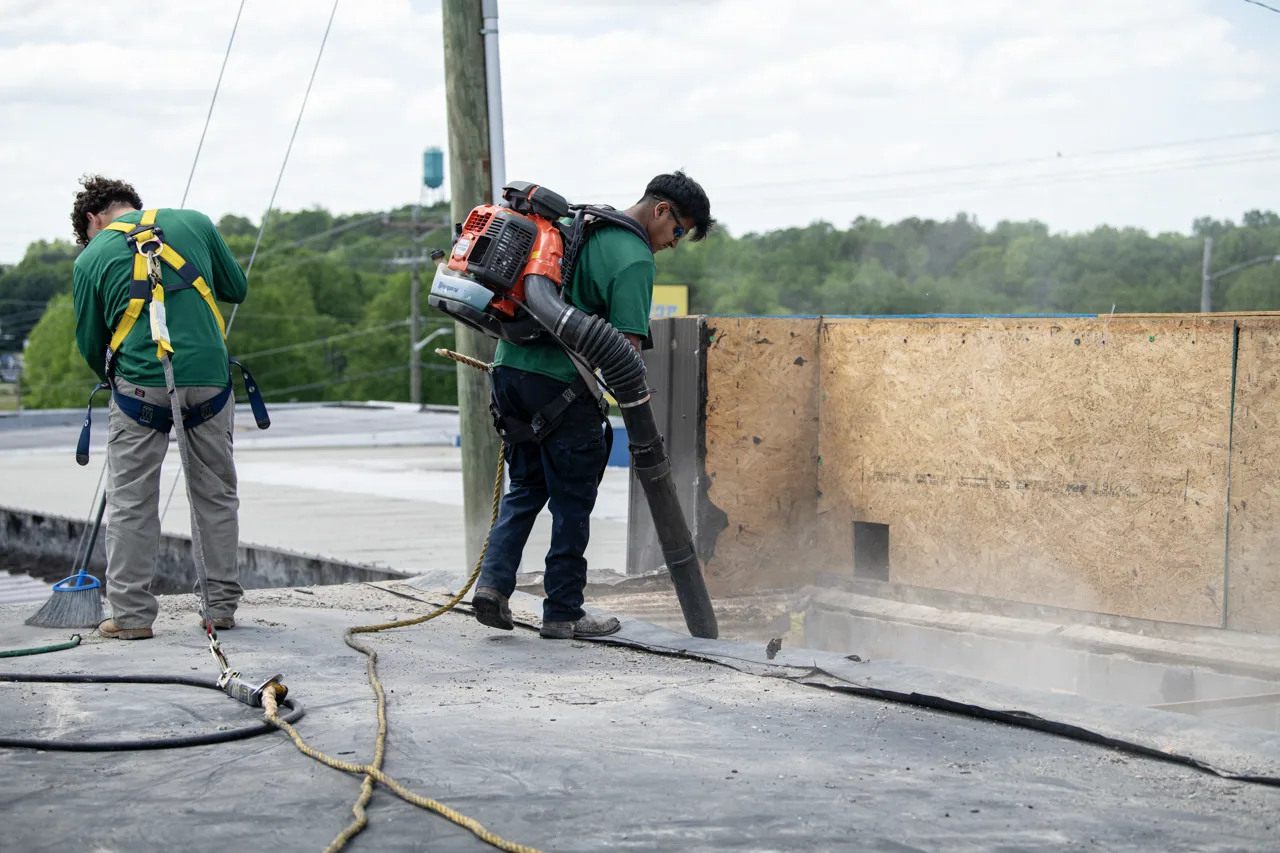
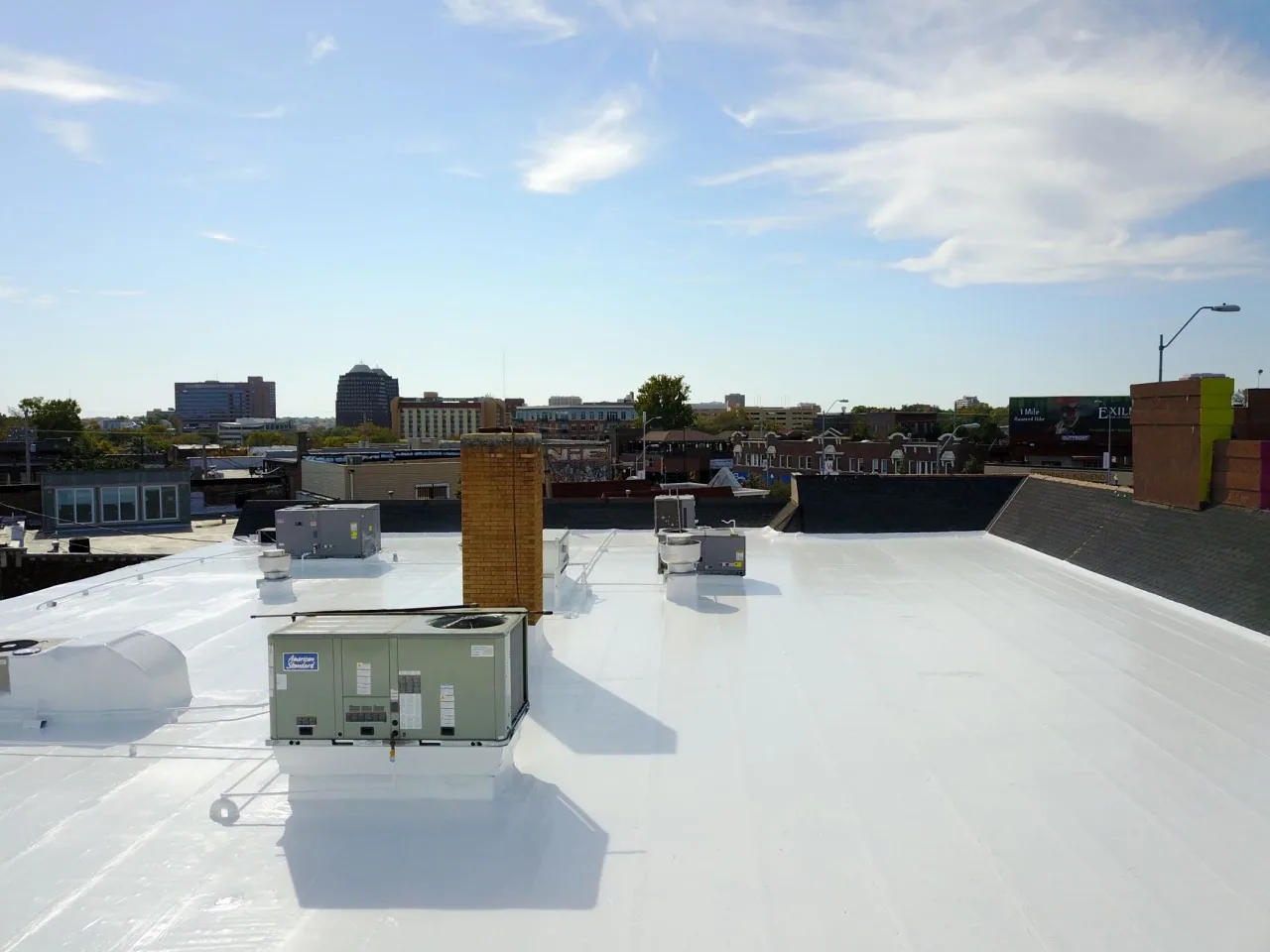
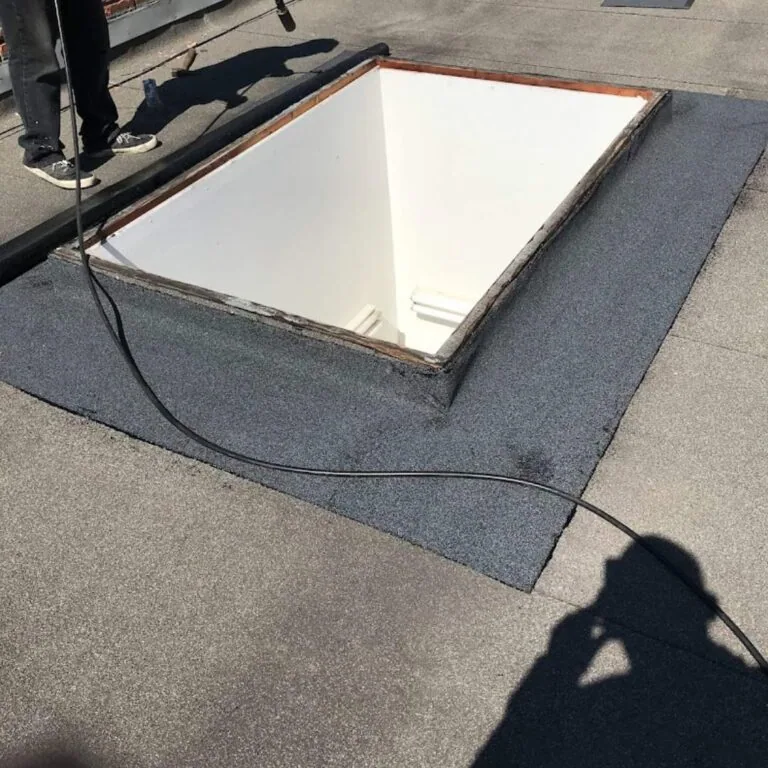
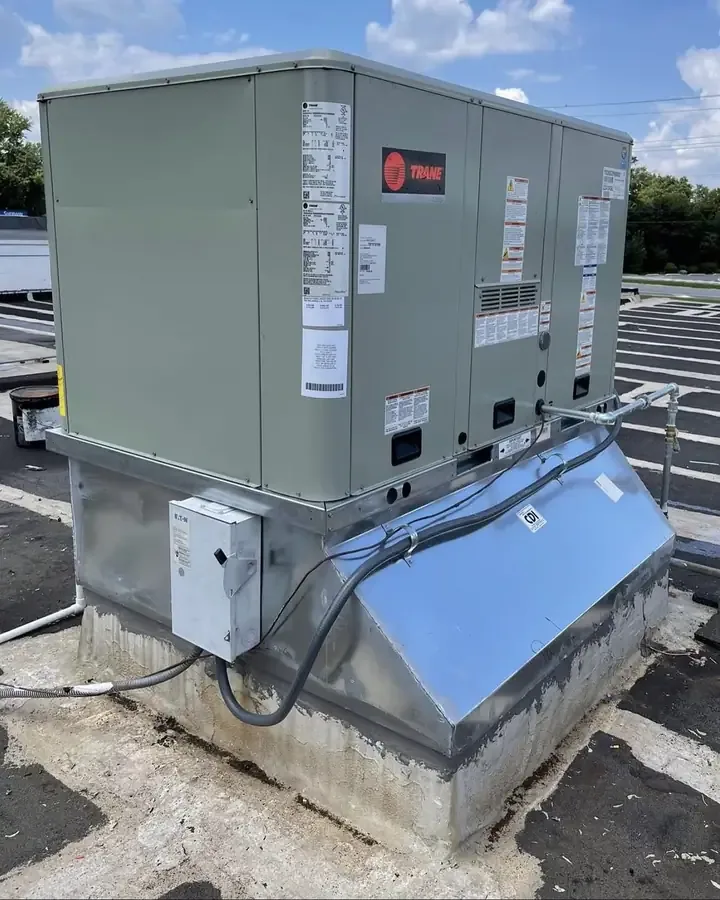
Coatings and flashing work require surface preparation and a compatible assembly. A roof coating restoration is considered after evaluating adhesion, moisture and existing layers. A penetration and flashing repair focuses on transitions where a curb, skylight or pipe meets the roof. The service route and timing depend on the inspected system.
Food processors, farms, energy operators, manufacturers, care providers and technology firms all work in the Greeley area. Their operating calendars and roof access needs can differ sharply. We ask about the rooms below, equipment above and route for materials before selecting a work window. Downtown Greeley, Evans and the U.S. 85 corridor are examples of local areas where owners may need separate site plans and roof records.
Photos, test notes and a marked repair boundary give facilities staff a usable record. If the scope changes after a roof opening reveals concealed conditions, we pause for direction. That keeps the approved work tied to the evidence and gives the owner a clear choice about what happens next.
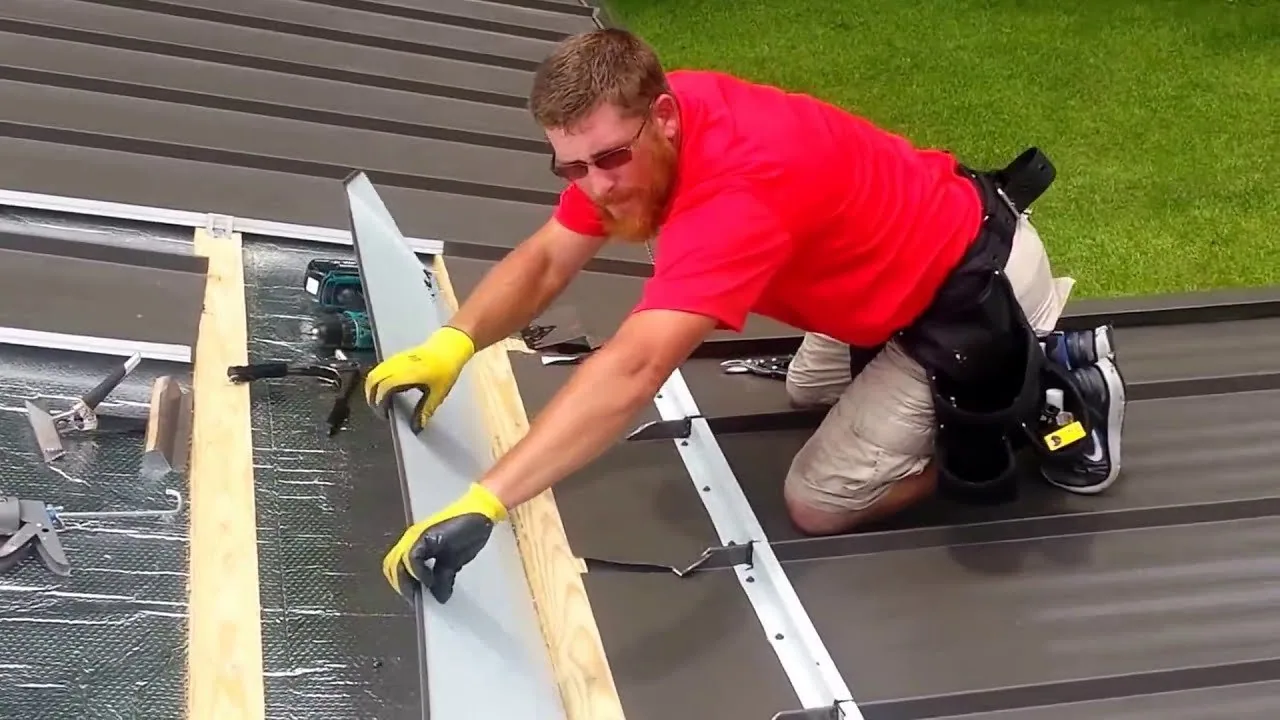
Every scope should state the roof area inspected, what can be repaired now and what still requires testing. We identify materials, daily dry-in, work below and the closeout record before mobilization. For projects at Downtown Greeley or near U.S. 34, the site contact confirms access and operating limits for that property. The crew photographs completed work and leaves a follow-up list so the next visit starts with the right roof zone.
Share the affected room or roof area, timing, site access, prior repairs and any plans or system records. We will confirm what to inspect first.
Yes. We can document the immediate repair and list testing or maintenance needs separately, so near-term work stays distinct from future projects.
The site contact sets hours, access and areas below that need protection. We sequence roof openings and agree on a dry-in point for each shift.
No. We compare repair, recover and replacement only after reviewing the assembly, moisture and attachment conditions that are visible or tested.