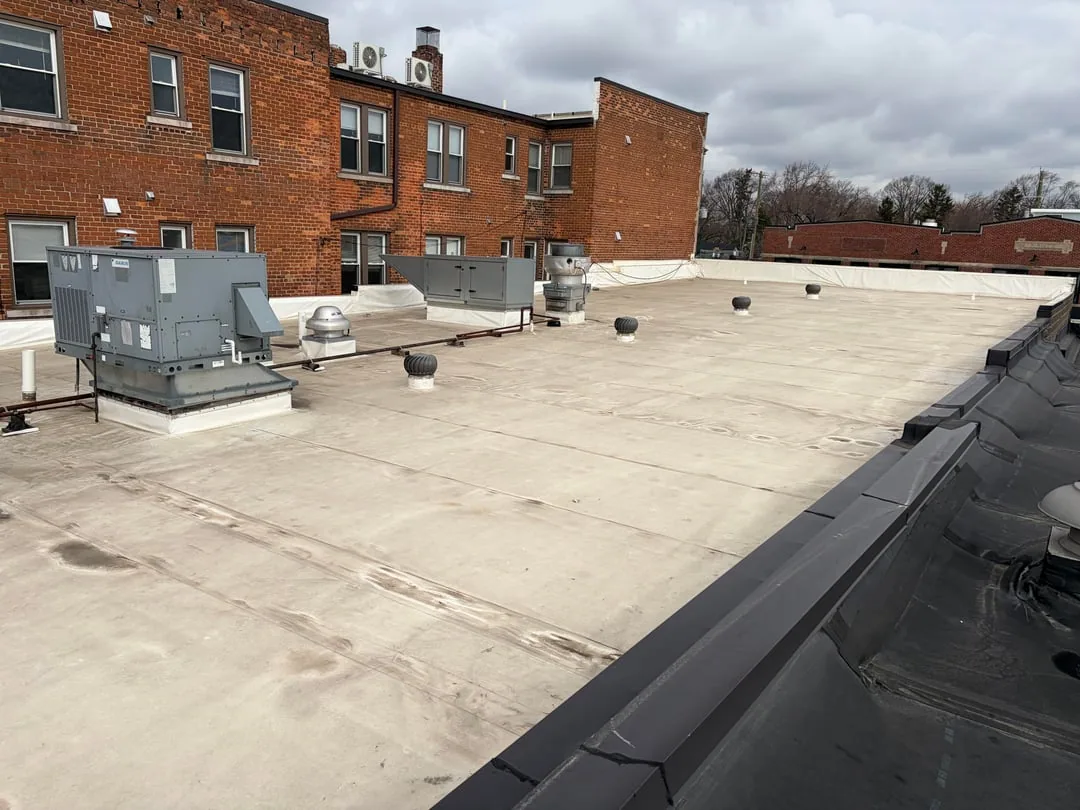
Can you patch an existing TPO membrane?
Yes, when the membrane is identified, the surrounding material is sound and the repair can be welded to a compatible surface. We inspect the substrate and moisture first if the leak suggests a concealed issue.

A TPO roof is a single-ply membrane system, and its performance depends on the field sheet, welded seams, attachment and transitions working together. We inspect the deck and insulation, review drainage and detail curbs, edges and penetrations before recommending repair or replacement. Greeley’s strong sun and warm-weather heat make surface handling and work timing relevant, while hail, wind and snow can test the roof at different times of year.
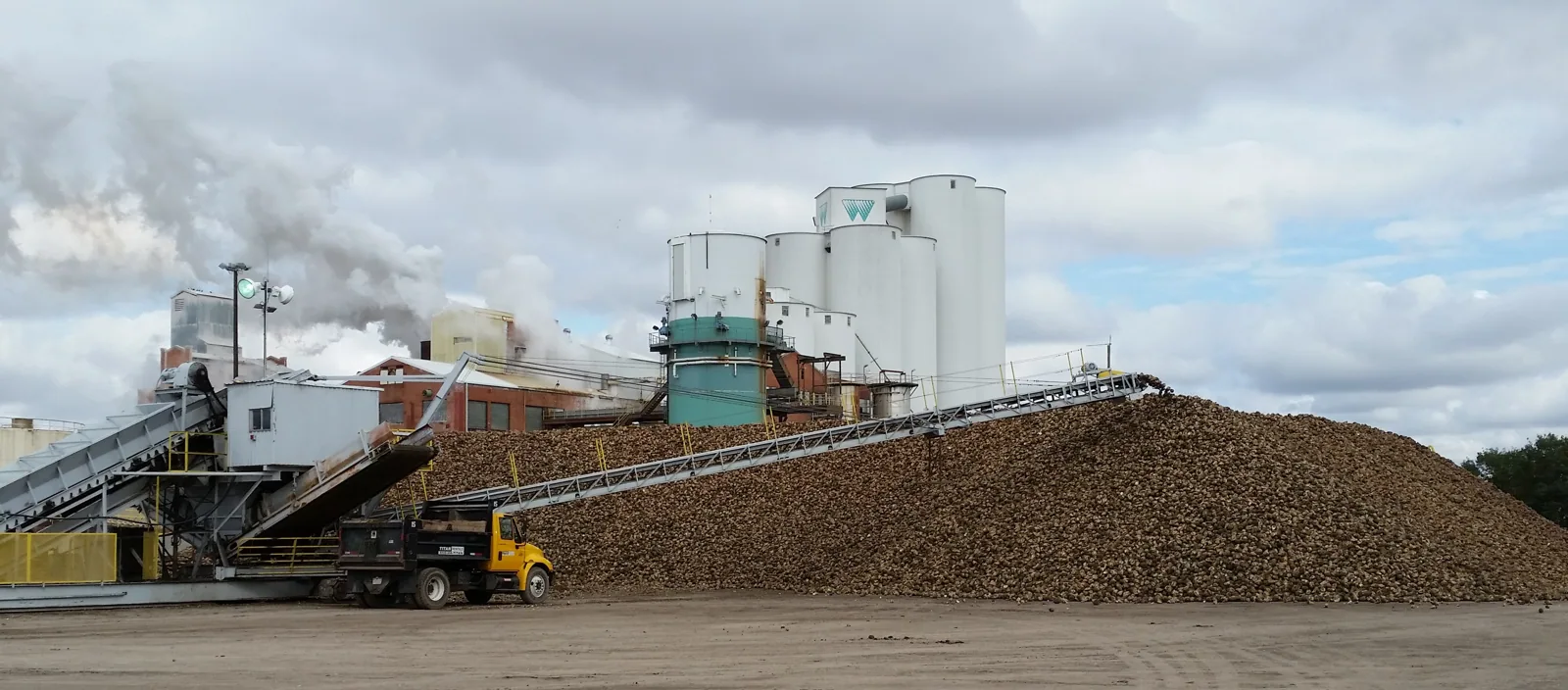
Industrial and commercial uses around Highpointe Business Park and the Western Sugar Industrial Area do not imply a particular membrane or roof condition. We confirm the assembly at the building, identify access limits and map any leak or prior repair. When localized damage is found, a targeted repair may preserve serviceable sections; broader deterioration calls for a full assembly review.
TPO may be mechanically attached, adhered or installed over an assembly selected for the building and project requirements. We review the existing membrane, cover board, insulation, fastener pattern and deck where records or access allow. If the roof has several overlays, we verify height at drains, curbs and edges before planning a recover. Wet insulation or weak attachment should be addressed before a new layer is added.
Moisture can travel beyond a visible stain, so we compare interior reports with seams, penetrations and drainage paths. Infrared readings or test cuts can help define concealed conditions when the surface does not answer the question. A moisture survey can guide test locations, while a commercial inspection records the membrane and substrate before the owner chooses repair, recover or replacement.
When an owner compares TPO with another membrane, the decision should include seam method, chemical exposure, attachment, detail compatibility and maintenance needs. An EPDM assembly uses different seam and flashing practices, while a PVC system may be considered when the project needs a membrane with different chemical-resistance characteristics. We compare the project conditions and manufacturer requirements rather than treating color alone as the selection basis.
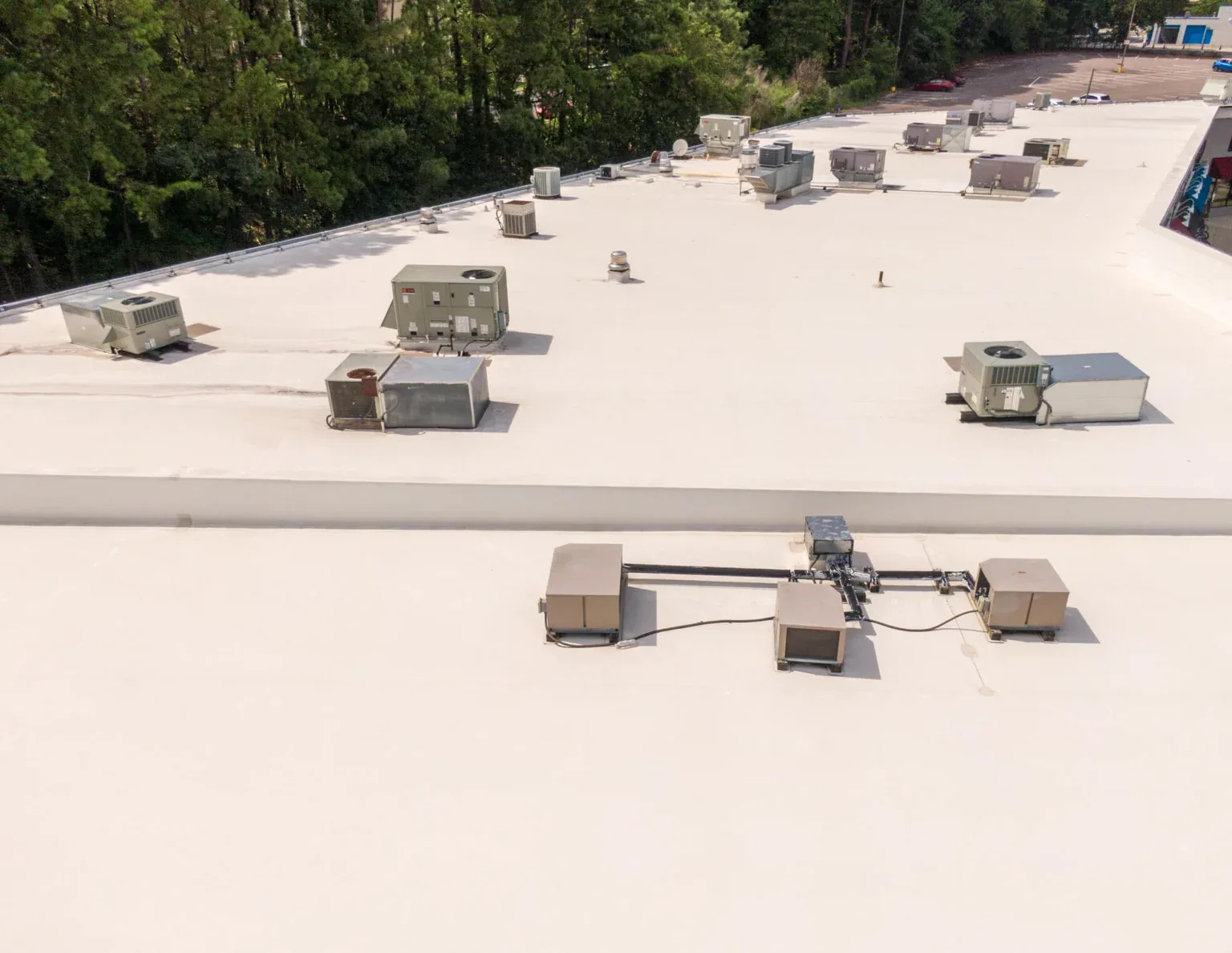
TPO seams are joined with heat, so a reliable repair requires clean material, correct preparation and a sound weld. We inspect seam edges for separation, fishmouths, punctures and areas where previous patching no longer bonds. Around curbs and penetrations, the membrane must turn up and terminate in a detail suited to the opening. At perimeter metal, the roof sheet and edge attachment need to keep water from tracking beneath the assembly.
After hail or strong wind in Weld County, we inspect the roof surface and attachment for impact marks and loose perimeter components before setting scope. Snowmelt can also reveal slow drainage around a low point. We label the affected section and photograph the seam or transition so the owner can compare it with earlier work. Perimeter metal can be included when the membrane detail meets an edge that no longer stays secure.
A field seam should be checked along its full repair length, not just at the point where a gap first appears. We remove dirt and incompatible material from the weld path, allow the surface to dry, and verify that the patch does not wrinkle or bridge over an open edge. At corners and changes in plane, the membrane has to stay supported while the weld cools. Photos of these checks can help explain why the repaired area extends beyond the visible split.
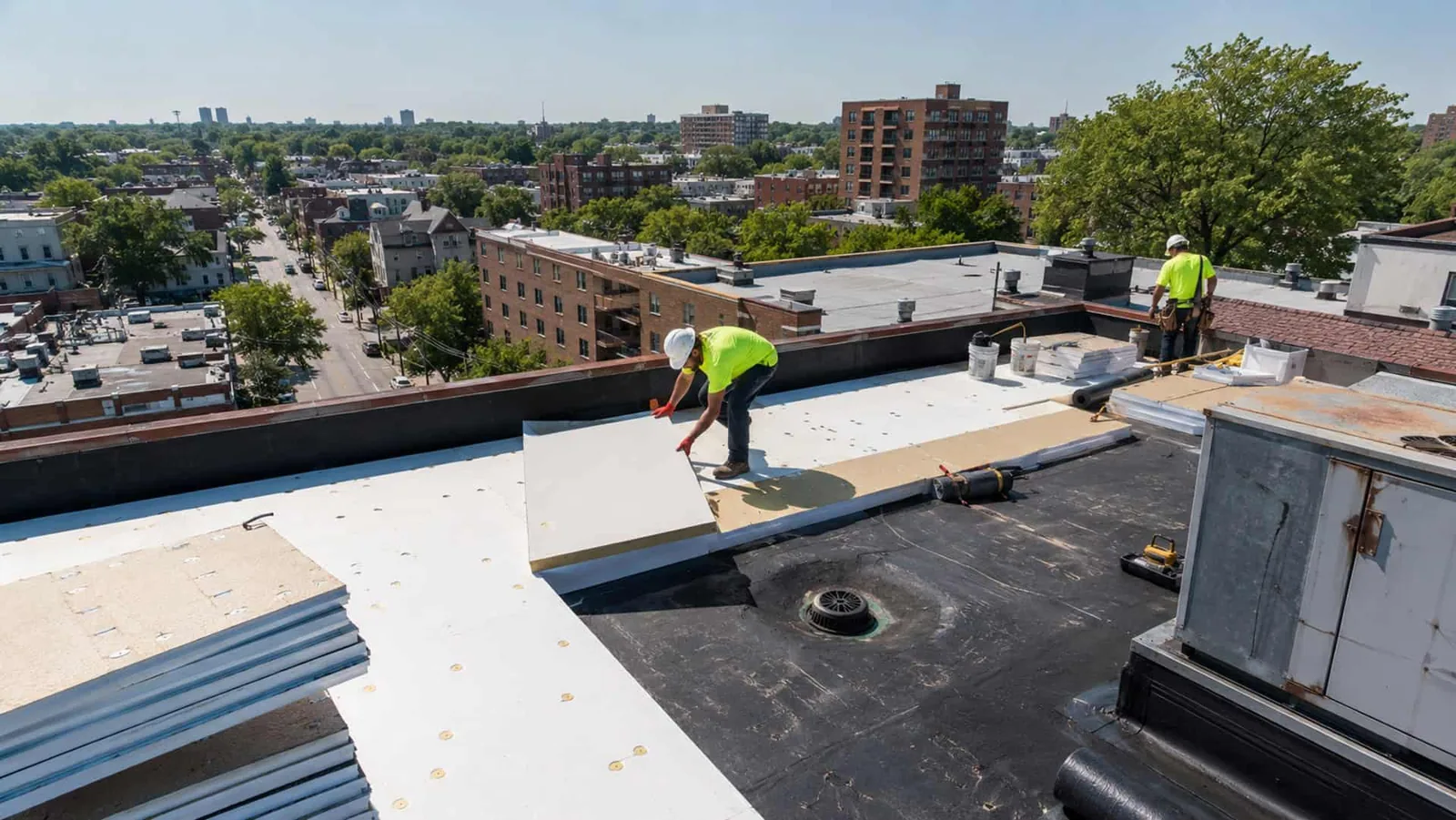
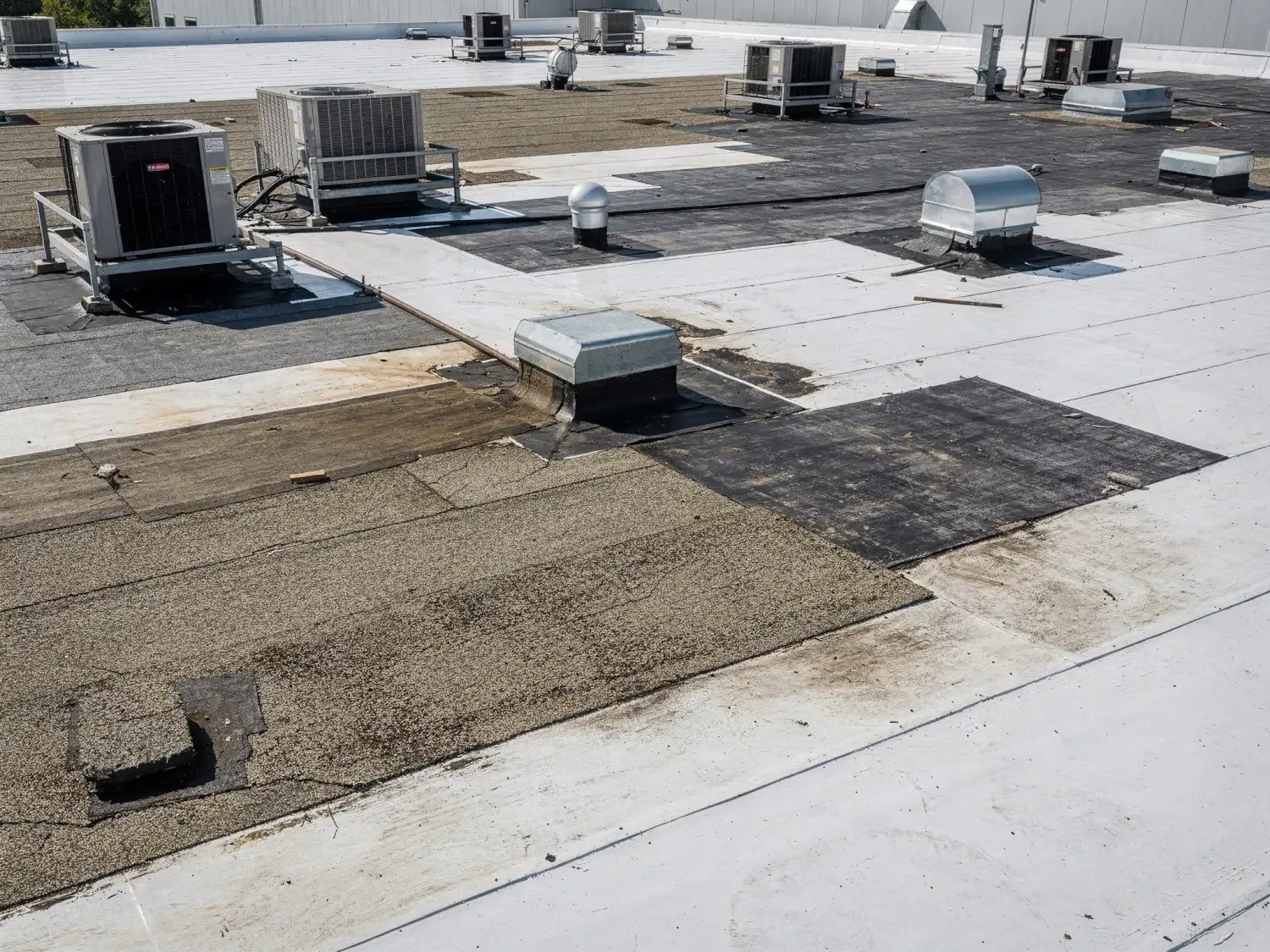
A TPO repair begins with identifying the membrane and confirming that new material can be welded to the surface. We remove contaminants and failed patches, prepare the repair area and weld a compatible patch with rounded corners where the detail allows. The crew checks the finished weld for continuity and records its location. A patch that bridges loose material or sits over wet insulation will not correct the underlying condition.
For an active leak, temporary protection may be needed before a full repair can be completed. We document what the first measure controls, then return to inspect the assembly and confirm the permanent scope. If seams, attachment or insulation have broad failures, replacement planning can compare removal with recover options. A recover assessment must check total height, drainage and substrate condition before another membrane is installed.
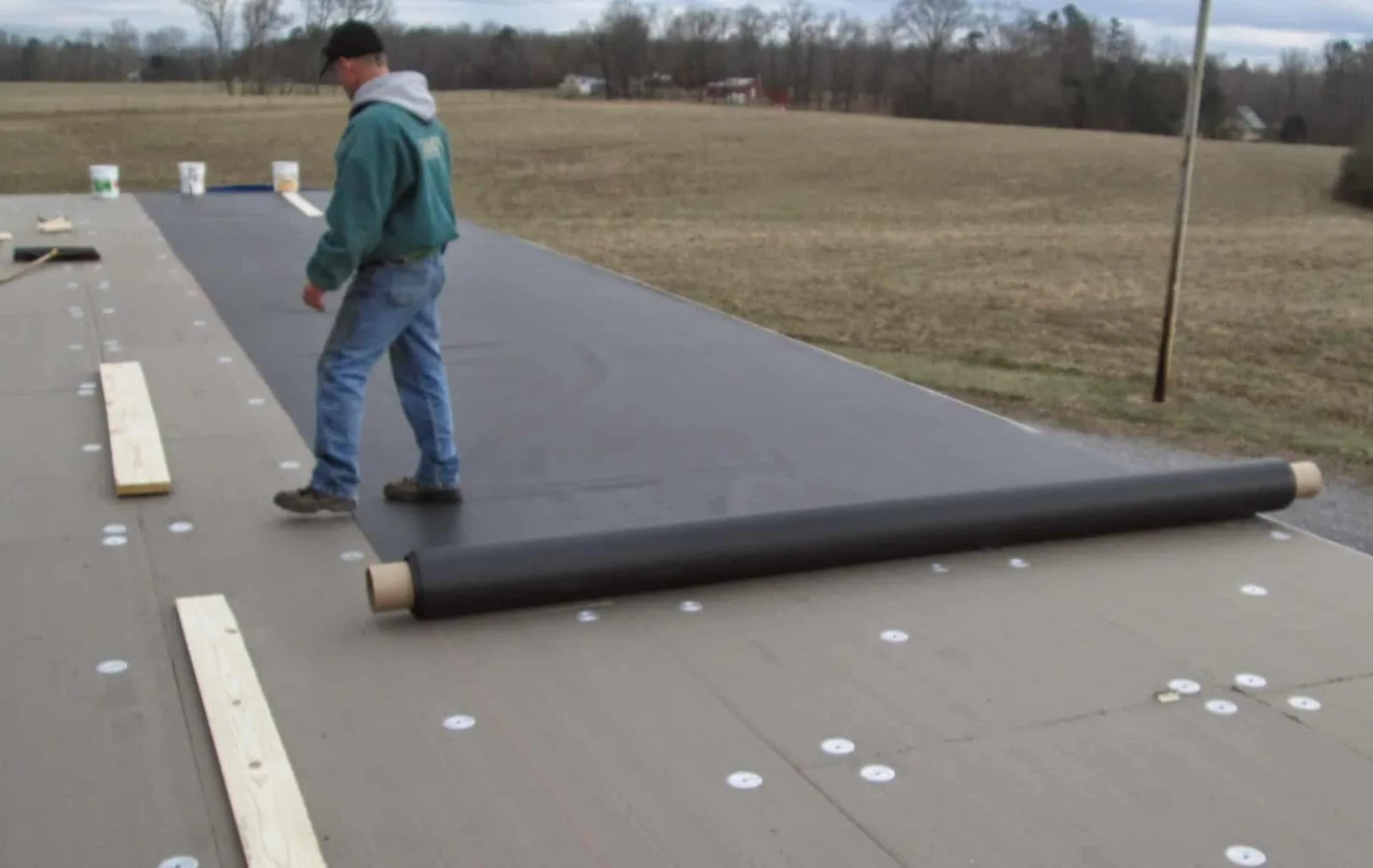
Yes, when the membrane is identified, the surrounding material is sound and the repair can be welded to a compatible surface. We inspect the substrate and moisture first if the leak suggests a concealed issue.
We look for separation, weak edges, contamination and prior patching, then test the relevant weld where access and project conditions allow. The repair area is prepared before a new weld is made.
A recover depends on existing moisture, attachment, roof height and drain transitions. We inspect those conditions and verify system requirements before recommending another membrane above the current assembly.
Send roof plans, leak locations, previous repair notes, access rules and any known system information. Highpointe Business Park and Western Sugar Industrial Area properties still need building-specific assembly review.
Heat, wind, snow and wet conditions can affect access, material handling and welding. We set each work window around the actual roof condition and the product’s installation requirements.
New TPO work involves staging rolls, insulation, cover board, fasteners or adhesive, then keeping the assembly secure as each section progresses. We coordinate delivery, roof access, equipment shutdowns and interior protection with the site contact. For occupied buildings, daily work zones should close watertight before the crew leaves. If a deck issue appears during removal, we photograph the area and review the added work before extending the opening.
Greeley heat can affect worker exposure and material handling, while wind or precipitation can change the amount of roof that can be opened safely. We check product requirements and conditions at the building before starting each section. Along the U.S. 34 Business Corridor, regional access may support deliveries, but each property’s route, loading window and staging area come from its site contact. The plan should protect drains and avoid blocking equipment service paths.
Field sheets need enough slack and secure attachment to resist movement, while end laps and perimeters require details suited to the assembly. We keep insulation and membrane dry before they are covered and check seams as work advances. If changing conditions interrupt welding, the crew closes the work area and confirms the restart point rather than leaving a loose edge exposed to wind or precipitation.
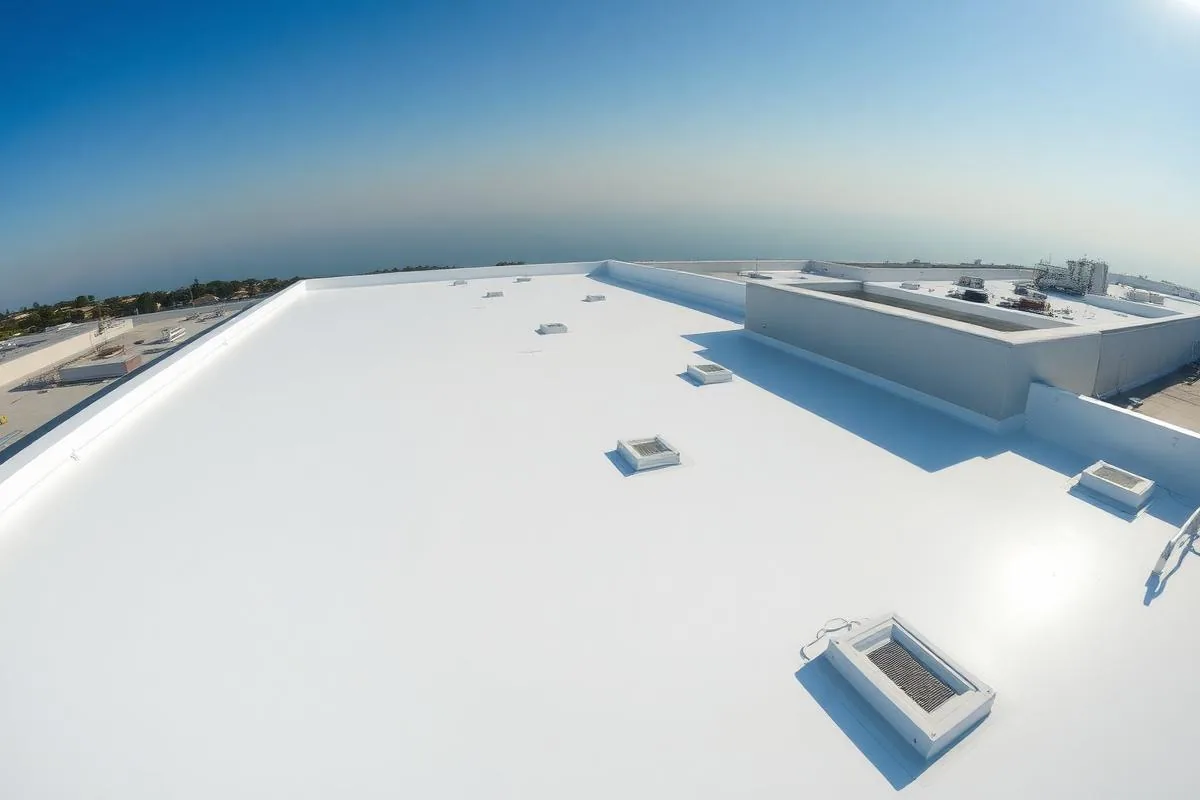
At completion, the owner receives membrane and insulation details, photographs of seams and transitions, repaired locations and any limitation that remains. Those records help maintenance staff avoid damage during later equipment work and give a future roofer a reliable starting point. We identify which drains, edge sections and curbs should be included on the next inspection, along with any warranty documentation required by the project.
Share roof plans, leak history, prior system work and access restrictions before an inspection. Tell us whether TPO is already installed or under consideration, what decisions are pending and when the building can host a roof walk. At Downtown Greeley, public-facing operations may influence staging and work windows, just as industrial schedules do at Highpointe. We will inspect the actual assembly and explain the next step.