Can you repair a leak above a running production line?
We first identify a safe work area and coordinate overhead protection with production and safety contacts. The actual repair window depends on the leak, roof access and plant rules.
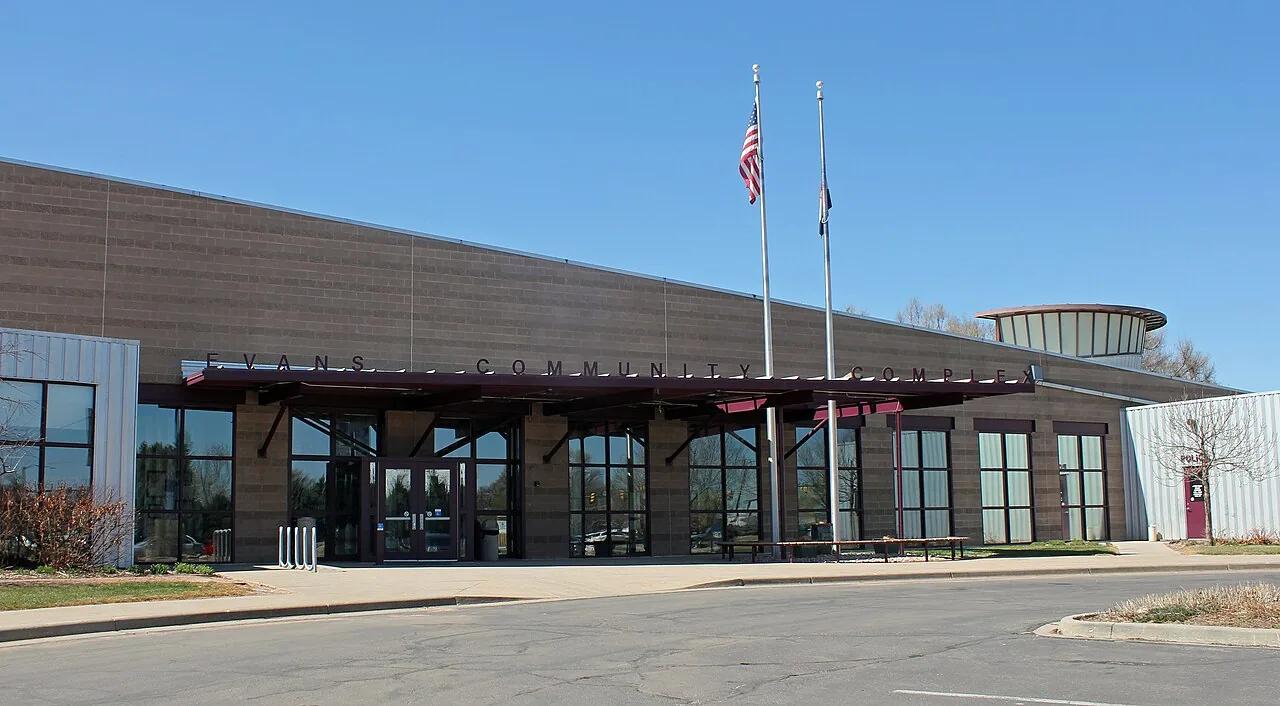
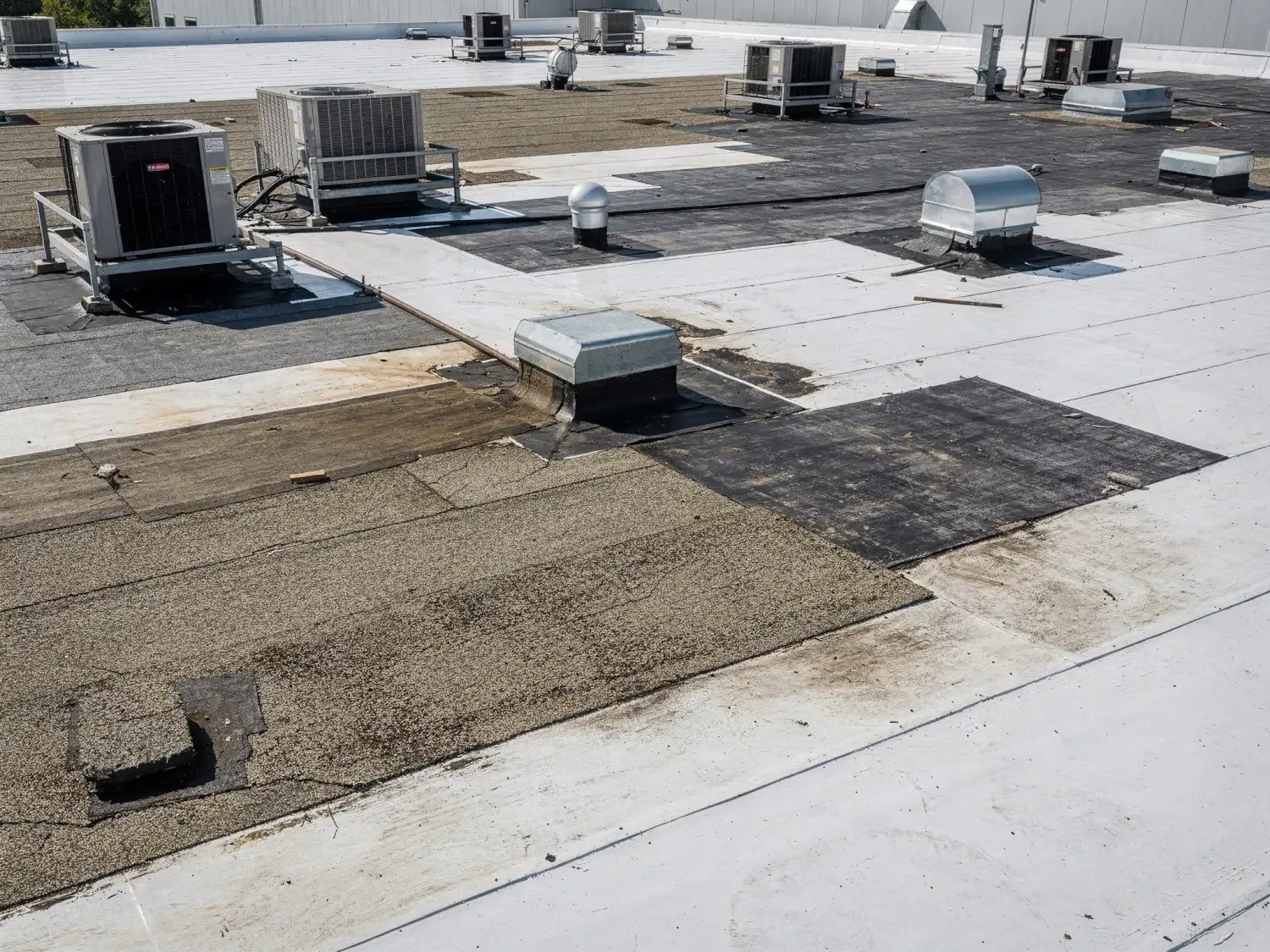
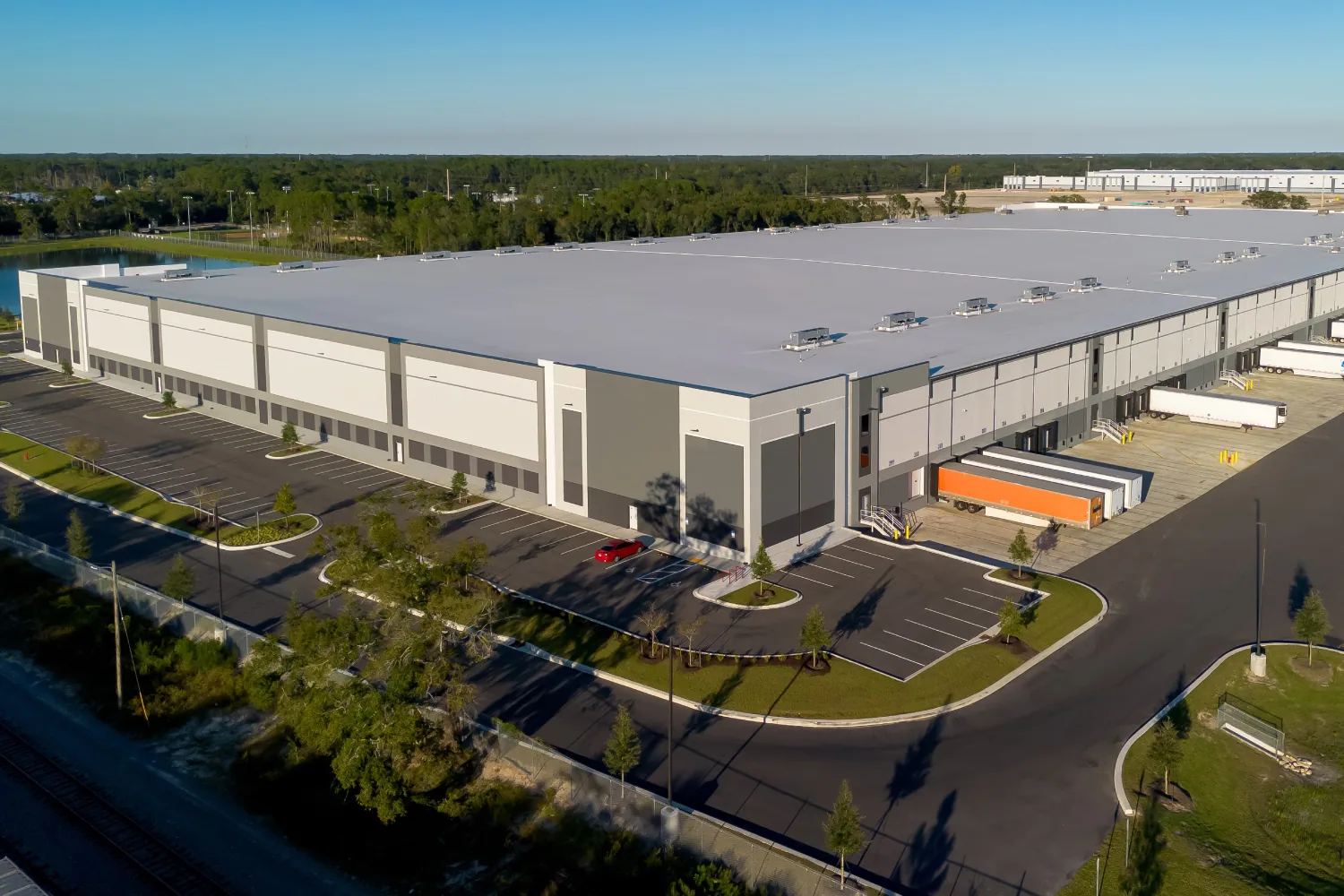
A drip near a production line can put finished goods, controls or a scheduled run at risk even when the roof opening is small. We locate the reported room or equipment bay, then inspect the roof area above it and the surrounding penetrations, seams, drains and curb details. The first report distinguishes active water control from permanent scope so plant leadership can decide what work fits the operating window. Evans lists manufacturing, food production, agriculture, healthcare, energy and construction among its economic sectors, a reminder that northern Colorado facilities can have very different process constraints.
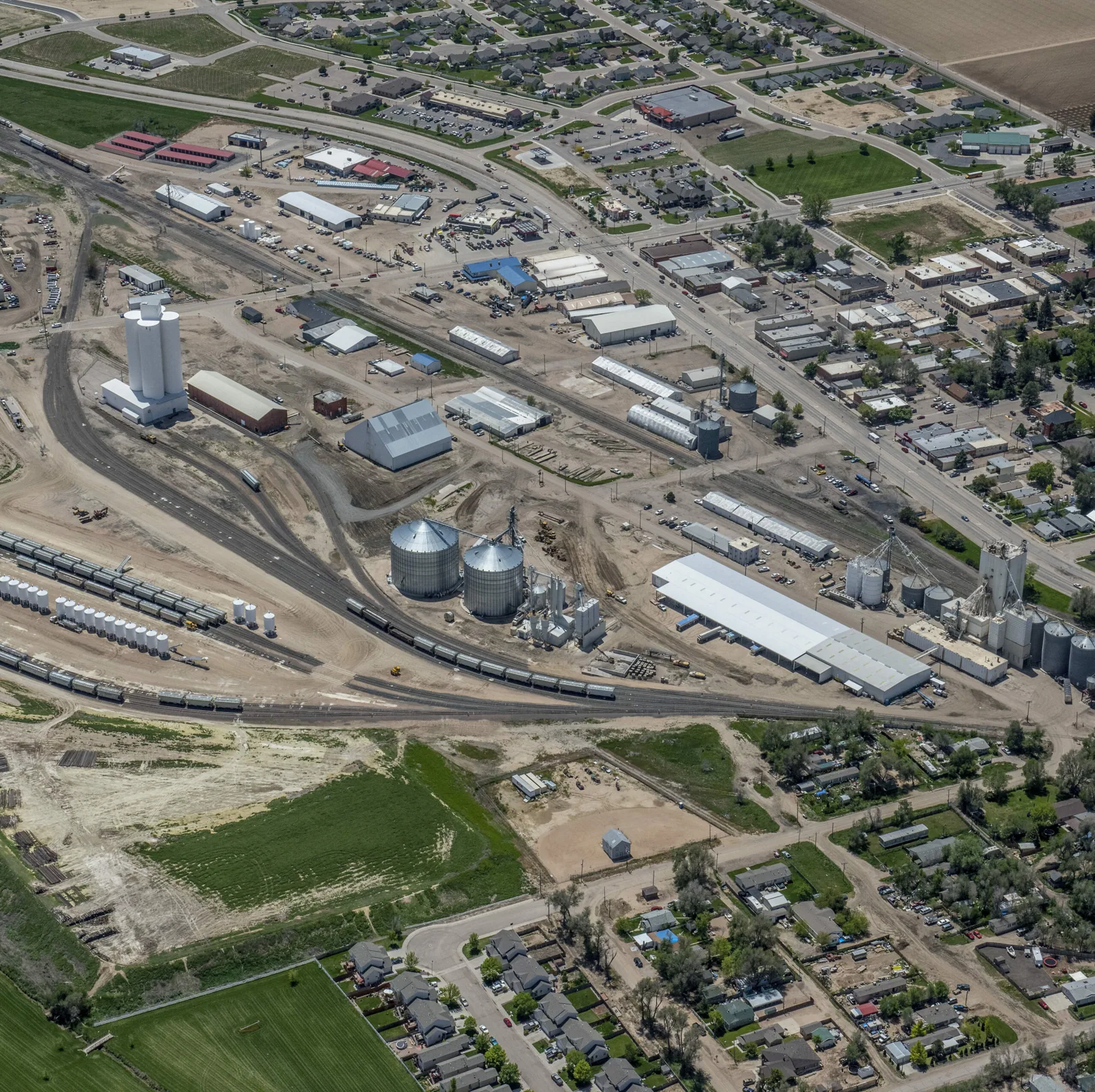
We do not assume a plant has a particular roof assembly or that a nearby industrial building has the same needs. At Eaton Industrial Park, the county profile identifies an industrial rail park, while Evans connects U.S. Highways 85 and 34 and the Union Pacific Railroad. We use those connections to plan arrival, then confirm the plant’s equipment, schedule, safety rules and roof conditions with its site team.
We ask the plant contact which line, room, process or shutdown window is affected and whether the condition changed after equipment work or severe weather. The roof inspection then checks the matching zone, including exhausts, conduits, pipe supports, curbs and nearby seams. Water can travel inside an assembly before it reaches a production floor, so the report maps both the interior symptom and the likely roof path. A photograph without a location reference is difficult to use during the next shift or outage.
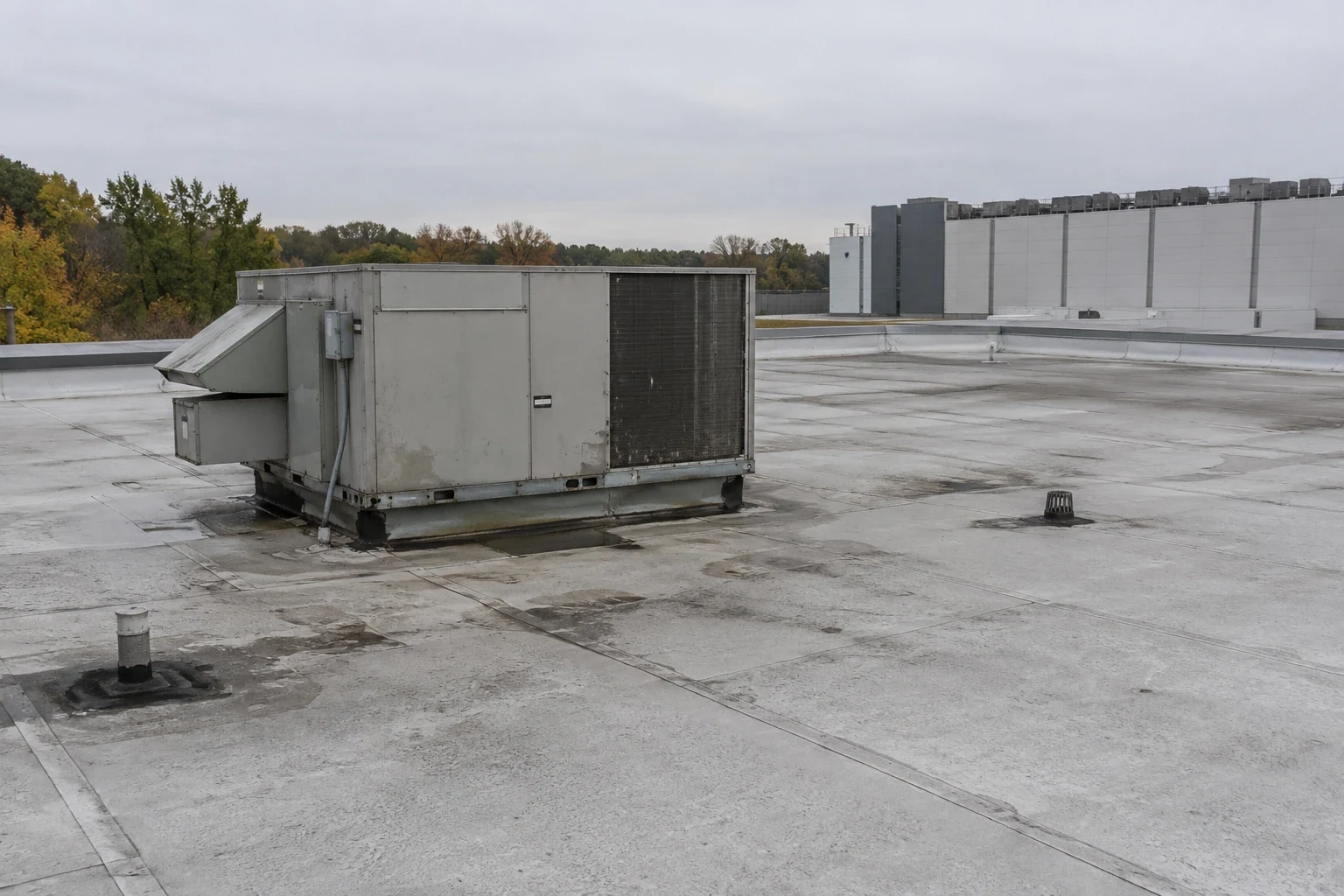
Manufacturing roofs can carry many third-party penetrations, but each one must be identified rather than assumed. We note missing counterflashing, loose supports, cracked sealant, membrane cuts, panel movement and standing water as separate observations. If insulation may be damp beyond the visible leak, a moisture survey or controlled test opening can help define the extent. The marked roof plan records where access was available and which production zones need protection while a repair is completed.
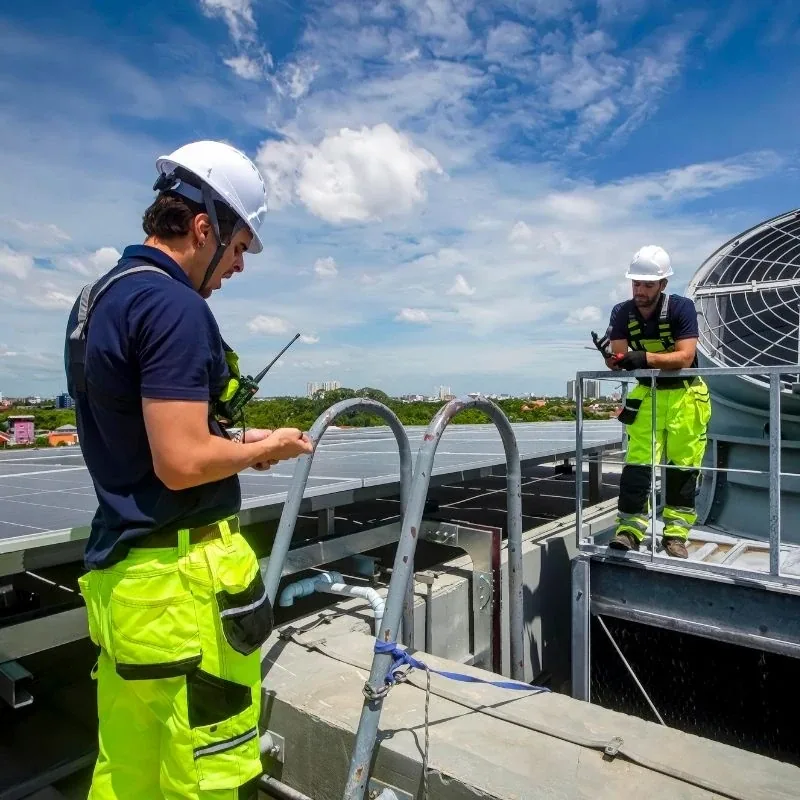
Where roof-mounted exhaust or process equipment runs continuously, we record its location and the site team’s restrictions before placing a ladder or moving materials. The roof scope can identify which trade must isolate equipment and where a temporary cover is required. That coordination protects both the roof membrane and the production plan without assuming that every fan, stack or line can be switched off during service.
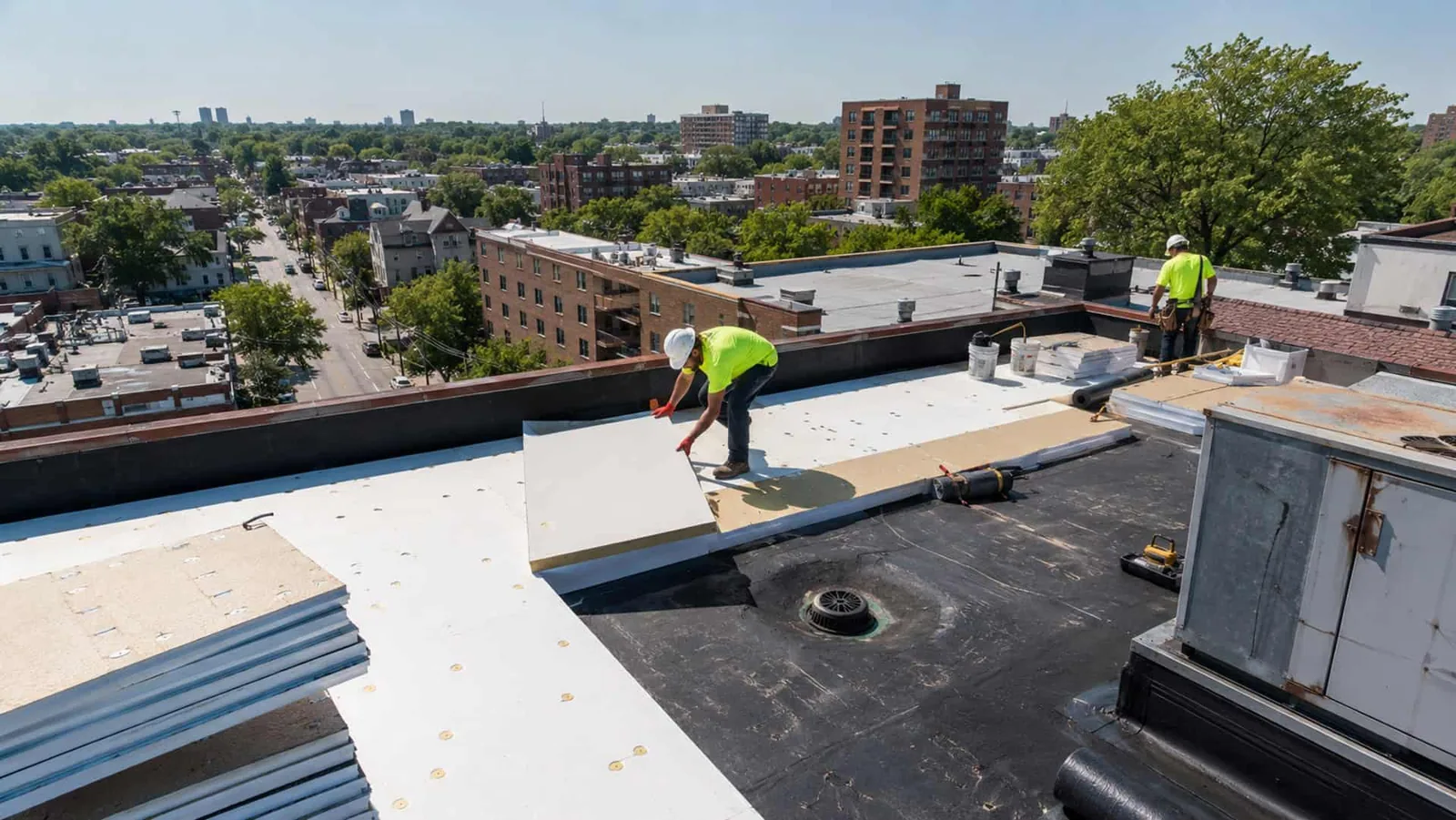
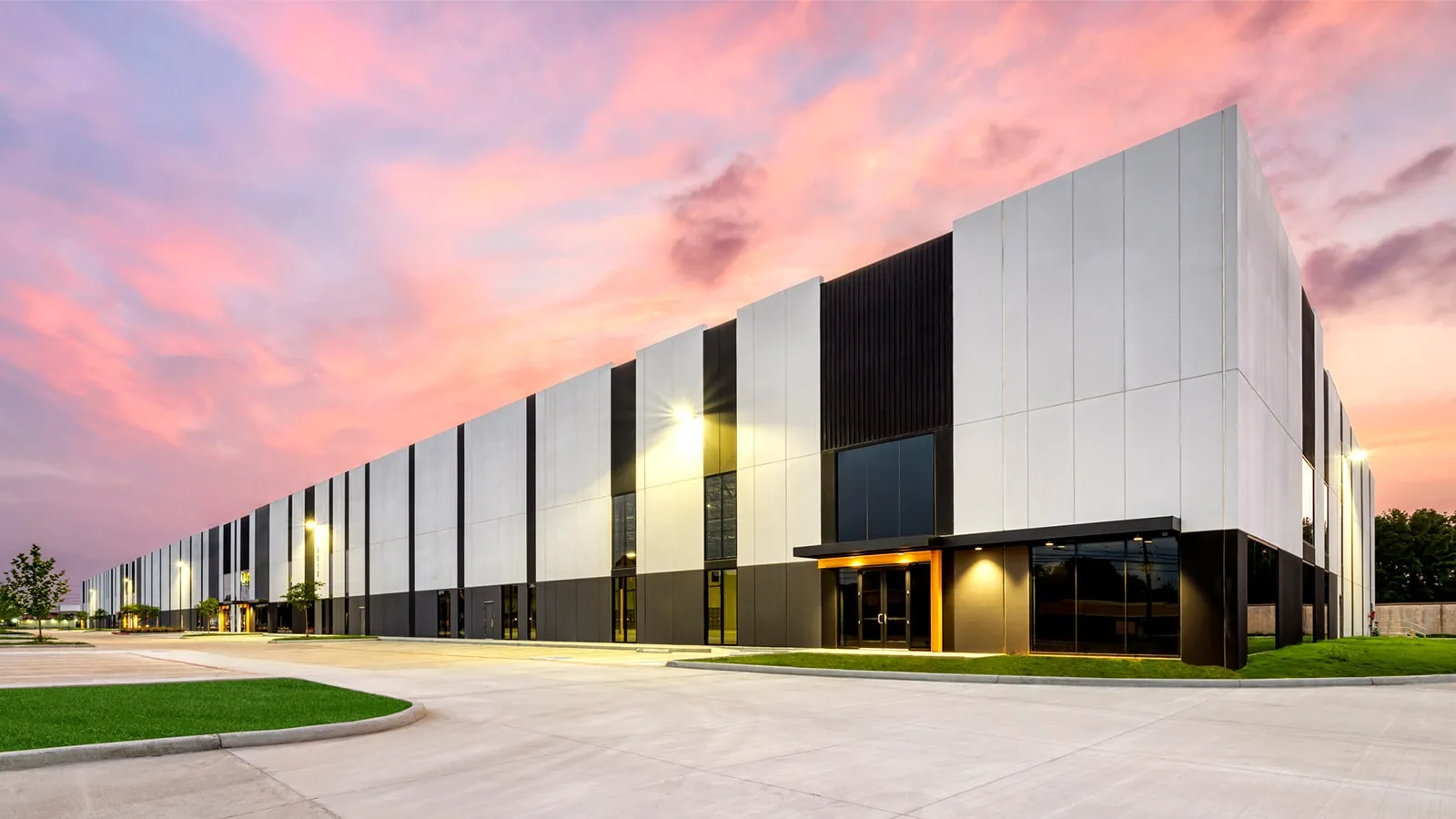
Before work starts, we coordinate with maintenance, safety and production contacts. They identify hot-work limits, restricted rooms, intake locations, chemical handling zones, overhead hazards and equipment that cannot be shut down. We confirm where ladders, lifts and materials can be staged without blocking emergency routes or deliveries. If a repair passes above an active line, the plant and roofing crew agree on a protected work area below and a clear signal for changing the sequence.
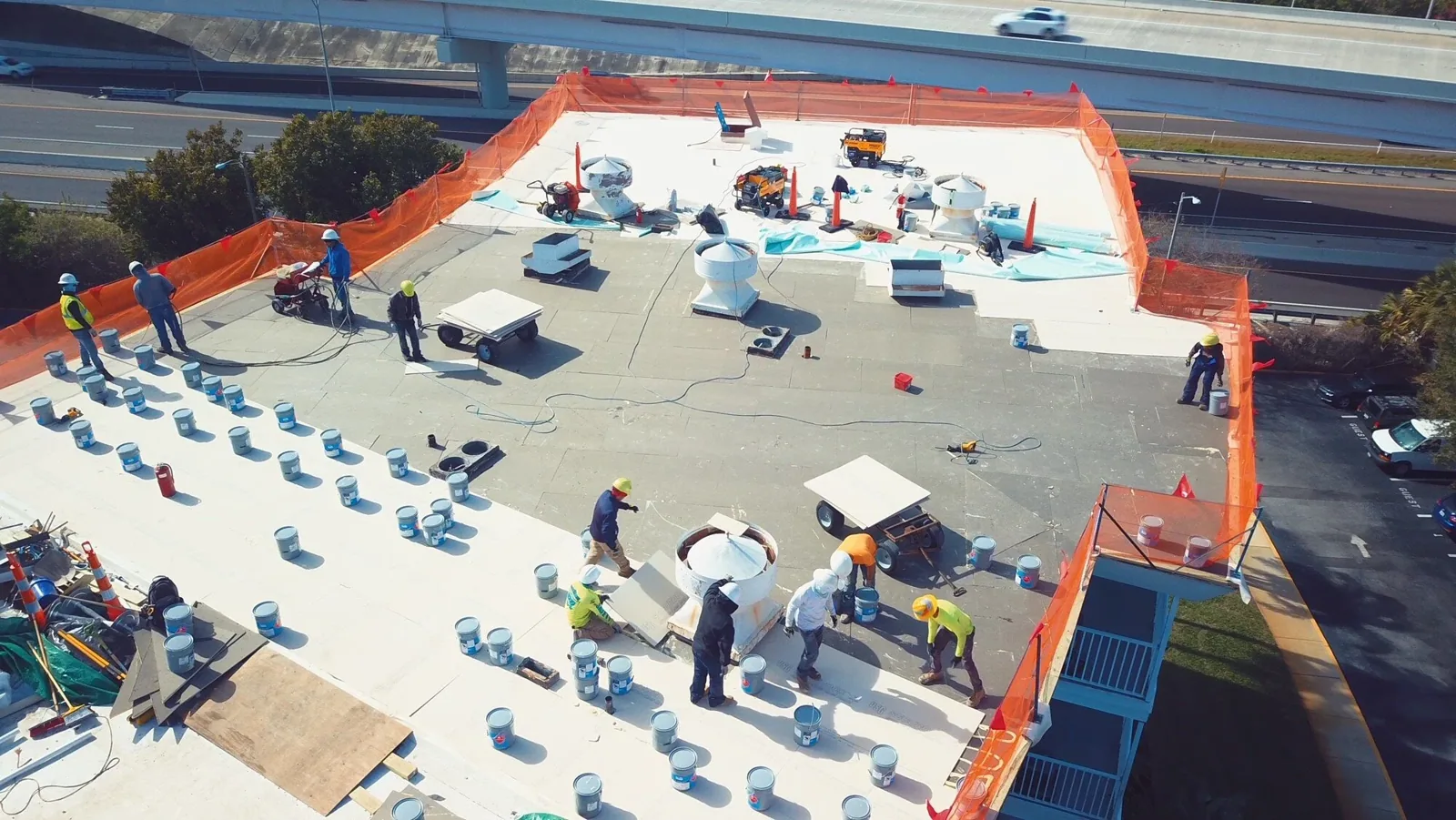
A larger project needs a roof-by-roof or zone-by-zone plan that shows tear-off, dry-in and restoration boundaries for each shift. We aim to keep the assembly closed at day’s end and document any temporary condition that remains. Plant operators can align disruptive work with a scheduled maintenance stop, but weather, access and substrate findings may change the sequence. An occupied-facility reroof plan gives production leaders a daily view of the next work area instead of a single broad date.
Manufacturing equipment can add heat around roof openings, while warm spells in Greeley can leave exposed surfaces hot into the afternoon. Airport observations include repeated days above 90 degrees and a record that exceeds 100. We choose work periods from conditions at the plant, then check whether the specified sealant, adhesive or coating can be installed as designed. Near active exhausts, we also confirm whether discharge or vibration affects the proposed repair detail instead of applying a standard patch without checking the operating equipment.
Hail and tornado summaries for Weld County add regional context, but neither a storm entry nor a nearby event proves damage at a plant. After a report, we inspect metal panels, membrane seams, edge securement, flashings and rooftop equipment for observable changes. Snowfall and wind records make post-event review of drains and edges useful as well. The roof inspection ends with photographs, a repair boundary and a list of any equipment or access restriction that affected the findings.
We first identify a safe work area and coordinate overhead protection with production and safety contacts. The actual repair window depends on the leak, roof access and plant rules.
New or moved penetrations can alter flashing and drainage details. We map each opening and coordinate the roof boundary with the equipment contractor before closing the work.
A phased sequence can be planned around an outage, with daily dry-in limits and access handoffs. The roof assembly and weather conditions determine how much work fits the window.
We compare interior reports with the roof surface and use targeted testing when the extent remains uncertain. The proposal can separate confirmed work from additional investigation.
Provide roof and equipment plans, line schedules, safety restrictions, prior repairs and the person who can approve access. Include any shutdown window that could affect staging.
A localized penetration or seam repair can be suitable when the surrounding materials remain sound and the water path is understood. Repeated failures, wet insulation or deteriorated attachment can justify a broader replacement assessment. We state what must be repaired before production resumes, what can be scheduled for a later outage and what requires further testing. The work description separates roof repairs from process equipment tasks so responsibility does not become unclear during shutdown planning.
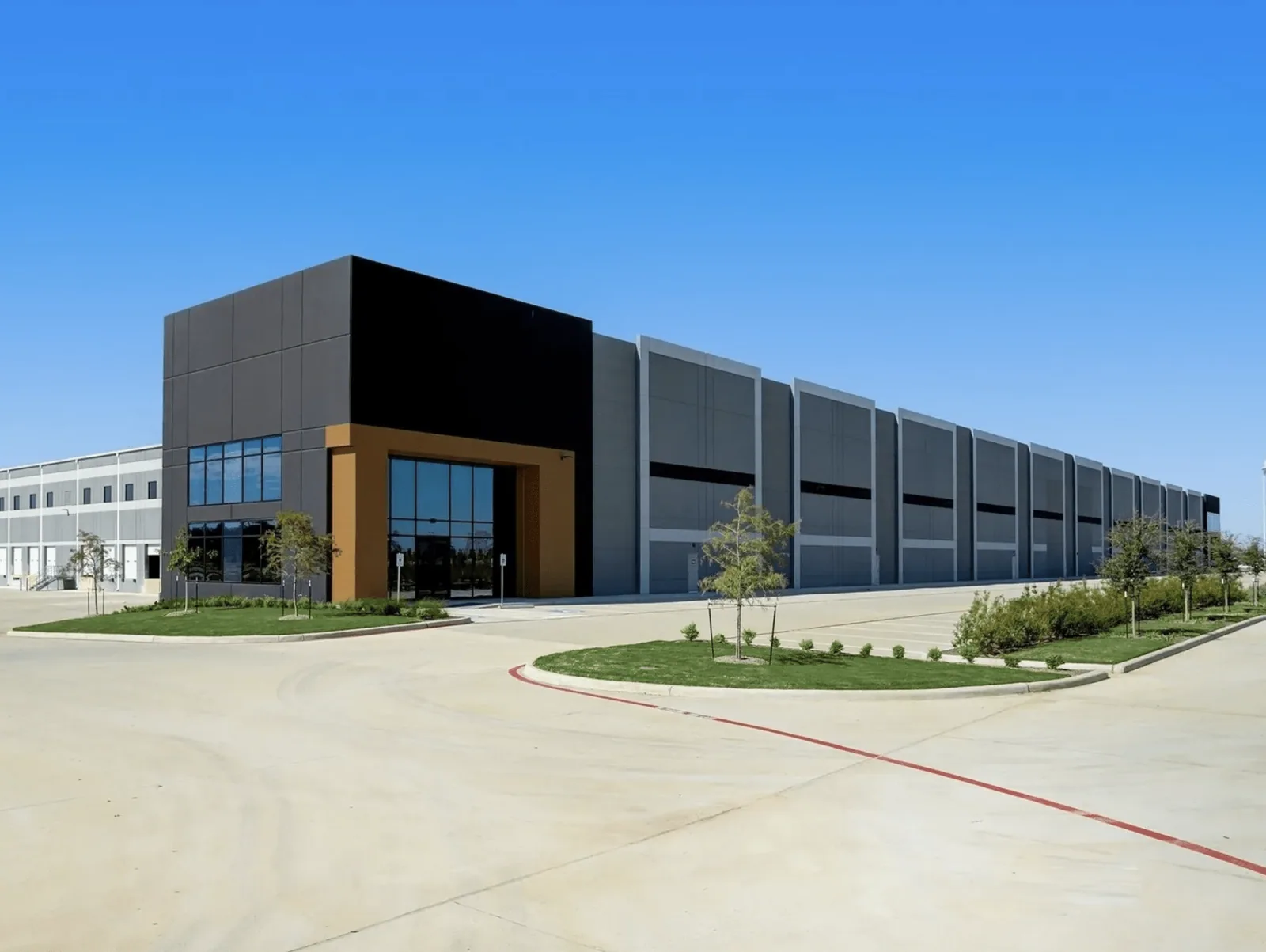
Cost and timing depend on roof area, assembly, access, number of penetrations, insulation condition, interior protection and the time available inside each outage. If a recover is considered, added height, drainage, curb elevations and the existing substrate need review. We compare that path with roof replacement and targeted repair using the observed conditions. A nearby warehouse roof or data center may have different continuity requirements; we scope the actual plant rather than borrowing another building’s schedule. A proposal should show mobilization, shutdown assumptions, daily completion limits and the point at which plant personnel can safely resume work below.
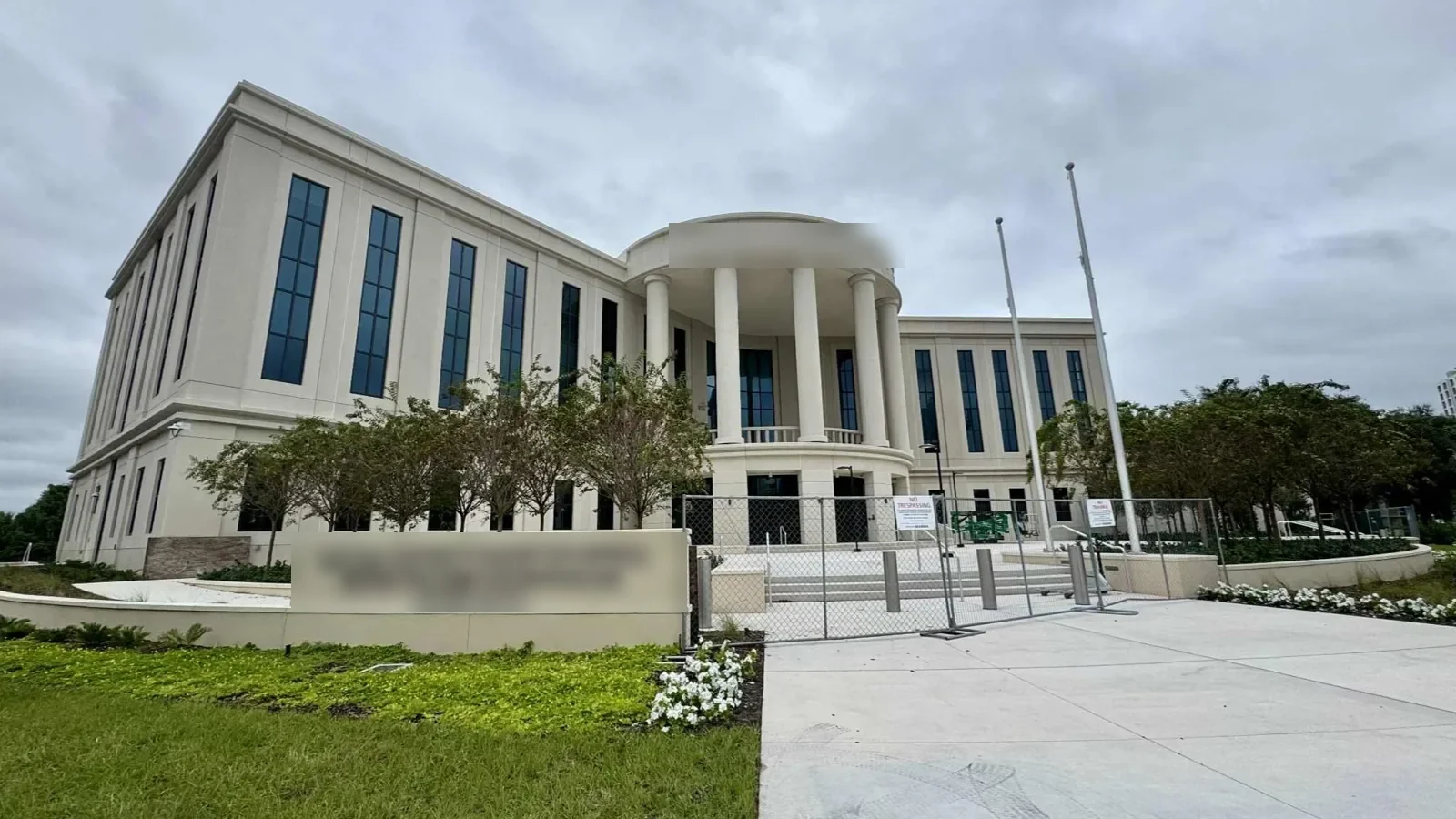
After the work, we provide a roof plan and photographs of each repaired opening, drain, edge and transition. The closeout identifies the materials used, areas not included and maintenance steps for future equipment contractors. A plant maintenance team can use the record before adding a conduit, relocating a fan or servicing a curb. That makes the next visit more efficient and helps the owner see whether a new report is near an older repair or belongs to another roof zone.
Share equipment layouts, roof drawings, leak reports, contractor access rules, shutdown dates and the site contact authorized to approve a change. If the plant uses multiple shifts or has environmental controls, flag the affected areas before the inspection. Eaton Industrial Park and Evans show the variety of industrial and production settings around Greeley, but no regional fact replaces the building’s own safety plan. We build the visit and work sequence around the current roof and operating conditions the site team confirms.