Commercial Roof Recover in Greeley, CO

Commercial Roofing Services

Commercial Roof Recover

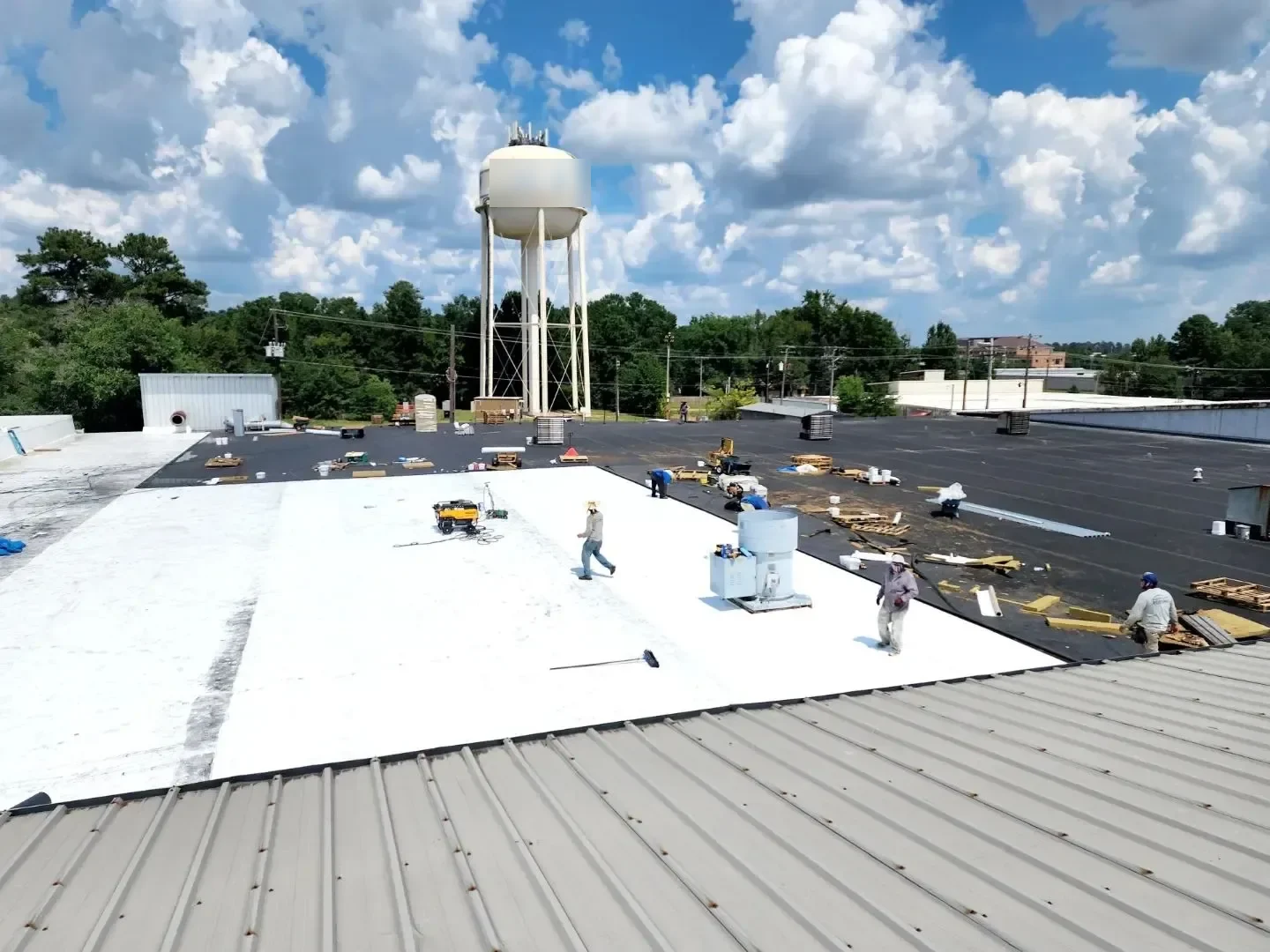
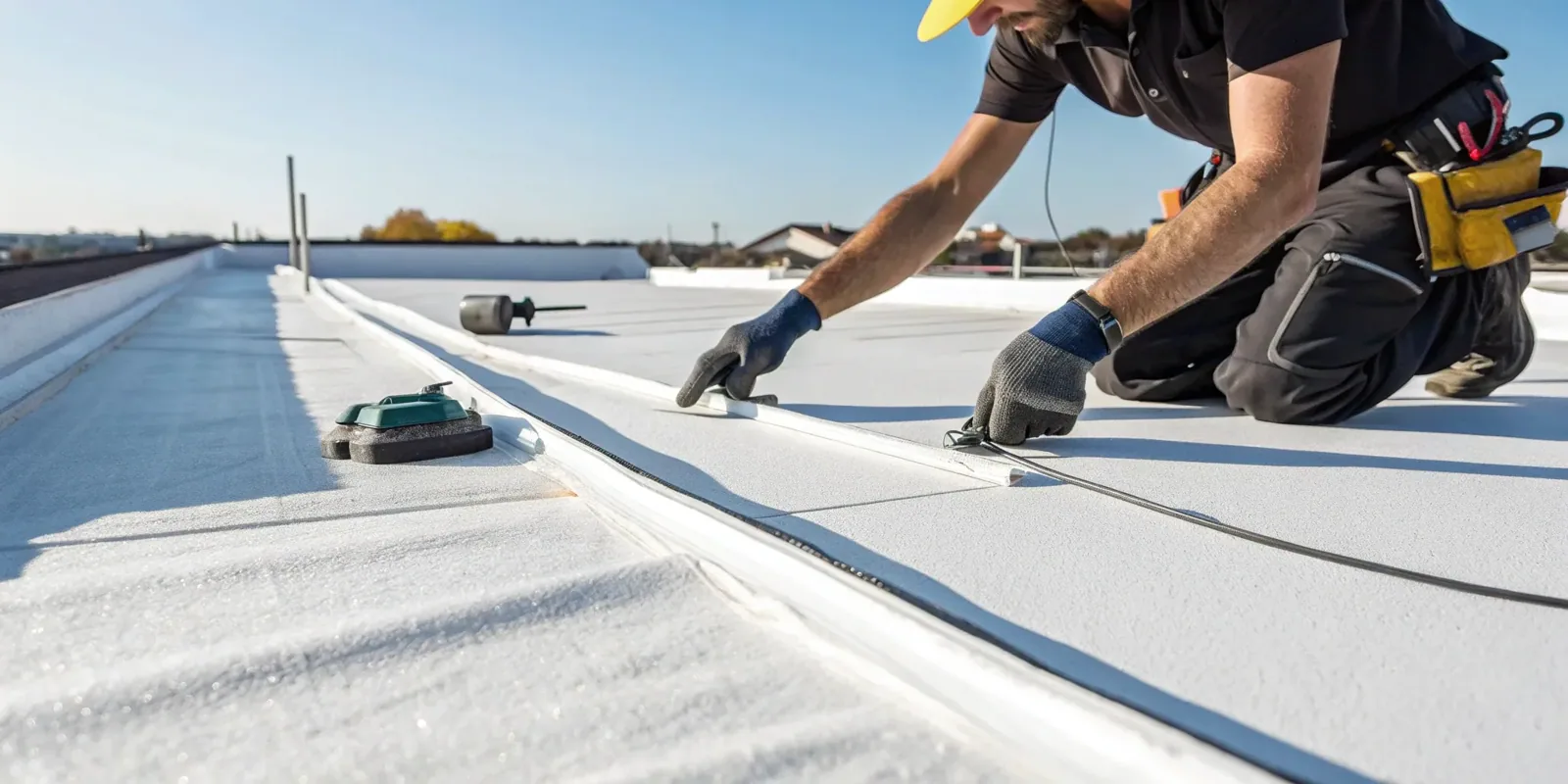
A second roof layer can shorten the open-roof period, but only when the existing assembly gives it a sound base. We begin by checking how many layers are present, where water has entered, whether insulation is wet, and how the membrane is attached. A recover is not a way to hide unresolved moisture or a weak deck. The first visit should answer whether the existing roof can remain, where it needs repair, and which conditions require a test opening.

Snowfall, snow depth, wind and temperature can affect roof access and installation timing. That information helps us consider seasonal access and drainage review, while current conditions at the building still determine the work sequence. We inspect drains, scuppers, roof edges and low areas before discussing added material. In Downtown Greeley, owner coordination can also shape material staging and roof access. A written inspection gives the recover decision a marked roof plan instead of a guess.

Check what stays in place

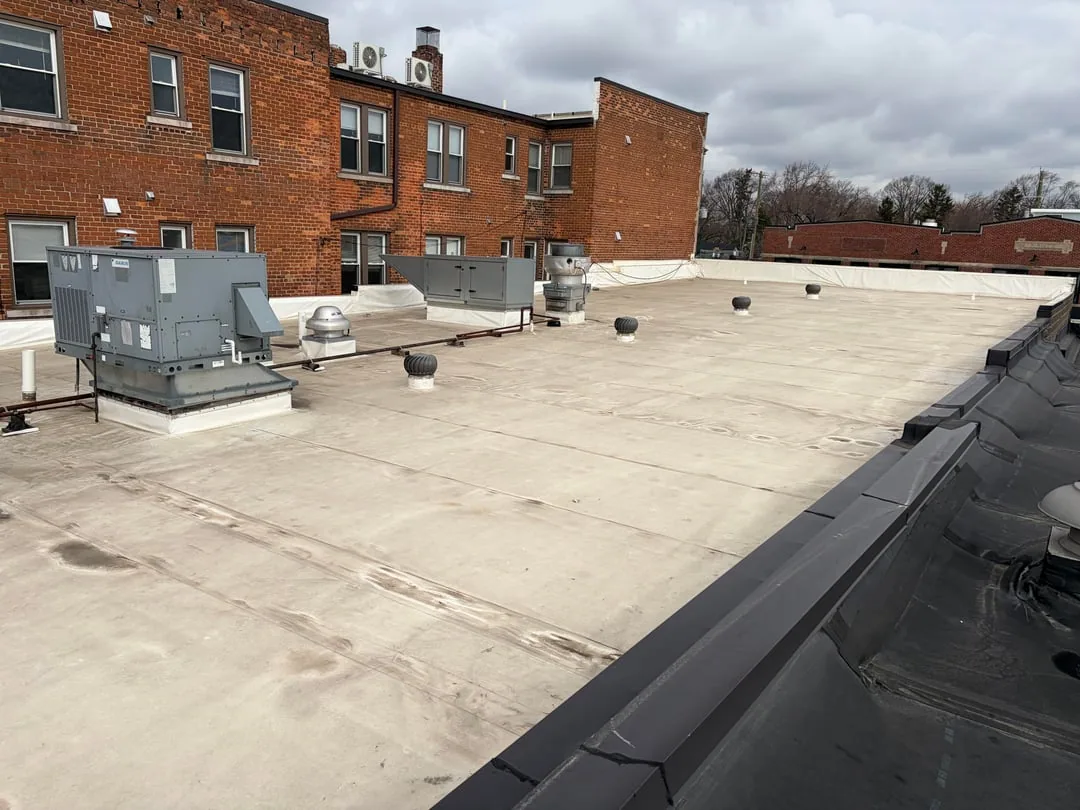
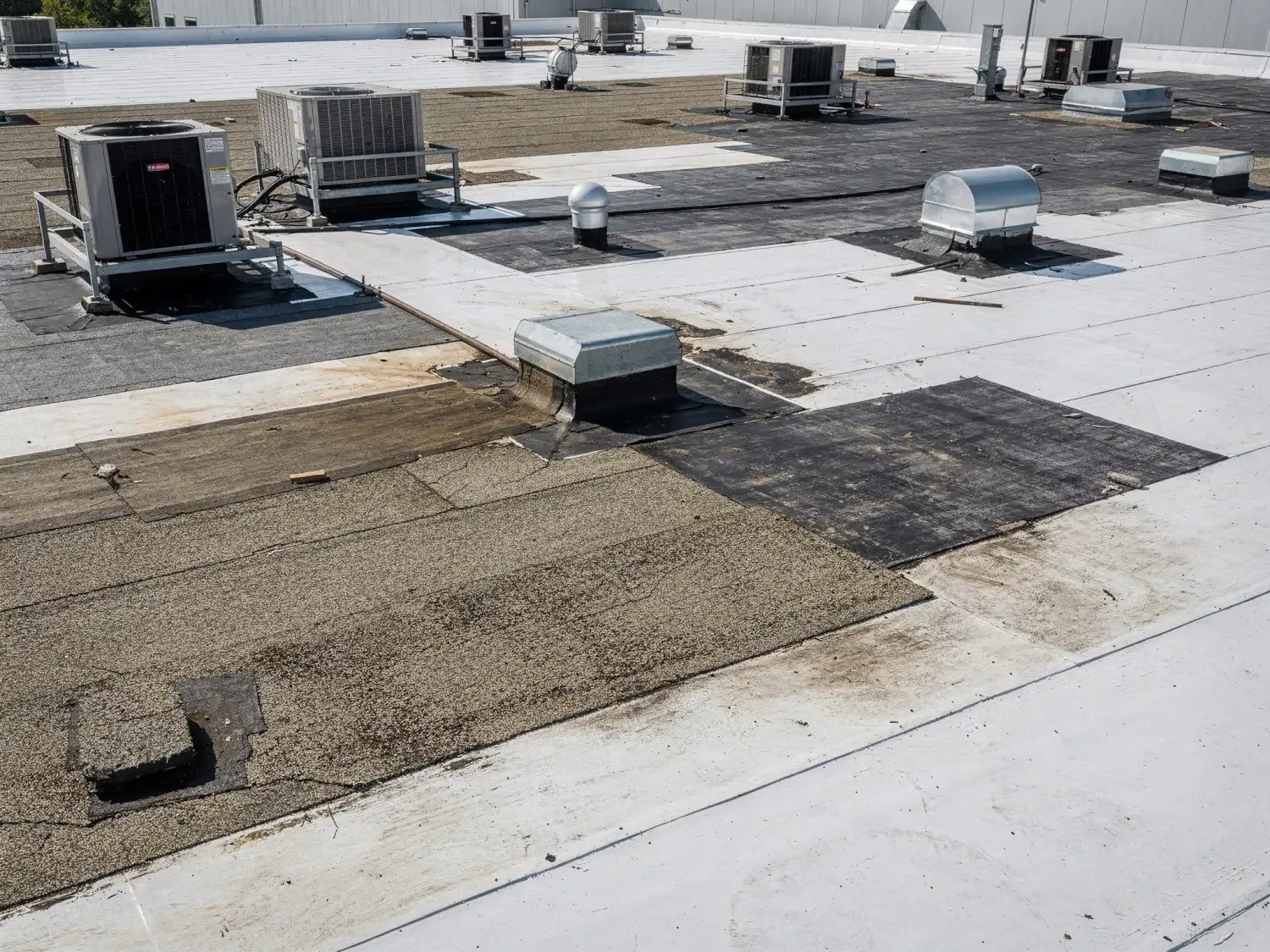
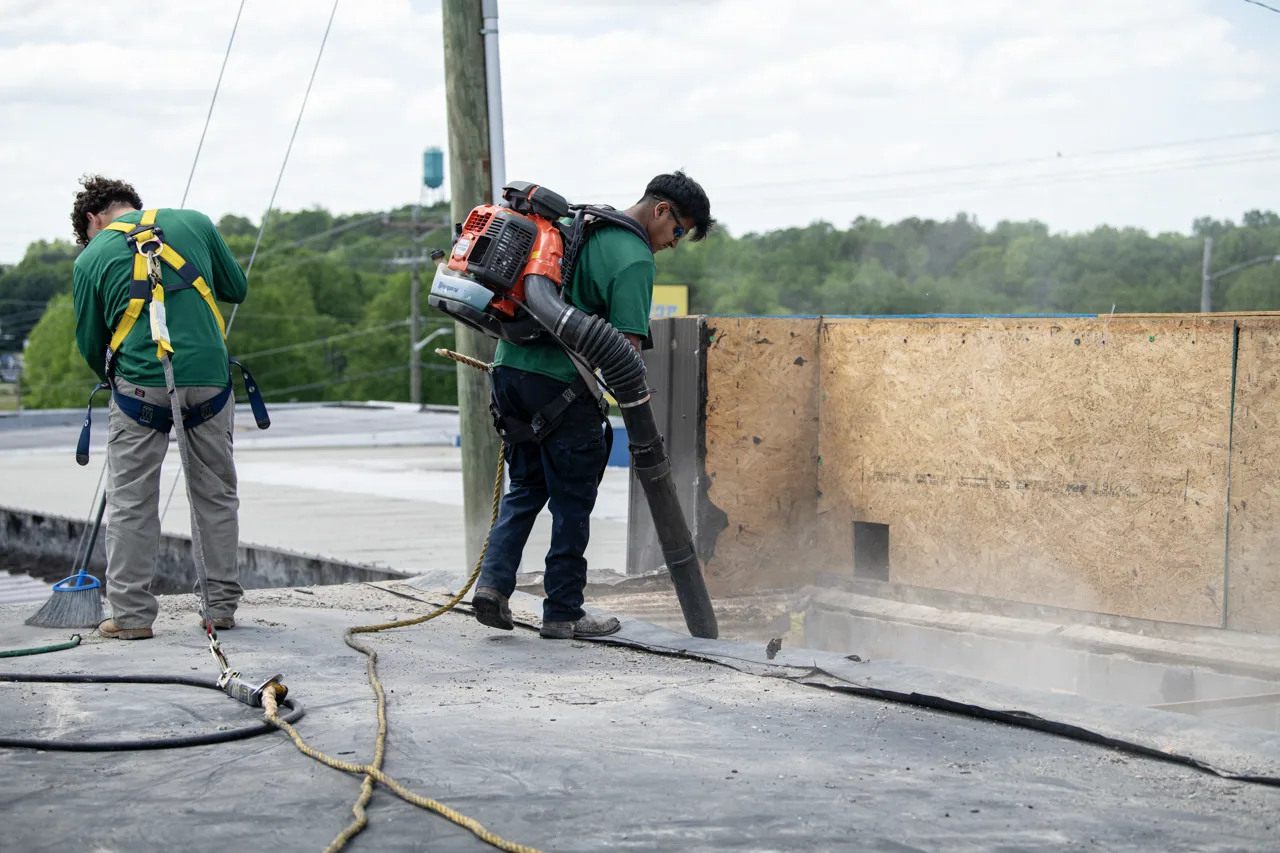
We map the current assembly by roof area, looking for trapped moisture, soft insulation, open seams, failed flashing and unstable edges. A moisture survey helps identify likely wet zones, but readings need confirmation where the roof layers or surface conditions make interpretation uncertain. Test cuts can show the number of plies, insulation condition, attachment and deck type. The owner sees where the base is acceptable and where removal or repair must come first.

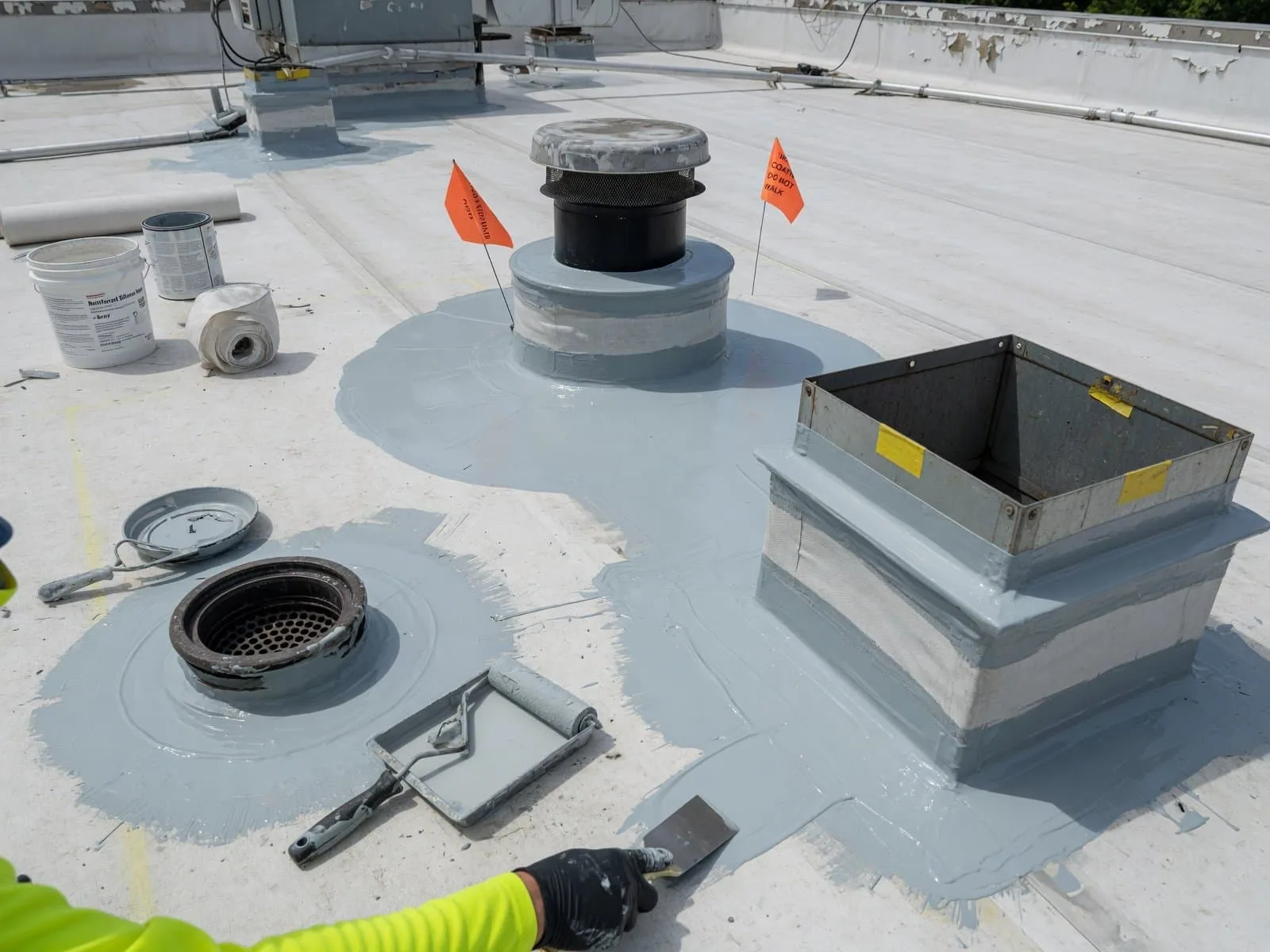
A recover adds load and height, so we review the building structure, perimeter details, drains, curbs and transitions before recommending it. New insulation may affect the height of equipment supports or parapet coping. Drain bowls and overflow routes also need enough clearance after work. We document these constraints, then compare the recover with a full replacement where the existing assembly cannot support a dependable overlay.

Commercial Roof Recover in Greeley, CO

Test the moisture boundary

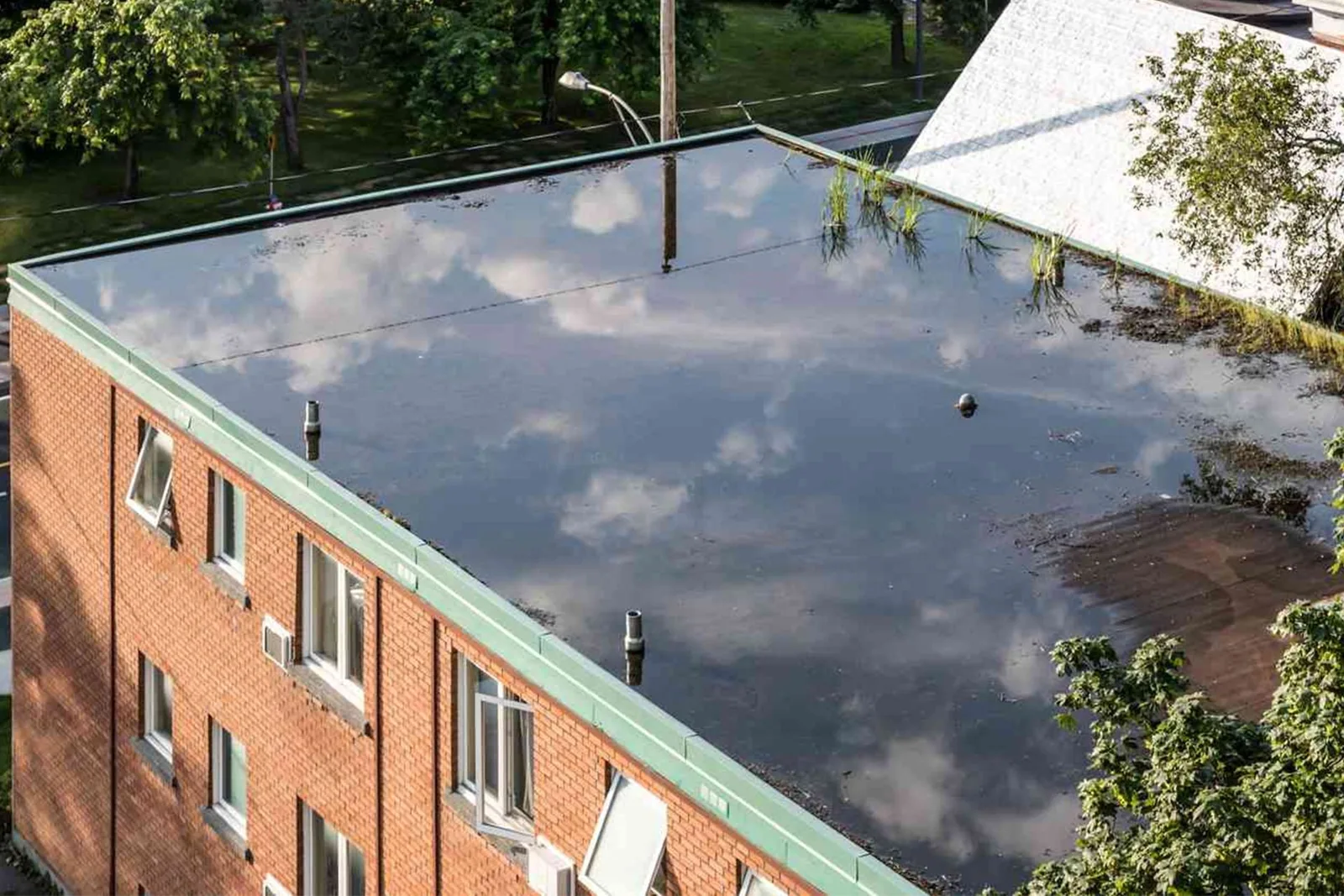
Moisture does not always stop at a stain or an earlier patch. We check the roof surface against ceiling reports, repairs and infrared readings, then open selected locations if the result could change the scope. A test cut can separate damp insulation from dry material and show whether water reached the deck. Where the evidence remains incomplete, the proposal says what still needs confirmation before installation.

High summer temperatures can shorten the safe work window and affect material handling. Those conditions matter when crews handle adhesives, primers and membrane rolls, because product temperature limits and roof-surface heat affect installation steps. We schedule around current readings, shade and manufacturer instructions for the selected system. For a recover, a clean and dry substrate is essential. Wet insulation remains a removal item, even when most of the roof area appears stable.

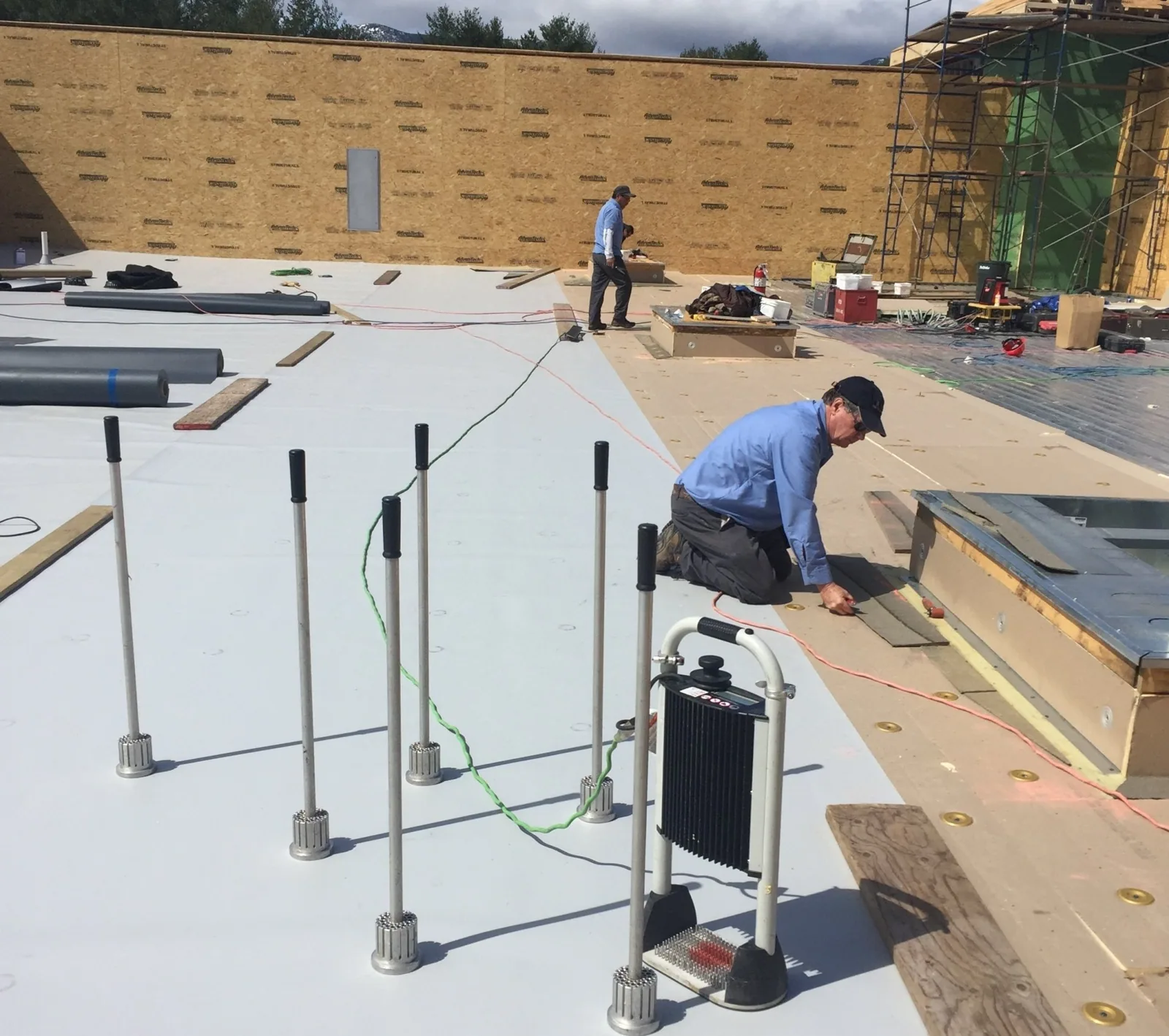
We also check attachment beyond the visibly damaged section. Loose plates, fasteners pulling through, adhesive separation or a membrane that moves underfoot can signal a base that will not hold another layer reliably. The review records representative conditions across the roof instead of extrapolating from one opening. Where fastening cannot be verified without more exposure, we identify that limit and include a test area before the final assembly is approved.

Compare the two work paths

A recover may reduce disposal and keep more of the existing membrane undisturbed, but it narrows access to concealed conditions after the new layer goes down. Replacement opens the assembly for broader deck and insulation review, although it requires more removal and temporary protection. We lay out both paths when each is technically plausible. The comparison names what stays, what comes off, how transitions change and which future inspection points remain available.

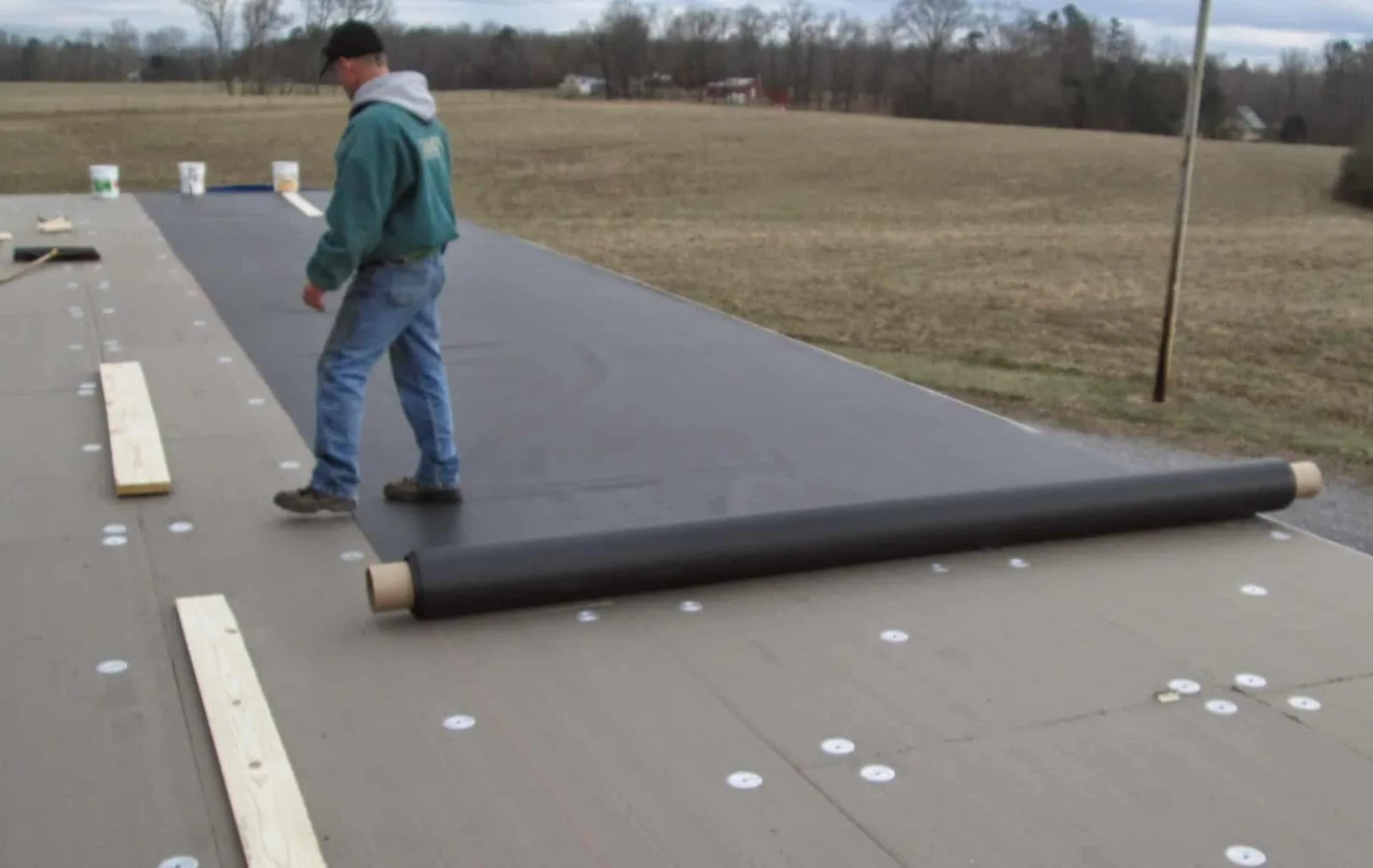
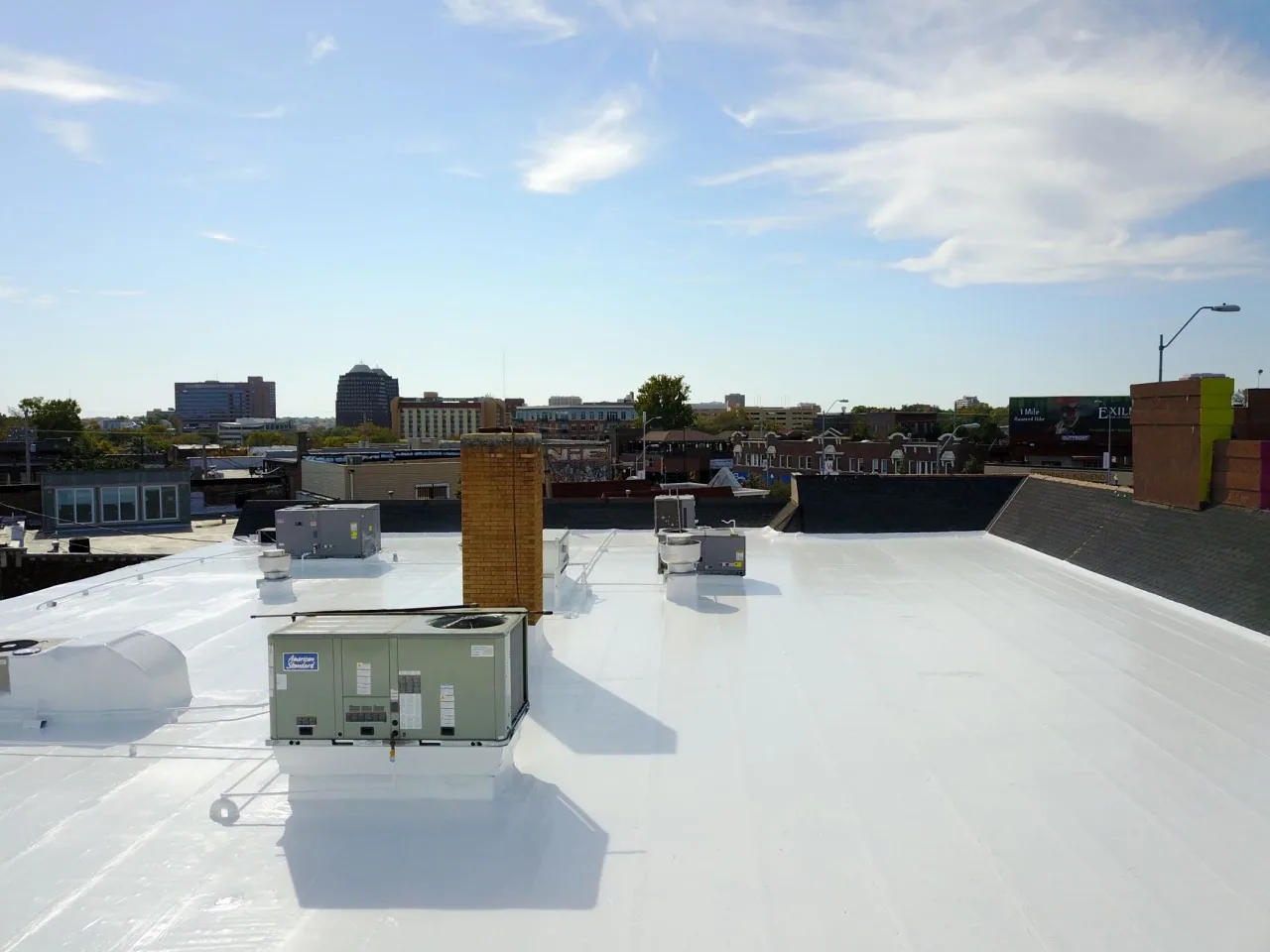
System choice also depends on the existing surface, attachment method, slope, rooftop activity and compatibility. An overlay may use a mechanically attached or adhered membrane, insulation boards, cover board or a restoration system, depending on the design. We avoid pairing materials based only on surface appearance. The owner can compare TPO roof options and EPDM assemblies against existing conditions, or consider coating restoration where the system and surface qualify.

Code and design review still apply before another layer is installed. Greeley’s adopted code is the 2021 International Building Code with city amendments, so permit questions and assembly limits need a project-specific check. We confirm applicable requirements with the City and put the approved layer count, insulation, attachment and edge details into the plan. Where the structure or code path does not support an overlay, the recommendation moves to removal and replacement rather than stretching the recover scope.
Commercial Roof Recover in Greeley, CO

Commercial Roofing Questions

How do you decide whether an overlay is allowed?

The existing layers, structural capacity, local code, moisture and edge details all matter. We verify the conditions for that roof and identify any approval or test needed before recommending a recover.

Can wet insulation stay under a new roof?

No. We mark wet areas for removal or another appropriate correction before covering the assembly. Test cuts help confirm how far moisture has moved when surface readings are not enough.

Will a recover hide future leaks?

It can make concealed conditions harder to reach, which is why we document the existing roof and repair boundaries first. The new design should preserve practical inspection and drainage access.

Does adding a layer change the drains or equipment?

Added height can affect drain bowls, overflow paths, curbs, doors and service clearances. We measure those transitions and include the required adjustments in the written scope.

What information helps with the first recover review?

Send roof plans, prior repair records, leak locations, access limits and any moisture findings. We will use those records to select inspection points and plan safe roof access.

Plan for Greeley conditions

Freeze and snow periods make water movement and access part of the roof review. We record snow-related drainage concerns, note wind-exposed edges and check whether drains are clear before the recover begins. Slope, shade, parapets and maintenance history can create different surface conditions across one roof. We check representative areas before selecting the overlay sequence. A crew should not cover a drain problem that has not been corrected or verified.

Heat changes the installation day as well. Adhesives, sealants and membrane rolls have handling requirements, and workers need safe paths across hot surfaces and around equipment. We check the current forecast and roof conditions before setting the daily work area, then protect the finished section from traffic and debris. A documented condition report can record the pre-existing roof, while maintenance visits track the new assembly afterward.

Commercial Roof Recover in Greeley, CO

Define the installation boundary

The proposal identifies roof zones, surface preparation, insulation or cover board, attachment, perimeter work, flashing, drains and cleanup. It also distinguishes base repairs from the recover layer so the owner can see what each cost covers. If deck damage or concealed moisture appears during preparation, we stop at the agreed point, photograph the finding and review the needed adjustment. That keeps a field condition from quietly changing the finished assembly. We also record where a new layer meets preserved membrane, raised equipment or wall flashing, since each transition may need a different detail and later inspection point.

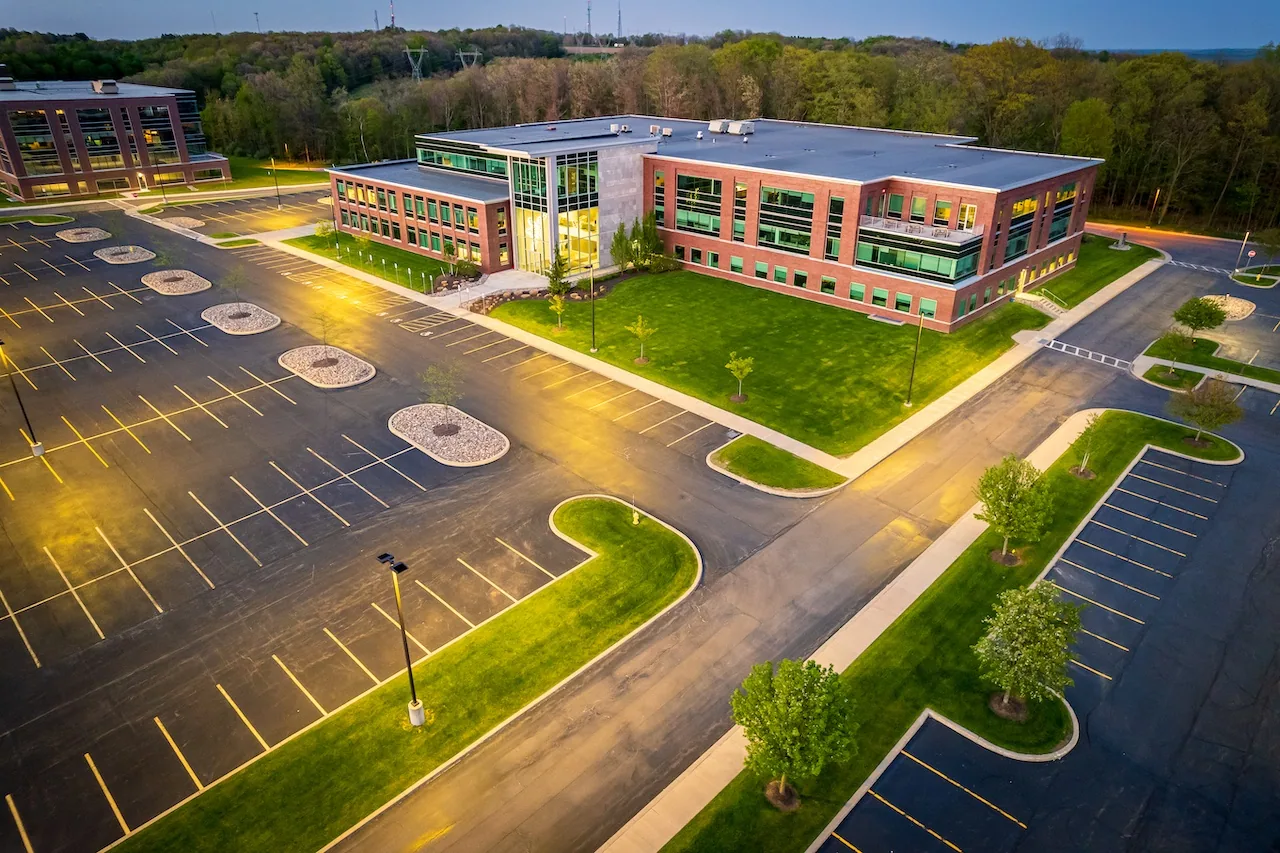
Before work starts, we confirm access, deliveries, fall protection, tenant notices and equipment coordination with the site contact. The tie-ins need special attention where roof levels change or a different system remains. We record those locations and include them in final photographs. At Highpointe Business Park, we verify roof layers, equipment clearances and drainage at the property before recommending an overlay sequence. For buildings that cannot tolerate an open area, staged occupied-building reroofing can organize the work sequence.

Related Roofing Work

Review an overlay candidate

ServicesRoof SystemsIndustriesProperty TypesService AreasDamage RepairCapabilitiesManufacturersAboutRequest a Roof Assessment555-555-5555
Call555-555-5555