Can you respond outside normal business hours?
Yes. Emergency calls are handled around the clock, including weekends and holidays. We ask for the leak location, water rate, roof access and any immediate safety concern before dispatch.

A ceiling drip that grows during a storm needs a safe response before a full repair scope. We take emergency calls around the clock, including nights, weekends and holidays, then ask for the affected area, water rate, roof access and any immediate safety concern. That first report helps us bring suitable temporary materials and set expectations for the initial visit. The crew checks the safest route to the roof, protects the interior where practical and limits open work to what can be secured.
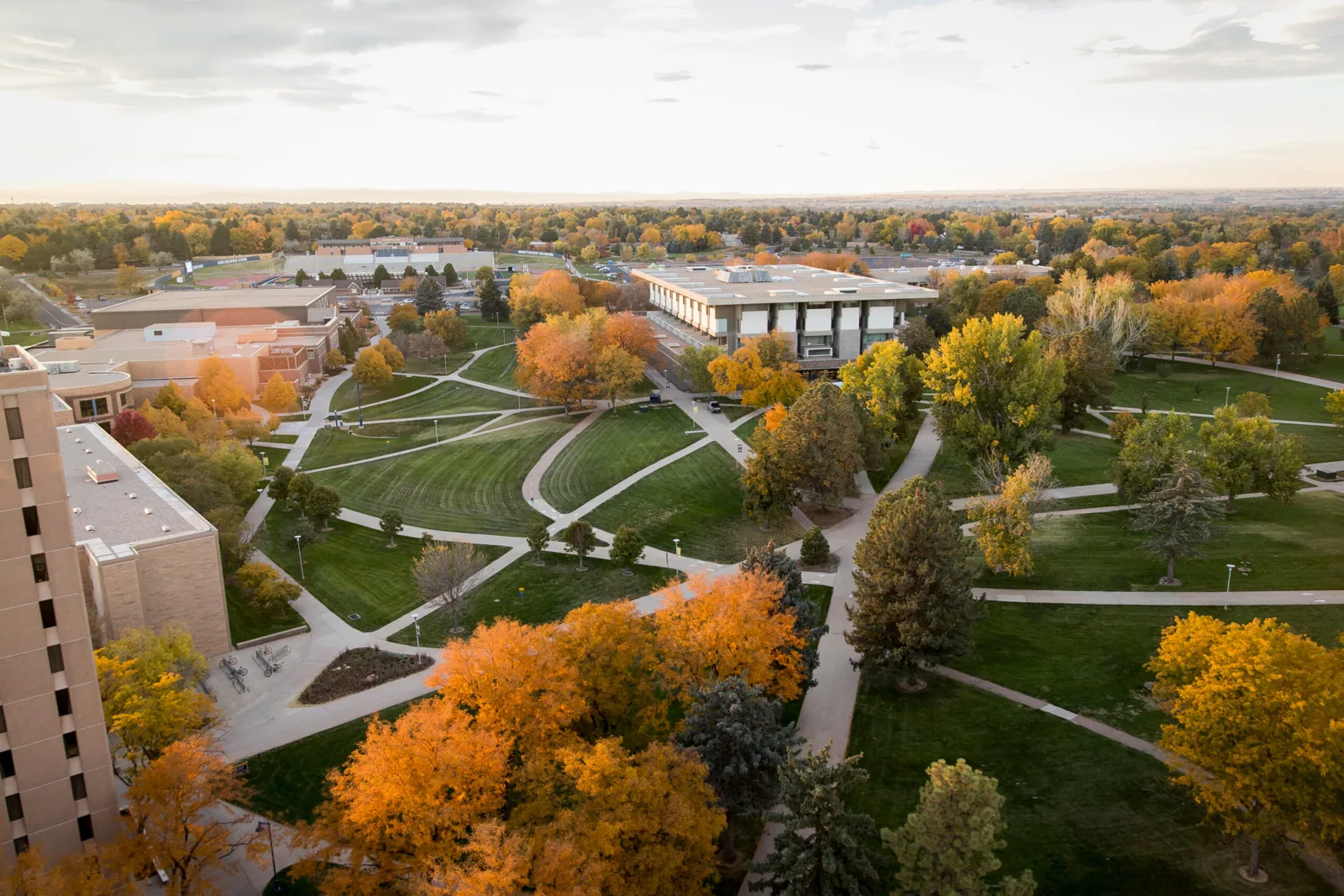
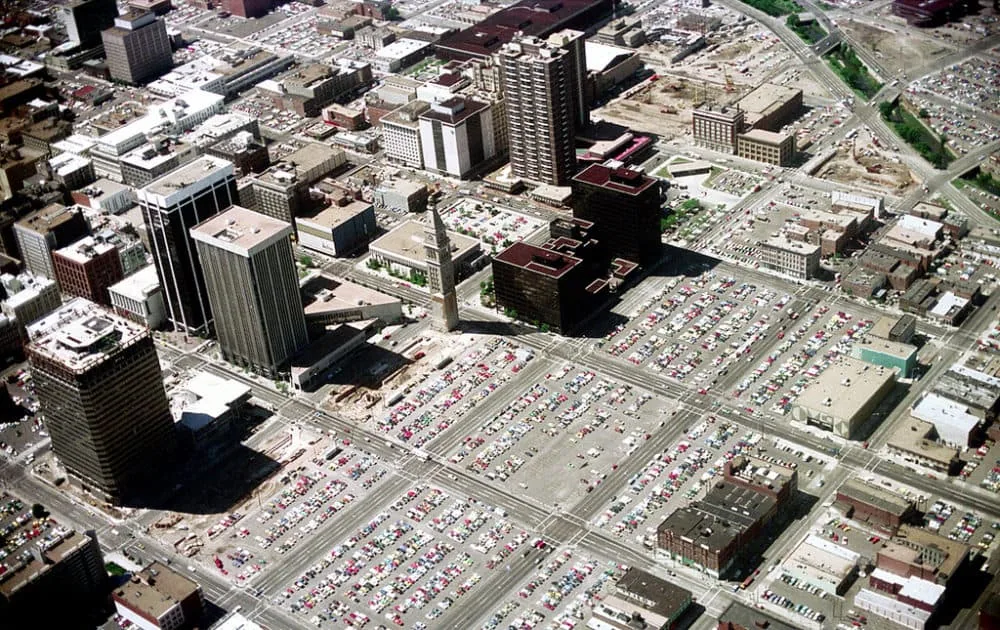
When a roof leak threatens occupied space, we prioritize safe access, interior protection and a temporary measure that can be secured. The visit record separates immediate containment from the permanent repair scope. We inspect actual openings, loose edges, punctures and water paths, then photograph what we find. At the University of Northern Colorado District or 10th Street Urban Renewal Corridor, we confirm access arrangements with the property contact before dispatch. Our leak response records the immediate condition and the permanent work that remains.
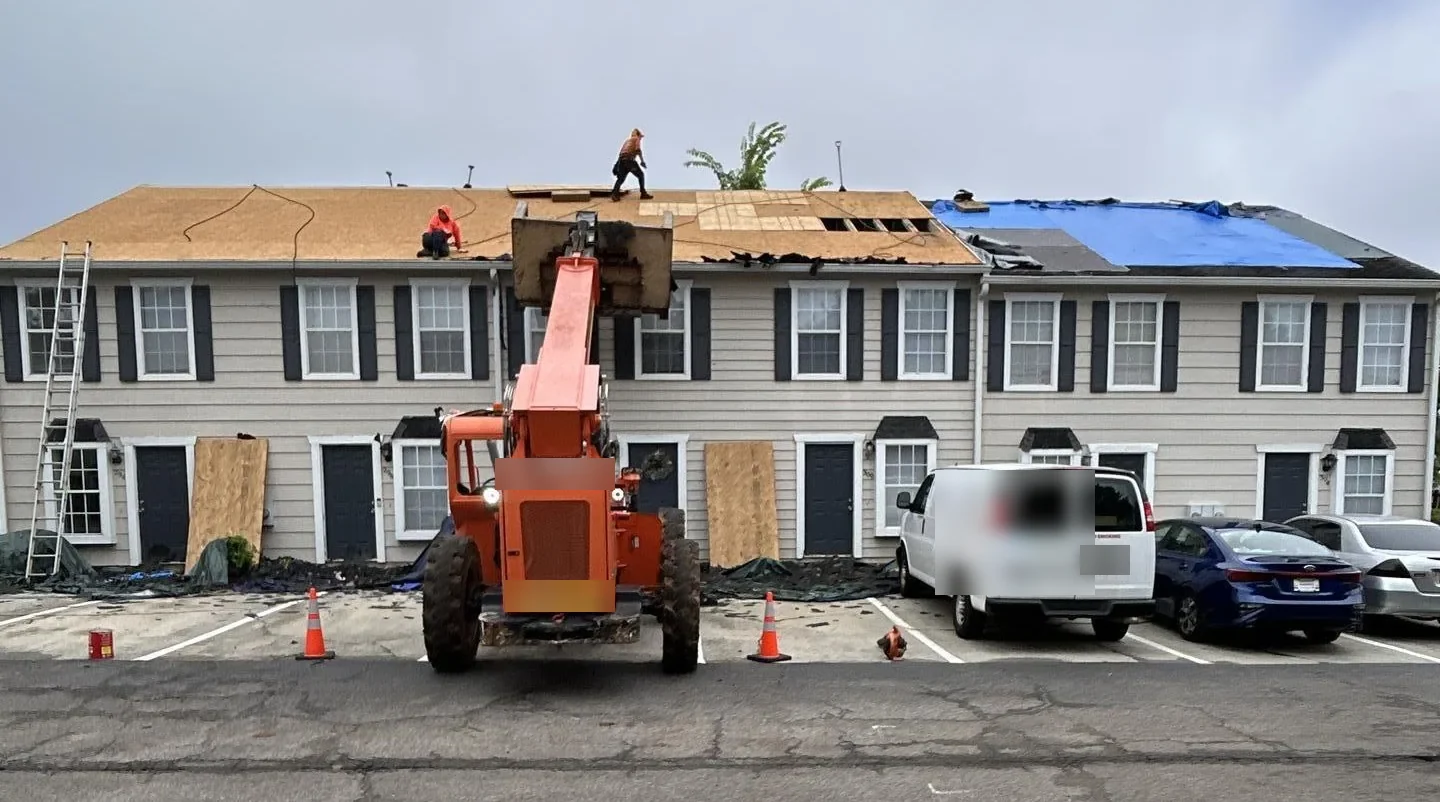
The first objective is to reduce water entry without creating a larger opening. We locate the roof area connected to the interior report, remove only loose material that prevents safe temporary protection, and cover or dry-in the affected detail when conditions allow. Inside the building, we help identify where water is reaching finishes or equipment so staff can isolate the area and protect contents. If electrical risk or ceiling instability is present, the property contact coordinates those interior safety measures with facility personnel.
Temporary protection is not a substitute for permanent repair. Wind, snow, temperature and roof access can limit what can be installed during the first visit. We explain what the cover is intended to control, who should monitor it and when the crew needs to return. Photos document the opening, temporary measures and any area left exposed. For broad impacts, storm-damage repair can follow once conditions permit a complete inspection and compatible repair materials can be installed. The contact also receives a clear boundary for the temporary work, including any edge that still needs observation and the time for the next check.
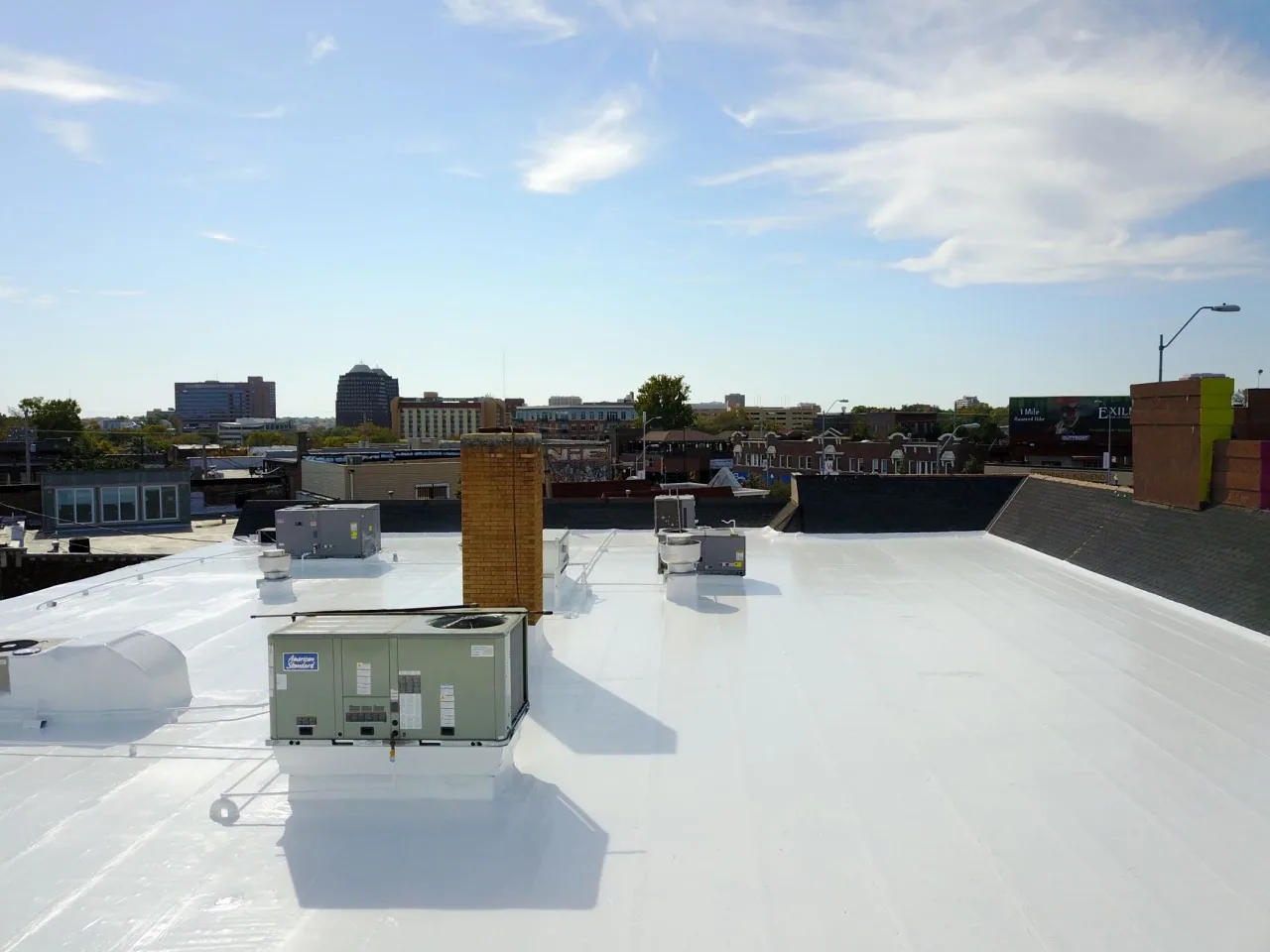
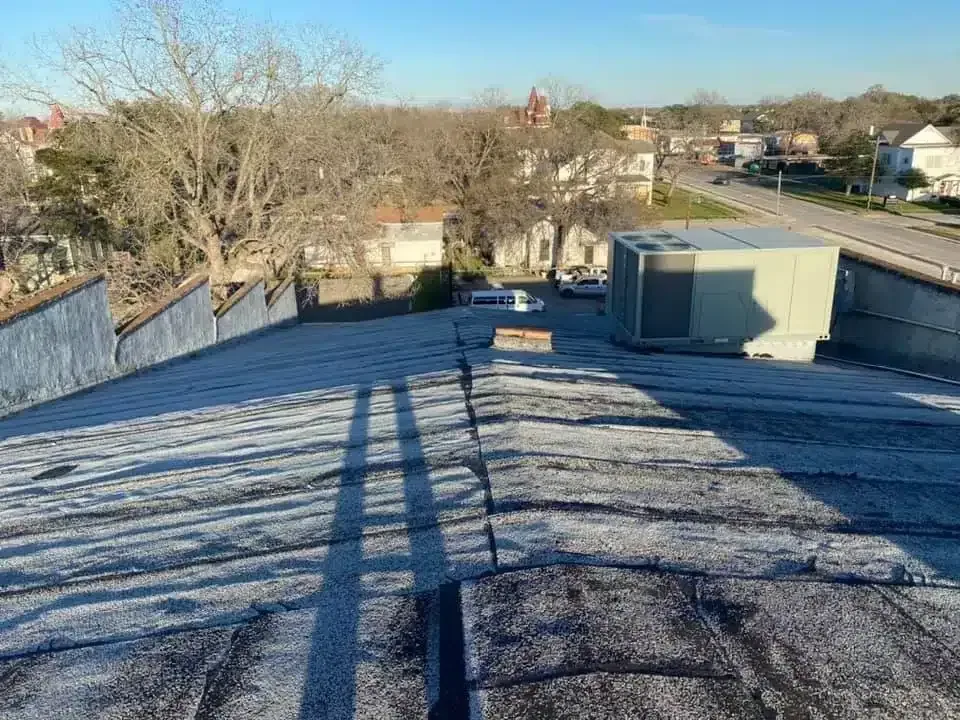
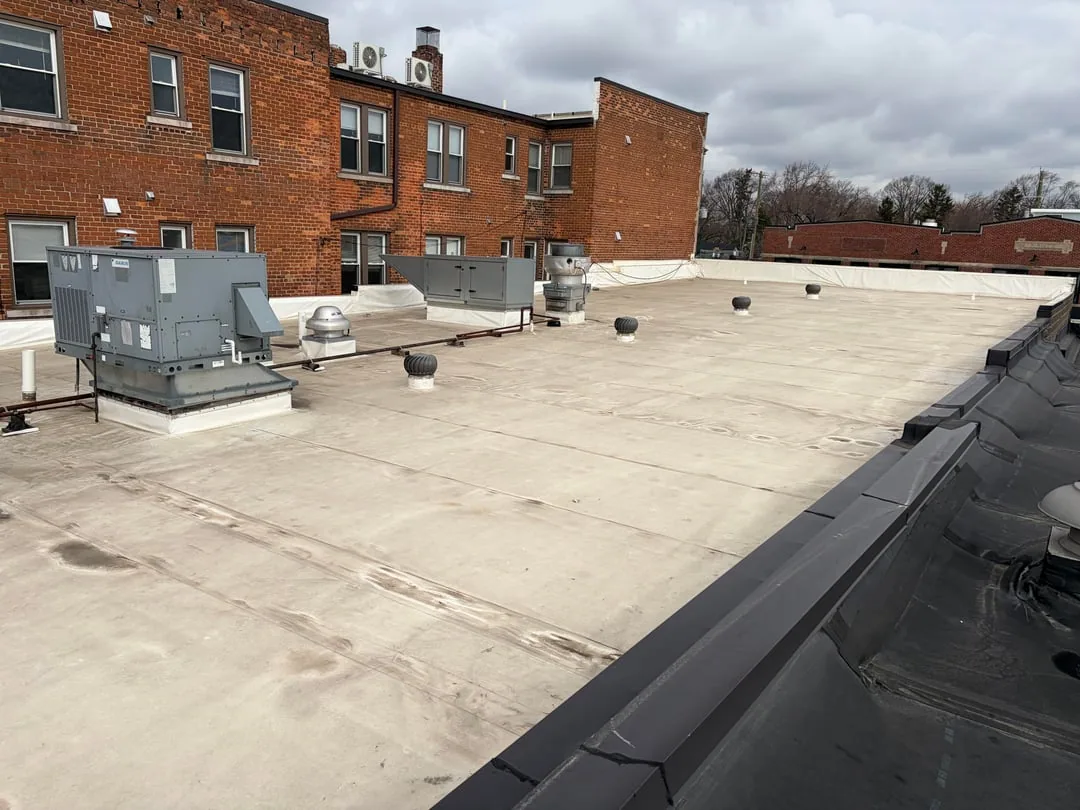
Emergency calls arrive with different evidence: a new ceiling stain, a steady drip, water near a roof penetration, or a membrane lifted after wind. We record what the site contact observed and when it began, then inspect seams, flashings, drains, curbs and edges near the likely route. The source may be distant from the interior symptom, so we trace water across the roof rather than sealing the nearest detail by habit.
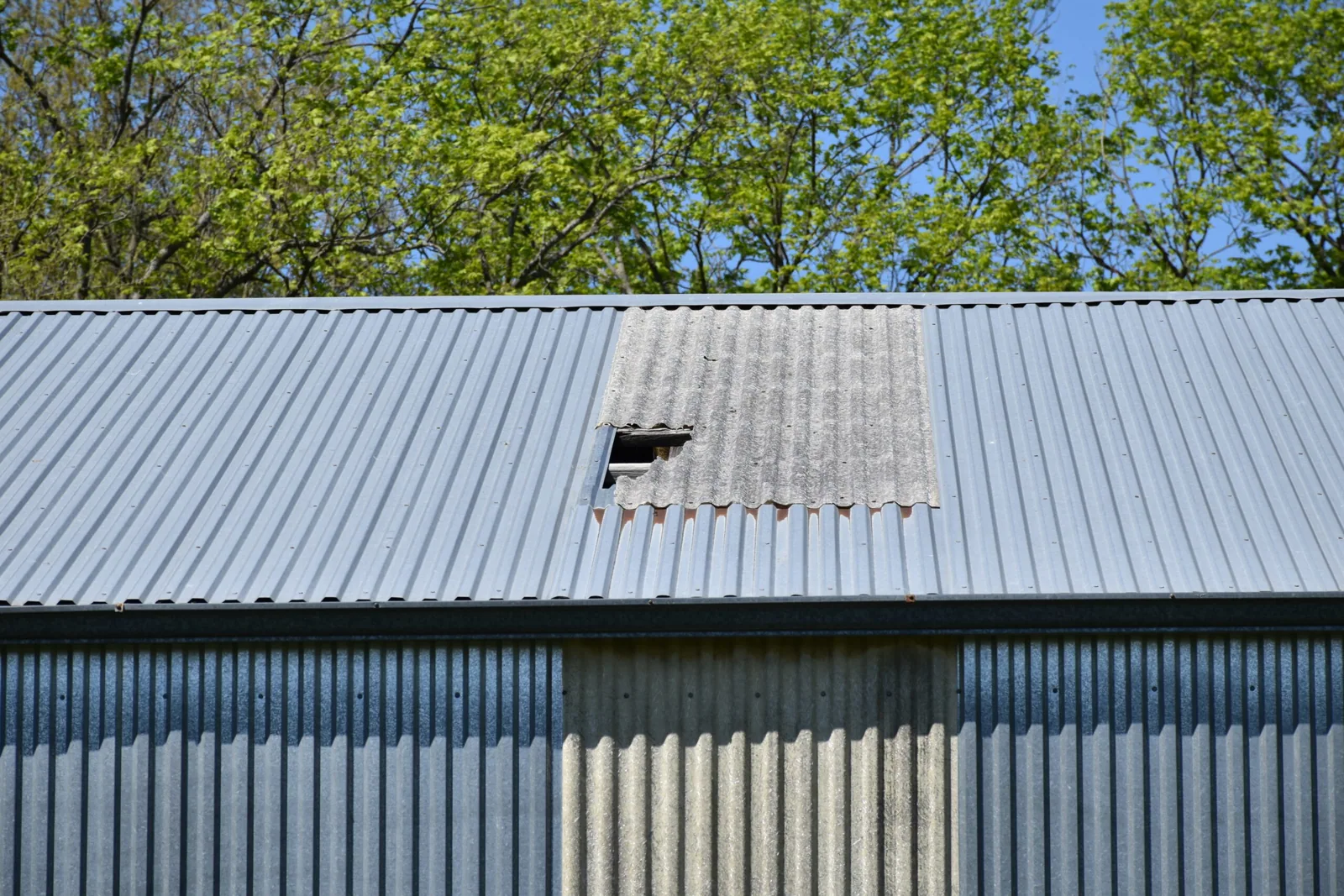
After severe weather, we look for impact marks, displaced metal, loose terminations, split seams or fresh punctures, then distinguish confirmed damage from older wear. Greeley’s hail and tornado exposure makes that check relevant, but the roof surface and interior report guide the repair boundary. We compare fresh marks with older repairs, trace any water path and photograph the affected details before recommending work. If only part of the roof is affected, wind damage repair or hail repair can be scoped to the evidence.
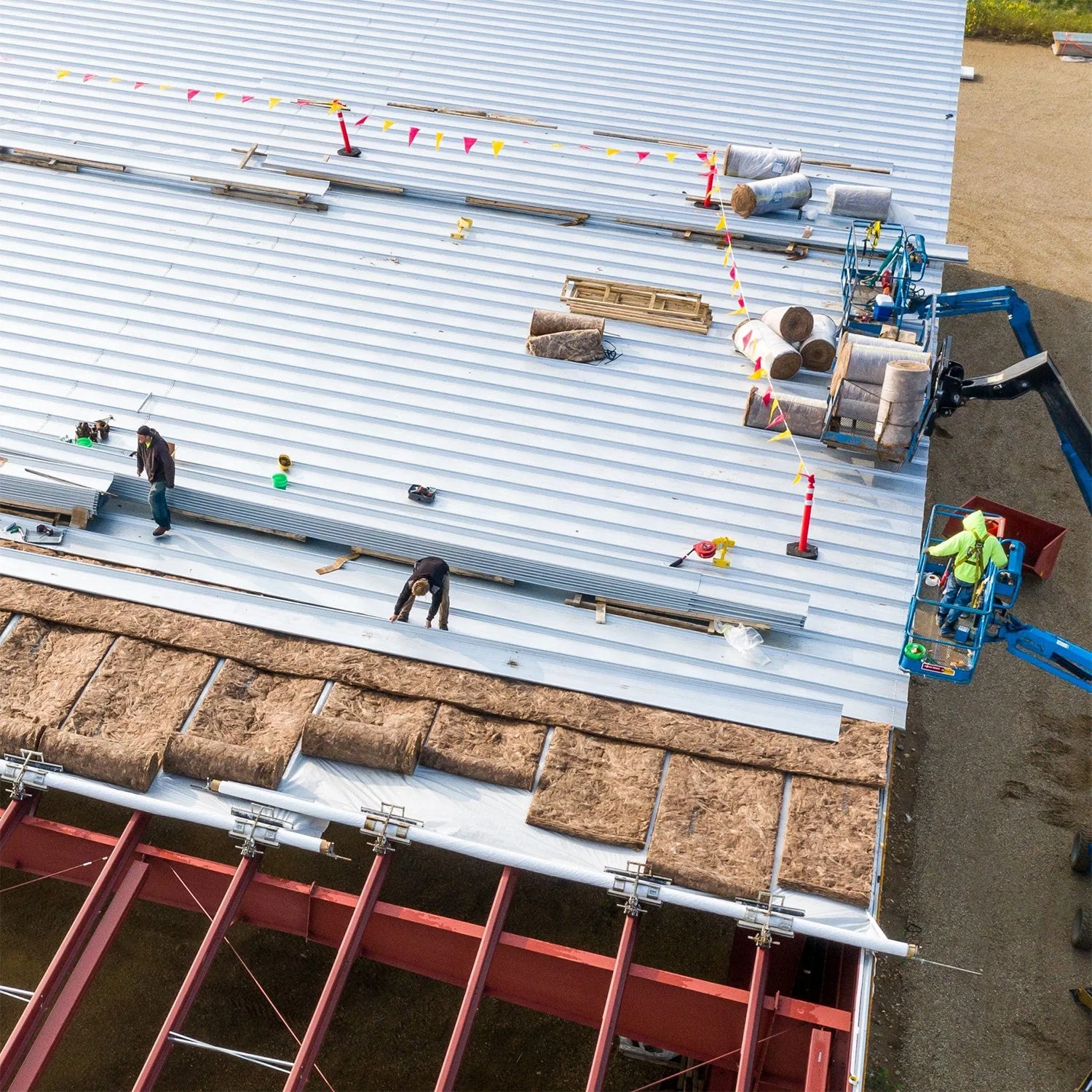
Greeley’s snow, wind and heat affect roof access and material handling. We check for ice, standing water, hot surfaces and wind before moving materials or opening a detail. If the roof cannot be reached safely, we explain the limitation and arrange the next workable inspection window rather than asking a crew to take an avoidable risk. A delayed permanent repair can still start with practical steps inside the building, including protecting equipment and identifying where water is reaching finishes.
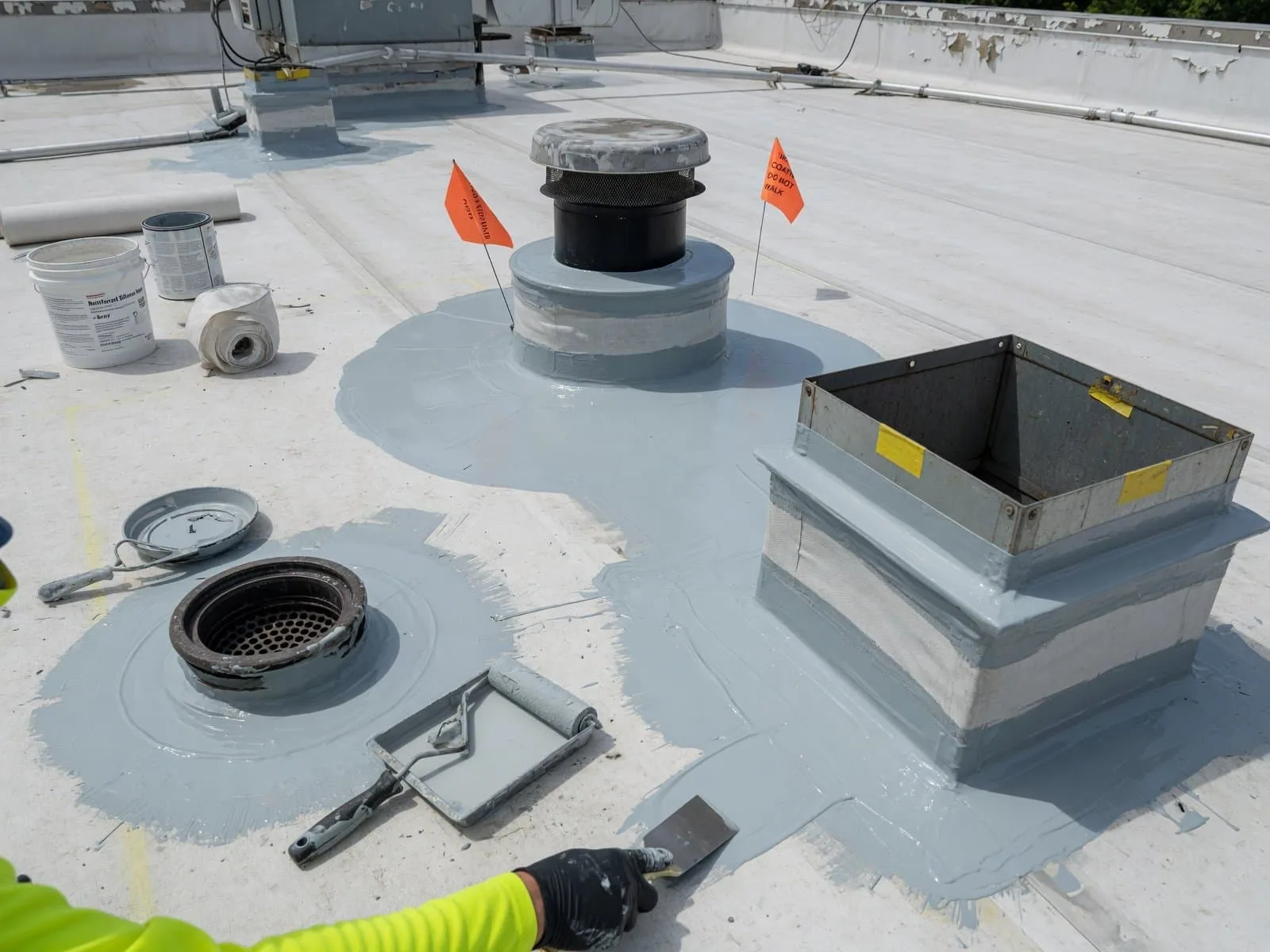
Adhesives, sealants and membrane repairs also have installation limits. Cold or wet surfaces can prevent a reliable bond, while hot roof conditions can change handling and cure time. A temporary cover may be the right first measure until a permanent repair can be completed within the product requirements. We note the conditions at the visit, the material used and any follow-up test needed. That record helps the next crew understand why the emergency measure was selected.
Yes. Emergency calls are handled around the clock, including weekends and holidays. We ask for the leak location, water rate, roof access and any immediate safety concern before dispatch.
Keep people clear of wet ceilings or electrical hazards, protect movable contents if safe, and identify where water is appearing. Do not climb onto a wet or wind-exposed roof to investigate.
That depends on access, weather, material limits and the damage found. We secure the area where possible, document what remains, and schedule permanent work when the roof can be repaired safely.
We compare the reported timing with visible openings, repairs and wear. Photographs, water paths and the condition of each roof detail help separate fresh damage from older deterioration.
We can provide photographs, marked locations, observations and repair scope details. The property owner or its representative handles coverage decisions and any insurer-specific requirements.
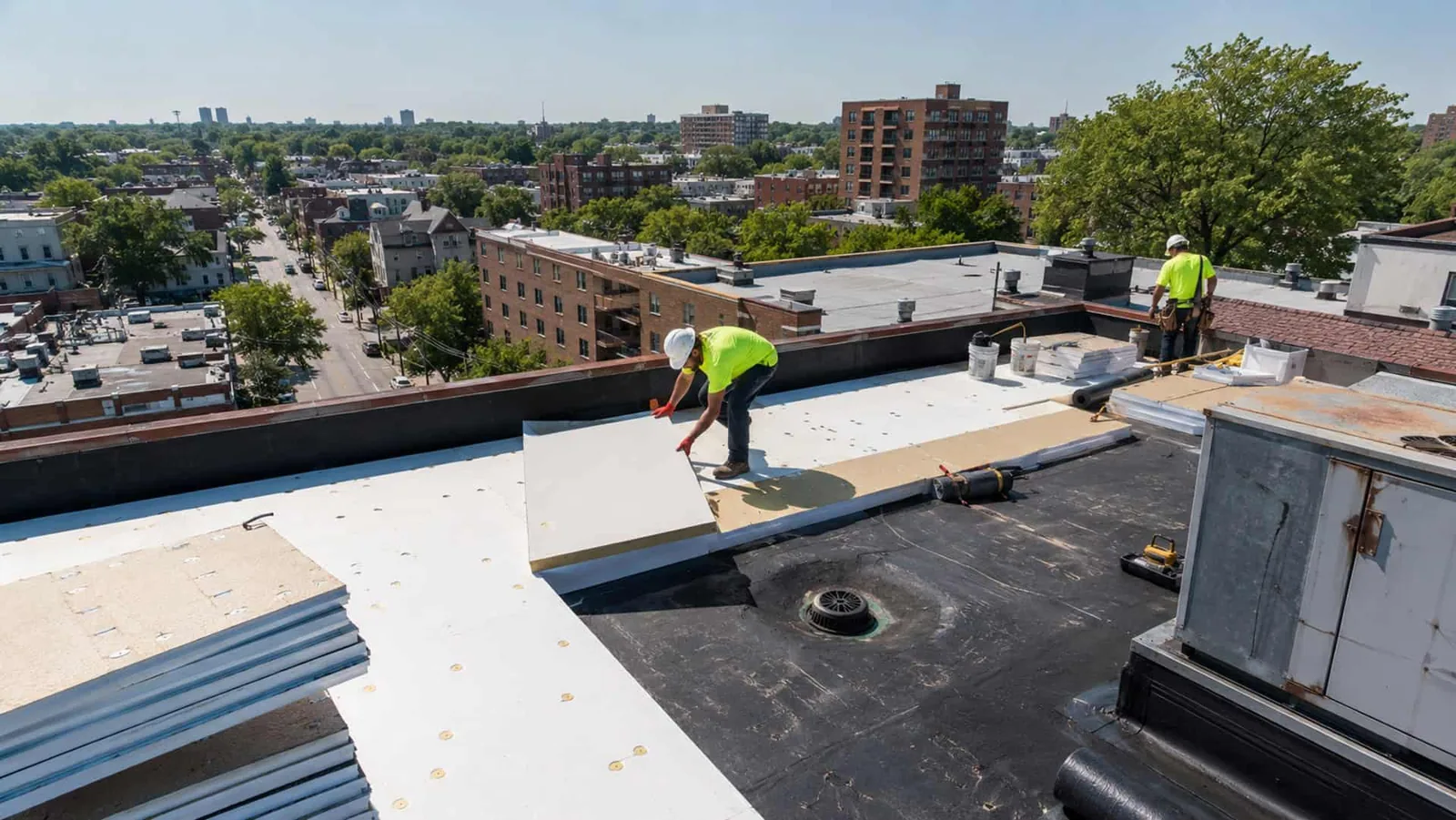
After the immediate water is controlled, we return to inspect the full area and confirm the repair boundary. We check wet insulation, deck conditions, attachment and adjacent details before deciding whether to weld a patch, replace flashing, reset a drain component or remove damaged material. The work description identifies preparation, compatible materials, access requirements and any interior coordination. Concealed damage that appears after opening is photographed and reviewed with the owner before the scope expands.
Timing depends on access, material availability, weather, moisture extent and whether the building needs interior protection. If the damaged area spans several details, we can sequence work by roof zone and keep temporary boundaries clear. A planned repair visit can address conditions beyond the emergency opening. If findings show widespread failure, we explain a broader inspection or replacement option rather than treating repeated temporary fixes as a permanent answer.
The repair boundary also determines how the building is protected during work. We identify which roof section can be opened, how it will be closed before the shift ends, and what interior area needs a check after the next rain. Where insulation is removed, the crew records the exposed deck and confirms whether surrounding material remains dry and stable. A drain or curb repair may require a different sequence from a membrane patch, so the work plan names each detail and the materials that will meet it. The owner can then review any condition discovered beneath the surface before the repair area grows beyond the emergency opening.
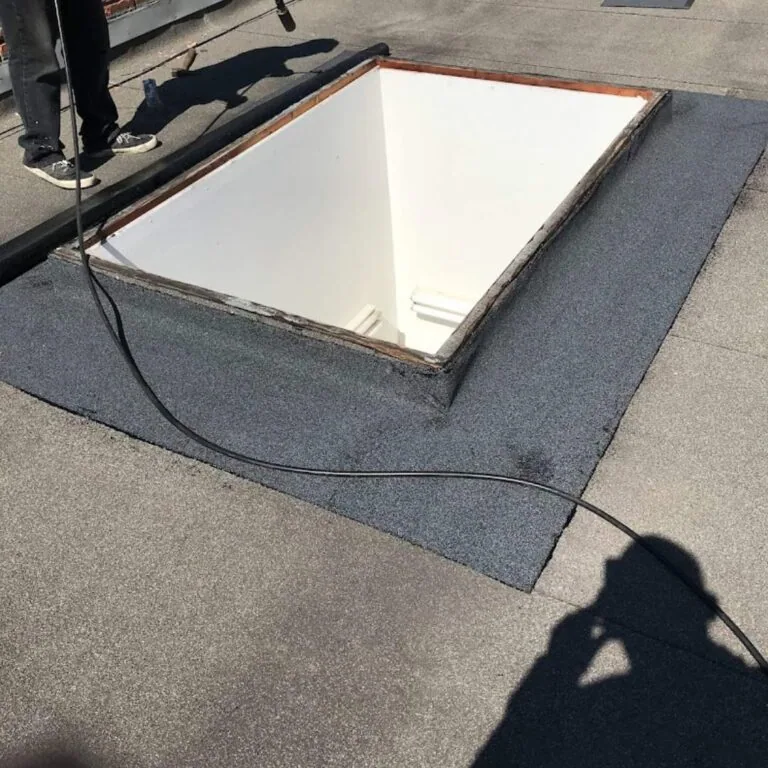
At the end of the emergency visit, the site contact should know what was inspected, what was secured, what remains uncertain and who will return. We provide photographs and mark the affected roof area so the building team can connect the repair to the ceiling or equipment report. We also identify any temporary cover that needs monitoring, any wet material that requires drying, and any interior area that should remain isolated until checked.
At Highpointe Business Park, the light- and medium-industrial mix makes it useful to confirm gate, hatch, loading and contact procedures with each owner. A roof condition report can preserve the event photos and follow-up items, and the repair closeout can identify drains and edge details for the next maintenance visit.