What should the inspection report help our team decide?
The report should show which conditions need repair, which can be watched, and where more testing is needed. We tie photographs to roof locations and connect them with the reason for the visit.

A roof walk should answer a building question, not just record that someone reached the surface. We begin with the reported leak, recent work, access limits and the decision the owner needs to make. Then we trace those details through seams, penetrations, drains, edges and interior observations. A stain near an office may connect to a distant roof opening, so our notes tie each finding to a marked roof area and the evidence beside it. For recurring failures, a commercial roof repair review can follow the inspection findings.
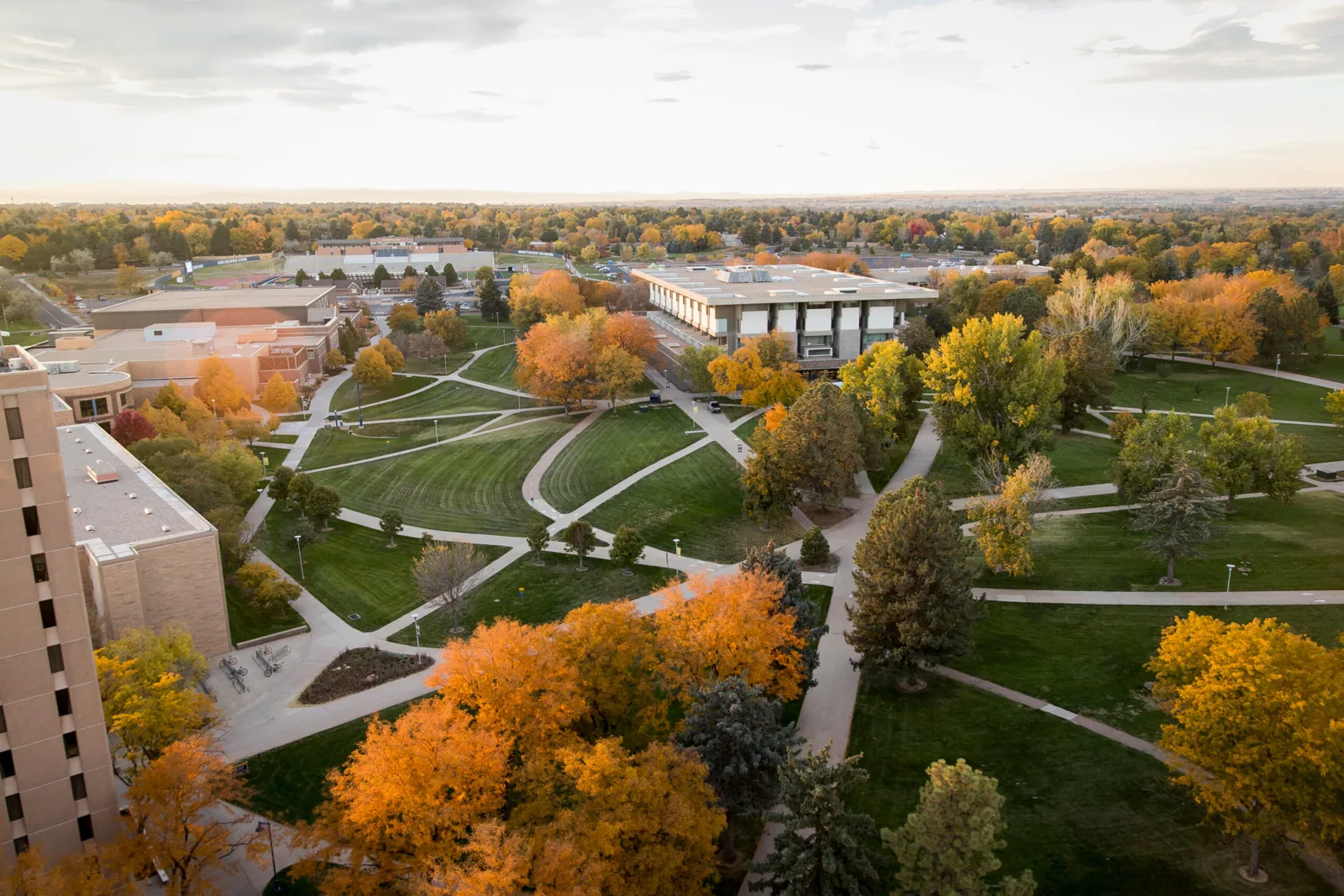
In Greeley, the inspection sequence also accounts for exposure and site use. Hail has been recorded near Greeley, and tornado events in Weld County make post-storm roof inspections useful. Wind, snowfall and snow depth also affect access, so we document what the crew can safely inspect at the property. At the University of Northern Colorado District, we confirm access and work timing with the facility contact before inspecting active education or medical-education spaces.
A useful inspection starts with a location, a date and what changed inside. We compare the room or equipment area with roof drains, slope transitions, curbs, seams and earlier patches. Water can travel along a deck flute, insulation joint or framing line before it appears below. Our crew looks for a connected path rather than treating the visible stain as the opening. When the route remains unclear, we identify whether a closer moisture survey or a controlled test opening is warranted.
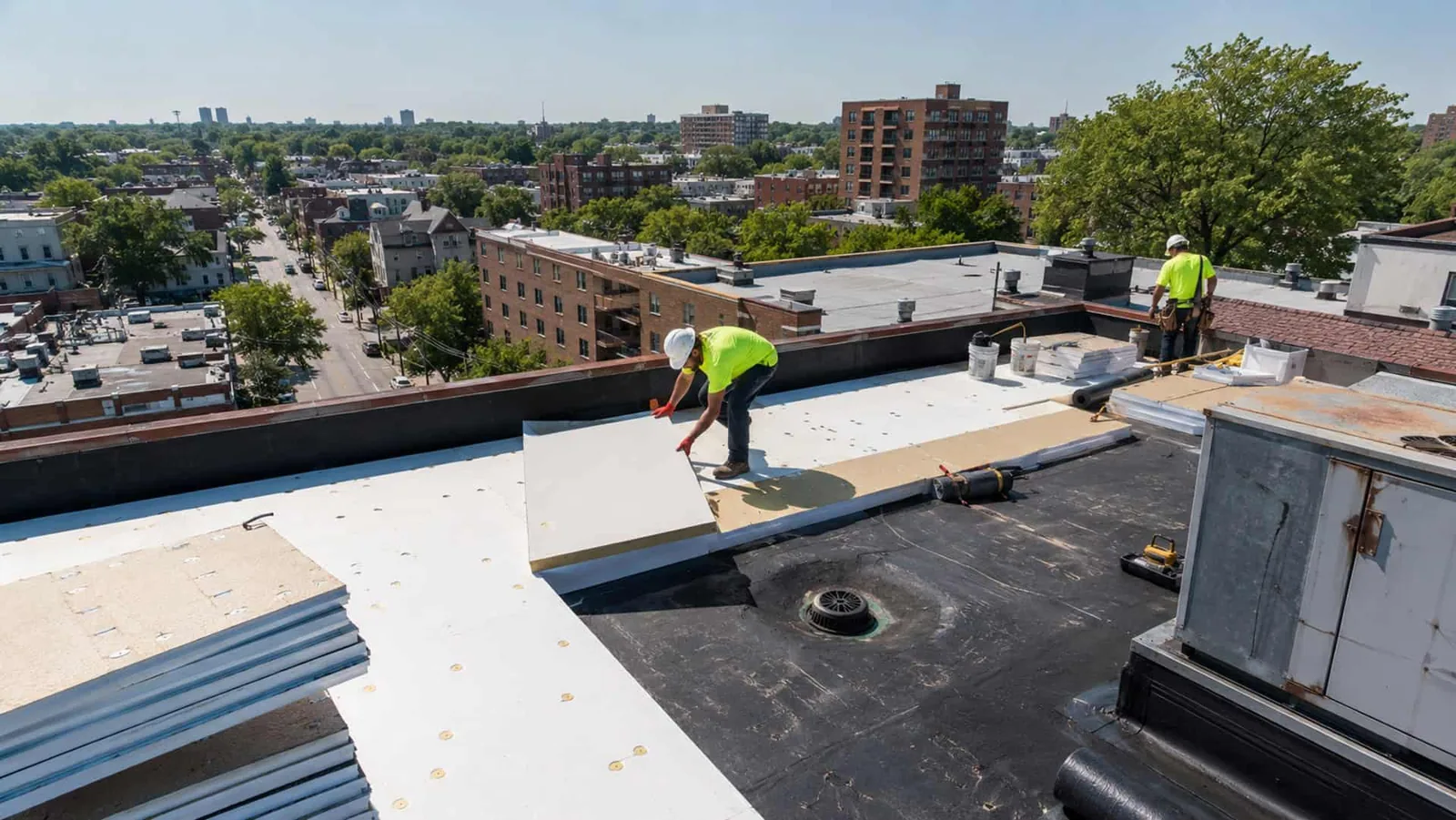
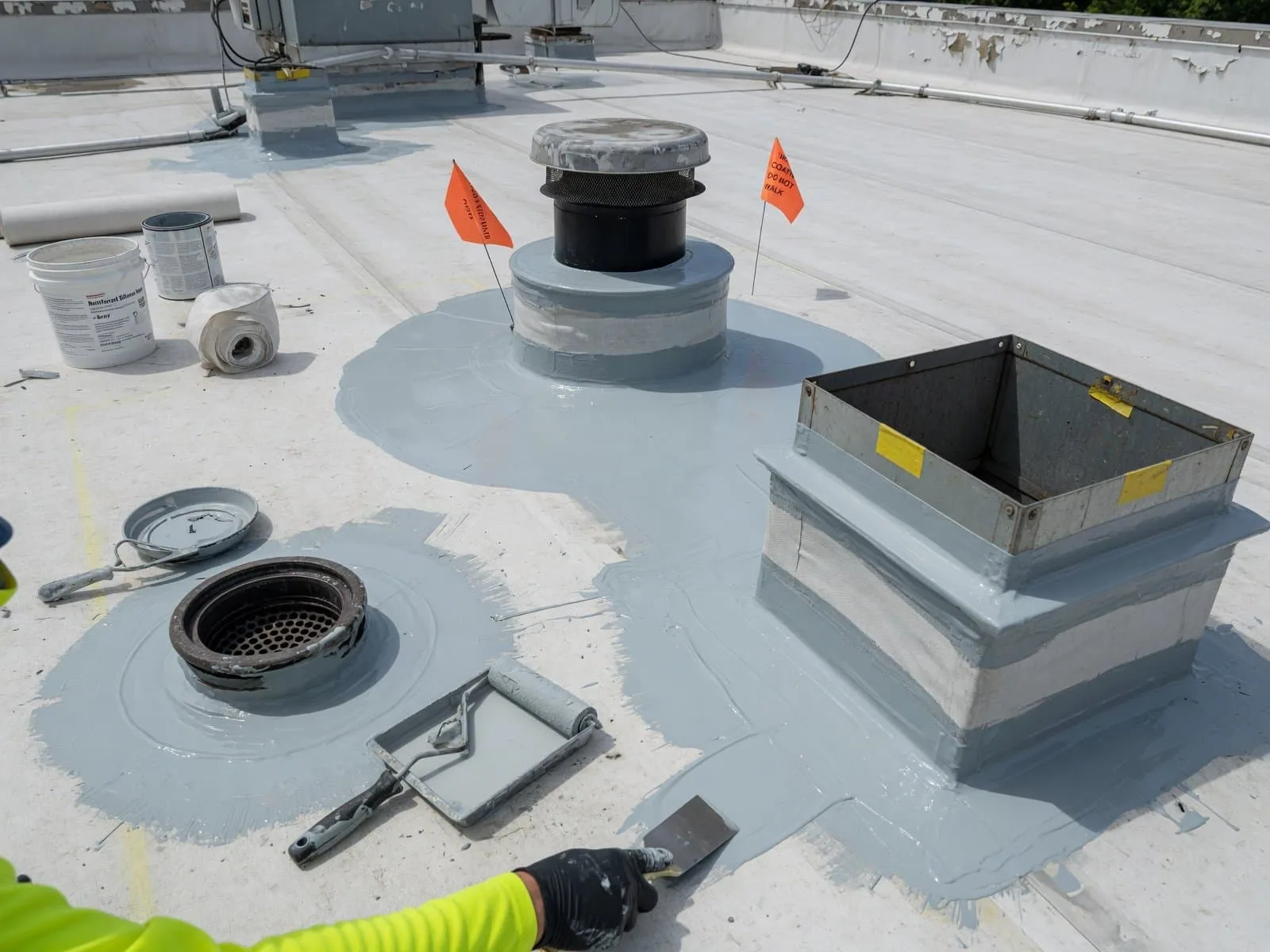
On the roof, we check membrane condition and attachment where visible, then look closely at flashings, terminations, penetrations and metal edges. Drain bowls and nearby low areas receive attention because debris or a slow outlet can leave water standing longer than intended. We note cracked sealant, open seams, soft surfaces, displaced components and prior repair materials, while separating an observed condition from a possible cause. If water has entered the assembly, moisture mapping can help establish how far it extends before anyone prices a larger scope.
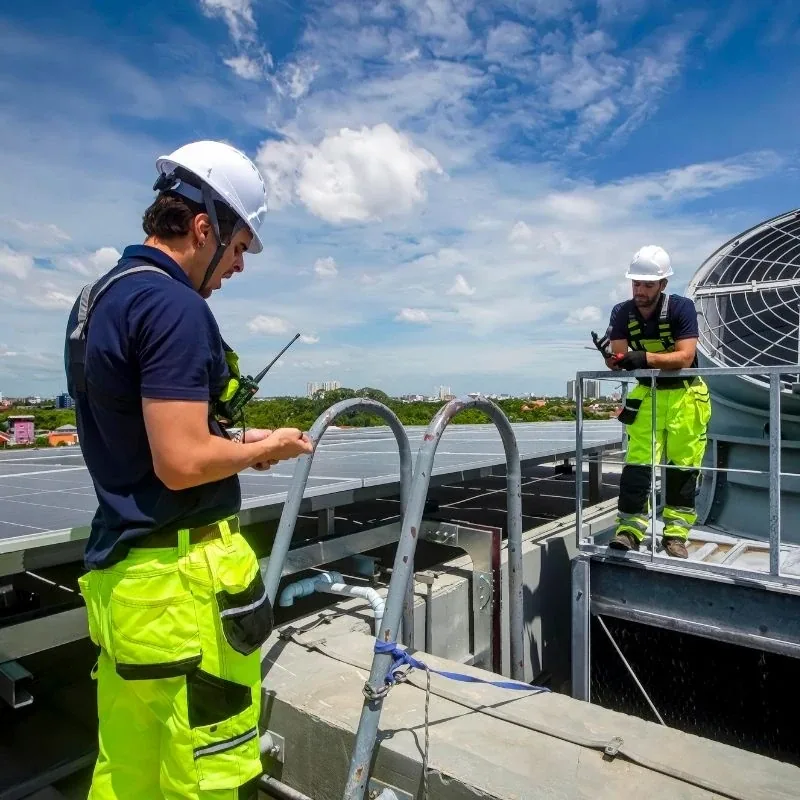
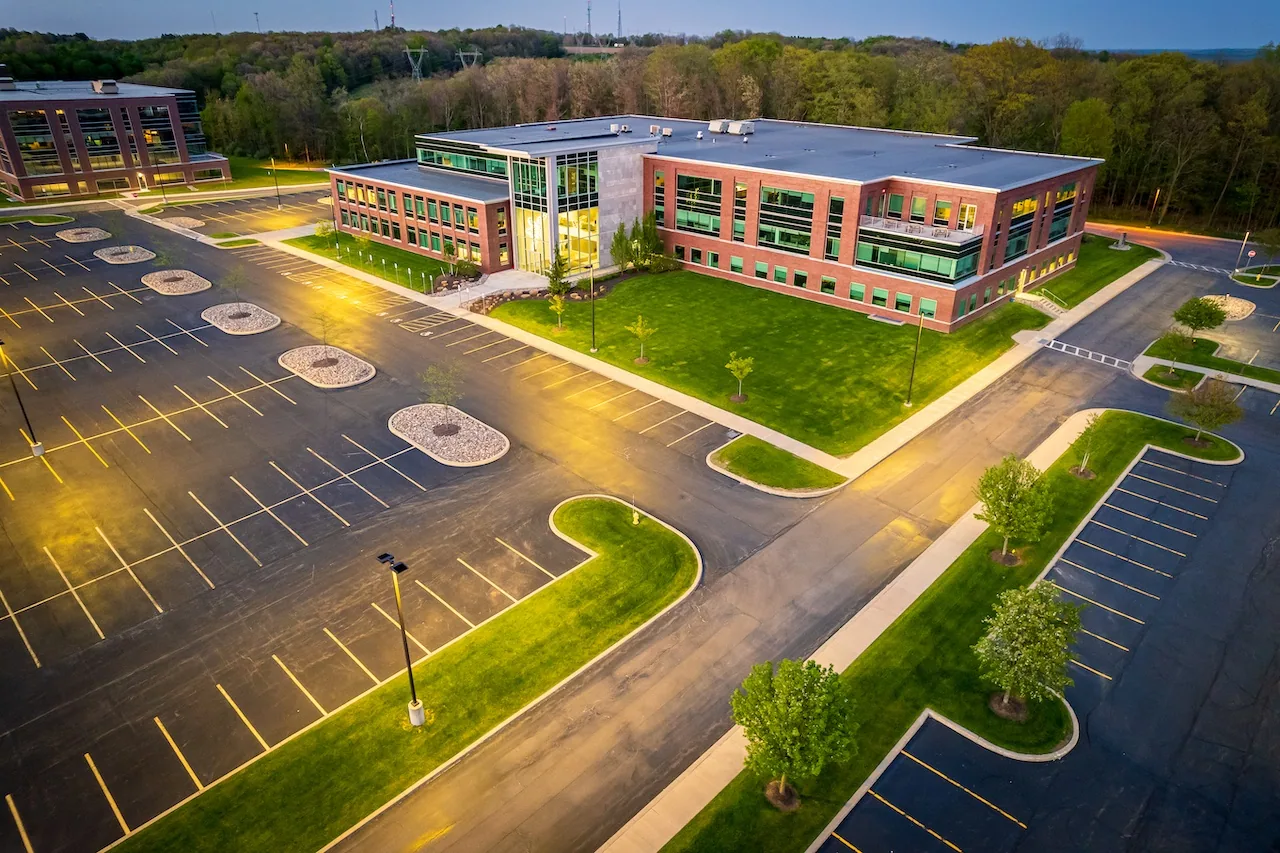
Access is confirmed before the crew starts climbing. We discuss roof hatches or ladders, fall-protection needs, restricted areas, rooftop equipment and the person who can authorize entry. A large or occupied site may need separate access windows for different roof sections. In the Highpointe Business Park, the documented mix of light and medium industrial properties and limited commercial space is a reminder to coordinate with each property contact instead of assuming every building shares the same access arrangement.
Weather can change the inspection itself. Greeley Airport records include heat above 100 degrees as well as snowfall, snow depth and wind observations. We check current conditions, surface traction and roof temperature before deciding where a hands-on walk is safe. If snow, ice, lightning or high wind prevents a reliable inspection, we record the limitation and arrange a return visit. The owner should know which areas were reached, which were excluded and whether those limits leave a specific question unanswered.
Inspection findings should help the owner choose a next step. We group observations by roof area and distinguish isolated defects from conditions that may affect a wider assembly. A loose termination or localized puncture may call for a focused repair. Repeated wet insulation, widespread seam separation or deteriorated membrane can justify more investigation or a replacement discussion. We do not convert one photograph into a building-wide conclusion; the report states what was visible and what additional test could narrow the uncertainty.
That distinction matters for older repairs and storm reports. Hail and tornado reports can prompt a new inspection; the roof surface shows what is present today. We compare fresh marks with older patching, check whether water paths align with interior reports and note any area that needs monitoring. An owner weighing a recover can use the same observations to compare assembly height, drainage and substrate condition through a roof recover assessment. The recommendation stays tied to the roof evidence gathered on site.
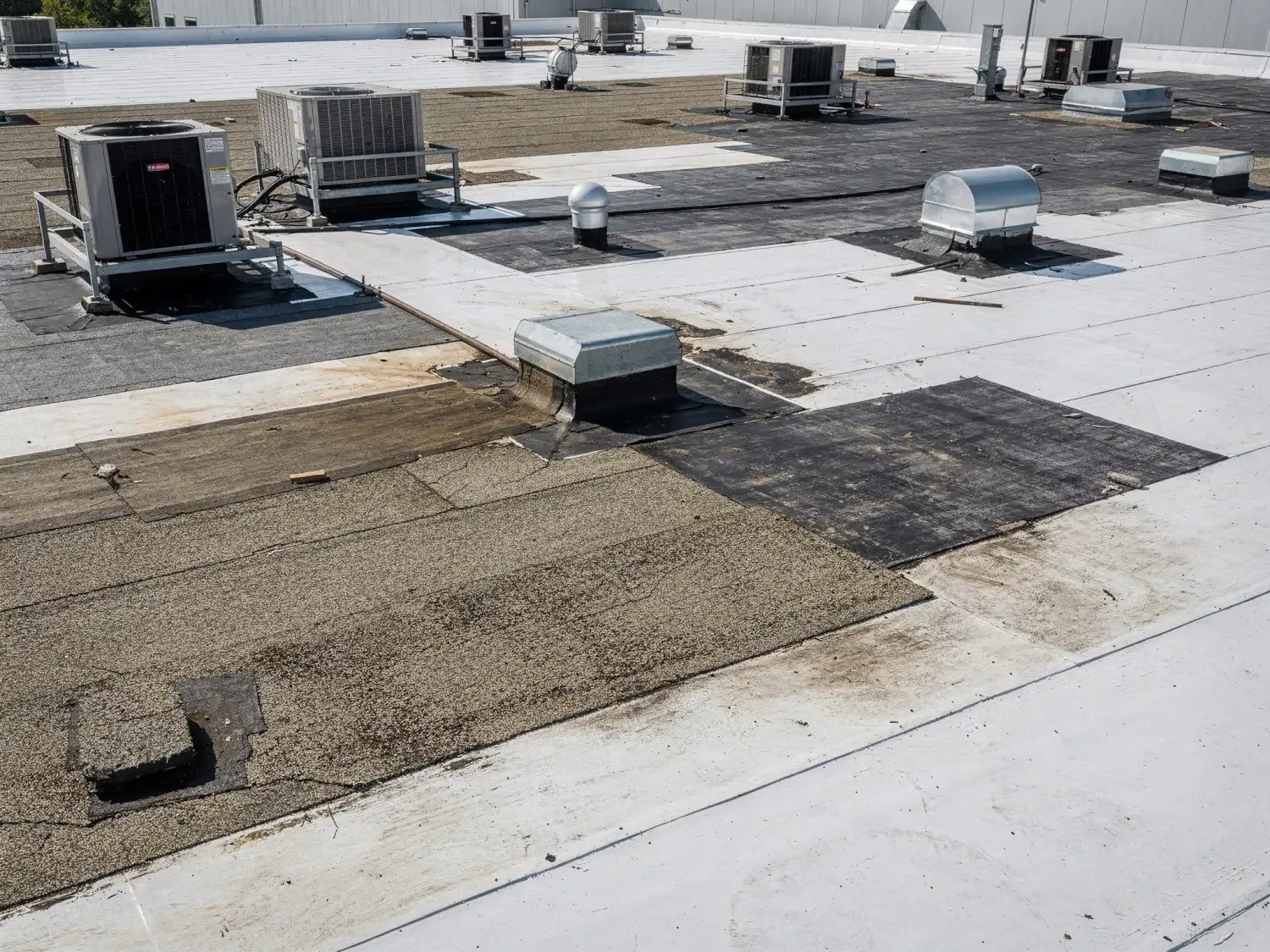
The report should show which conditions need repair, which can be watched, and where more testing is needed. We tie photographs to roof locations and connect them with the reason for the visit.
Occupied operations can continue when access, safety controls and work areas are coordinated. We confirm who can escort the crew, which areas are restricted and whether a tenant or equipment schedule affects the walk.
A restricted area is listed as not inspected, with the reason and the question it leaves open. We can plan another access method or return when weather and surface conditions allow a safe review.
Surface observations can identify clues, but concealed moisture may require infrared scanning or a test opening. We explain where the evidence changes from visible condition to an unresolved assembly question.
Send leak locations, dates, prior repair notes, roof plans and any access rules. The University of Northern Colorado District and Downtown Greeley illustrate why site use and operating contacts can affect the inspection sequence.
Photographs become useful when they can be found again. We label them by roof section, direction or nearby feature, then pair each image with a concise condition note. A marked plan can show the leak report, observed opening, drain condition and any area that needs follow-up. That record helps a facility contact compare later service visits and avoid treating an old patch as a new discovery. For a multi-building owner, consistent labels also make it easier to compare priorities without implying that each roof has the same assembly.
The report can support a repair request, maintenance schedule, capital discussion or due-diligence review. We identify urgent water-entry concerns, items suitable for routine monitoring and questions that require a test cut or manufacturer-specific review. If the owner needs a documented baseline, our roof condition report connects photographs, locations and recommended actions. For an inspection near Downtown Greeley’s planned civic campus, we confirm the property’s own access plan and identify any stakeholder who needs the roof findings.
Each photo caption can include a roof-zone label, direction of view and a short description of the visible detail. We keep the image reference consistent with the marked plan and note whether follow-up testing is pending. That makes the report useful to a technician who did not attend the inspection.
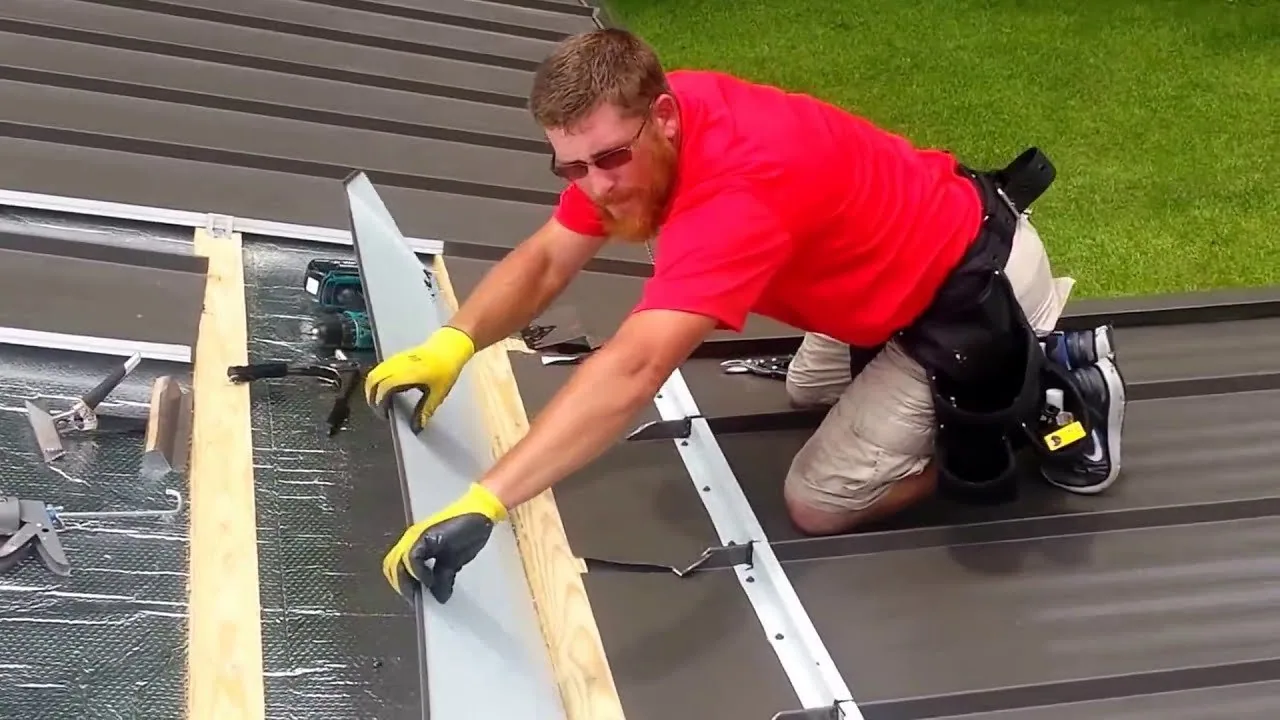
Before leaving, we review the findings with the site contact and identify what must happen next. That may mean a repair proposal, a moisture survey, a return visit after weather clears or a monitoring date for a stable condition. We state what was inspected and what remained inaccessible, then explain how those limits affect the recommendation. When a leak is active, the immediate water-control work and the permanent repair scope stay distinct so the owner can act without losing sight of the underlying condition.
Share the affected rooms, timing, access rules, roof plans and earlier repair records when arranging an inspection. Those details help us prepare for the right roof sections and avoid spending the first visit reconstructing information the building team already has. A site near the 10th Street Urban Renewal Corridor may involve active commercial rehabilitation and public-facing operations, so a contact can also flag delivery windows, tenant concerns or work-hour limits. The inspection ends with a usable record and a defined next step, not a generic condition label.