How do you repair a separated EPDM seam?
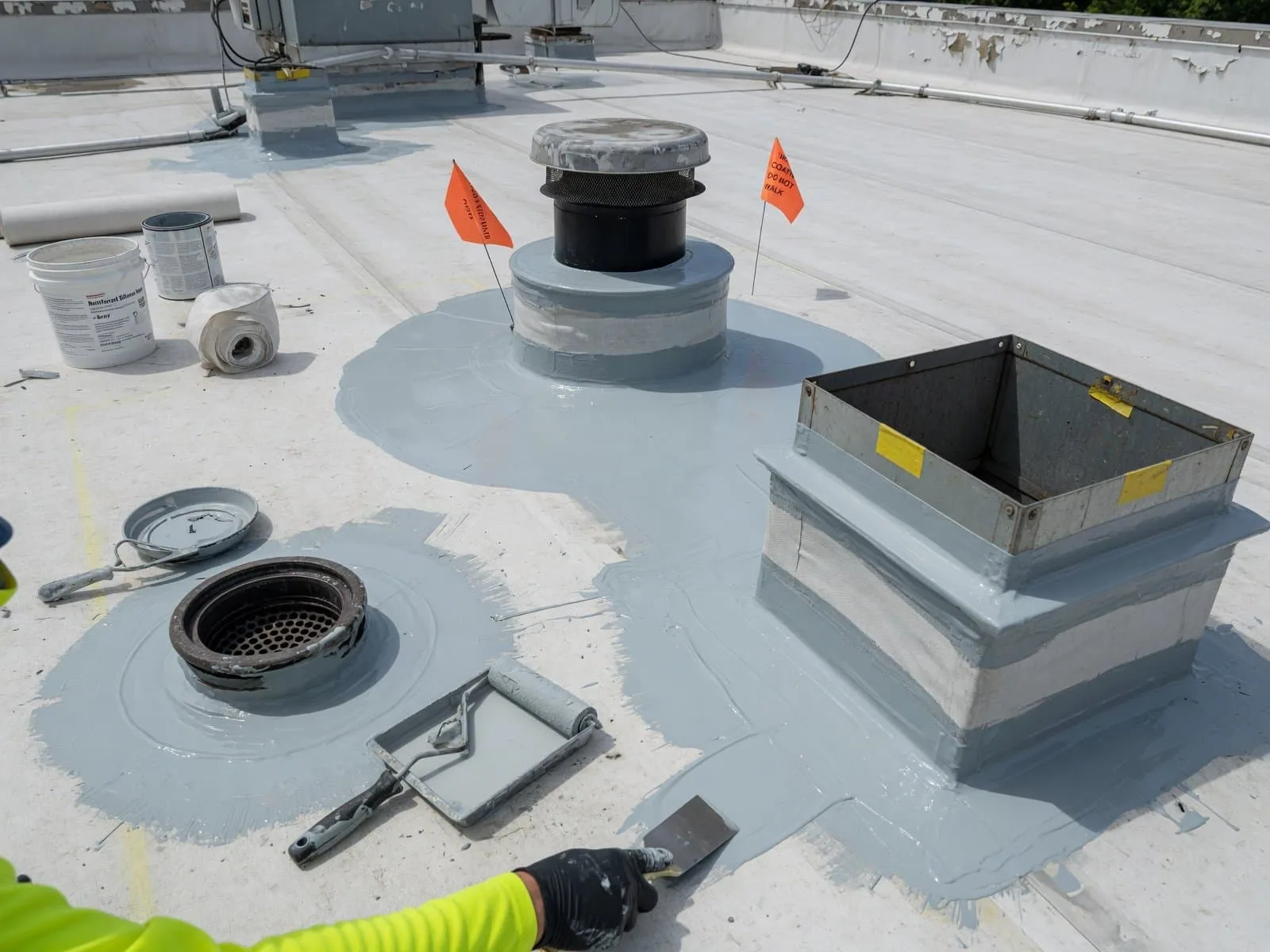
We inspect the extent, confirm the membrane and prepare the bonding surfaces before applying a compatible seam repair. The finished edge is checked and labeled for future maintenance.
EPDM is a rubber roofing membrane, and its seams and flashing details use methods different from heat-welded single-ply systems. We inspect the membrane, attachment, edge conditions, penetrations and drainage before recommending repair or replacement. A split seam, puncture or loose termination needs a repair compatible with the existing sheet and bonding method. The owner receives a marked location and the observations that support the work boundary.
Greeley’s high summer temperatures, hail, wind and snow make roof timing and inspection conditions important. Industrial buildings in Eaton Industrial Park and commercial properties in West Greeley Mall Area may have different access and maintenance patterns. We check the actual assembly and operating use rather than infer membrane type from the district. If the leak is active, a leak inspection can trace the water path before a repair is priced.
EPDM roofs can be adhered, mechanically attached or ballasted, depending on the design. Attachment affects repair access and how a membrane responds near edges, corners and penetrations. We review available plans and look for visible fastener lines, ballast, adhesive bond and prior overlays. If the roof has been repaired several times, we identify which materials are present before applying a new patch or preparing a recover plan.
Moisture below the membrane can extend beyond the interior stain. We compare the reported room with low areas, seams and nearby penetrations, then identify whether infrared scanning or a test opening would resolve uncertainty. A moisture survey can help target investigation. A broader inspection records membrane condition, insulation and deck concerns before the owner chooses a system-level repair.
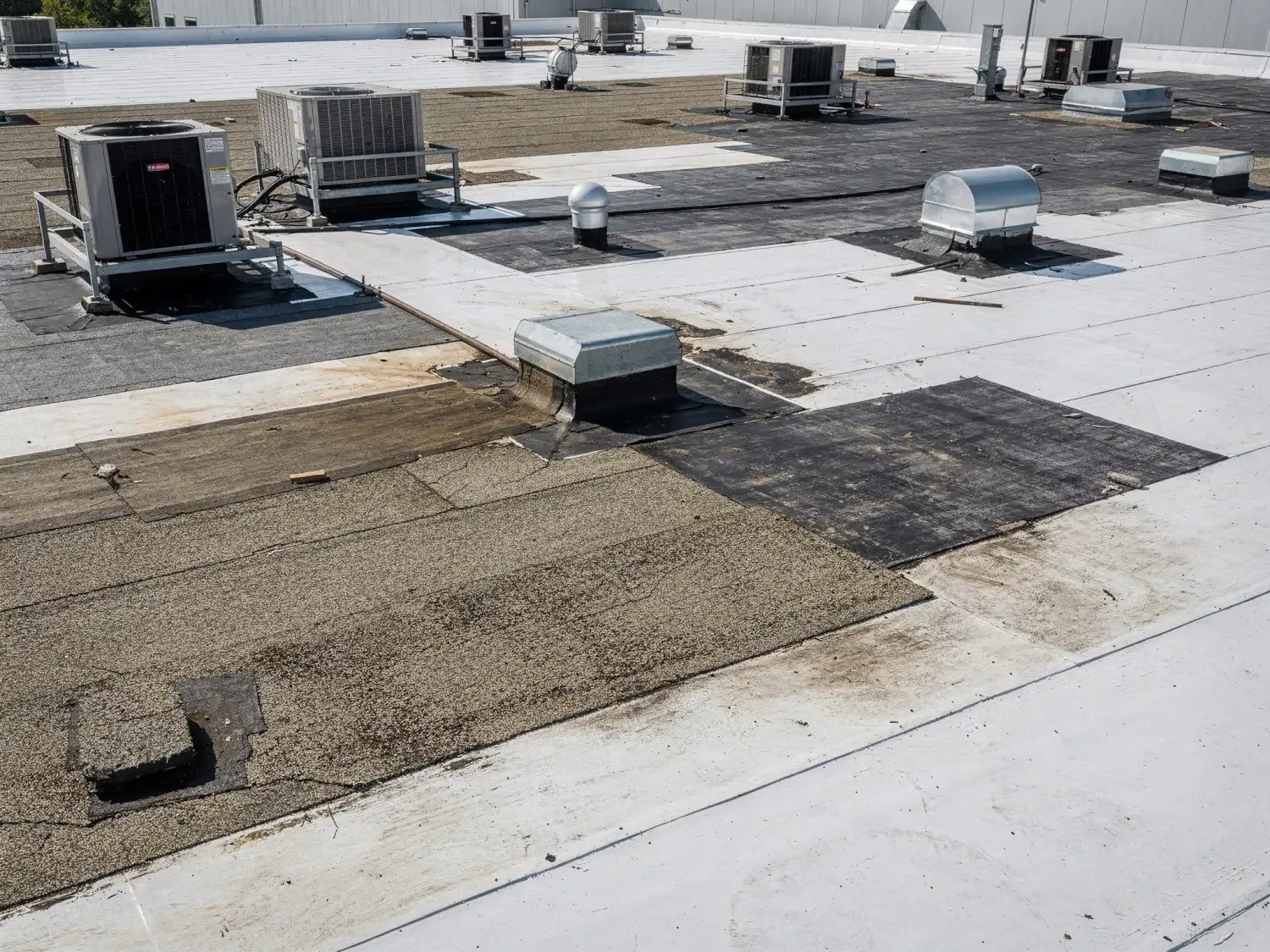
Ballasted assemblies need attention at walk paths, drains and areas where ballast may have shifted; attached systems require checks at fastener rows and perimeters. We note where later trade work may have disturbed the sheet and whether ballast needs to be moved for access. The surface method affects how a crew reaches the damaged area, how temporary protection is held and which materials can make a reliable permanent bond.
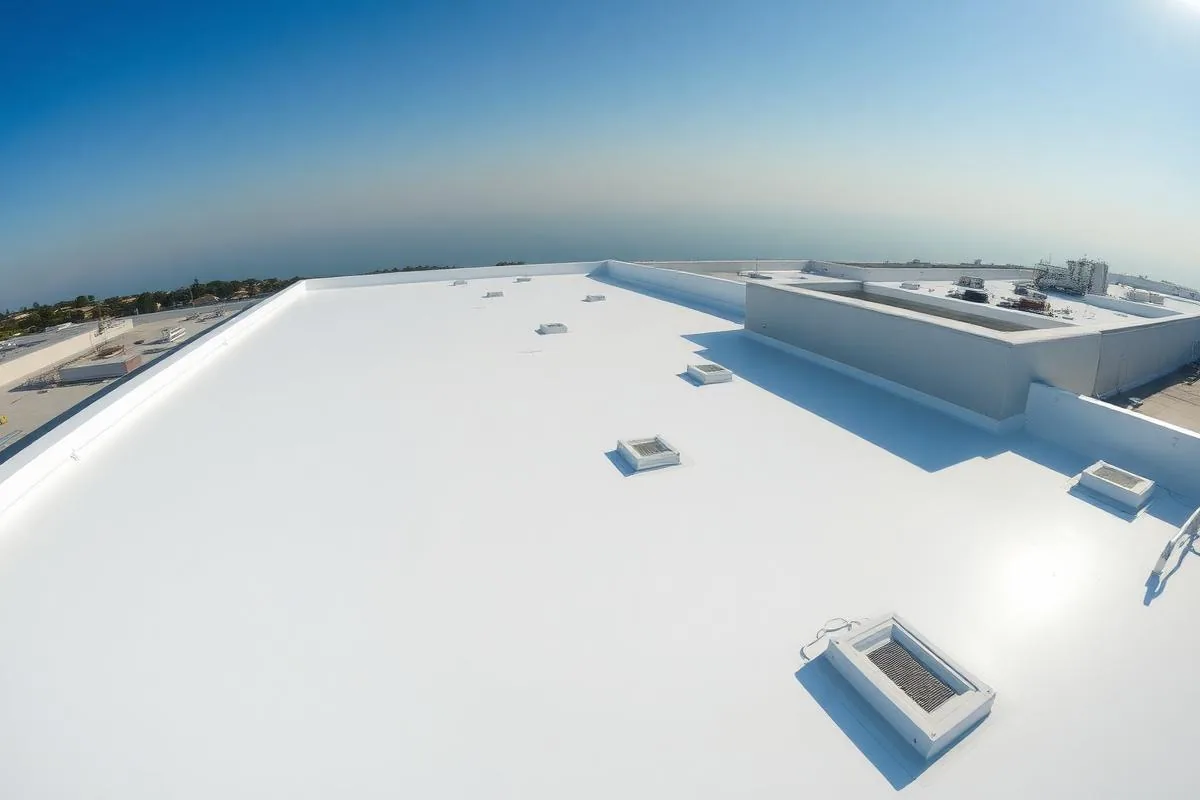
EPDM seams rely on the correct bonding or tape detail, with clean and prepared surfaces at the lap. We look for edge lift, contamination, wrinkles, separation and patch materials that no longer adhere. At a penetration, the flashing has to match the membrane and remain supported at corners and upstands. Perimeter attachment deserves attention because wind can stress edges and expose weak transitions.
Greeley’s wind and hail exposure makes a post-event review useful, but the repair scope follows what the roof shows. We compare the seam with nearby membrane, edge metal and interior reports, then mark the defect for repair or closer testing. If water remains near a drain, a drainage inspection can determine whether ponding or an outlet issue contributes to the condition. We photograph the repair area before and after work so maintenance staff can find the seam on a later visit.
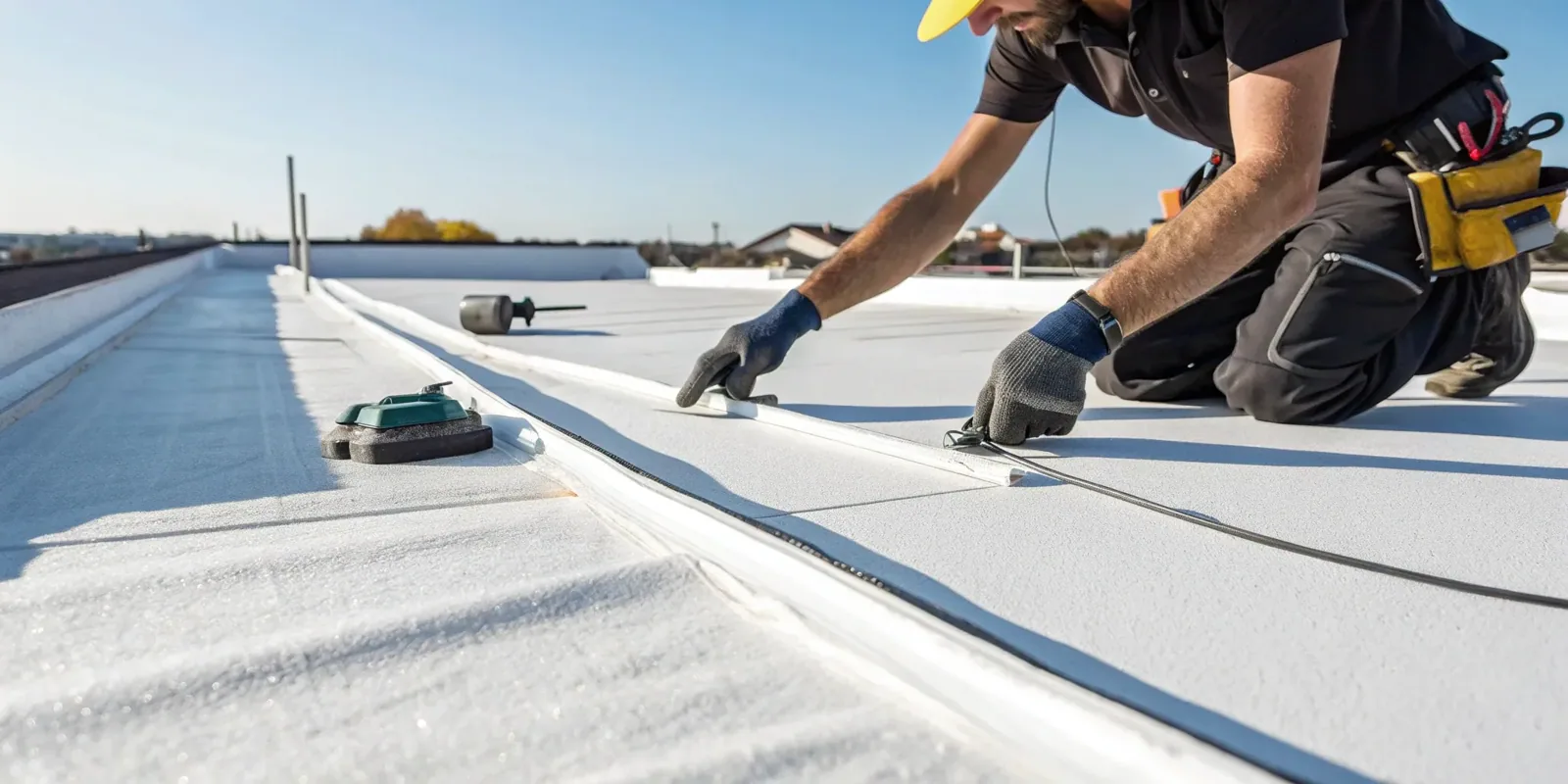
For a localized defect, we clean and prepare the membrane, remove loose material and install a compatible patch or seam repair using the system’s prescribed method. The patch should extend onto sound material and finish with sealed edges where required. If the substrate is wet or the membrane has separated over a broad area, a surface patch may only conceal the condition. We inspect beneath the affected area when authorized and accessible.
Edges, pipes and curbs may require separate flashing pieces rather than one field patch. We verify the details and use materials suited to the existing EPDM. For a roof with widespread deterioration, replacement planning can compare removal and new attachment options; a recover review should verify the current assembly, moisture, roof height and edge transitions before another layer is installed.
Where EPDM has been ballasted, the repair may require careful temporary movement of aggregate to expose the seam and then replacement in a controlled area. The crew protects loose membrane while the surface is prepared and checks that ballast does not cover drains or hide incomplete work. On an adhered roof, the repair needs stable bonding across the prepared area. We identify these steps in the scope because the same visible opening can require a different sequence based on attachment.
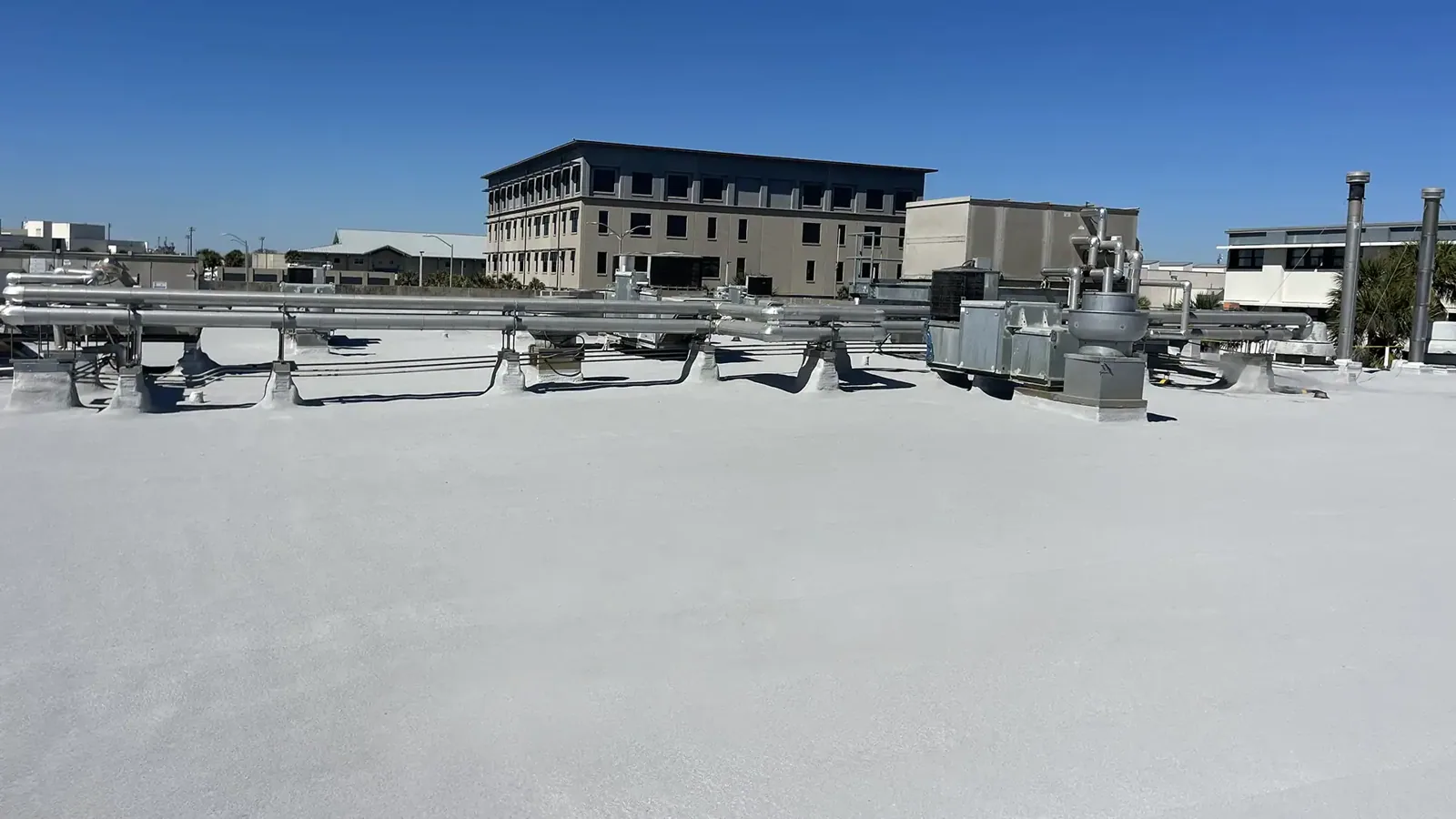
We inspect the extent, confirm the membrane and prepare the bonding surfaces before applying a compatible seam repair. The finished edge is checked and labeled for future maintenance.
A coating is considered only when the surface, prior treatments and system compatibility support it. We inspect the membrane, adhesion and moisture first, then identify a suitable test if needed.
Movement, attachment, aging, prior repairs and wind exposure can all affect an edge. We inspect the termination and metal together to determine whether the issue is limited or extends along a longer run.
A recover may be possible when the existing layers are dry, stable and within height and attachment limits. We check insulation, drainage, edge metal and the system requirements before recommending it.
Share the roof plan, leak location, patch history and any changes made by other trades. Eaton Industrial Park and West Greeley Mall Area properties have distinct operating needs, so include access rules.
EPDM, TPO and PVC differ in seam methods, surface characteristics and repair procedures. We compare the intended building use, prior assembly, drainage, attachment and available product requirements before choosing a system. A material that is easy to patch on one roof may not fit the equipment exposure or detail needs on another. The proposal should state which roof system is included and how transitions will be made.
TPO and PVC use heat-welded seams, while EPDM uses different field-seam and flashing techniques. Owners can compare repair access, attachment and maintenance obligations. If reflective roof performance is part of a project goal, we discuss the complete assembly and surface choices rather than promising an outcome from membrane color alone. Cool-roof characteristics can be considered when the assembly is being replaced.
The project also needs a plan for how membrane edges meet metal, walls, curbs and drains. Compatibility at those transitions can matter more than an isolated material preference. We identify which existing details can remain and which need rebuilding, then show that boundary in the proposal. If an owner has several buildings, system comparison should remain tied to each structure’s condition rather than reusing one design assumption from another site.
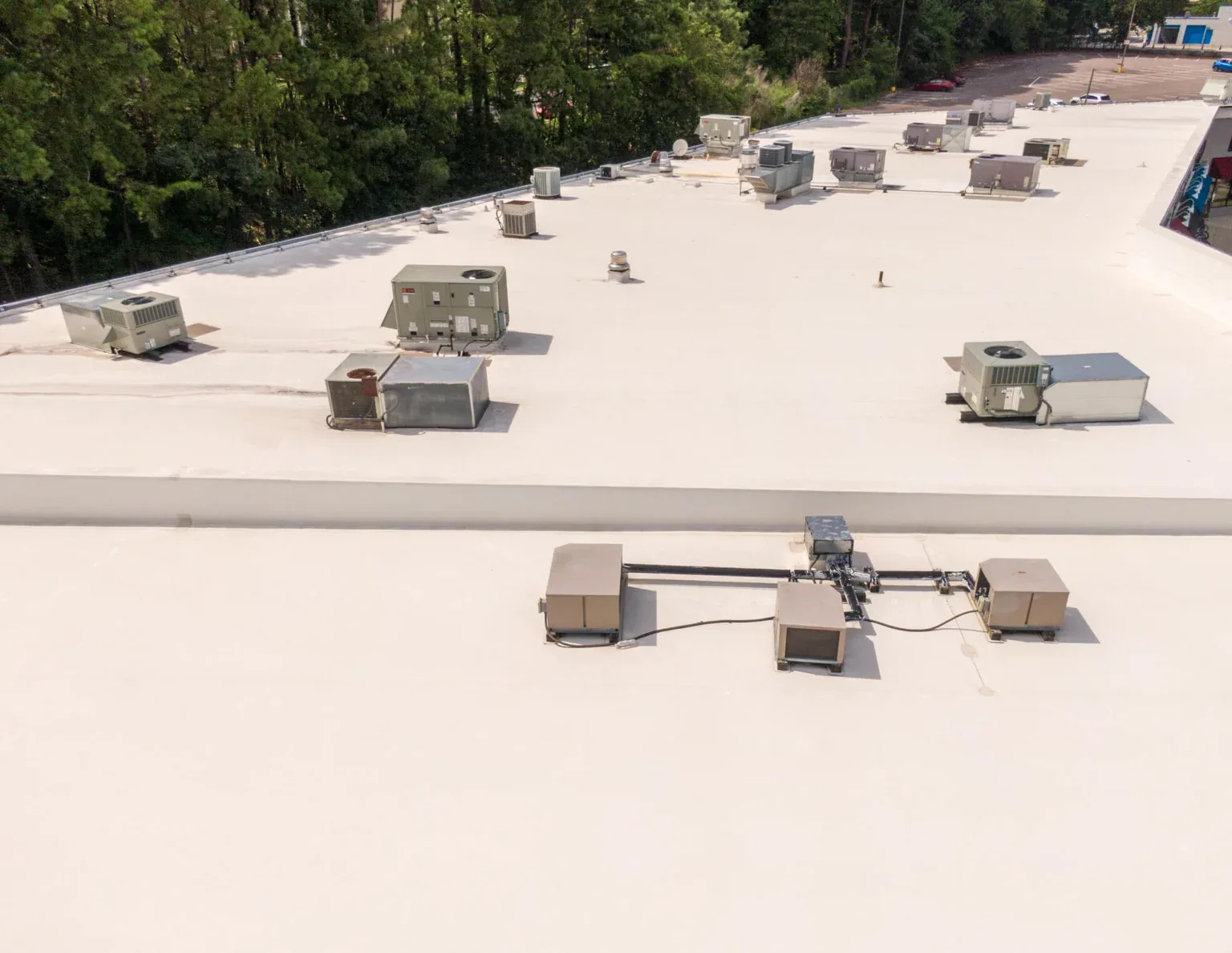
At closeout, we label the seam, patch, penetration or edge that was repaired, and record the material and method where known. Photos show the work area and any adjacent condition that remains open. The site contact receives maintenance guidance and any project documentation required for the assembly. Later service work should avoid placing equipment fasteners or other penetrations through the repaired area without roof review.
Send a roof plan, leak dates, earlier repair notes, attachment information and access rules before a visit. Let us know whether the building has recent ballast removal, rooftop work or a recover layer. In the 10th Street Urban Renewal Corridor, commercial use may affect access and staging, while Highpointe Business Park facilities have their own operating requirements. We will inspect the EPDM assembly and describe the repair or replacement path.