Can a seam repair stop recurring leaks?
It can when the open seam is the confirmed water path and the adjoining membrane remains suitable for bonding. We inspect the nearby lap, flashing and drainage before choosing the repair extent.

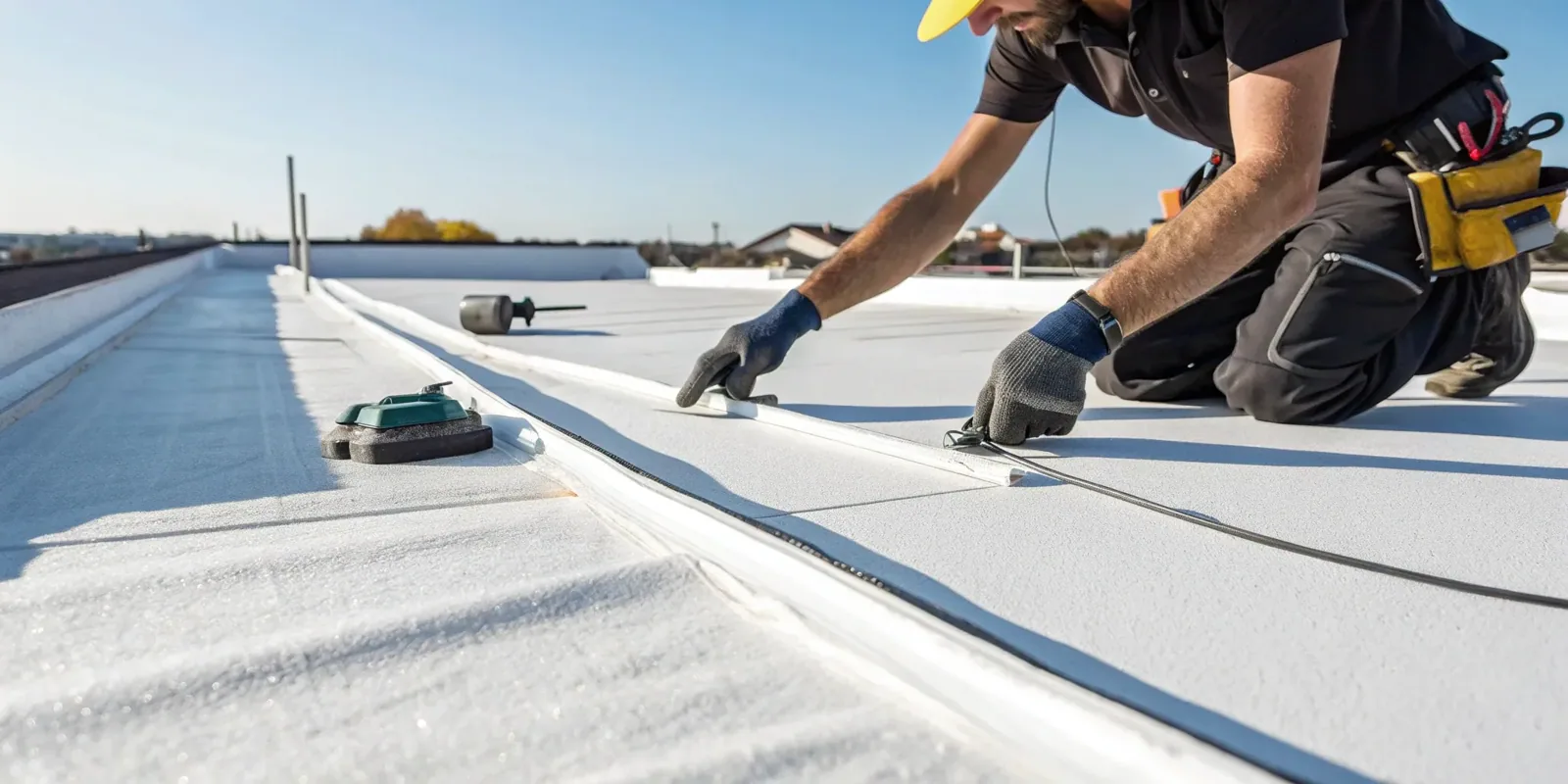
A patch that holds for a week and opens again usually points to a detail that has not been corrected. We start by locating the movement, moisture or separation that caused the repair to fail, then follow it across the surrounding roof area. The visible split may be only one part of a longer seam issue, while water can travel before it reaches a ceiling. Our repair plan records the source we can confirm, the boundary we intend to fix and any condition that needs a separate test.
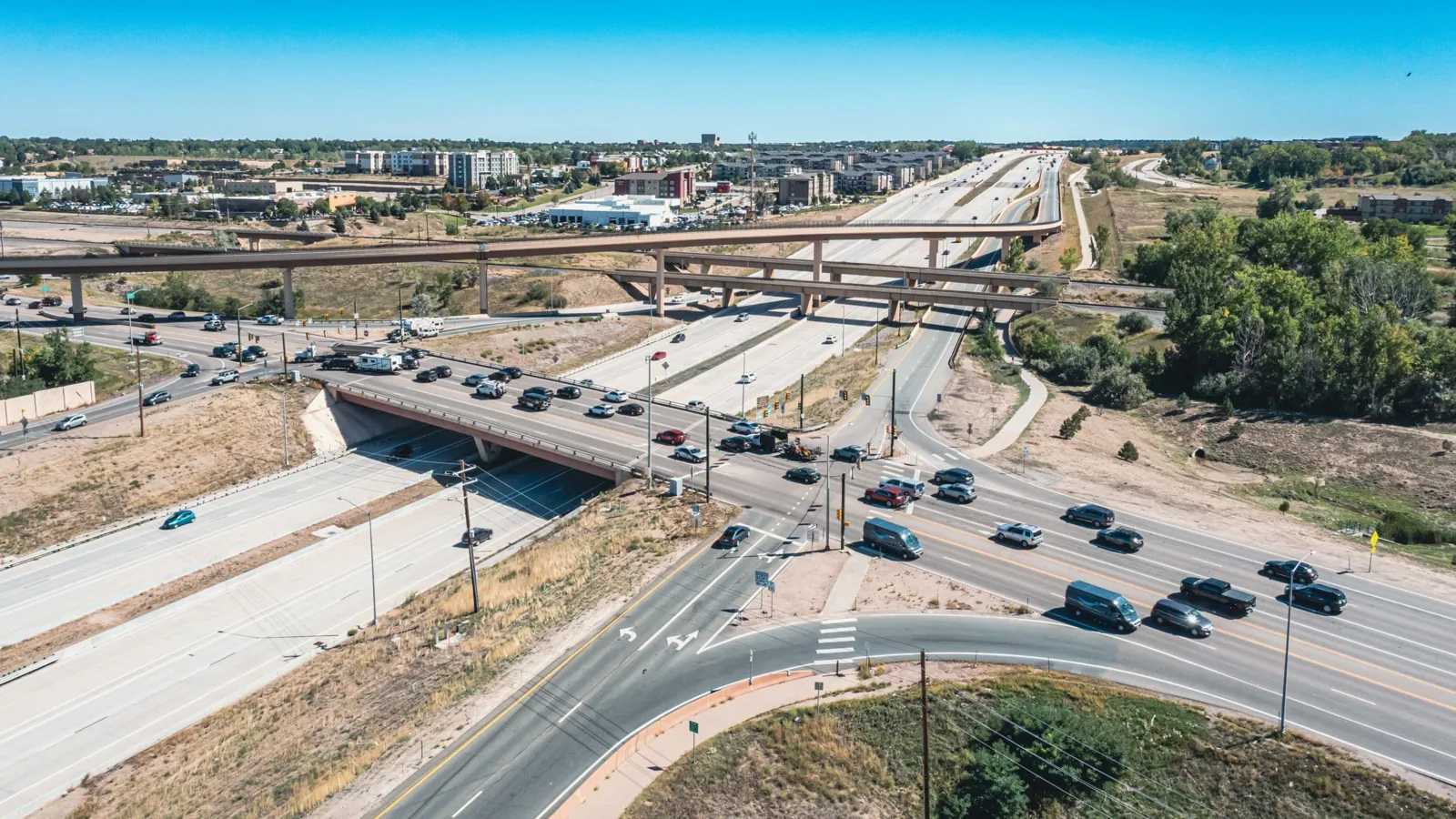
Wind, snowfall and snow depth can affect roof access and drainage. We check current roof conditions after weather changes. We compare current findings with leak timing, prior work and the building’s own records. Along U.S. 85 Business, the city’s directions identify 8th Avenue as the route through Greeley, a useful access reference when we coordinate a site visit. The leak-repair process follows the same evidence trail when water is active inside.
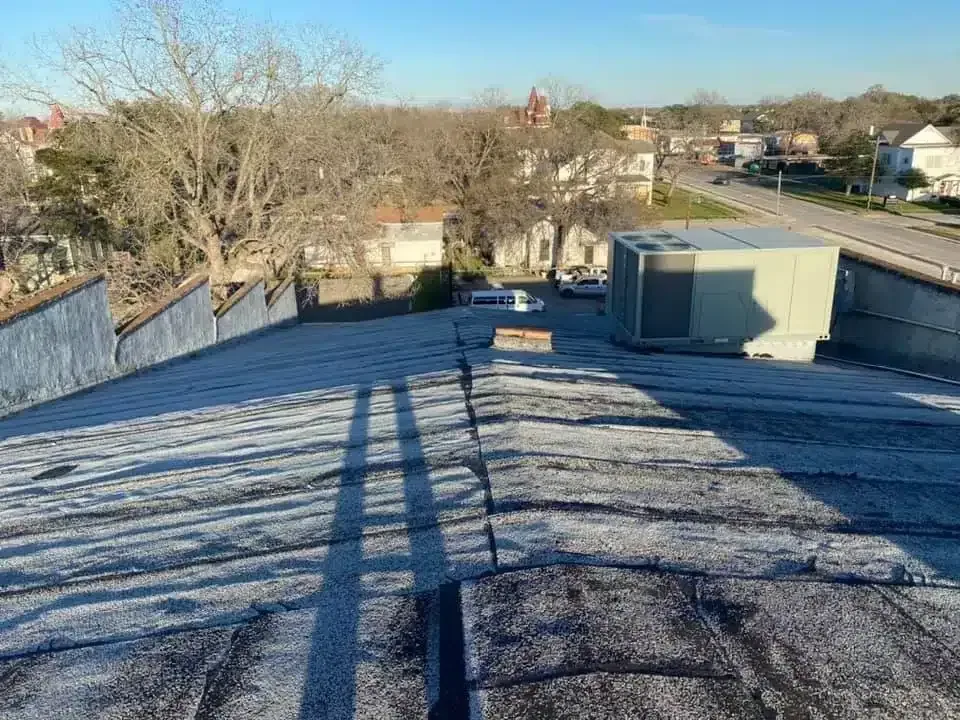
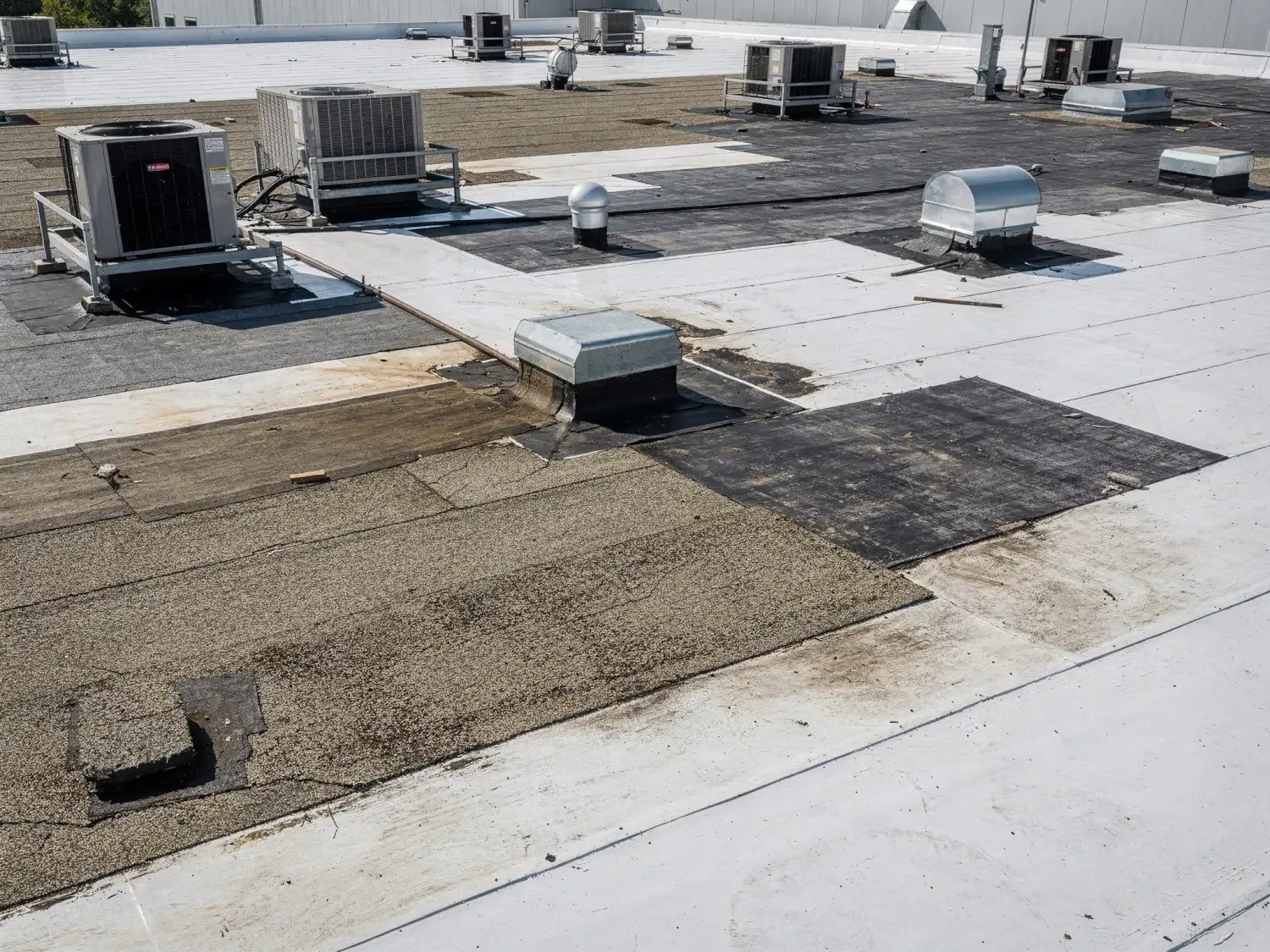
We inspect seams, laps, terminations, penetrations, drains, curbs, pitch pans and roof edges before selecting a repair method. Surface cracks and loose flashing can have different causes, so a repair should match the material and movement at that detail. We look for nearby patches, open cuts, displaced fasteners, split sealant and ponding that may be adding stress. Photographs tie each condition to a roof location and help separate new damage from older work.
After a reported hail or tornado event, we inspect wind-exposed details and document visible conditions before preparing a repair scope. The photo log distinguishes new damage from wear or earlier patching. If the survey finds a puncture or impact pattern, membrane puncture repair or hail-damage work may need to sit beside the seam repair in one coordinated scope.
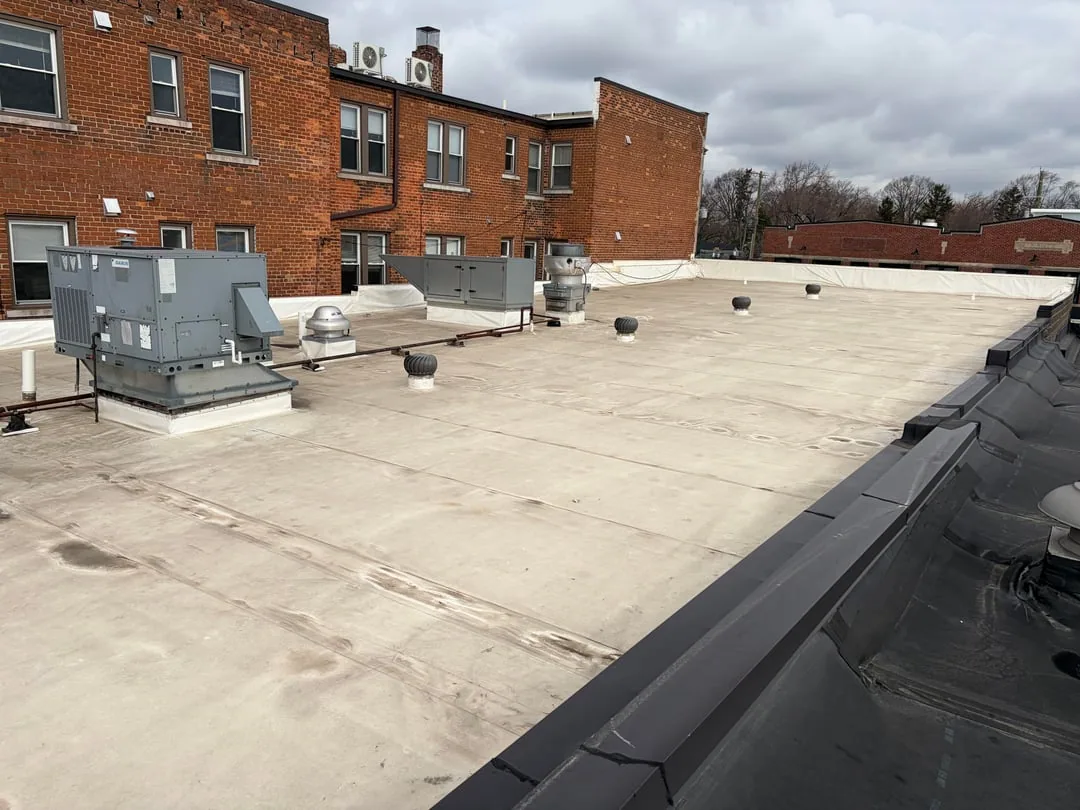
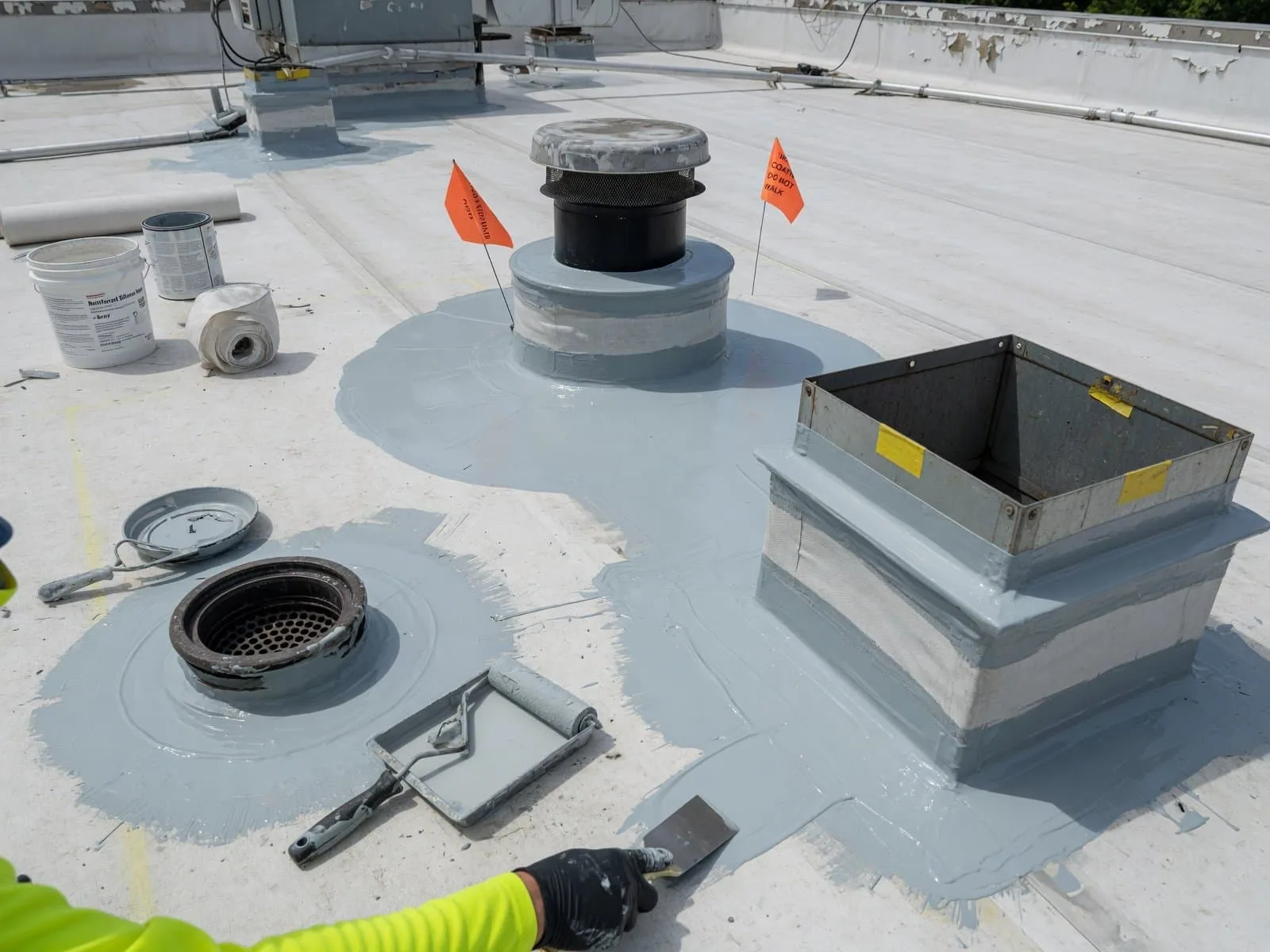
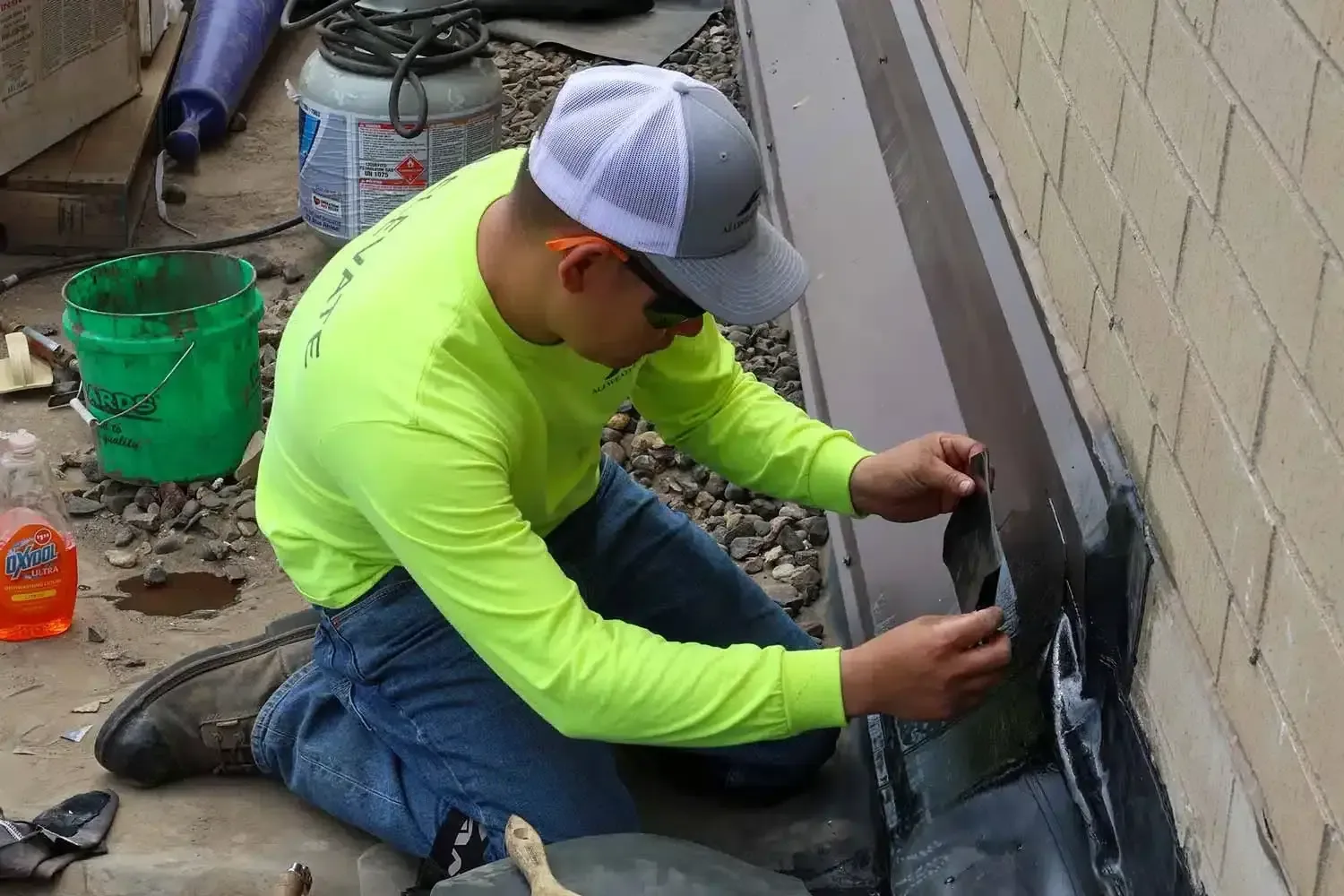
Repair materials need to work with the membrane, coating or metal that is already installed. We identify the surface and condition, clean and prepare it as required, then detail the patch beyond the visible split. A repair that stops at the open edge can leave the surrounding bond or fastener line untouched. On metal roofs, we check panel laps, clips, fasteners and flashing; on low-slope membranes, seam preparation and compatible primers matter.
Greeley’s industrial, healthcare, education, retail and food-production properties operate under different roof conditions. We verify the assembly at the building rather than selecting a material from its use. The written scope names the repair material, preparation, area and any limitations. Owners with a membrane system can compare TPO repair conditions or EPDM repair details, then review whether broader replacement is warranted.
A good repair has a boundary the owner can inspect later. We mark the affected seam, flashing or drain and note whether adjacent material is sound, brittle, wet or loose. Where conditions change within a few feet, the repair may need to extend to a stronger attachment or clean membrane. We do not cover uncertain areas and call them resolved. The report notes what was repaired, which conditions remain and what would trigger another visit.
Cost and timing depend on roof access, material type, moisture extent, weather window, equipment clearance and whether interior protection is needed. A repair near rooftop units can require coordination with maintenance staff; work around drains may need an interior check as well. We plan the work area so materials and debris do not obstruct operating paths. For occupied facilities, we give the site contact a clear sequence for access and notices before work begins.
We also separate urgent water control from permanent correction when both cannot happen in one visit. A temporary dry-in can protect interior operations while the roof area dries or a compatible repair material reaches its installation window. The follow-up scope then addresses the seam, flashing or membrane condition itself. That sequence is especially useful when water threatens stored goods, electrical areas or finished spaces, because it distinguishes immediate protection from the final repair record. We confirm who will monitor the temporary cover, what conditions require a return visit, and which permanent detail remains open. The owner receives those limits in writing so a short-term measure does not become an undocumented substitute for repair.
It can when the open seam is the confirmed water path and the adjoining membrane remains suitable for bonding. We inspect the nearby lap, flashing and drainage before choosing the repair extent.
Yes. We check panel laps, exposed fasteners, clips, edge metal and flashing, then choose compatible repair materials for the roof system and detail.
Preparation and boundary matter. We remove loose material, prepare the substrate, extend the repair to sound material and document any nearby condition that still needs attention.
A local report is a useful prompt to check the property, not evidence of damage by itself. We inspect the actual surface and details, then mark any impact or opening we can confirm.
Send photographs from inside and outside, leak timing, prior repair notes, roof access rules and any system records. We can use those details to plan inspection access and the first repair materials.
Wind and snow can change what deserves attention at the roof edge. We check perimeter metal, terminations, seams and drainage after a weather concern, while considering the roof’s exposure and maintenance history. Snow and wind can affect each property differently, so we check conditions at the roof before selecting the work window. The roof itself supplies the evidence through displaced details, fresh openings, water paths and any change in the owner’s leak report.
Heat also affects the repair window and material handling. Greeley’s hot summer periods make surface temperature worth checking before using primers or adhesives. Product directions set the acceptable range and cure time. We can also schedule work for cooler hours when the system and site allow it. A targeted inspection after the repair confirms whether the detail is sealed and whether nearby areas need attention.
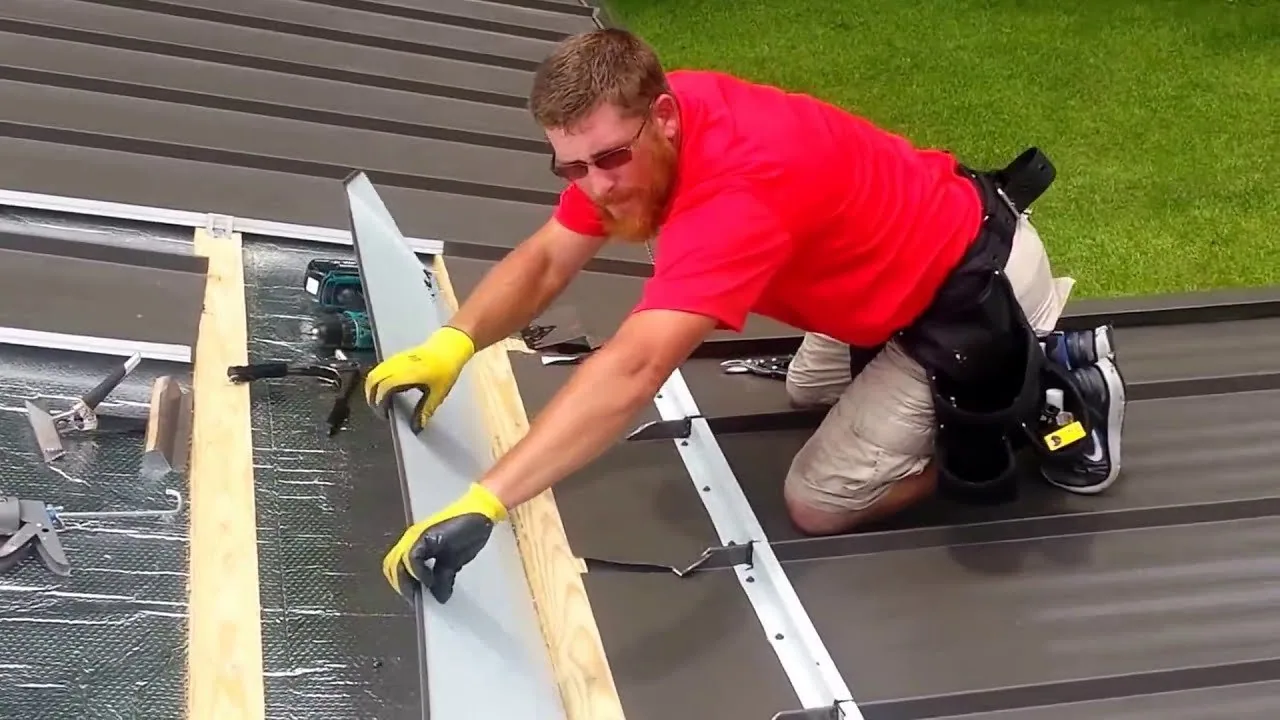
After the repair, we provide photographs, locations, work performed and any follow-up recommendation. If the owner has roof plans, we can mark the repair on them so the next technician does not mistake an old patch for a new leak source. A maintenance visit can then check the exact detail after seasonal changes, cleaning or rooftop equipment work. We flag active moisture or damaged insulation separately because a surface repair alone will not correct concealed material.
Facilities teams at Highpointe Business Park may coordinate around varied industrial and commercial operations; access, loading and roof traffic still depend on each individual property. We discuss where lifts can stage, which hatches are approved, and how to protect equipment below the repair area. A condition report can group repeat repairs by zone, while routine maintenance tracks drains, seams and flashings before small openings spread.
For repairs that require multiple visits, we note which day’s work area was left weather-tight and which test or surface condition must be checked before reopening it. The owner can then coordinate maintenance, access and approval without confusing a temporary safeguard with completed permanent work.
Where a service visit crosses roof-mounted equipment, we confirm clearance with the maintenance contact before moving tools or patch materials. The repair note also names any nearby seam that should be watched at the next maintenance check.