Can a roof repair happen while trucks keep moving?
Often, if lift placement, traffic routes and dock windows are coordinated. We confirm the active work zone with the distribution contact and maintain a clear route around it.
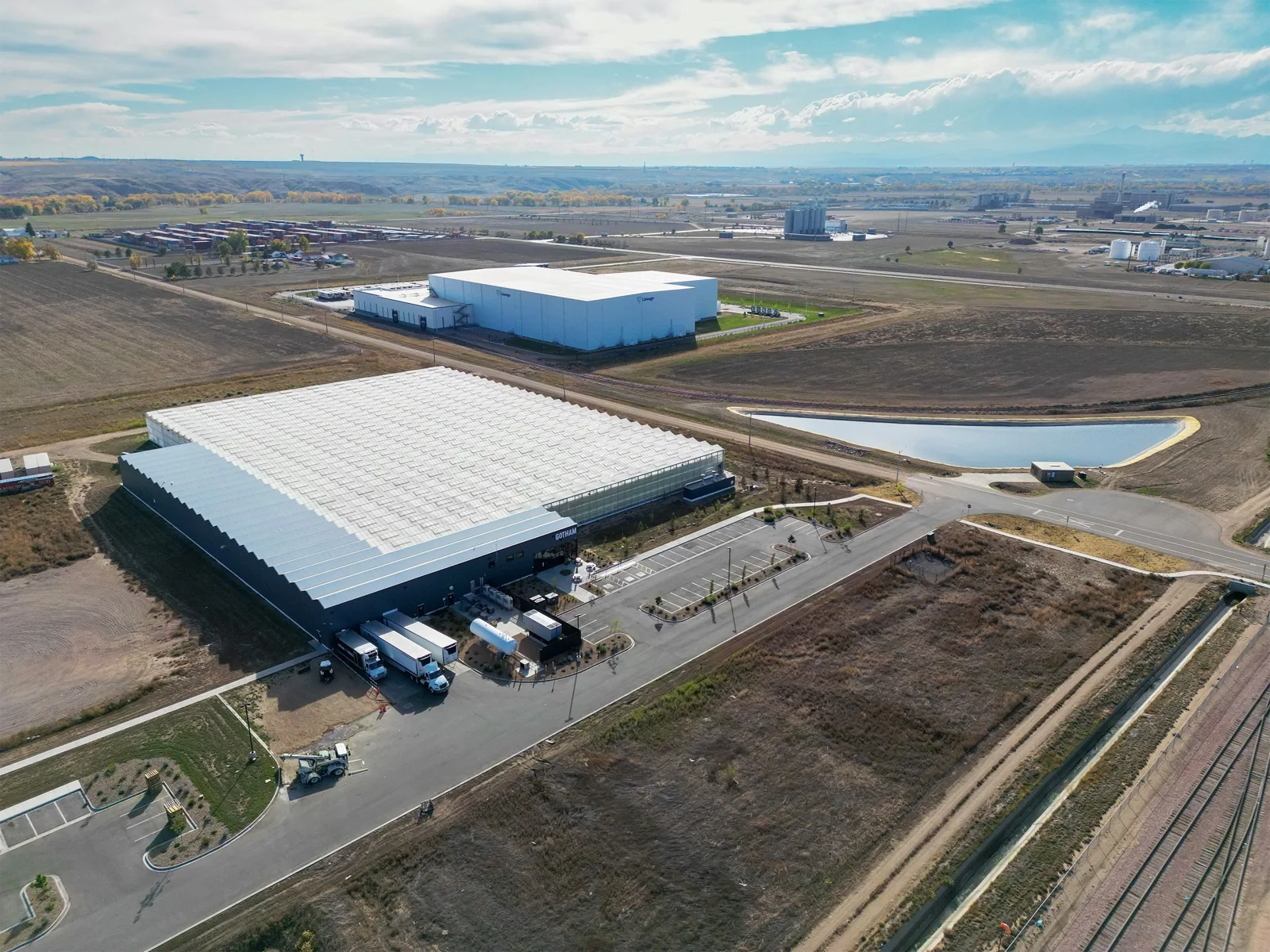
A roof opening above a receiving line can put product, schedules and dock access at risk at the same time. We start with the affected interior zone, match it to the roof plan and inspect drains, seams, penetrations and perimeter details along the likely water route. The report separates immediate water control from permanent repair so the facility manager can protect operations while deciding on a larger scope. Great Western Industrial Park is a major planned industrial setting with active tenants and dual Class I rail access. We confirm the distribution property’s roof condition and delivery rules with its operator.
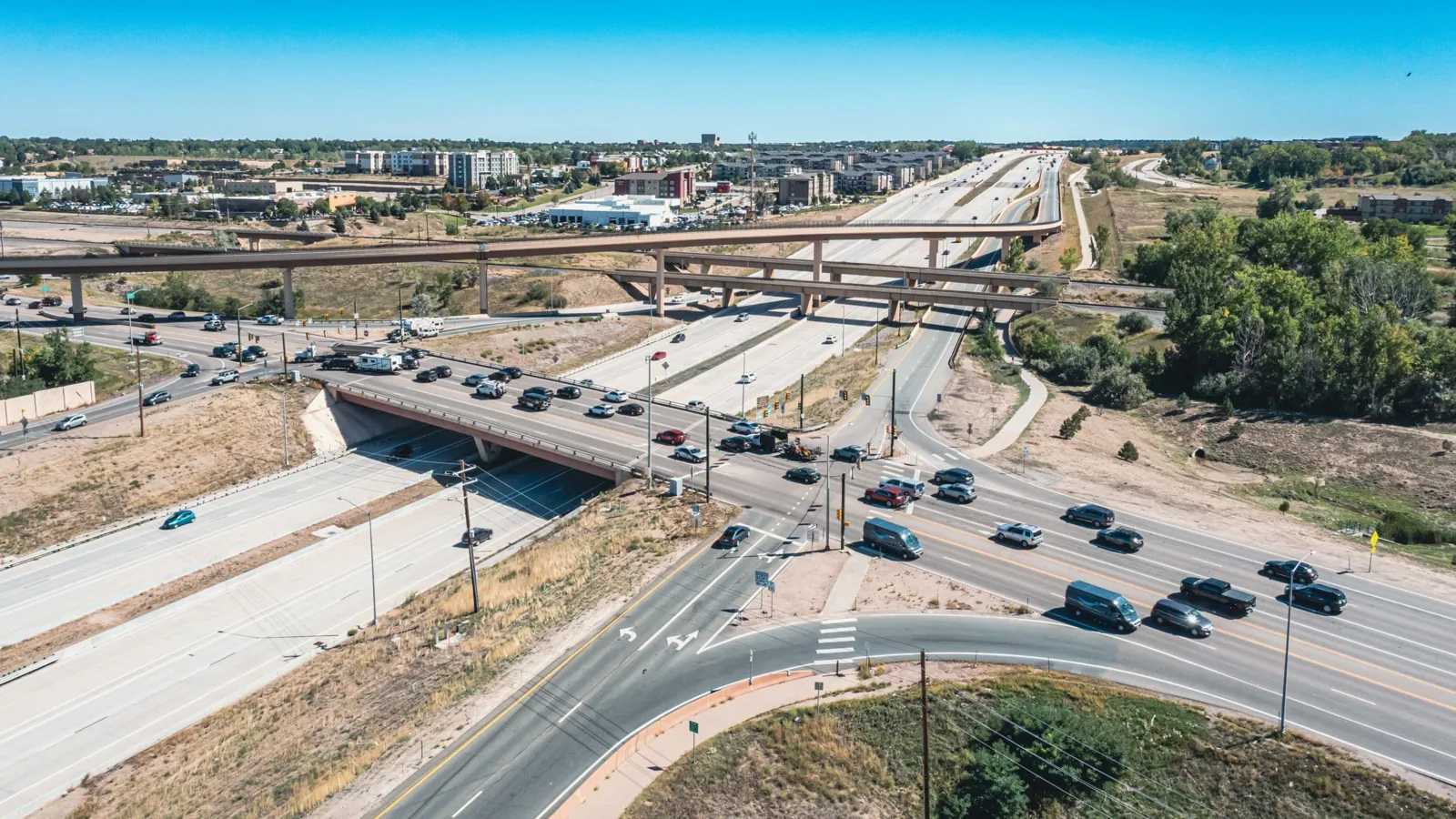
Distribution work depends on a reliable building envelope and clear movement across loading areas. We coordinate roof access with receiving windows, trailer staging, security procedures and interior protection before materials arrive. Heat, wind and snow can change access and installation timing. Hail near Greeley also makes a post-storm roof check useful; the inspection documents any damage at the property. If a leak is reported near the U.S. 85 Business Corridor, the site contact confirms current entrance and loading constraints before we set a visit.
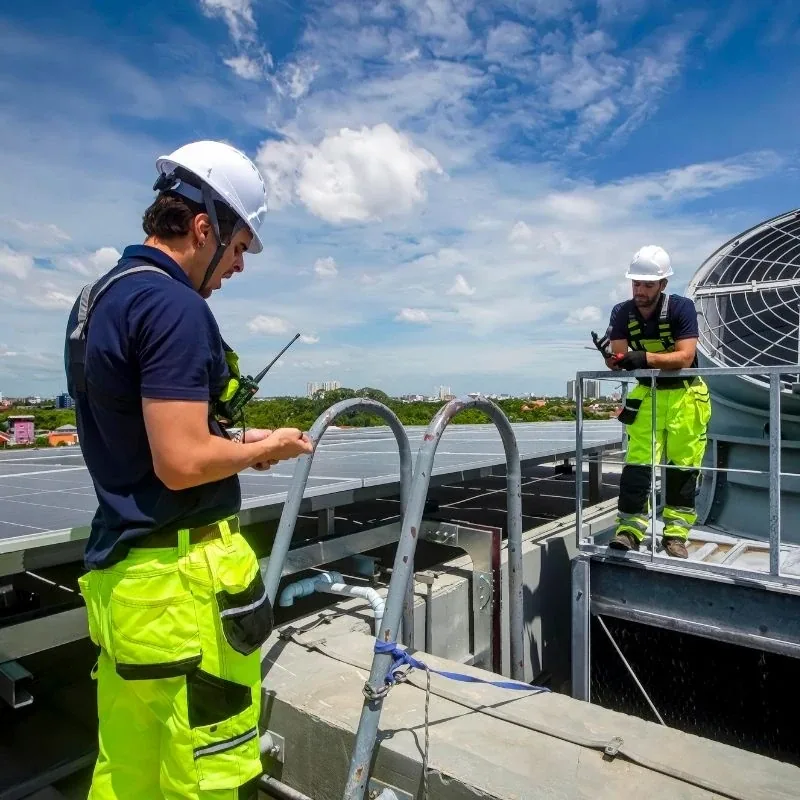
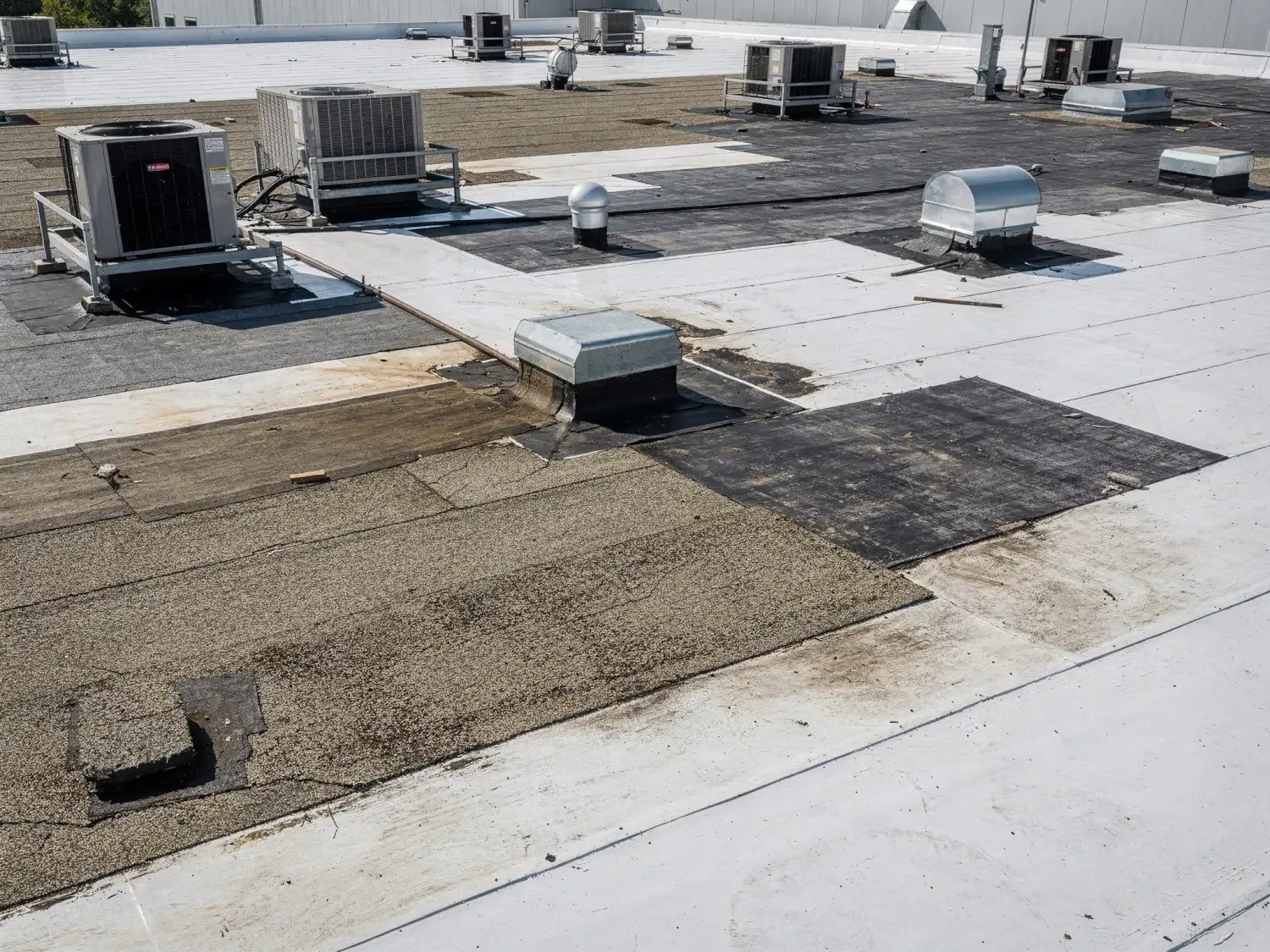
We record the interior position of a leak, affected merchandise or interrupted work area, then check above and around that point. Water can move along a roof deck, insulation joint or structural member before appearing below. We inspect membrane laps, metal transitions, skylights, equipment supports, drains and wall flashings, and compare them with the facility’s leak history. On a broad roof, the marked plan should identify each drainage section and the routes staff use to reach equipment without crossing active hazards.
Drainage deserves attention where a long roof feeds several outlets or where debris can collect near equipment. We inspect drain bowls, strainers, scuppers and low points, then note whether an obstruction or a persistent slope issue is visible. A targeted moisture survey can help determine whether wet insulation extends beyond the ceiling report. We pair each image with a roof location and label uncertainty rather than estimating an unseen repair boundary. Those details help operations staff identify which inventory zone needs protection first.
Before a crew mobilizes, we confirm dock assignments, truck circulation, lift placement and the access route to the roof. The distribution manager points out hours when inbound freight peaks, outdoor storage that cannot move and doors that serve emergency egress. We agree on where temporary barriers will sit and who will notify workers below an active repair. A small leak response can often be isolated; a larger reroof needs zones and handoffs that do not leave exposed material above live operations.
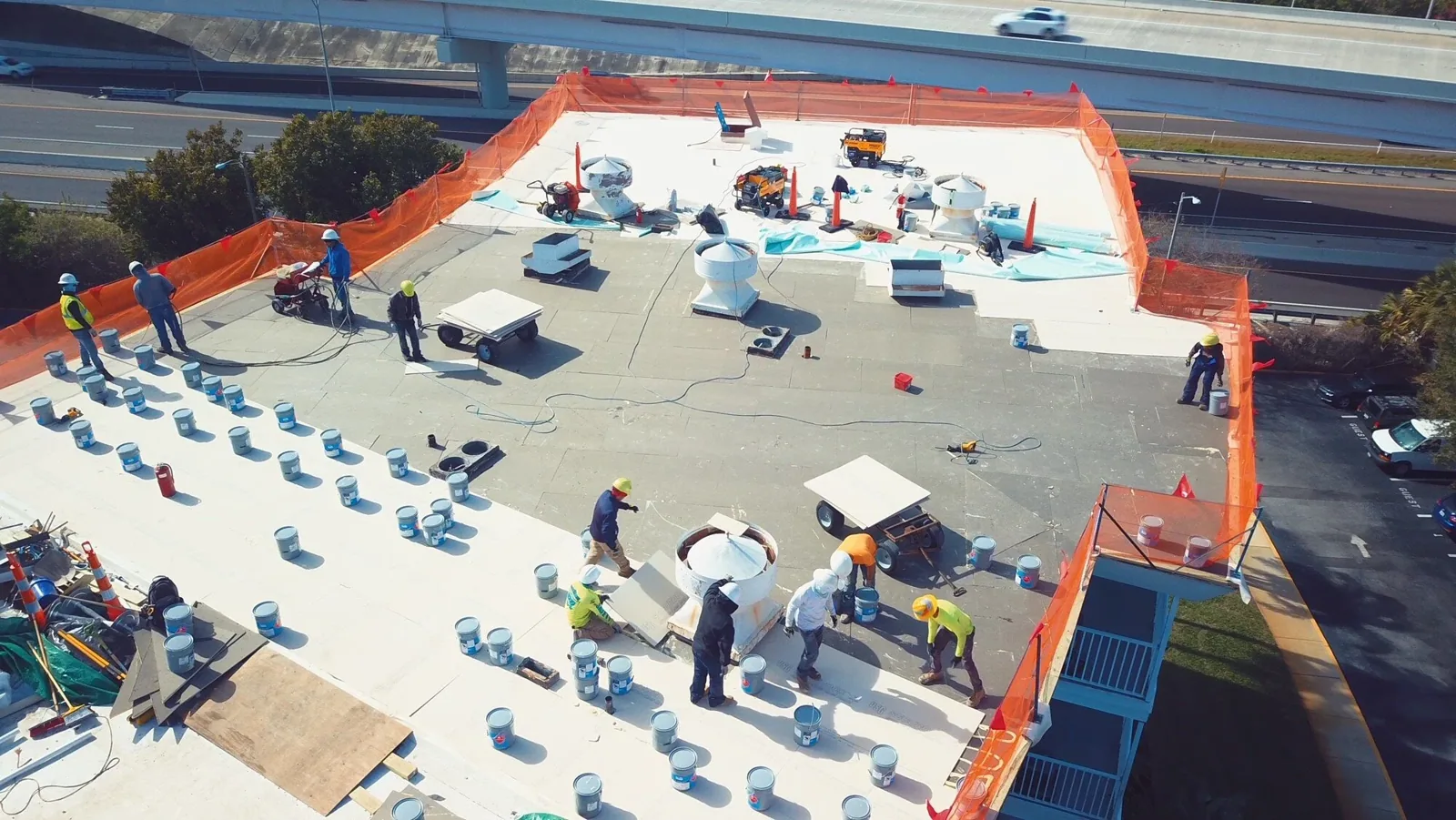
For replacement, we plan daily tear-off and dry-in boundaries, coordinate material deliveries, and keep a record of which areas are protected at shift end. If operations run multiple shifts, the handoff should identify weather exposure, open penetrations and any restriction on roof access. A phased reroof plan can keep portions of the building in service, but only after the assembly, crew access and forecast are reviewed. We share progress with the designated site contact so dock teams are not surprised by a lift or temporary closure.
Wind can stress perimeter details and shift unsecured materials, while hail may mark the surface without creating a leak. We inspect edges, flashings and the roof field after a reported event, then compare those observations with earlier photos or maintenance notes. Greeley Airport logs snow depth and wind alongside temperature and precipitation. A distribution roof should be checked after snow clears for drain access, debris movement and newly exposed defects, with safe access established before staff or contractors enter.
Hot roof surfaces affect worker exposure and the handling of adhesives, membranes and coatings. We select a work period from conditions at the property, not a regional average, and adjust the day’s sequence if wind or surface temperature changes. The rail access described for Great Western Industrial Park explains the area’s logistics role but does not set a site’s delivery window; each owner controls that schedule. The facility team should share active dock periods, special handling zones and security rules so the roof plan fits the operating day.
Often, if lift placement, traffic routes and dock windows are coordinated. We confirm the active work zone with the distribution contact and maintain a clear route around it.
We identify the interior zone, agree on protection below and limit the open roof section to the planned dry-in boundary. The site team flags goods that need special handling.
Repeated failures, wet insulation, broad attachment concerns or deterioration across multiple zones can change the recommendation. We document evidence and testing needs before expanding the scope.
A moisture survey can help map suspect areas, with confirmation by testing where needed. We tie results to the roof plan so any removal stays within a supported boundary.
Provide dock peaks, security rules, roof drawings, leak dates, inventory controls and the contact who can approve access. Those details let us prepare a workable sequence.
A failed seam, puncture or flashing may be repaired locally when adjacent material and insulation remain serviceable. Repeated leaks, broad moisture or attachment issues across several roof zones may justify a full replacement analysis. We show what was observed, what testing is still needed and which work protects inventory immediately. The estimate defines the repair limits, the interior controls, the drain or edge work and any portion held for later investigation. This gives operations a sequence instead of a vague instruction to “fix the roof.”
Cost and schedule depend on roof area, system, access, material staging, disposal, insulation, penetrations and the number of zones that must remain dry each day. A recover evaluation may reduce removal in suitable assemblies, while a replacement plan addresses broader deterioration. A warehouse roof can share storage concerns, while cold-storage buildings need close attention to temperature control and vapor movement. We identify the actual use and conditions before recommending the work.
Closeout records should show completed areas, drain and penetration details, photographs and any excluded work. We provide maintenance staff with the roof plan, note where later trades need protection and identify the route for reporting a puncture or leak. If work occurred above stock, the record can tie each roof repair to the interior zone the site monitored. That information helps the next shift understand the repair boundary and prevents a service team from opening a completed section without a reason.
Before the initial visit, send roof drawings, leak reports, product-handling limits, loading schedules, badge or escort steps and the contact who can approve an access change. Mention whether the facility has refrigerated areas, sensitive goods or shifts that cannot be paused. Great Western Industrial Park’s rail and highway connections support regional movement, but the specific distribution center sets its own gate, dock and staging practices. We plan to those instructions and the inspected roof rather than assuming every logistics property works the same way. If the facility operates multiple shifts, share the quiet windows for overhead repairs and the person who can make a same-day access decision.