Commercial Roof Leak Repair in Greeley, CO

Commercial Roofing Services

Commercial Roof Leak Repair

Greeley’s light and medium industrial properties bring different access and work-zone needs to a leak visit. We identify who can release the roof area and what lies below the reported room, then check the closest drain, seam, curb, and wall transition. That first walk maps the repair boundary and shows whether a test opening is justified before material is removed.

Wind and snow can change safe roof access and drainage conditions, so we schedule the walk around conditions at the property. At the City’s planned downtown civic campus, we coordinate roof entry with the facility contact and mark each observation to the specific roof zone. Our roof inspection connects test results to the repair boundary and gives the next work sequence a clear starting point. If snow or wind interrupts the visit, we note which roof zones remain uninspected and arrange a safe return.

Follow the water path

We ask where water first appeared, whether it followed rain or snowmelt, how quickly it spread, and whether the condition returned after earlier work. Inside, we photograph stains, wet ceiling material, drips and nearby equipment. Above, we compare those locations with drains, seams, penetrations and slope. The source may sit uphill from the interior mark, so we check the route between the two instead of sealing the closest roof detail automatically.

Wind and snowfall may affect the leak path or safe access, so we inspect the surface and outlet conditions at the building. A wind-driven event can test a different side of a roof than a calm rain, while snow can reveal blocked drainage when it melts. We look at the actual membrane and water path for evidence. At Highpointe Business Park, the documented light- and medium-industrial mix and limited commercial space make access arrangements property-specific. Roof assemblies still require inspection at each building. If a large area needs comparison, a moisture survey can help choose test locations, with core cuts used where readings need confirmation.

Commercial Roof Leak Repair in Greeley, CO

Protect the interior first

During an active leak, we identify a safe route to the roof, move or cover vulnerable contents where possible, and use temporary containment or dry-in when conditions allow. We locate the roof area that can be accessed safely and limit emergency openings to work that can be secured before the crew leaves. If water is near electrical equipment or a ceiling may fail, the building contact coordinates interior safety with the appropriate facility staff.

Emergency response is available around the clock, including weekends and holidays. The immediate visit focuses on reducing water entry and documenting the condition, then a follow-up visit can complete the permanent repair once the surface and materials are ready. A temporary cover has limits, so we record who will monitor it and which conditions require another call. For broad storm concerns, temporary protection may be followed by a separate repair scope.

Confirm the entry point

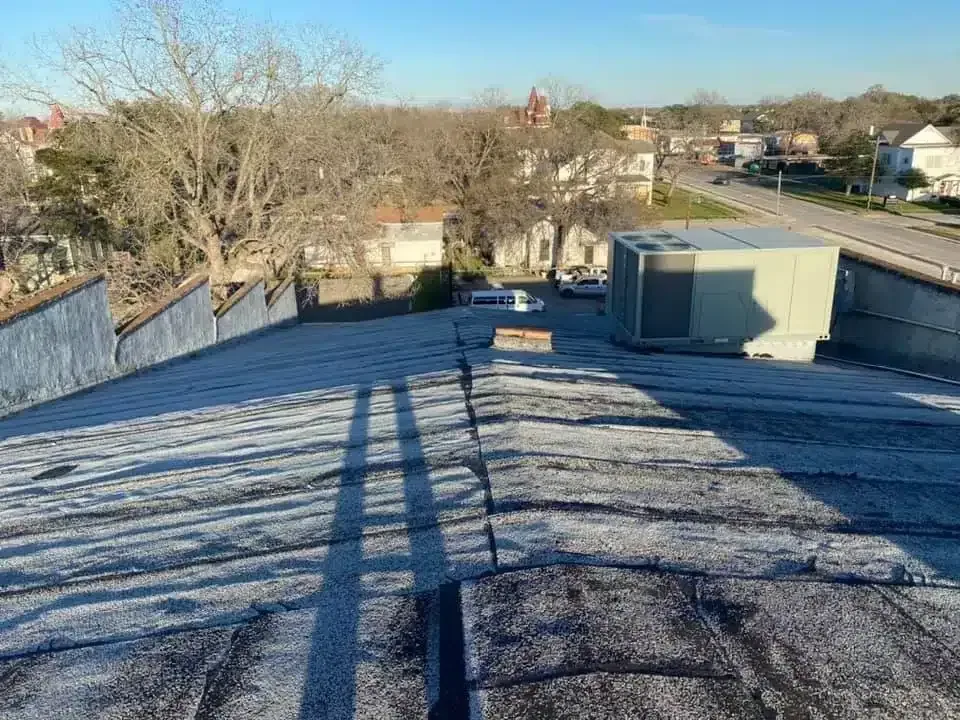
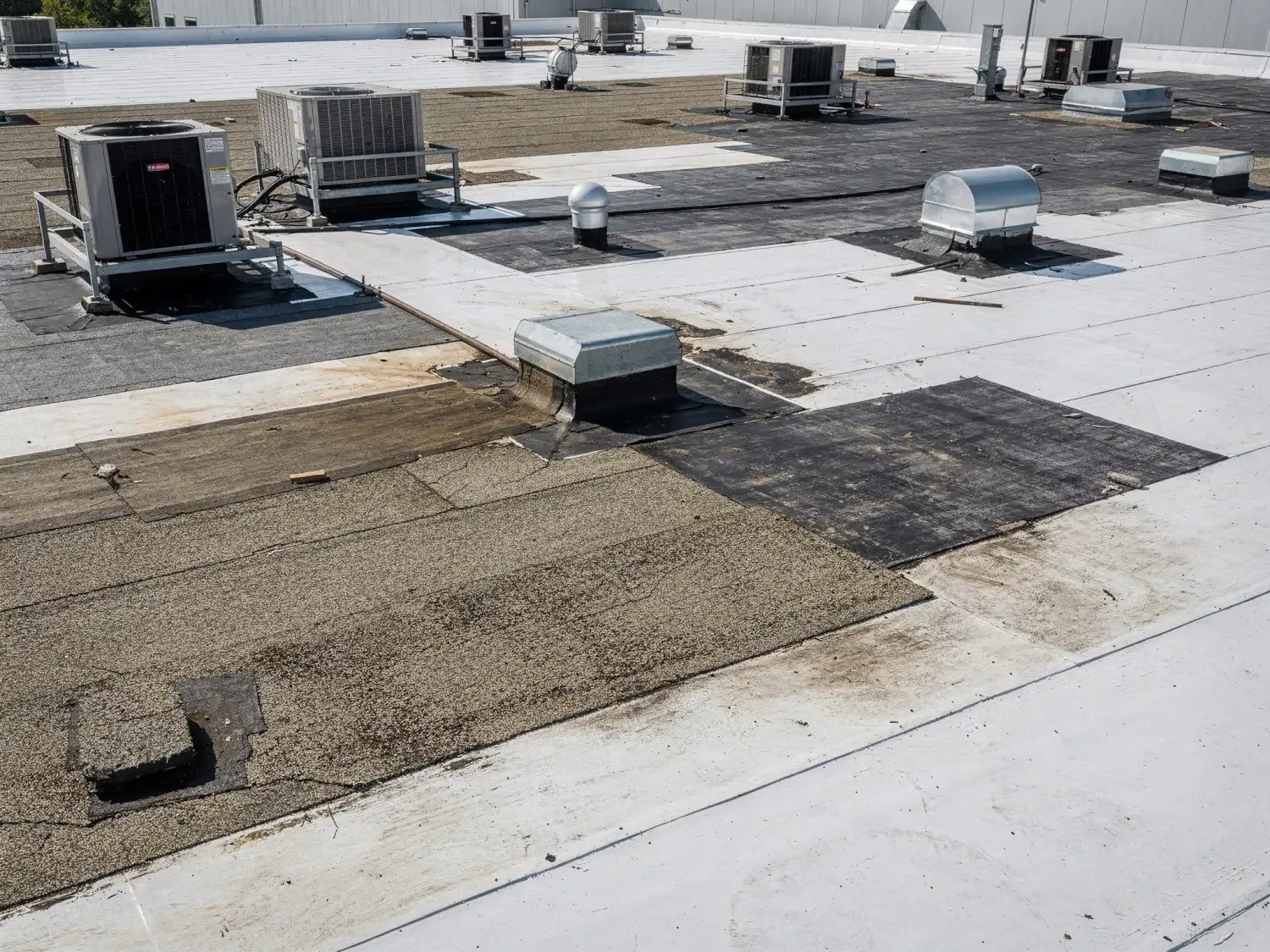
Once immediate water is controlled, we inspect the roof surface around likely entry points. We check open laps, split flashing, failed sealant, loose edge metal, curb corners, drain bowls and penetrations. We also look for previous repairs that may have separated or redirected water. Each suspected source is marked and photographed. Where several paths remain possible, we explain the next test instead of claiming certainty from one surface symptom.

Hail has been reported near Greeley, and tornado events have occurred in Weld County. We look for roof evidence at the property after a storm. That history supports a careful post-storm roof check, but no county report proves damage at a particular address. We inspect for actual openings, dents, lifted details or displaced metal before selecting a repair. If hail marks or punctures are found, hail repair or puncture repair may be included with the confirmed leak correction.

Commercial Roof Leak Repair in Greeley, CO

Commercial Roofing Questions

Why is the ceiling leak several feet from the roof opening?

Water can travel along a deck joint, insulation layer or low point before it appears indoors. We inspect the likely path and compare roof details with the interior location before selecting a repair point.

What should we do while water is still coming in?

Protect people and equipment first, then contact us with the room, leak timing and safe roof access details. We can arrange emergency response and use a temporary dry-in when the conditions allow it.

Can you find a leak during dry weather?

Often, yes. We inspect seams, flashings, penetrations and drainage for openings or repair failures, then use moisture readings or controlled testing if the entry path remains uncertain.

Will one repair address all the ceiling damage?

The roof repair stops the confirmed water entry, but wet insulation, ceiling materials or equipment may need separate drying or replacement. We document those interior follow-up needs for the site contact.

What records should I keep after a leak visit?

Keep the roof photos, marked repair location, weather timing, interior observations and any temporary-cover instructions. Those details help us compare a later leak with the original path.

Make the repair last through inspection

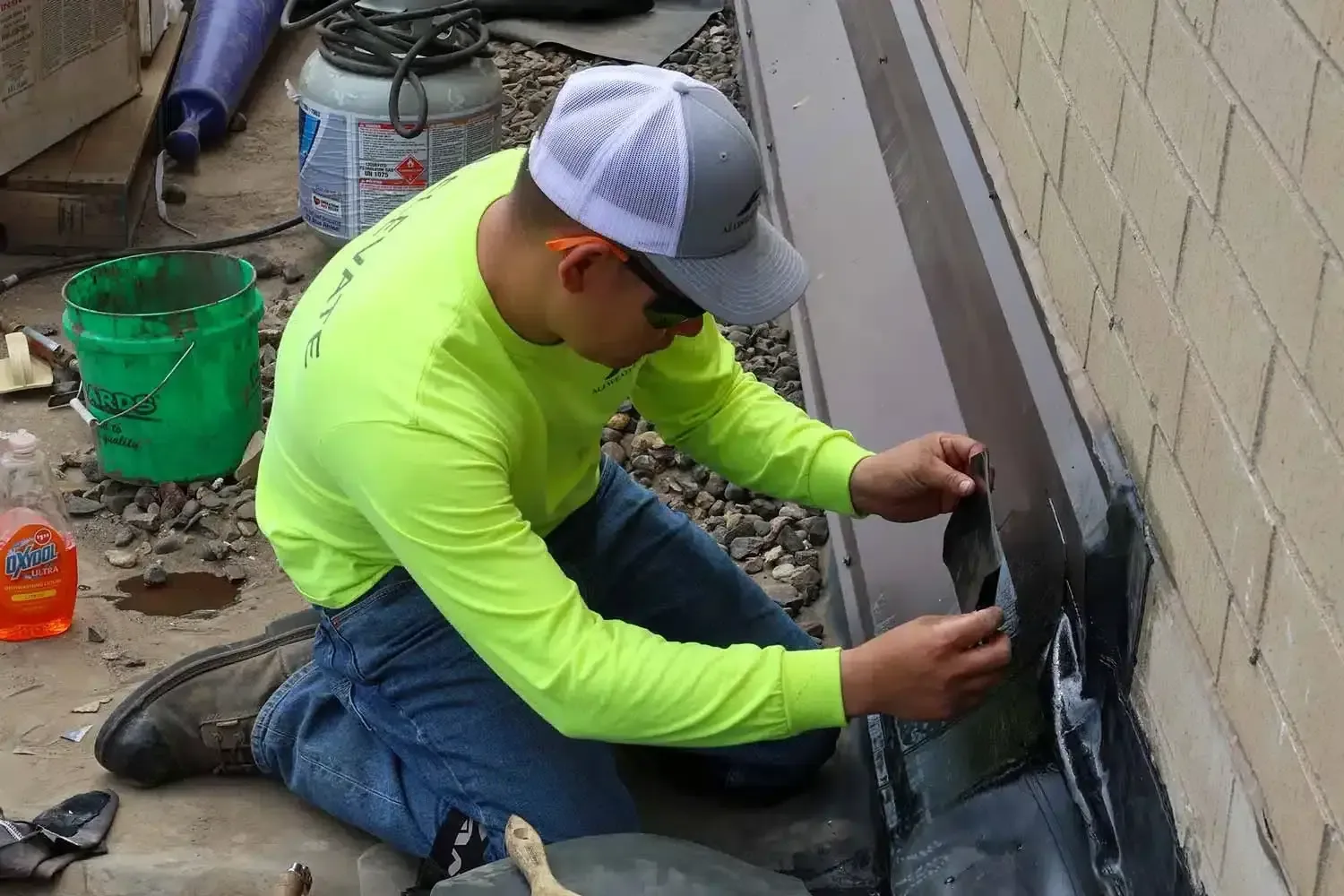
We match the repair material to the roof system and prepare the area for a compatible bond. That may mean removing loose sealant, cleaning the membrane, drying the substrate, welding a patch, replacing a flashing detail or correcting a drain connection. A repair should extend to sound material and leave a visible boundary. If insulation is wet or the deck is damaged, we identify that separate work because a surface patch cannot restore a concealed layer.

When a leak follows a drain line or low roof area, we check the drainage path before closing the repair. Debris, restricted outlets or a poorly seated drain ring can keep water at a repaired seam and make a sound patch look like a failure. We photograph the drain, bowl and surrounding membrane, then note whether cleaning, adjustment or a separate plumbing review belongs in the follow-up. That keeps the roof repair distinct from work beyond the membrane.

The repair scope lists location, materials, preparation, access needs and any condition that remains open. Price and timing depend on roof height, access, weather, system compatibility, moisture extent and interior protection. We note if a return visit is needed for a test, dry-out or finish work. The owner can see whether the recommendation is a spot repair or a wider commercial roof repair, with replacement discussed only if broader findings justify it.

Interior protection and permanent roof work may have different schedules. We coordinate ceiling access, temporary containers, equipment shutdowns and any repair that requires a clear room below. When the roof can be repaired before interior materials are dry, we record the condition and arrange the needed return check. The report should state whether the leak stopped, what water damage remains, and who will verify the interior after the roof assembly is closed.
Commercial Roof Leak Repair in Greeley, CO

Keep the next report useful

After water stops, the interior still needs a check. We document whether insulation or ceiling material should be removed, dried or monitored, and mark any equipment that needs an owner-side review. Roof photographs show the repair and nearby details, while a short written note records the reported weather, leak timing and tests performed. Facilities staff can use that record to compare later moisture reports with the original entry point.

At properties in the 10th Street corridor and Downtown Greeley, we confirm access and tenant schedules with the owner before mobilizing. A condition report can retain the repair boundary and open questions, while regular maintenance checks drains, seams and flashings before the next weather cycle.

Related Roofing Work

Trace the leak and protect the space

ServicesRoof SystemsIndustriesProperty TypesService AreasDamage RepairCapabilitiesManufacturersAboutRequest a Roof Assessment555-555-5555
Call555-555-5555