What makes a KEE membrane different from standard PVC?
KEE is a PVC-alloy formulation that includes ketone ethylene ester. The specific product and project requirements still need confirmation before we select repair materials or plan installation.
KEE roofing is a PVC-alloy membrane that includes ketone ethylene ester in its formulation. Repair and installation still depend on identifying the actual sheet, checking its seam welds and matching details to the assembly. We inspect the membrane, insulation, attachment and transitions before recommending a patch, recover or replacement. The KEE designation alone does not answer whether the existing roof is dry, well attached or ready for another layer.
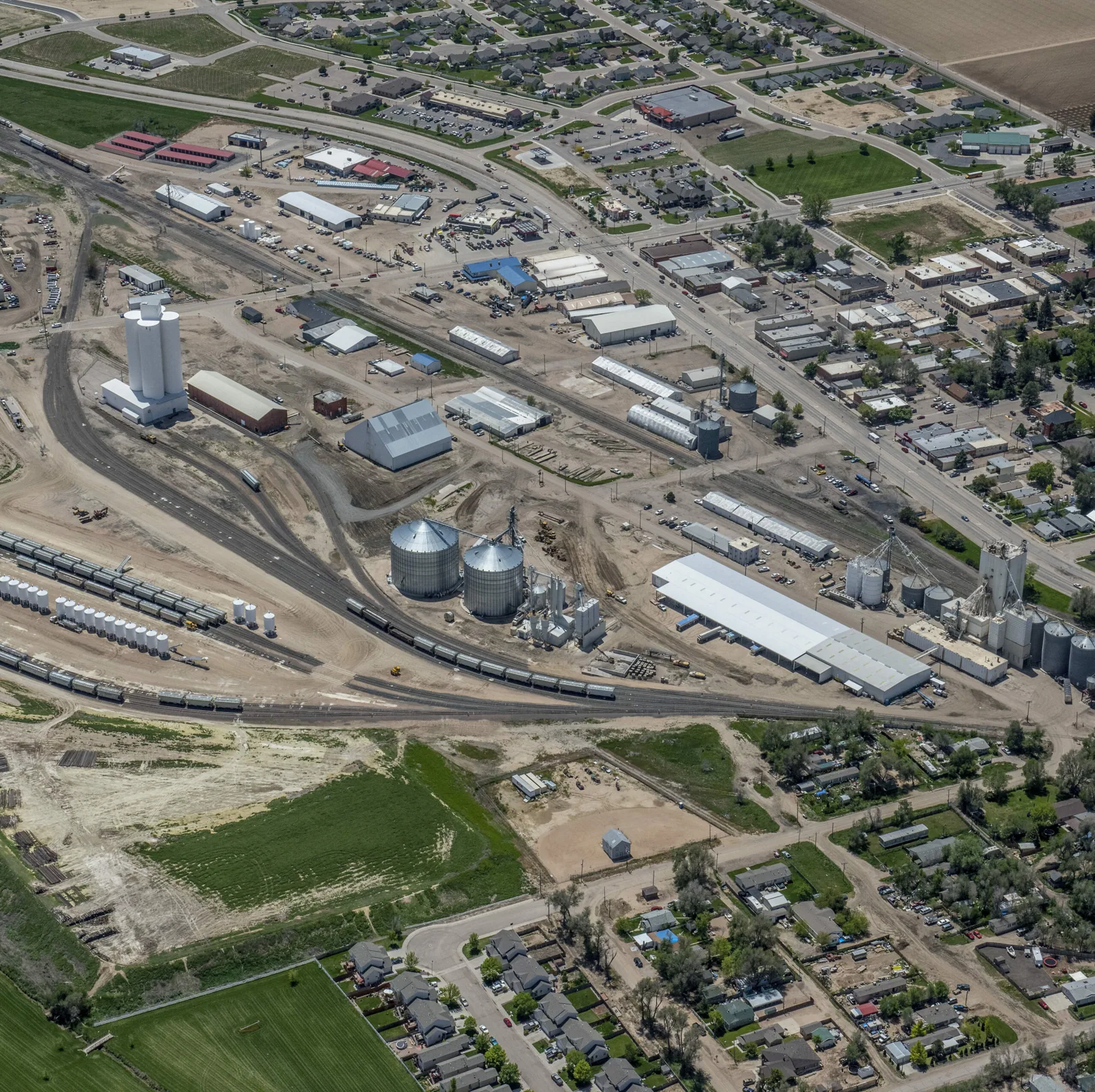
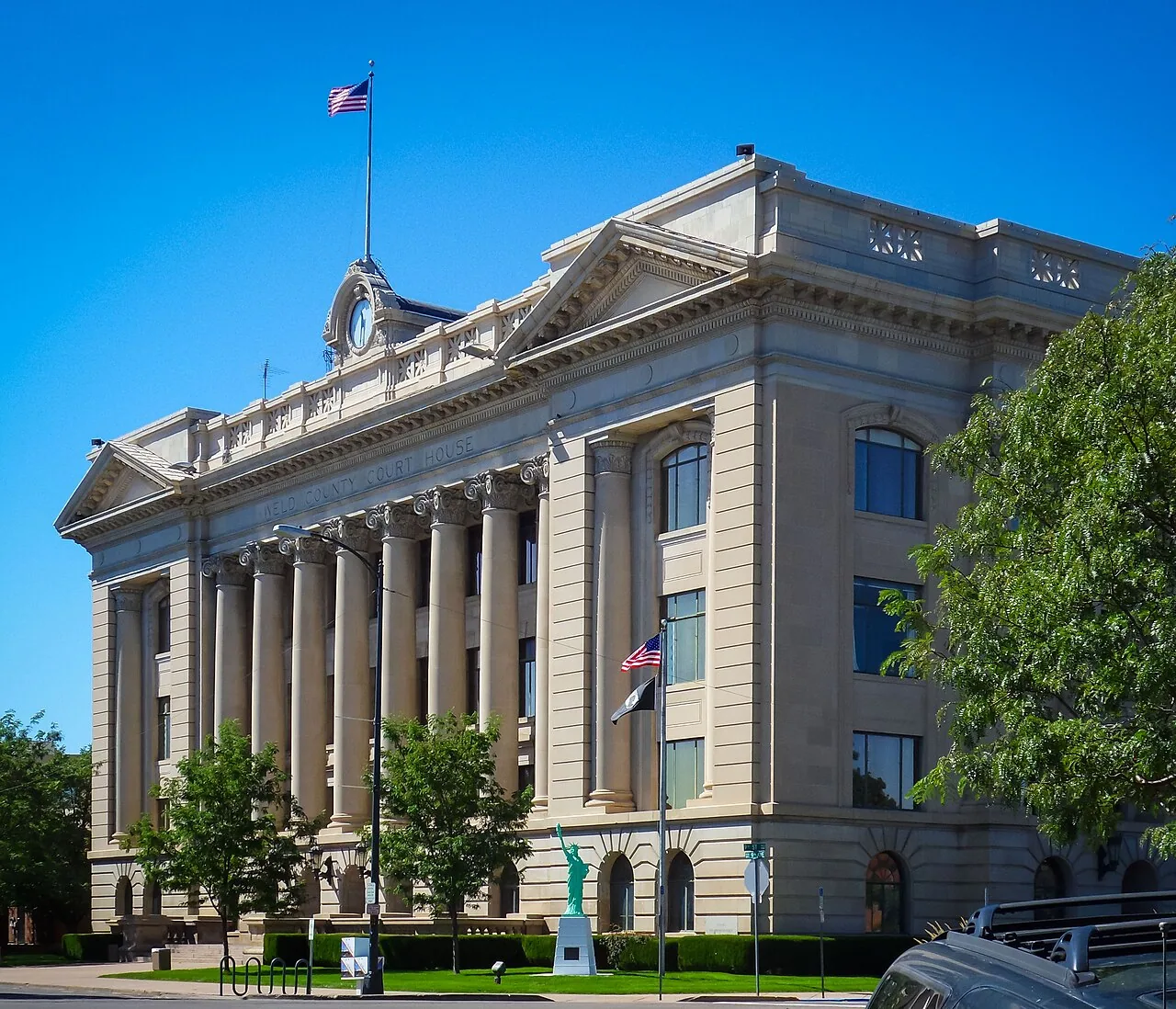
Greeley heat, hail, wind and snow create different roof conditions through the year. A facility near Eaton Industrial Park may have delivery and equipment schedules to coordinate, while a building around Downtown Greeley may have public-facing operations. We ask about the actual use and any chemical or process exposure before reviewing system suitability. For active leaks, our leak response can locate the entry before a permanent repair is priced.
We review the roof history, field sheet markings, repair records and visible construction details to identify the system. KEE and standard PVC membranes can look similar, so product documentation or a sample may be needed before selecting a repair material. We inspect welds, punctures, abrasion, attachment and the condition of nearby flashings. Where the sheet is intact but moisture may sit below it, testing can clarify whether a recover is appropriate.
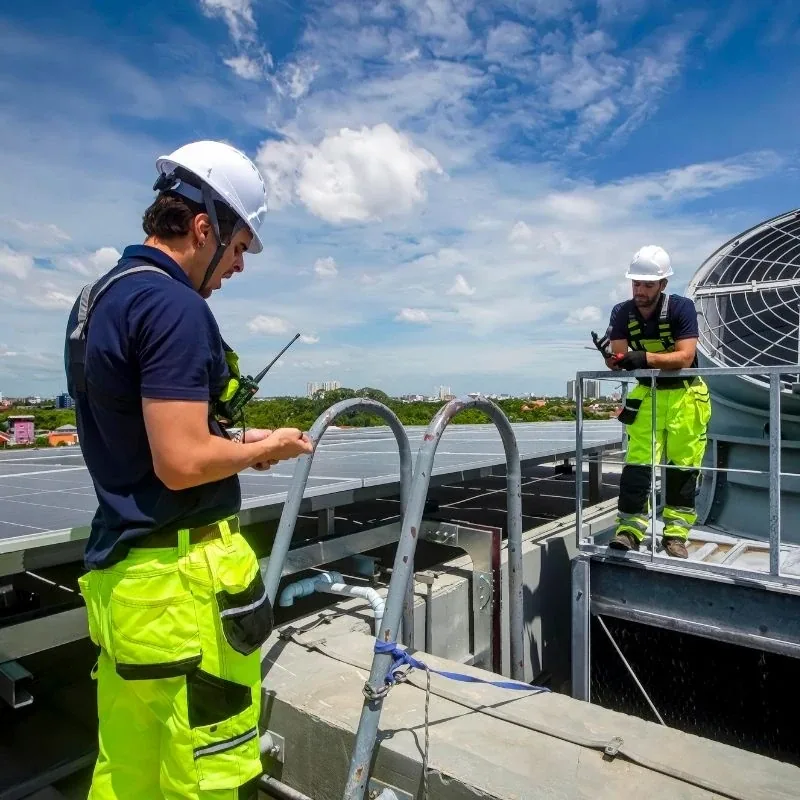
Greeley’s high summer temperatures can make roof access demanding, while cold and wet conditions affect installation windows. We check the surface at the building and do not rely on a seasonal average to decide whether the work can proceed. An infrared moisture survey can locate areas for closer testing, and a condition inspection can map the assembly before a scope is finalized.
We also note whether the membrane is mechanically attached, fully adhered or secured through a ballast assembly. Each method changes access to seams and the way a crew isolates an area for repair. If a recover is proposed, the existing attachment and deck become part of the review, along with drain height and the metal edge. The owner receives the open questions that must be answered before new material can cover the assembly.
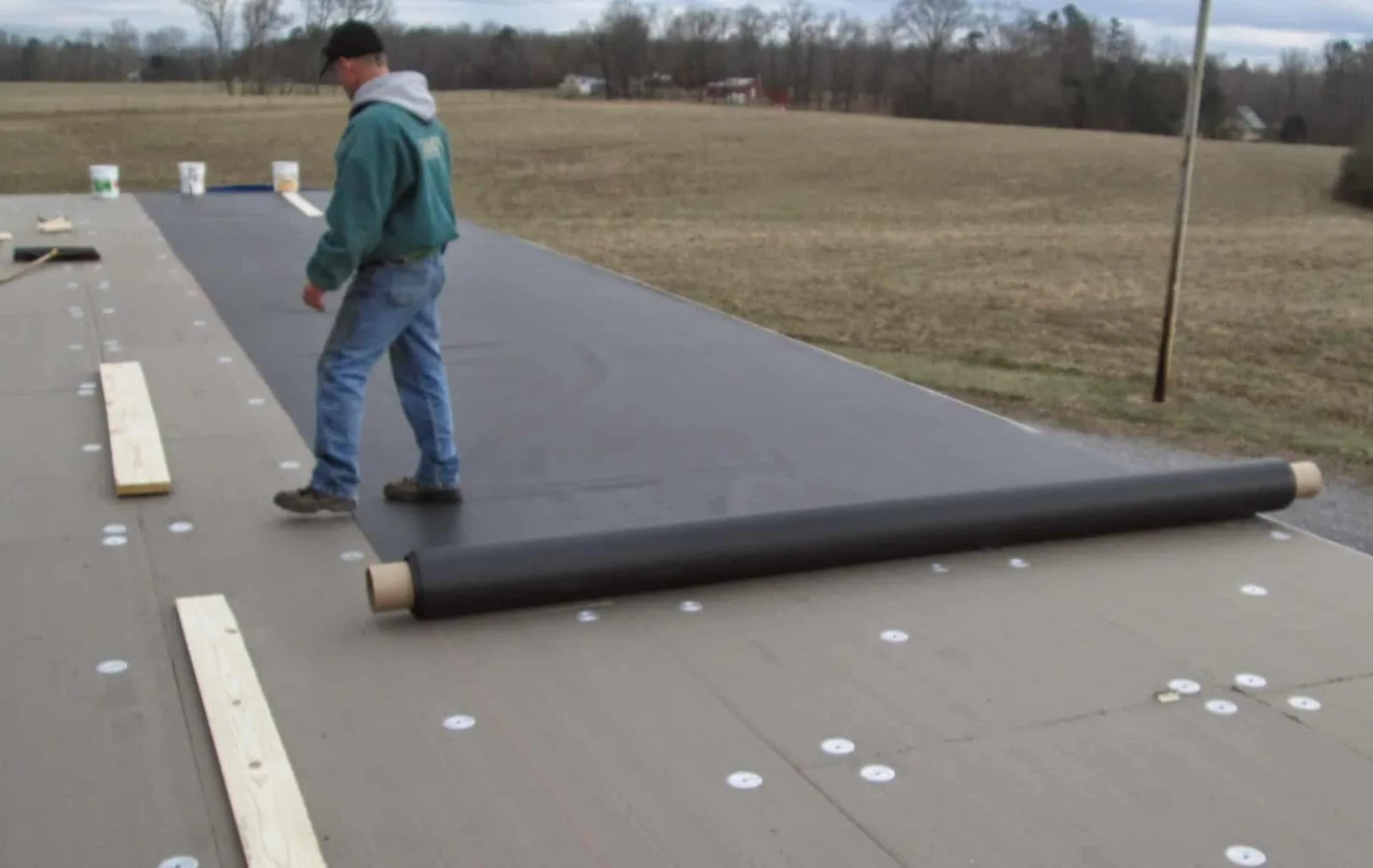
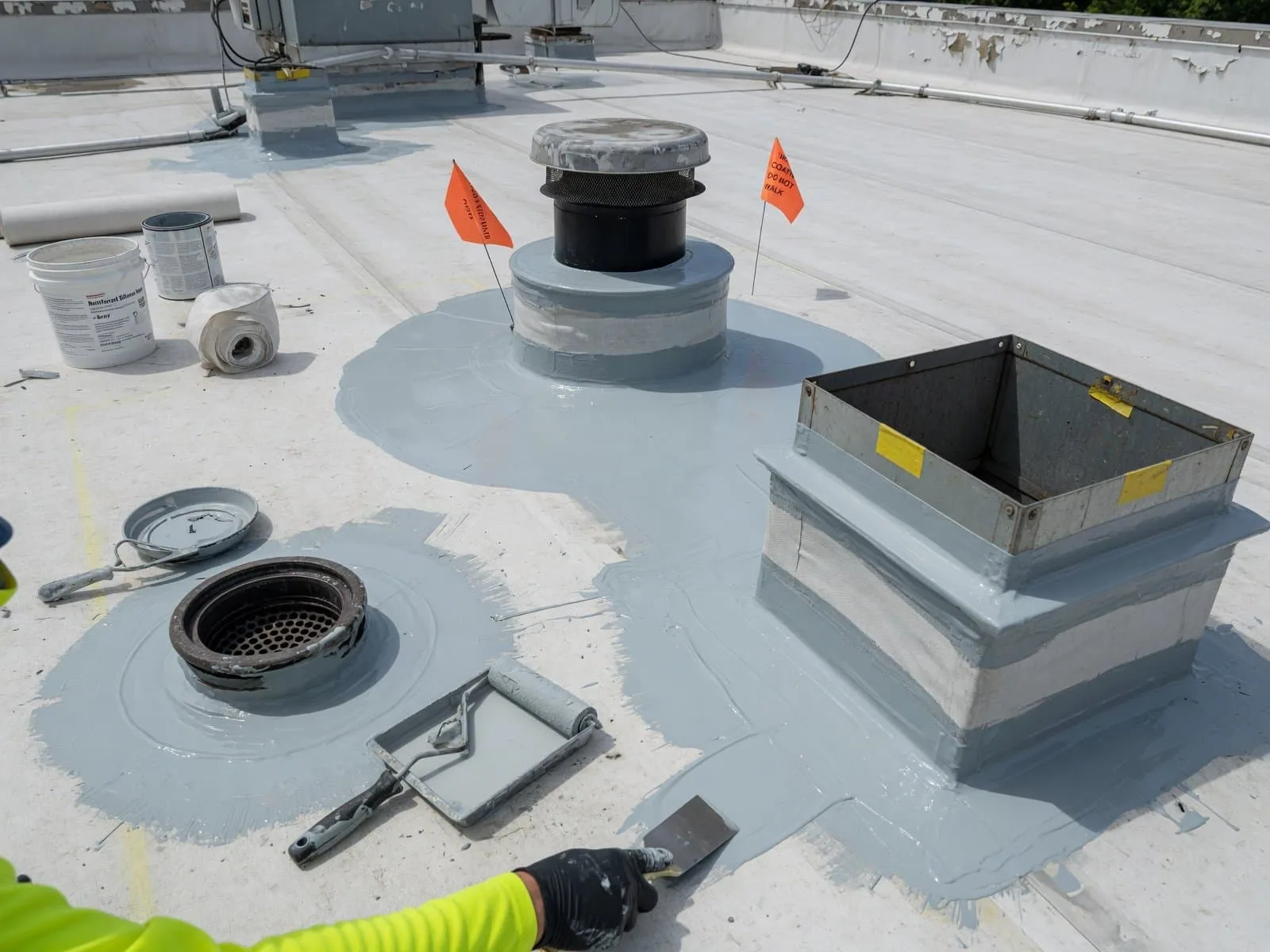
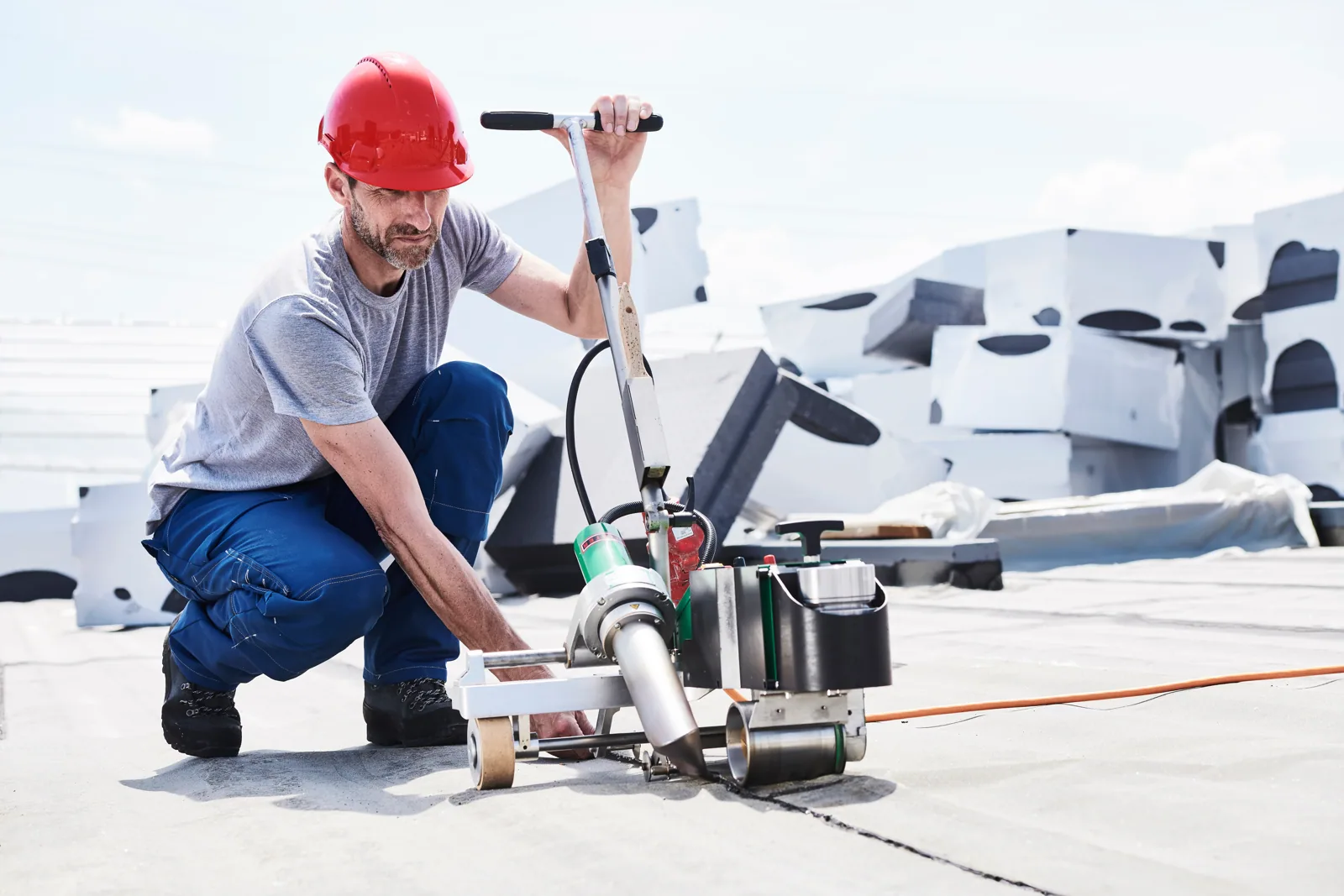
KEE membranes are heat-welded, so seam condition depends on preparation, heat and a continuous lap. We inspect for open edges, contamination, wrinkles and damage from tools or rooftop service. At curbs, pipes, drains and parapets, the membrane needs a supported transition with corners shaped to the detail. A field patch that stops short of a curb or covers an unstable base can leave the actual water path open.
Hail and wind exposure around Greeley can stress exposed surfaces and perimeters, but repair decisions come from observed conditions. We compare a suspected mark with seam integrity, attachment, nearby flashing and interior reports. Snowmelt can also highlight water retention around a drain. Perimeter metal or coping concerns can be coordinated with the membrane work rather than treated as an unrelated finish.
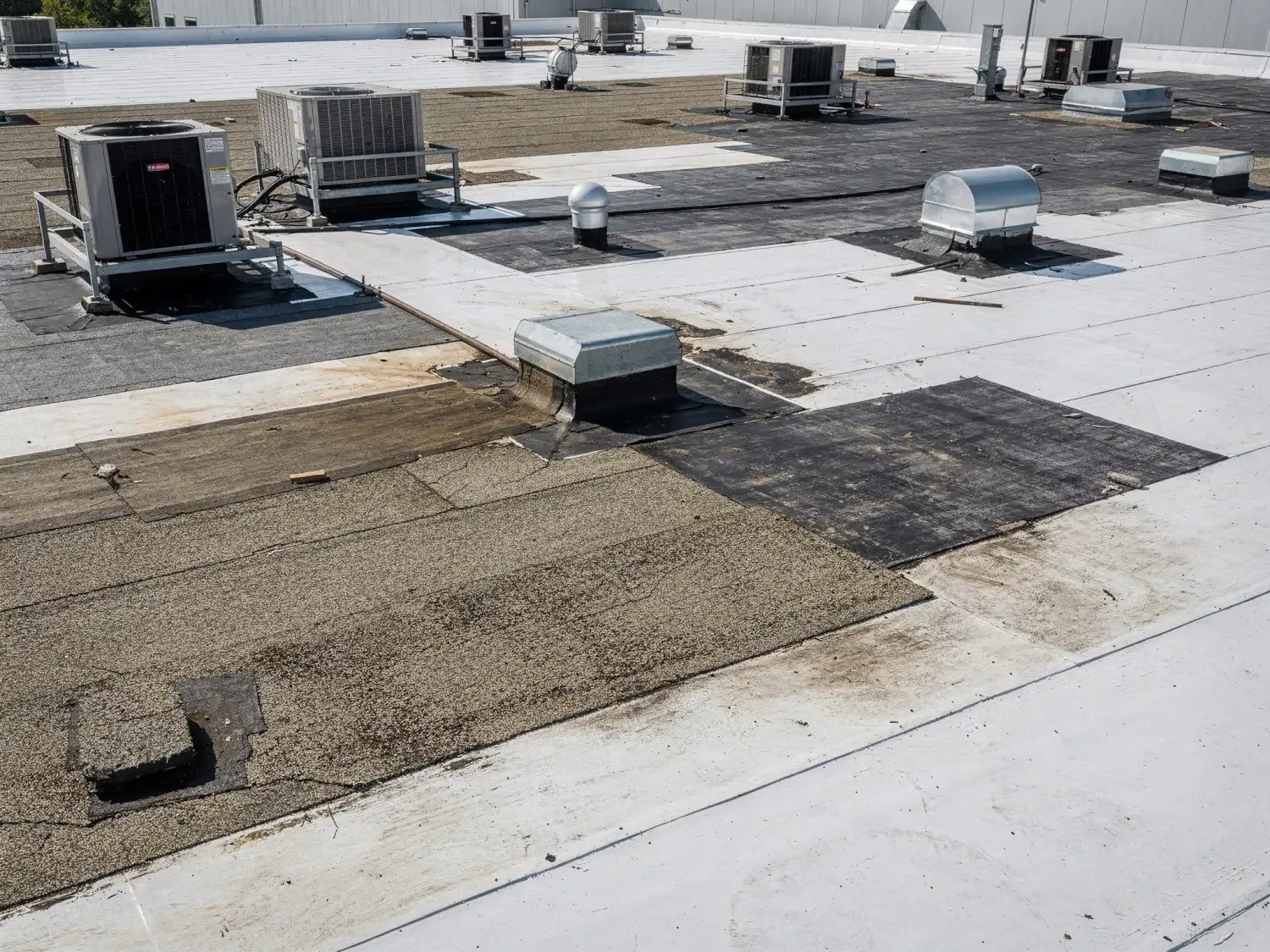
When a weld fails beside a penetration, we inspect the full corner and upstand rather than patching only the first visible split. The repair surface needs to be clean, dry and properly shaped before new material is welded. We check that the finished lap is supported and that the corner does not create a pocket where water can sit. A marked photograph shows the completed transition and any nearby detail left outside the work.
Once the sheet is identified, we prepare the surface and use a compatible patch or flashing material. The repair must connect to sound membrane, maintain drainage and form a continuous weld through each corner and lap. We check whether an earlier patch has contaminated the area or changed its surface enough to require removal. If the repair exposes wet insulation or a damaged deck, the owner receives photos and a revised boundary before additional work proceeds.
Penetrations and equipment curbs may require prefabricated accessories or formed flashing, depending on the geometry. We verify that the detail is compatible with the field membrane and does not leave a gap behind a support. For a wider failure pattern, replacement planning can compare removal with a new KEE assembly. A recover assessment needs confirmed moisture, attachment and transition height before another layer is considered.
Some assemblies have several generations of membrane, repairs or coating. We separate those layers in our notes and avoid welding new material to an unknown surface. If product identification is uncertain, the owner may need to provide project records or authorize a small sample check. That step helps the selected patch bond to the surface it is meant to repair and limits unnecessary removal around a sound area.
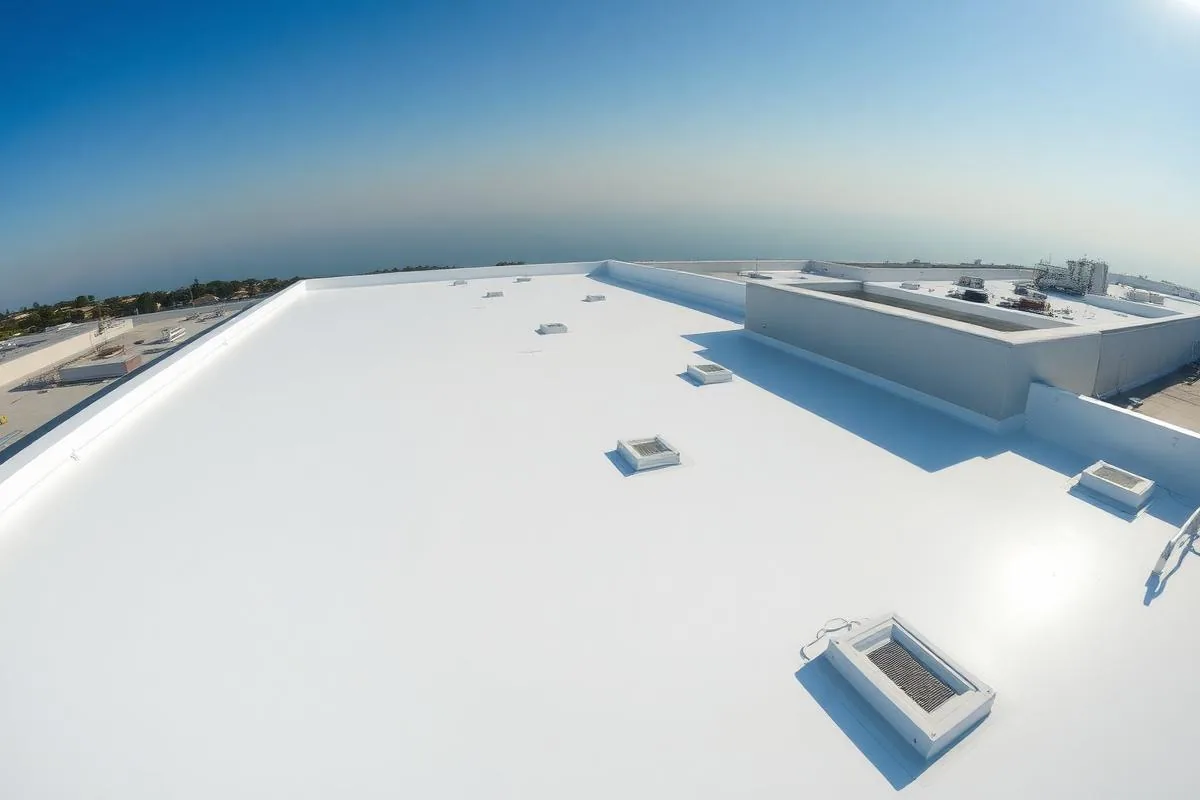
KEE is a PVC-alloy formulation that includes ketone ethylene ester. The specific product and project requirements still need confirmation before we select repair materials or plan installation.
The sheet and patch material must be compatible, and the existing surface needs proper preparation. We identify the membrane and inspect its condition before making a permanent weld.
We inspect moisture, attachment, deck condition, roof height and transitions at drains and edges. A recover is considered only when the assembly and product requirements support another layer.
Seams, curb corners, penetrations, drains and perimeter terminations all need a continuous membrane transition. We inspect each detail and record any area that requires repair or testing.
Share specifications, roof plans, leak history, repair records and access restrictions. Eaton Industrial Park and Downtown Greeley properties may have different operational schedules, so include site contacts too.
KEE, PVC, TPO and EPDM have different formulations, seam methods and repair materials. We compare the project’s exposure, existing assembly, roof layout, maintenance expectations and manufacturer requirements before selecting a system. A project specification may call for a particular membrane or performance property, but the substrate and details still need inspection. The proposal identifies the intended product type and how its seams and transitions will be completed.
PVC roofing uses heat-welded seams and shares some assembly details with KEE, while TPO has a distinct material formulation. EPDM uses a different seam and flashing approach. Owners can compare how each fits the current roof and planned use. We explain the tradeoffs without claiming one membrane is best for every Greeley property.
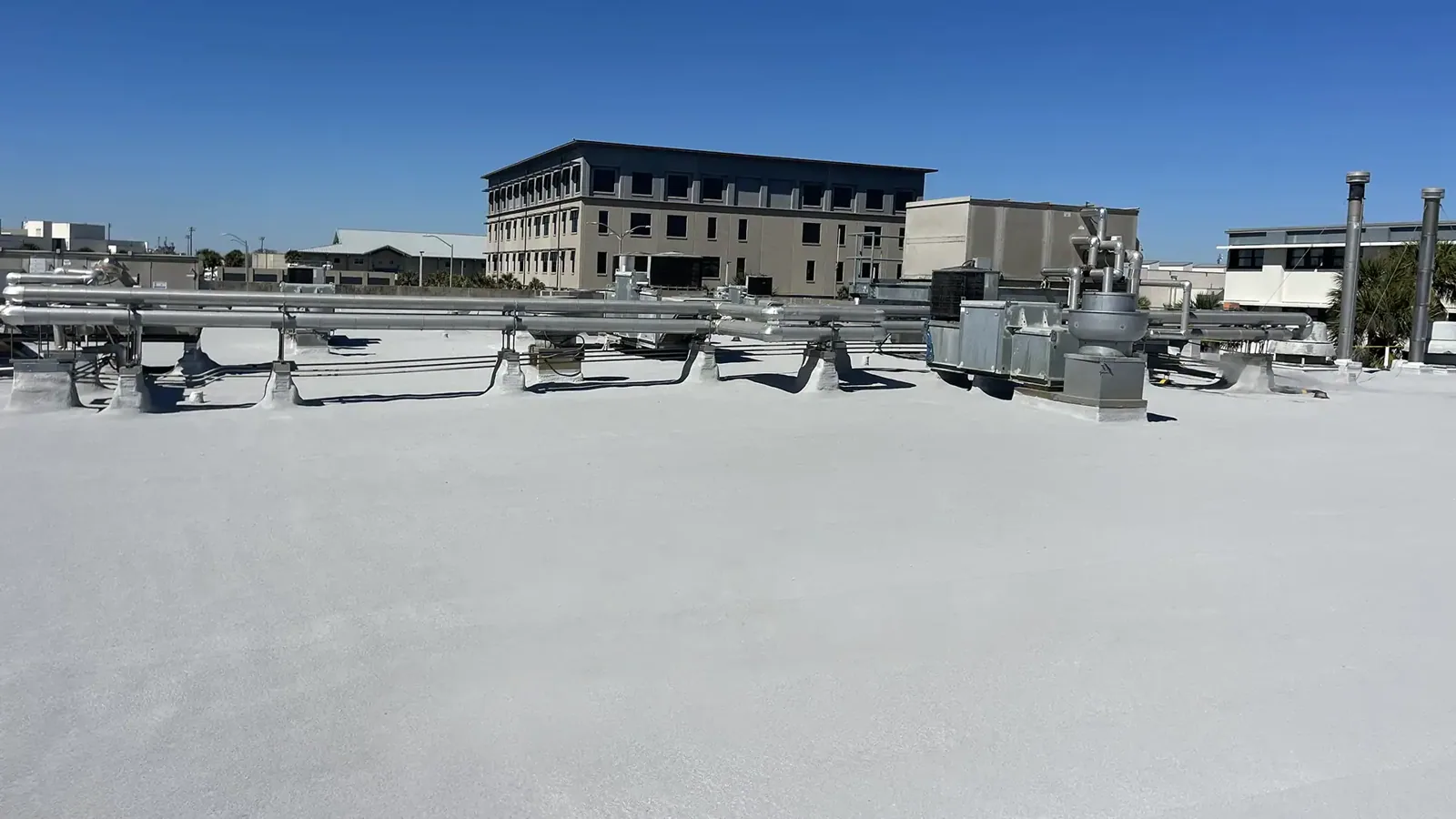
At completion, the owner receives the membrane identification where confirmed, repair locations, seam and flashing photographs, insulation notes and any item that remains outside the scope. Those records help a later crew select compatible material and avoid cutting into a repaired area during equipment service. We also note drains, perimeters and other details that should be checked during routine maintenance.
Send roof plans, project specifications, leak timing, prior repair records and access requirements when requesting an inspection. Include any process equipment, rooftop changes or chemical exposure the facility team has identified. In Downtown Greeley, public operations may affect staging; in Eaton Industrial Park, loading and site access may control delivery timing. We will inspect the actual roof and describe the repair or system plan that fits it. Keep the assembly record available for future service visits and repair planning.
A KEE membrane selection should account for the existing sheet, seam method, flashing detail and exposure at the roof edge. We verify the product documentation and substrate, then identify where a repair can tie into sound material or where a test is needed first.