Can you inspect a downtown roof while the building is open?
We can plan access around operating hours and occupied areas after the site contact confirms the route and safety requirements.
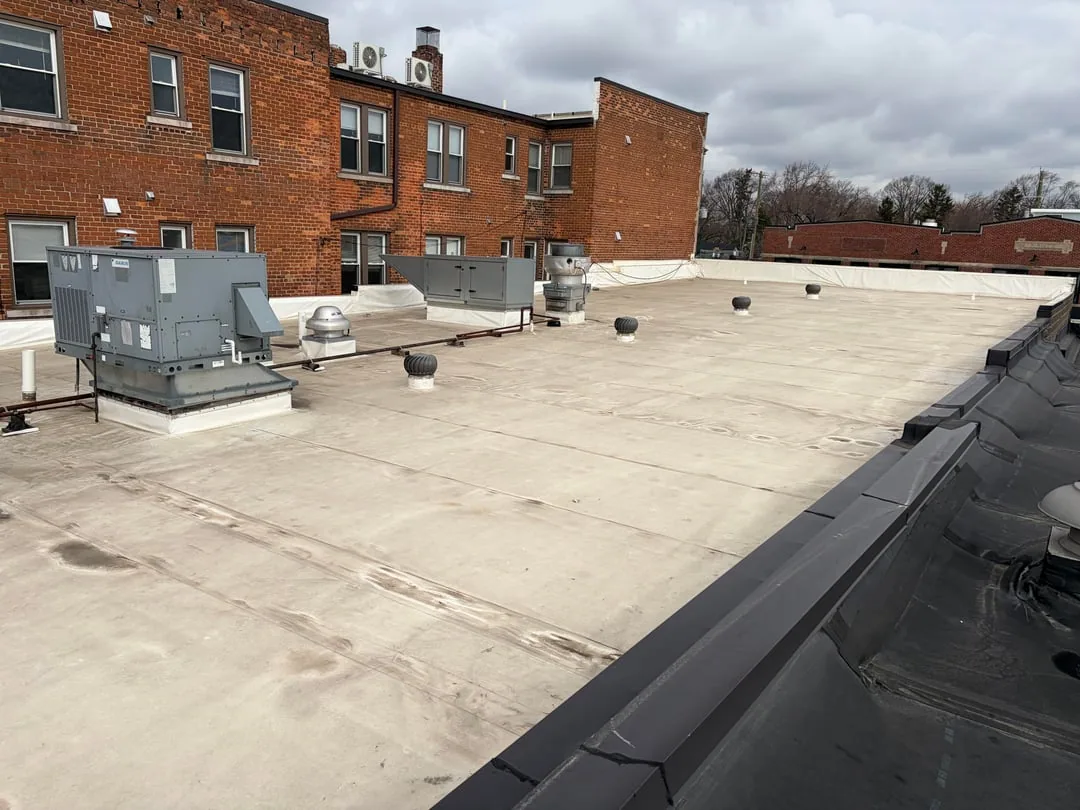
Commercial roof work in Downtown Greeley starts with a clear picture of the building’s operations, access and roof details. We inspect the affected area, trace the reported water path and document the seams, drains, edges and penetrations that could explain it. A repair plan identifies what we found, what remains uncertain and where the crew can work without interrupting the site unnecessarily.
The Downtown Development Authority supports business growth and public and private development within a city-defined district. Greeley’s planned Downtown Civic Campus would bring city and county services together with public space and retail. These facts make coordination relevant; they do not identify a roof assembly. We verify each property’s construction records and field conditions before proposing work.
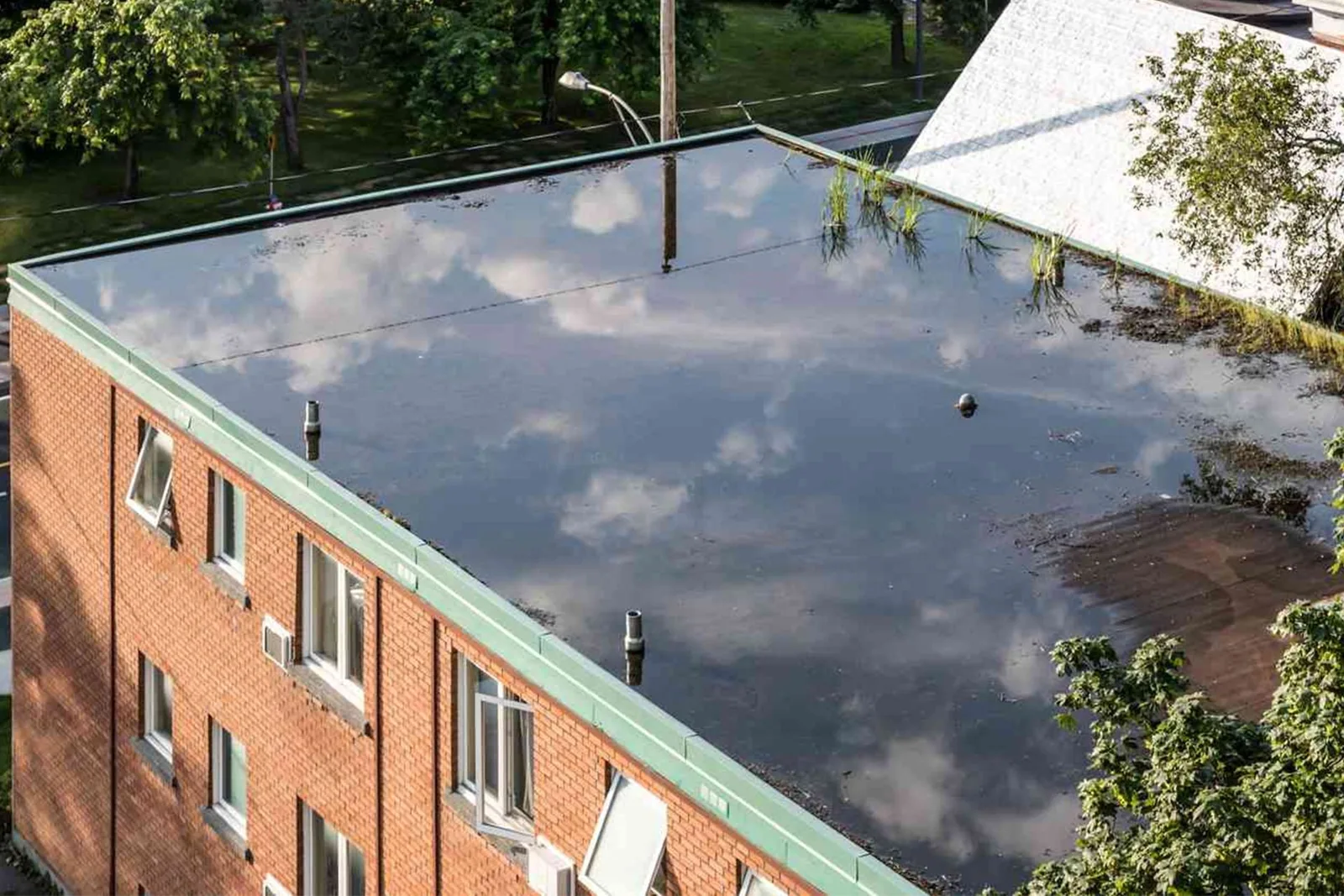
We begin with the room where water appeared, the date it was noticed and any earlier repair. On the roof, we check the section above that report along with drains, parapets, curbs, wall transitions and nearby seams. Water can move below the membrane before it shows inside, so a stain does not automatically point straight upward. Photographs should tie each observation to a roof zone that the facility team can find again.
For a building with several additions, we separate roof areas by observed system and approximate boundary. Plans can help, but field conditions decide whether a drawing matches the installed membrane, insulation and drainage layout. A commercial roof inspection can document the condition, and a photo-supported condition report can preserve open questions and repair priorities. If a test opening may change the recommendation, we identify the location and restoration method for owner approval.
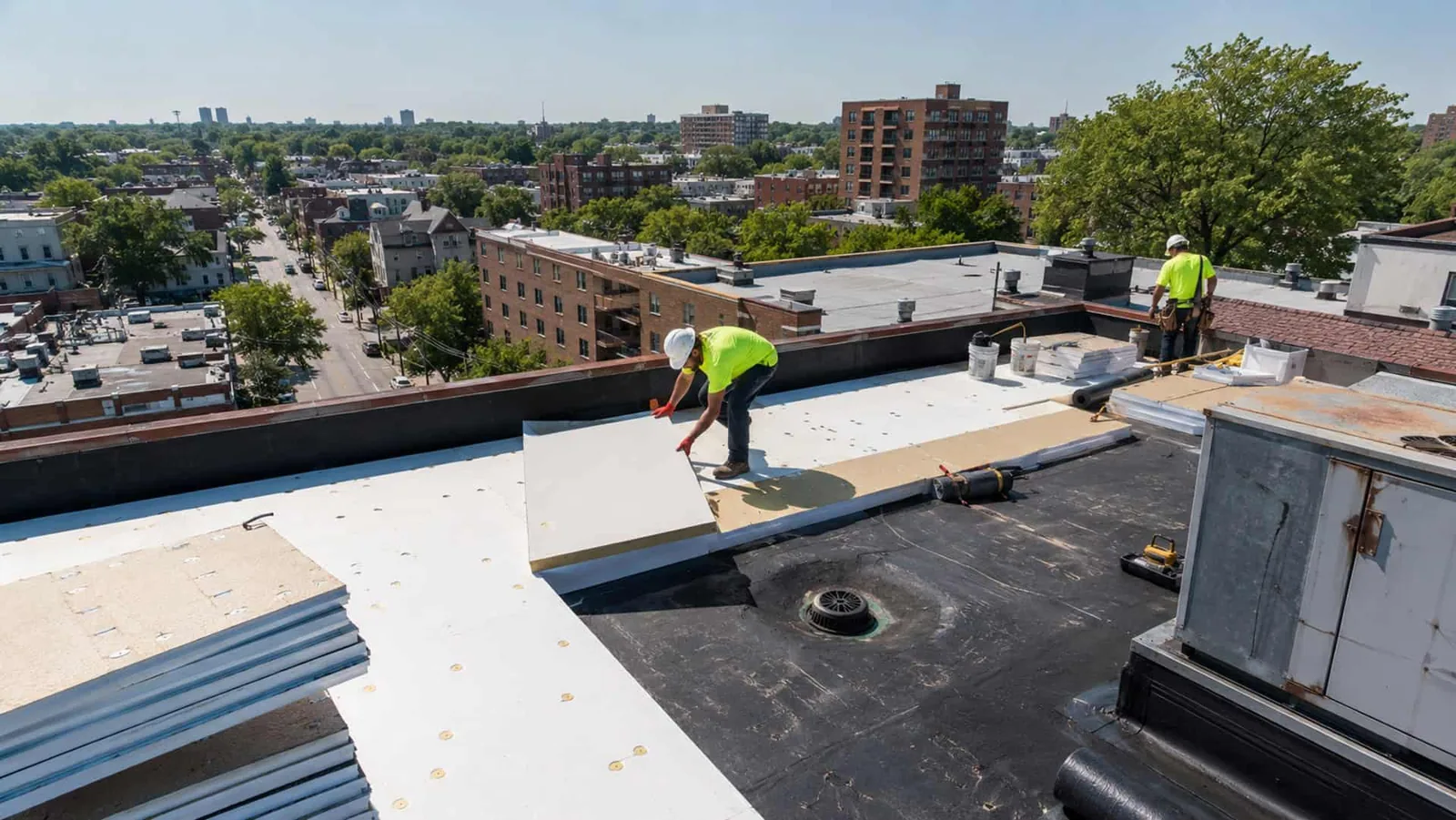
Access is part of the inspection scope. We confirm roof entry, escort or safety procedures, material staging and whether occupied rooms or equipment need protection. If public-facing operations are active, the site contact can identify entrance hours and routes to keep clear. These conditions affect how work is staged, not the roof diagnosis itself.
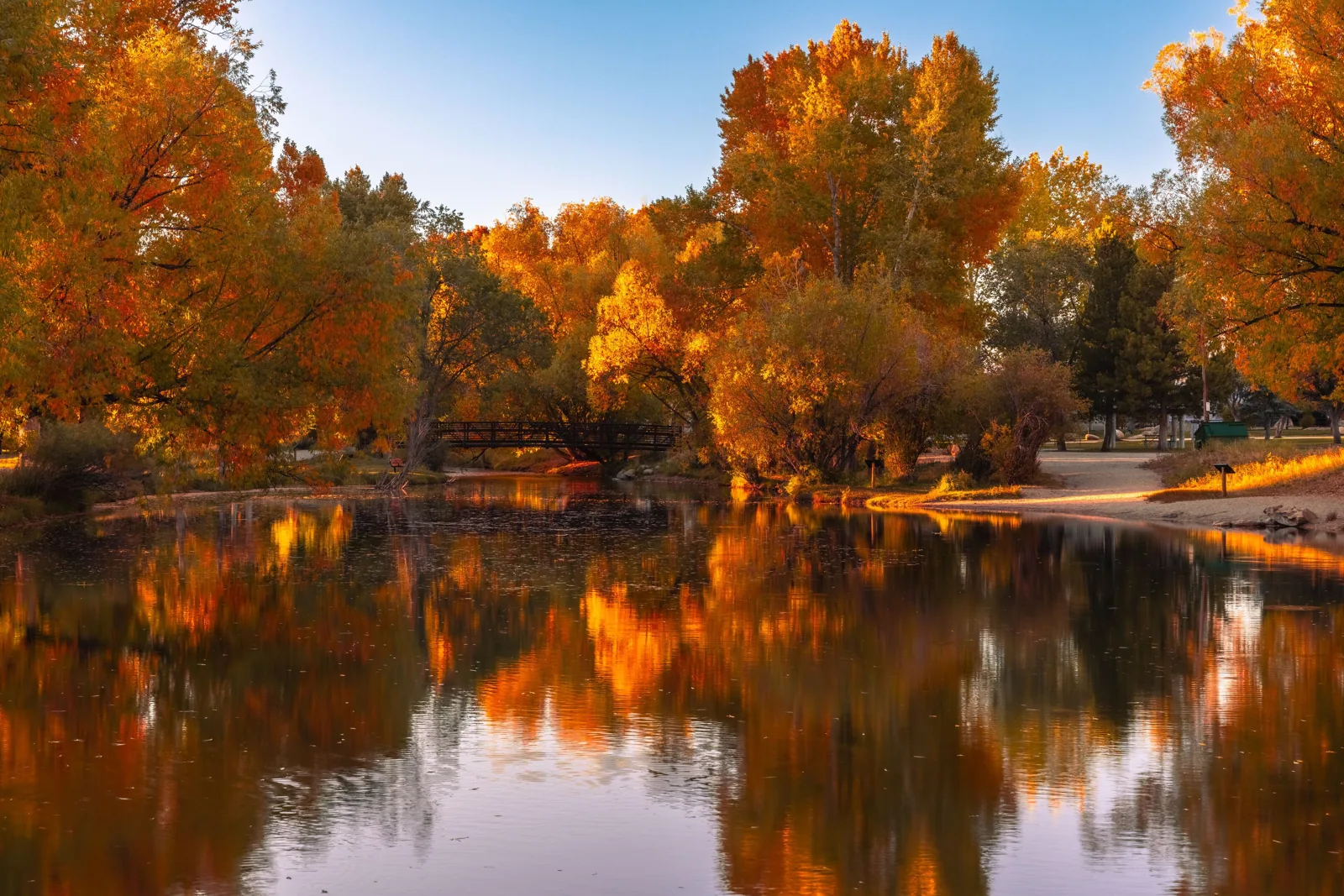
Greeley Airport climate observations include snow, wind, precipitation and temperature, with hot days above 90 degrees and record readings above 100. Those patterns can affect roof access, membrane preparation and the length of a safe work shift. We check the actual surface before applying adhesives or coatings, and we avoid opening more roof area than the crew can close under the conditions that day.
Weld County storm records include hail and tornado events near Greeley. After a reported event, we inspect the property for visible changes and describe the evidence, rather than treating the regional event as proof of damage. Snow can hide a drain or seam, while wind can affect loose edge details. The report states which areas were reachable and whether a later visit is needed.
When conditions postpone permanent work, we define temporary protection, what it can shield and when the owner should arrange a return. During winter, a roof may need to wait until ice clears. During a hot period, a repair can require a morning work window or smaller prepared sections. Current site conditions and the selected material govern the schedule.
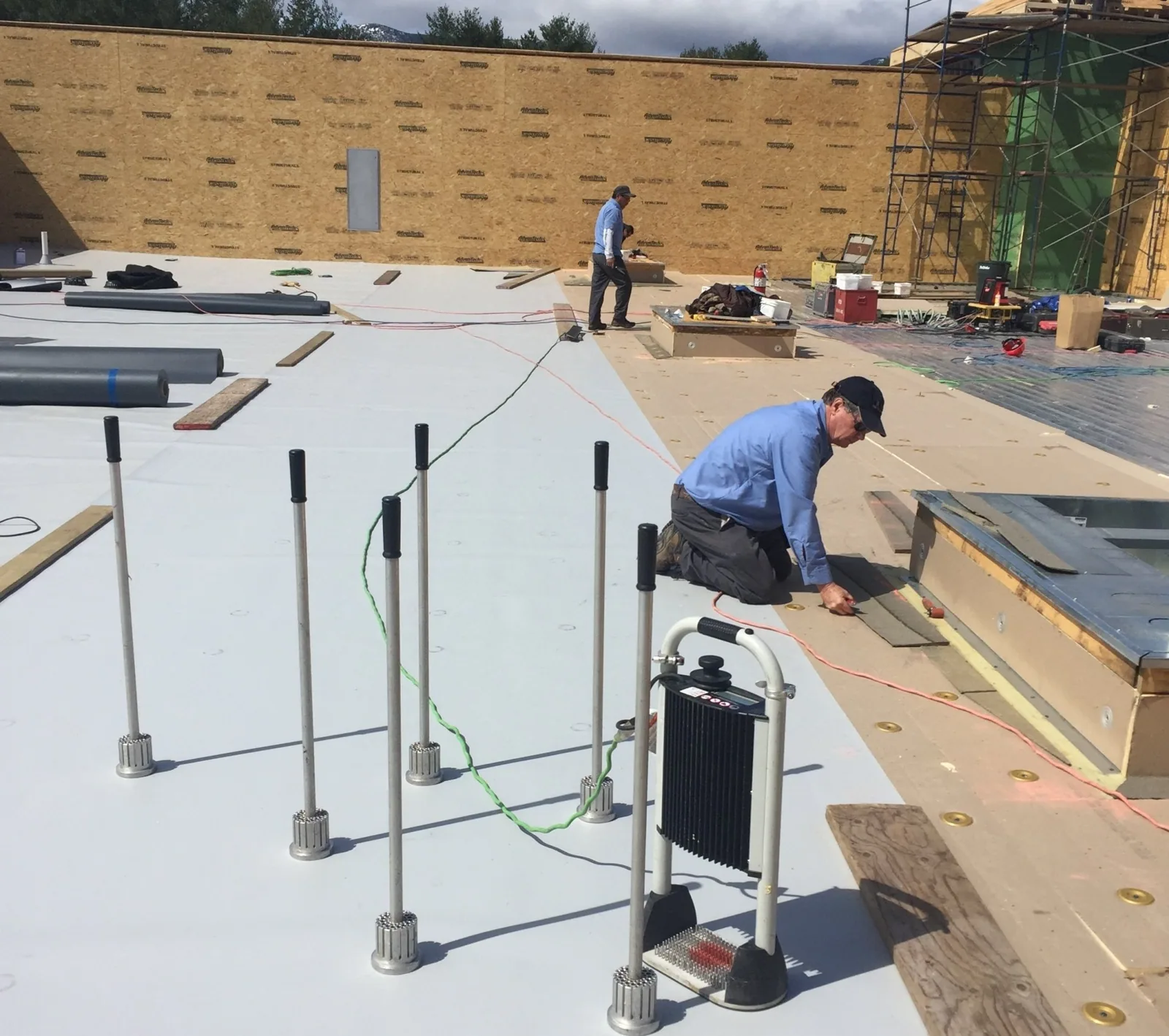
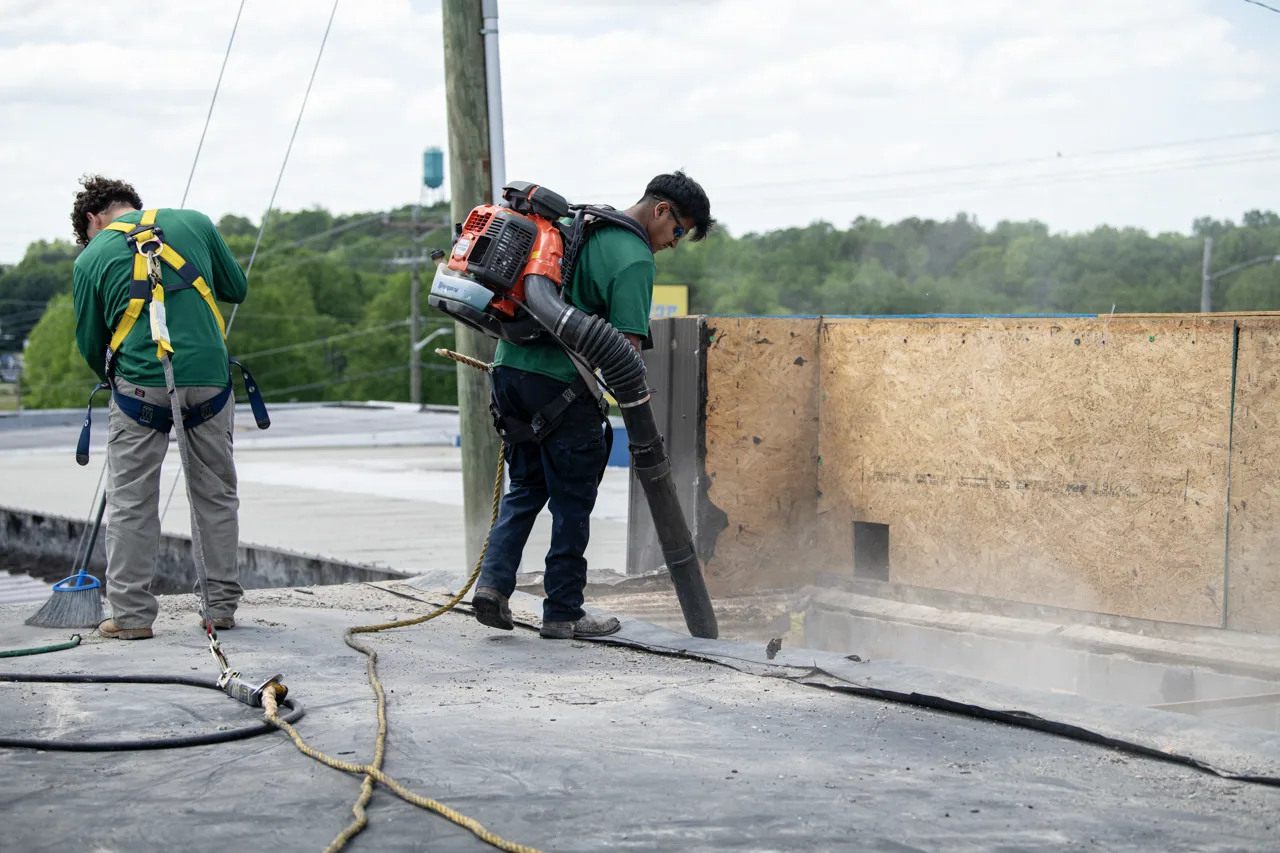
Once the assembly is identified, we define the repair boundary and material method. A membrane patch, seam repair, drain correction and flashing detail each require different preparation. We remove only approved material, protect drains and rooftop equipment, and check the finished tie-in before leaving the work zone. If an exposed deck or wet insulation changes the scope, we stop at the agreed boundary and obtain direction.
For an active leak, emergency roof response can prioritize protection and a safe inspection. A targeted repair proposal can address the confirmed condition, while maintenance visits can address drainage and edge checks later. Each item should state whether interior finishes, equipment work or concealed moisture removal are excluded.
Where the owner is planning a broader capital project, we can document the repair option alongside a replacement alternative only if inspection supports both. We identify the consequences of each scope, the work access needed and any test that could change the decision. That keeps a local repair from being presented as a roof-wide finding.
We can plan access around operating hours and occupied areas after the site contact confirms the route and safety requirements.
We compare the room, timing and roof features above, then inspect likely seams, drains and transitions. The report records the path and any remaining uncertainty.
No. We inspect the building and document observed conditions. A regional event may prompt a check but does not prove property damage.
Yes, when the site team provides schedules, access rules and staging limits. We coordinate the roof sequence with confirmed project requirements.
Roof plans, leak timing, repair history, warranty files and access instructions help us prepare the inspection and identify who can approve testing.
Downtown property schedules can involve tenants, public services, retail operations and other work. The site representative should identify entrances, deliveries, protected rooms and noise or shutdown limits before mobilization. We plan daily access, staging and debris removal around confirmed conditions. If another project has a separate schedule, the owner can provide its milestones so the roof sequence can be coordinated without assuming the scopes are linked.
The Civic Campus project is planned to combine public services and public space with retail. A future or active project schedule may require coordination among facility contacts, but it does not tell us what any neighboring roof contains. We can inspect the actual structure, record its roof zones and define the work scope using the approved access plan. A multi-site program can help owners track separate work across several properties without blending findings.
Cost and timing depend on roof height, access, system type, area, materials, demolition, protection and whether a street-side or shared route must remain open. We list those drivers and note which site arrangements the owner must provide. Permit questions should be confirmed with the City for the specific work; Greeley adopts the 2021 International Building Code subject to local amendments.
Closeout notes the roof system observed, location repaired, materials used, photographs, tests and items left open. We identify adjacent conditions that were visible but outside the approved scope. If access or weather blocked an area, the report says what remains unchecked and what would make a return visit useful. This lets facilities staff connect the next service request with the work already completed.
Before scheduling, share roof plans, leak timing, earlier proposals, warranty information and building access rules. Tell us whether there are public service hours, tenant routes, equipment shutdowns or a project contact to coordinate. If the owner has a preferred report format or approval process, we can confirm it before the first visit.
For Downtown Greeley, the district boundary and development context help identify the service area; the building plan and field inspection determine the roofing decision. For owners coordinating Greeley properties beyond Downtown, visits at the 10th Street Urban Renewal Corridor or East 8th Street Corridor can be tracked separately. We return a defined scope, a sequence that respects the property’s operations and a dated record the owner can use for maintenance or capital planning.