Can roof work happen while a distribution center operates?
Often, if a safe roof zone and area below can be isolated. We coordinate the work window, dock use and temporary protection with operations.
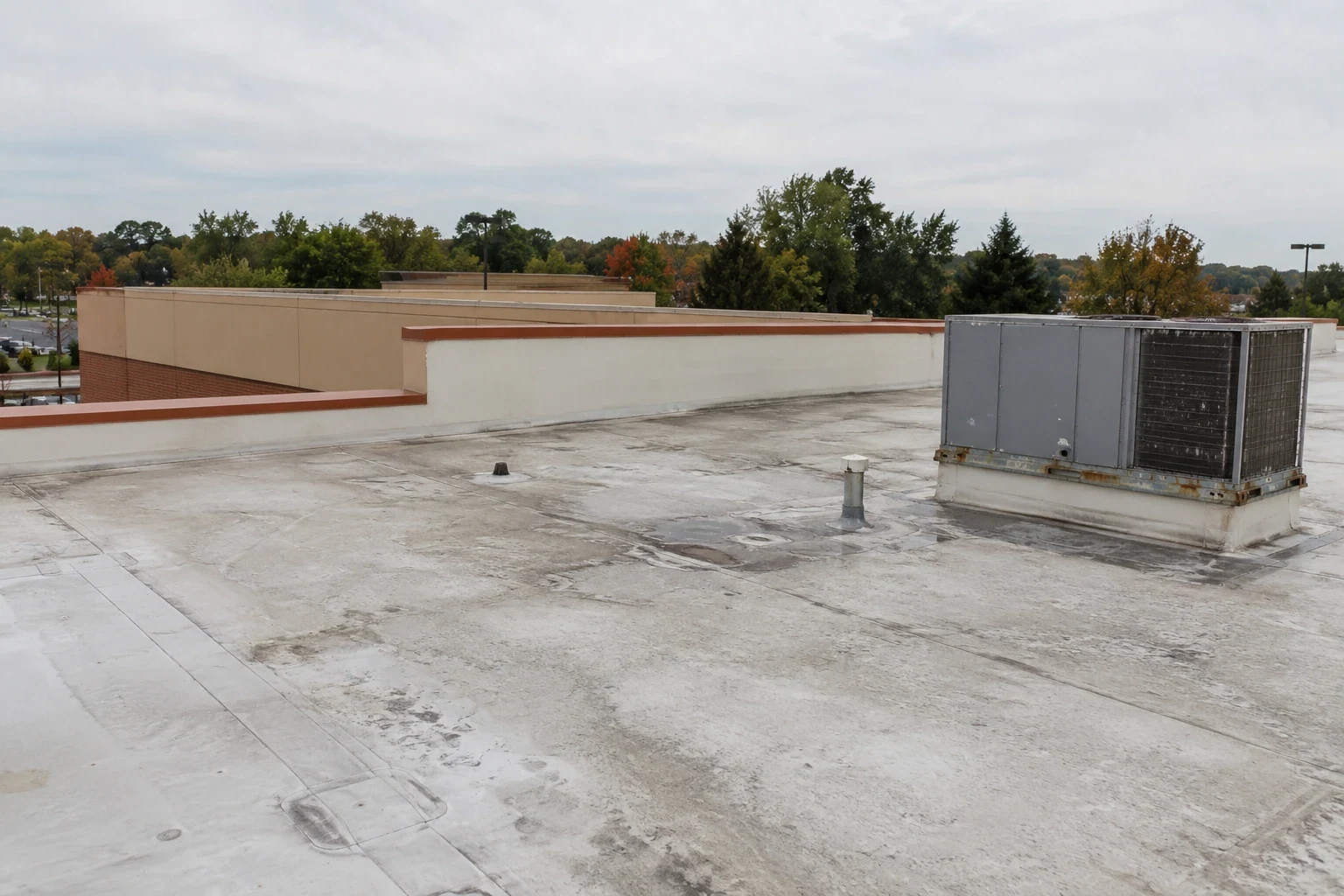
A roof issue at a distribution operation can interrupt receiving, storage, picking or outbound loads. We identify the reported interior zone, inspect the roof above it and map conditions to the building’s loading and inventory areas. The report distinguishes a verified opening from a water path that needs more investigation. A repair plan then gives the operations lead a defined work zone, access requirement and temporary protection step.
Greeley’s transportation network includes major road corridors, rail lines and airport facilities. Great Western Industrial Park in nearby Windsor has active tenants and dual Class I rail access; U.S. 34 Business connects Greeley with the regional highway network. Those facts frame freight and material planning. They do not establish a particular warehouse’s location, roof assembly or dock schedule.
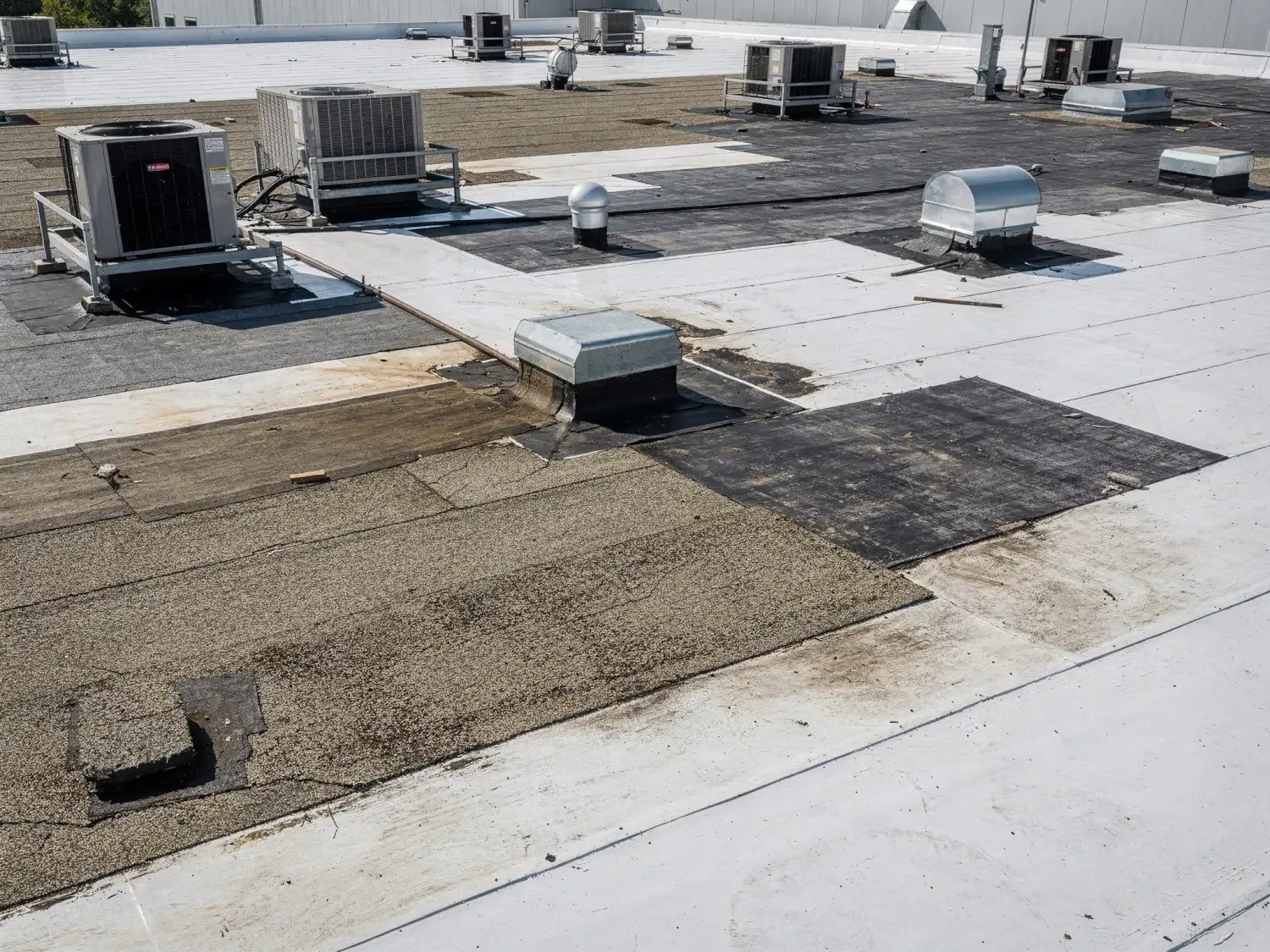
We ask the operations contact to identify the rack aisle, staging lane, office or dock where water appeared. The crew checks roof seams, penetrations, drains, curbs, edge metal and any previous repairs around the corresponding zone. Water can travel over a deck and emerge away from the opening, so the interior stain remains a clue rather than a final diagnosis. A marked roof plan helps a later shift inspect the same location without relying on a hand-drawn aisle description.
Distribution buildings may contain conveyors, high racks, charging areas, dock equipment and tenant-installed systems. We confirm what is actually present and coordinate interior access with the person responsible for each area. If lift access is restricted by racking or active movement, the report states the limitation and identifies a safe alternative. A commercial roof inspection documents the visible system; any moisture testing should answer a defined question and follow the facility’s approval.
When a facility is leased or shared, the roof owner, 3PL operator and tenant may have different authority over work. We identify the contacts who can authorize roof access, inventory movement and a temporary closure. The inspection notes what access was provided and which areas remain outside the visit. That avoids treating an incomplete view of a busy warehouse as a complete condition assessment. A clear appointment window also limits the time equipment must avoid a loading lane.
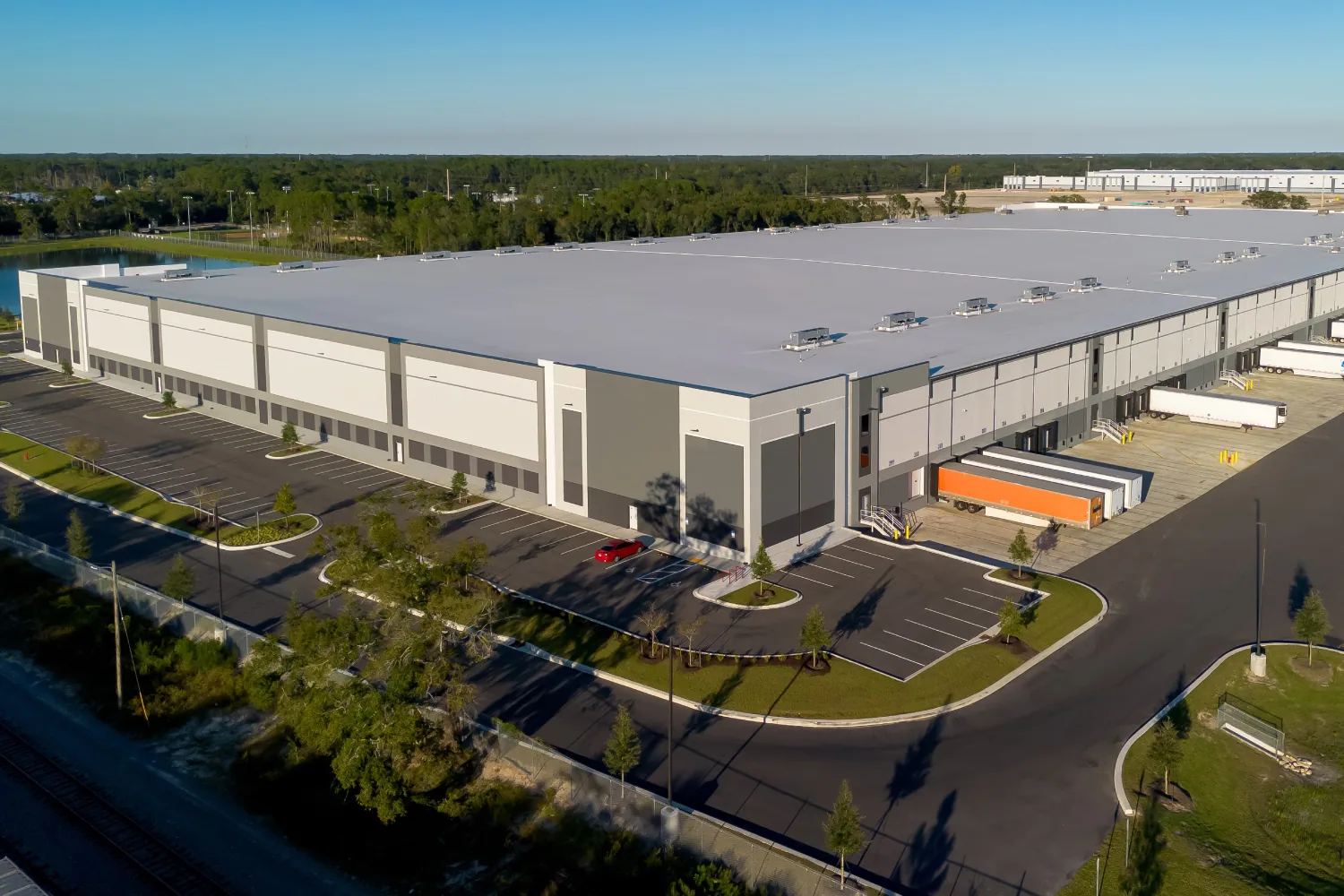
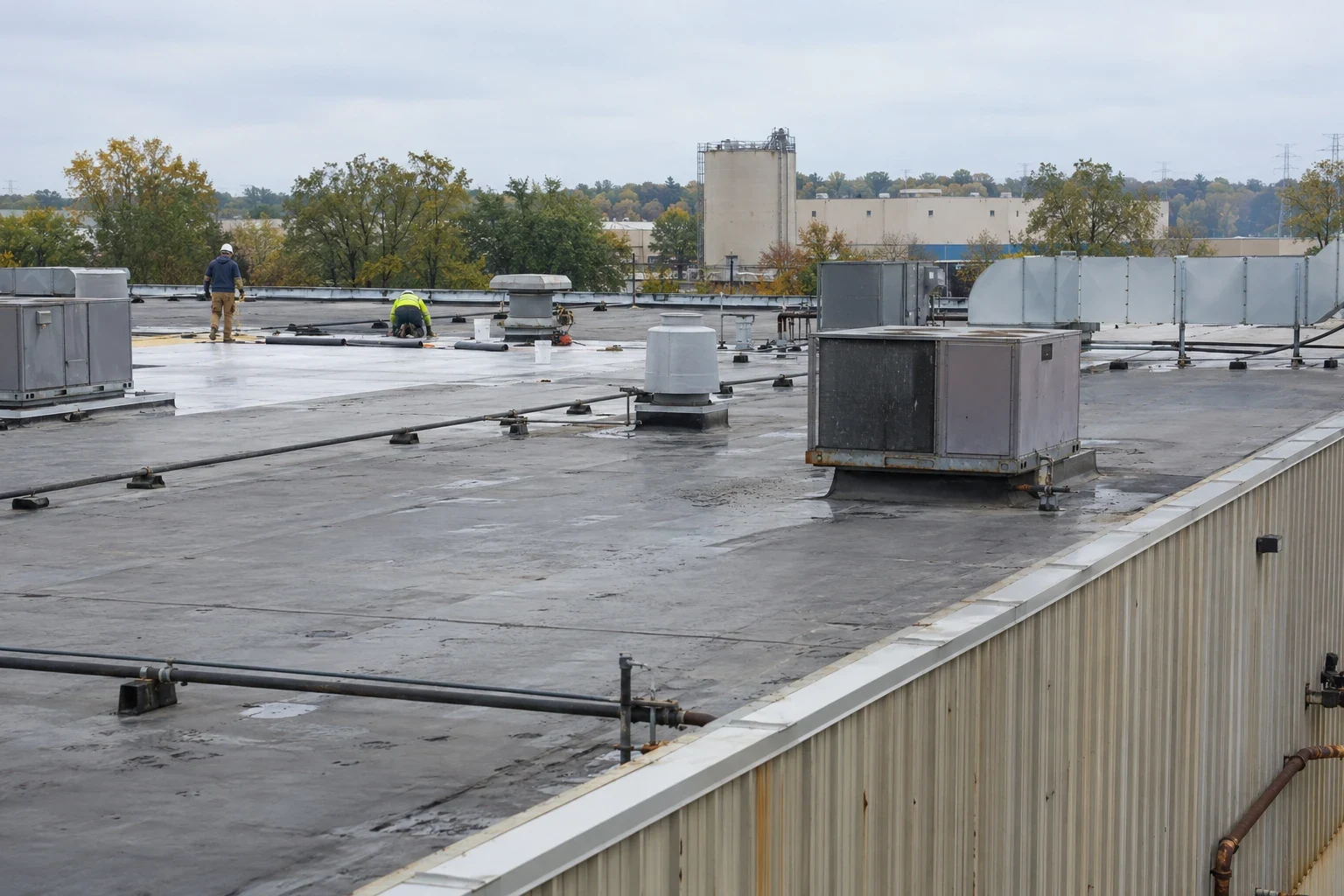
Before mobilization, the operations lead shares inbound and outbound peaks, trailer routes, dock assignments, forklift traffic, shift changes and any safety exclusion zones. We coordinate lift location and material staging away from active circulation. The work plan identifies a roof section and the corresponding area below it, with barriers and notices set before roof work begins. A delivery or yard change can affect the plan, so the site contact must be able to communicate updates to the crew.
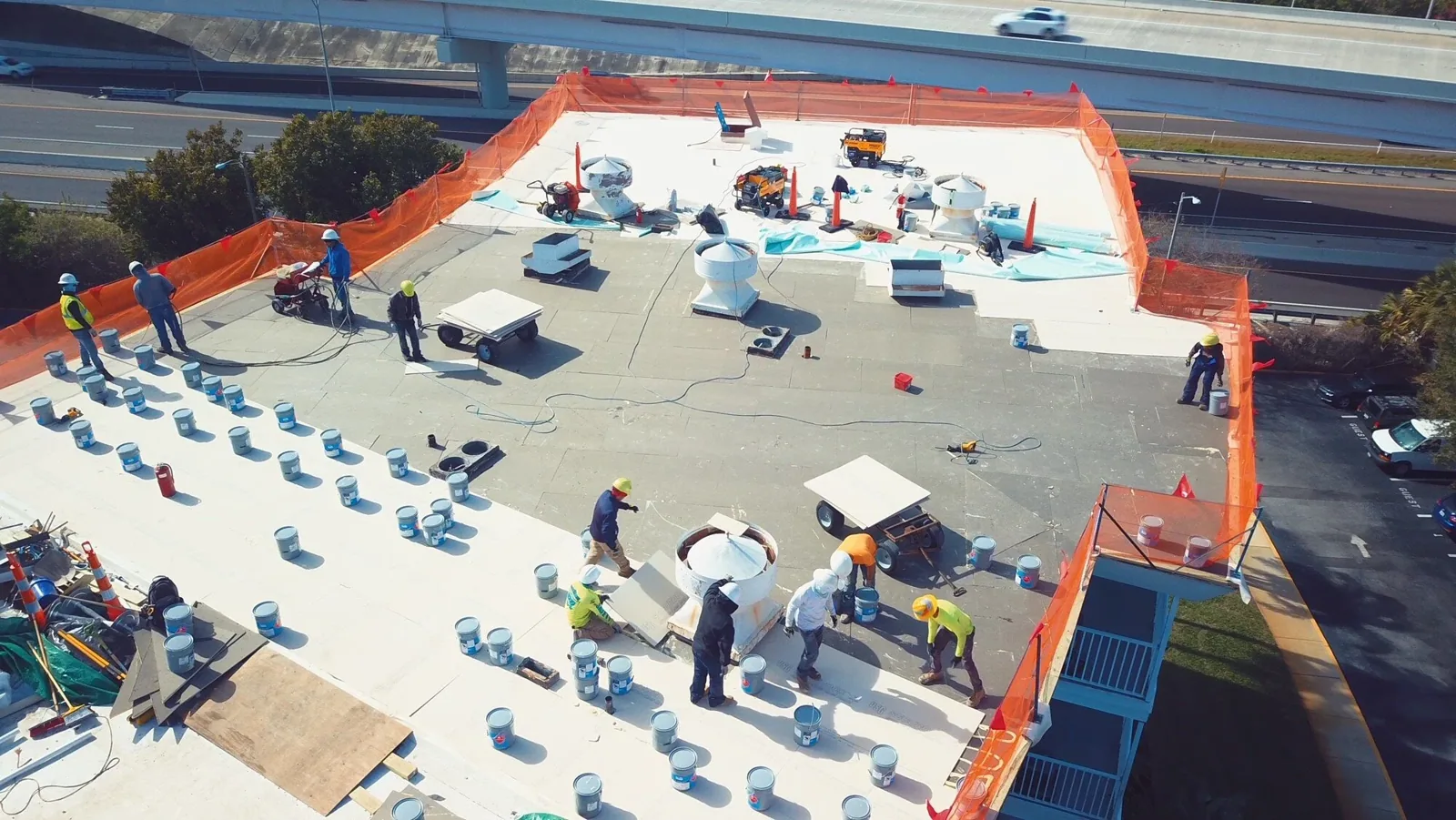
For small repairs, we may isolate one bay or loading area while other work continues. A larger reroof can proceed in zones, with temporary dry-in at each shift stop and a clear handoff before freight operations resume below. We set inspection hold points at transitions, penetrations and drainage changes. An occupied-building reroof sequence can help align phased work with the operator’s schedule, subject to actual roof access and owner approval.
Inventory protection is set by the facility. The operator identifies sensitive stock, packaging, high-value goods and locations that cannot be moved. We define what the roofing crew will cover or isolate and where a separate warehouse team must relocate product. That distinction belongs in the scope before work starts. If a dock door or conveyor must pause, its operator confirms shutdown and restart rather than leaving the roofing crew to make that decision.
Greeley Airport climate records include wind, snowfall, snow depth, precipitation and heat. Wind affects lifts and loose materials; snow and ice can limit roof-edge and drain access. Heat influences safe work hours and some installation limits. We check the roof surface and current site conditions before scheduling the work. A freight operator may also have a seasonal volume peak, so the manager can identify blackout periods early.
When an operator requests a post-event inspection, we record the date supplied by the site and document visible roof impact, areas not safely reached and conditions around the reported leak locations. That record does not assume inventory loss or a roof-wide problem. Photos and a date-specific inspection note give ownership a basis for choosing any next step.
Often, if a safe roof zone and area below can be isolated. We coordinate the work window, dock use and temporary protection with operations.
The facility identifies sensitive goods and who can move them. We define the work boundary and protection responsibility before mobilization.
No. Regional storm records do not establish a building condition. We inspect accessible roof areas and report property-specific findings.
We plan staging and lift access with the operations lead. Dock routes or doors may need temporary controls that the facility approves.
Send roof plans, leak locations, dock cycles, shift schedules, inventory restrictions and the facility contacts who can authorize access.
An isolated opening may be repaired if nearby materials remain sound. Repeated leakage, wet insulation or broad attachment concerns can lead to more testing or replacement planning. We state which observations support each option and what remains unknown. The scope lists roofing, inventory relocation, product handling, dock interruptions and interior cleanup separately so the logistics team can assign each task.
Cost and schedule depend on assembly, roof area, height, dock or lift access, equipment, inventory protection, freight peaks and temporary weather protection. We compare repair with replacement from the inspection findings. A distribution-center roof may include large work zones and complex circulation, while a cold-storage building has additional temperature-control considerations; neither label replaces field verification. Great Western’s rail access is useful regional freight context, not a statement about a specific operator’s shipment route.
For a multi-building network, we can deliver separate findings with a consistent naming system and sortable priorities. Each site retains its own condition, access assumptions and outstanding decisions. That helps a 3PL compare roof work without allowing one building’s repair history to migrate into another asset record.
At closeout, we record repaired zones, photographs, materials, drain and edge checks, temporary protection removed and any condition requiring follow-up. The operations contact confirms when dock or storage areas are released. If another vendor owns a conveyor, unit or interior repair, the report identifies its interface and the status needed before normal operations resume.
Provide roof plans, leak logs, dock assignments, shift schedules, inventory constraints, access rules and the contacts for facilities and operations before an assessment. Greeley’s roads, rail and airport provide regional logistics context; each facility’s actual layout and operation set the roofing sequence. We inspect the property, document the evidence and return an action plan that can be handed to the next shift.
Multi-site operators can coordinate asset records with property managers and manufacturing teams, while keeping the receiving, storage and dispatch requirements distinct at each logistics site. A dated zone map gives the next shift a direct reference for any follow-up.
Before roof access begins, the operations contact identifies hazardous areas, alarm points, fall-protection requirements and any escort procedure. We keep those instructions with the site plan so later visits follow the same approved route.