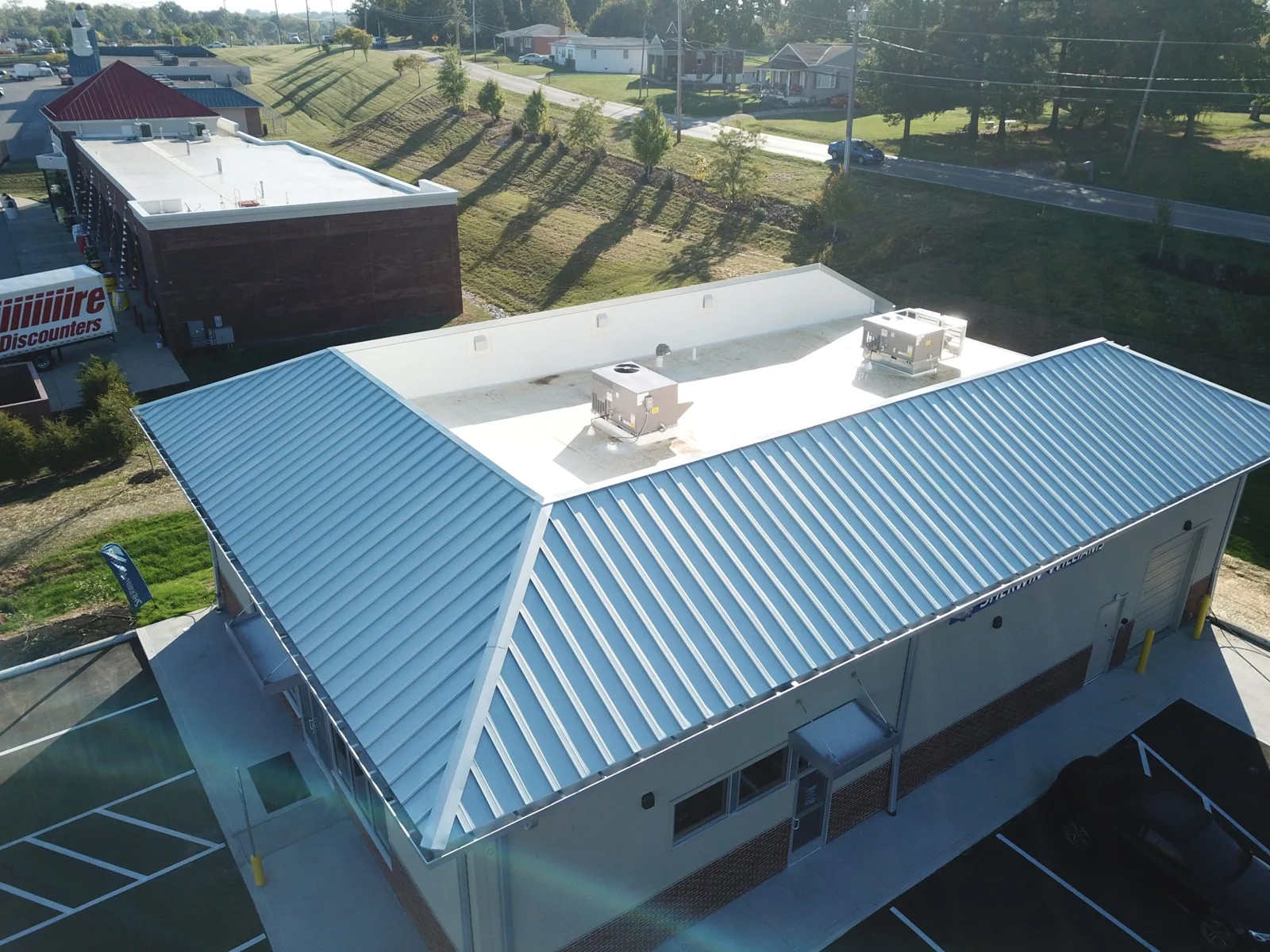
Commercial Ponding Water Roof Repair
Investigate standing water on commercial roofs in Greeley with documented depth, drainage paths, membrane conditions and repair options.
After a roof problem, the first task is to identify what changed and where the assembly failed. We inspect the affected area, nearby seams, flashing, drainage and edges, then document what is visible. A repair recommendation distinguishes a confirmed opening from damage that still needs testing. That gives the owner a basis for immediate protection, permanent work or a wider condition review.
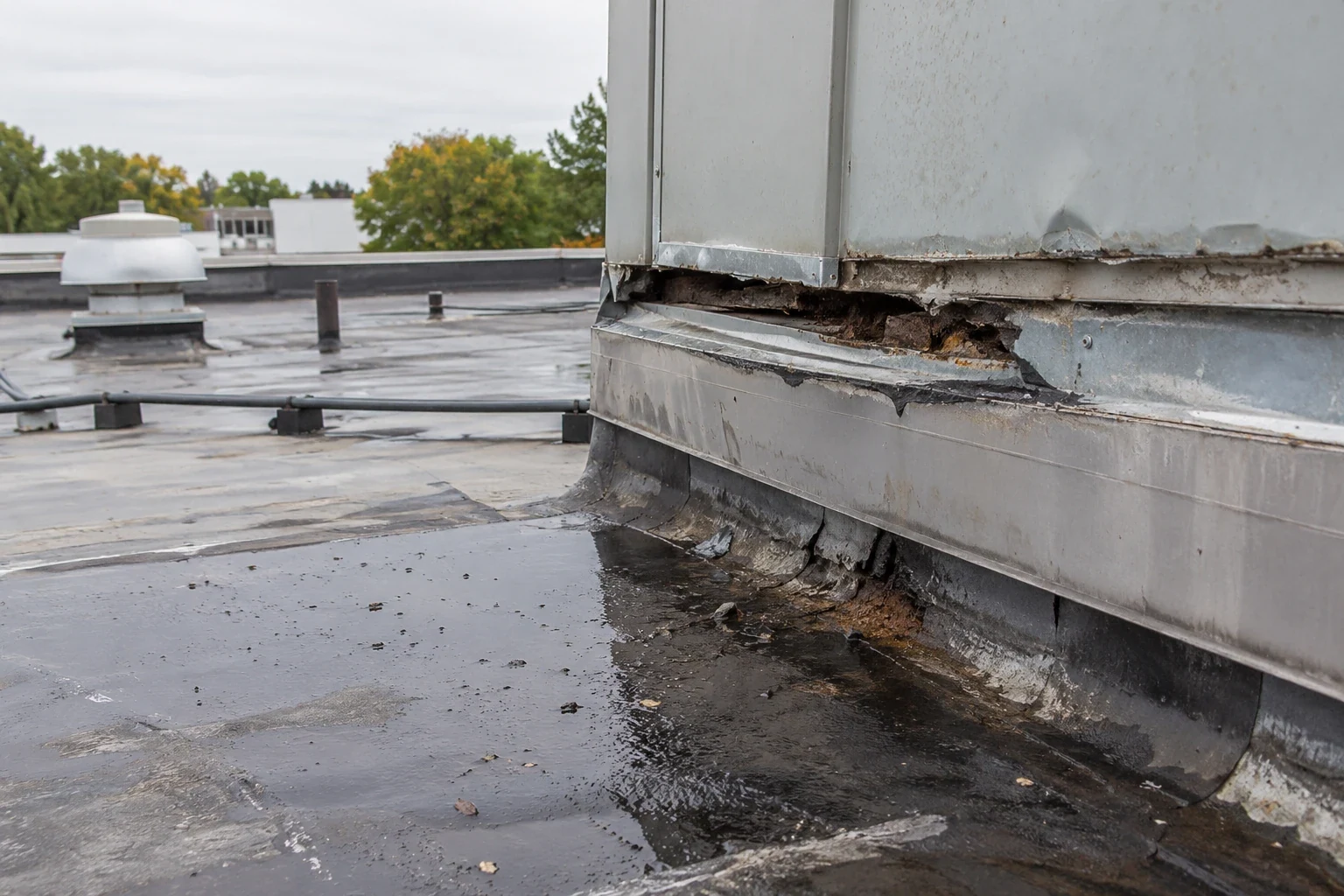
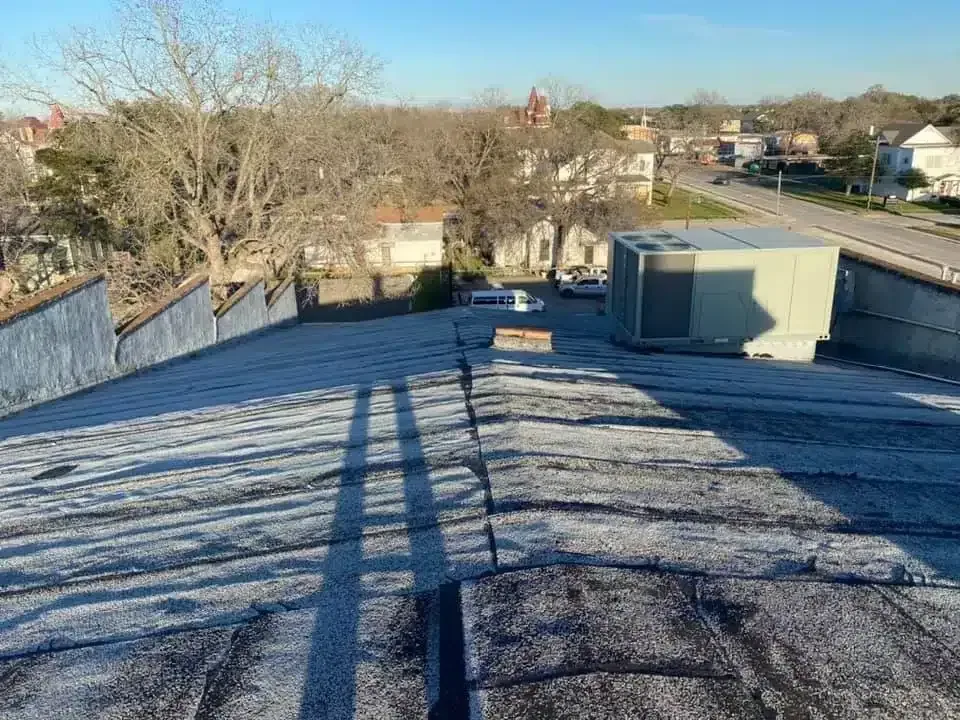
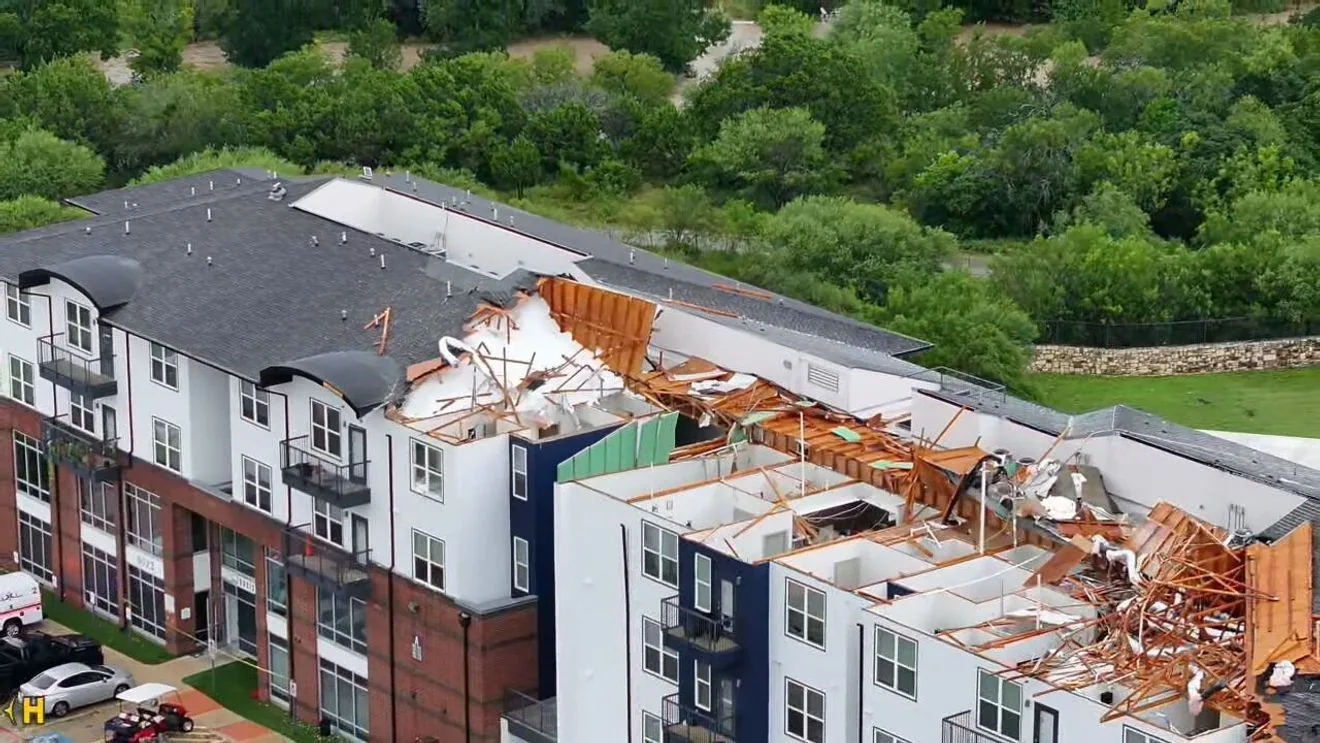
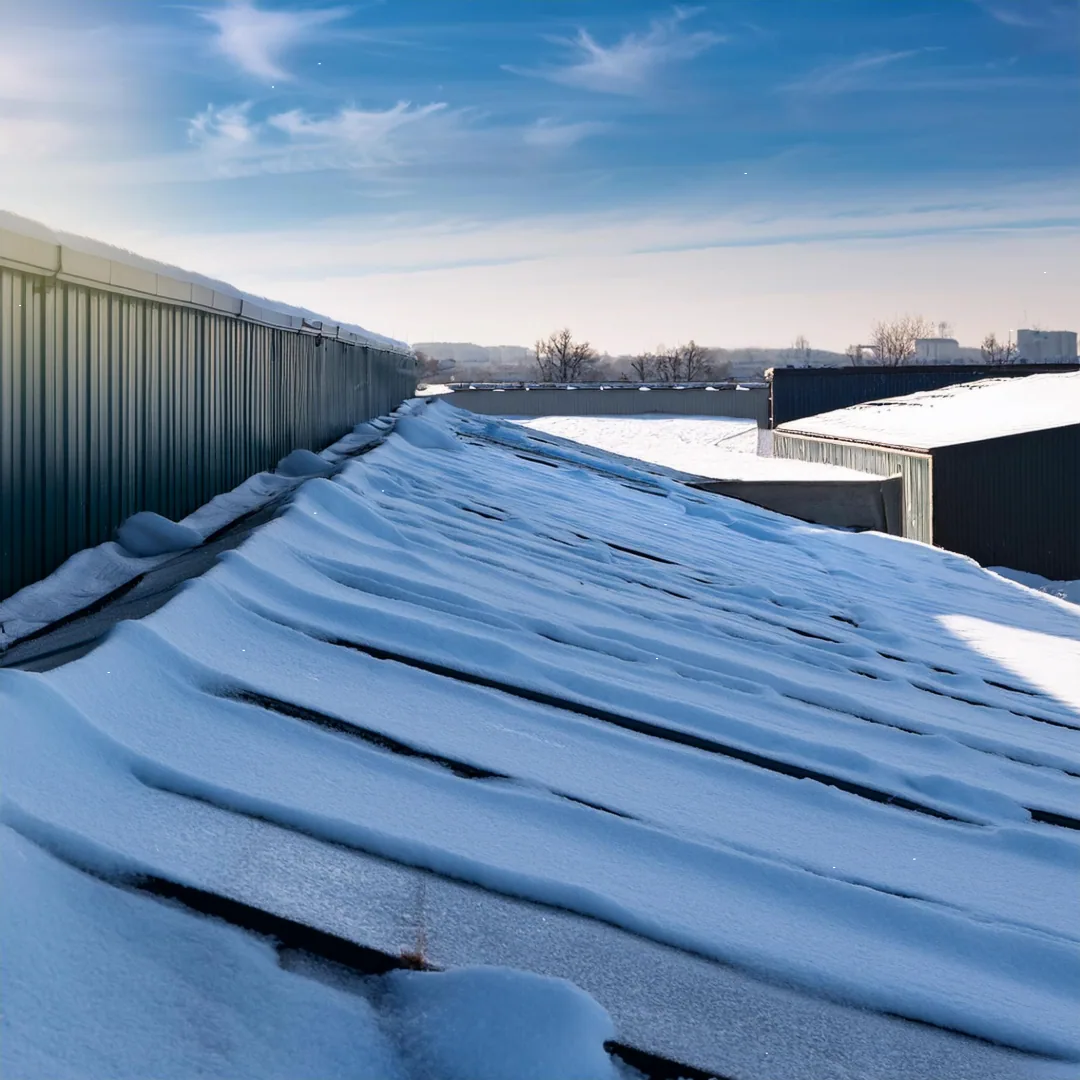
Damage work may involve wind-lifted details, hail impact, tornado exposure, or snow and ice conditions. A ponding-water review follows drainage and low points instead of treating standing water as a membrane diagnosis.
Water indoors can appear away from the entry point. We trace likely paths and inspect flashing, membrane seams and punctures, comparing visible conditions with prior repairs and weather timing. If water may have reached insulation, we state whether a test opening or moisture survey would change the work.
Snow, wind and temperature shifts can change roof access and expose weak details. A reported storm starts a roof-specific review: we map the affected area, check seams and perimeter details, and separate visible damage from conditions requiring testing. Near Downtown Greeley, Evans or the U.S. 34 corridor, the owner confirms access and operations for the particular roof.
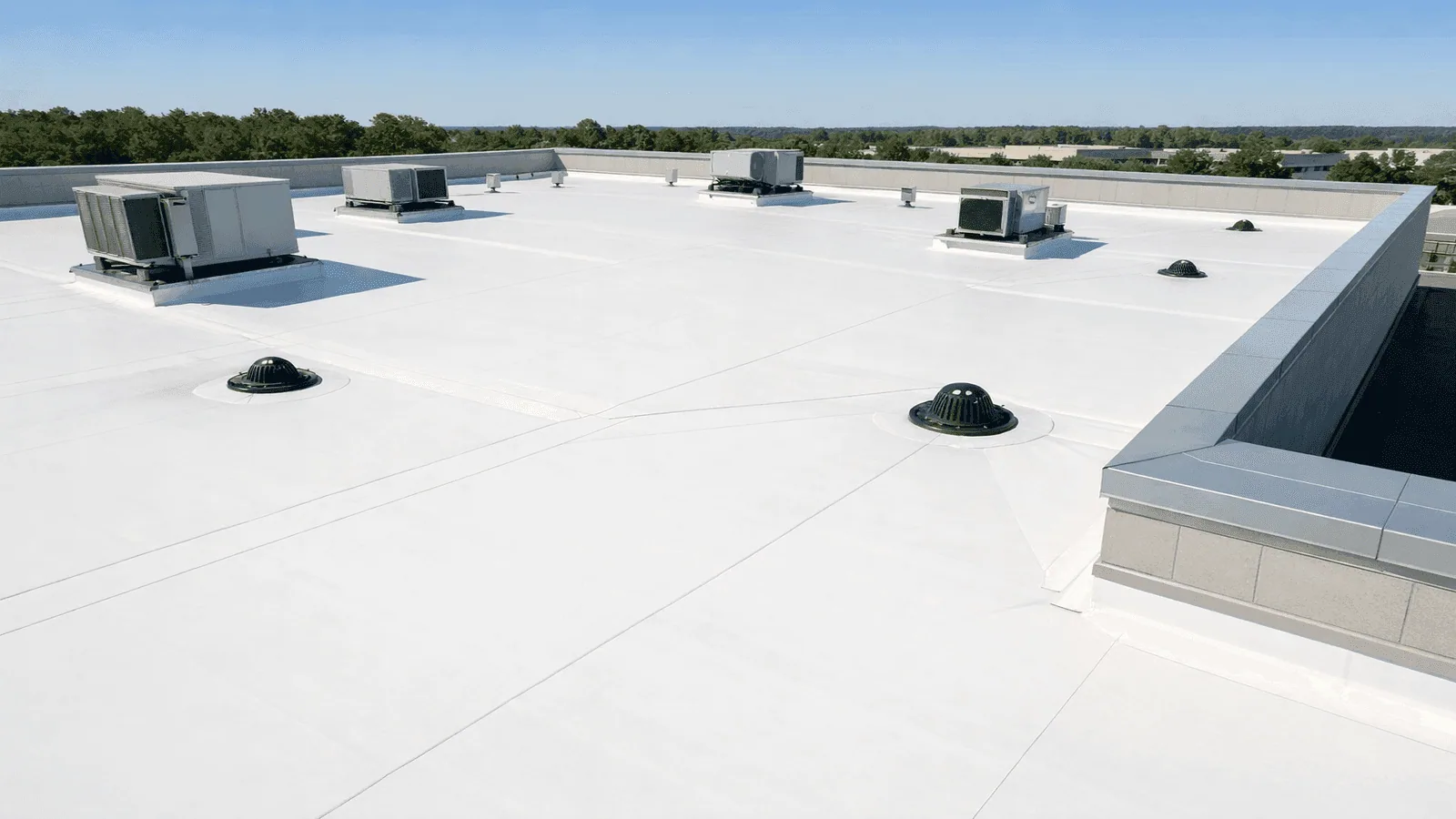
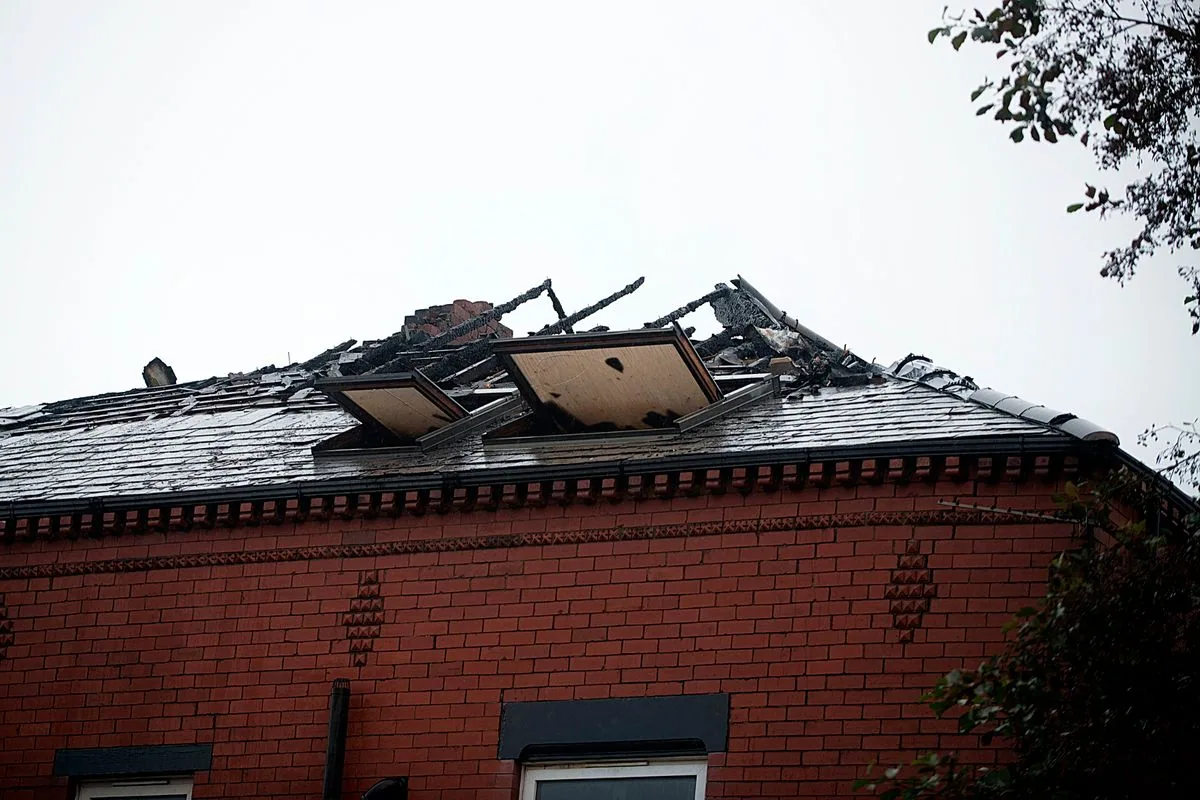
Active water entry may require temporary protection before the assembly can be evaluated fully. We record what is covered and what remains open. For fire-related roof damage, a repair plan must account for affected materials and any inspection needed before reopening a section. A heat and UV assessment looks for surface aging and detail failure without assuming that exposure alone requires replacement.
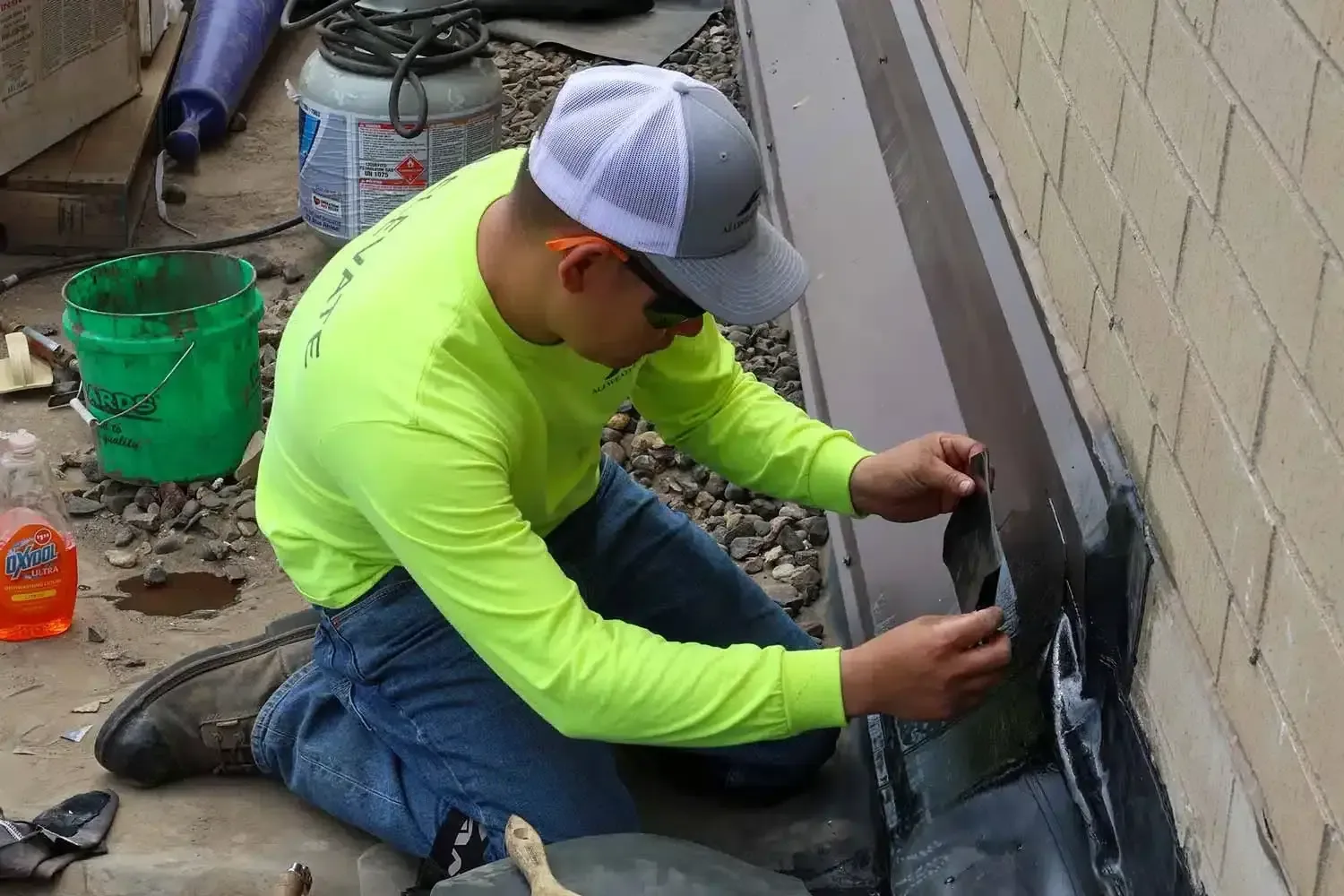
The written scope identifies preparation, repair materials, tie-in, area below, daily dry-in and closeout. If removal shows hidden moisture or a different layer, crews pause for owner direction before adding work. Photos and a marked roof zone preserve the boundary and make later review more useful.
Regional weather entries can help date a concern, but they do not prove impact at a particular building. We inspect the roof for punctures, displaced edges, open seams, damaged flashing and drainage issues. An unsafe area remains uninspected until access is suitable. The report states the condition observed and what test or return visit could resolve an open question.
Greeley’s adopted 2021 International Building Code, subject to amendments, may affect a replacement or structural project. The owner confirms project-specific permit requirements. Our repair scope stays focused on roof evidence and documents when another trade or engineer needs to review a condition.
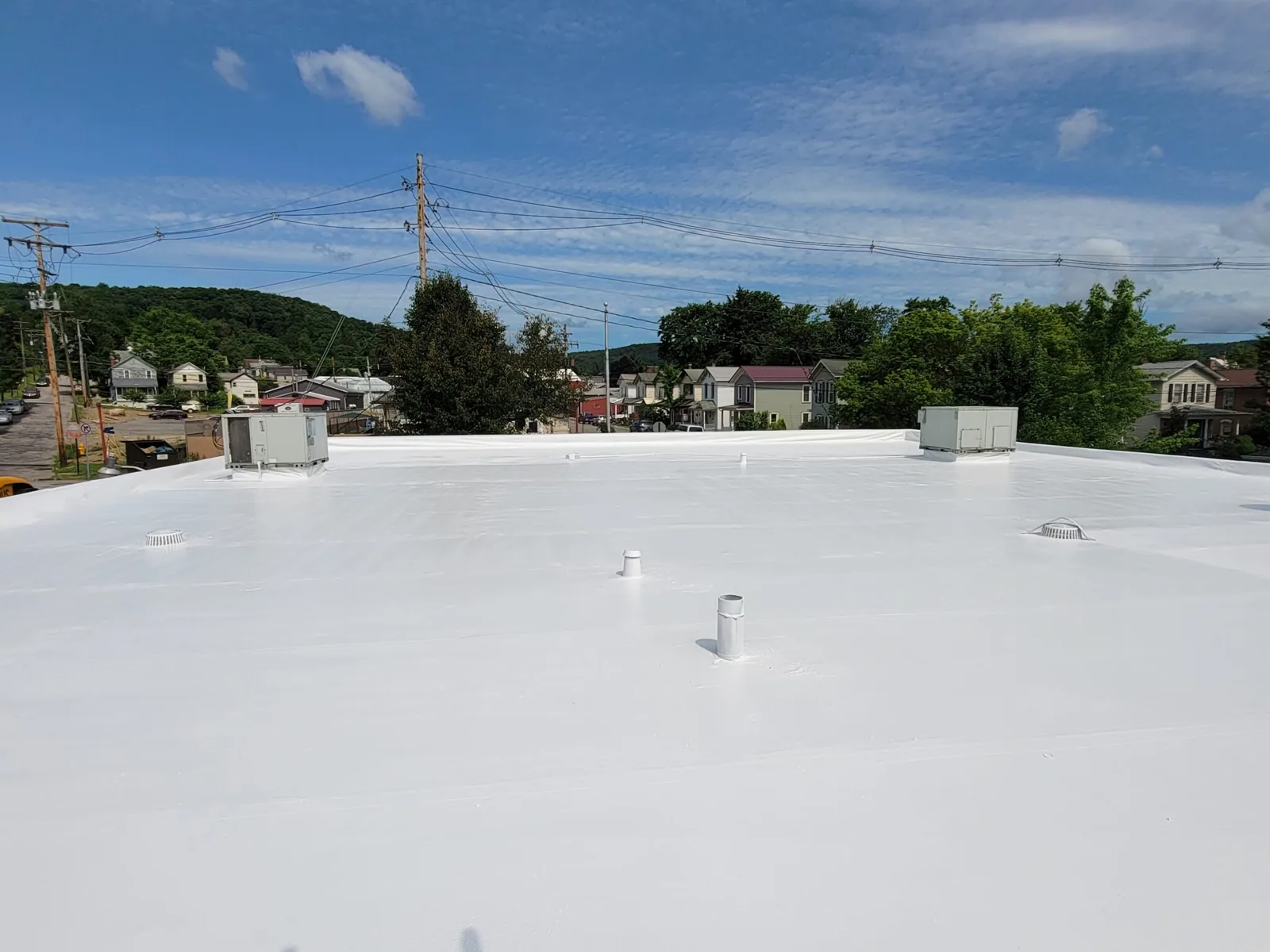
Closeout includes the inspected zone, materials, photographs, tests, limits and follow-up items. Share leak timing, previous repairs, roof plans and access rules before the visit. We will identify immediate work separately from testing or longer-term renewal and return a documented recommendation.
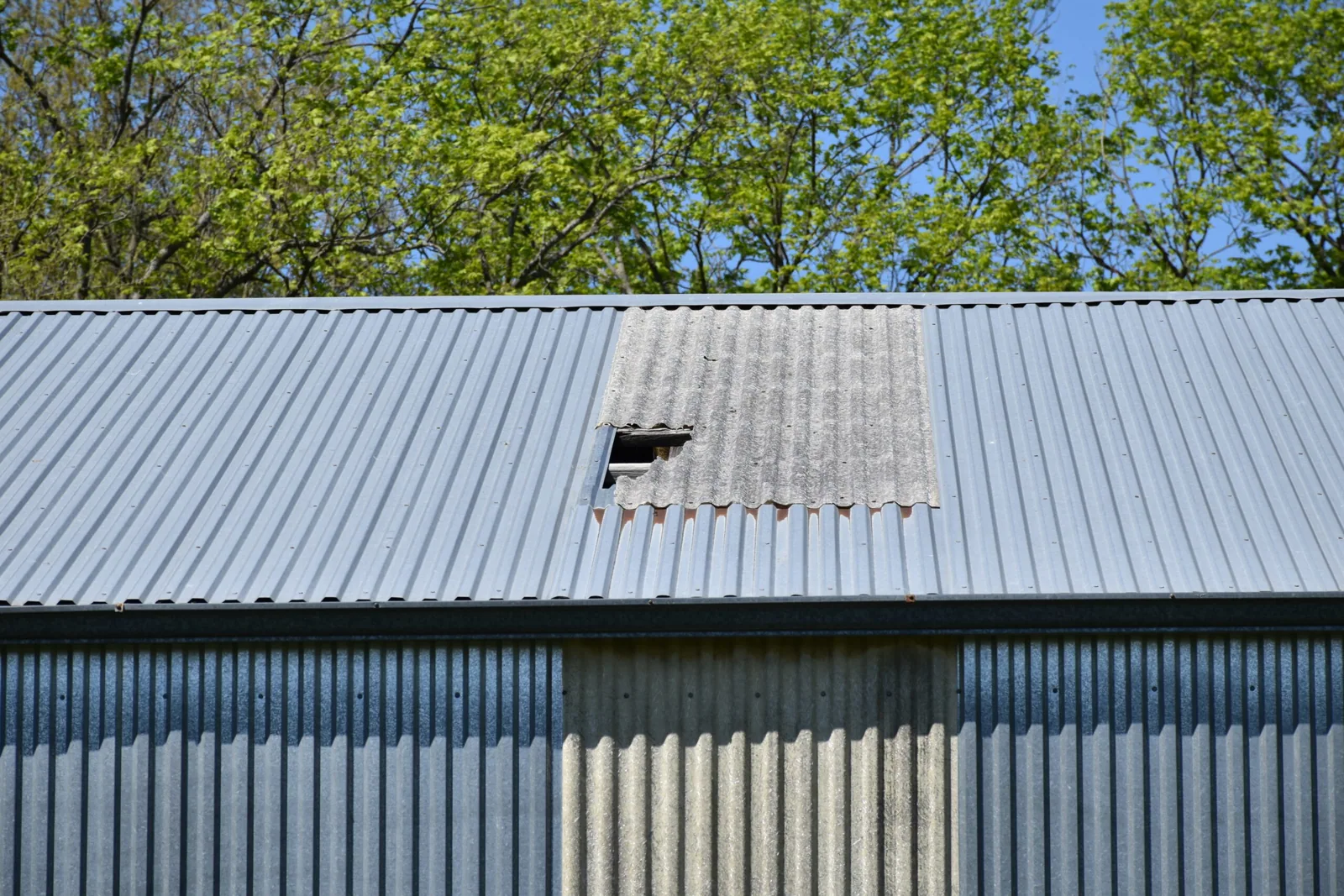
No. The roof needs a property inspection. We document observed damage, inaccessible areas and any test needed before assigning a repair boundary.
We compare the leak location and timing with the repair record, then inspect nearby seams, drains and transitions. If the path remains unclear, we propose a specific test.
An active leak may need temporary protection. The permanent scope follows the inspection needed to verify materials, moisture and the affected detail.
The roofing scope covers roof work and documents visible interior concerns. Separate finish or structural trades are listed when they fall outside the authorized roof repair.