What should a maintenance visit leave us with?
A record of what was checked, what was cleared or adjusted, what needs repair, and when to review it again. We label photographs by roof section so the next visit can compare the same areas.

A drain that slows after a storm can turn a small maintenance item into a call about interior water. Our maintenance visit checks the roof as a working assembly: drainage, seams, flashings, penetrations, edges and prior repair areas. We compare current observations with the last visit so the owner can see what changed, what stayed stable and what needs a repair scope. Greeley’s snow, wind, hail and summer heat make the timing and condition of that check relevant to material handling and safe access.
Maintenance is not a promise that a roof will avoid leaks. It is a way to find conditions while the work area is still defined and plan a response before they spread. In Downtown Greeley, commercial rehabilitation and public-facing uses can make access windows important. Along the U.S. 85 Business Corridor, street access and active operations can also affect how a crew stages materials. We coordinate with the site contact rather than assuming every roof has the same schedule.
The right interval depends on the roof’s age, repair history, drainage, nearby work and the consequences of water entering the building. We review available plans and service notes, then recommend a schedule that gives the owner a consistent view of change. A roof with recent repairs or recurring ponding may need closer follow-up than a section that has remained stable. Storms, equipment work, construction traffic and tenant changes can also justify an additional visit between routine checks.
Each visit starts with the items most likely to alter the next decision. We review known leak locations, inspect the details that were repaired, and check whether water continues to collect or move toward the same interior area. If a new condition appears, photographs and a roof-zone label make it easier to compare on the next visit. A commercial roof inspection can establish a broader baseline when records are missing or the owner needs a more complete assessment before budgeting work.
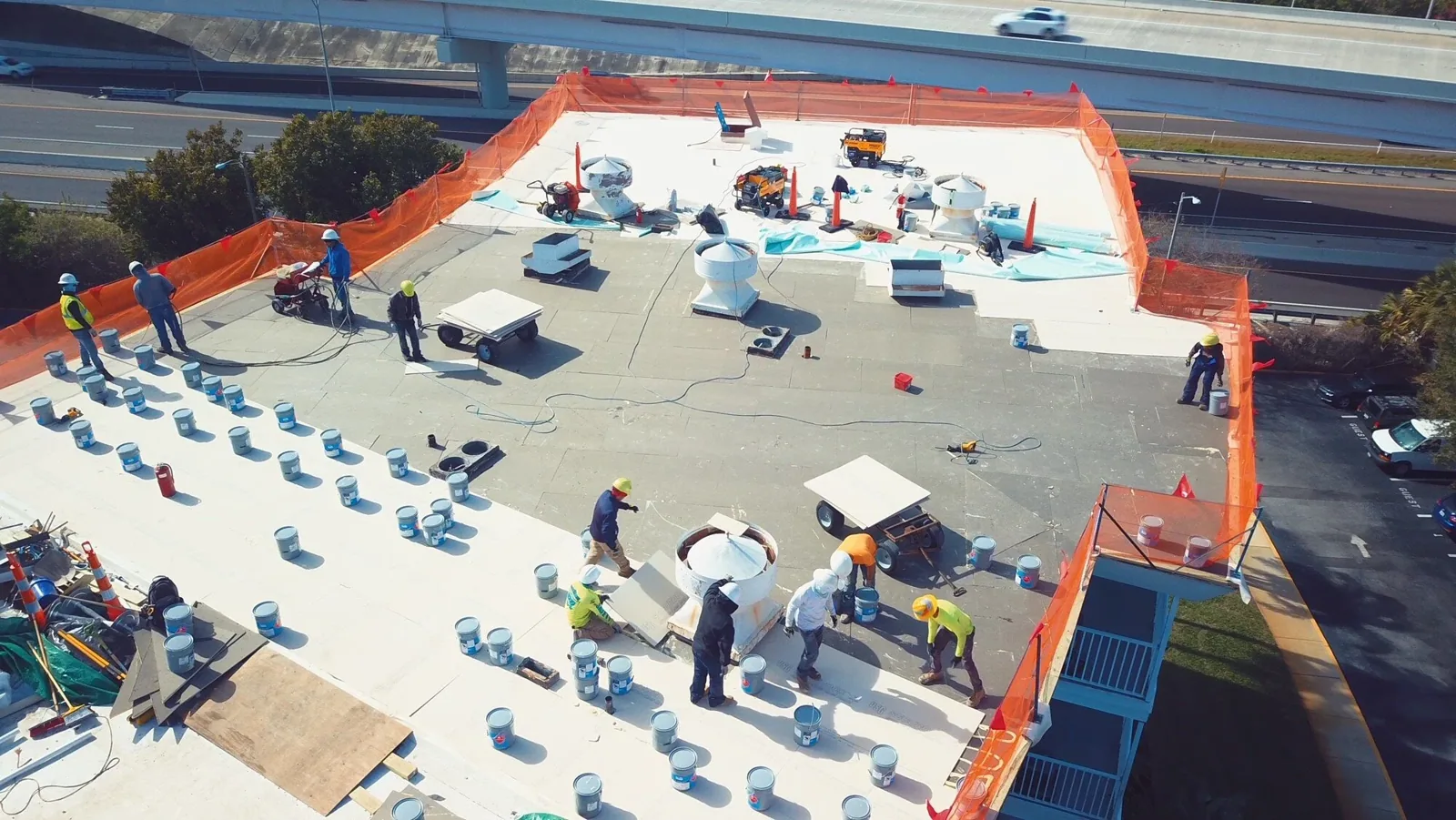
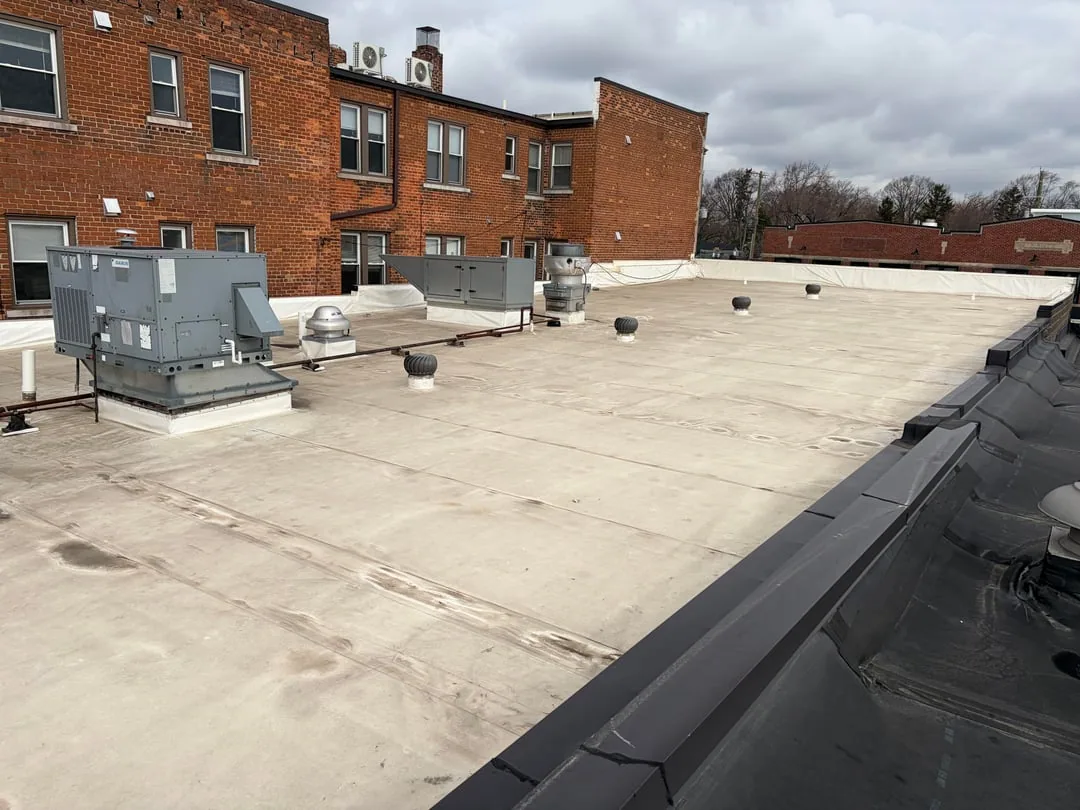
Drain bowls and scuppers collect debris, while seams and flashings show movement where roof planes or materials meet. We clear accessible drainage paths, check for loose terminations and look for sealant that has split or pulled away. We also inspect around curbs, pipes and skylights because added equipment or later trade work can disturb the original flashing. The crew records visible conditions and does not treat a clean surface as proof that concealed insulation is dry.
Greeley’s hail and wind exposure makes post-event checks useful, especially at edges, metal components and areas with earlier repairs. Snow and thaw cycles can change where water sits and how quickly it leaves. We compare the roof’s current drainage with the last visit and mark any low area that remains wet after surrounding surfaces clear. If moisture may extend below the membrane, infrared moisture testing can help define where a closer investigation is needed.
A maintenance note should identify a condition without disguising it as completed repair. We list housekeeping, routine adjustments, observed defects and recommended corrective work separately. A blocked drain that can be safely cleared during the visit is recorded as completed. A split seam or loose metal edge receives its own repair description and location. This separation gives the owner a reliable view of what the maintenance budget covered and what still needs authorization.
When a defect needs repair, we describe the preparation, compatible material, access and work boundary. A patch should tie into sound membrane, while a flashing repair may need removal of old material before new work can be bonded or welded. If several areas show related deterioration, we compare targeted repair with a wider commercial roof repair scope. If the assembly is broadly worn, an inspection can also determine whether restoration or replacement deserves review.
Maintenance findings also help the owner decide what should happen before the next visit. We can separate an immediate water-entry concern from work that can be scheduled with other roof activity. A loose edge may need prompt securing before a forecast wind event, while a surface condition with no active opening may be suitable for documented follow-up. The report explains the reason for each priority and identifies where the crew will return, so the budget conversation stays attached to an observable roof detail.
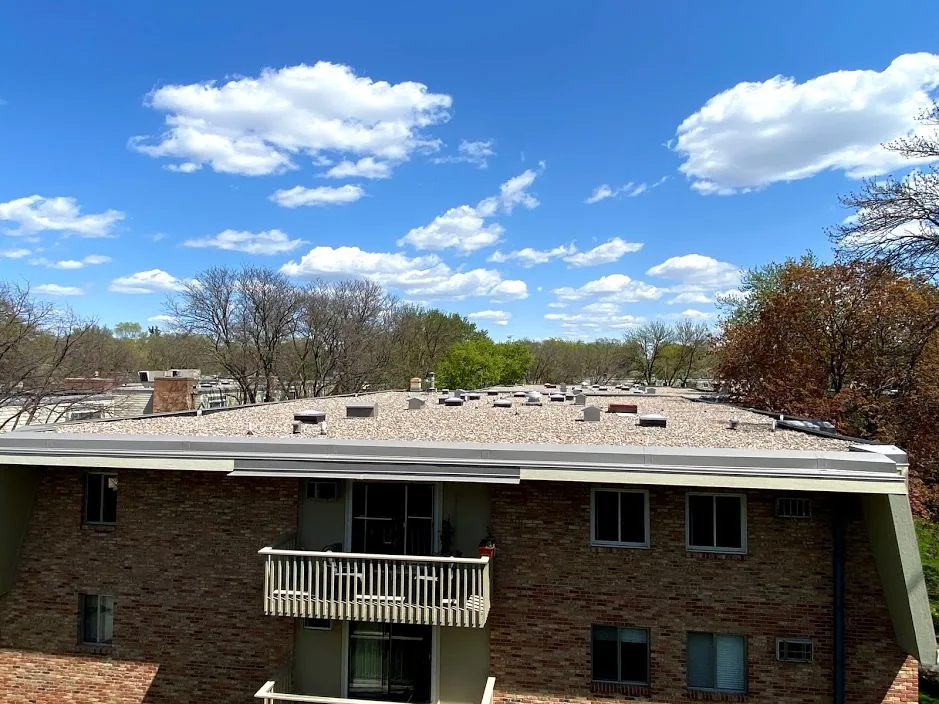
A record of what was checked, what was cleared or adjusted, what needs repair, and when to review it again. We label photographs by roof section so the next visit can compare the same areas.
Yes. We first document the visible assembly and repair history, then identify materials or details that need confirmation before work. The maintenance plan follows the building’s condition rather than assuming the original scope.
A post-event check can look for impact marks, displaced metal, loose edges and new water paths. We tie any repair recommendation to the roof evidence and the owner’s report of what changed.
Clearing debris restores an open path when blockage caused the slow drainage. Persistent water may point to slope, outlet or deflection concerns, so we record the remaining condition and recommend a closer review.
Share repair dates, known leaks, roof sections, access rules and upcoming equipment or construction work. Downtown Greeley and Highpointe Business Park show how operating context can affect timing at individual properties.
Maintenance records work best when each observation can be found again. We organize photos by roof section, identify the visible detail and note whether it changed since the previous visit. The record can include drain condition, prior patch location, open seam, loose edge, rooftop equipment concern and areas that were inaccessible. That context helps an owner set repair priorities without treating every note as an emergency or losing track of a small item that is worsening.
For a portfolio, the same labels make different buildings easier to compare while keeping each roof’s condition distinct. At Highpointe Business Park, a developer-described mix of industrial and commercial properties shows why records should follow the individual building and contact. A roof condition report can connect the photo set, repair priority and follow-up date. The owner can then carry that information into capital planning or a later replacement decision.
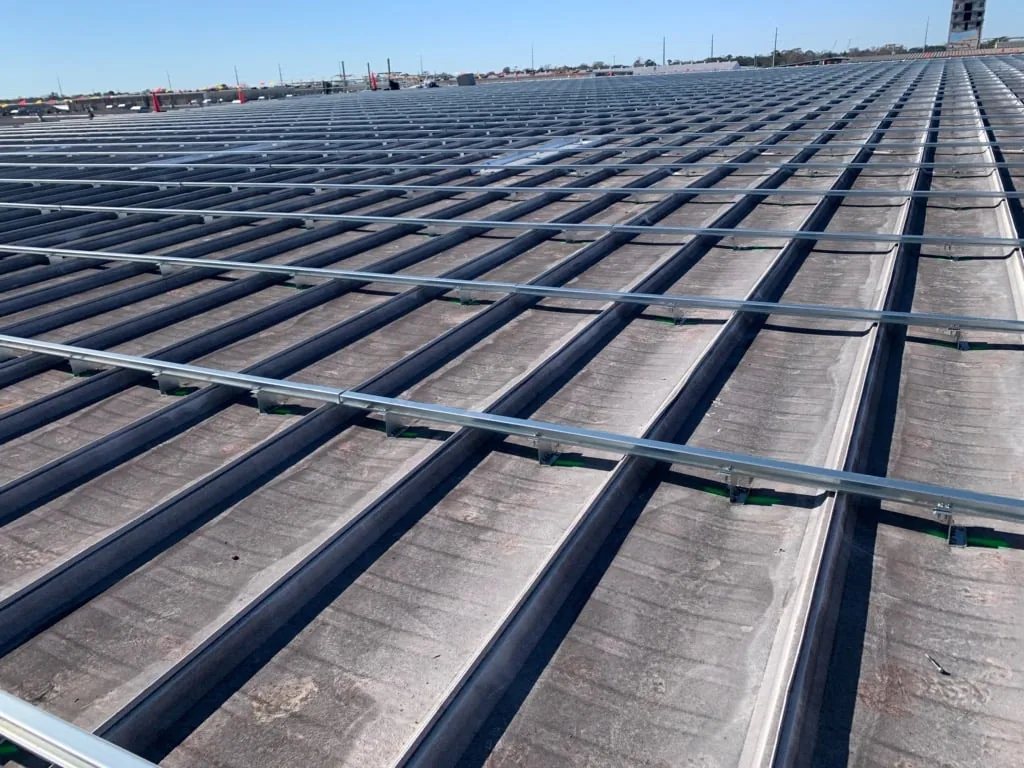
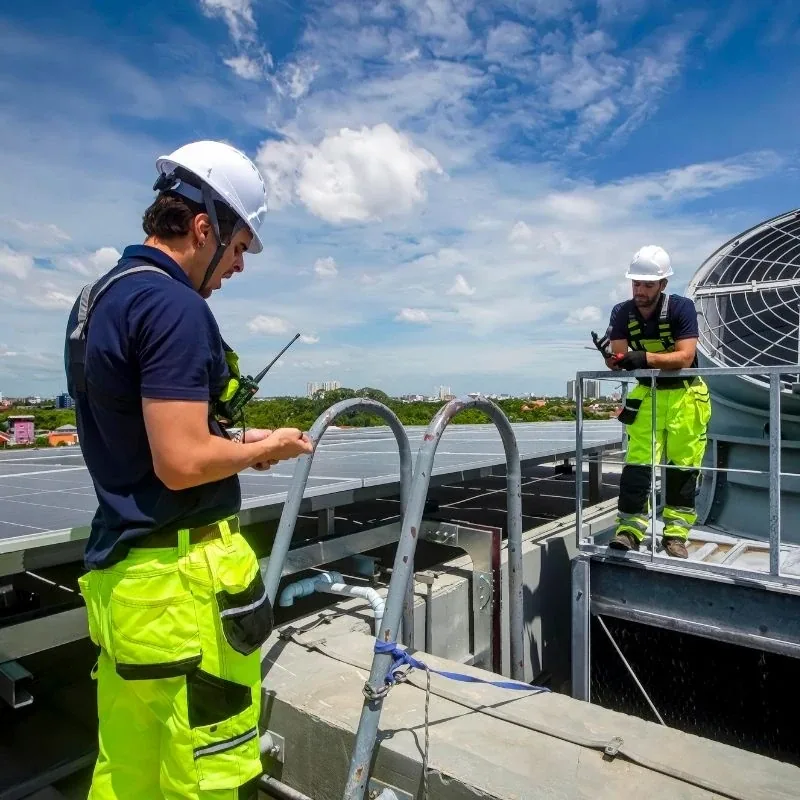
Before leaving, we review completed housekeeping, defects that need approval and any condition that should be checked after the next weather event. The site contact receives the access notes and knows whether a return visit is needed. If work was performed near a drain or penetration, we identify the repaired area and explain what should be watched inside. That handoff helps building staff report a change with a roof location instead of a general concern.
Send the roof plan, last service notes, recurring leak locations and access limits when setting a maintenance visit. Tell us which buildings need attention first and whether the site has tenant, loading or equipment windows to protect. Near the 10th Street Urban Renewal Corridor, commercial upgrade activity may make coordination with the property contact especially useful. We will plan the walk around the building and leave a record that supports the next maintenance or repair decision.