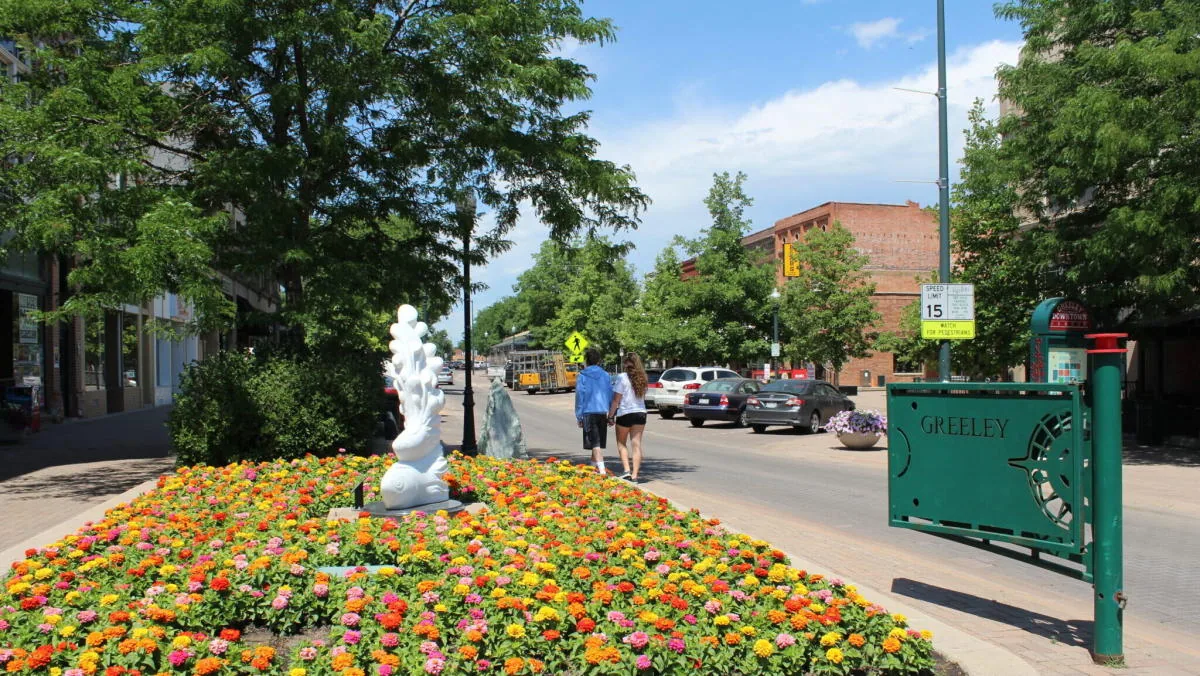
Commercial Cool Roof Installation in Greeley, CO

Commercial Roofing Services

Commercial Cool Roof Installation

A reflective roof can reduce the amount of solar heat absorbed at the surface, but the decision begins with the building and existing assembly. We review the membrane, insulation, drainage, rooftop equipment and operating schedule before proposing a cool-roof system. The selected material must match the substrate, detail conditions and performance goals. Greeley’s summer heat makes roof temperature and work timing relevant, while winter snow and wind remain part of the roof’s year-round exposure.

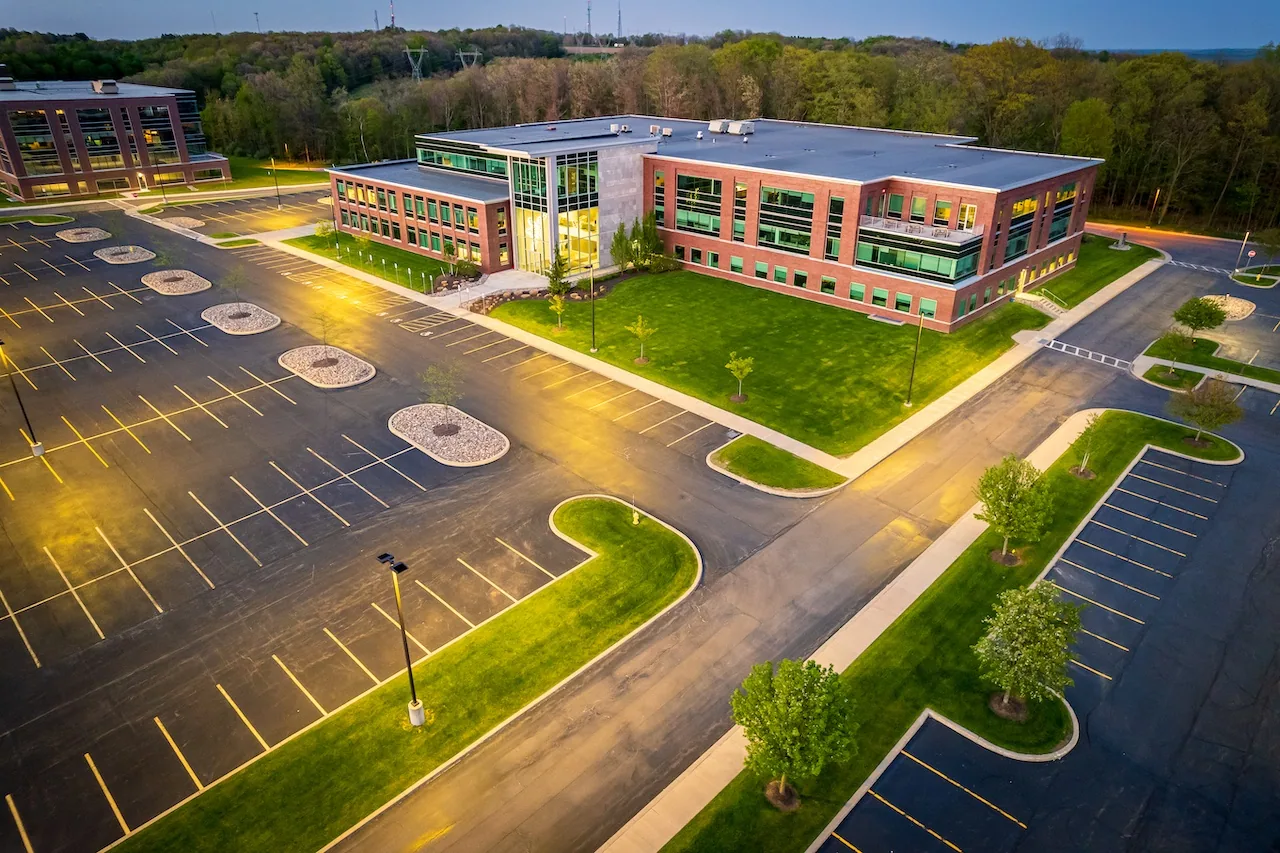
Different properties need different access and sequencing. Highpointe Business Park has a documented mix of industrial and commercial properties, while West Greeley Mall Area reflects a retail setting with active public use. For each project, we identify the installed assembly and confirm the owner’s operating needs before selecting a reflective system. The site contact helps set priorities such as reducing heat gain, improving the roof surface, coordinating tenant operations or addressing an aging assembly at the same time.

Start with the roof’s current condition

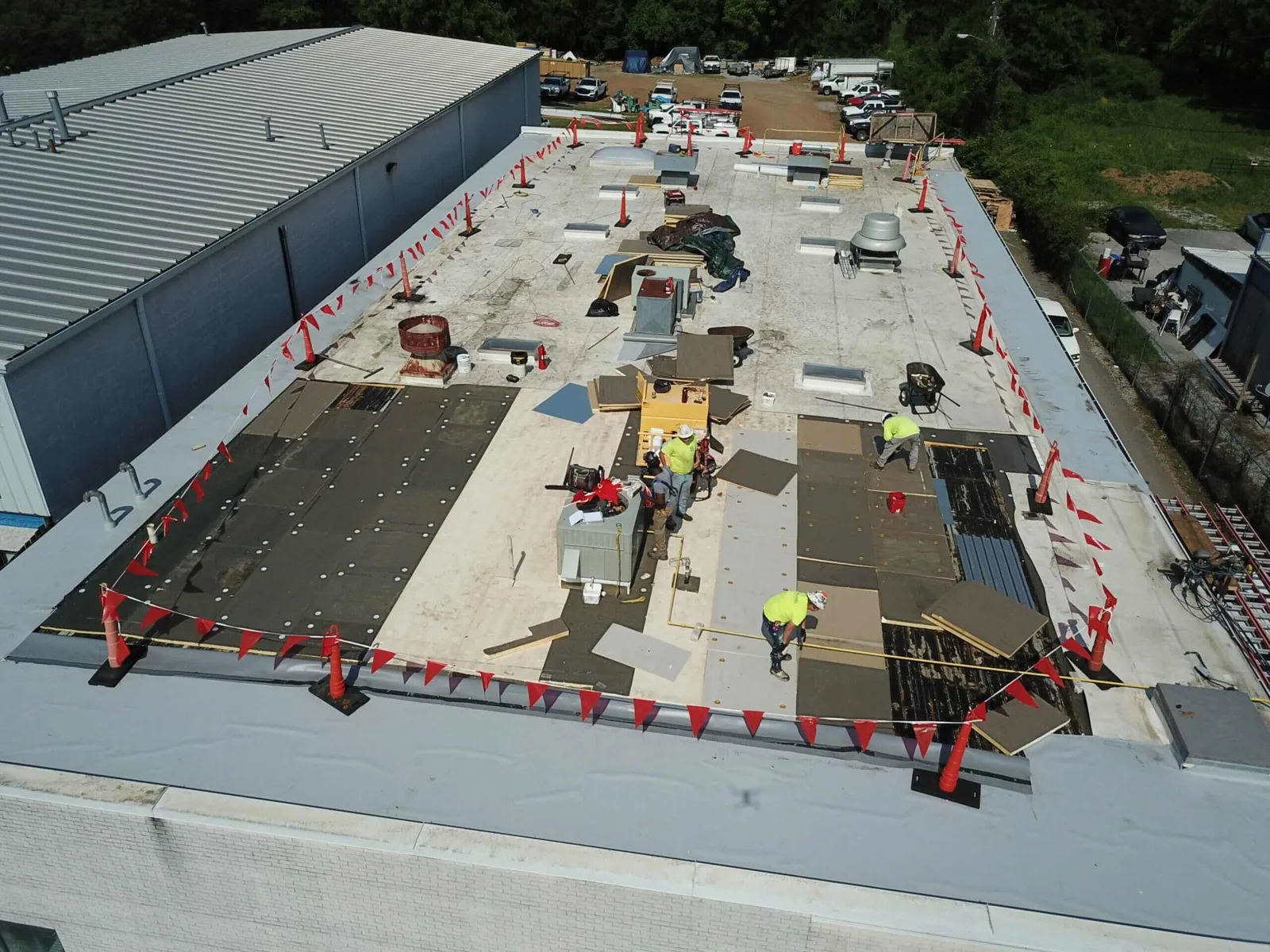
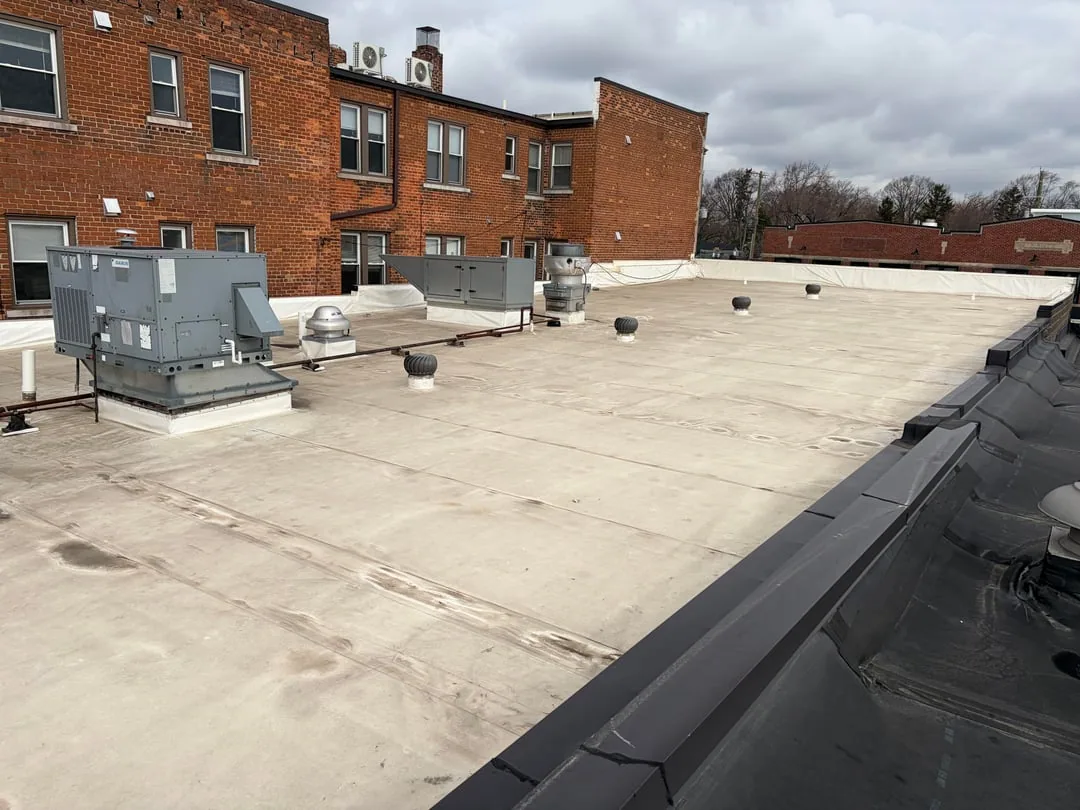
We inspect seams, flashings, membrane attachment, penetrations, drains and previous repairs before discussing a reflective finish. A coating may suit a sound, compatible substrate; a new membrane may be a better fit where the existing roof is wet or broadly deteriorated. We note areas that need repair, identify any moisture concern and confirm whether added thickness would affect drains or metal transitions. That review keeps a cool-roof goal from becoming a surface-only decision.

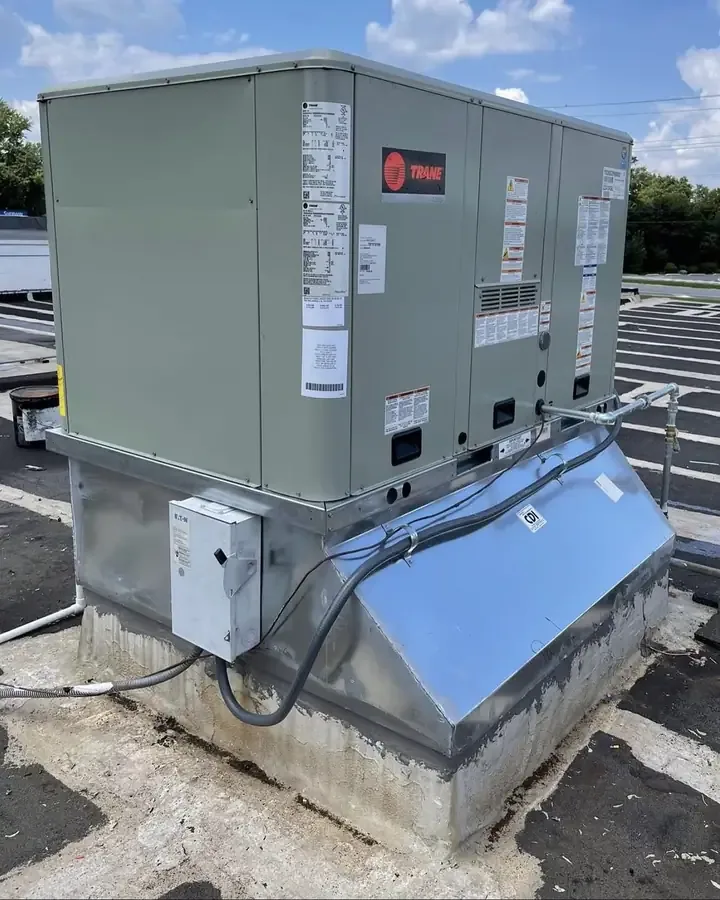
Building use matters alongside roof condition. Rooftop units, exhaust equipment, skylights and service paths can affect both reflective coverage and maintenance access. We identify which areas need protection or a different detail, then coordinate with facility staff before installing material around operating equipment. A commercial roof inspection can establish a more detailed baseline when the assembly history is uncertain or the owner is comparing a restoration with a full replacement.

Commercial Cool Roof Installation in Greeley, CO

Choose a reflective system that fits

Reflective membranes and coating systems differ in chemistry, attachment, maintenance and detail requirements. We compare the substrate, roof slope, drainage, existing layers and planned building use before recommending a material family. A high-reflectance surface does not correct ponding, weak attachment or wet insulation. If restoration is being considered, we check adhesion and prepare a test area where the surface or coating history needs confirmation.

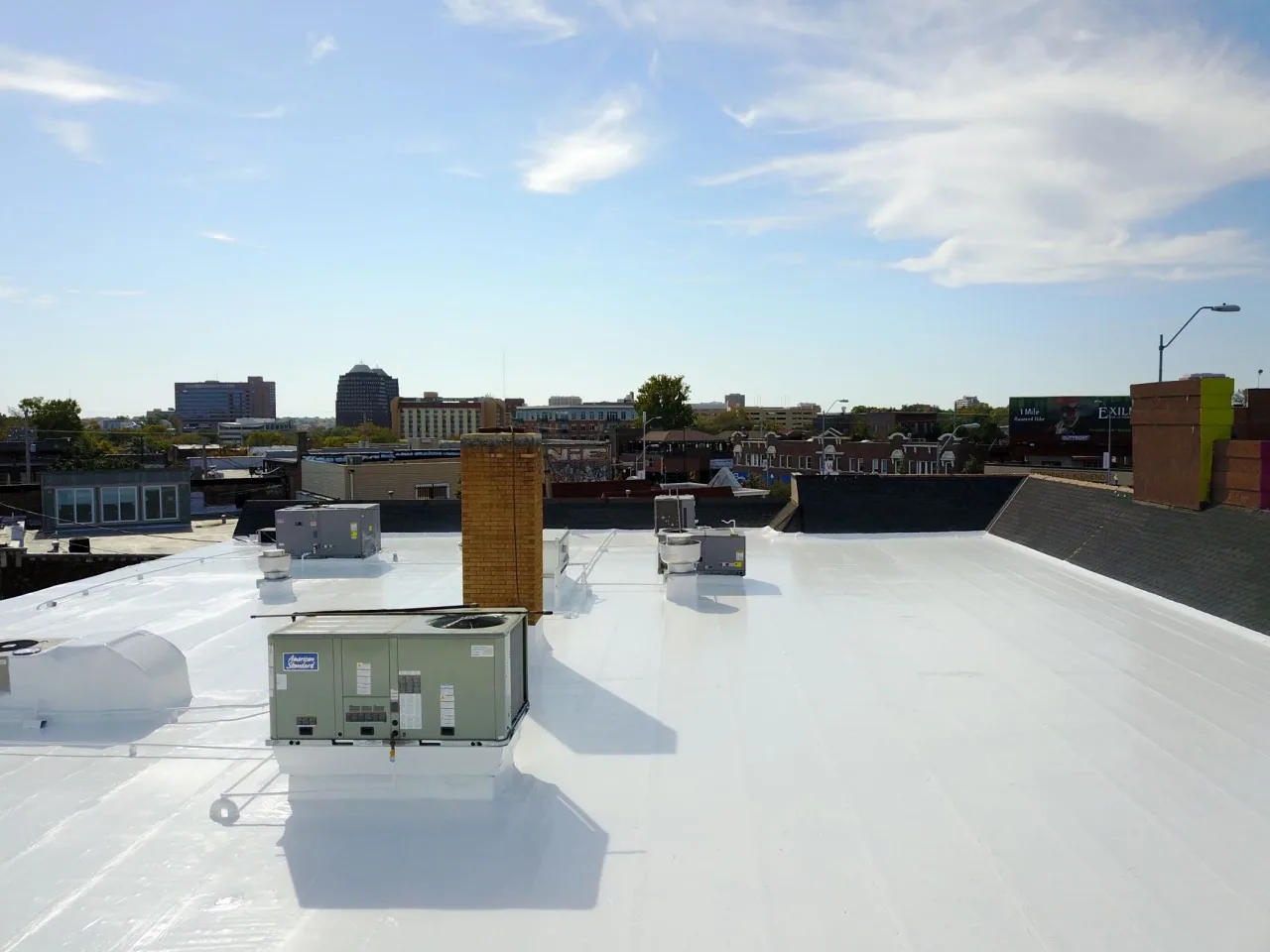
For a new membrane, the assembly may involve insulation, cover board and system-specific flashing. For an eligible existing surface, a coating can restore reflectivity after cleaning and repairs. We explain what each option requires and which conditions would rule it out. A coating restoration assessment can determine whether the current assembly is a suitable base, while TPO roofing or PVC roofing may be considered for a replacement project.

When the owner’s main concern is indoor comfort or cooling demand, we look at insulation, air leakage, rooftop unit condition and operating schedules alongside the surface choice. A reflective finish changes the roof’s solar response, but it does not replace mechanical review or correct building-envelope gaps. The assessment can identify which roof improvements are in scope and which questions belong with the HVAC team. That keeps the proposal specific to the building instead of implying one material will solve every heat concern.
Account for insulation and drainage

Reflective surface performance depends partly on what sits below it. We review insulation condition and thickness, roof transitions, drains and slope before pricing a new assembly. A cool surface cannot offset wet insulation, and a new layer should not leave water trapped around a drain or curb. If the building needs better runoff, tapered insulation may be part of the work, with the drain locations and edge heights checked before installation.

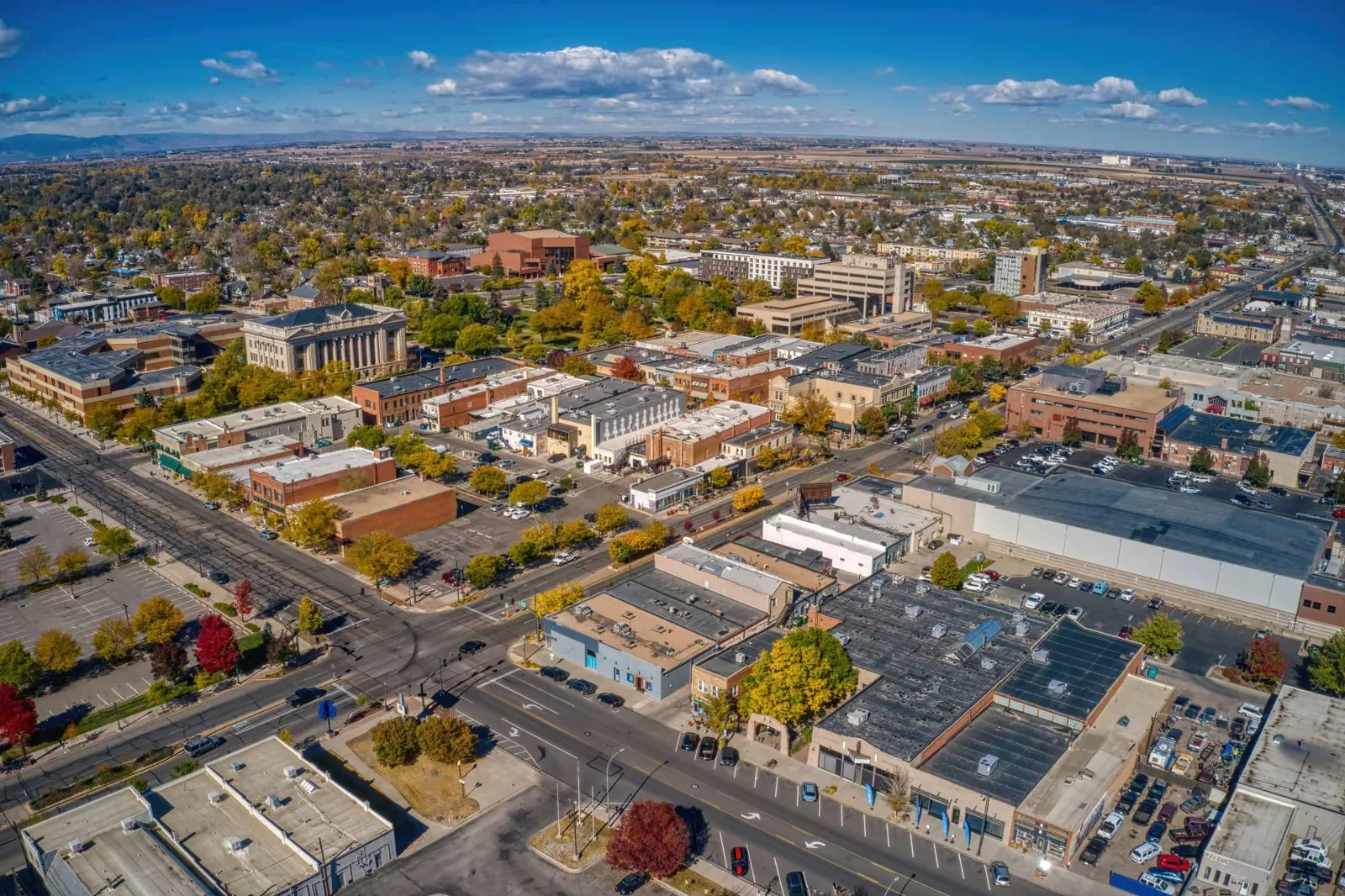
Greeley summer temperatures can affect adhesive application, worker exposure and the size of roof area opened during a shift. Snow, wind or wet conditions can change the schedule as well. We select work windows around material instructions and site access, then identify how each zone will be closed at day’s end. For projects near Downtown Greeley, public-facing operations and nearby activity may influence delivery and staging decisions, so the property contact confirms the site plan before work begins.

Commercial Cool Roof Installation in Greeley, CO

Commercial Roofing Questions

Will a reflective roof lower our building’s cooling load?

A reflective surface can reduce solar heat absorption, but building results depend on insulation, HVAC, ventilation, occupancy and roof condition. We discuss the system and existing assembly without promising a specific savings amount.

Can we apply a reflective coating over our current roof?

Only when the substrate is compatible, stable and dry enough for the selected product. We inspect seams, moisture, drainage and prior coatings before recommending a test or restoration scope.

Does a cool roof need different maintenance?

The surface should be checked for damage, dirt buildup, drainage issues and later trade work. We provide material-specific guidance and can add the roof to a maintenance schedule.

How does Greeley heat affect installation?

Surface temperature and worker conditions can affect application and cure. We check the day’s conditions and follow product requirements, adjusting the size of each work section when needed.

What should we provide for a cool-roof assessment?

Send the roof assembly, prior repairs, insulation information, equipment plan and building schedule. Highpointe Business Park and West Greeley Mall Area show why operating context varies across Greeley properties.

Plan the work around occupied operations

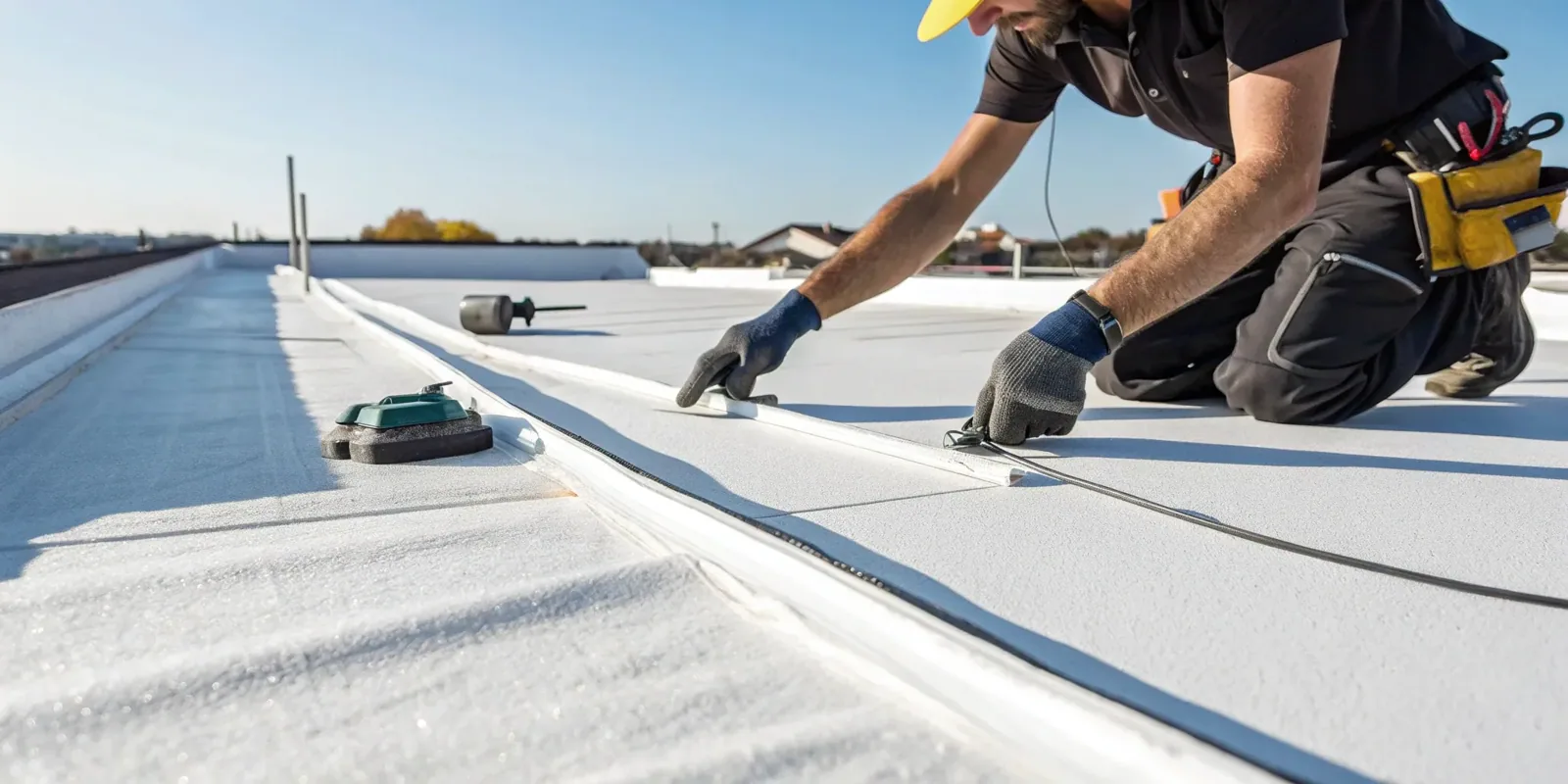
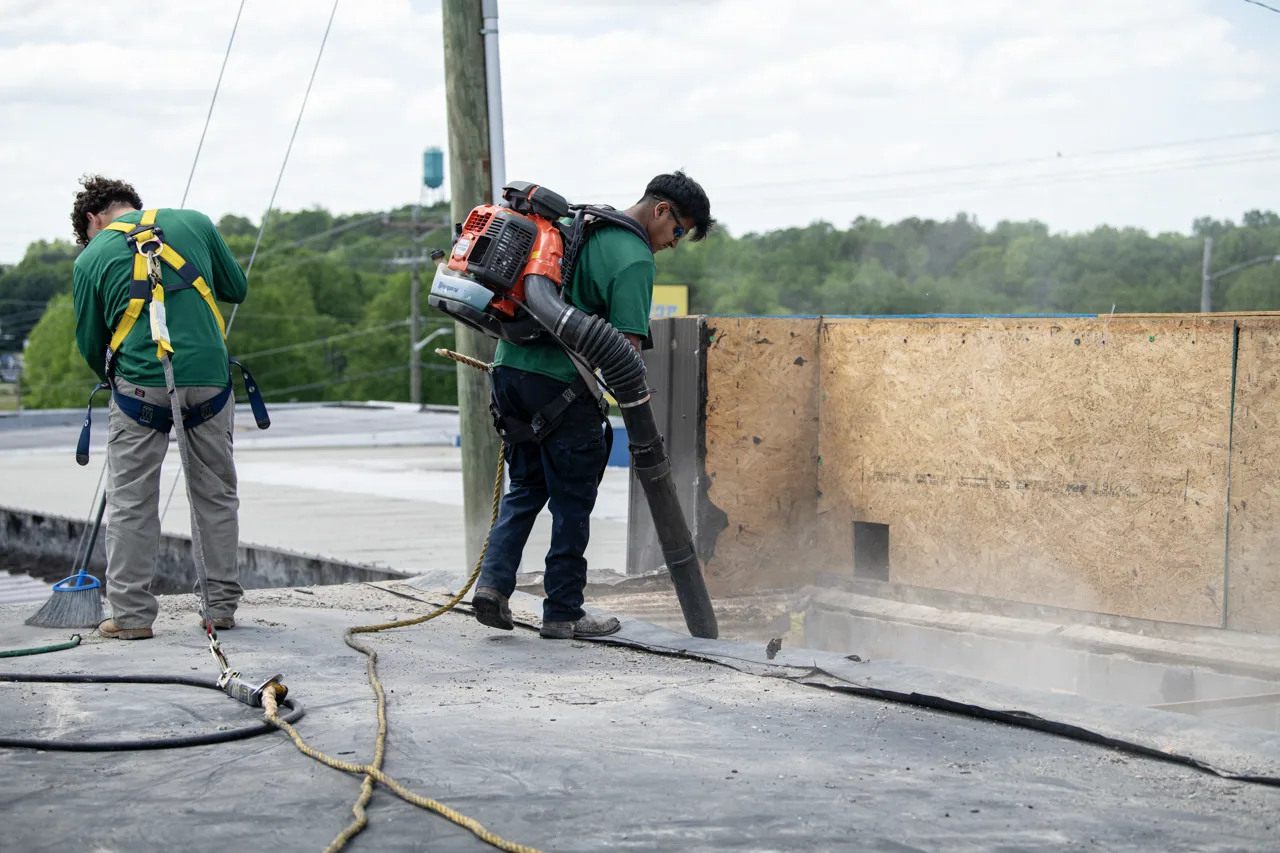
Installation requires material staging, movement across the roof and protection of drains, equipment and nearby surfaces. We coordinate lift placement, delivery times, noise and any temporary access restrictions with the facility contact. The work plan divides the roof into manageable sections and identifies how each one will be kept watertight overnight. If interior areas are sensitive to dust, odor or vibration, we include those protections before crews arrive.

A commercial roof can remain in use during many projects, but the work sequence depends on the building and system. We coordinate around loading, public access and rooftop service needs. At a retail location, entrance protection and customer paths may matter as much as roof access; at an industrial facility, equipment windows and shipping may set the schedule. The owner receives the work boundary and any condition that requires a temporary change to normal access.

Before the first delivery, we identify where pallets can be placed, how material will reach the roof and whether the building needs a designated route for staff or customers. A reflective system may require several passes or cure time before a section can reopen to other trades. We coordinate that handoff and identify who can approve rooftop access during the project. These decisions keep the work plan connected to the building’s daily operation.

Commercial Cool Roof Installation in Greeley, CO

Check the finished surface and retain records

At completion, we inspect laps, flashings, drains, curbs and equipment transitions, then record the installed system and any limitation that remains. Photographs show the finished surface and repaired details. The owner receives maintenance guidance appropriate to the material, including what to watch after later equipment work or severe weather. We identify any area where a future access path should avoid damage to the new membrane.

Send existing roof documents, energy or comfort goals, repair history, equipment locations and access rules before an assessment. Those details help us compare reflective coating, membrane replacement and insulation changes. Along the U.S. 34 Business Corridor, commercial access routes support regional movement into Greeley, but each building’s delivery plan still comes from its owner. The finished scope should state what was installed and how the building team can maintain it. Include areas reserved for future equipment or solar work.

Related Roofing Work

Discuss a cool roof for your building

ServicesRoof SystemsIndustriesProperty TypesService AreasDamage RepairCapabilitiesManufacturersAboutRequest a Roof Assessment555-555-5555
Call555-555-5555