Can you repair one open membrane seam?
Often, when the surrounding membrane and attachment are sound. We inspect the adjacent area and define the limits of a local repair.

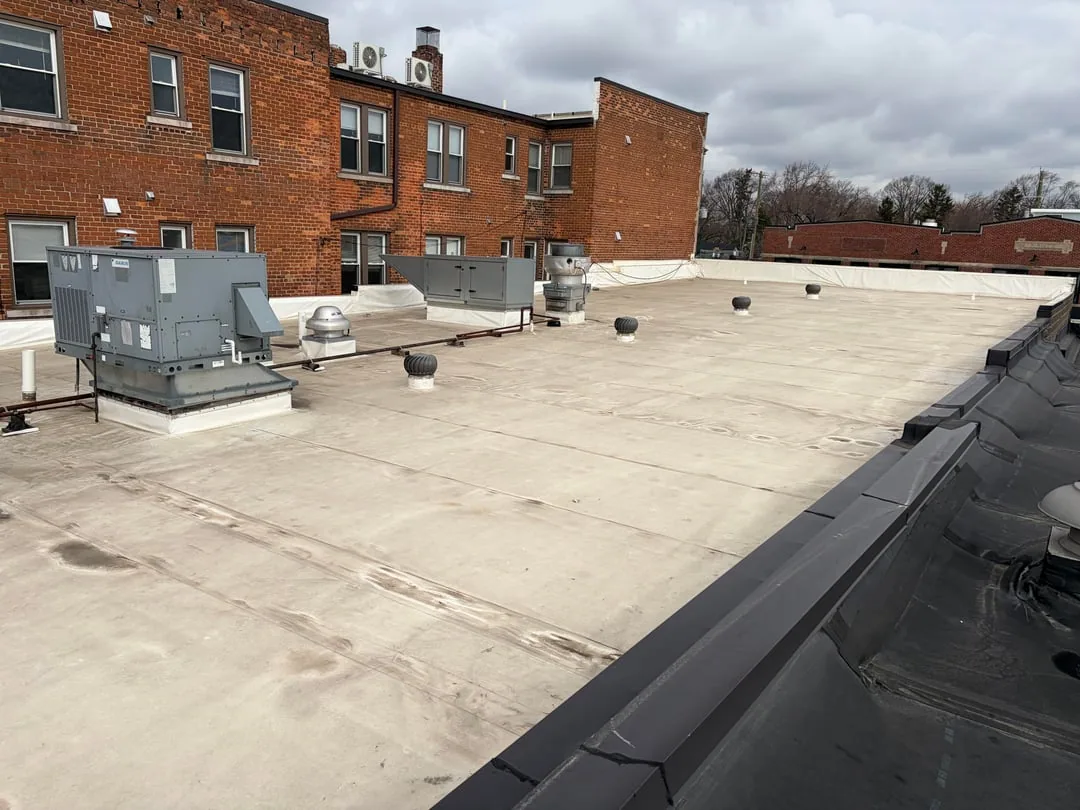
Water beneath a roof lap can travel before it reaches a ceiling, so a leak report should be matched to the seam and adjoining details above it. We inspect the reported zone, identify the roof system and document whether a lap is open, separated or simply near the water path. The repair plan defines the seam length, surface preparation and test method rather than applying a generic patch.
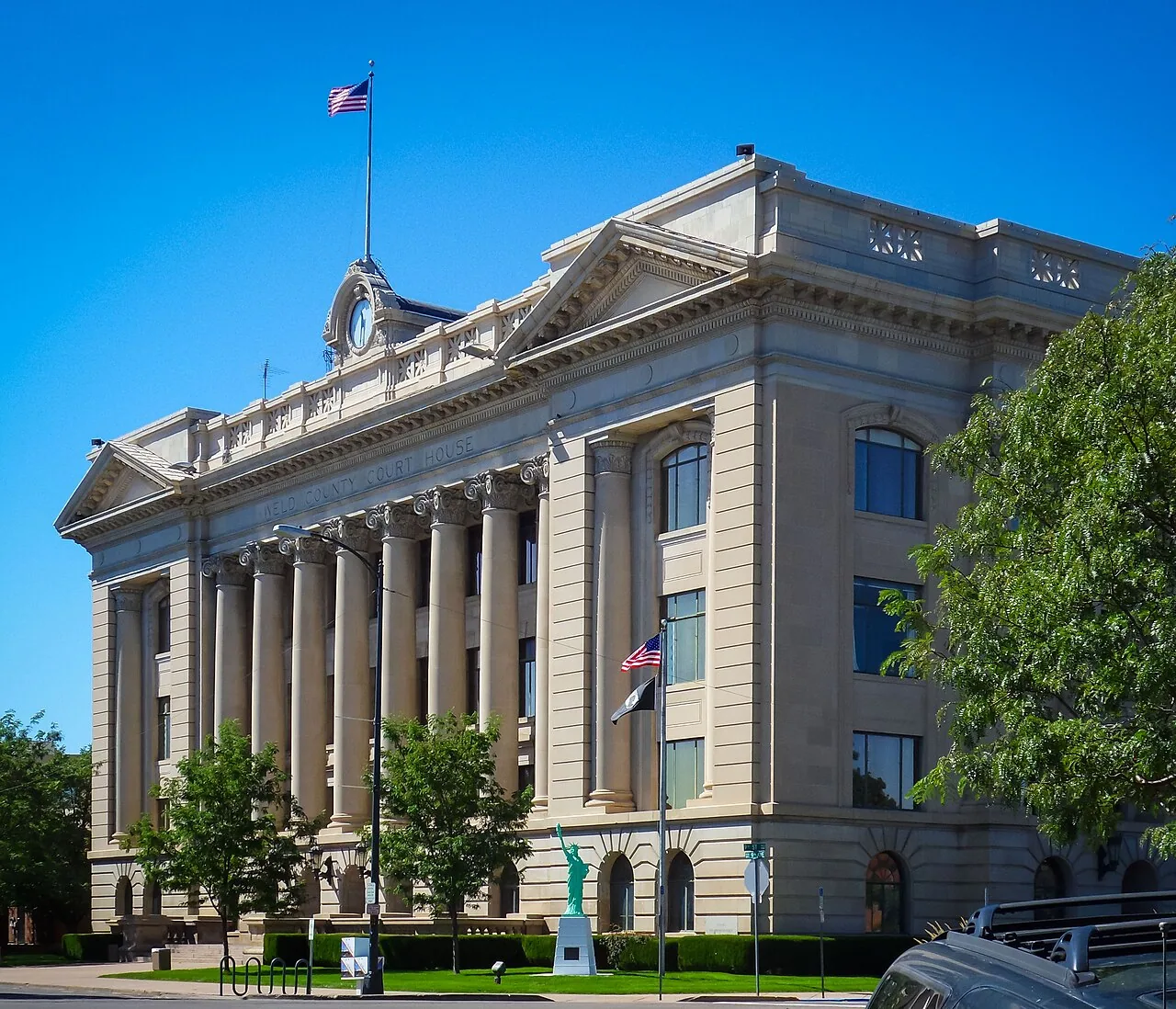
Greeley properties in the U.S. 34 Business Corridor and Downtown Greeley have varied commercial building forms. We confirm the roof assembly from drawings, repair notes and field inspection before identifying a seam detail at either property.
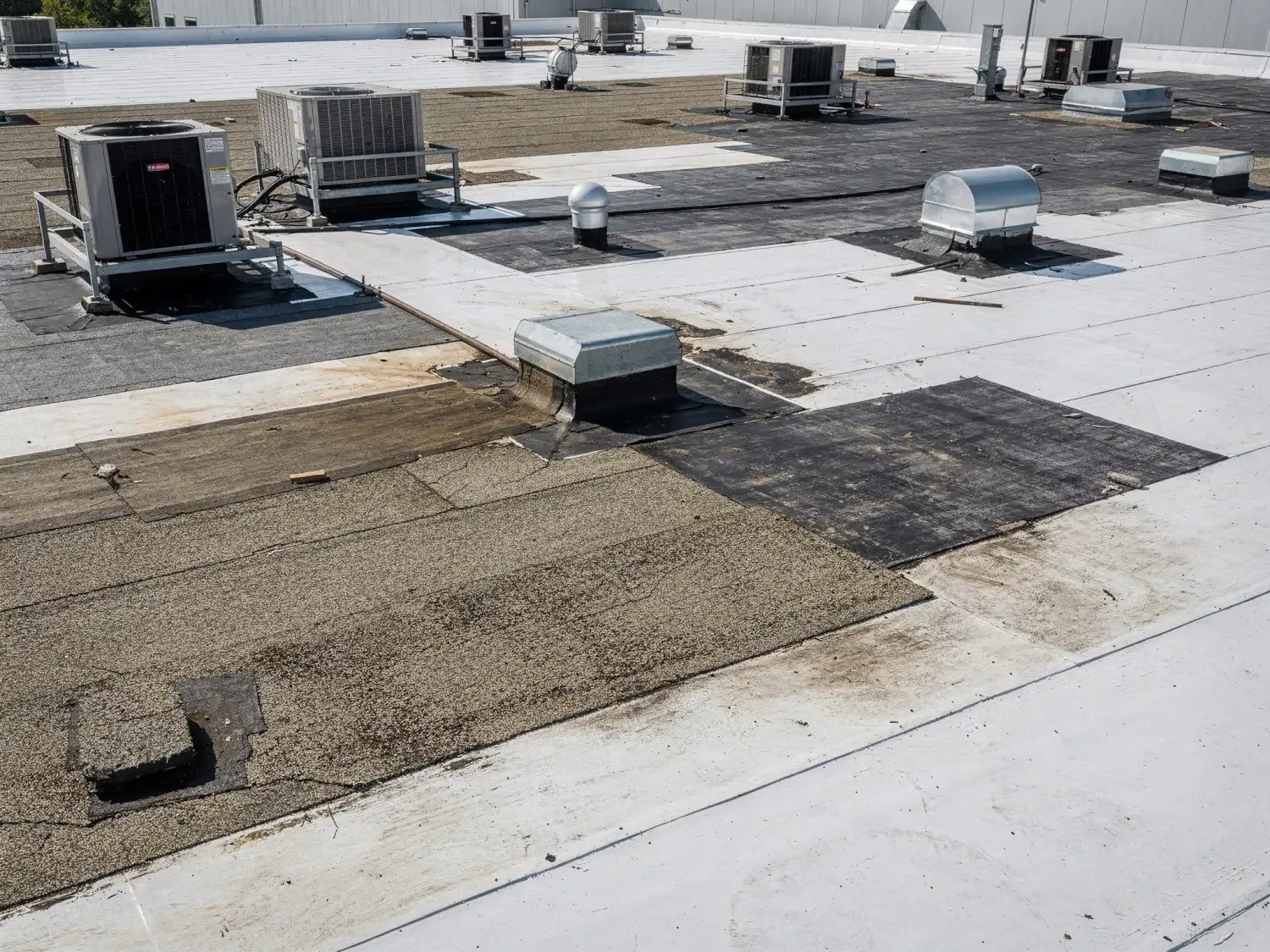
We note whether the seam is a membrane lap, panel joint, cover-strip edge or another assembly-specific connection. The inspection checks adjacent fasteners, substrate condition, flashing transitions, prior sealants and evidence of movement. A surface split may be isolated, or it may connect to a termination or roof-edge detail. We record the condition along the accessible seam and identify where a safe repair boundary can begin and end.
Interior water may appear some distance from the opening. We map the stain, deck direction and roof features above it, then inspect nearby seams instead of assuming the nearest drip marks the failure. A commercial roof inspection can document the seam and related conditions. If concealed moisture may extend beyond the visible area, additional testing should be designed around a specific question and authorized by the owner.
Previous repairs can complicate preparation. Old coatings, incompatible sealants or overlapping patches may hide the original lap edge or interfere with new work. We record what can be identified and request product information when compatibility is uncertain. If a test area is needed, the owner should approve its location and restoration method before the crew cuts or probes the roof.
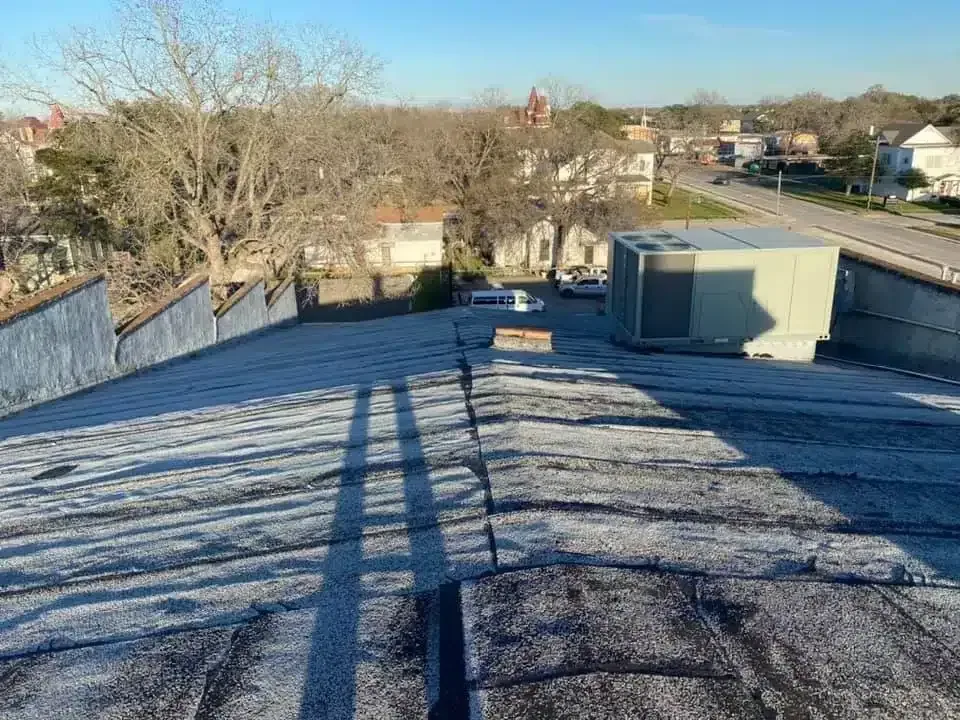
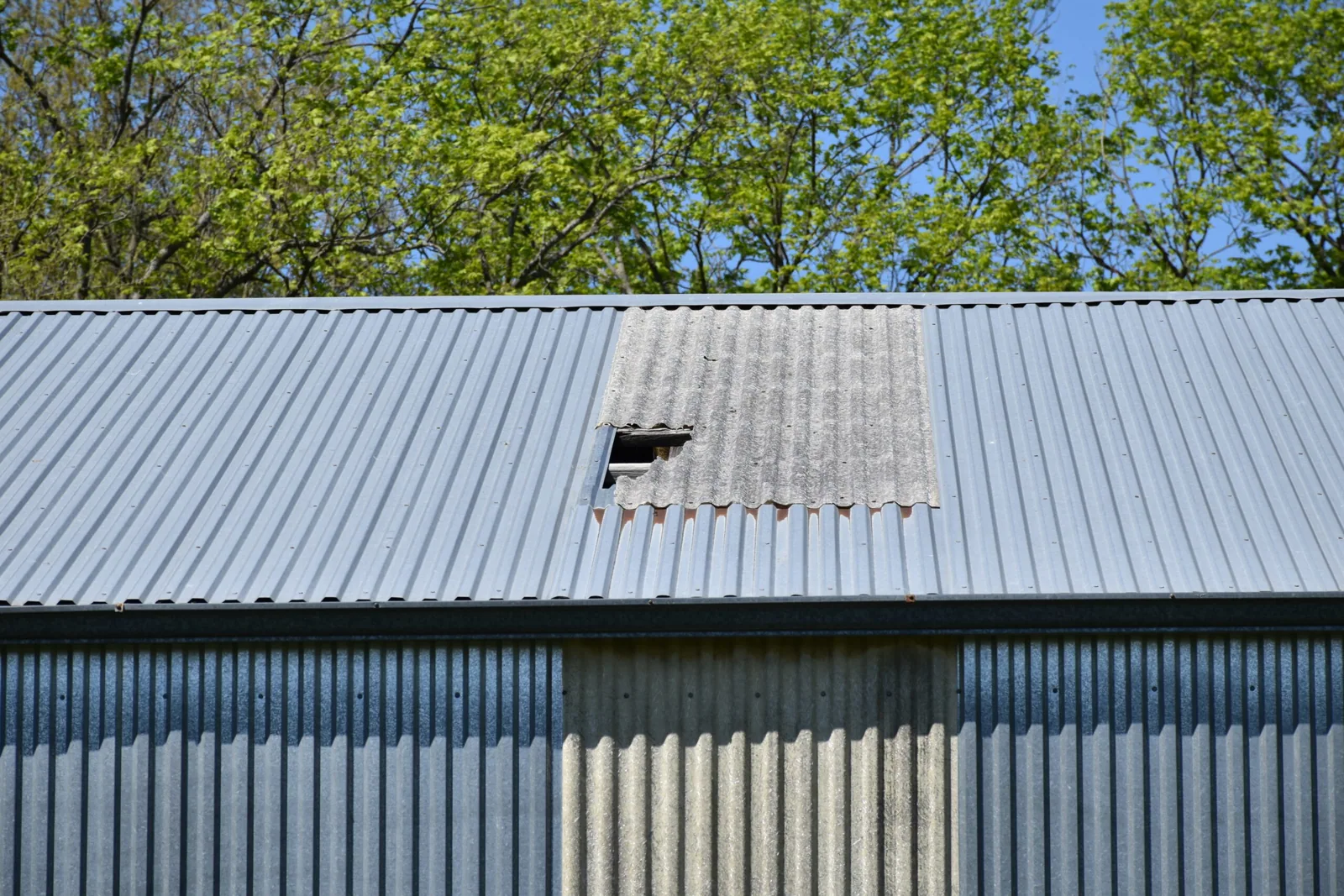
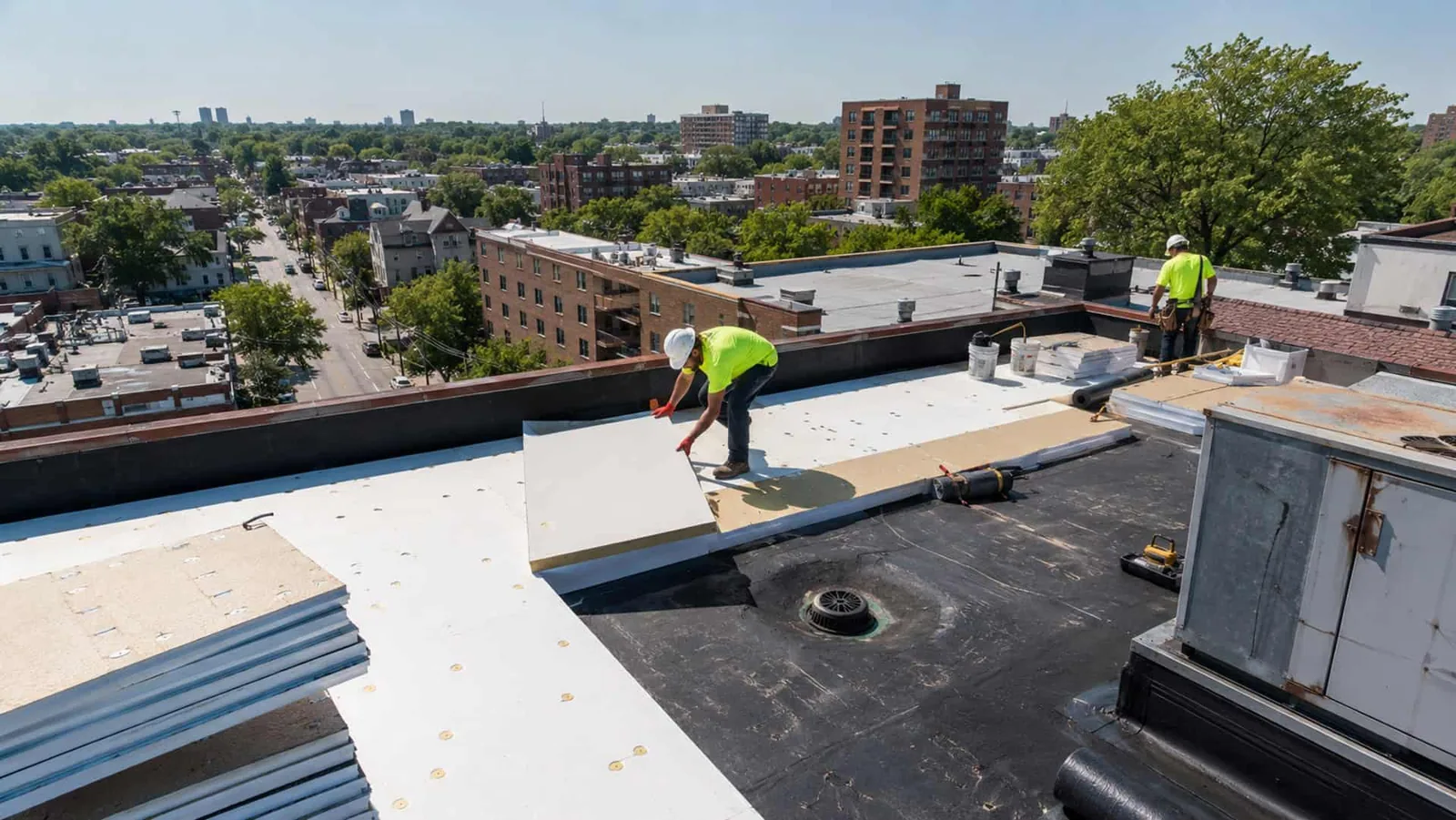
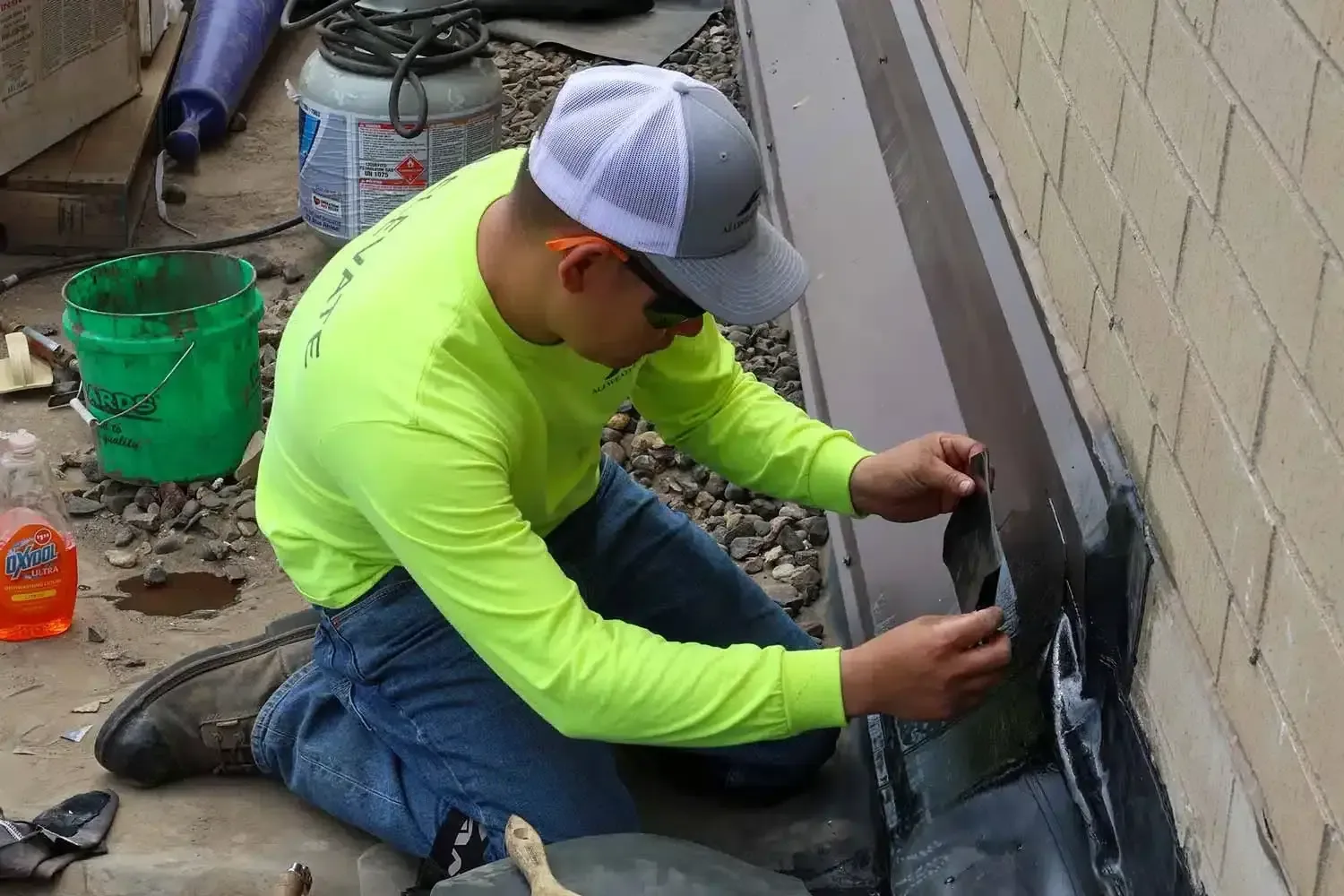
Repair depends on the system. A single-ply membrane may require cleaning and heat-welding; a metal roof may need a panel-joint correction or fastener work; modified bitumen has its own lap and surfacing requirements. We confirm the assembly and follow applicable manufacturer instructions. The crew prepares a sound substrate, repairs the defined seam and checks the completed tie-in before covering the area.
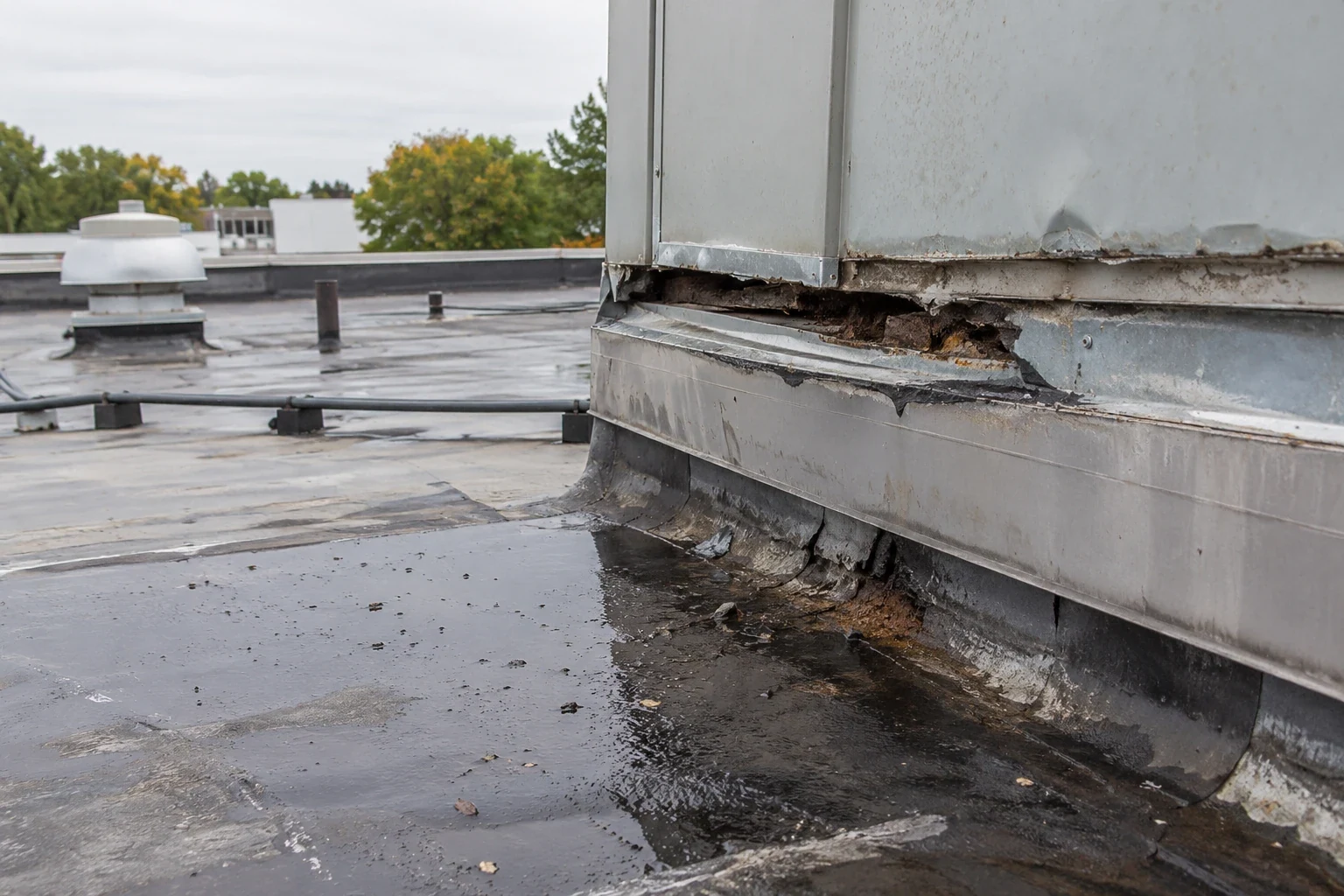
If wind lifted a lap or edge, the repair should address the reason it moved as well as the visible opening. We inspect attachment and adjacent perimeter details; wind damage repair may be needed for displaced components outside the seam itself. Where an open lap meets a curb or wall, flashing repair can address that separate transition after inspection.
We keep removed material, tools and debris away from drains and roof equipment. Before the crew leaves, the supervisor checks the repaired length, terminations, corners and any test points required by the system. If rain is expected or the permanent repair must be delayed, a temporary safeguard is identified with its limits and the return date needed to complete the work.
Temperature, wind, precipitation and snow can affect access and installation. We check current roof-surface conditions before preparing or repairing a seam. Some welding or adhesive methods require dry surfaces and specific temperature ranges. Wind can affect material handling, while snow and ice can make the seam inaccessible. We follow the selected system requirements and confirm conditions at the work area.
If water appeared after weather, the owner’s reported date helps set the inspection sequence. We photograph the roof detail, document visible separation and identify any repair that remains untested. Where access is limited by ice, standing water or a temporary cover, the report identifies that boundary for a return visit.
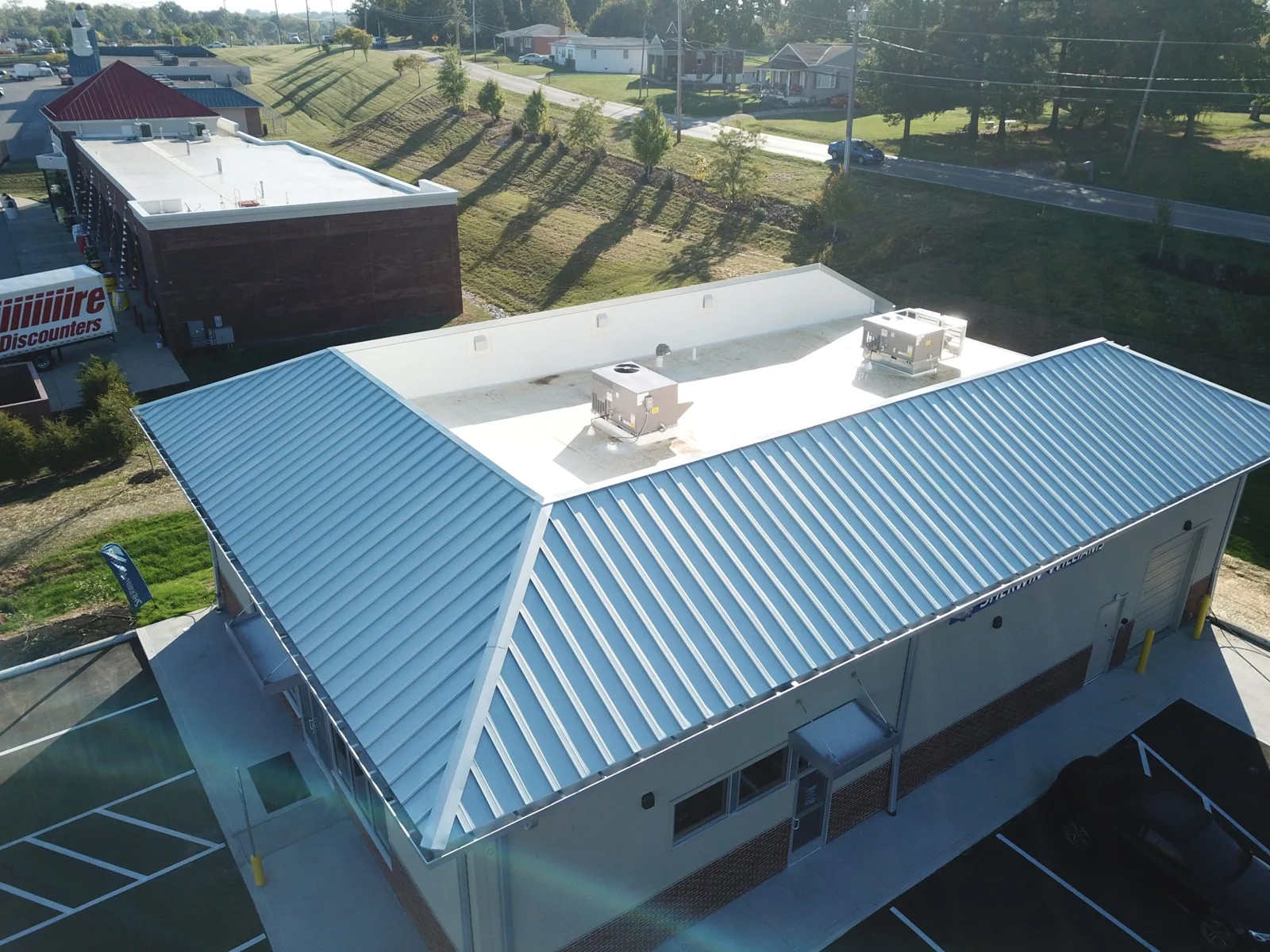
Often, when the surrounding membrane and attachment are sound. We inspect the adjacent area and define the limits of a local repair.
No. The method depends on the roof system, material, seam type and manufacturer requirements.
Yes. Water can travel before entering the building, so we compare the interior report with roof details and likely paths.
No. A site inspection must confirm an opening, separation or related condition at the roof. We document what is visible and identify any area that needs further testing.
Share roof plans, assembly data, prior repair notes, leak timing, warranty information and access requirements.
A short split may be locally repairable when the adjacent membrane or panel and attachment remain serviceable. Repeated separation, widespread seam condition or wet insulation may require further testing or a broader repair plan. We state the seam length, prep work, tie-in, test or inspection steps and any access limits. That gives the owner a clear basis for comparing alternatives.
Cost and schedule depend on roof system, length, height, substrate condition, equipment access, water protection and whether another detail must be opened. We compare targeted repair with replacement only when inspection supports each. If a hole or cut is also present, puncture repair can be listed separately. A scope should identify whether interior ceiling work or moisture removal is excluded.
For a larger repair, we can sequence seam restoration by roof zone and stop at identifiable boundaries. The owner may need to coordinate equipment shutdown, occupant notices or a manufacturer inspection. We list each prerequisite and any concealed condition that could change quantities. If drawings show a different lap detail from the roof, we document the discrepancy and request direction before proceeding across additional sections.
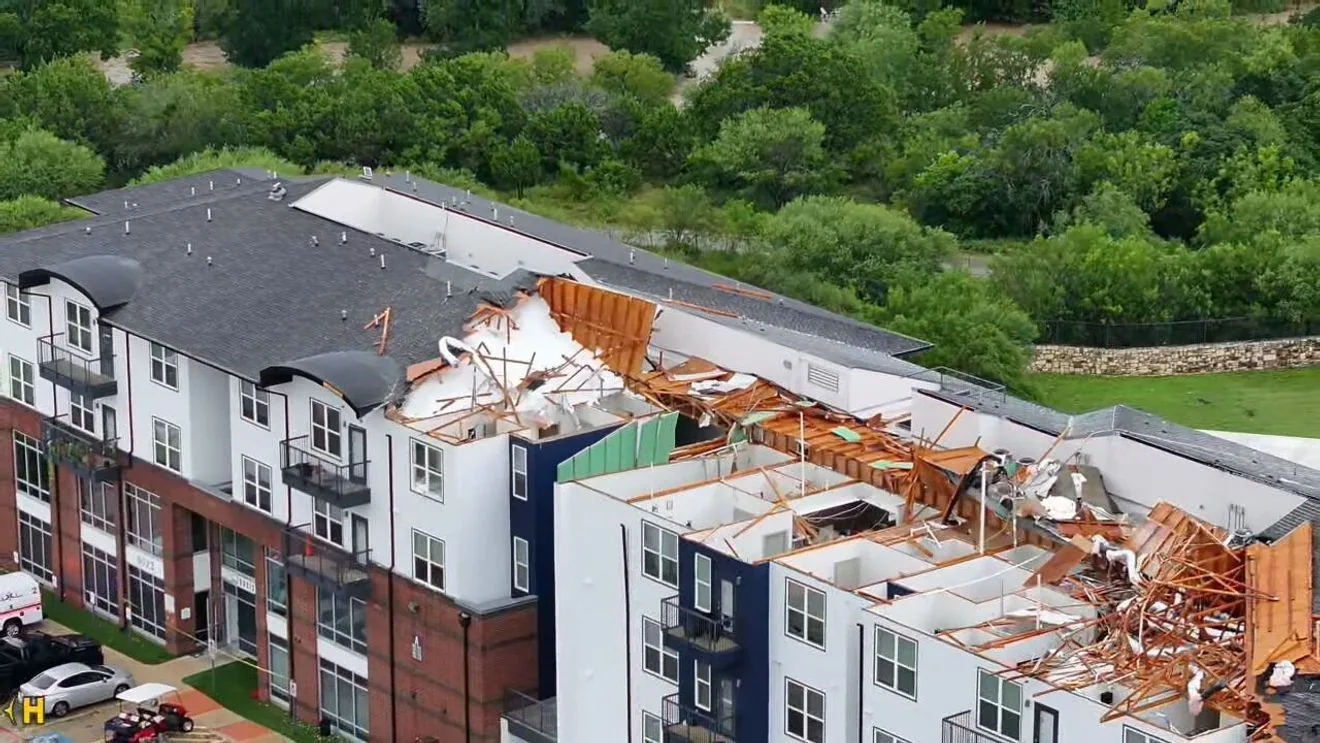
Closeout identifies the system observed, seam zone repaired, materials, photographs, test results when required and open items. We record the length addressed and whether adjoining edges or penetrations were checked. If the system requires a follow-up test after cure or a second visit, the report names the timing and contact.
Send roof plans, system information, leak timing, earlier seam repairs, warranty records and site access rules before an assessment. Downtown Greeley and the U.S. 34 corridor provide service-area context; the property’s assembly and field conditions determine the repair. We return a record that helps facilities staff locate the seam on a future inspection.
A maintenance team can use dated photographs to compare the seam after seasonal changes or nearby trade work. We note any access limitation and which adjacent details were outside the scope. That keeps future decisions tied to the actual repair rather than an assumed roof-wide condition.
Where a roof has several membrane zones, the closeout should name the specific elevation, grid, tenant bay or equipment reference used by site staff. We can include a marked roof sketch when existing plans are available. If no reliable plan exists, photographs and a written landmark description can make the repaired seam easier to find. We also distinguish completed work from nearby conditions observed but left untouched, so a later inspection does not mistake an open item for a completed repair.
Facilities teams should retain the report with warranty and maintenance records. That makes later review more useful when another leak is reported near the same roof zone.
For a repair crossing a change in roof plane, we note where the lap turns and which transition received a separate check. The owner can then compare the finished seam with the approved drawing and identify the right inspection point later.