Commercial Roof Drain and Scupper Repair in Greeley, CO

Commercial Roofing Services

Commercial Roof Drain and Scupper Repair

Water that remains after the surrounding roof has dried points to a drainage question worth tracing. We inspect the inlet, nearby low area, slope changes and outlet path before recommending a repair. A blocked bowl may need cleaning, while persistent ponding can involve a settled deck, insufficient slope, a damaged drain assembly or a downspout restriction. We mark where water collects and compare that location with interior reports so the owner can see whether the drainage issue connects to a leak.

Greeley’s snow and wind make drainage maintenance useful through changing seasons, and summer storms can quickly test the path from roof to ground. Commercial properties in 23rd Avenue Commercial Corridor and the U.S. 34 Business Corridor may have different roof layouts and discharge arrangements. We check the actual drains and site conditions rather than infer capacity from nearby buildings. If water has reached the interior, a leak inspection can connect the roof finding with the reported room.

Trace the complete drainage route

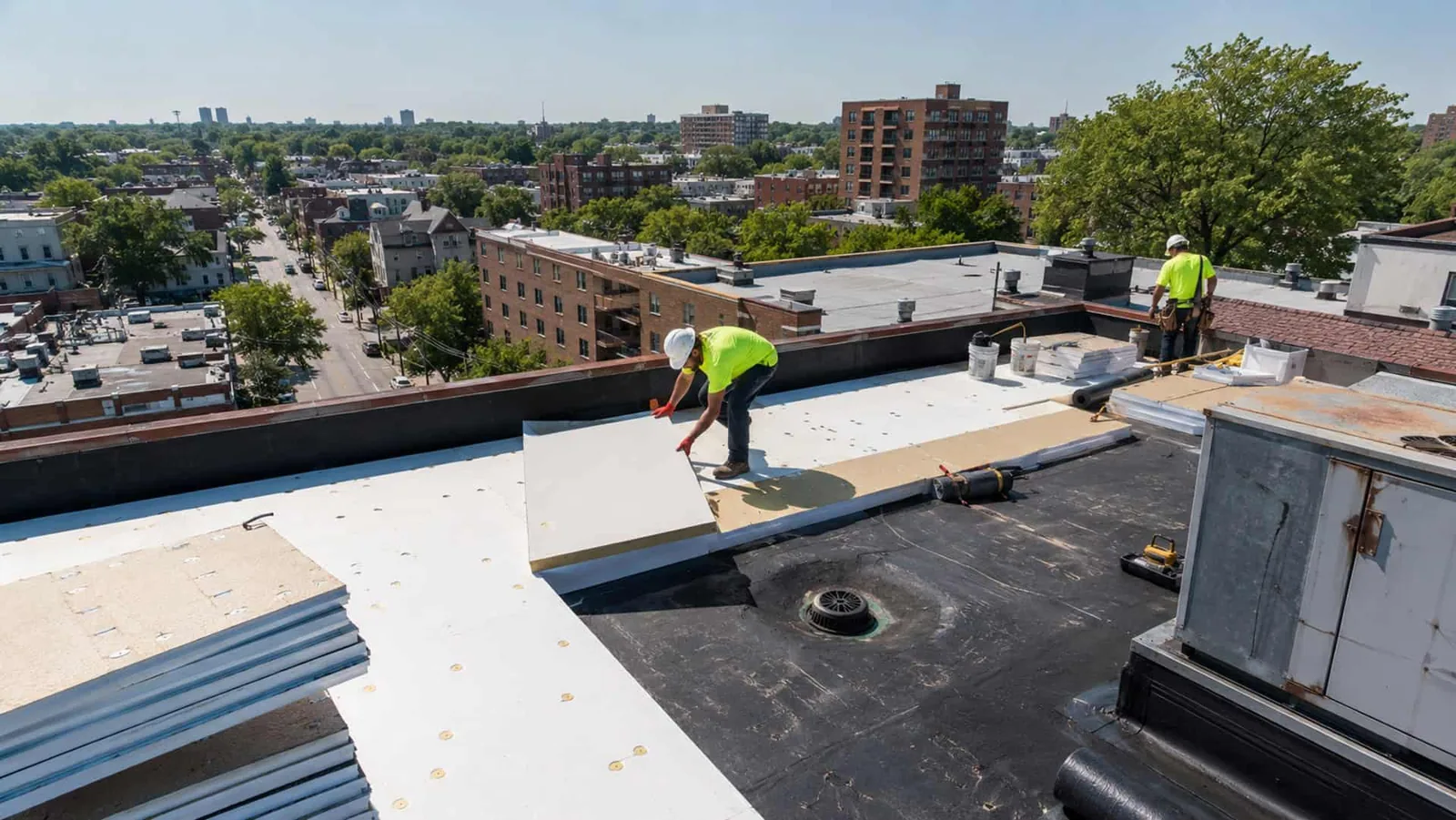
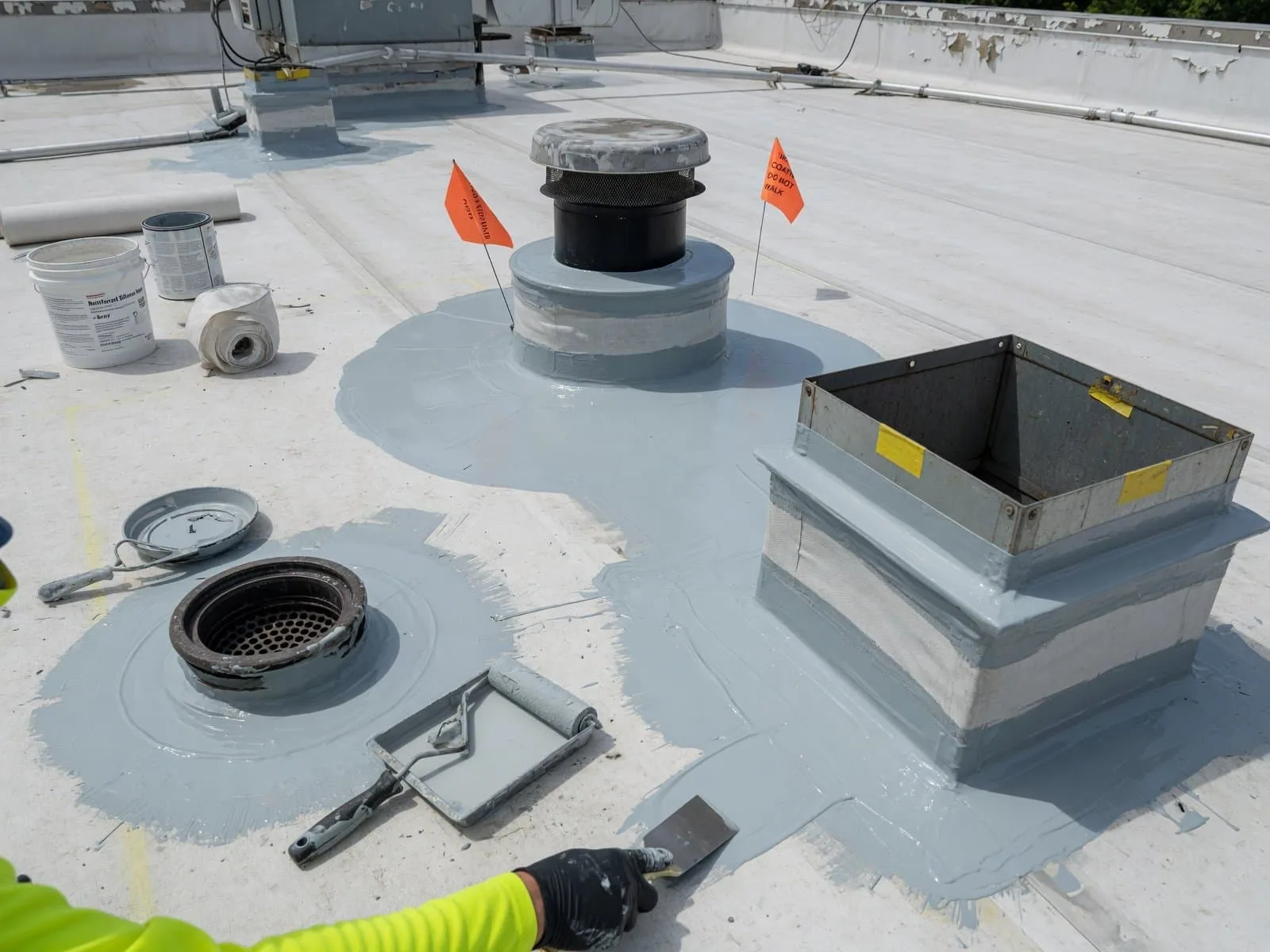
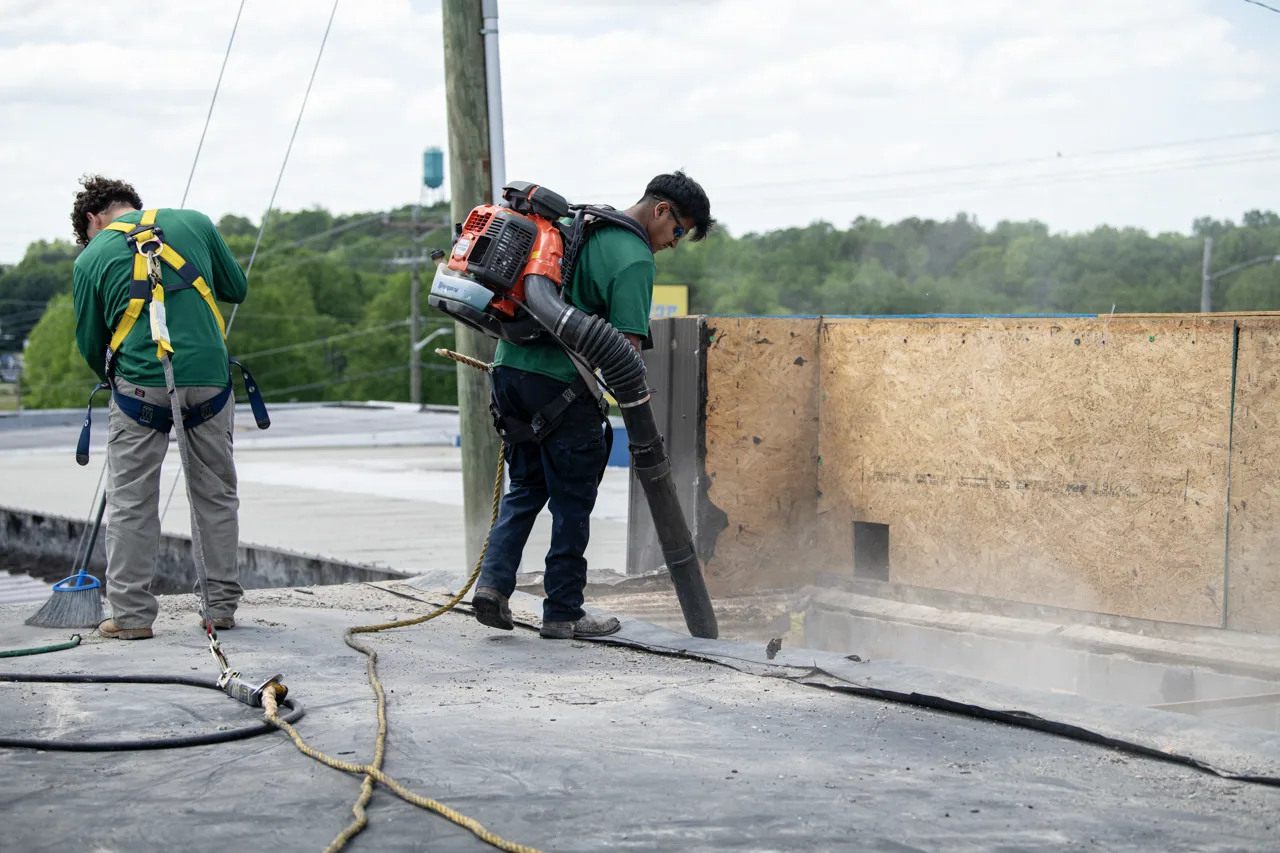
A roof drain works as a system that starts at the low point and continues through the bowl, leader and discharge. We check the inlet for debris, the surrounding membrane for cracks or separation and the drain flange for a sound connection. Scuppers need a clear opening and a watertight edge where they pass through the parapet. We also look at downspouts and the discharge area when the route is accessible, since an outlet obstruction can slow drainage even when the roof opening is clear.

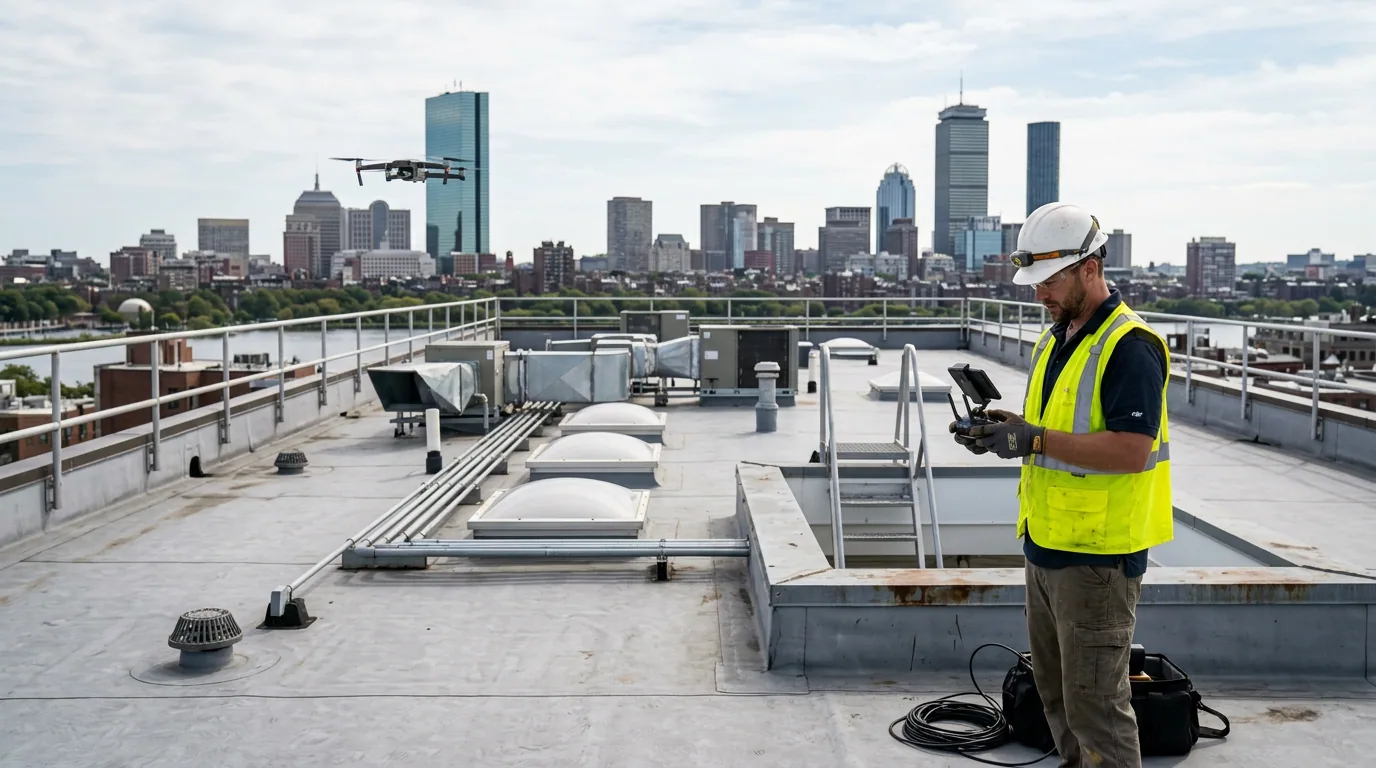
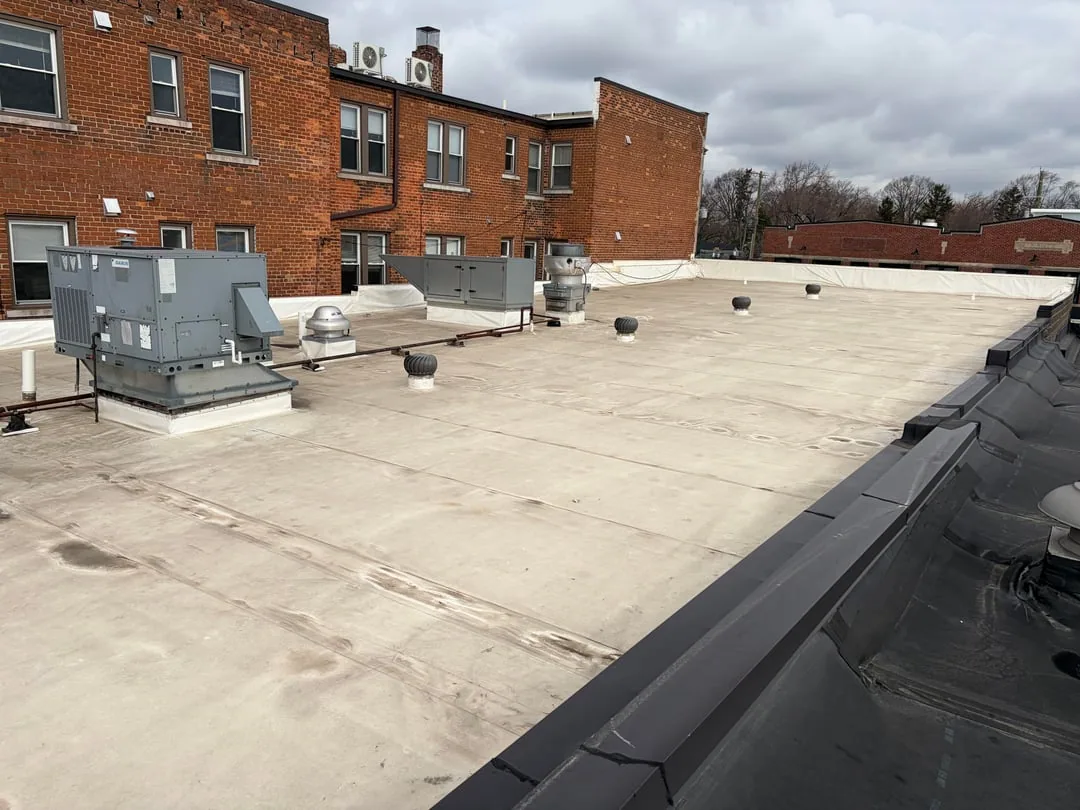
Water patterns give clues, but a photograph from one day may not show how the roof performs in a heavier event. We ask where ponding begins and how long it remains, then look for deflection, compressed insulation, clogged outlets and competing slope lines. A drain that sits above the low point may leave a shallow basin around it. A roof inspection can record adjacent seams, curbs and membrane condition before the owner chooses a repair method.

Commercial Roof Drain and Scupper Repair in Greeley, CO

Choose a correction that reaches the cause

When debris blocks a drain, clearing the inlet can restore the path if the downstream line is open. A damaged bowl, loose flange or failed flashing needs repair at the connection, not simply more sealant around the surface. If the outlet is undersized or the roof has an isolated low spot, the correction may involve drain changes, a cricket or tapered insulation. We define the proposed work by roof zone and explain how it will direct water toward an outlet.

Adding a new drain or modifying a roof opening requires coordination with structure, interior plumbing and applicable code requirements. Greeley’s adopted 2021 International Building Code is subject to city amendments, so the project team should confirm permit needs and applicable provisions with the City. We do not assume that a field adjustment is exempt from review. For a broader low-area condition, tapered insulation and cover board planning can be compared with a focused drain repair.

Protect the occupied building while work proceeds

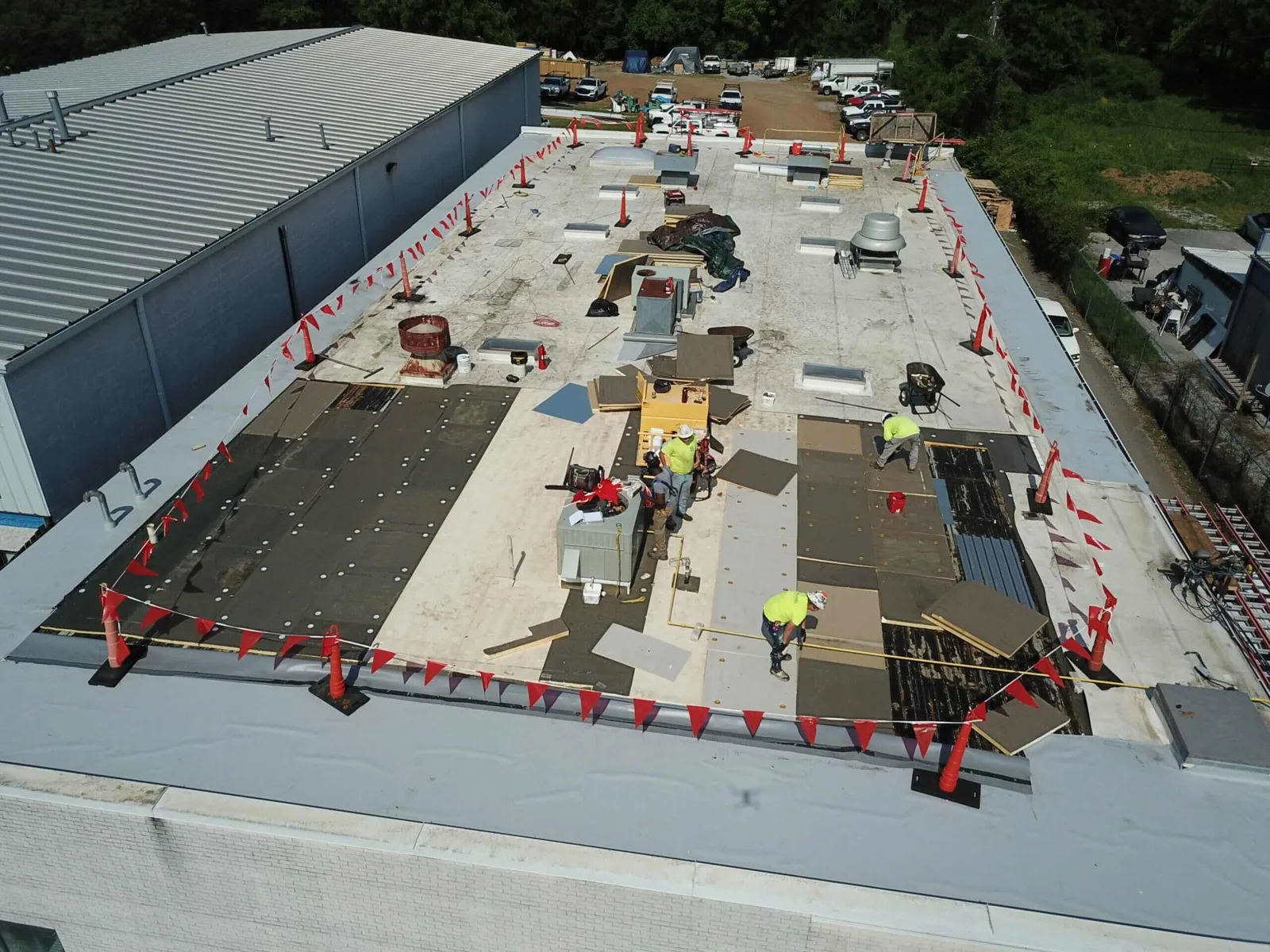
Drain and scupper work can open the roof above active space. We set a daily work boundary, coordinate interior protection and keep the roof watertight at the end of the shift. If plumbing access or a new connection is part of the scope, we confirm the sequence with the facility contact before opening material. The crew also protects the outlet from construction debris so newly cleared drainage does not become blocked during the repair.

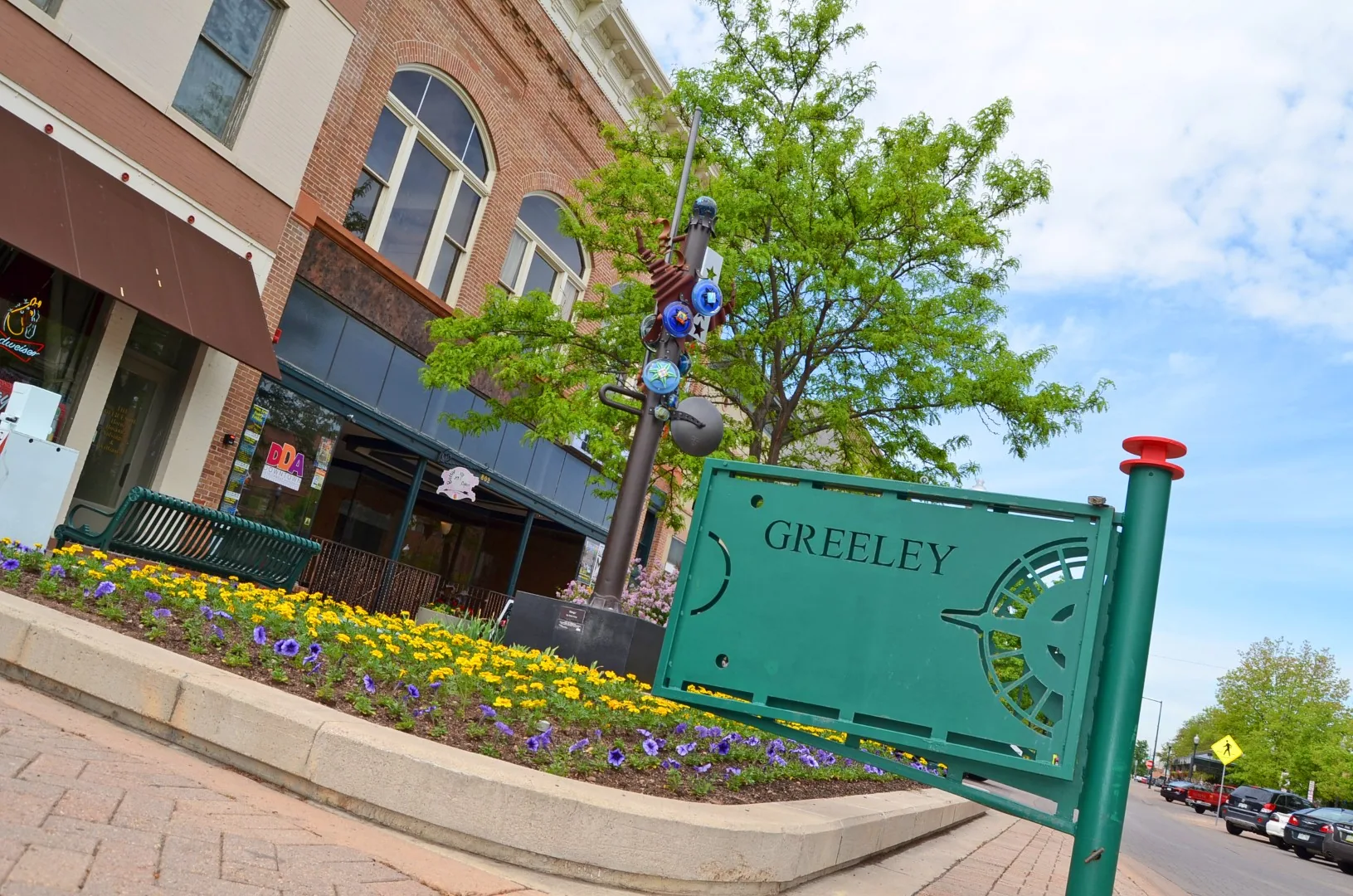
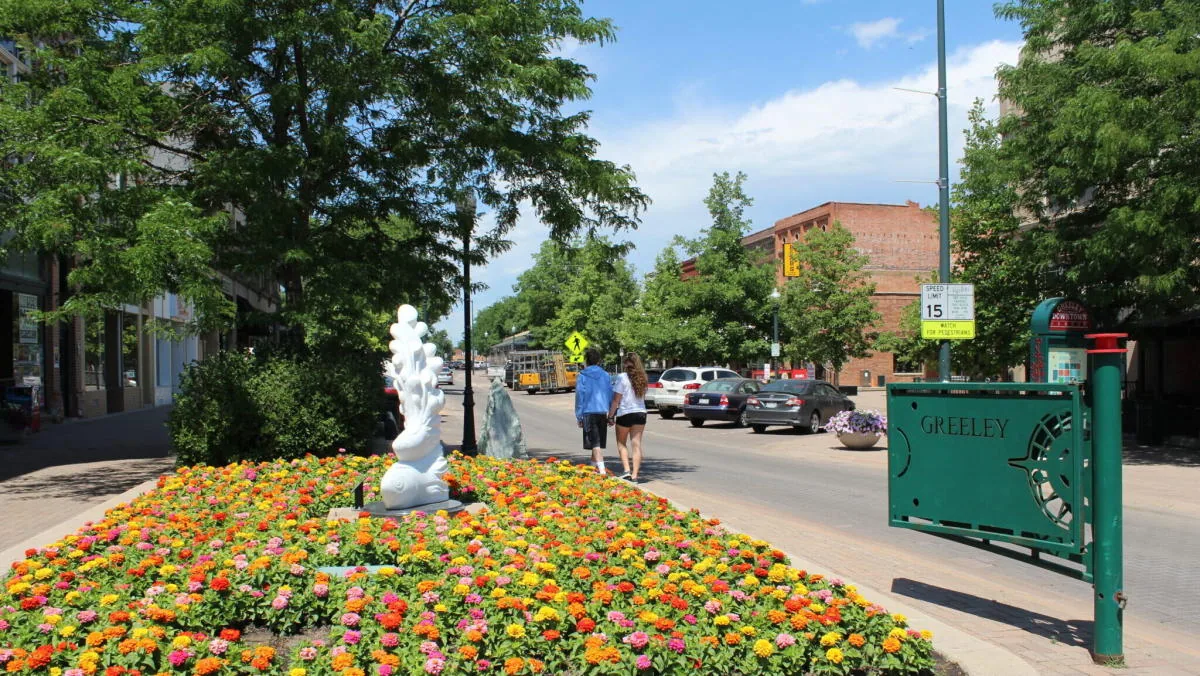
Cold temperatures, snow or a wet substrate can affect membrane bonding and temporary protection. We check current conditions before selecting a work window, and we delay an installation when the surface cannot accept a reliable tie-in. For a building in Downtown Greeley, public-facing activity may affect how materials are staged and how the crew reaches the work area. Each property’s access and discharge conditions should be confirmed with its site contact before the visit.

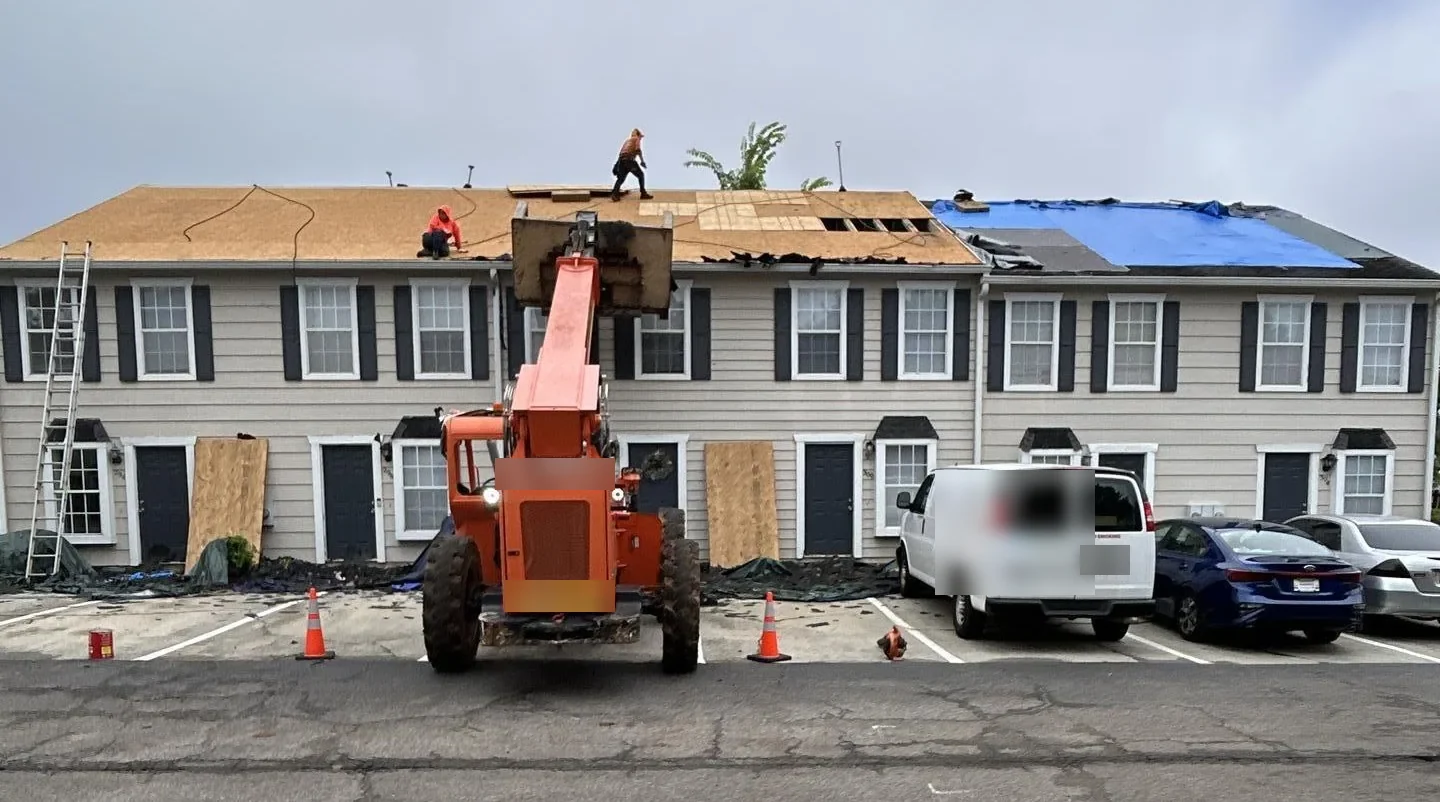
For a larger drain replacement, the work sequence may include interior coordination, temporary water control, removal of the old bowl, a deck or leader connection check, and membrane tie-in. We identify who can approve each step and where the work may affect occupied rooms. If roof removal reveals a deck issue, we pause at that boundary, photograph the condition and review the additional scope with the owner before extending the opening.
Commercial Roof Drain and Scupper Repair in Greeley, CO

Commercial Roofing Questions

How can you tell a blocked drain from a low roof area?

We inspect the drain inlet and outlet, then compare the remaining water pattern with slope and roof details. A clear inlet with persistent water can point to a low area or downstream restriction.

Can adding a drain solve ponding by itself?

A new outlet can help only when its placement, connection and discharge route fit the roof. We review slope, structure and code considerations before recommending an added drain.

Do scuppers need different repairs than roof drains?

Scuppers pass through a parapet, so their perimeter flashing and metal edge need careful review. A drain bowl has a different flange and outlet connection; we inspect the detail that is actually present.

Will you check downspouts during roof drainage work?

We review accessible outlet and downspout conditions when they are part of the reported path. Buried piping or interior plumbing may require a separate scope and coordination.

What helps diagnose recurring water after a storm?

Share when the water appears, where it sits and how quickly it clears. The 23rd Avenue Commercial Corridor and U.S. 34 Business Corridor demonstrate why each building’s drainage route must be inspected directly.

Check the corrected water path

After the work, we inspect the drain connection, membrane tie-in, outlet and repaired slope transition. When conditions allow, we confirm that water moves toward the intended point and does not collect against the repair. The closeout identifies what was changed and any area that needs observation during the next rainfall or snowmelt. The inspection records the drain condition observed that day and notes any follow-up needed after rainfall or snowmelt.

If ponding continues after a drain repair, we revisit the low point and compare it with the roof plan and the new outlet position. Additional slope correction may be required, or the restriction may sit downstream from the visible roof opening. A maintenance visit can keep bowls and scuppers clear and note changes over time. If the area also shows membrane distress, a ponding-water repair review can address the surface conditions.

Commercial Roof Drain and Scupper Repair in Greeley, CO

Leave drainage notes for the next visit

The site contact receives the drain locations, outlet route, work performed and any remaining limitation. We note whether a downspout or ground discharge was included, and what was outside the roof scope. This prevents a roof-side correction from being mistaken for a repair to a buried or interior plumbing line. Photos before and after work also help building staff identify the same outlet on a later maintenance round.

Send a roof plan, pictures of standing water, the time it takes to clear and any interior leak locations before we arrive. Mention recent drain service or plumbing work, plus access limits around tenant or loading areas. Near the 10th Street Urban Renewal Corridor, commercial building upgrades may make contractor coordination part of the schedule. We will trace the drainage path and explain the correction that fits the roof. Let us know whether a drain route serves more than one roof section. That can change the review sequence during the walk.

At closeout, we note whether the outlet was tested, what water path was observed and which items still need plumbing or structural review. The owner receives a defined follow-up instead of a general instruction to watch the roof.

Related Roofing Work

Review a commercial roof drainage problem

ServicesRoof SystemsIndustriesProperty TypesService AreasDamage RepairCapabilitiesManufacturersAboutRequest a Roof Assessment555-555-5555
Call555-555-5555