Do you decide whether an insurance claim is covered?
No. We document roof conditions and repair work. The insurer reviews the policy and makes coverage decisions; our role is to provide clear roofing observations and scope details.

A roof claim file is easier to review when each photograph connects to a location, an observed condition and a proposed repair. We inspect the reported areas, record the roof details we can see and organize the findings into a practical scope. The owner can use that material to discuss the roof with its insurer, broker or property team. We document roofing conditions and repair needs; the carrier makes coverage decisions and applies the policy terms.
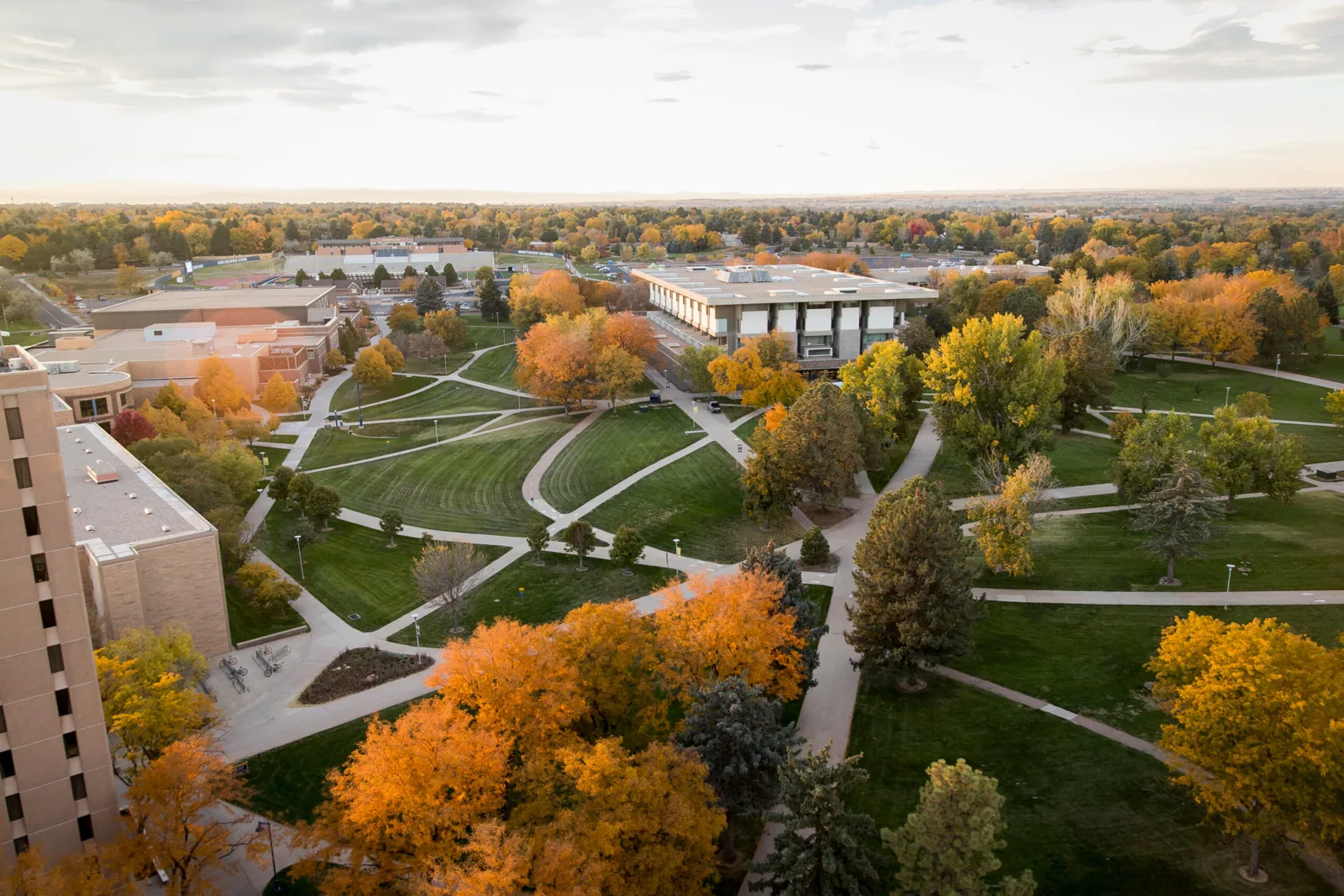
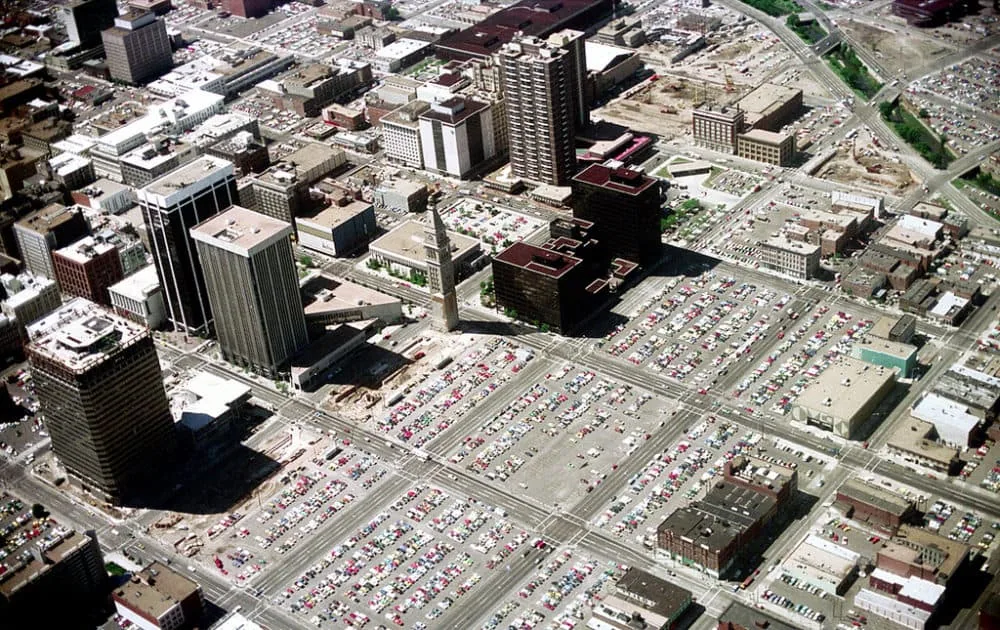
For claim documentation, we record the reported date, roof zone, visible condition and repair history without assigning cause beyond the inspection. We document the building’s surfaces, interior reports and repair history. At the University of Northern Colorado District and near Downtown Greeley’s planned civic campus, we identify the roof zone, operating contact and access plan for the specific property before documenting claim-related work.
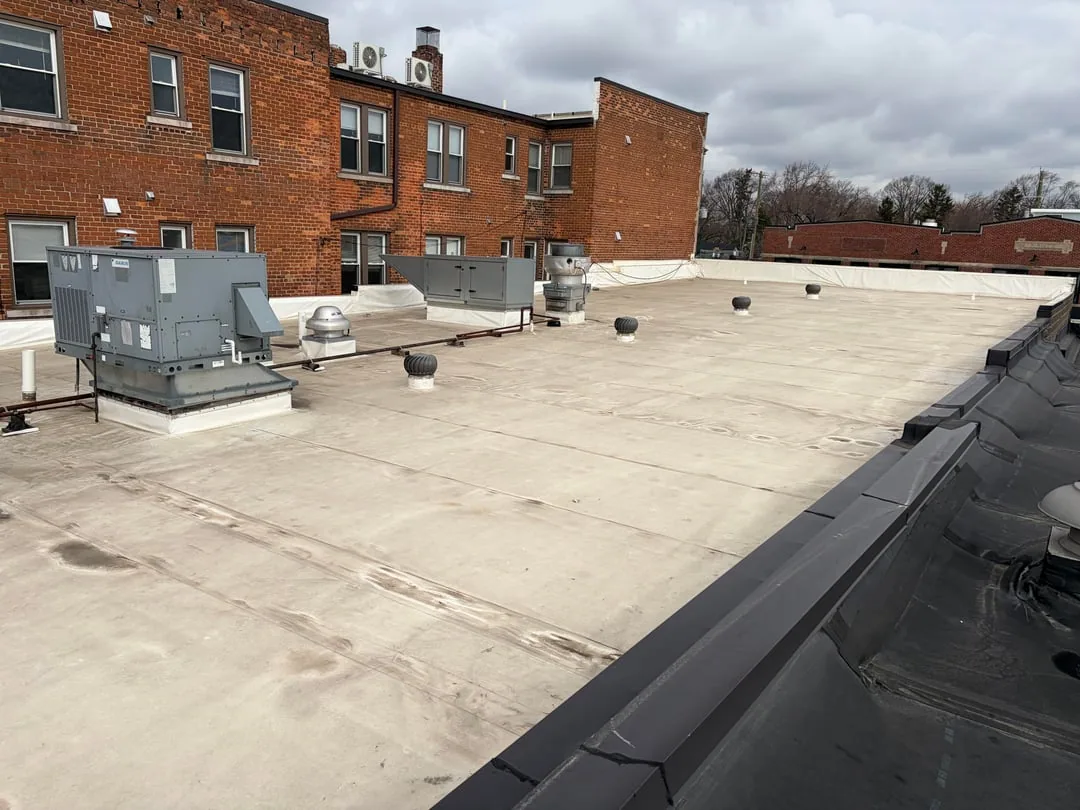
We begin with the date and location the owner reports, then compare that account with roof observations and available maintenance notes. Photos show the area, detail and nearby reference point. We note whether a condition appears to be an open seam, impact mark, puncture, displaced metal, wet insulation or an older repair. When the surface does not establish the cause, the report says what remains uncertain instead of assigning a storm explanation without evidence.
A useful package separates the roof inspection, temporary protection, permanent repair proposal and any additional test. That keeps a mitigation invoice from being confused with a later restoration scope. We can include marked roof plans, relevant material observations and a sequence of recommended work. If water has reached the interior, the site contact can connect room photographs with the likely roof area while preserving the distinction between observed interior damage and the roof condition that needs repair.
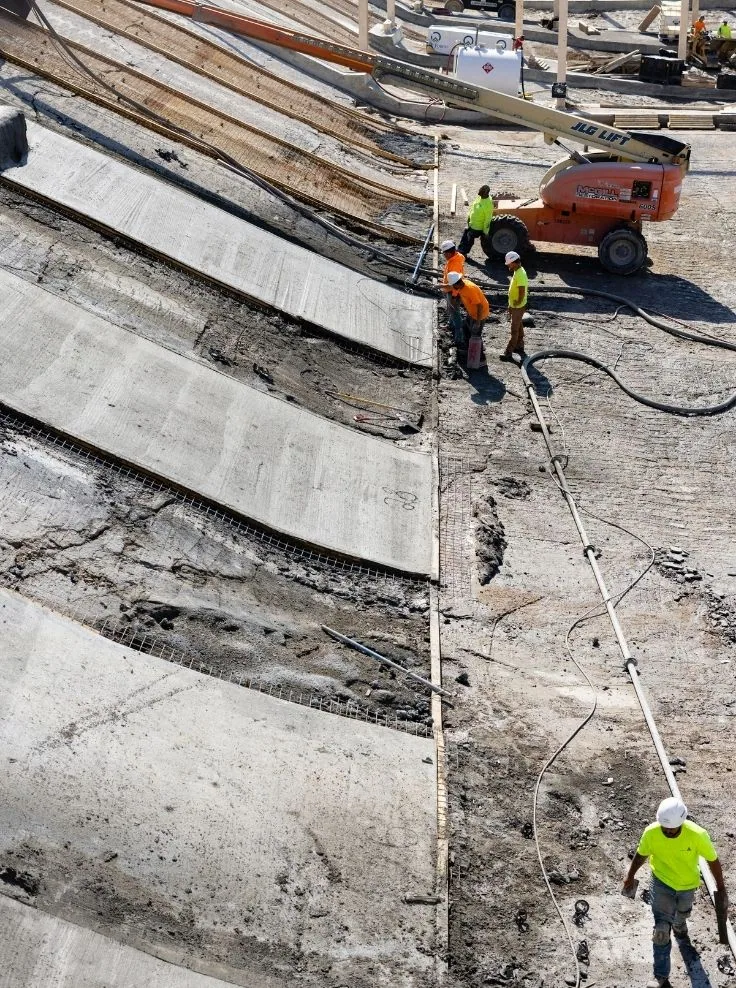
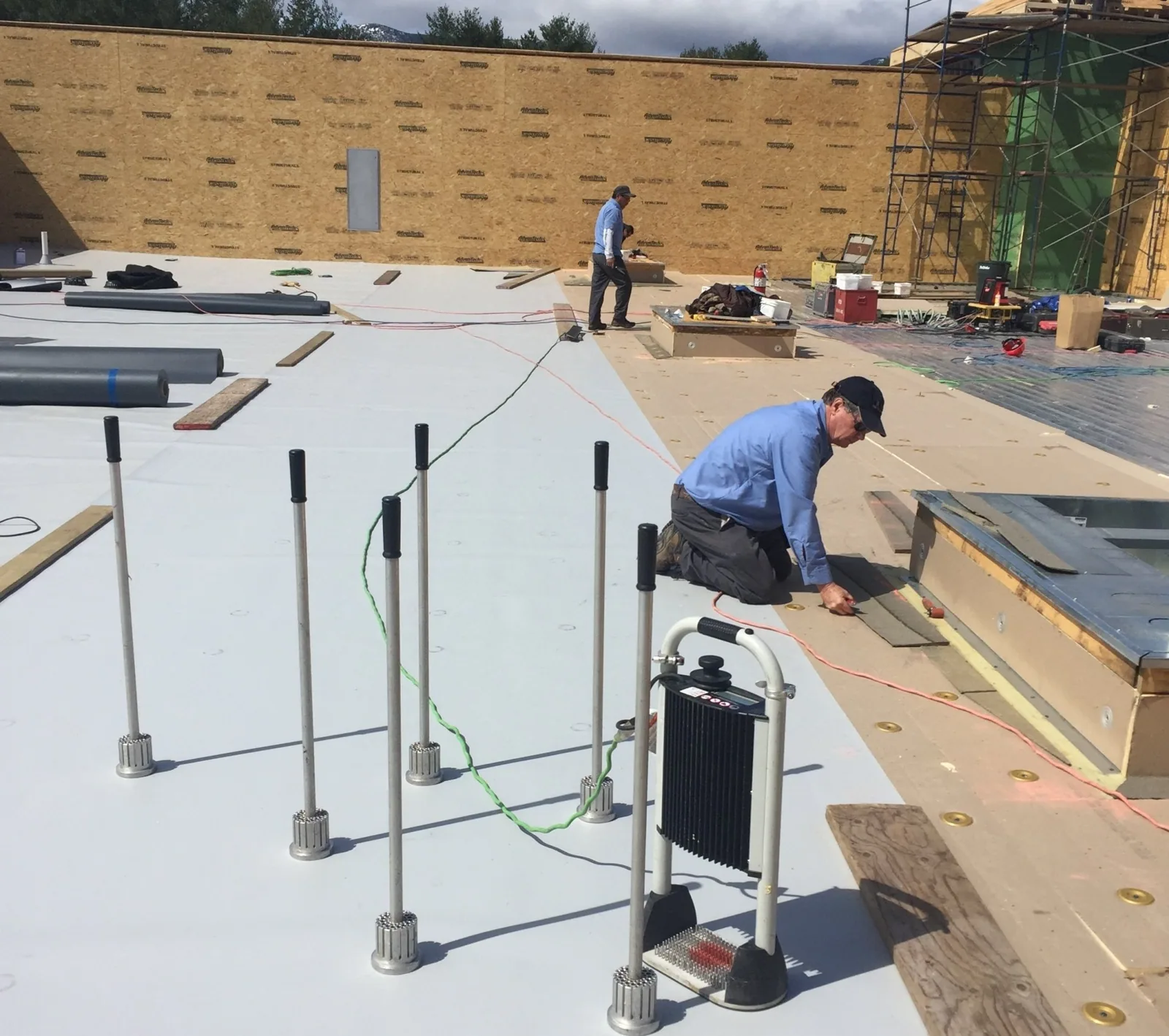
Claim work often involves property staff, ownership, a carrier representative and a contractor. We identify who can approve roof access, who receives photographs and who needs to review scope changes before work proceeds. For occupied facilities, temporary protection and permanent repairs may require different access windows. The written scope can identify work hours, material staging, interior protection and any roof zone that should remain closed until testing is complete.
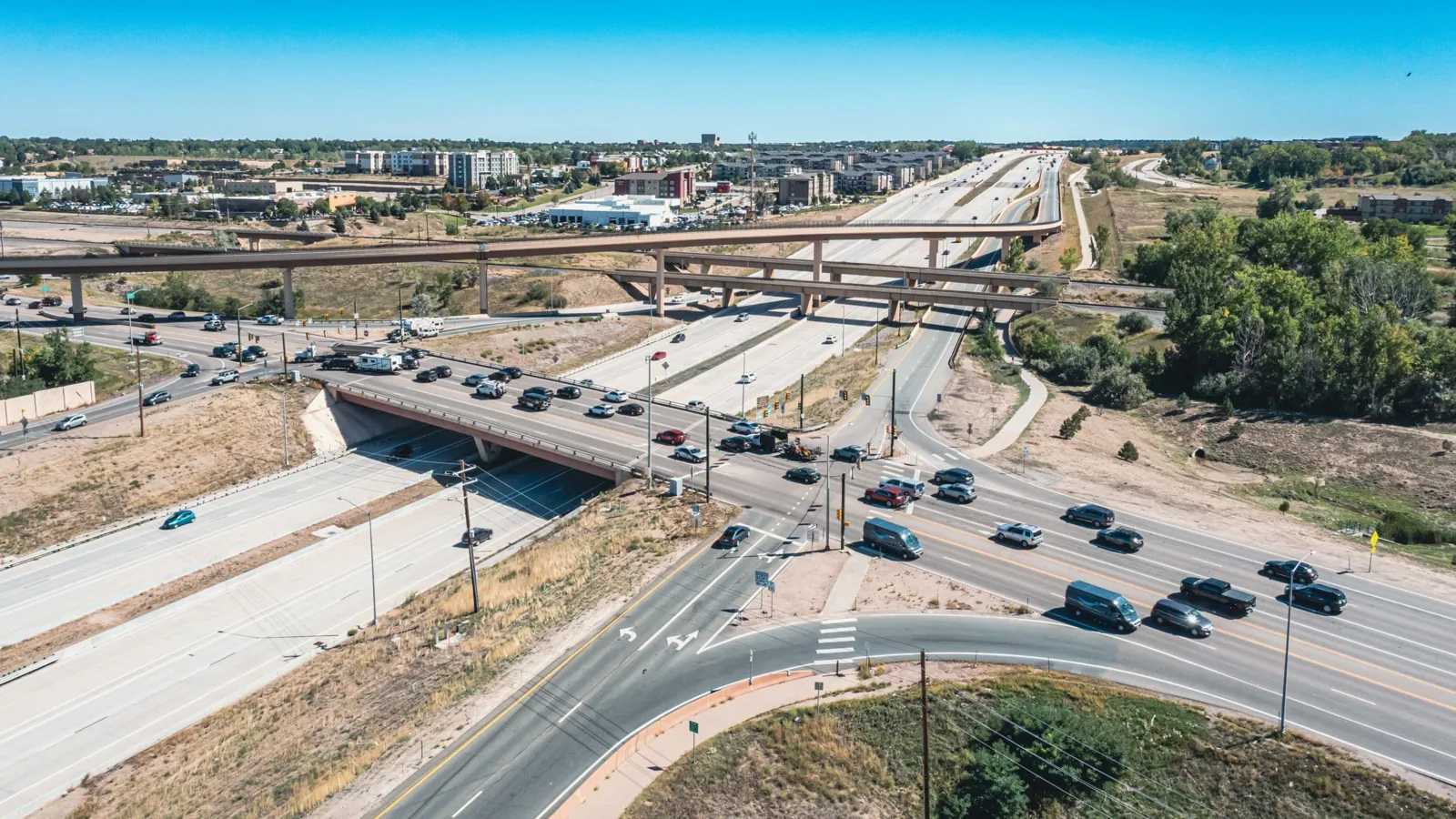
At the 10th Street Urban Renewal Corridor, active commercial upgrades can affect storefront timing and access. Along the U.S. 85 Business Corridor, the street network supports local circulation into Greeley, but a specific property’s loading or gate rules still come from its site contact. We coordinate those practical details so claim-related roofing work does not become a surprise interruption to the building team.
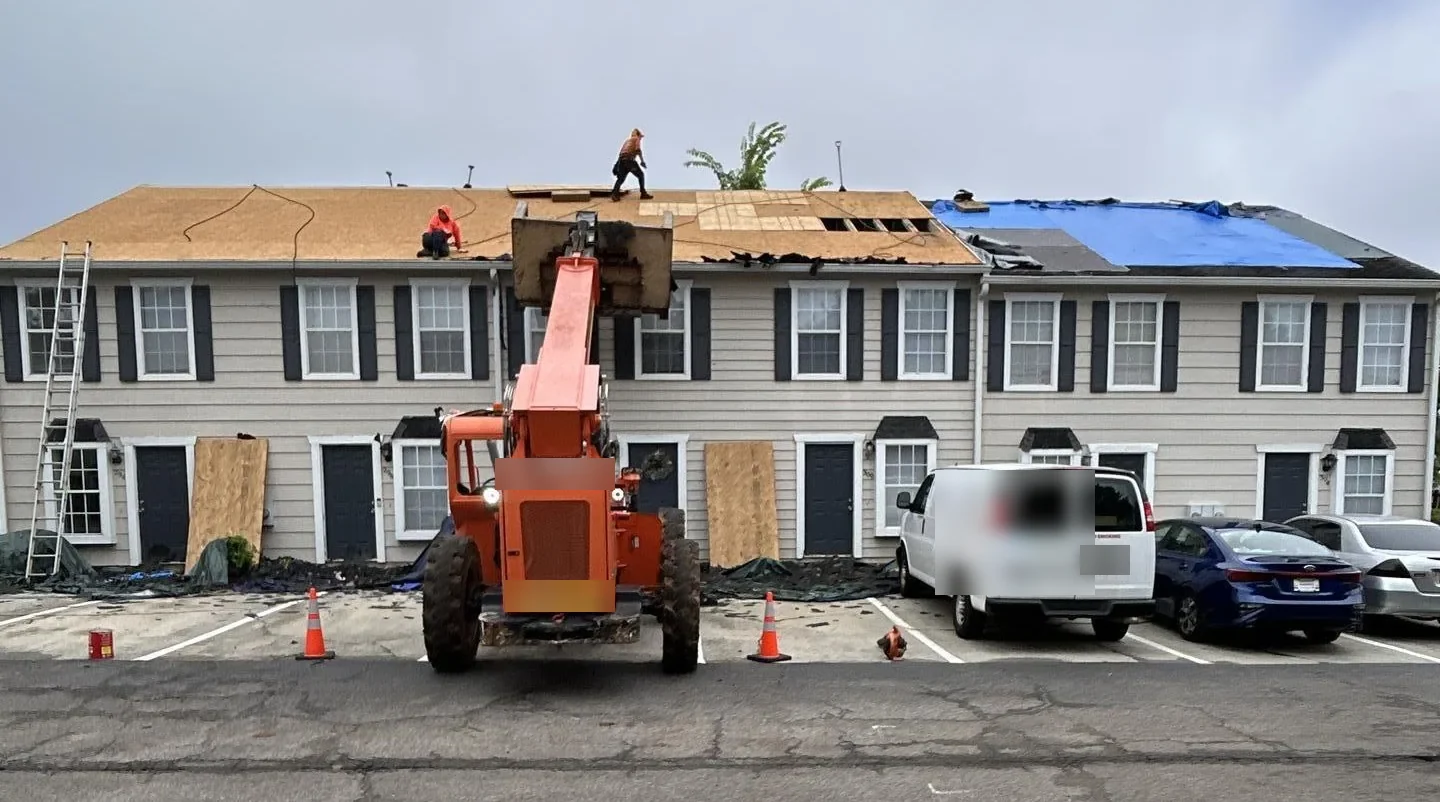
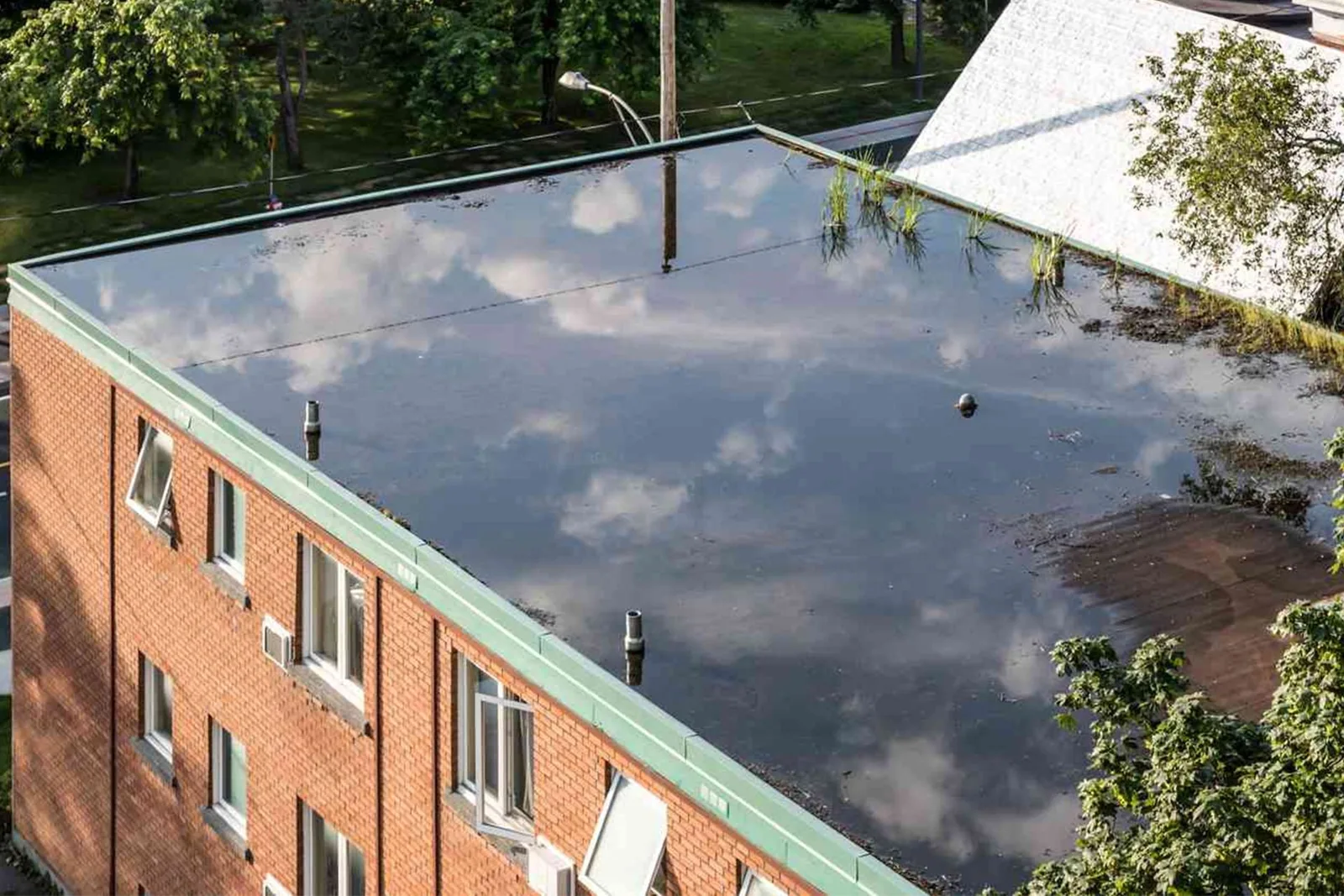
When water is entering, the first scope may call for temporary dry-in, interior protection or removal of loose material that prevents safe covering. We photograph the starting condition and describe what the temporary measure is intended to control. Once access and weather allow a complete review, we return to check the assembly and define the permanent repair boundary. The owner can then keep emergency mitigation and repair work distinct in its project file.
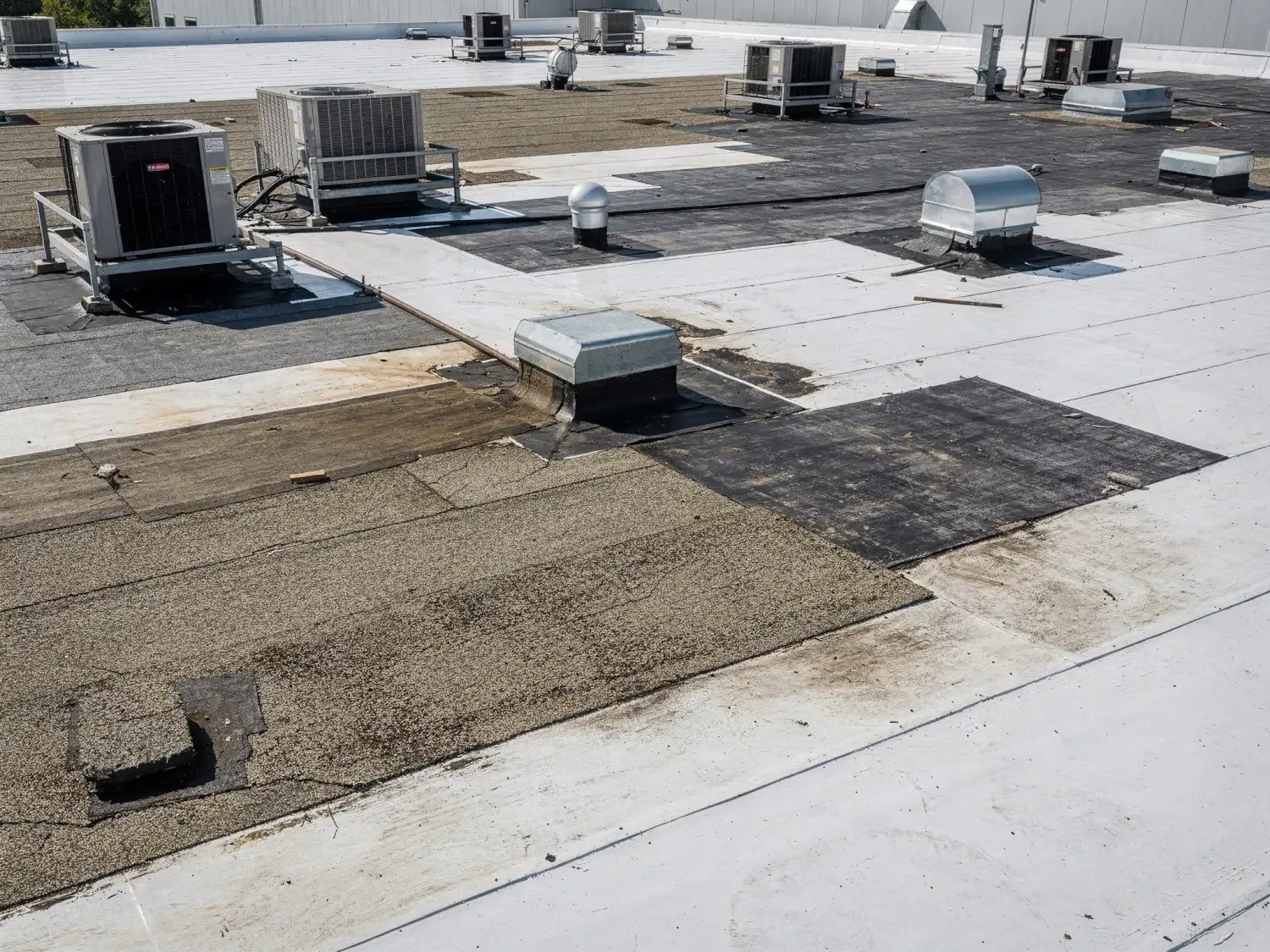
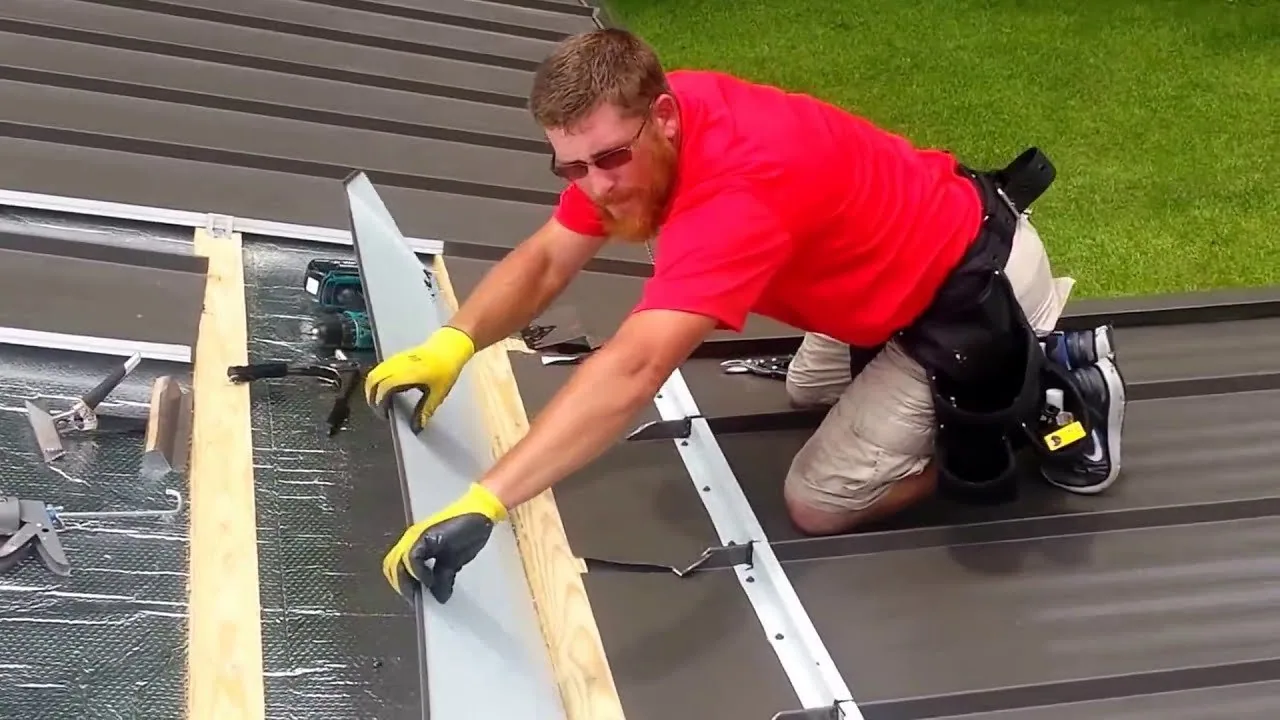
Permanent work may include membrane patching, flashing replacement, metal reset, drain repair or removal of wet material. Each item needs compatible materials and a defined tie-in to the surrounding roof. If several areas are affected, we mark them separately and explain the priority. A storm damage repair assessment can address visible event-related conditions, while an emergency response controls active water entry when immediate action is needed.
No. We document roof conditions and repair work. The insurer reviews the policy and makes coverage decisions; our role is to provide clear roofing observations and scope details.
When safe, capture the interior location, visible water, affected equipment and accessible roof condition. Do not climb onto a wet or wind-exposed roof; we can document the roof after access is cleared.
Yes. We identify the temporary measure, its purpose and any remaining exposure, then prepare a separate permanent scope after the roof can be inspected more fully.
We photograph the exposed condition, mark its location and explain the added work before expanding the scope. The owner can review the change and its relationship to the original repair.
Send the reported date, roof plans, prior repairs, interior locations and any insurer request. University of Northern Colorado District and Downtown Greeley projects also show why access contacts and operating schedules belong in the work plan.
Some roof questions cannot be answered from the surface alone. A suspected wet area may require infrared scanning or a test cut; an uncertain membrane repair may need material identification and adhesion review. We point to the roof zone and describe the question each test should resolve. That lets the owner decide whether more evidence is necessary before a large removal or replacement scope is considered.
Cost and timing can shift when concealed damage appears after opening, when a deck needs repair or when weather limits a watertight work window. We identify these as scope conditions rather than burying them in a general estimate. If testing confirms a broad moisture pattern or the roof has widespread deterioration, a condition inspection or replacement review can compare the affected assembly with the rest of the building.
When two estimates describe different work, we can help the owner compare the roof areas, preparation steps, materials and closeout records each one includes. The comparison should identify whether the same source of water was checked, whether concealed materials are included, and what happens if damage extends beyond the visible opening. A clear scope also shows what temporary protection remains while a permanent repair is scheduled. These details help ownership discuss the work with its insurer while keeping the decision tied to roofing conditions instead of broad assumptions.
After each visit, we can provide dated photographs, marked locations, observations, work performed and open follow-up items. The owner should keep those records with maintenance history and any prior roof estimates. If a repair changes the assembly, closeout photographs show the repaired boundary and materials used. When additional work is authorized after opening, the revised scope should identify the condition that prompted the change and the area it affects.
Share the insurer’s requested format, claim contact, reported event date, prior repair records and access limits before the inspection. We can organize roofing information for the building’s review without predicting coverage or handling the insurer’s decision. A roof condition report can preserve the event findings for future maintenance. Send the locations where water appeared and any roof plans so the inspection starts with the right areas.
If a carrier or property representative asks for a follow-up, we can revisit the marked locations and document what has changed since the initial inspection. The new notes should keep the same roof-zone labels and identify whether prior work remains intact. A current record is especially useful when temporary protection has been exposed to another weather cycle or when several trades have worked nearby, before the file is closed.
If the owner receives new photographs or a contractor estimate after our visit, we can label the date and roof zone for comparison. We keep those materials distinct from our own observations so reviewers can see which items were inspected and which were supplied later.