Can you repair a modified bitumen roof without replacing the whole field?
Yes, when the damage is limited and surrounding plies and substrate remain sound. We inspect the lap, surfacing and moisture condition before defining a localized repair.

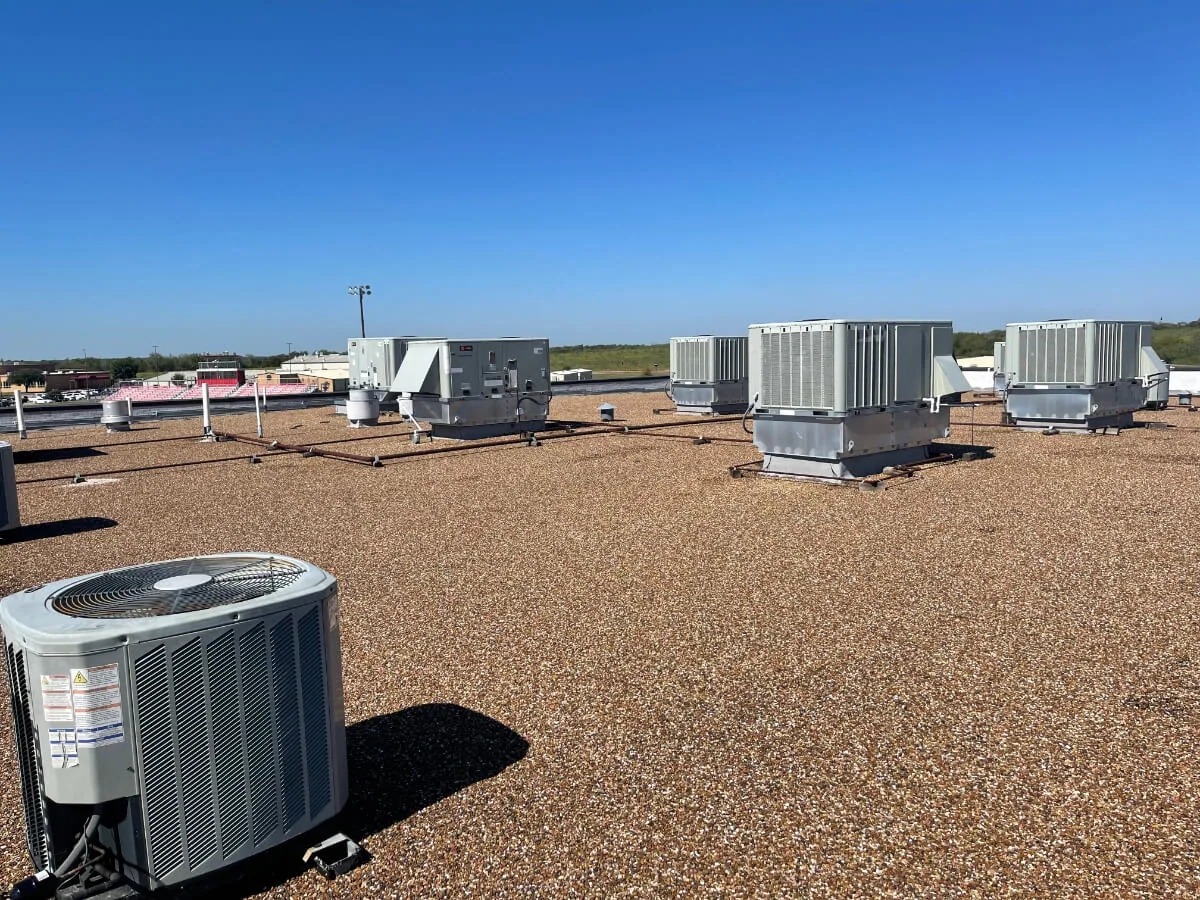
A modified bitumen roof uses reinforced asphalt sheets installed in one or more plies. A leak can start at a lap, flashing, drain or surface puncture, so we inspect the full transition rather than coat over the visible mark. We identify the sheet type, surfacing, attachment and prior repair method before pricing work. Greeley’s snow, wind, hail and hot summer conditions all influence when the crew can prepare and close a roof section.
Commercial property needs vary across 10th Street Urban Renewal Corridor and Eaton Industrial Park. We confirm the actual roof assembly, use and access with the building contact instead of assuming similar construction. If water is active, leak repair can identify the opening and provide temporary protection while a permanent membrane scope is prepared.
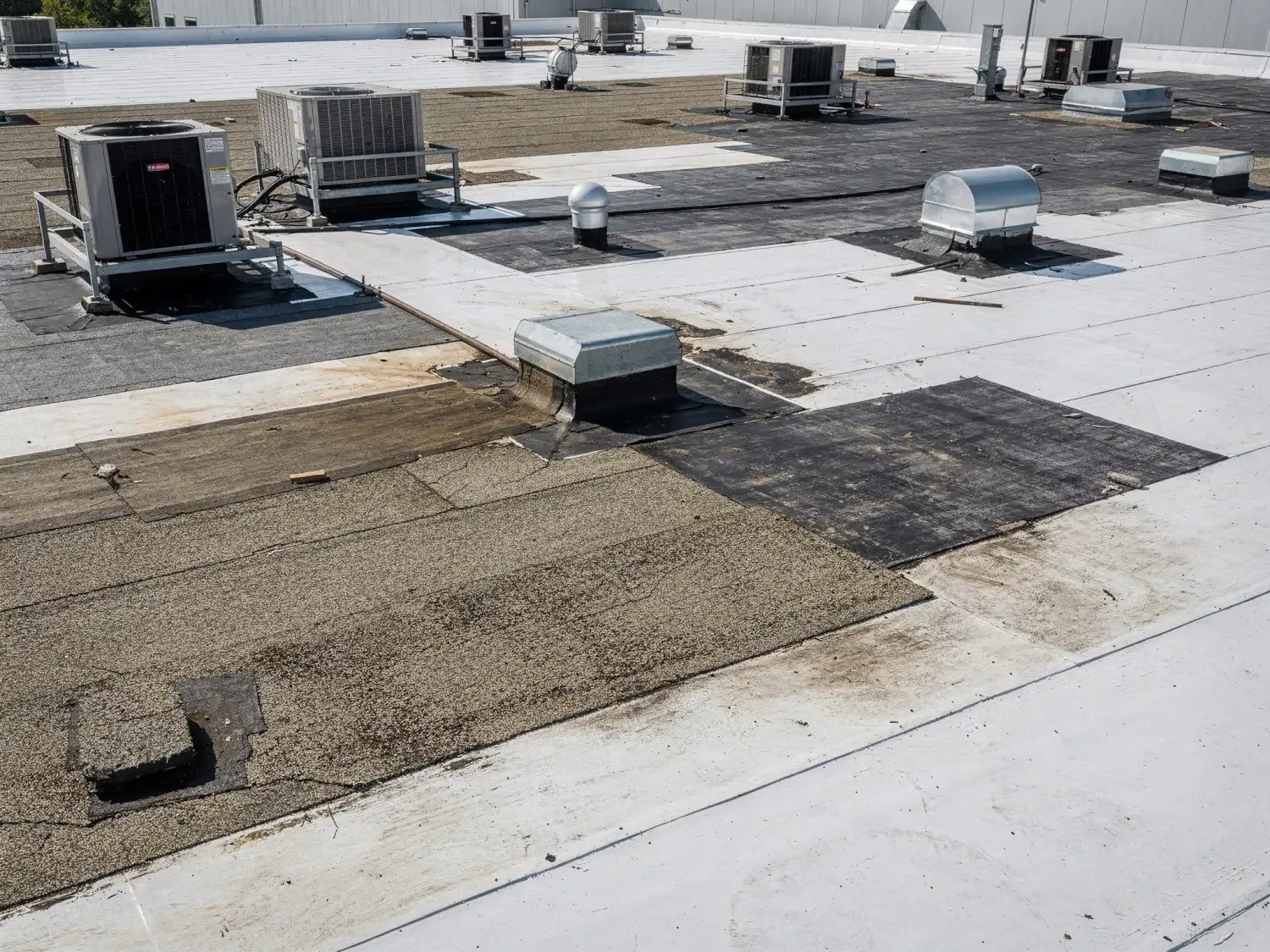
Modified bitumen assemblies may have multiple plies, mineral surfacing, coatings or a later recover layer. We compare project records with visible seams, base flashing, roof edges and drains to identify the layers and details still in place. A repair must bond to a clean, compatible surface and connect to sound material. If surfacing is loose or a previous patch covers the original lap, we note the extra preparation needed before new sheets can be installed.
Moisture beneath the membrane can extend beyond the visible leak. We compare interior reports with low areas, laps, curbs and nearby penetrations, then decide whether testing is needed before a larger repair. Infrared scanning can locate suspect areas, and an inspection can document the field assembly and deck concerns before repair or replacement is scoped.
Where the roof has several plies, a leak may pass through one layer and travel before reaching the interior. We inspect the direction of laps, transitions between roof zones and signs that water has moved below the surfacing. A test opening can confirm how much material is wet and whether the deck remains sound. The repair plan then identifies the layers to remove and rebuild, rather than placing a new cap sheet over a concealed problem.
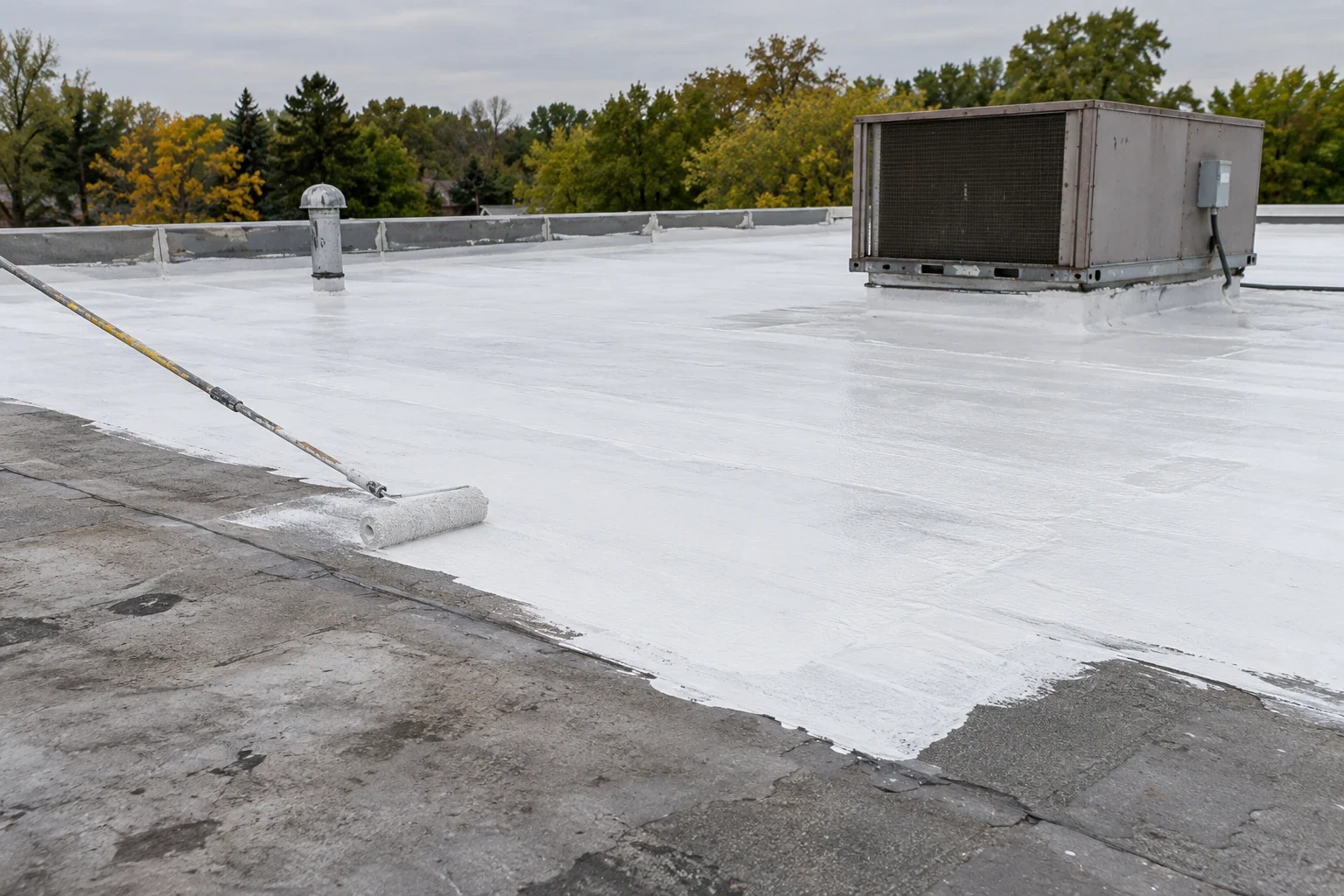
Sheet laps must remain sealed through the run, including at end joints and changes in direction. We look for open edges, fishmouths, splits, exposed reinforcement and signs that an earlier patch has pulled loose. Base flashing at parapets and equipment curbs needs a stable upstand and termination. Around drains, the membrane must remain secure at the bowl and maintain a clear path for runoff.
Greeley’s hail and wind exposure can affect exposed surfacing and edge details, while snowmelt can reveal water that lingers at a low point. We inspect the actual mark and distinguish a surface scuff from a split or open lap. If a drain or scupper is part of the problem, drainage can be scoped separately from the membrane repair. Photographs show where each condition sits in relation to seams and interior reports.
Modified bitumen can be installed with different methods, including torch-applied, hot asphalt, cold adhesive or self-adhered products, depending on the system. We review the project specification, existing assembly, fire-safety controls and building operations before selecting a method. Torch work requires a fire watch and approved procedures; other methods have their own temperature, moisture and adhesion limits. The proposal states how the new material will connect with the existing roof.
Weather and surface conditions affect installation quality. Cold or wet substrates can prevent proper bonding, while heat may alter material handling and worker exposure. We plan work zones that can be completed and secured during the shift. Along the Western Sugar Industrial Area, production and delivery windows should be confirmed with the facility contact before staging. A secure daily tie-in protects the open edge when work pauses.
Installation sequence affects how water is shed at each lap and how daily transitions are protected. We review the orientation of sheets, where end joints fall and how the plies meet at curbs and drains. For torch application, the site plan also identifies combustible surfaces, fire protection equipment and the person responsible for the fire watch. For adhesive methods, the crew confirms that the substrate and ambient conditions fall within product instructions before bonding the sheet.
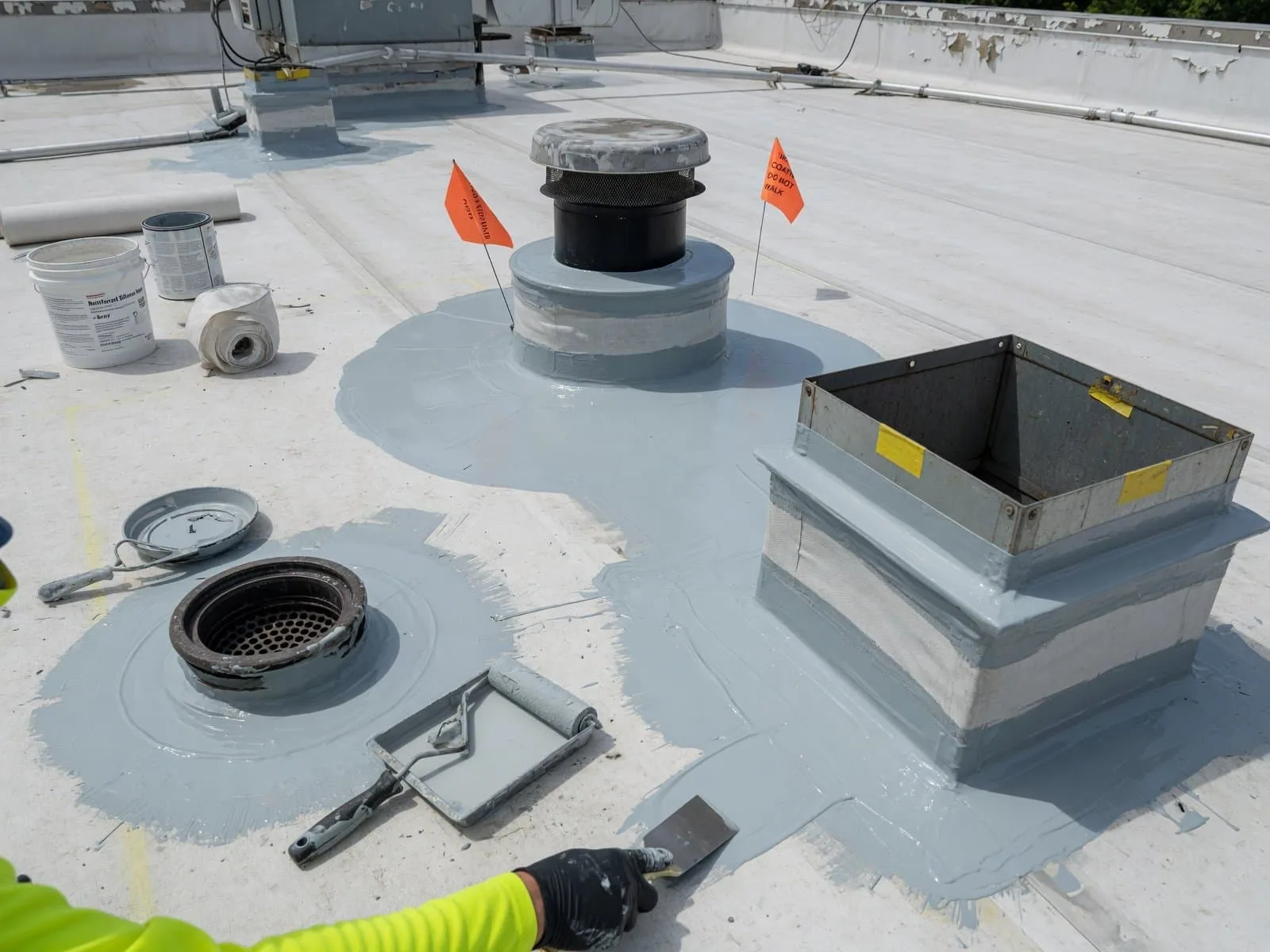
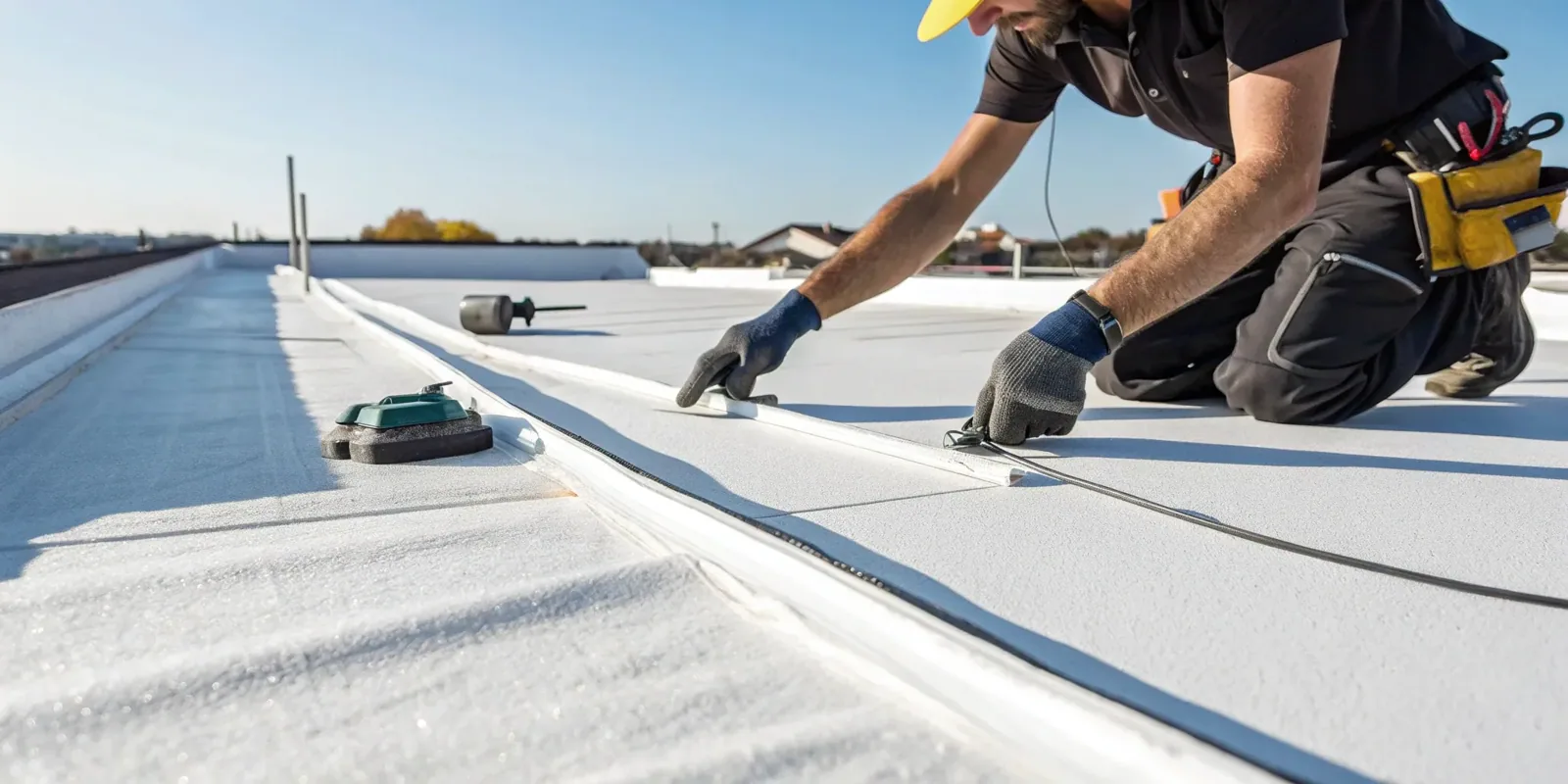
At a repair, we remove only the plies needed to reach a stable boundary, then rebuild the section with compatible layers and properly aligned laps. The surface finish should tie back to the existing roof without leaving an exposed edge or trapping debris. If a drain or wall transition is involved, we verify the finished flashing and water path before closing the work area. The owner receives photographs that show the repair footprint and materials installed.
Yes, when the damage is limited and surrounding plies and substrate remain sound. We inspect the lap, surfacing and moisture condition before defining a localized repair.
No. Systems may use torch application, hot asphalt, cold adhesive or self-adhered materials. The project requirements, substrate, safety controls and weather determine which method fits.
We locate the affected area and determine whether testing or an authorized opening is needed. The scope identifies material removal and any deck condition before new plies are installed.
A recover may be possible when the existing assembly is dry, attached and within height and drainage limits. We inspect those conditions and the chosen system requirements first.
Send roof plans, leak history, prior repair and surfacing records, plus access rules. The 10th Street Urban Renewal Corridor and Eaton Industrial Park have different operating contexts, so include site schedules.
A localized split or puncture may be repaired by removing damaged material and installing compatible plies that extend onto sound membrane. Repeated lap failures, wet insulation or widespread surfacing loss may justify a broader repair or replacement discussion. We define what material is removed, how many layers are added and which transition details are included. If the substrate changes after opening, the crew records the condition and reviews the revised scope before continuing.
A recover may preserve serviceable layers, but moisture, attachment, roof height and drainage need to be checked first. A recover evaluation can determine if the existing assembly can remain; a replacement plan can account for removal and deck inspection. A built-up roof system may also be compared with a TPO system when the project calls for a different membrane assembly and construction approach.
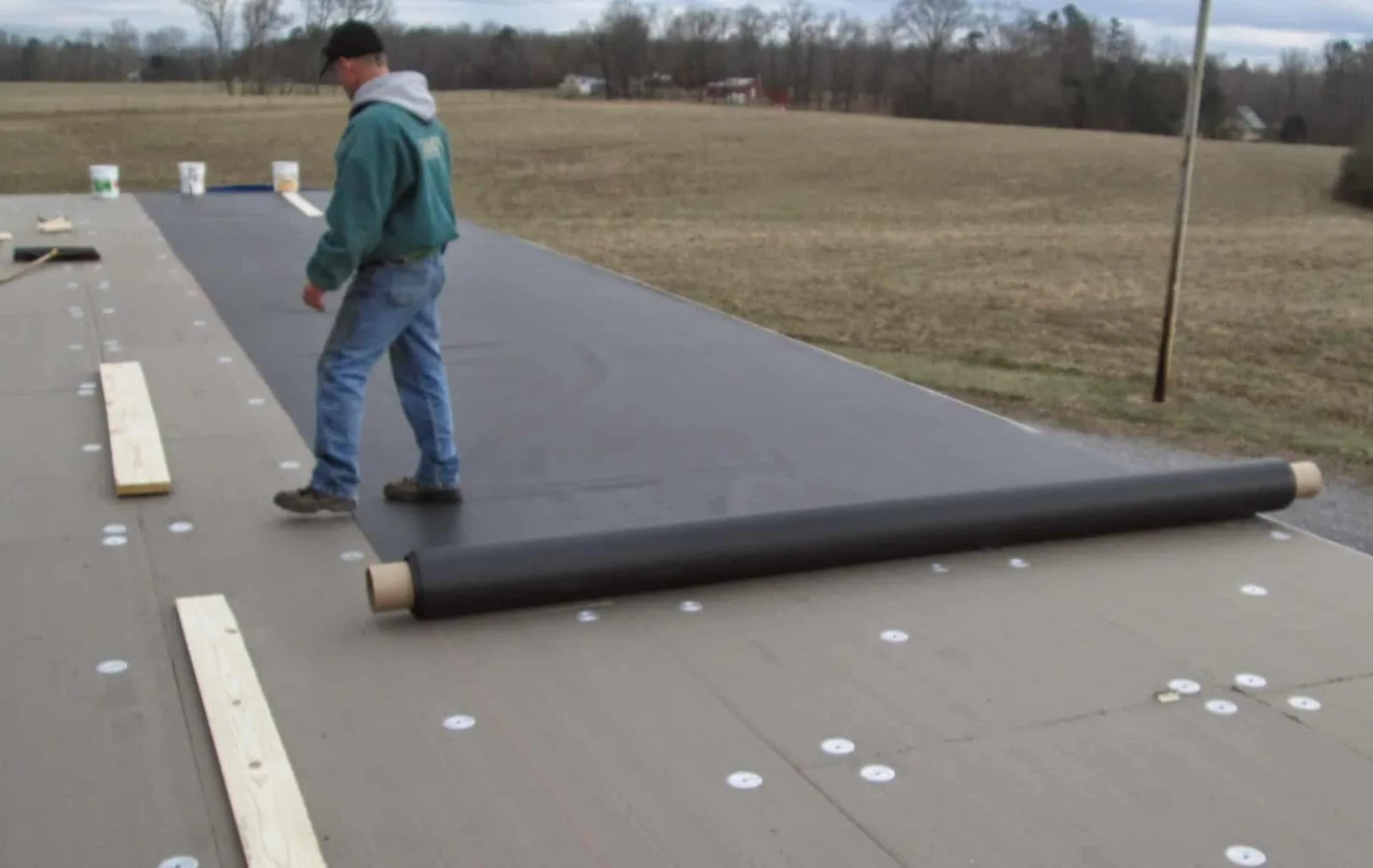
At closeout, we identify the repair location, materials installed, lap direction and any layer that remains outside the work scope. Photographs at drains, perimeters and penetrations help maintenance staff find the completed tie-in. If a fire watch or other control was required, the project record can identify the work method and closeout procedure. Future equipment or trade work should be coordinated before fasteners or penetrations affect the modified bitumen surface.
Share roof drawings, previous repair dates, leak locations, surfacing information and access requirements before the visit. Tell us whether the building contains occupied space or operating equipment below the planned work zone. Near Downtown Greeley, commercial access and public activity can influence staging. We will inspect the actual plies and describe the repair boundary and installation sequence.