Can roof work take place while production continues?
It depends on the roof zone and plant controls. We coordinate work boundaries, access and protection with the operations lead before mobilizing.
A roof repair at a manufacturing facility has to fit production, maintenance and safety controls. We locate the reported leak, inspect the roof area above it and record the equipment or process space affected. The report distinguishes a confirmed opening from a suspected path and identifies any condition that requires a separate test. The plant team receives a scope tied to the actual roof rather than a generic recommendation based on the business type.
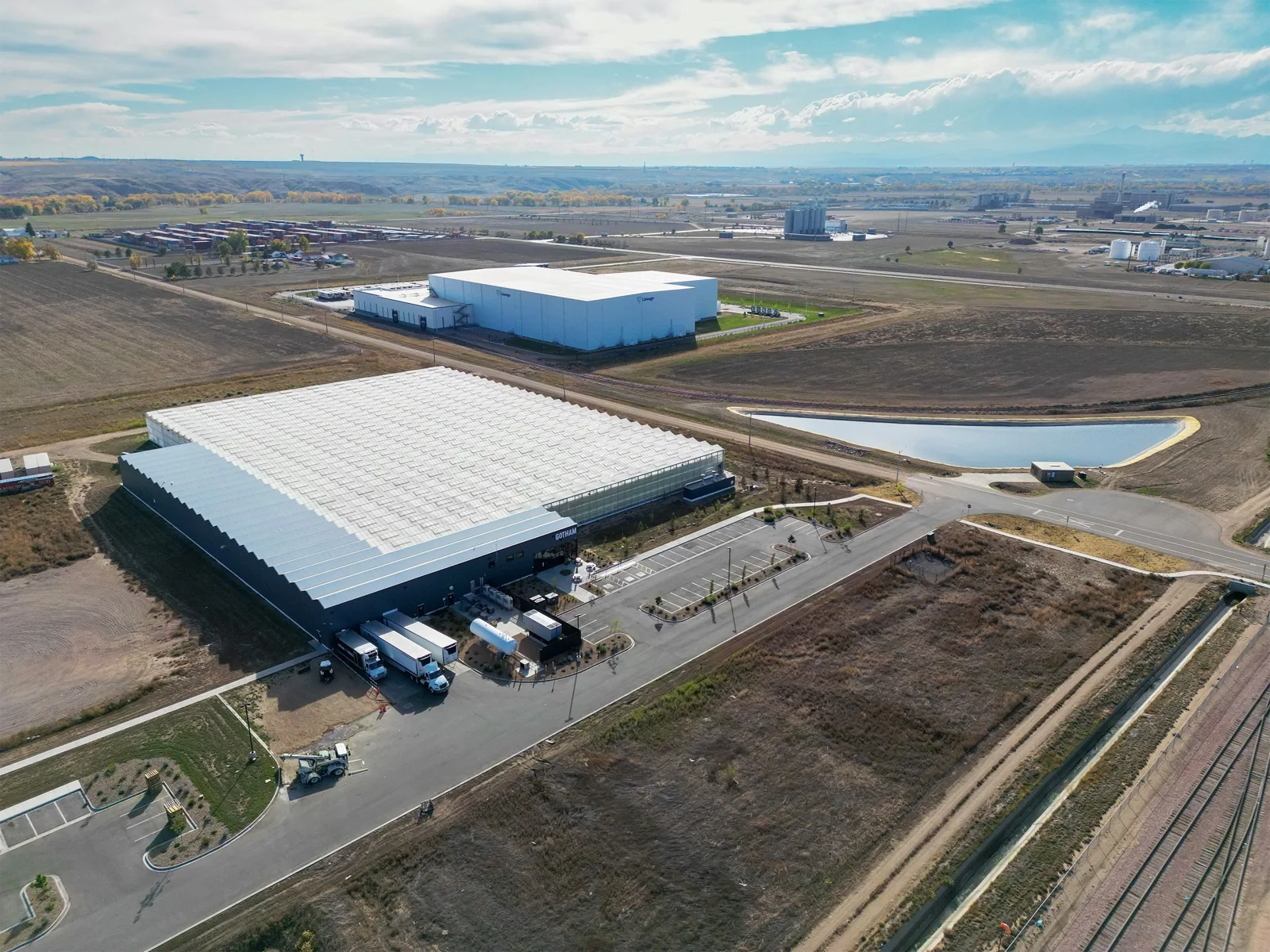
Food and beverage production, agriculture, energy and manufacturing are established parts of Greeley’s economy. Local companies include Leprino, JBS Foods and Colorado Premium. Highpointe Business Park and Great Western Industrial Park add local industrial context, with the latter planned around active tenants and rail access. The roof assembly and operating requirements of an individual plant still need to be confirmed at that property.
We ask the maintenance lead to identify the room, line or storage area affected, when the water appeared and whether production was running. The roof review checks seams, penetrations, curbs, drains, edge details and prior repair locations. Water can travel across a deck before reaching a visible ceiling mark, so we map both the interior report and roof observations. If a production line or electrical area needs temporary protection, the plant representative establishes the applicable safeguards.
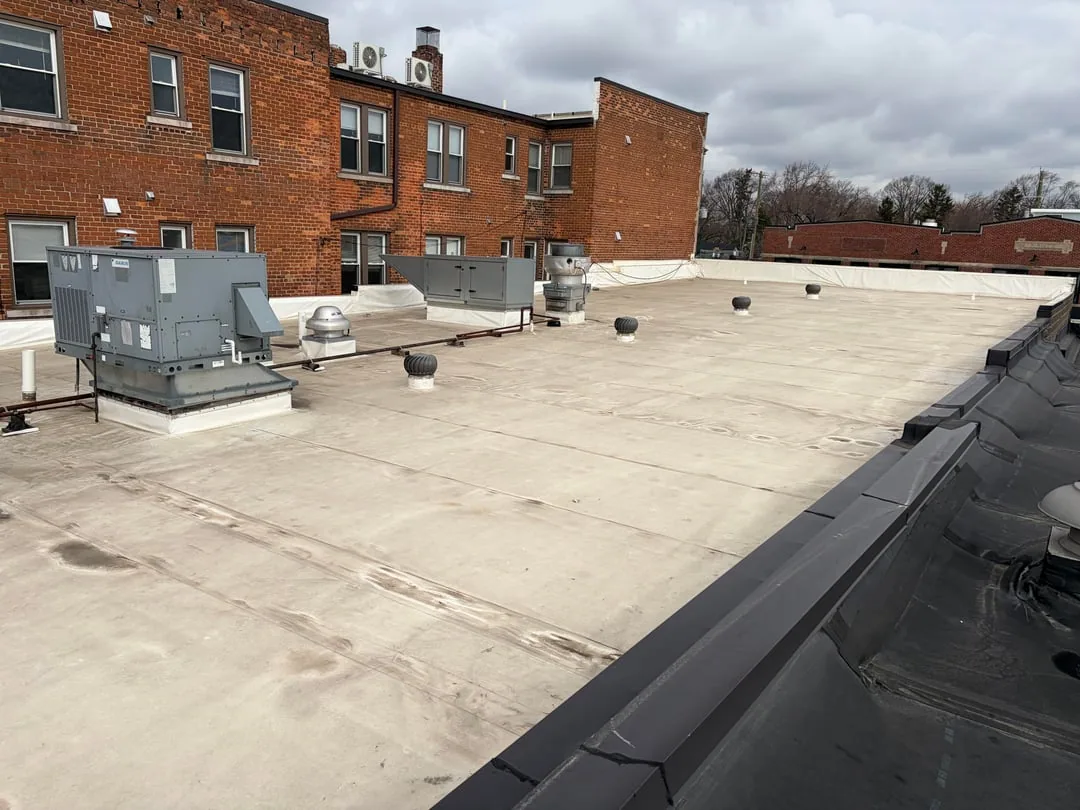
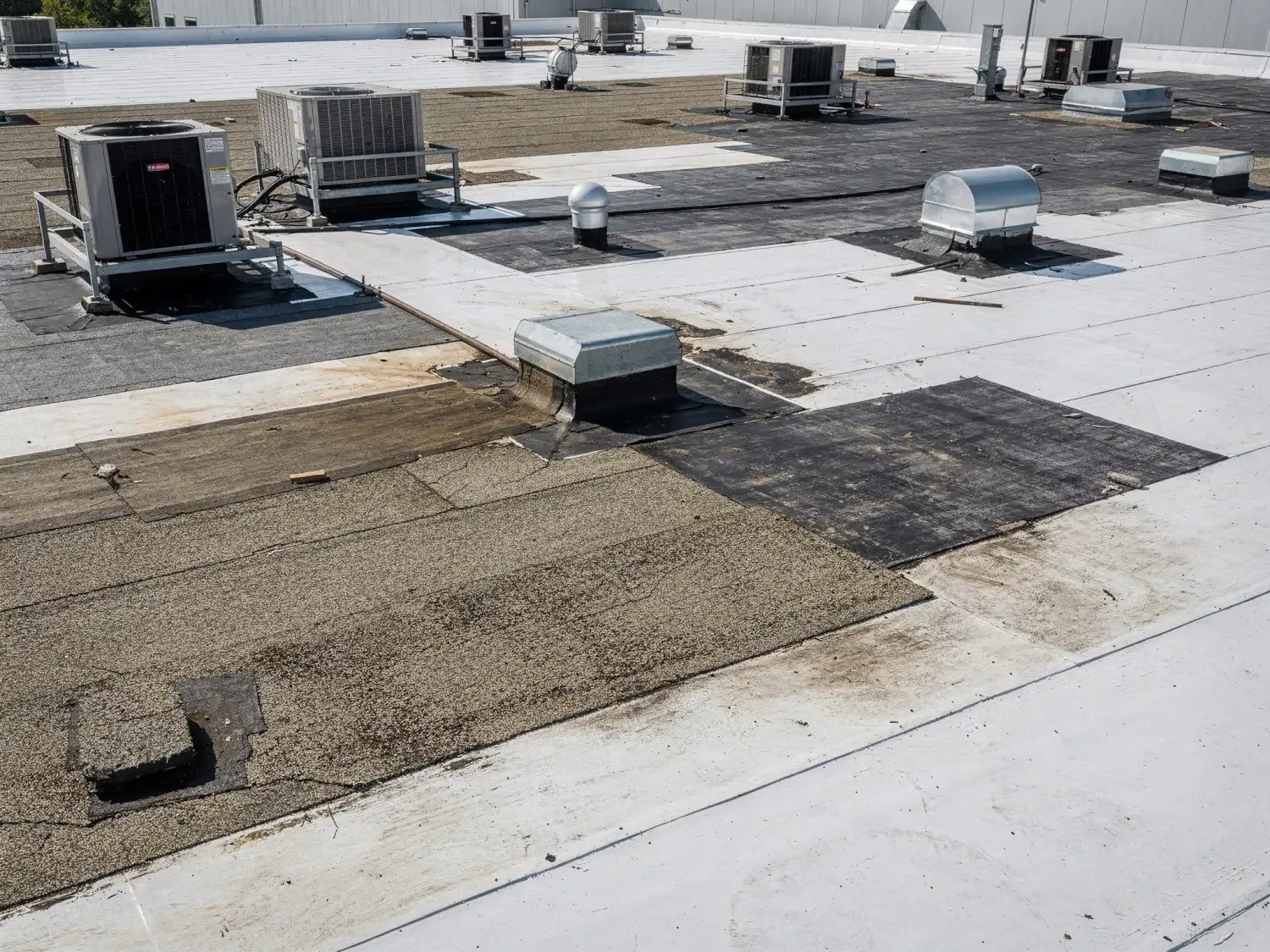
Industrial roofs may carry exhaust, makeup air, process piping, ducts, solar equipment or other penetrations. We verify what exists and coordinate access with the technicians responsible for those systems. We do not disconnect or adjust production equipment unless the work scope specifically assigns that task. A commercial roof inspection records observed conditions and limits. If the roof may hold concealed moisture, testing can be considered after defining the question and the plant approves access.
For food and beverage operations, the facility may have sanitation, dust, odor or contamination controls. The plant manager tells us which areas require special barriers, tool control or cleanup checks. We keep roof debris, fasteners and removed materials contained and verify the interior before a production zone reopens. These requirements vary by process, so the work plan records the facility’s instructions rather than assuming a standard plant protocol.
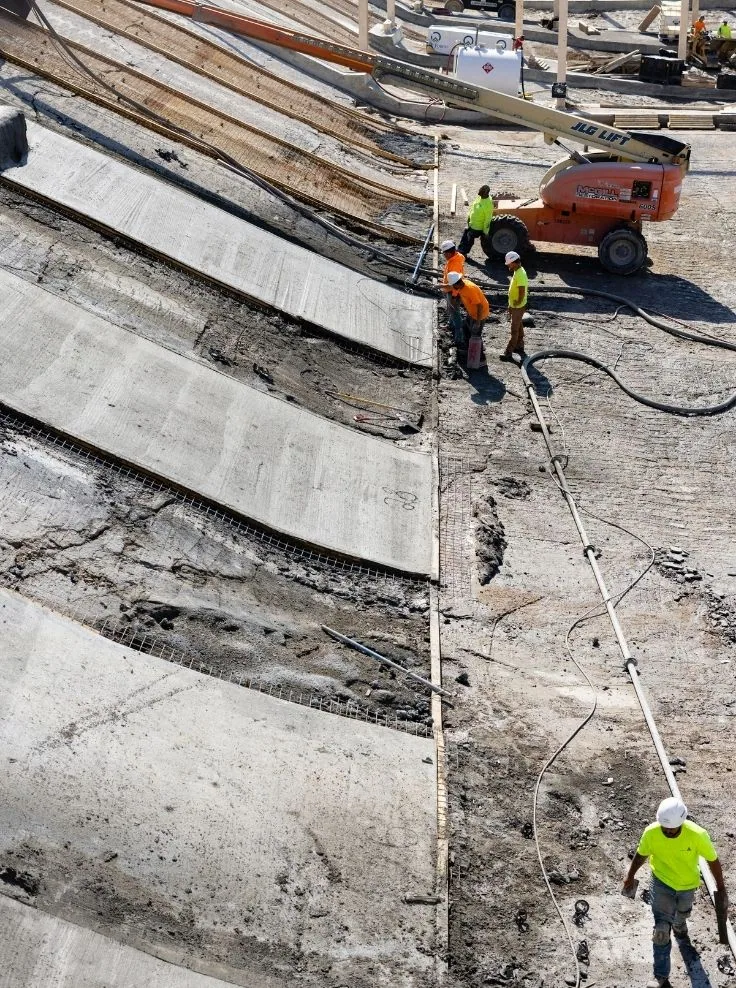
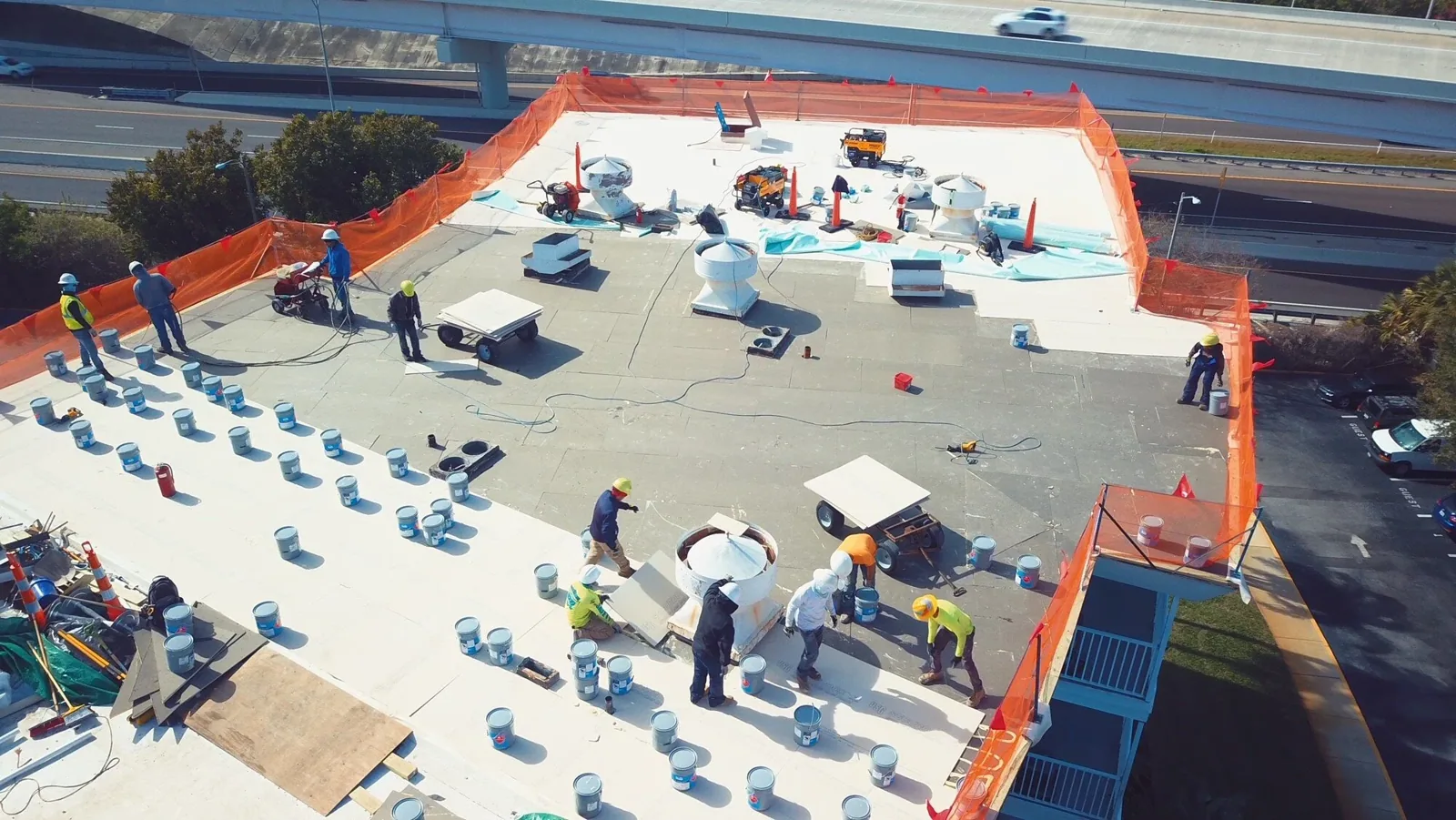
The maintenance and operations contacts identify shift changes, line shutdowns, deliveries, forklift lanes, loading areas and utility work that overlap the roof project. We plan staging and equipment routes around those activities. Each daily scope names the active roof zone, the area below it, the access route and who can authorize a closure. Before starting, the crew confirms that barriers and temporary protection match the approved plan.
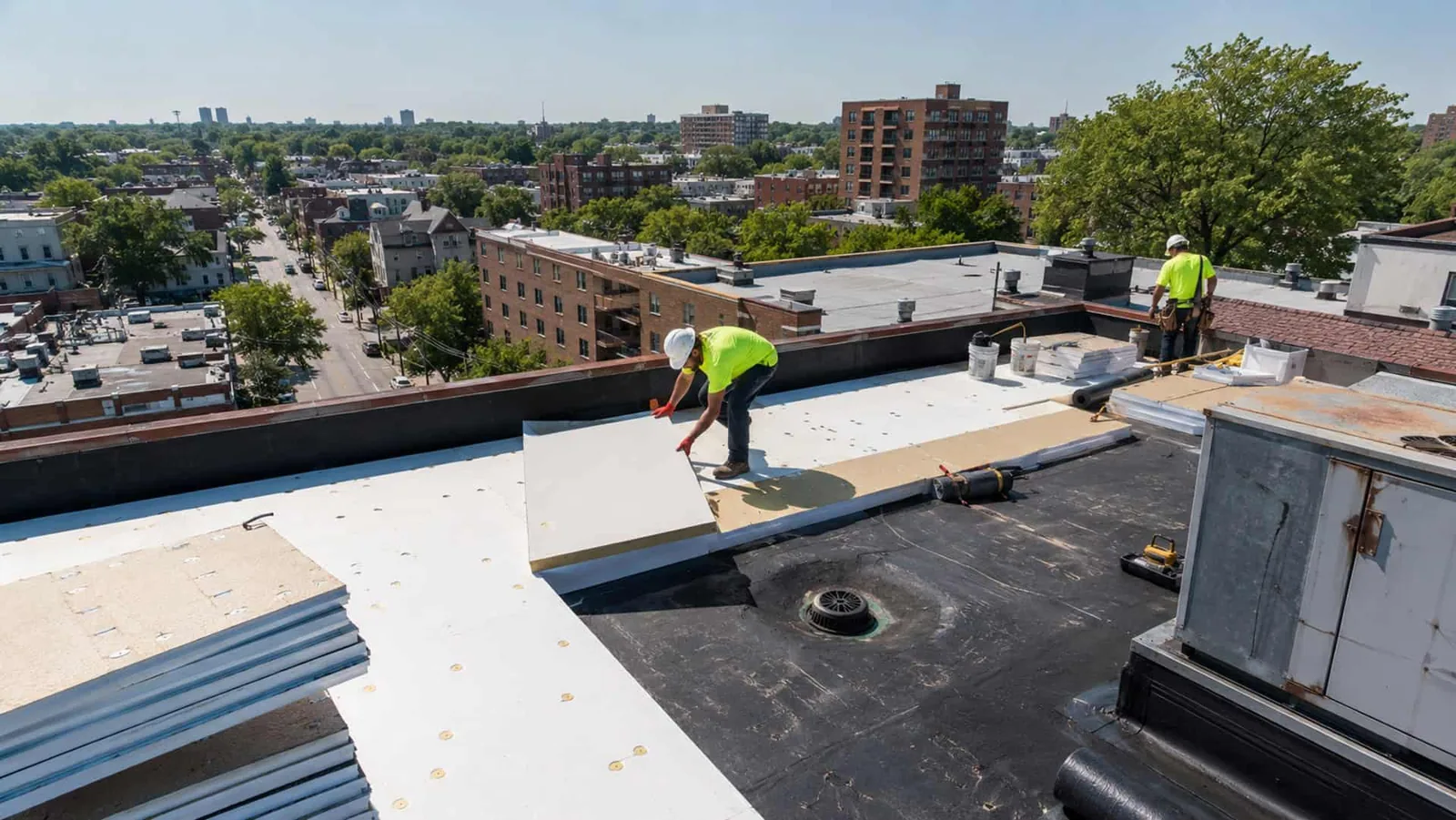
Some repairs can be completed without interrupting a line; others require a controlled pause or a temporary move of material. The plant decides which function must remain available and who owns the shutdown procedure. We can phase larger work by roof area or operating sequence, check temporary dry-in at each stopping point and communicate any weather delay before it affects the next shift. A phased occupied-building plan can organize these handoffs.
Where several roof systems meet, we label transitions and identify which equipment curb, exhaust or process interface must be checked before concealment. The maintenance lead can schedule the right technician for any required isolation or restart. We record work complete and open items at shift end. This prevents the next crew from assuming a production line, access door or roof zone has been released without confirmation from the plant.
Greeley’s heat, wind, precipitation and snow affect roof access and material handling. High roof temperatures can affect working conditions and product application limits. Wind can complicate membrane handling and lifting, while ice can restrict edge or drain access. We check actual roof-surface and site conditions before selecting a work window. The plant schedule and the manufacturer’s installation instructions both matter; neither should be replaced by a broad seasonal assumption.
After a plant reports storm exposure, we inspect roof openings, edge details and drainage, then relate findings to the affected production area. These regional records may explain why a maintenance team requests a review, but they do not confirm damage at a manufacturing property. We document visible impact, displaced components, opened seams or drainage concerns at the facility. If the event affected operations, the manager can provide the relevant room and production timeline. Our report keeps process interruption separate from the roof condition unless the inspection establishes a connection.
It depends on the roof zone and plant controls. We coordinate work boundaries, access and protection with the operations lead before mobilizing.
The facility identifies its sanitation and containment requirements. We plan barriers, tool control and cleanup around those instructions.
No. Regional weather records do not establish a condition at a specific facility. We inspect and document the actual roof.
We inspect the roof interfaces and coordinate with the technicians responsible for process equipment. Any isolation or adjustment must be authorized and assigned.
Provide roof drawings, leak reports, shift schedules, equipment locations, access rules and any sanitation or shutdown requirements.
A localized repair may be appropriate when inspection finds one isolated opening and surrounding materials remain sound. Repeated leaks, widespread deterioration or moisture beyond the visible area may support additional testing or replacement planning. We identify the evidence for each alternative and state what remains unknown. The scope distinguishes roofing, interior cleanup, sanitation work, equipment service and production downtime so cost comparisons do not combine unrelated responsibilities.
Price and duration depend on system, roof area, equipment density, access, staging, protection, disposal and the plant’s available work windows. We compare repair with replacement using field findings. Where food production is involved, the facility supplies sanitation and containment requirements. A manufacturing-plant roof scope still depends on documented assembly and process controls. Regional companies such as Leprino, JBS Foods and Colorado Premium show the sector’s local presence, not a claim about any one building.
Before a larger project, we identify roof zones that can be isolated, temporary protection needs, material staging limits and acceptance checks. A change in substrate or hidden moisture may require a written decision before work continues. We record allowances and exclusions explicitly. If a production manager requests work during a shutdown, the schedule should state what must be ready when the line restarts and who confirms that roof debris or tools have been removed from the work area.
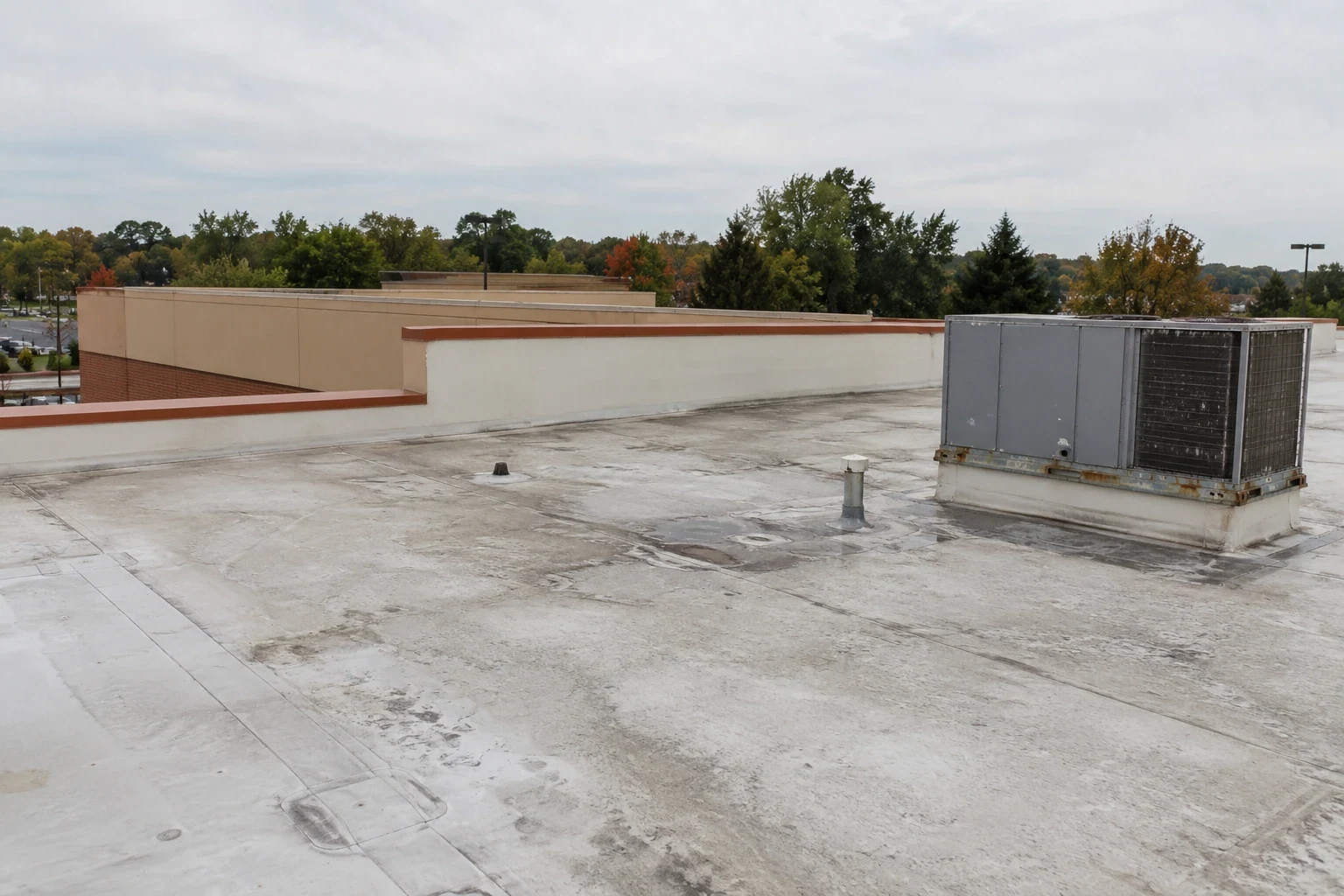
Closeout lists repaired zones, materials installed, photographs, penetrations checked, drainage observations and any condition left for follow-up. We note whether the affected production area was released and whether another contractor must complete an equipment or interior task. A marked roof plan gives future maintenance staff a consistent location reference without relying on a verbal handoff.
Send roof drawings, leak timing, equipment schedules, process-area restrictions, prior repairs and the maintenance contact authorized to coordinate access. Include sanitation, shutdown and shift requirements that affect staging or work hours. Greeley’s manufacturing activity makes production continuity part of project planning. We set scope from the facility’s roof condition, equipment and operating schedule. We inspect the specific building and return a documented work plan that plant leadership can review.
For multi-property operators, records can remain comparable while preserving each plant’s own assembly and process notes. Related guidance for healthcare systems and public agencies also addresses access rules and operating contacts across distinct portfolios.