Can school roof work be completed during summer break?
Often, but schedules vary by campus and summer program. The district confirms access, staff use, deliveries and closure windows before work is planned.

A district roof project has to protect students and staff while preserving a usable school calendar. We inspect the reported roof area, document the condition and separate confirmed defects from assumptions. If water appears in a classroom or corridor, we map that location to the roof zone above and identify any immediate interior safeguard. The district receives findings tied to that school, not a conclusion applied across every campus.
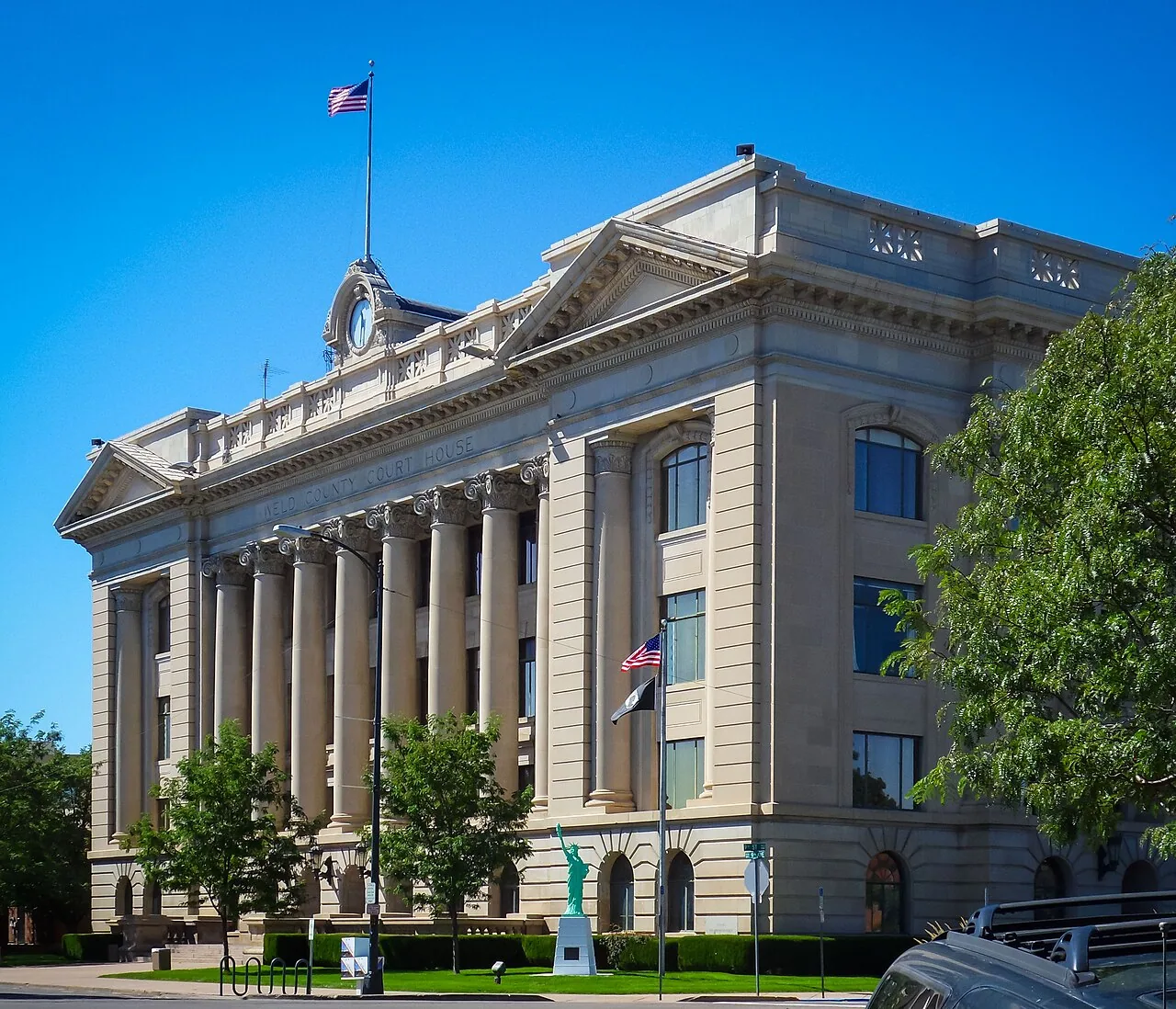
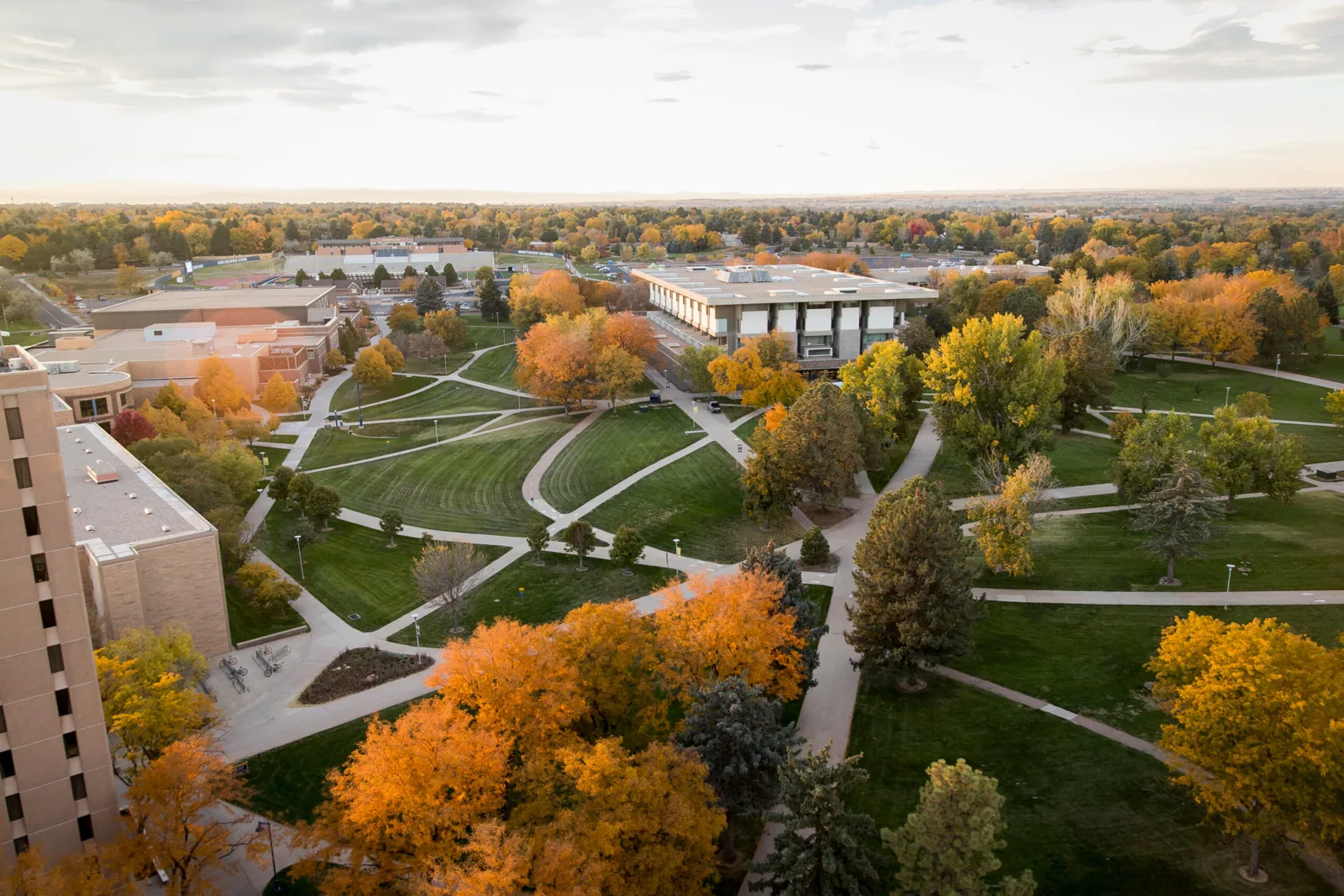
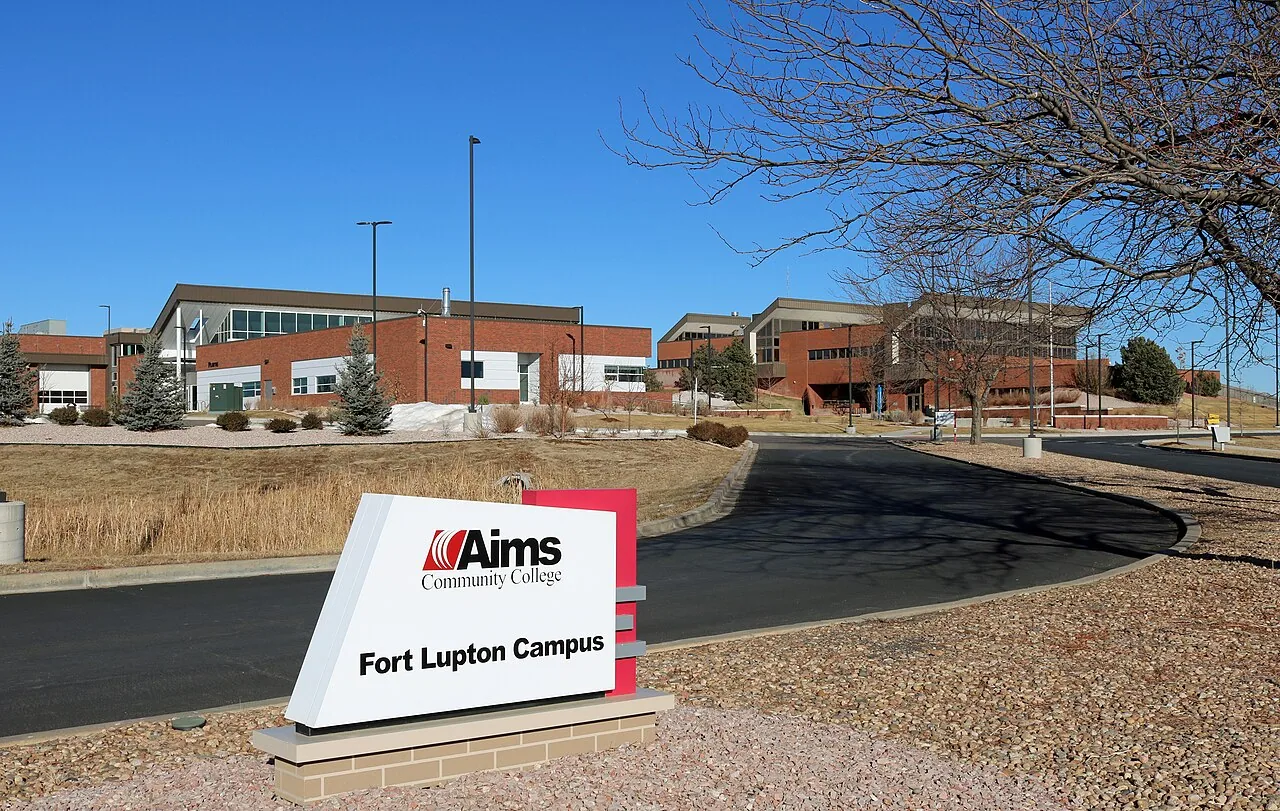
Downtown Greeley’s civic-campus plan includes public space and retail. The Downtown Greeley development provides one local public-building context; the UNC Campus District is a separate education area. The City also lists the Aims Workforce Innovation Center as an active project, and the Aims Community College District has its own facilities. Those developments show investment in local learning and workforce needs, but none demonstrates the roof condition or schedule of a school campus. District drawings and approved site procedures determine the work.
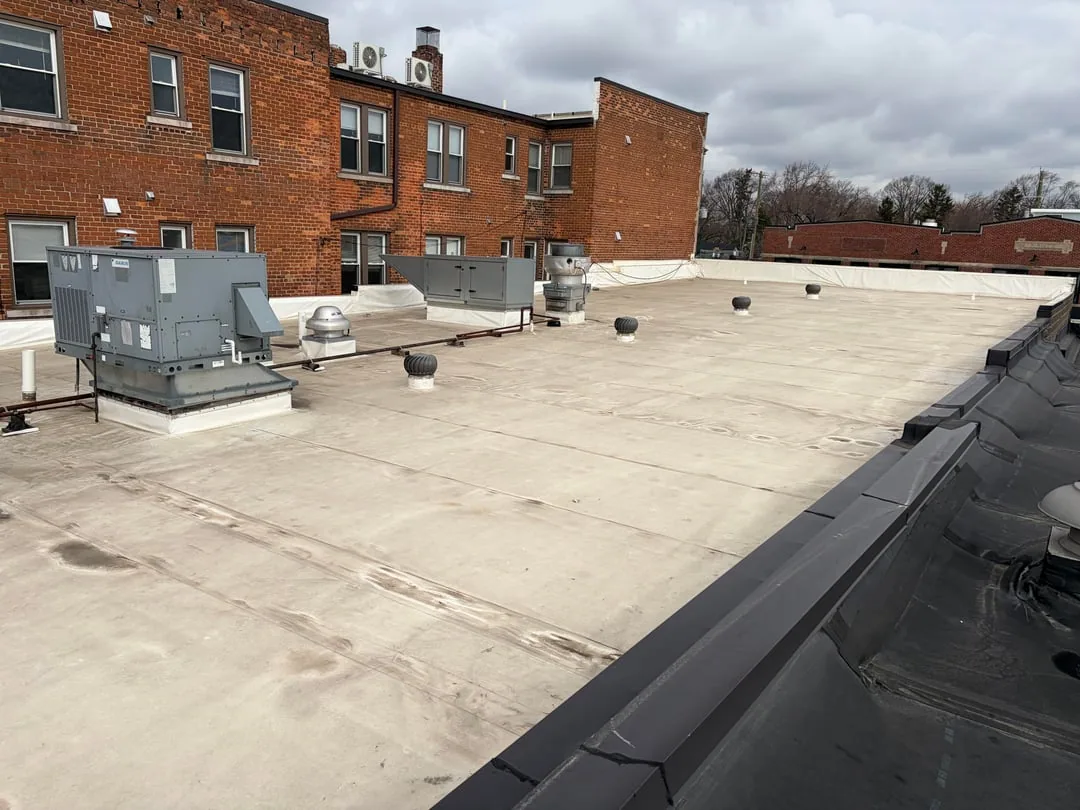
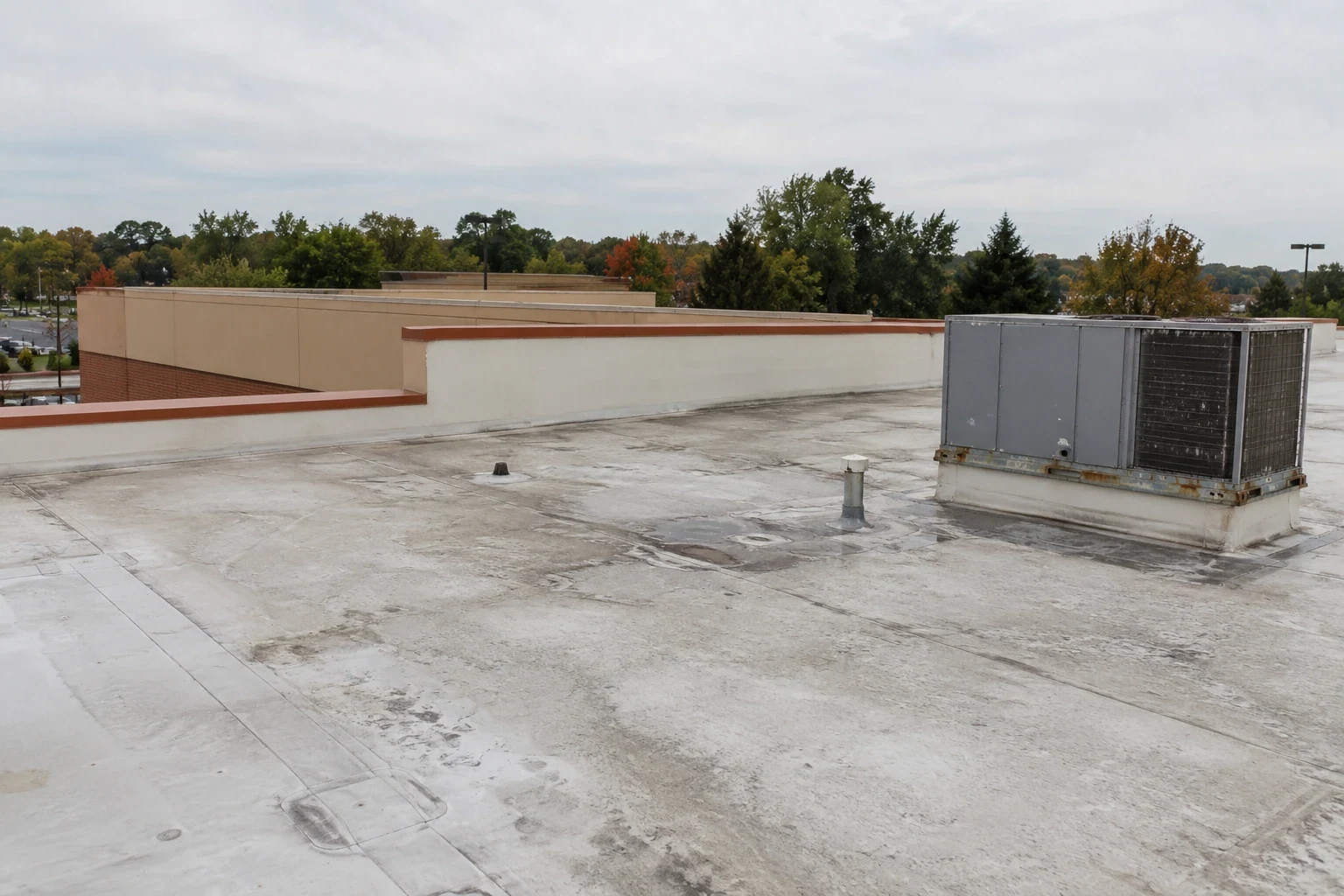
Before arrival, we review available roof plans, maintenance requests, leak timing, previous repairs, warranty information and campus contacts. On site, we inspect seams, drains, penetrations, curbs, edges and prior repair areas that correspond to the reported room. The report names the roof section and interior area, notes weather or access limits and identifies any additional testing needed. A ceiling stain is a useful starting point, not proof of the opening.
Campuses may have gyms, cafeterias, science rooms, libraries, portable classrooms or additions from different construction periods. We verify their layout rather than assume a single roof system or design. The maintenance lead identifies ventilation equipment, skylights and access restrictions. A commercial roof inspection documents visible conditions, and a written roof-zone map can help custodians and maintenance staff route future reports.
For district comparisons, each school should retain its own inspection date, assembly information, observed condition and deferred questions. We do not transfer a repair recommendation from one building to a neighboring campus without confirming it. That makes a district inventory useful for budget review while keeping responsibility for each roof clear. If drawings are missing or outdated, we note which dimensions or details need confirmation before pricing a large scope.
The district identifies student attendance dates, testing windows, summer programs, sports events, staff training, deliveries and public-use schedules. We coordinate crew access, lifts, material staging and noise with those dates. The plan shows which entrances or rooms may close and who sends notices to staff or families. If an area needs temporary protection during class hours, the facilities contact approves the barriers and alternate route before the work begins.
Summer break can offer longer work periods, but it does not automatically make every school available. Custodial, maintenance and community programs may continue. We confirm each campus schedule and divide work into practical zones, with a dry-in check at daily stopping points. Repairs may be completed during a short window when access and weather allow. A broader project can use a phased occupied-building plan for schools that stay in use.
Contractors also need clear rules for background screening, vehicle access, ladders, equipment and after-hours entry. The district sets those requirements. We confirm who can open roof hatches or mechanical rooms and who may approve a schedule change. A school principal can identify classroom impact, while the district facilities office retains roof and procurement decisions. Recording those roles before mobilization prevents an access issue from becoming an avoidable delay.
Greeley Airport climate records follow high temperatures, wind, precipitation, snowfall and snow depth. These conditions affect roof access, material handling and the timing of work. Heat can narrow safe installation hours; snow and ice may limit access to drains and edges. We review current site conditions and product requirements before setting the work window. The district calendar and roof conditions both shape a practical sequence.
Weld County hail and tornado activity makes careful review useful for districts after severe weather. Our crew checks each campus for openings, shifted metal, loose flashings and drainage changes, then lists any area that needs better access. If a classroom leak is reported after an event, we compare the room location and timing with roof observations before describing a cause. The district can then decide whether to secure a room or schedule additional testing.
Often, but schedules vary by campus and summer program. The district confirms access, staff use, deliveries and closure windows before work is planned.
The district sets access and safety controls. We define the active work zone, plan barriers and coordinate alternate routes with the facilities contact.
No. Regional storm history does not establish damage at an individual campus. We inspect the authorized roof area and document findings.
We can provide separate condition notes, risk observations and recommended actions for each school. District leadership sets funding and scheduling priorities.
Provide drawings, leak history, campus calendars, access rules, bid requirements and the facilities contact who can authorize a visit.
A localized seam, curb or drain repair may resolve an isolated condition if nearby materials remain serviceable. Repeated leaks, wet insulation or deterioration across several roof zones may support testing or replacement planning. The scope states what supports each option and what is still unknown. We separate roof work from ceiling restoration, classroom relocation, technology protection and electrical or mechanical adjustments.
Price and schedule depend on roof assembly, area, access, occupied spaces, equipment, staging, temporary protection and school-calendar limits. We compare repair with replacement using the inspection findings. The district’s contract documents establish permit responsibilities and design criteria, and the project team confirms those items with the City before construction.
A district-wide program can group work by condition and timing while keeping each campus as a separate bid item. We label school, roof zone, access assumptions and scope alternatives consistently. This helps facilities staff compare proposals without combining different assemblies or schedules. If a project includes multiple alternates, the district can review immediate stabilization, further testing and larger renewal as distinct decisions, with a stated effect on student use and campus operations.
Closeout lists completed roof zones, materials, photographs, drainage details, inspection hold points and any item remaining. We note when the classroom or campus area was released and whether another trade needs to finish related work. A marked plan allows future staff to connect a new leak report with prior repairs. School records should remain concise, dated and specific to the building.
Share school roof plans, maintenance history, calendar restrictions, campus access procedures, classroom reports and the district contact authorized to schedule work. Identify student-safety and technology-protection requirements before estimating. The civic campus and university district establish Greeley’s local education context, but each school needs its own inspection. We return a practical scope and next action for district review.
For a larger public portfolio, district staff can coordinate site lists with property managers and follow procurement-specific steps used by public agencies. Each campus still retains its own access record, condition history and work authorization.
For a project split between buildings, we label each work area, roof assembly and authorization separately. Staff can then route a question to the person responsible for that school without carrying an inspection result to another campus. The final walkthrough also notes temporary protection, removed debris and maintenance items the district has agreed to track.