Does the East 8th Street TIF map show roof conditions?
No. The map identifies a district boundary. We inspect the building and roof details to establish any repair need.

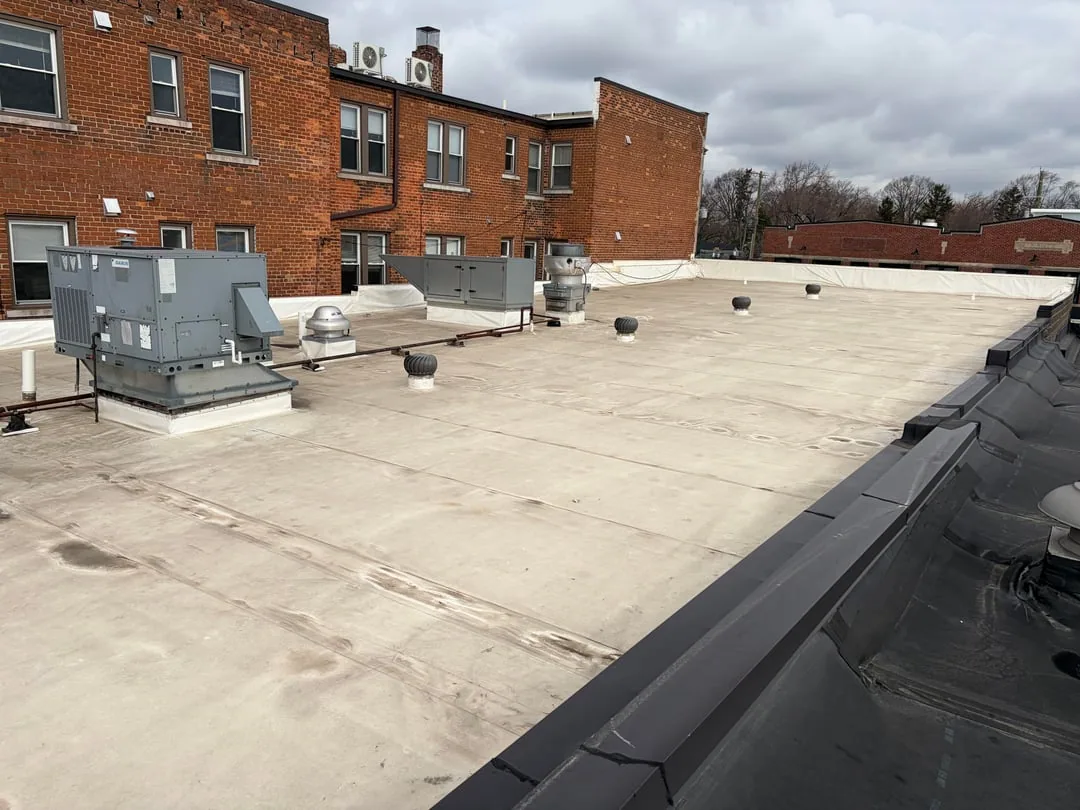
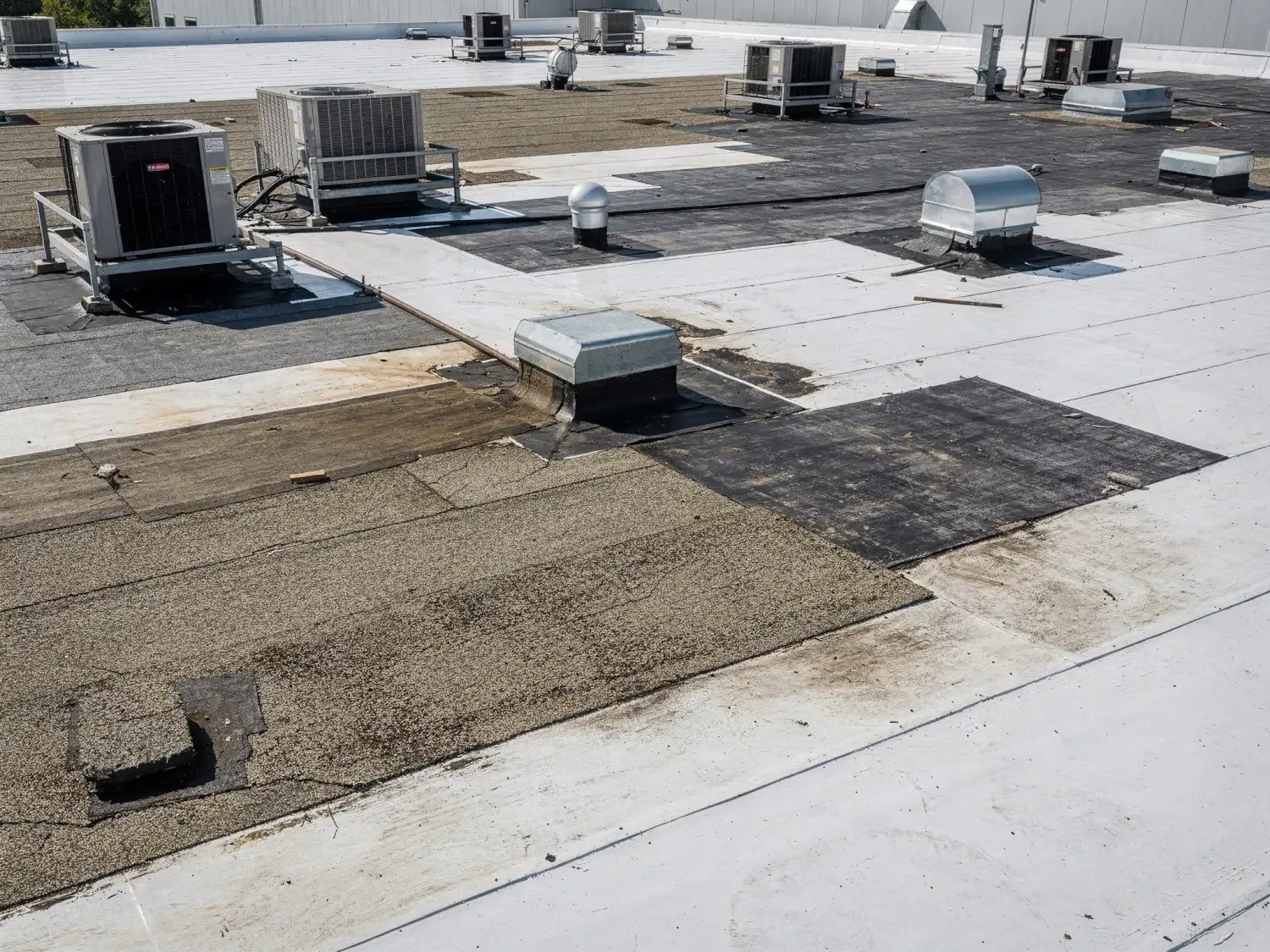
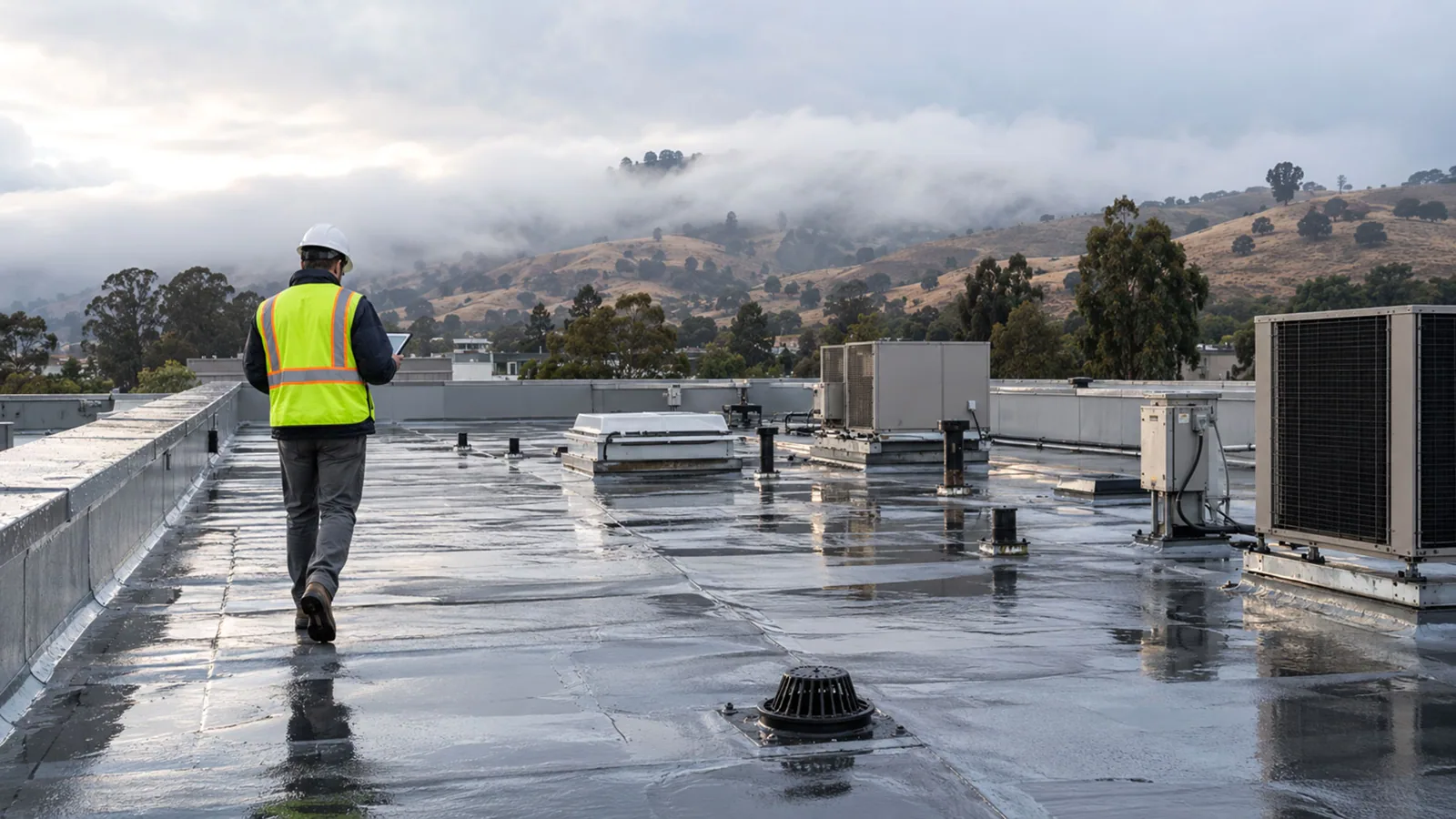
A commercial roof inspection in the East 8th Street Corridor should answer a property question: where is the water entering, what roof detail is involved and what work would correct it? We inspect the reported area, map the roof system and record drains, seams, edges and penetrations that affect the water path. We identify the roof type and condition at the individual building before writing a scope.
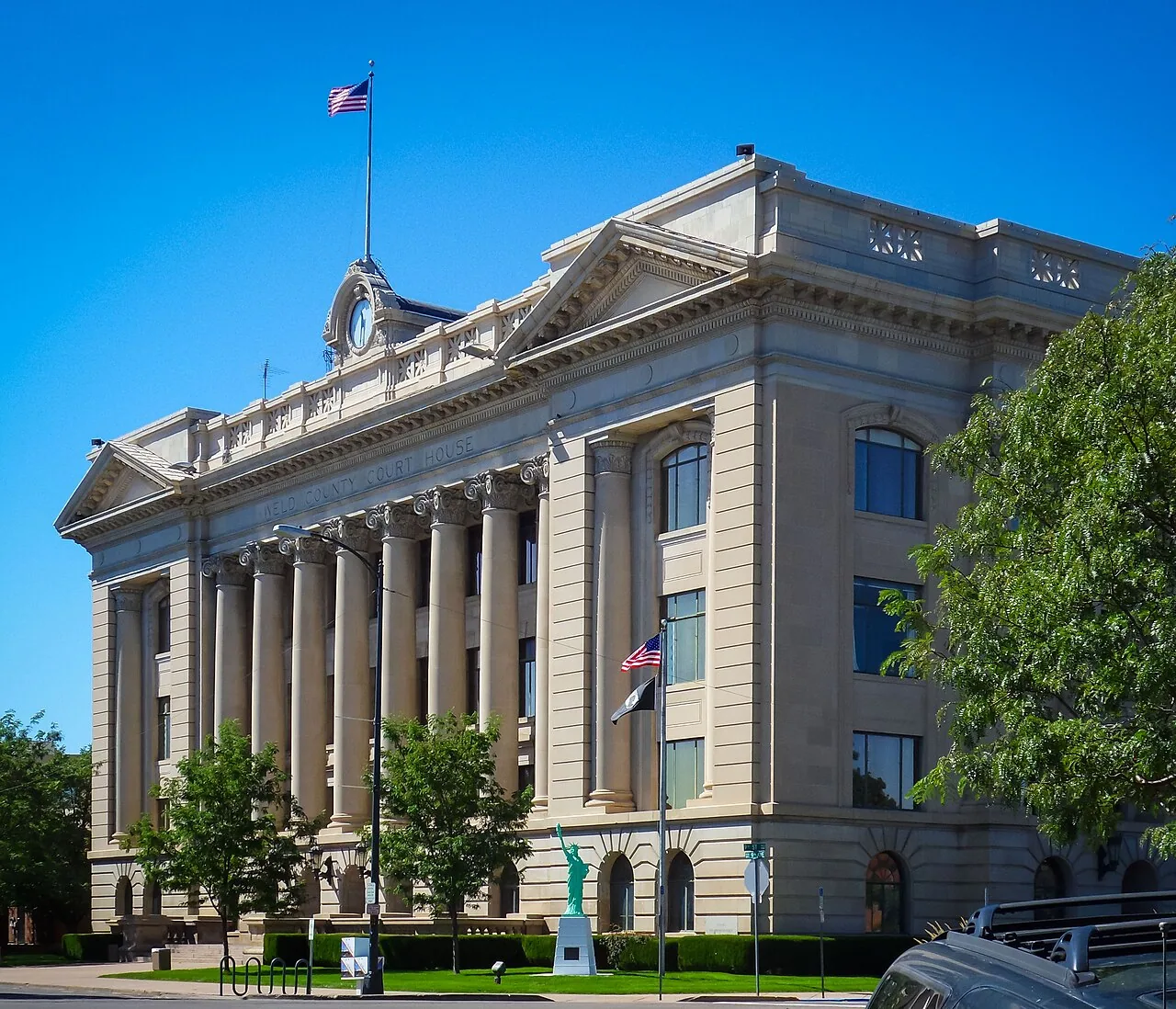
The East 8th Street TIF District is one of Greeley Urban Renewal Authority’s designated districts. The City describes the program as a way to fund commercial rehabilitation and development in defined urban-renewal areas, and links an interactive map for viewing district boundaries. Owners coordinating district improvements can schedule roof work alongside their project, with each roof receiving its own inspection.
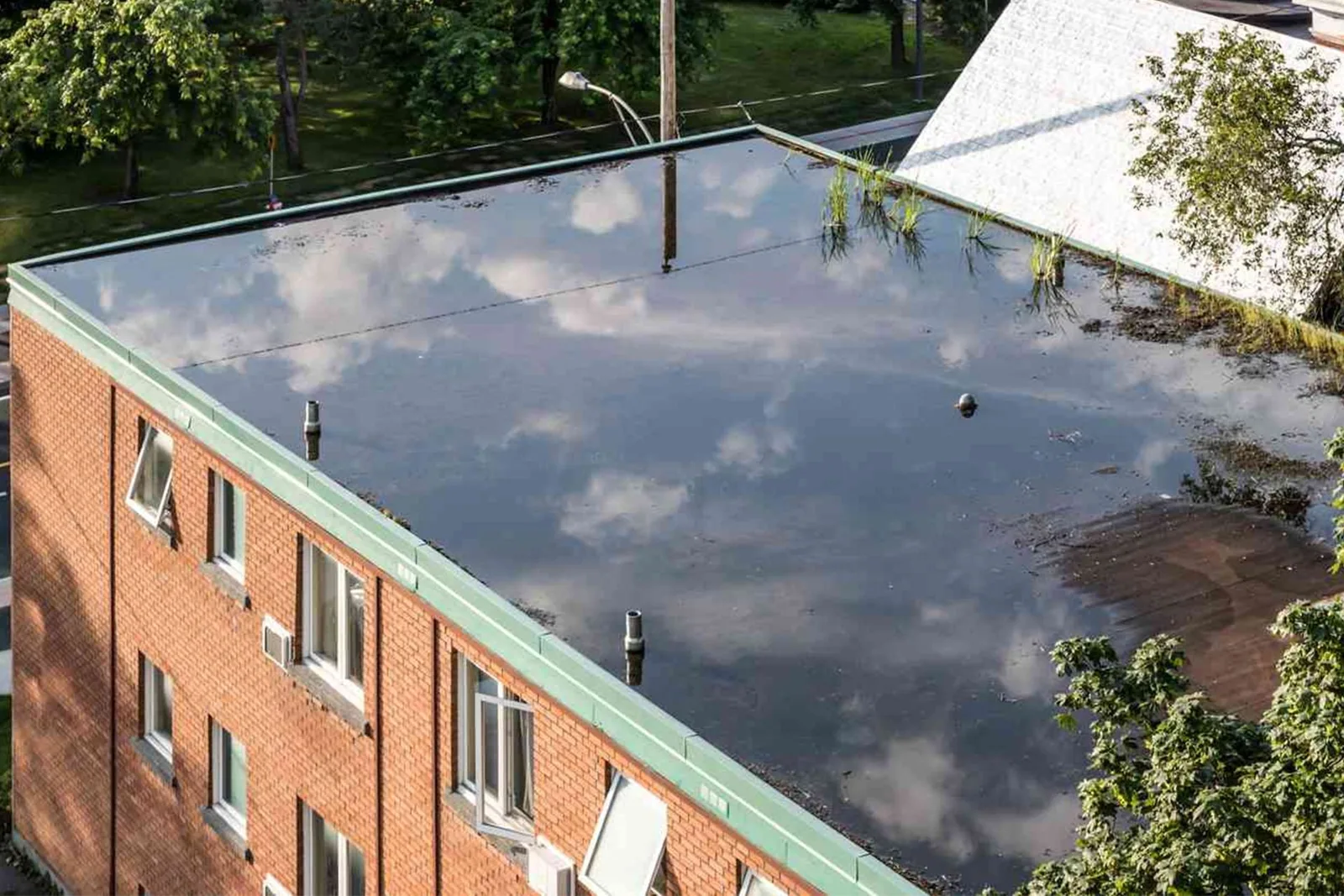
We ask when the issue appeared, whether it is active and what roof work took place earlier. The crew checks the area above the reported room, then follows likely water paths to drains, laps, penetrations and wall transitions. A stain may be offset from its entry point. We photograph the suspected source and nearby details with enough context for the facilities team to locate them after the visit.
Before a repair is scoped, we identify the membrane or panel system and inspect the surrounding material. Drawings can help locate roof sections, but field conditions determine whether the installed assembly matches the record. A roof inspection can document those observations; a condition report can list confirmed findings, open questions and areas that could not be accessed.
Where roof work intersects a facade improvement, we inspect the roof-to-wall transition and identify who controls that design detail. A district improvement plan may affect project timing; the owner’s roof inspection determines whether repair is needed. We evaluate coping, counterflashing, membrane terminations and attachment based on what the site inspection shows.

Snow, wind, precipitation and temperature can affect safe access and material handling. Those conditions can affect access, surface preparation and the time needed to close a roof section. We check roof temperature and moisture before applying repair materials, and we do not start a detail that cannot be prepared and checked under its product requirements. Snow and ice may require temporary protection followed by a later inspection.
An owner may request a roof visit after hail near Greeley or tornado activity in Weld County; inspection findings stay tied to the East 8th Street building. We inspect the corridor property for visible damage before setting repair scope. We record visible impacts or openings, inspect the surrounding assembly and identify any area concealed by debris. If a roof is wet or inaccessible, the report states the limit and recommends an appropriate return window.
Hot summer roof surfaces may shorten the safe work period and change material handling. High summer temperatures can shorten the safe work period and affect material handling. We follow product instructions and check current conditions before scheduling.
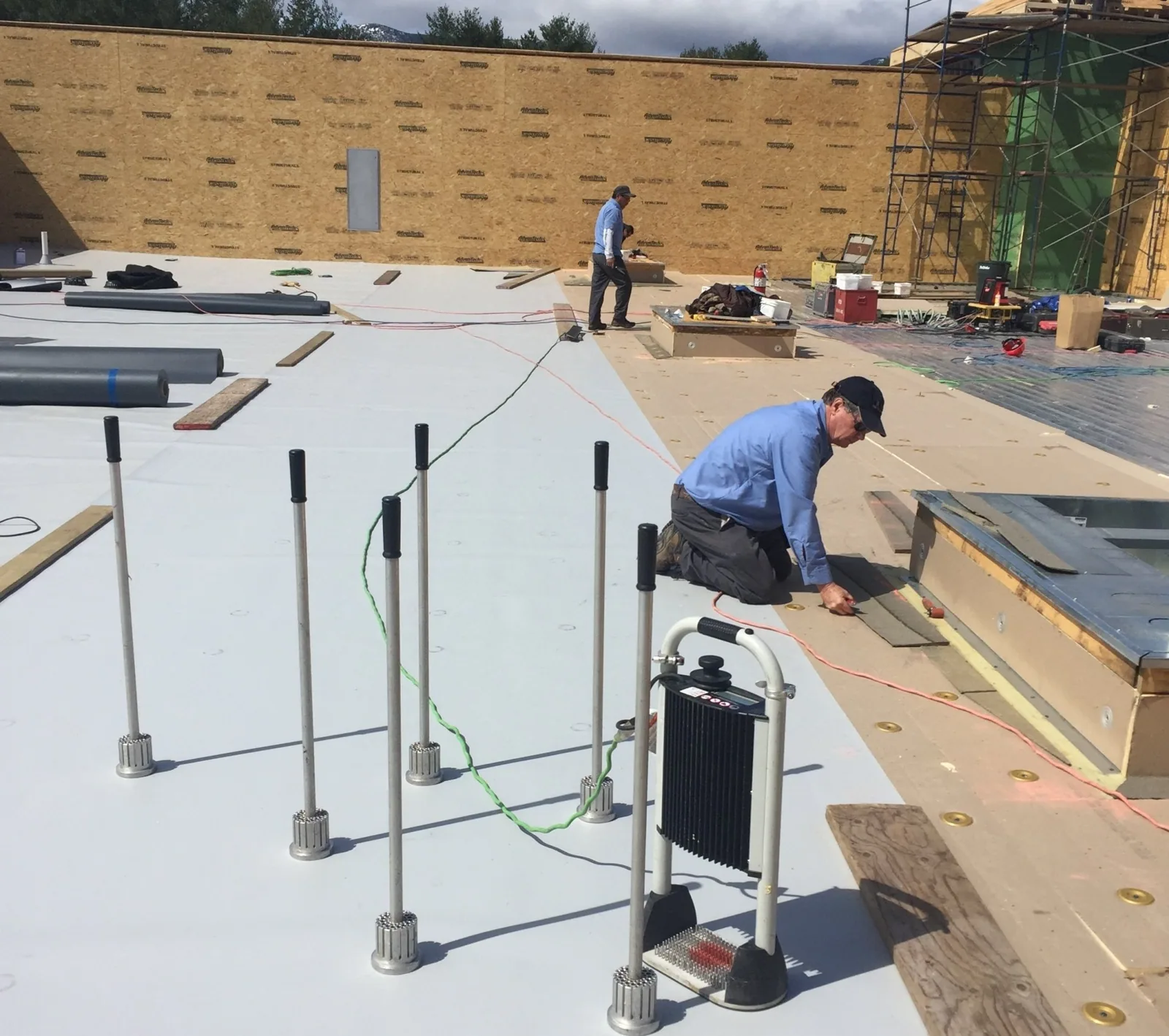
After the assembly is identified, we specify surface preparation, material, repair dimensions, tie-in and quality check. A seam issue, drain blockage and wall transition each require a different task. We remove only approved material and keep debris clear of roof drains. If concealed moisture or damaged insulation changes the quantity, we stop at the repair boundary and request owner direction before expanding the work.
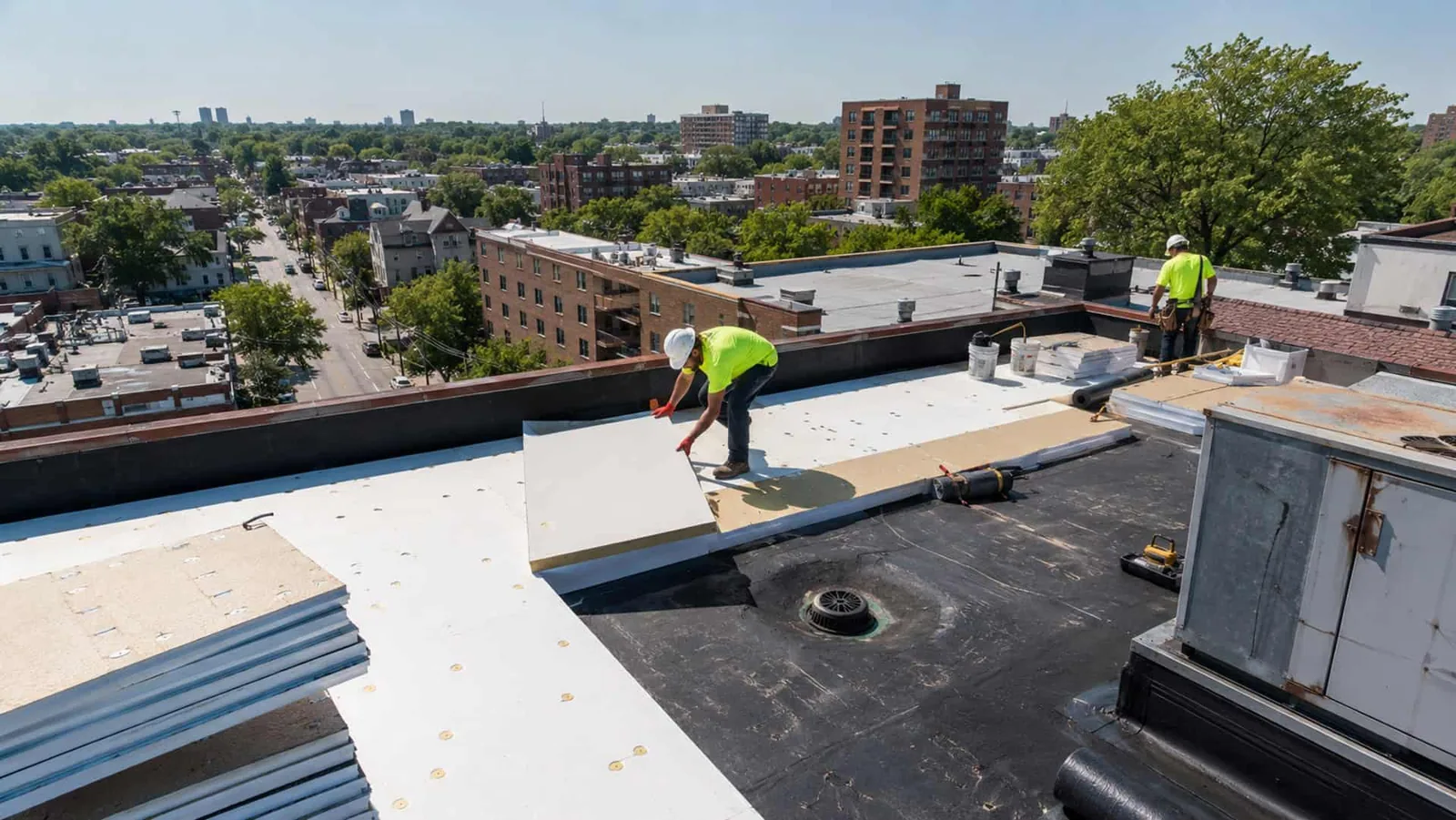
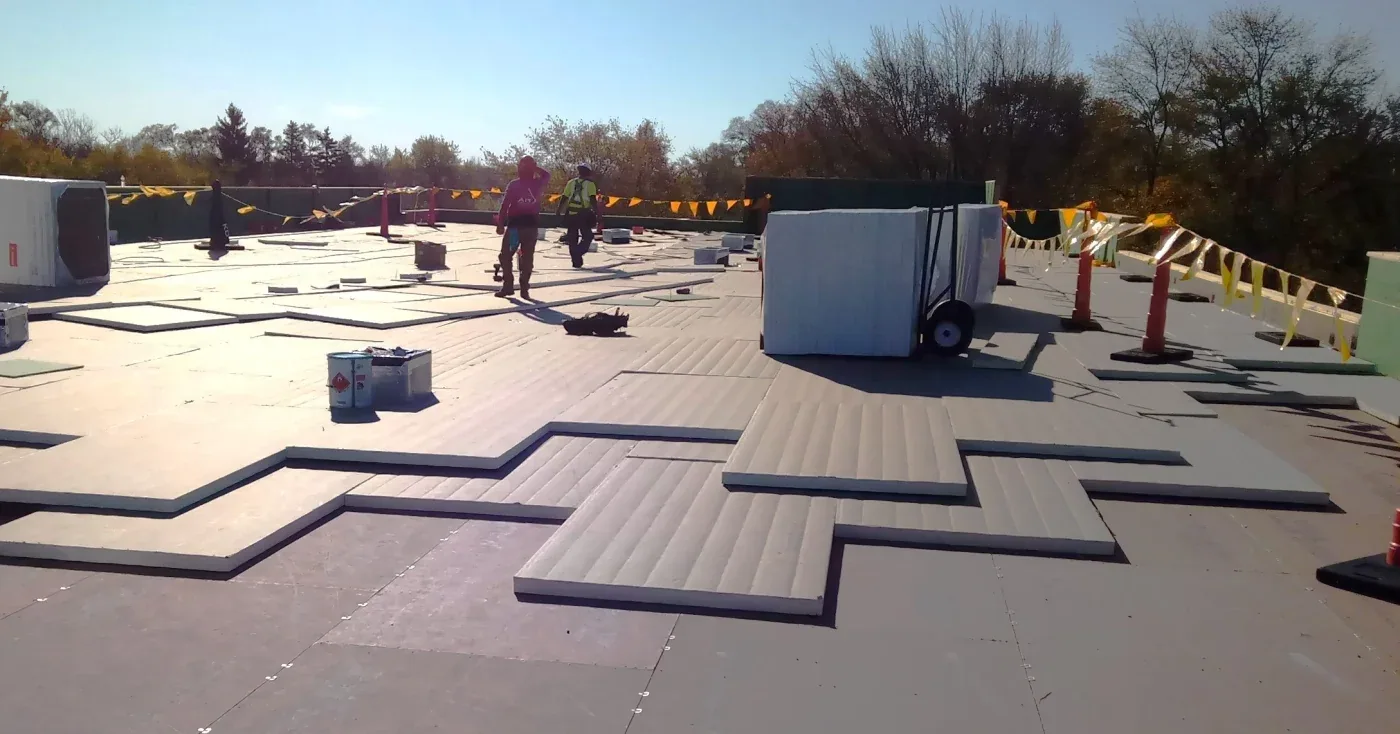
For an active leak, emergency response can prioritize safe access and temporary protection. A roof repair proposal addresses a verified defect. If the property team is considering a wider project, replacement work can be compared when the assembly inspection supports that alternative.
Work can be coordinated with a separate facade or building improvement when the owner provides project timing and access requirements. We identify daily closure points, staging needs and who can approve a change. Roof work and exterior renovation remain separate scopes unless the owner authorizes a combined sequence with clear responsibility for each transition.
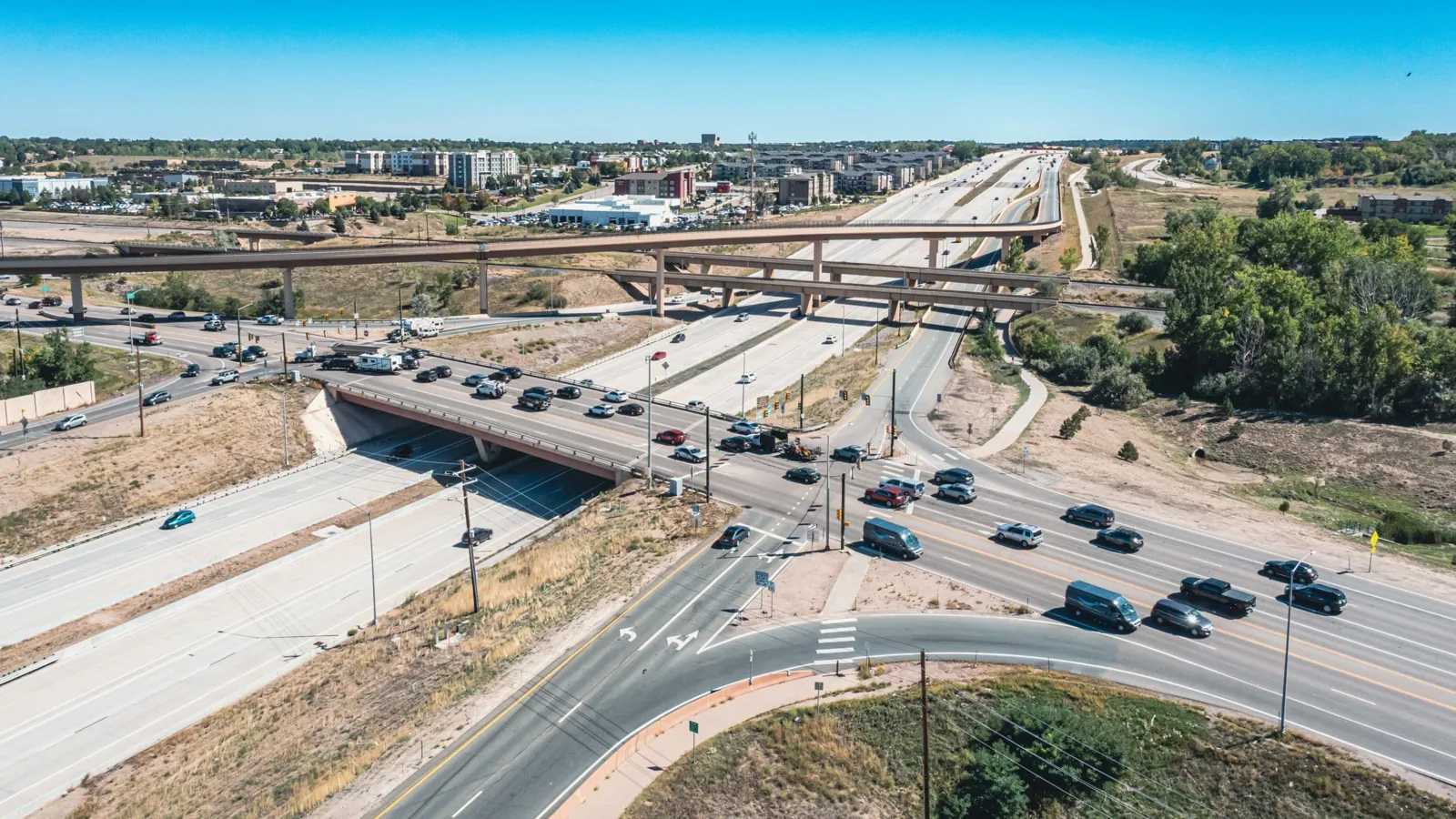
No. The map identifies a district boundary. We inspect the building and roof details to establish any repair need.
The district description does not determine eligibility for an individual roof project. The owner should confirm program rules; we can provide a separate roofing scope.
We inspect the roof-to-wall transition, identify the tie-in and coordinate the boundary with the project contact before roofing work proceeds.
No. A reported event may prompt an inspection. Our findings describe the actual membrane, edge or flashing conditions at the property.
Provide roof plans, prior repairs, leak timing, project drawings and access instructions. The City-linked district map can help confirm location context.
Because GURA identifies East 8th Street as a TIF district, an owner planning commercial rehabilitation may need to coordinate roofing with a broader capital or facade schedule. The City-linked map can help confirm the defined district boundary. It cannot show whether a specific roof needs repair. We inspect that roof and state what the field evidence supports.
Cost and duration depend on system, roof height, access, staging, repair area, material, protection and any testing. We list those drivers and keep optional work separate from confirmed repairs. A capital plan can record timing alternatives, while a roof asset inventory can retain inspection dates and repair history for later review.
Owners with more than one Greeley location can keep work at this corridor distinct from Downtown Greeley or the Western Sugar TIF District. Each property has a separate roof plan and access route. We can coordinate a portfolio calendar without transferring one building’s condition to another.
If project work will change a parapet, coping or wall termination, the owner should identify the designer and the party responsible for temporary weather protection. We inspect the existing edge before the change, document the tie-in required for roofing and confirm who signs off when the wall work is complete. This avoids leaving a roof detail between trades without an assigned closeout step. The owner can then connect inspection photos with the completed exterior work at the next review.
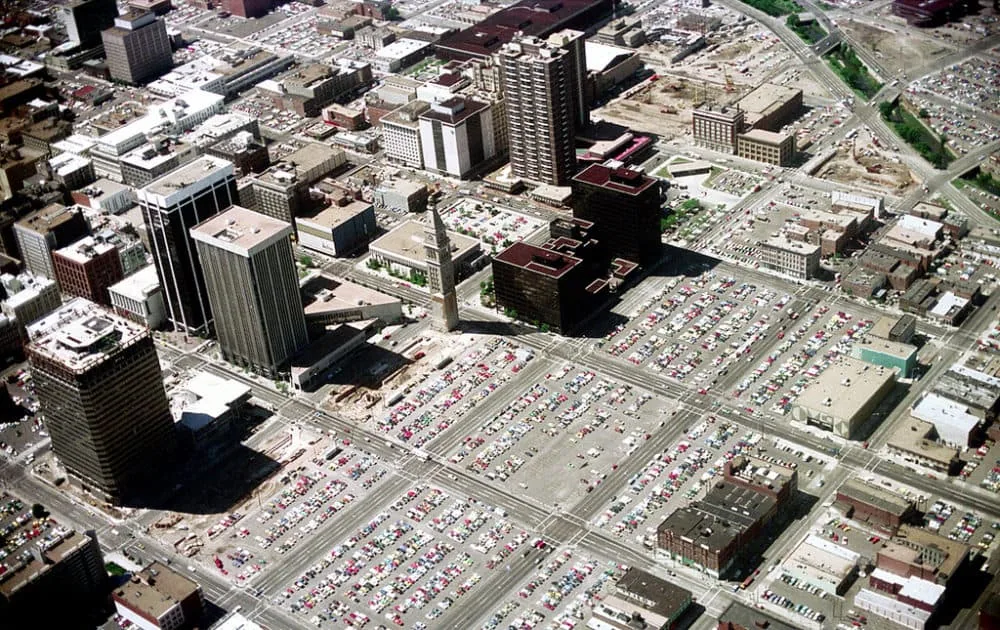
Closeout states which roof system we observed, where the repair occurred, what material was installed, how the tie-in was checked and whether any follow-up remains. We can reference an owner-provided roof plan or add a marked sketch if none is available. Photographs identify both the condition and the larger roof zone, so facilities staff can find the area again.
Send drawings, leak timing, prior repair invoices, warranty information, project schedule and roof access rules before mobilization. Tell us whether a facade contractor or another trade will share the work area. Identify who may approve test openings, temporary protection or added quantities, and what district documentation the owner wants included in its project file.
We use the property’s records, visible conditions and authorized testing to define next steps for the specific roof. That keeps roof decisions clear for the owner, facility team and other project participants.
If an exterior renovation changes a roof edge after our visit, the owner can use the marked image and inspection date to request a focused recheck. We identify the wall transition and completed roofing limit so later work does not leave the tie-in unassigned.
For a phased exterior project, we can note whether the roof edge was inspected before or after the adjoining wall work. The owner can request a return check once the other contractor completes the transition.