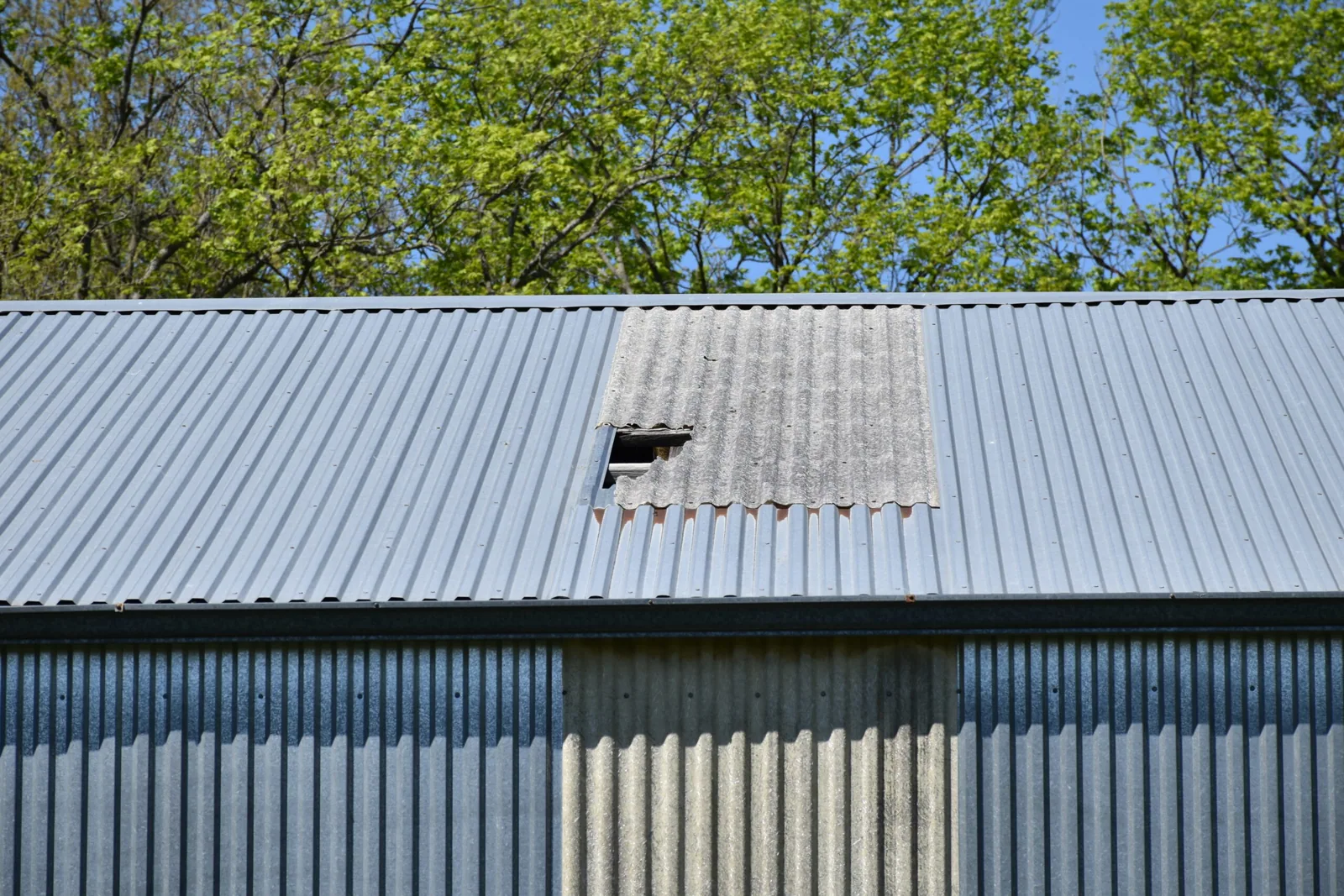
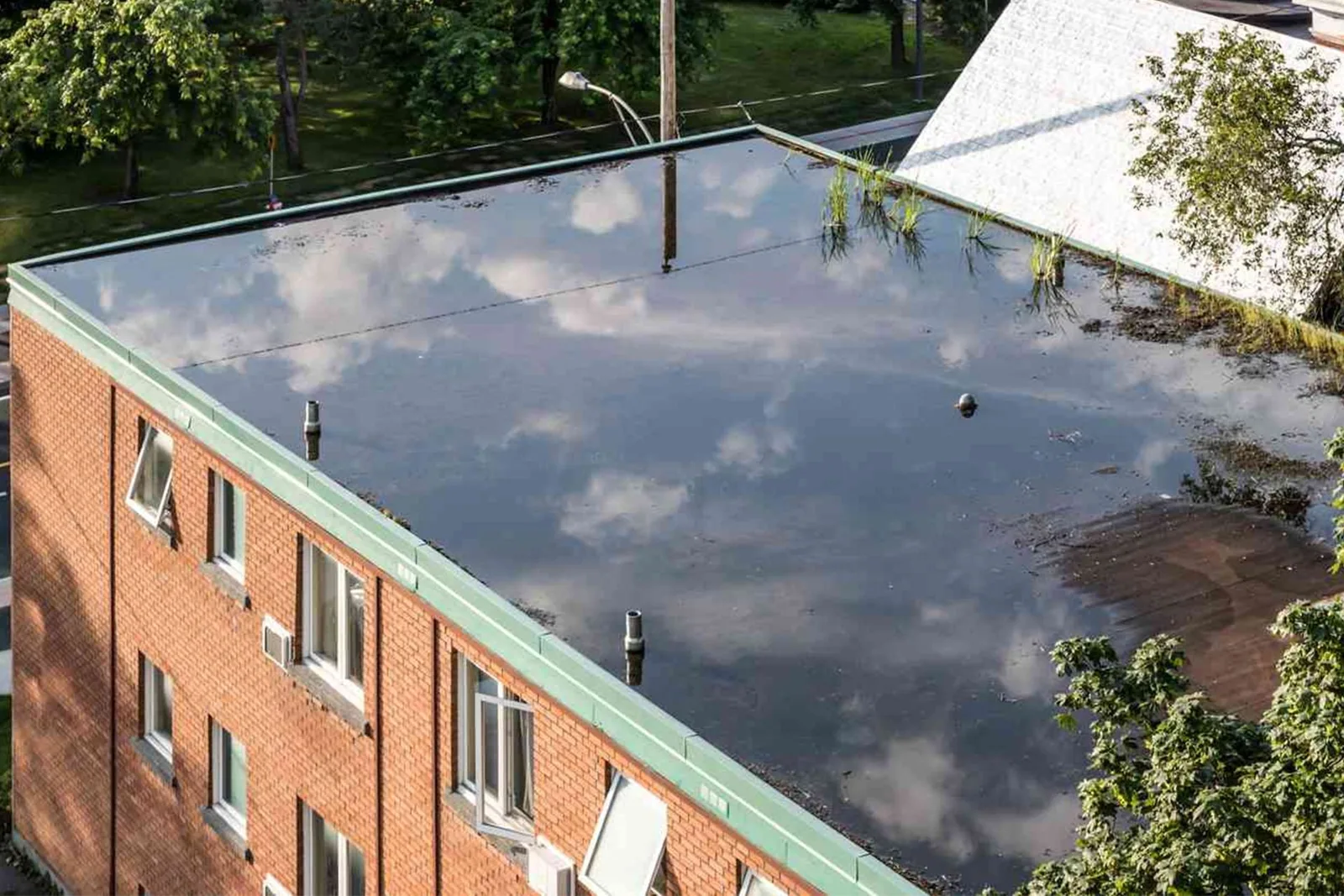
Before launch, we confirm property permission, flight boundaries, nearby activity and a safe takeoff and landing area. The site contact can identify restricted zones, delivery movements, operating hours and sensitive equipment. Those details affect where the operator can stand and which views are practical. A roof beside active industrial or public uses may call for a shorter flight window and a different ground position than an open roof with clear space around it.
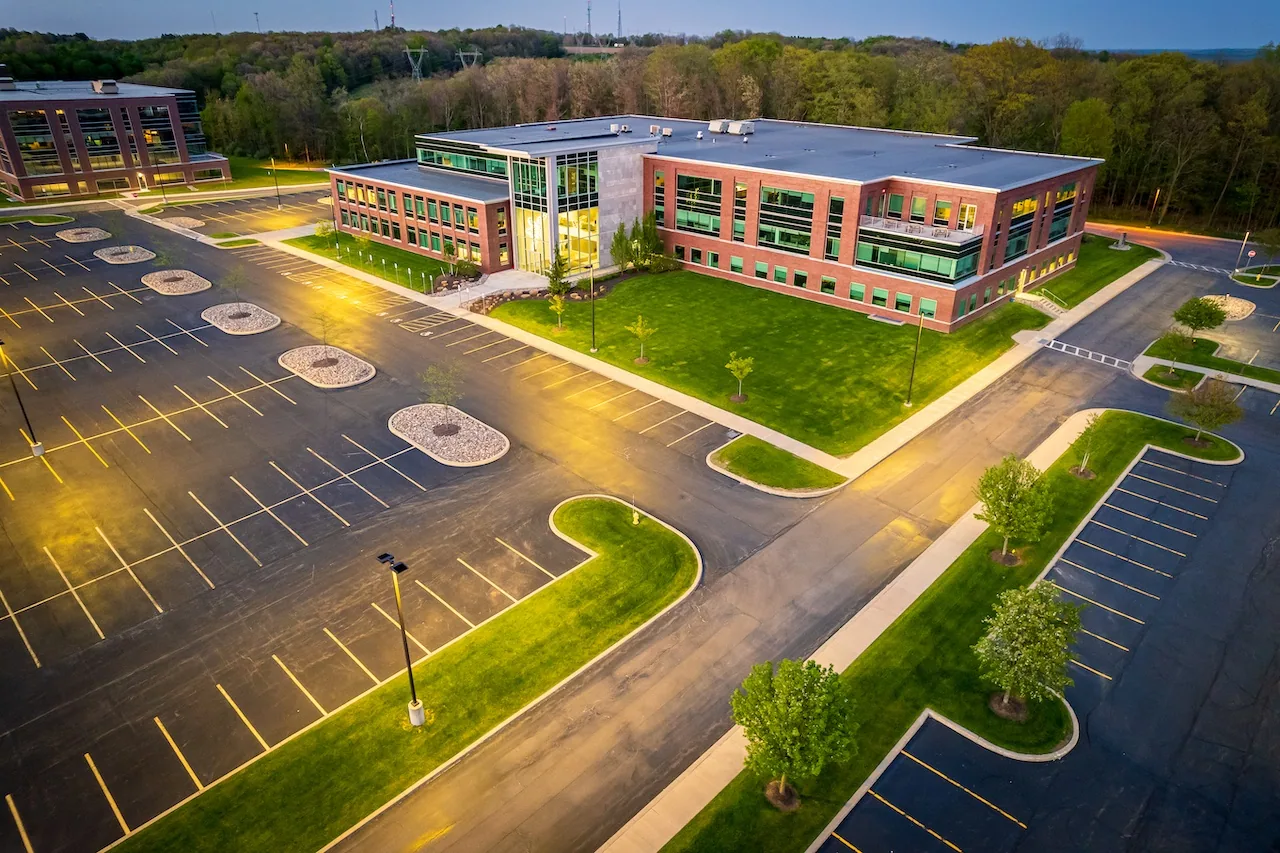
Wind and weather can change the plan quickly. Wind, heat and snow change the safe flight window. We check the current forecast and conditions at the property before imaging. Strong or gusting wind, precipitation, poor visibility or an unsafe landing area can require a delay. We explain which roof sections were captured and which were deferred, rather than treating a partial flight as complete coverage. For work near Highpointe Business Park, the developer describes a mix of light and medium industrial properties with limited commercial space, so individual site rules and active operations need to be confirmed with each contact.