Solar-Ready Commercial Roofing in Greeley, CO

Commercial Roofing Services

Solar-Ready Commercial Roofing

A solar proposal should start with the roof condition and remaining service life, not a panel layout alone. We inspect the membrane, insulation, deck, drainage and existing penetrations, then coordinate with the solar designer on attachment locations and access. The goal is to prepare a roof that can accept future array work without hiding moisture, weakening a flashing detail or placing supports across a drain path. Structural capacity and electrical design remain with the qualified project team.

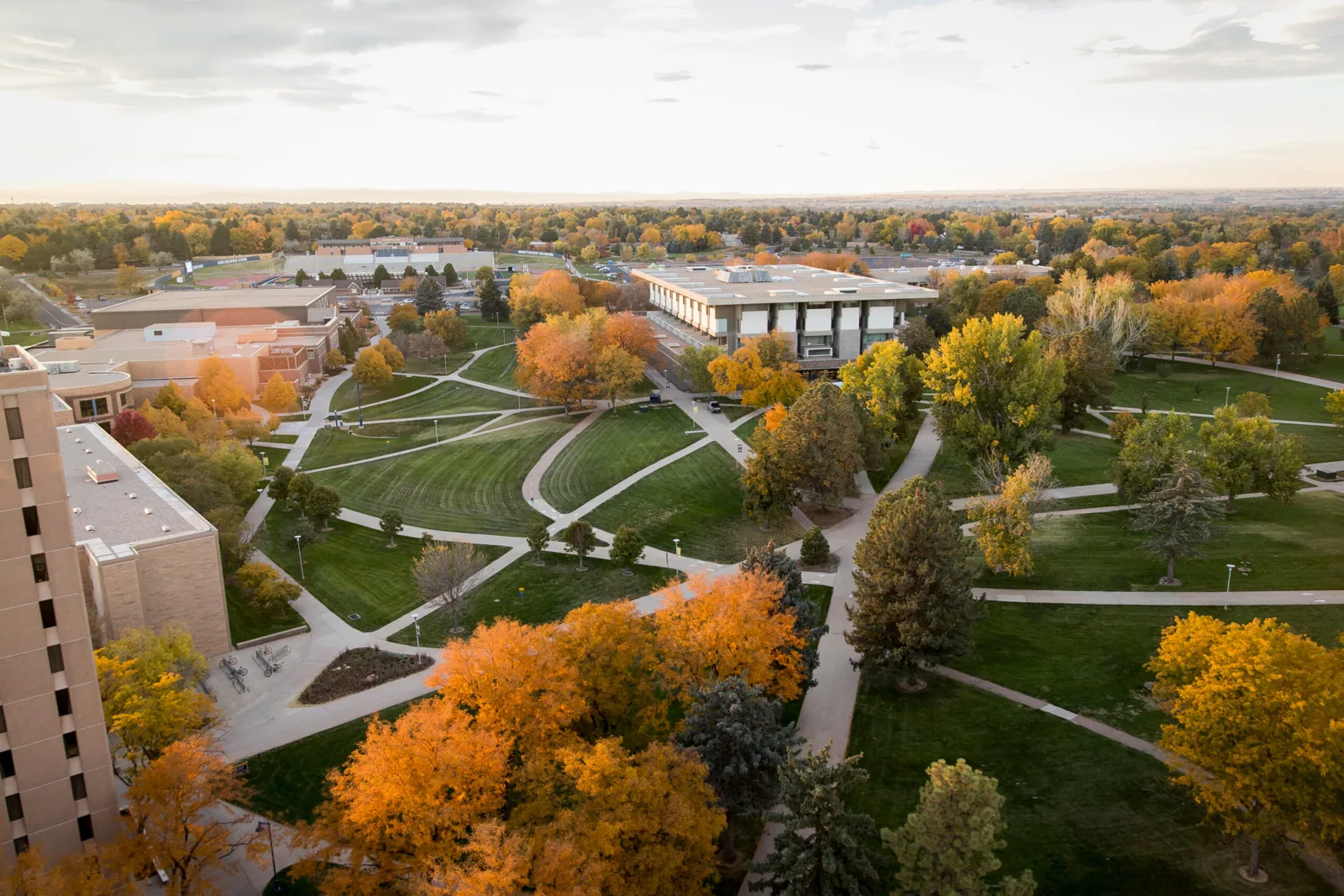
Greeley’s wind, hail, snow and heat all matter to roof exposure and work timing. A building in University of Northern Colorado District or Highpointe Business Park may have different access and operating conditions. We confirm the actual structure, assembly and solar plan with the owner instead of assuming local building use predicts a suitable roof. If the roof is near the end of its serviceable condition, it may be better to replace it before an array limits access.

Establish a roof baseline before solar

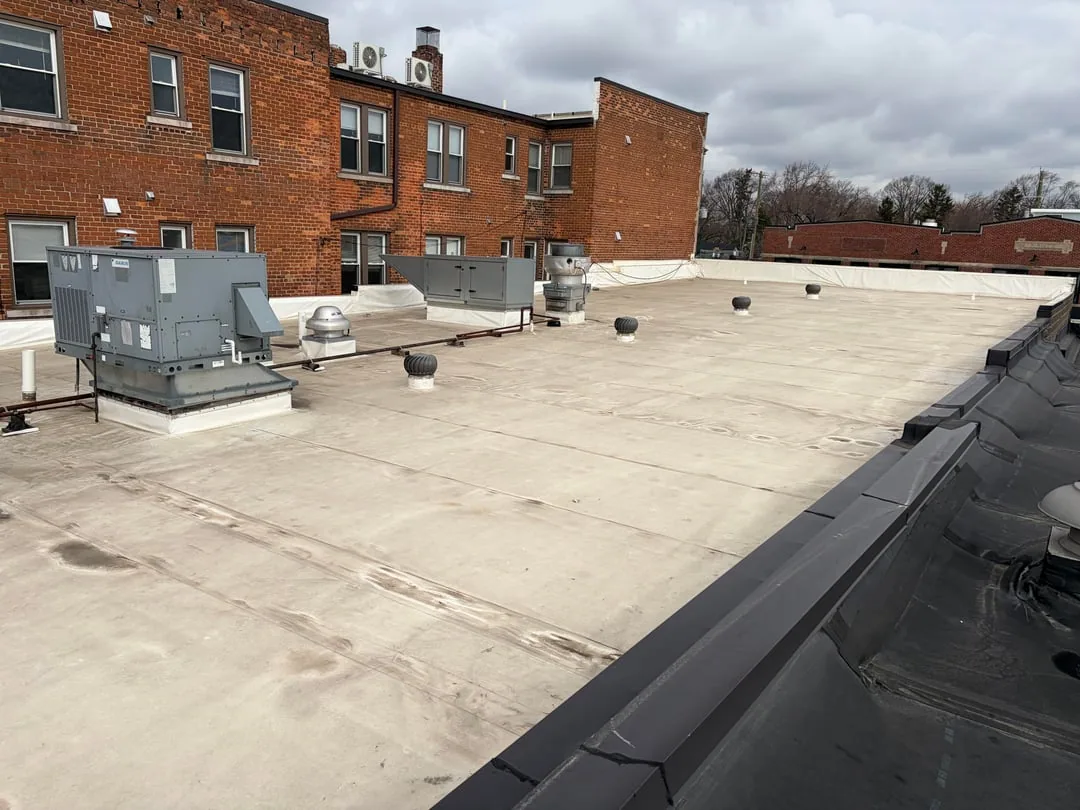
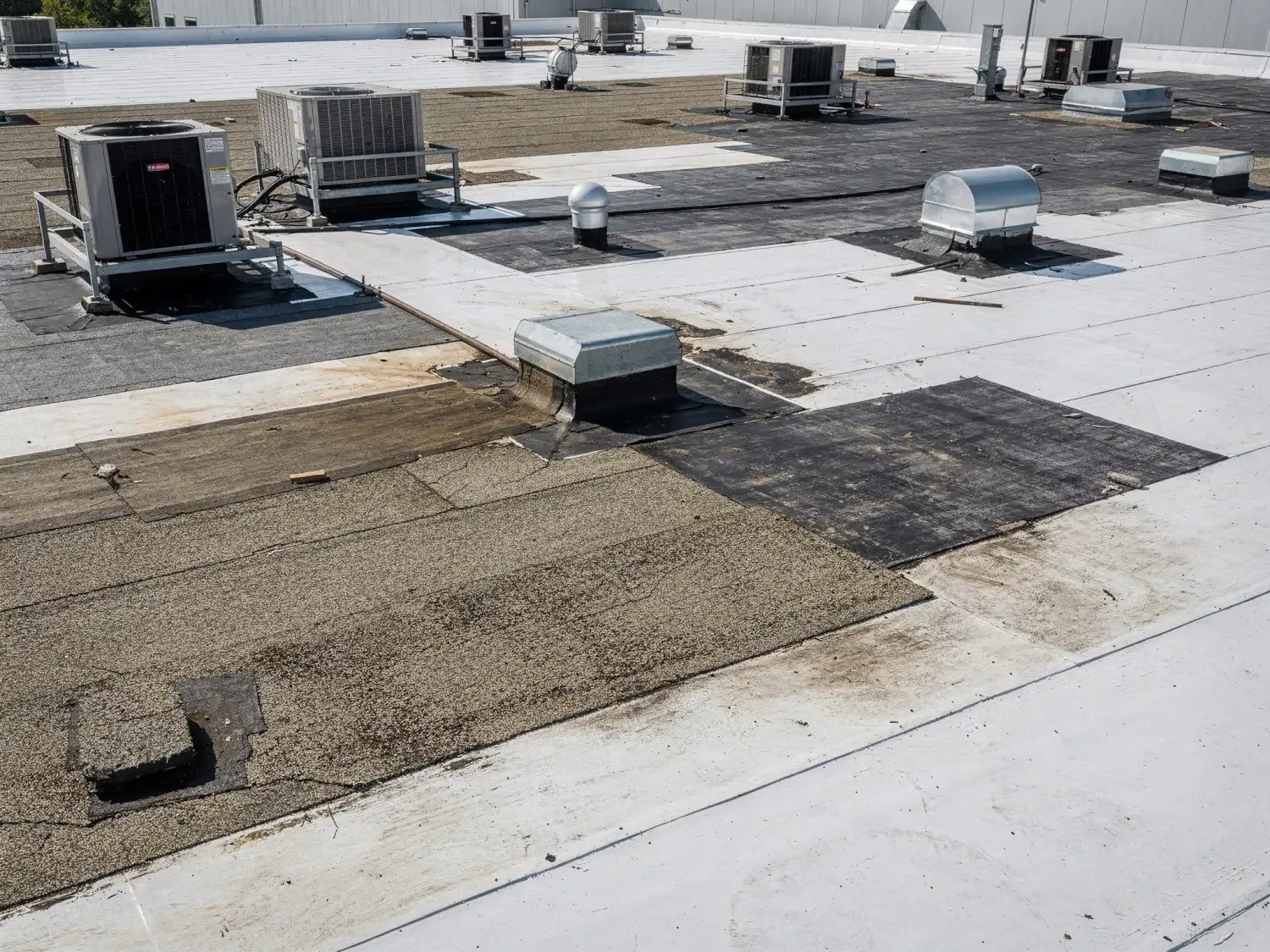
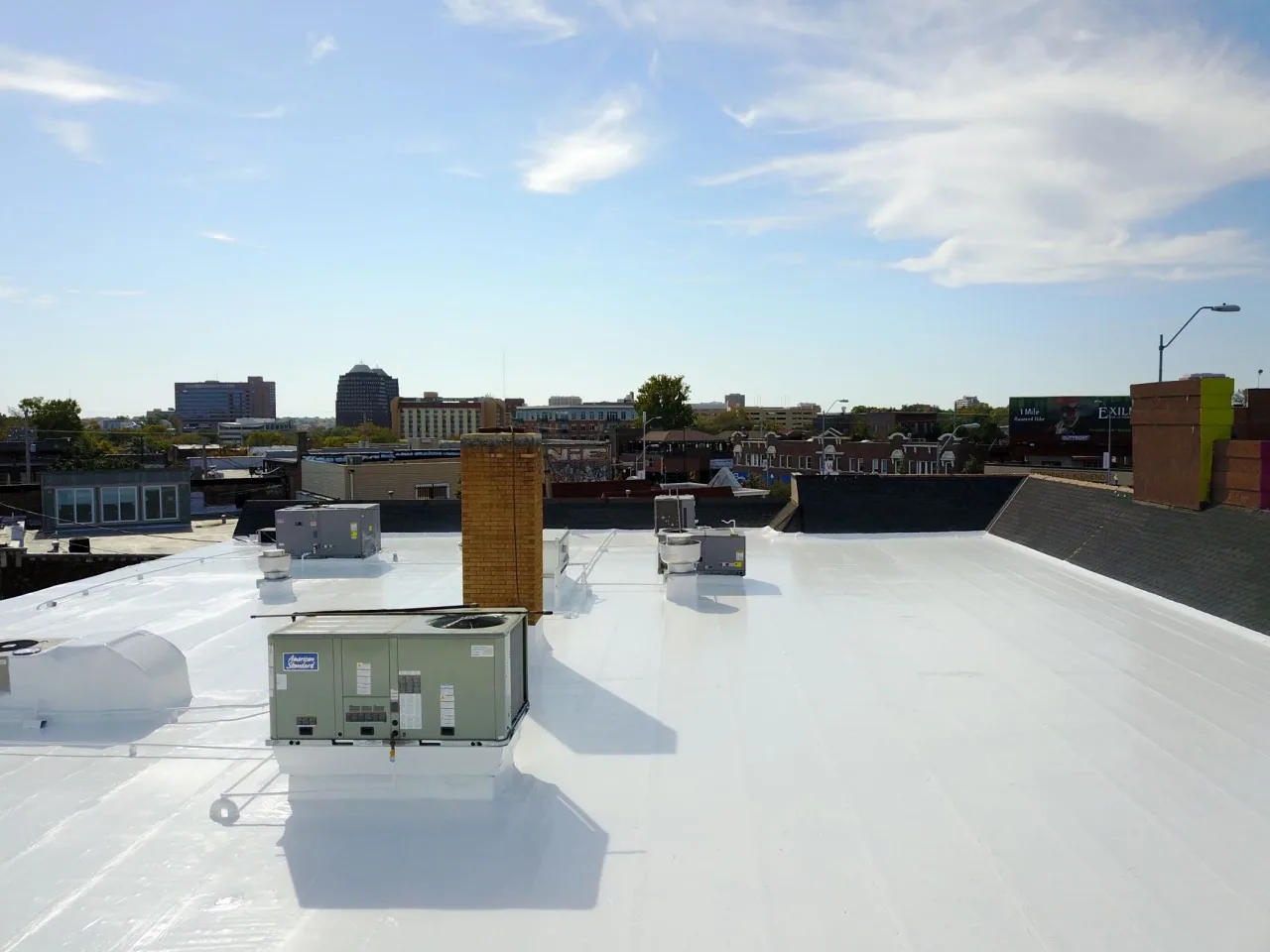
We inspect seams, flashings, edges, drains, prior repairs and rooftop equipment, then review available plans and maintenance notes. Moisture or attachment problems should be resolved before solar supports are placed above them. If the assembly history is unclear, we identify the area where a test cut or additional moisture review can answer the question. The owner receives a roof-zone record showing which areas were inspected and which remain inaccessible.

Remaining roof life affects the sequence. Installing an array above a roof that soon needs replacement can add removal, storage and reinstallation costs later. We compare the current condition with the proposed solar schedule and discuss whether a repair, restoration or replacement should come first. A commercial roof inspection can document the baseline; if broader work is warranted, the owner may also consider a commercial roof replacement.

Solar-Ready Commercial Roofing in Greeley, CO

Coordinate attachment and waterproofing

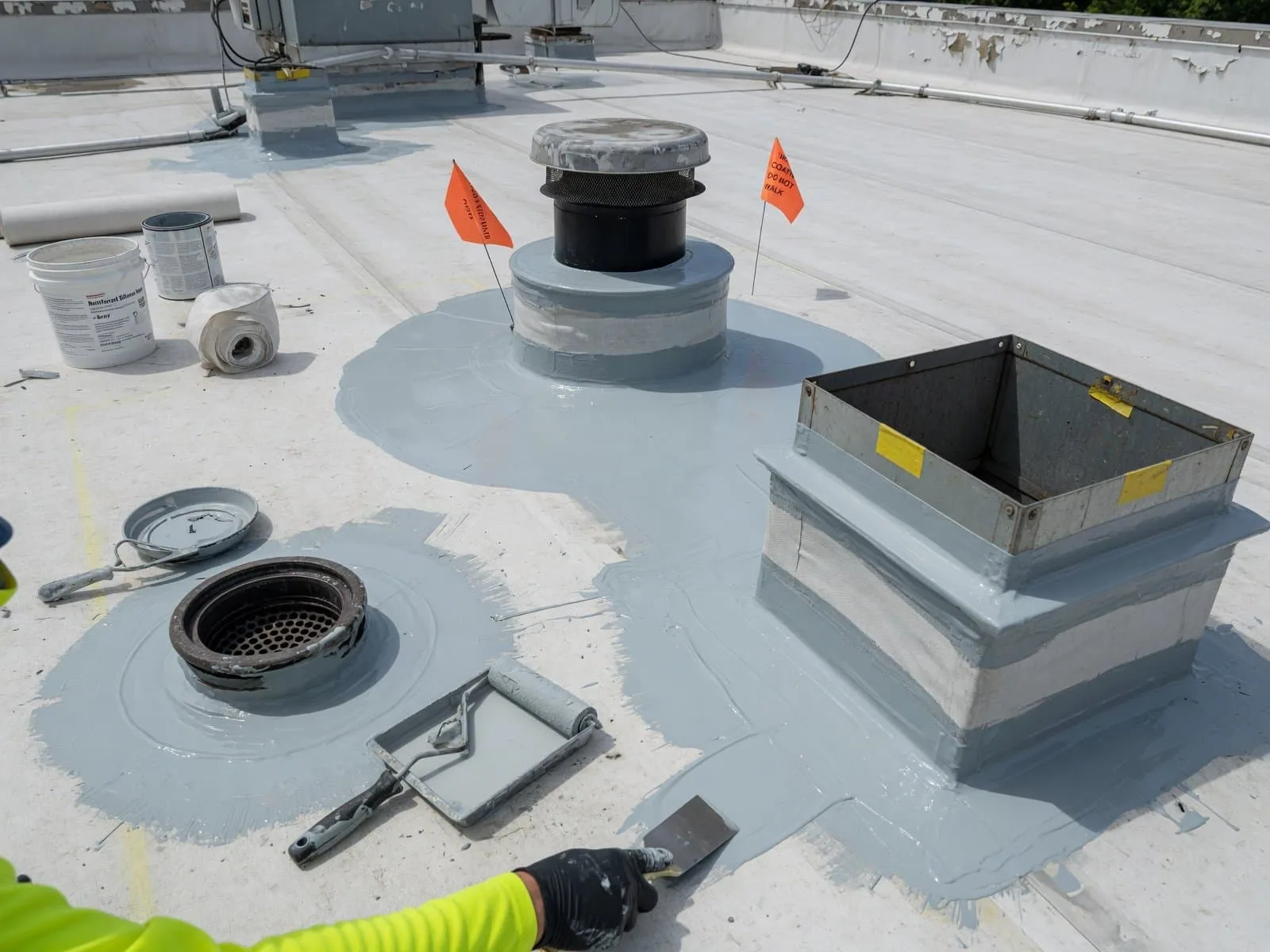
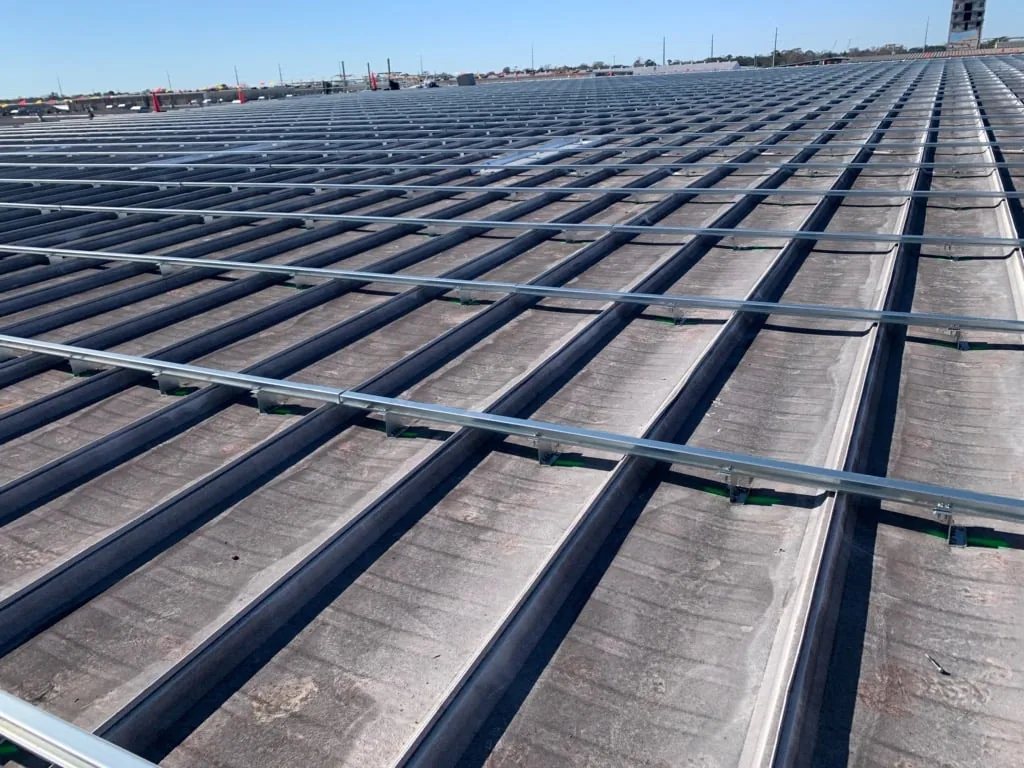
Solar supports may be ballasted, mechanically attached or connected through penetrations, depending on the design and roof system. We review the proposed attachment points with the solar contractor and identify how each one interfaces with the membrane. Penetrations require compatible flashing and proper load transfer; ballast needs confirmation that the assembly can support the added weight. Structural review, array engineering and electrical design remain part of the solar project team’s scope.

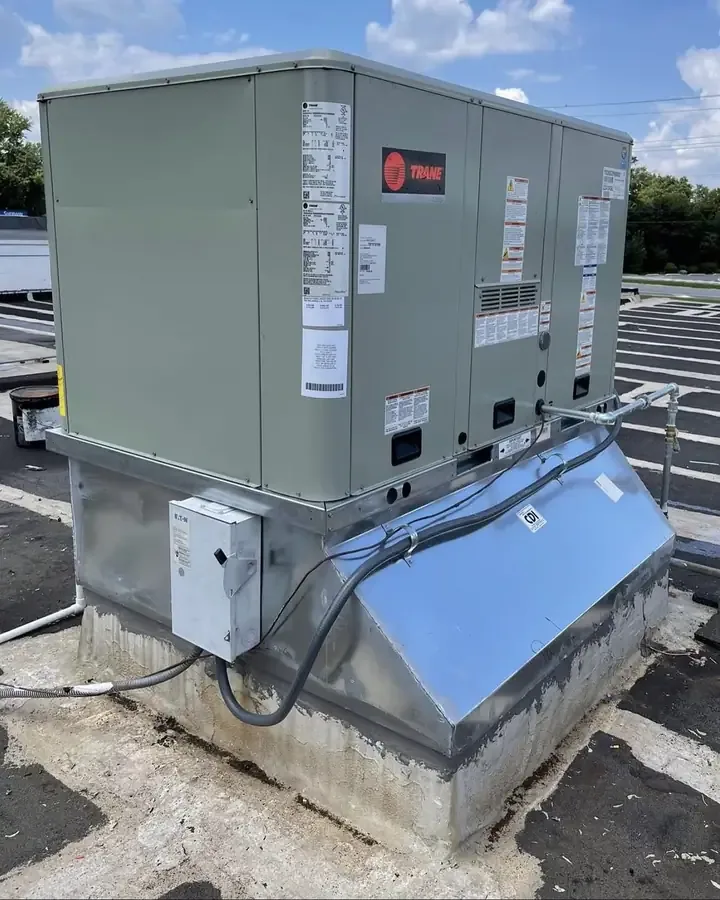
Before installation, the roof plan should show equipment clearances, walkway paths, drains, scuppers and areas reserved for service. The layout should preserve drainage and allow access to rooftop units and flashing details. We identify where array work could conflict with existing repairs or roof edges, then agree on who will protect and document each transition. A roof curb and support review can help coordinate solar supports with existing equipment bases.

When mechanical attachment is proposed, each fastener location needs a detail that suits the deck and membrane. If the solar layout changes after roofing work is priced, the roof team should review the revised penetrations and access paths before installation. We record who will supply the flashing materials and who will inspect the final tie-in. This reduces uncertainty when the array schedule overlaps a reroof or when supports need to cross a roof section with prior repairs.

Decide what roofing work comes first

A solar-ready scope can include targeted roof repairs, replacement of damaged flashing, insulation correction or a new membrane before array installation. We define each item and clarify whether the solar contractor will work around the roof crew or follow after the roof is closed. If the existing membrane is compatible and sound, limited preparation may be enough. If widespread moisture or deterioration appears, placing supports first can complicate a later repair.

Greeley uses the 2021 International Building Code with local amendments; confirm roofing and solar permit requirements with the City before fixing the attachment scope. We coordinate roofing details with the project schedule and identify any roof manufacturer requirements that affect attachment or warranty documentation. A cover board and insulation review may be useful when an assembly change is part of the plan, and coating restoration can be considered only if the current roof qualifies.

Solar-Ready Commercial Roofing in Greeley, CO

Commercial Roofing Questions

Can panels go on a roof that already has leaks?

The leaks and underlying assembly should be assessed before supports are installed. We locate the affected areas, identify needed repairs and explain whether a broader roof scope should precede solar work.

Who decides whether the roof can support the solar array?

The project’s qualified structural professional evaluates the structure and array loads. We provide roof assembly details and coordinate attachment and waterproofing conditions within the roofing scope.

How do you keep solar supports from causing leaks?

We review the support and membrane interface, then define compatible flashing, attachment and inspection steps. The project plan should assign responsibility for each penetration and document the completed detail.

Should we reroof before installing solar?

The answer depends on condition, remaining serviceability, access and the cost of later array removal. We inspect the roof and compare the roofing schedule with the planned solar installation.

What should the solar contractor share with the roofer?

Send the array layout, attachment details, access paths, equipment clearances and construction schedule. University of Northern Colorado District and Highpointe Business Park properties may need distinct access coordination.

Keep the roof protected during array work

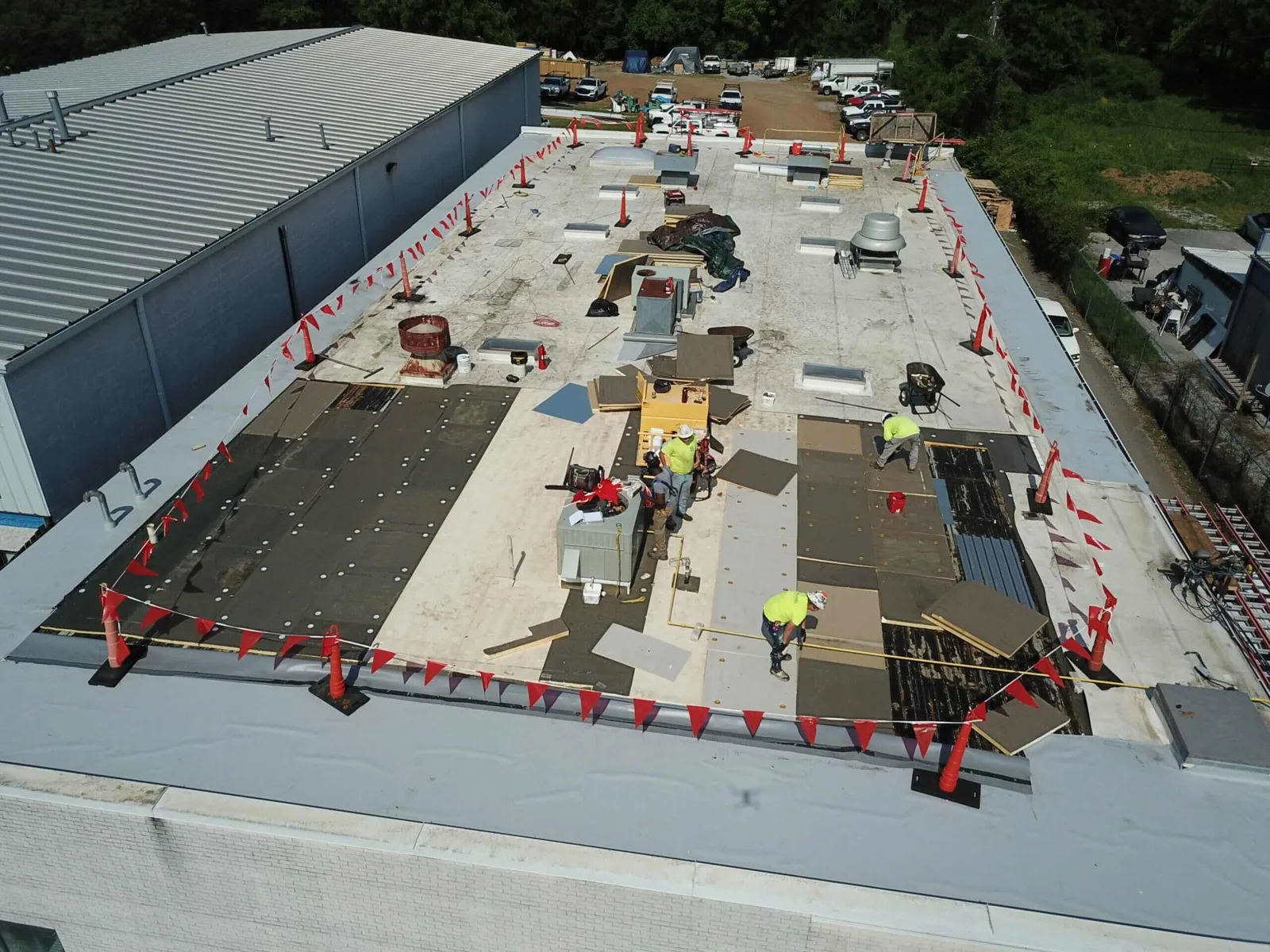
Solar installation can bring foot traffic, staging, lifts and repeated movement across the roof. We set out approved access paths, identify membrane protection needs and document existing conditions before other trades begin. If the array crew opens a penetration, the project plan should define who supplies the flashing detail, who inspects it and how the completed work is recorded. Clear responsibility helps avoid a gap between roof installation and solar commissioning.

Wind and snow may affect both roof access and the solar schedule, while hot surfaces can change handling of membranes and sealants. We check current conditions before opening a roof section and coordinate any weather delay with the other trades. Near Downtown Greeley, public activity and delivery access can influence staging. At Aims Community College District, active education and workforce operations make schedule coordination important. Each site contact confirms actual routes and work windows.

We mark any roof areas that array crews should avoid, including drains, flexible flashing, recent patches and membrane seams that need unobstructed maintenance access. Temporary walk pads or protection may be part of the solar contractor’s plan, but their placement should be reviewed against roof drainage and future service routes. The property contact receives the agreed path and the sequence for opening and closing any roof penetration, so a crew can report a damaged detail before it becomes a water-entry call.

Solar-Ready Commercial Roofing in Greeley, CO

Keep roof records current after solar

Before array work begins, we can provide condition photographs, roof-zone labels and a record of repairs completed for the solar project. After installation, the owner should retain the array plan, attachment details and any roof penetrations or flashing work. Those records help a future roofer locate supports and protect the membrane during maintenance. The roof plan should also identify walk paths and components that require service access.

Share the solar layout, structural review contact, roof plans, assembly details and intended construction dates when requesting an assessment. Tell us whether panels or supports have already been installed and which contractor will handle roof penetrations. We will inspect the roof condition and coordinate the roofing scope that fits the array plan. A condition report can preserve the baseline and provide a useful reference for future roof or solar work. Include closeout documents after the array crew finishes.

Related Roofing Work

Review your Greeley roof before solar

ServicesRoof SystemsIndustriesProperty TypesService AreasDamage RepairCapabilitiesManufacturersAboutRequest a Roof Assessment555-555-5555
Call555-555-5555