Infrared Moisture Surveys in Greeley, CO

Commercial Roofing Services

Infrared Moisture Surveys

A moisture question usually begins with a leak that keeps returning, a roof area that holds water or an owner preparing for a repair decision. Infrared scanning can help compare roof-surface temperature patterns and identify areas worth closer examination. It does not see water directly or prove that insulation is wet. We review the roof assembly, surface conditions, time of day, recent weather and reported leak locations before interpreting an image. The survey ends with mapped observations and a plan for confirming what matters.

Snow, wind, heat and storm exposure can prompt a moisture survey after a leak or roof event. Infrared patterns still need confirmation before anyone treats insulation as wet. A commercial roof inspection checks the visible assembly before scanning.

Decide whether infrared fits the roof

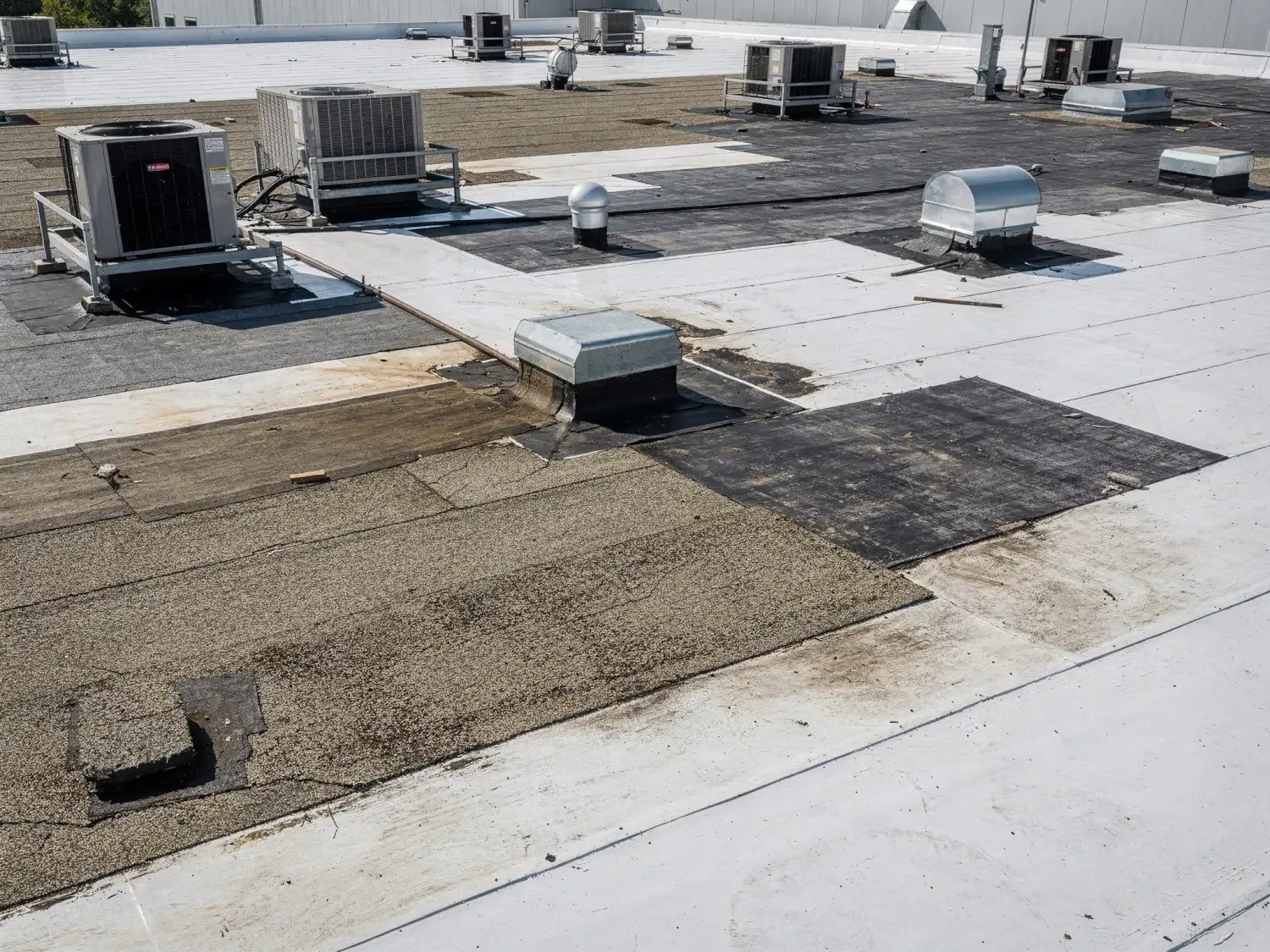
Not every roof is a good candidate for thermal imaging. The method works best when the assembly and surface can produce a useful temperature contrast under suitable conditions. Surface water, shade, rooftop equipment, insulation type, multiple roof layers and recent repairs may affect the image. We review the system and the survey question first. If the roof surface cannot provide a dependable comparison, we explain that limitation and discuss a different inspection or testing method.

The question sets the survey boundary. A recurring stain, suspected wet insulation and planned replacement each need a different comparison. We ask for leak timing, repair history, roof plans and the decision at hand. Highpointe Business Park includes light- and medium-industrial properties alongside a smaller commercial component. That mix can mean different operating limits from one site to another, so we confirm the installed system and roof sections at the property.

Recent snow, wind or temperature changes may affect surface readings or safe access. We document those conditions when interpreting an infrared pattern. Our roof inspection process checks seams, drains, penetrations, edges and visible repairs alongside the thermal survey. That comparison helps distinguish an image pattern from a roof condition that needs confirmation.

Infrared Moisture Surveys in Greeley, CO

Set the survey boundary before scanning

Before mobilizing, we identify sections, access, system information and areas for comparison. The site contact confirms equipment restrictions, occupied rooms, hours and off-limit zones. We agree on image labels and a roof-plan reference. A defined question keeps the survey focused on a decision.

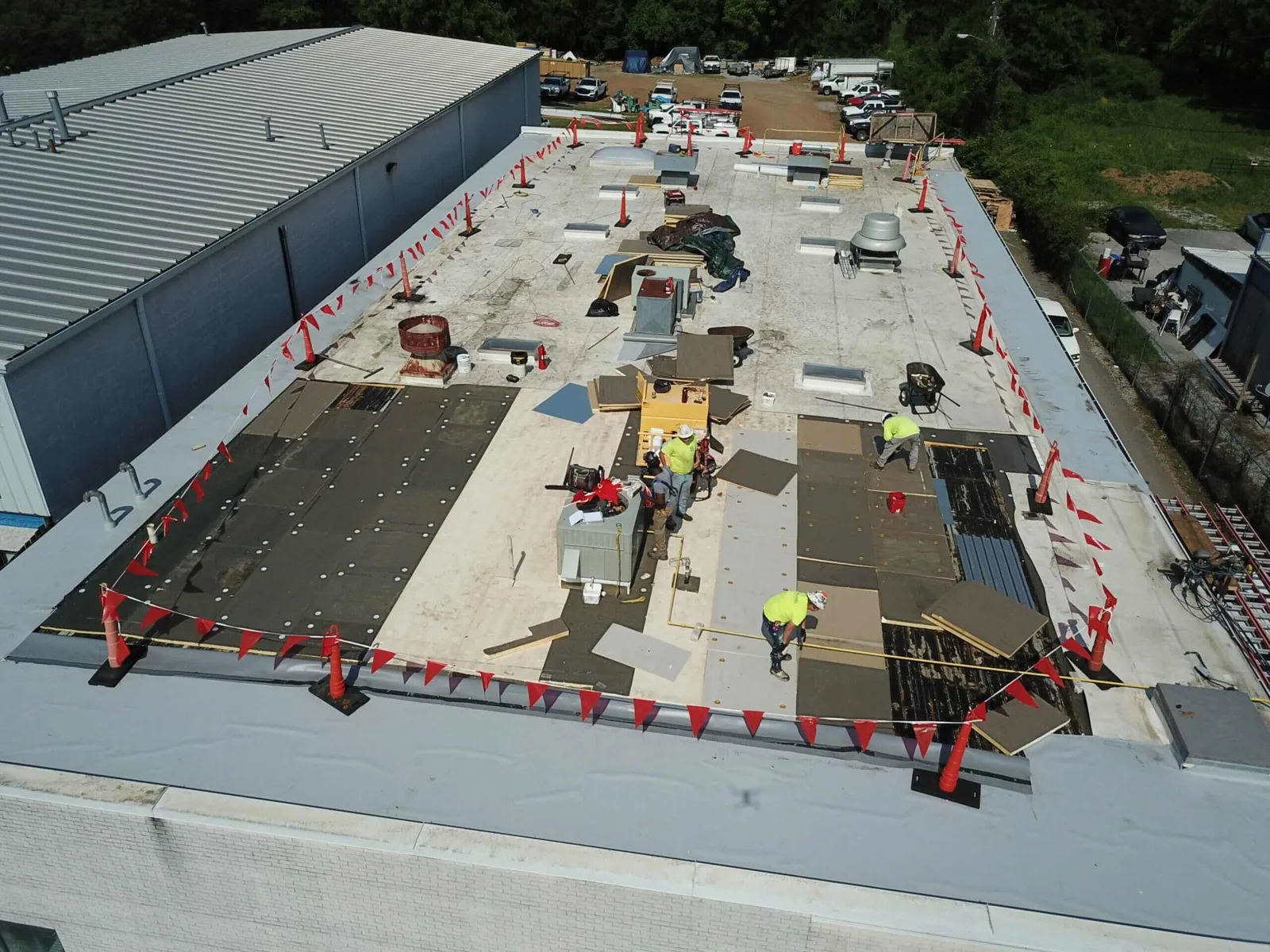
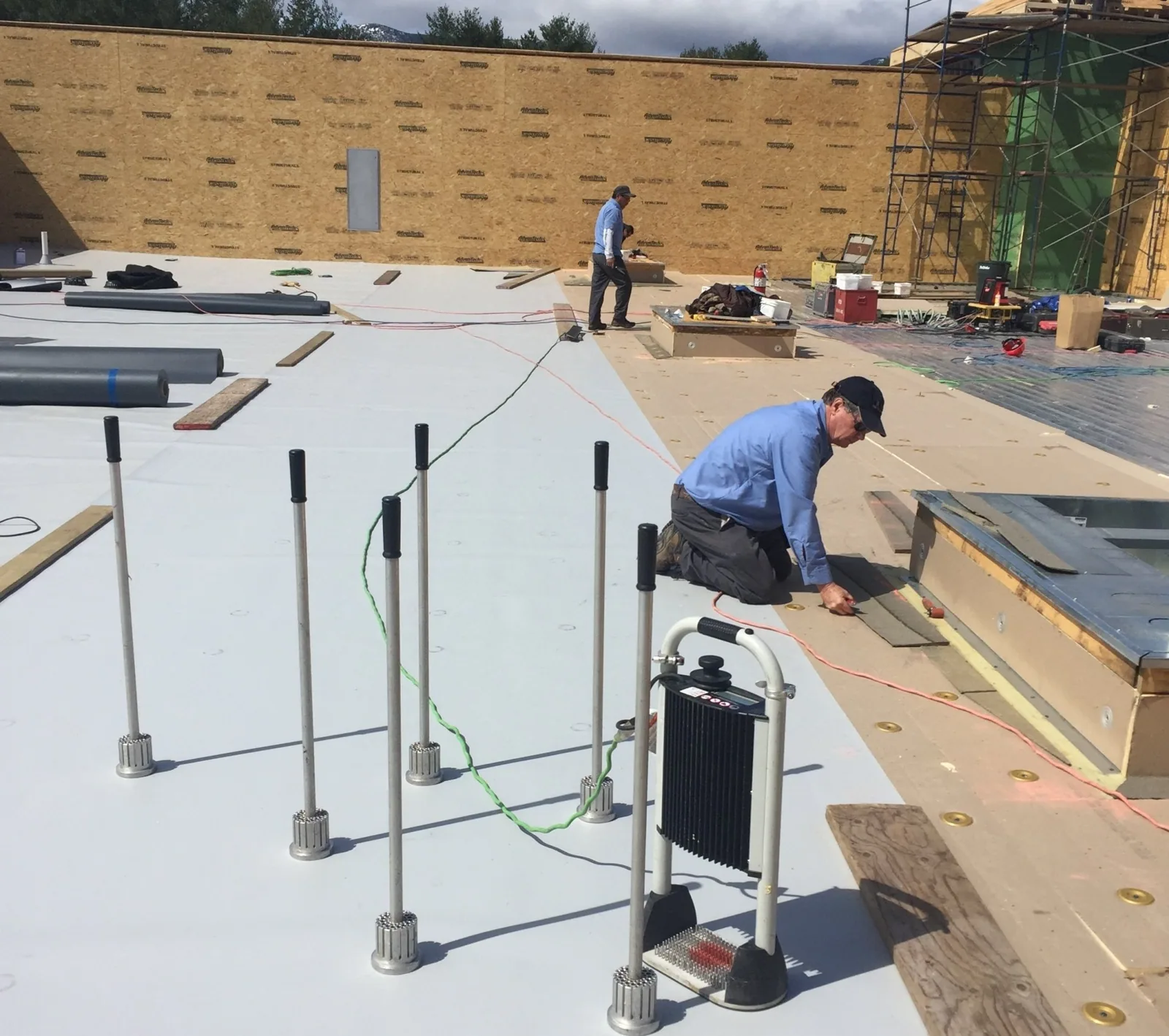
On site, we inspect surface conditions and document visible details before collecting thermal images. We record when a pattern appears, where it sits relative to drains or seams and whether shade, stored material, equipment or recent work could affect the reading. The image is a screening clue. We do not label a location as wet solely because it has a different temperature. We compare the pattern with the assembly, the conditions during collection and the roof history, then identify locations that may warrant a closer check.

Weather and access can change the plan. Snow or ice can make roof travel unsafe, and wind can affect equipment at exposed edges. We check conditions at the site. If a zone is inaccessible or the temperature contrast is inadequate, we record the limit and explain whether a return survey or another test would help.

Confirm suspicious readings before pricing removal

Thermal images can narrow the area for further investigation, but core cuts or another approved test are what confirm concealed assembly conditions. We mark proposed test locations on the roof plan and review them with the owner before cutting. The site contact authorizes each opening, and we confirm how the area will be repaired the same day. A test should be placed where it can answer the question while avoiding drains, seams, equipment and other details that complicate interpretation.

At an approved opening, we inspect the layers, insulation and deck that are exposed, photograph the materials and record what is dry, wet, damaged or inconclusive. One test result applies to that location and assembly. It should not be extended to an untested roof section without supporting evidence. If the sample differs from the thermal pattern, we explain the uncertainty and may recommend another location or a different method. A roof condition report can preserve the image map, test points, photographs and unresolved questions.

Results can support repair, removal, maintenance or capital planning. We keep tests separate from repair quantities until approval. Limited moisture may suit a focused repair; broader findings may call for sampling or a replacement evaluation. Recover work requires separate review of moisture, layers, drainage and structure.
Infrared Moisture Surveys in Greeley, CO

Commercial Roofing Questions

Does infrared imaging prove that insulation is wet?

No. It shows temperature patterns that may identify areas for closer review. We consider the assembly and survey conditions, then use an approved test cut or another method to confirm concealed materials.

What conditions can make a scan less useful?

Recent rain, snow, shade, rooftop equipment, multiple layers and limited temperature contrast can affect interpretation. We check the surface and explain any limitation before relying on an image pattern.

Will you cut into the roof during every survey?

Only with owner approval and an agreed test location. We explain why a cut may help, document the exposed layers and close the opening under the authorized scope.

Can the results tell us whether to replace the roof?

They can inform the decision when confirmed test results are considered with system condition, drainage, attachment and repair history. Thermal images alone do not set a replacement scope.

What should I provide before the survey?

Send roof plans, leak locations and timing, prior repairs, access rules and the decision the team needs to make. Name the person who can approve a test opening.

Read the images with Greeley conditions in mind

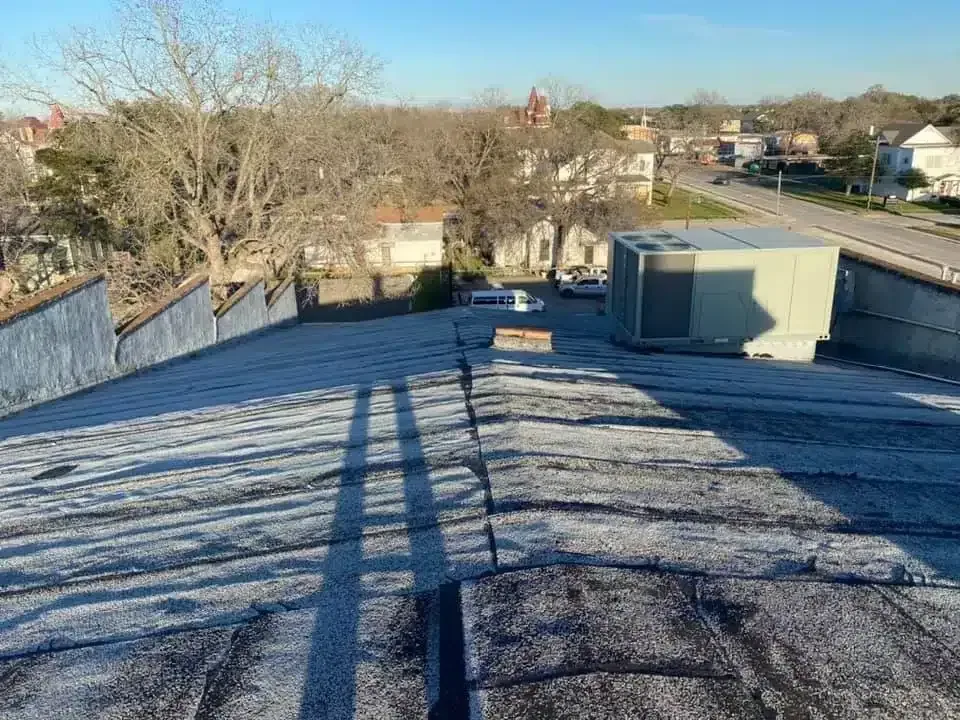
Sun, shade, surface moisture, insulation and interior heat can affect a roof’s temperature pattern. We choose a suitable collection window and explain the limits; an infrared image is a screening tool, not a standalone diagnosis.

After a reported storm, a surface-damage inspection and a moisture survey answer different questions. We inspect visible damage separately from any thermal pattern beneath the roof. We inspect for visible punctures, displaced metal, open seams and damaged flashing, then use thermal comparison only where conditions and assembly make it informative. The actual findings at the property determine whether a test cut is useful. A separate hail-damage inspection can document impact-related conditions.

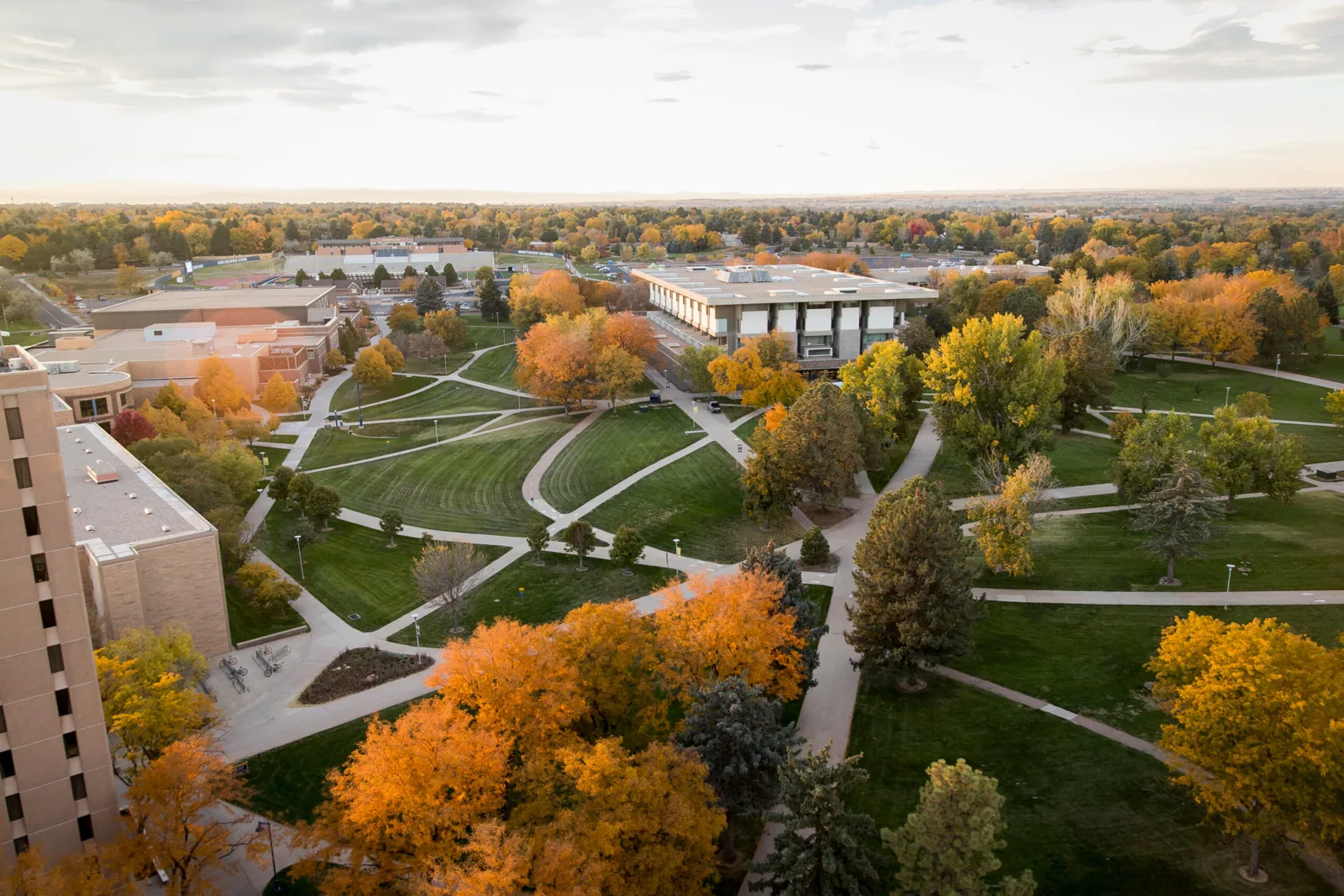
Near the University of Northern Colorado District, campus activity can affect access and work timing. A manufacturing facility may have equipment or production limits. The site contact confirms what applies, and reviews proposed test locations before any opening is made.

Infrared Moisture Surveys in Greeley, CO

Turn the survey into a clear decision

The deliverable maps scanned areas, image locations, test points, results and limitations. We separate thermal patterns from confirmed wet materials and identify inaccessible roof sections. Photographs and a marked plan connect each observation with its next action. If more information is needed, the report names the test or access required to resolve it.

Cost and timing depend on roof size, height, access, system complexity, number of test cuts, site operating limits and the repair required to close each opening. Weather and surface conditions may change the collection window. We describe those factors before scheduling and identify what is included in the survey versus a later repair. An owner considering a roof recover can use confirmed test results with drainage and assembly findings to evaluate whether another layer is appropriate.

Send roof plans, leak dates, prior repairs, access instructions and the decision under review. Identify who can approve a core cut and receive results. We will confirm the survey boundary, choose a suitable collection window and return mapped findings. A roof asset record can carry confirmed observations into future maintenance.

Related Roofing Work

Map the moisture question before expanding the scope

ServicesRoof SystemsIndustriesProperty TypesService AreasDamage RepairCapabilitiesManufacturersAboutRequest a Roof Assessment555-555-5555
Call555-555-5555