Can you provide a roof assessment for acquisition due diligence?
We can inspect accessible roof areas, record conditions and note limits or additional testing needed. The report does not replace broader property or financial diligence.

A roof can change a property’s near-term operating plan, but a budget decision needs evidence. We inspect the reported area, confirm the roof assembly where possible and separate visible defects from conditions requiring further testing. Our report states the location, limits of access, photographs and work options, so an investor can compare a repair with a larger project without treating a tenant complaint as a full-roof diagnosis.
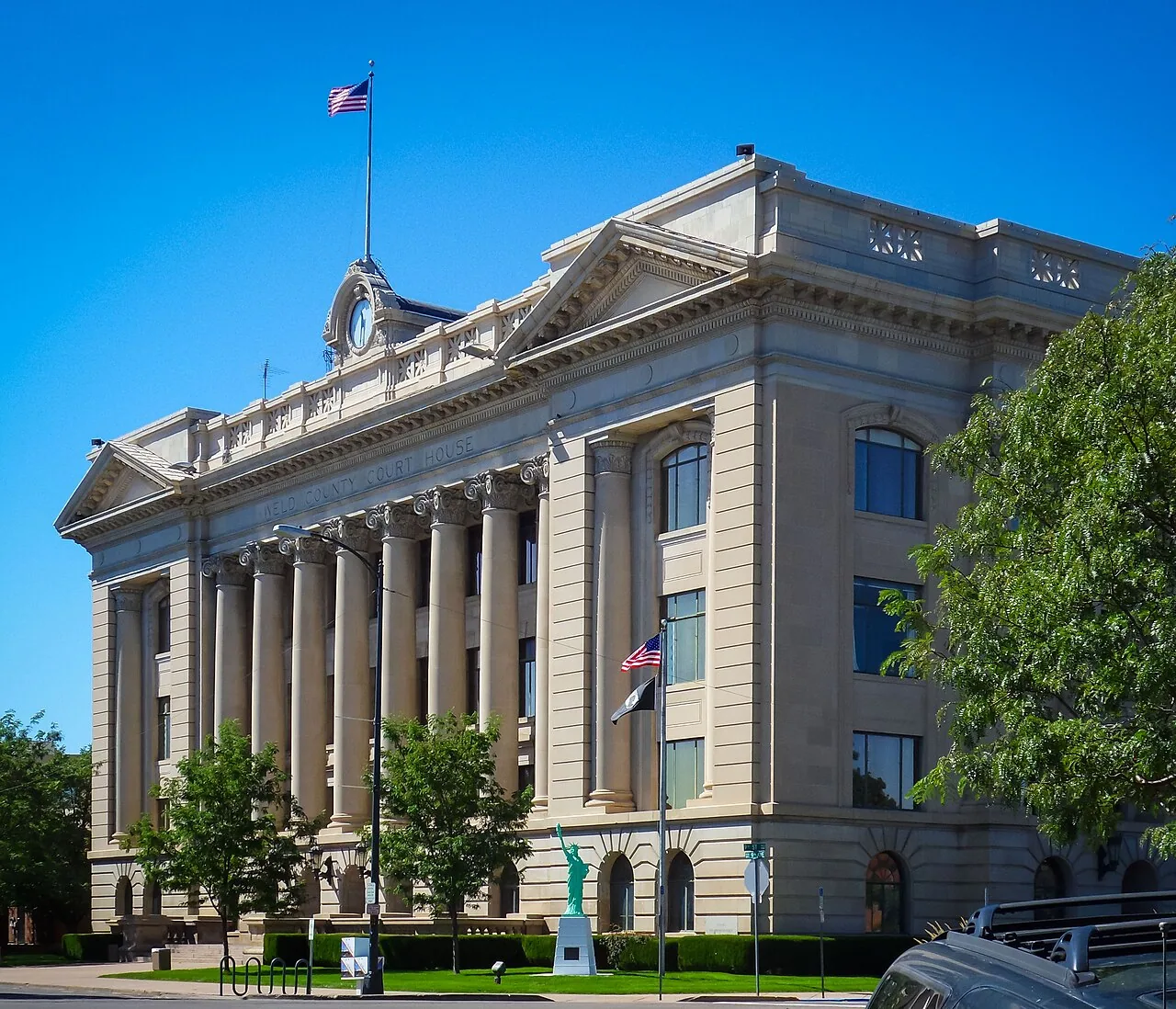
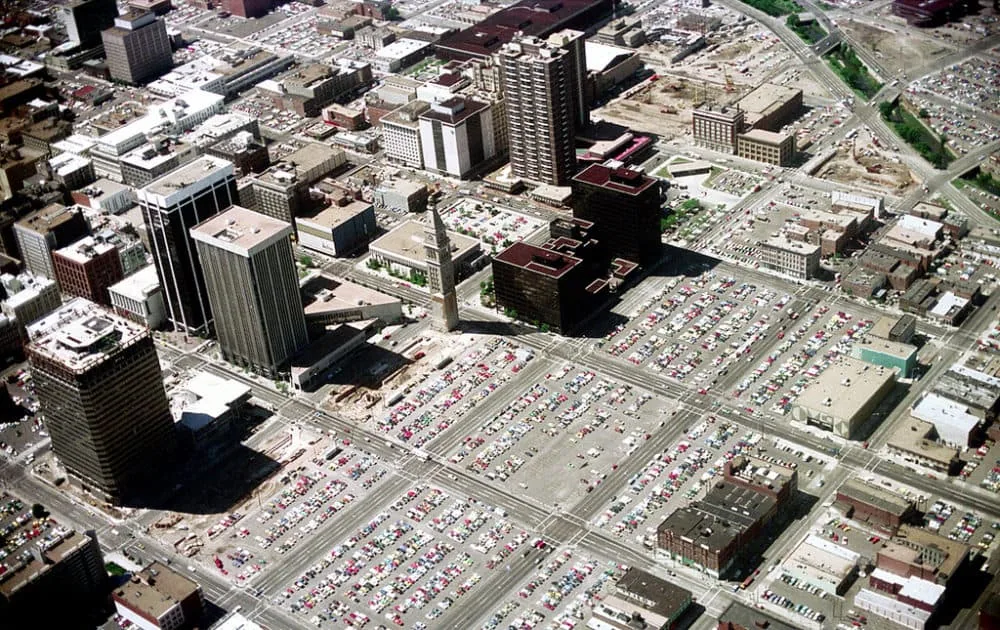
Greeley’s Downtown Greeley is supported by a Downtown Development Authority focused on business growth and development. The City’s 10th Street Urban Renewal Corridor is another defined commercial district with a facade grant program. We assess each asset from its own building records, current operations and field findings.
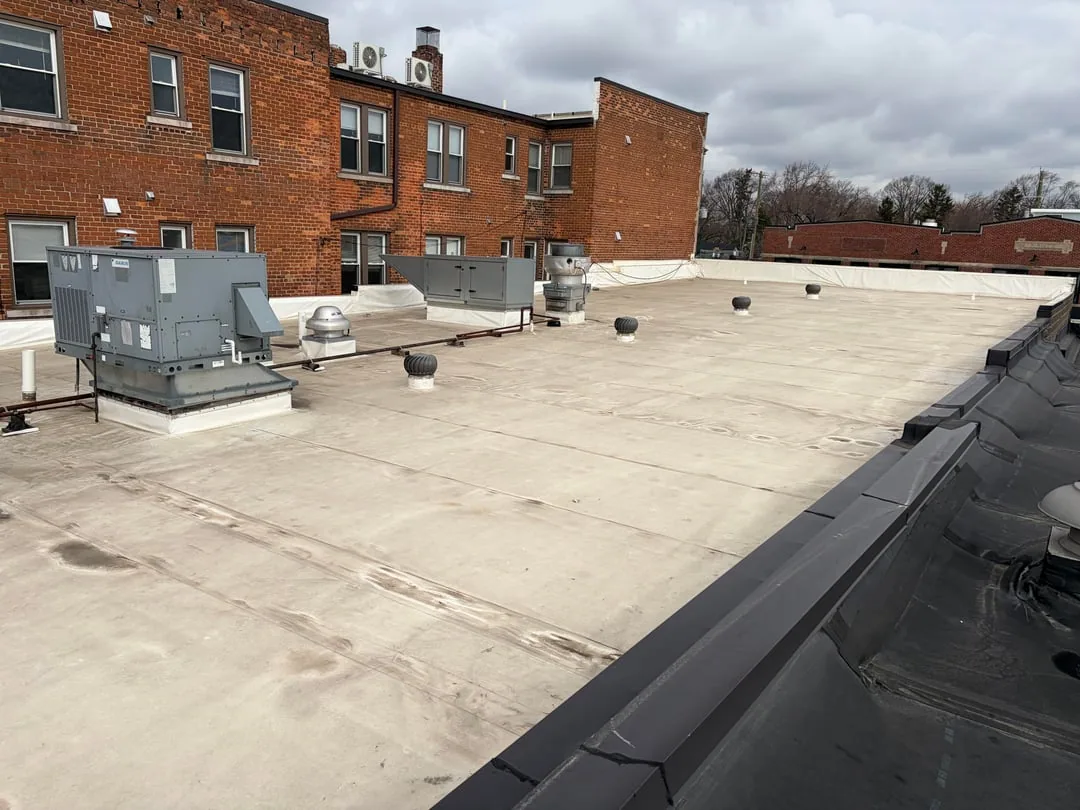
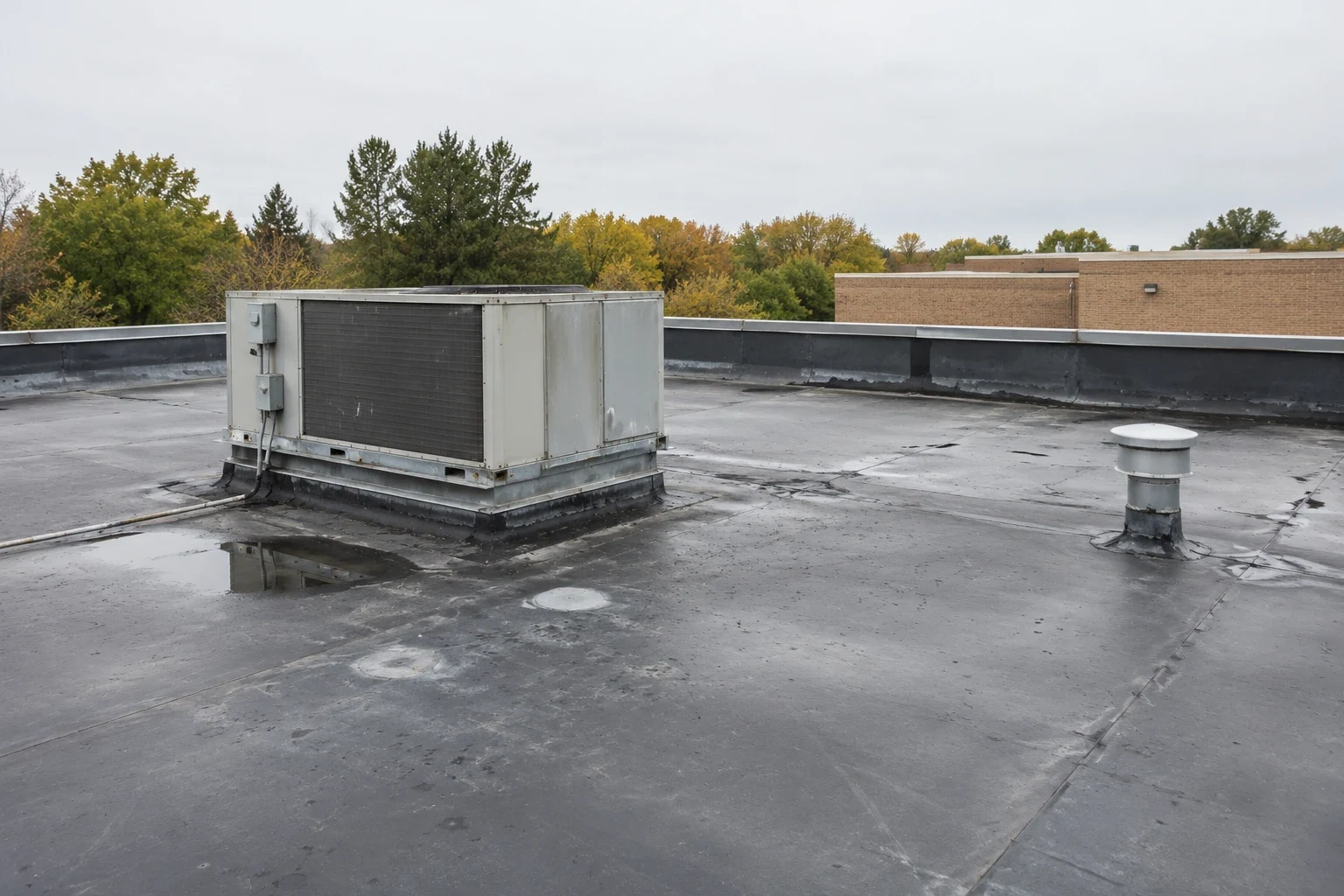
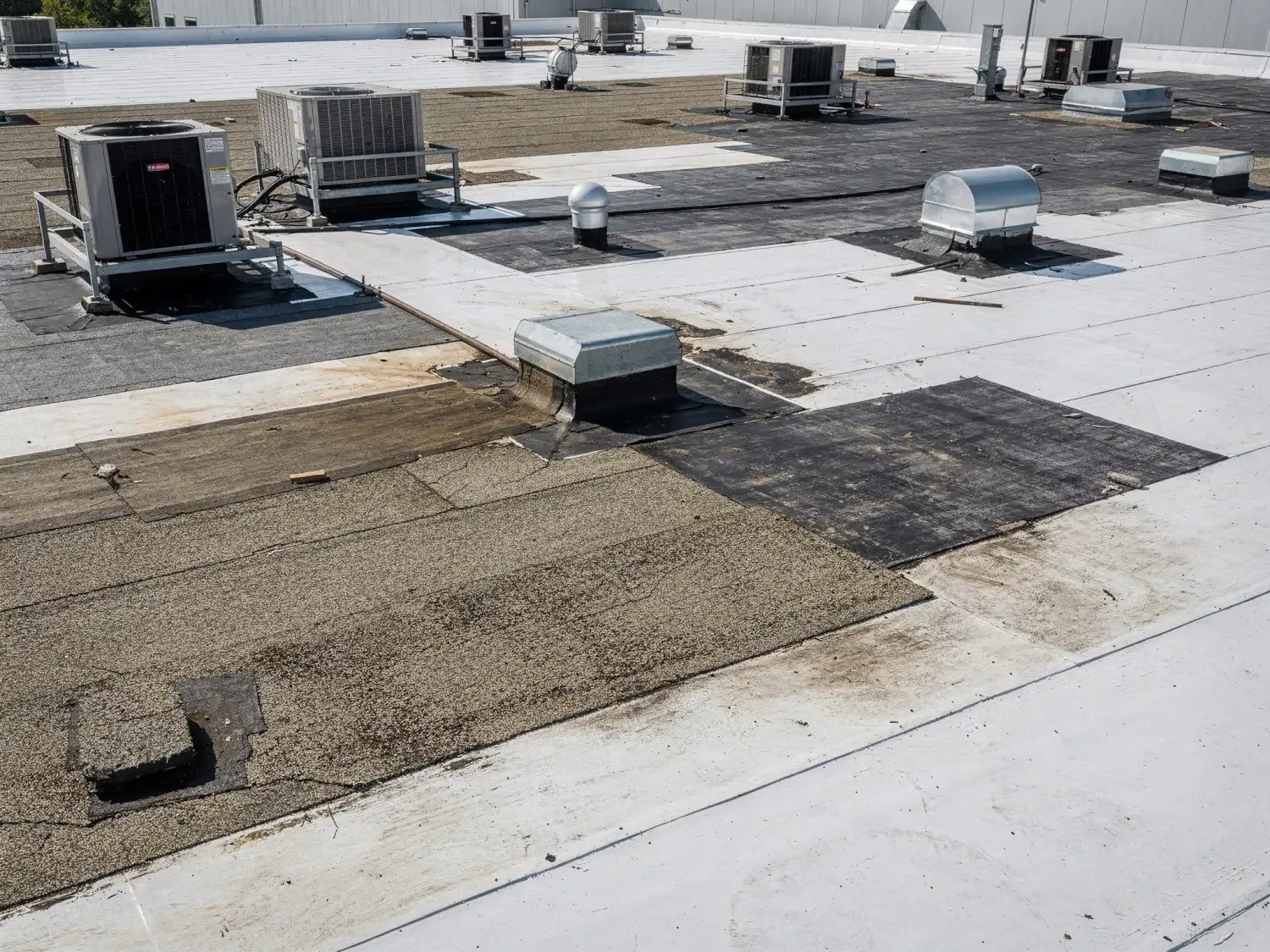
We review available roof plans, repair invoices, leak logs, warranties, tenant reports and equipment schedules before the visit. On the roof, we identify accessible assembly details and inspect seams, drains, curbs, penetrations, transitions and earlier patches. The findings show which areas were observed, which remain unverified and what evidence supports a repair recommendation. Where a concealed condition could change the decision, we state the test needed rather than assigning an unsupported replacement conclusion.
For acquisition or hold planning, consistent records matter across unlike assets. Each roof should have its own date, area, condition notes, immediate risk and deferred question. A commercial inspection creates a baseline; asset management support can help organize recurring review. A capital plan can show timing alternatives and preserve the inspection basis for an ownership review.
If drawings and field conditions disagree, we note the difference and identify the next verification step. That is important when an older repair, tenant installation or rooftop unit changes the apparent scope. We can record an allowance only as a stated planning assumption; it does not convert an unknown substrate, concealed wet area or untested attachment into a measured quantity. The investor or asset manager can then compare options with the uncertainty visible. When a third-party report is transferred at closing, we mark its date and scope so the buyer can distinguish inherited information from a current inspection.
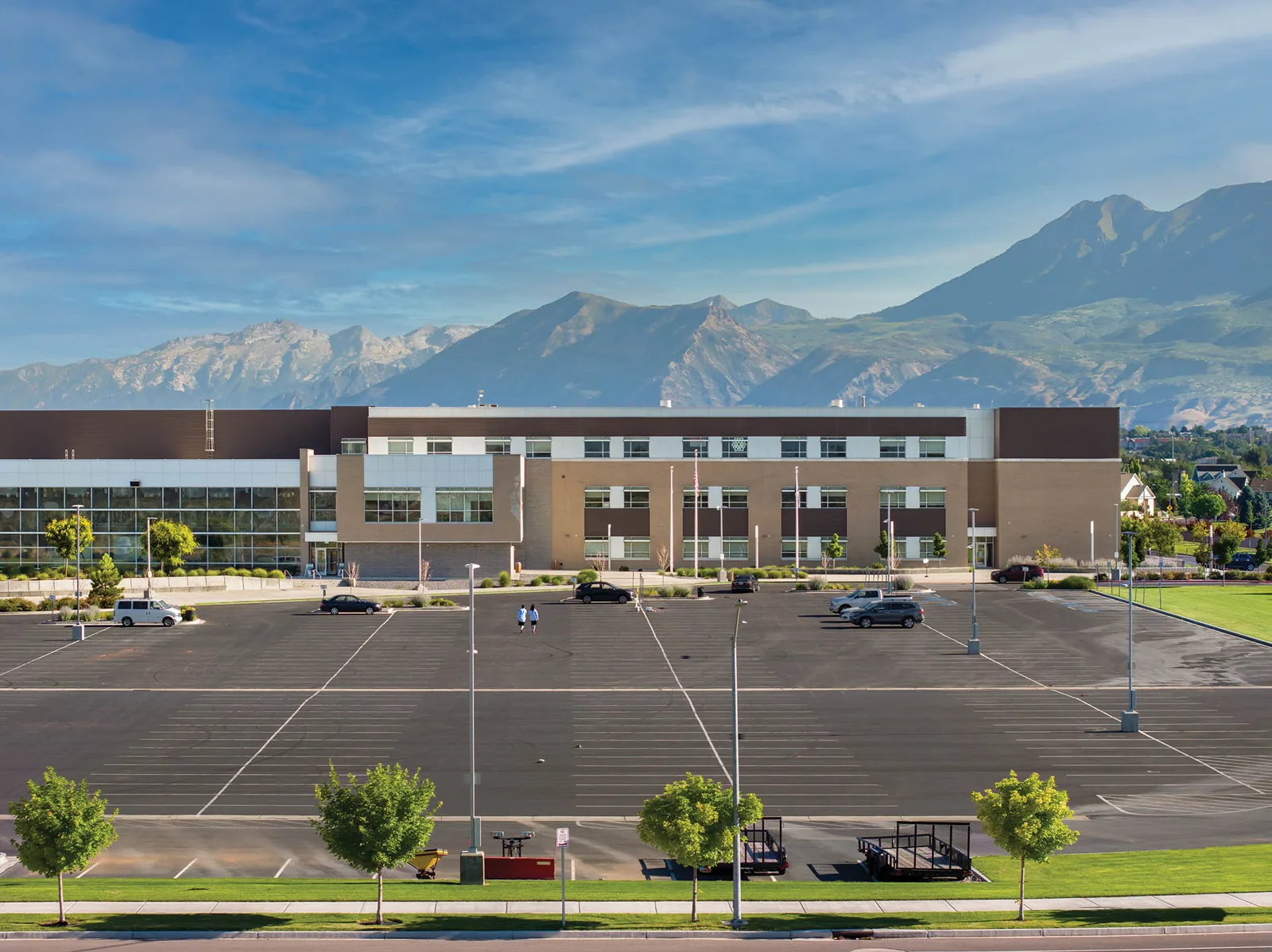
After inspection, we group work by consequence and timing: active water intrusion, conditions that need confirmation, maintenance items and longer-range renewal. Each entry names the roof zone and proposed action. The owner can ask which option stabilizes current risk, which buys time and which replaces a larger assembly. We describe service-life considerations only as supported by observed condition and relevant system information.
At a multi-tenant property, access windows, business hours, lease responsibilities and equipment shutdowns affect the schedule. We identify those assumptions before pricing. A project may be divided by roof section, tenant, or operating phase, depending on access and temporary protection needs. For a building managed by another operator, the property manager can coordinate tenant entry; our related guidance for property management companies addresses that handoff. Public procurement may add review steps; public agencies need the requirements tied to their specific solicitation.
For capital review, the proposal can distinguish an immediate repair from an optional investigation and a replacement alternative. We describe prerequisites, exclusions, inspection hold points and what could change price after opening. If a decision depends on manufacturer requirements or warranty status, we request the documents and avoid promising warranty coverage without confirmation. This lets the investment team compare scope on similar assumptions and route unresolved questions to the right consultant.
Before a transaction, an inspection can be scheduled around access rights and the seller’s operating requirements. We agree what areas may be entered, whether roof cuts or probes are allowed, and who must approve them. If intrusive testing is excluded, the report names that limit and explains which questions remain open. The buyer can then decide whether to request more evidence or carry a stated reserve assumption into its own analysis.
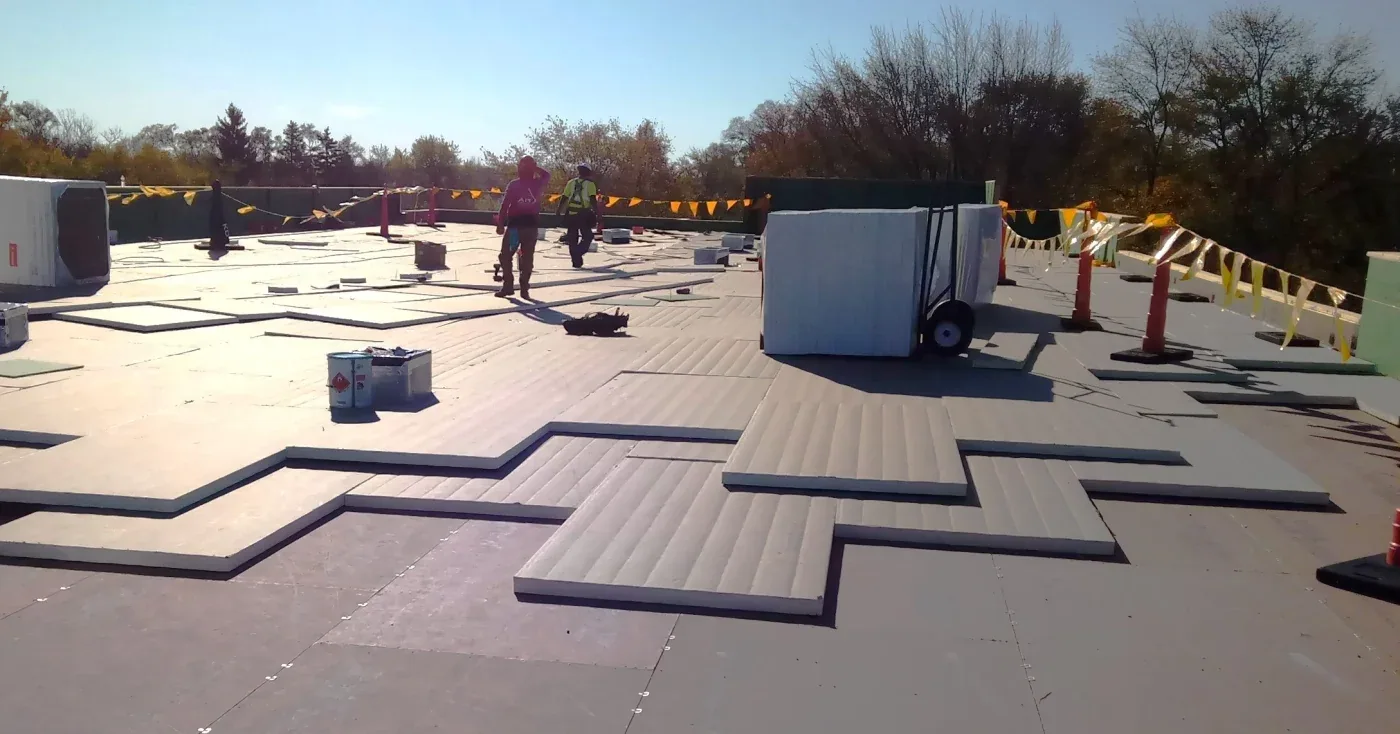
Heat, wind, precipitation and snow can affect safe access and installation. We check the day’s surface, wind and roof-edge conditions before selecting the work window. We verify temperature, roof surface, wind exposure and access conditions before selecting the work window. Winter drainage reviews should distinguish visible blockage from a roof defect and record what was accessible.
For an investment asset, we label visible impacts, moved details and reported leaks by building so the portfolio review does not merge site conditions. We document marks, displaced details, open seams and interior reports at the specific asset. We document observed marks, displaced details, open seams and interior reports for the actual asset. For insurance-related decisions, photographs and a dated condition record are more useful than an assumed cause. The investment team can compare repair scope only after the building-specific review.
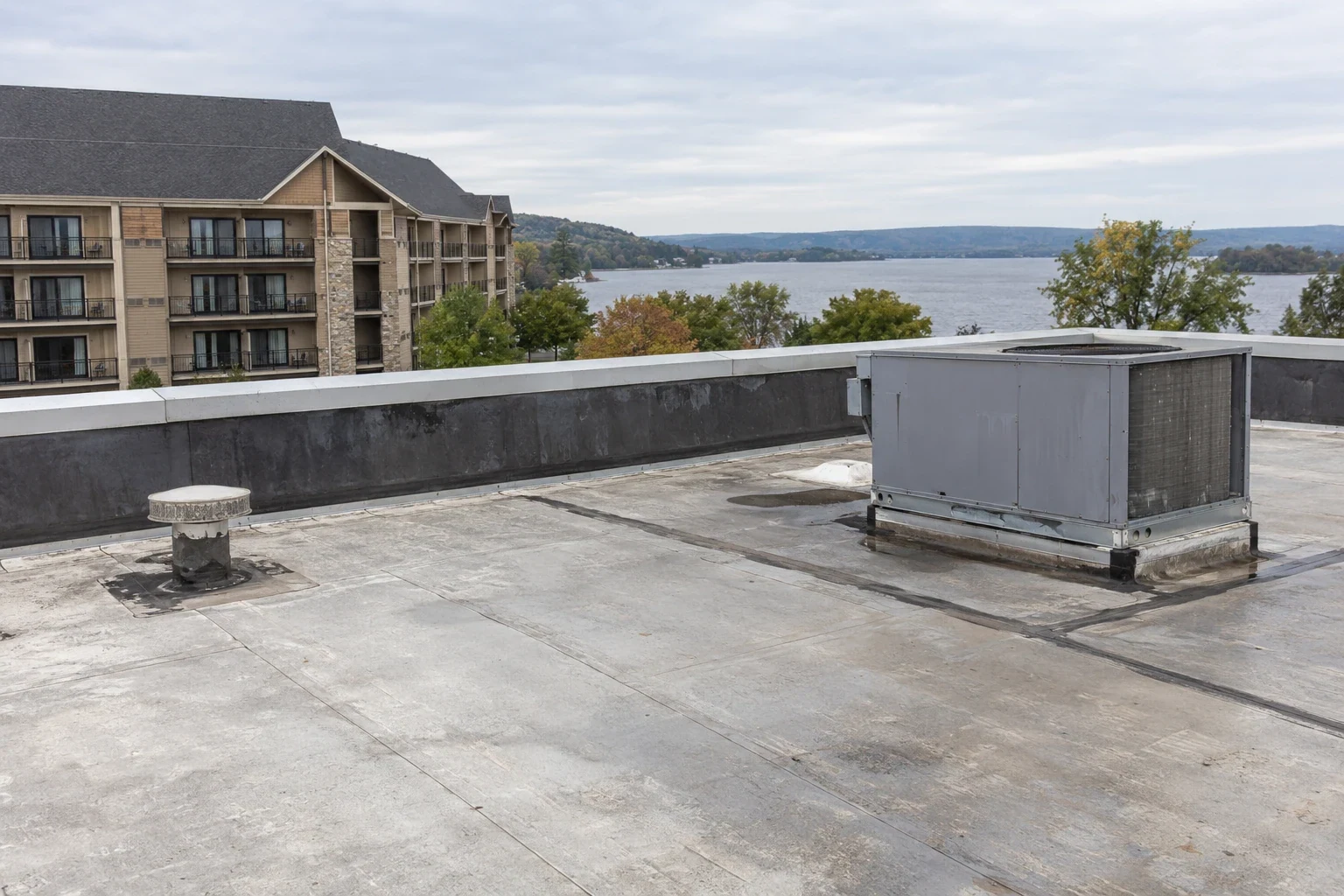
We can inspect accessible roof areas, record conditions and note limits or additional testing needed. The report does not replace broader property or financial diligence.
Observed condition and known system information can inform a cautious estimate. Adequate records are needed, and assumptions and uncertainty should be stated.
No. Regional weather records do not establish damage at an individual asset. We inspect the building and document specific findings.
When inspection supports both, we define the scope, access, exclusions and unresolved conditions behind each alternative.
Share roof plans, invoices, leak history, warranties, tenant access information, equipment details and the purpose and timing of the decision.
Repair may be appropriate for an isolated seam, curb or drain condition if adjacent materials remain serviceable. Broader deterioration, repeated failures or moisture beyond a defined zone can support further testing or replacement planning. We identify the basis for each option, including what remains uncertain. Where the building is occupied, the scope lists tenant protection and phased access separately from permanent roof work.
Price and duration depend on assembly, area, access, equipment, protection, disposal and installation details. We compare repair and replacement using inspection findings. A flex-industrial asset may have multiple tenant boundaries. The specific structure and documents set the actual design. We can provide options for a portfolio decision, but the investor retains underwriting, reserve and disposition judgments.
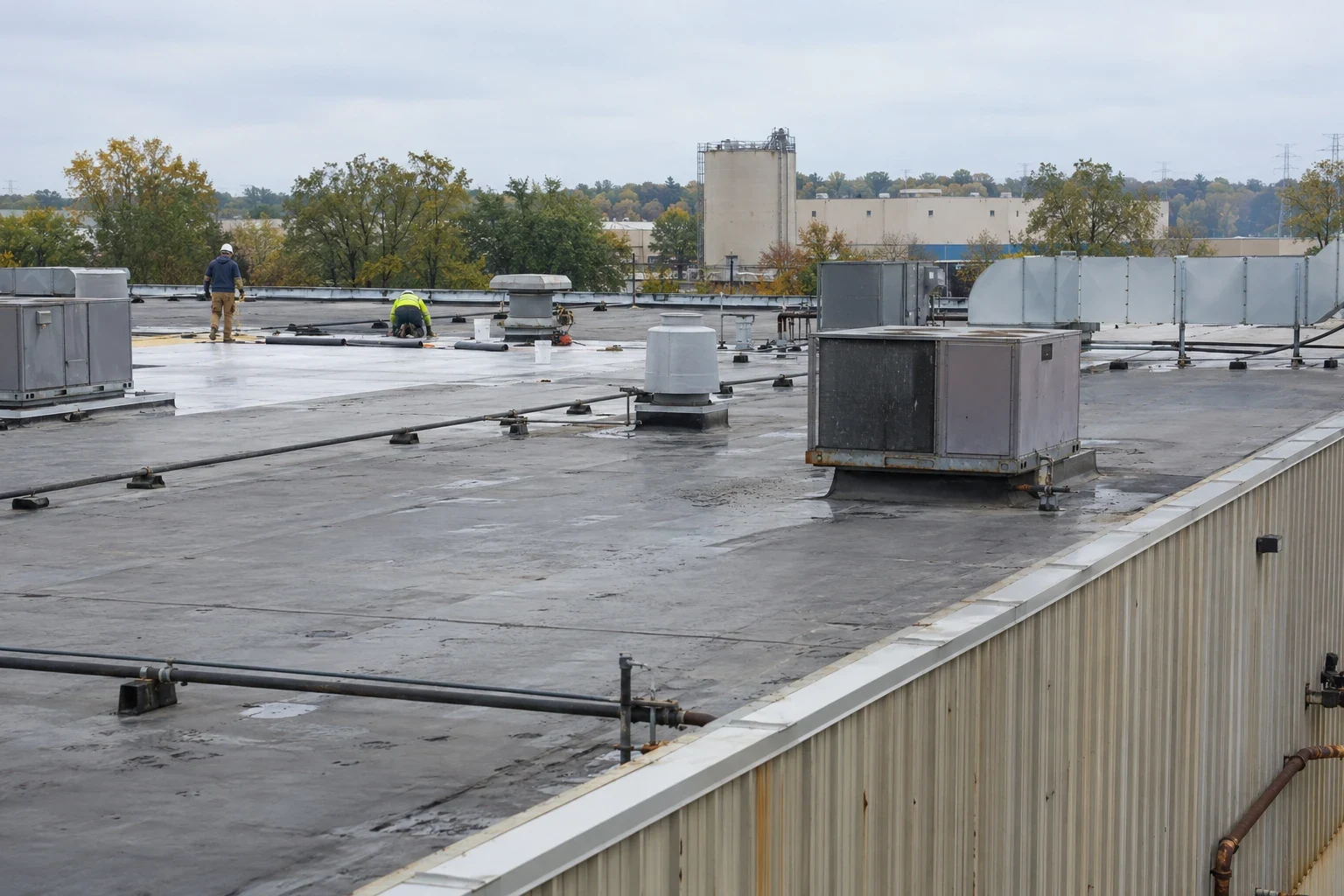
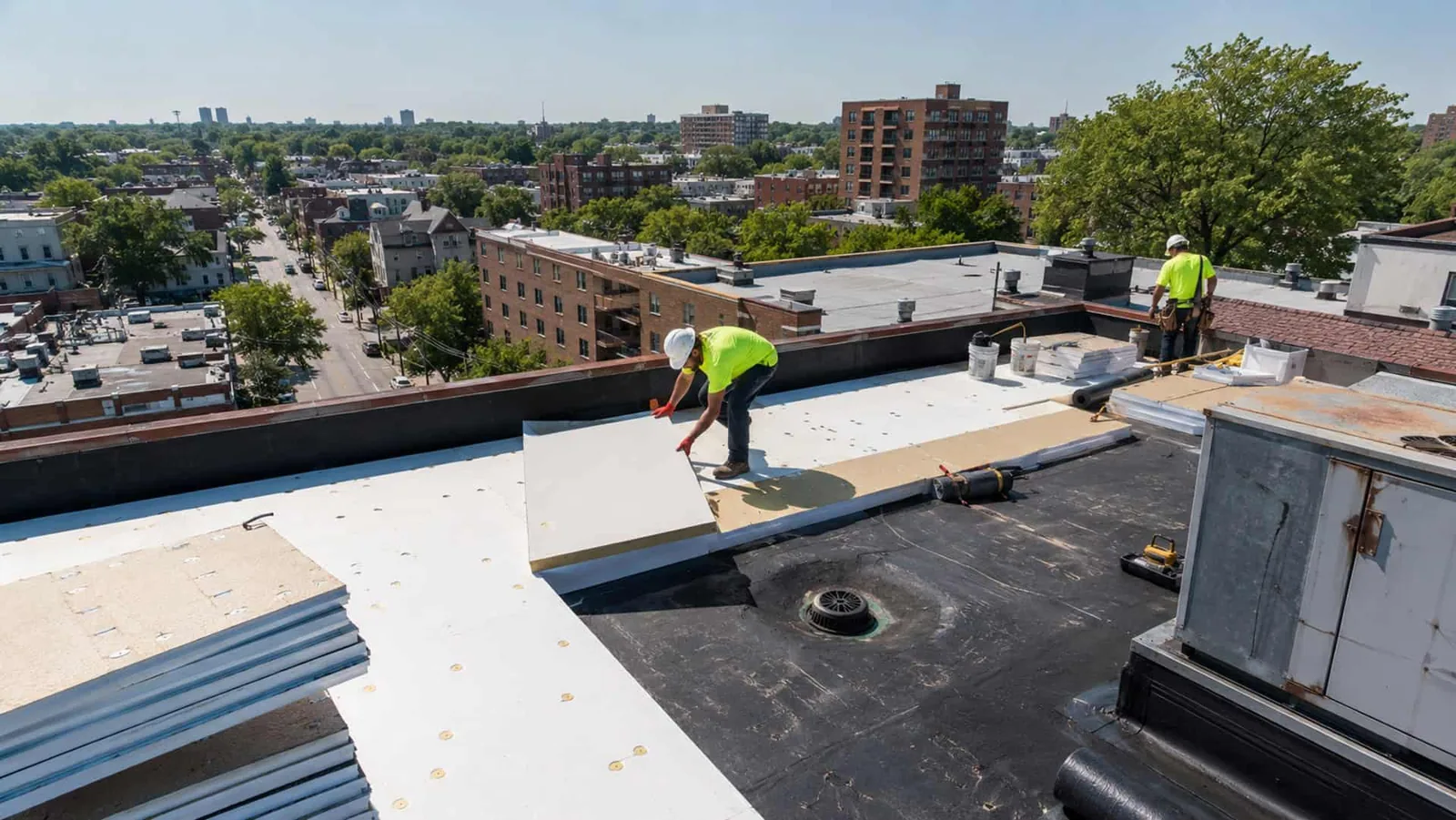
Closeout ties photographs, materials, repair locations and remaining items to the property and roof-zone map. We note the work completed, limits of inspection and follow-up recommendation. A new asset manager can use the file without relying on undocumented verbal history. If a tenant or another trade must complete an item, the handoff identifies the interface rather than blending it into roofing scope. Include an approved contact for later access so the record remains actionable after a staffing change.
For a review, provide roof drawings, maintenance history, current leak logs, warranty documents, tenant access rules and the decision date. Tell us whether the project is due diligence, a capital plan, a repair or a post-event inspection. Greeley’s defined districts can help frame a market discussion, while roof recommendations remain specific to the property. We return a documented condition and options that can be carried into the next ownership review.
A portfolio summary can group inspections by decision date, while each site retains its own measurements, photos and unresolved questions. When management changes, the incoming team can identify which recommendation was approved and which proposal still needs a decision.