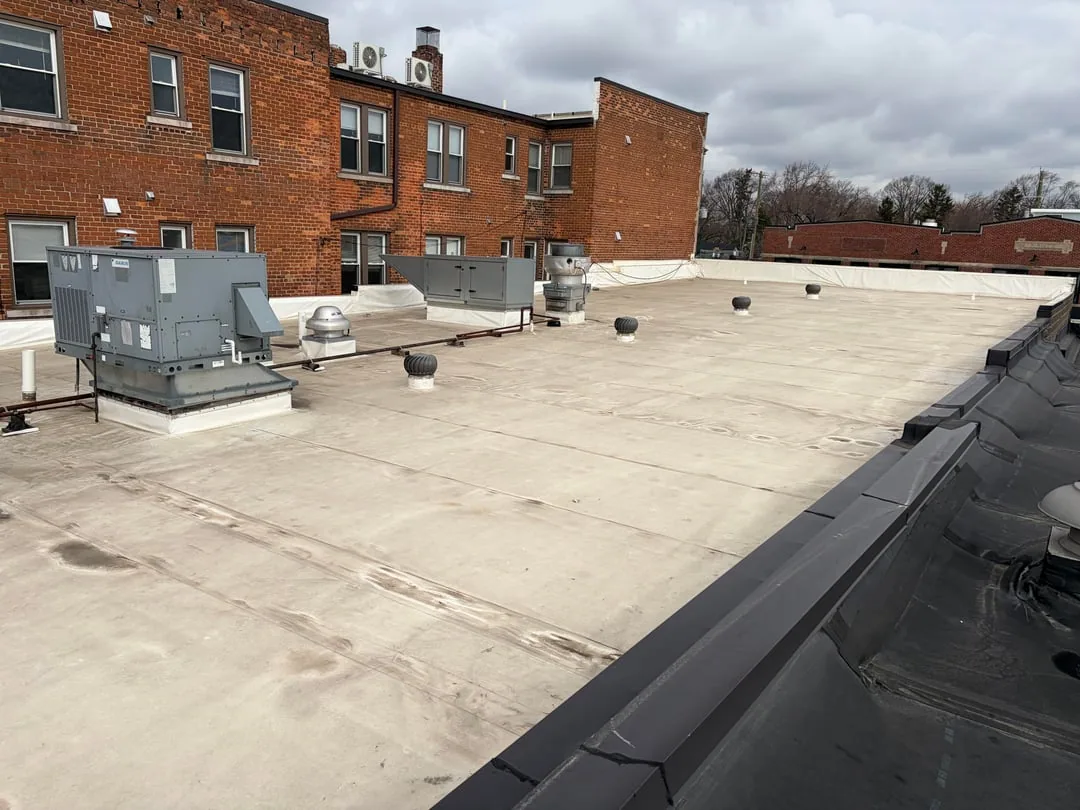
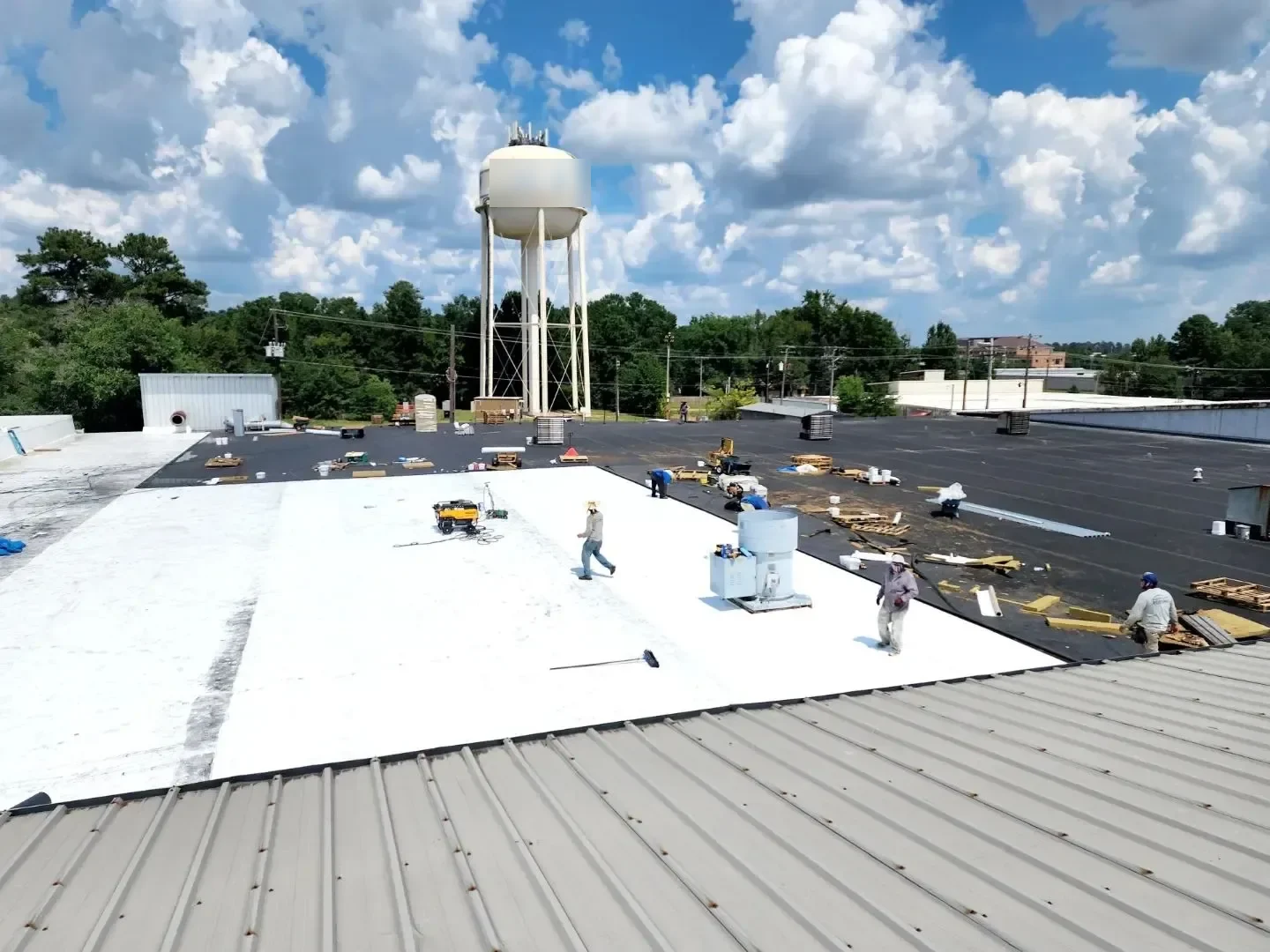
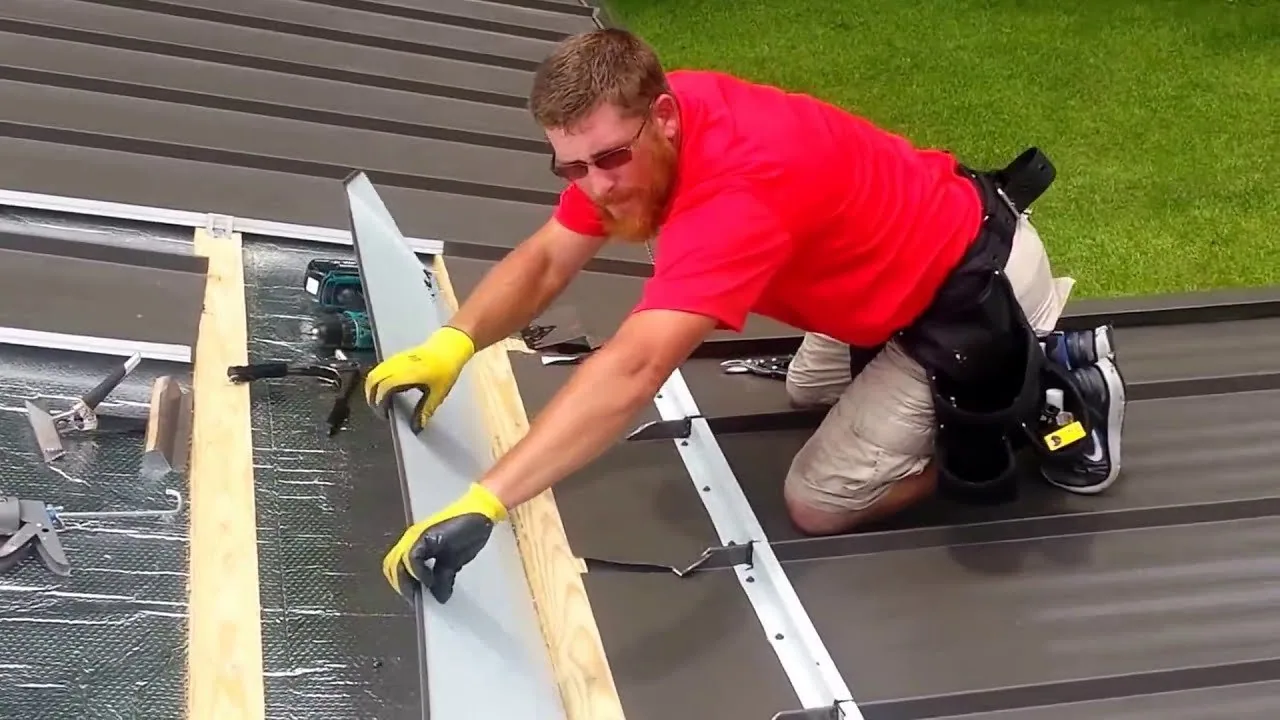
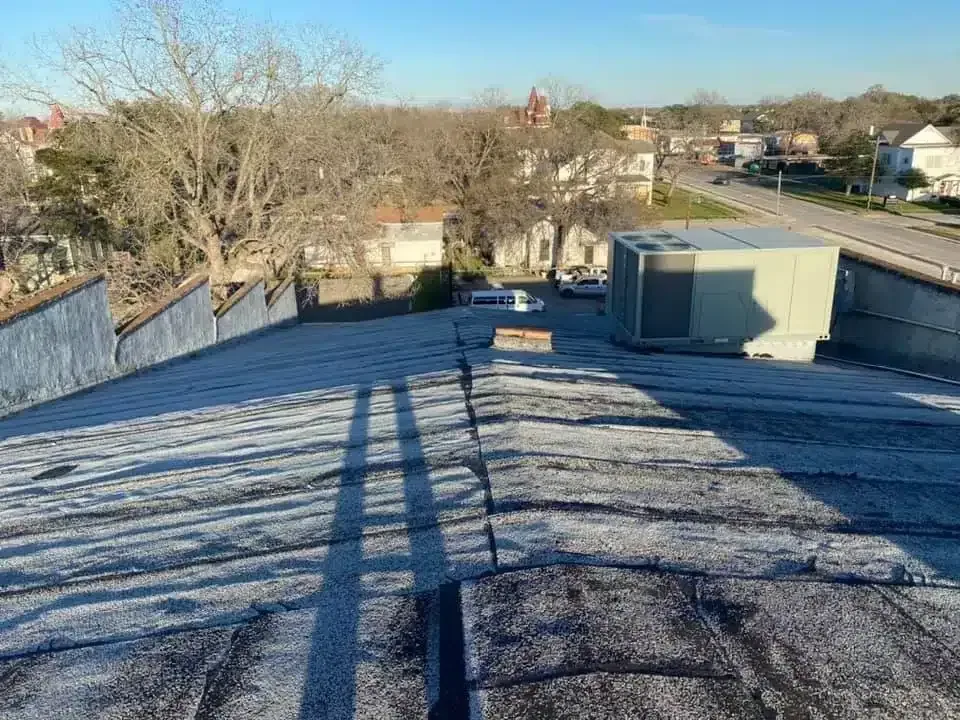
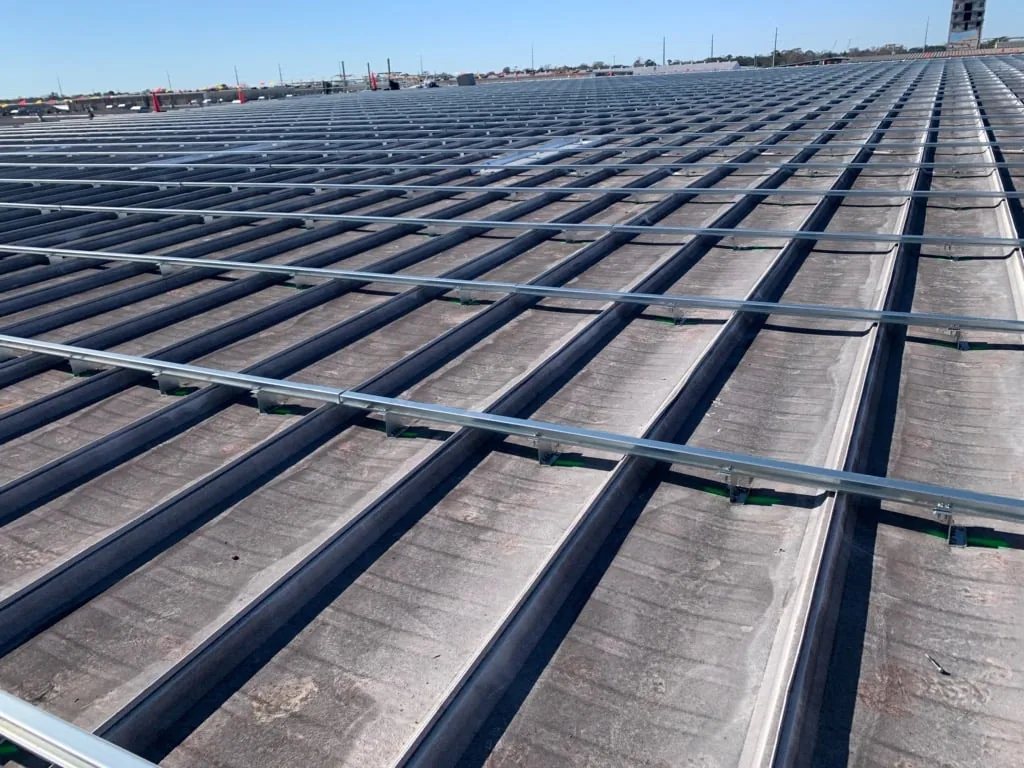
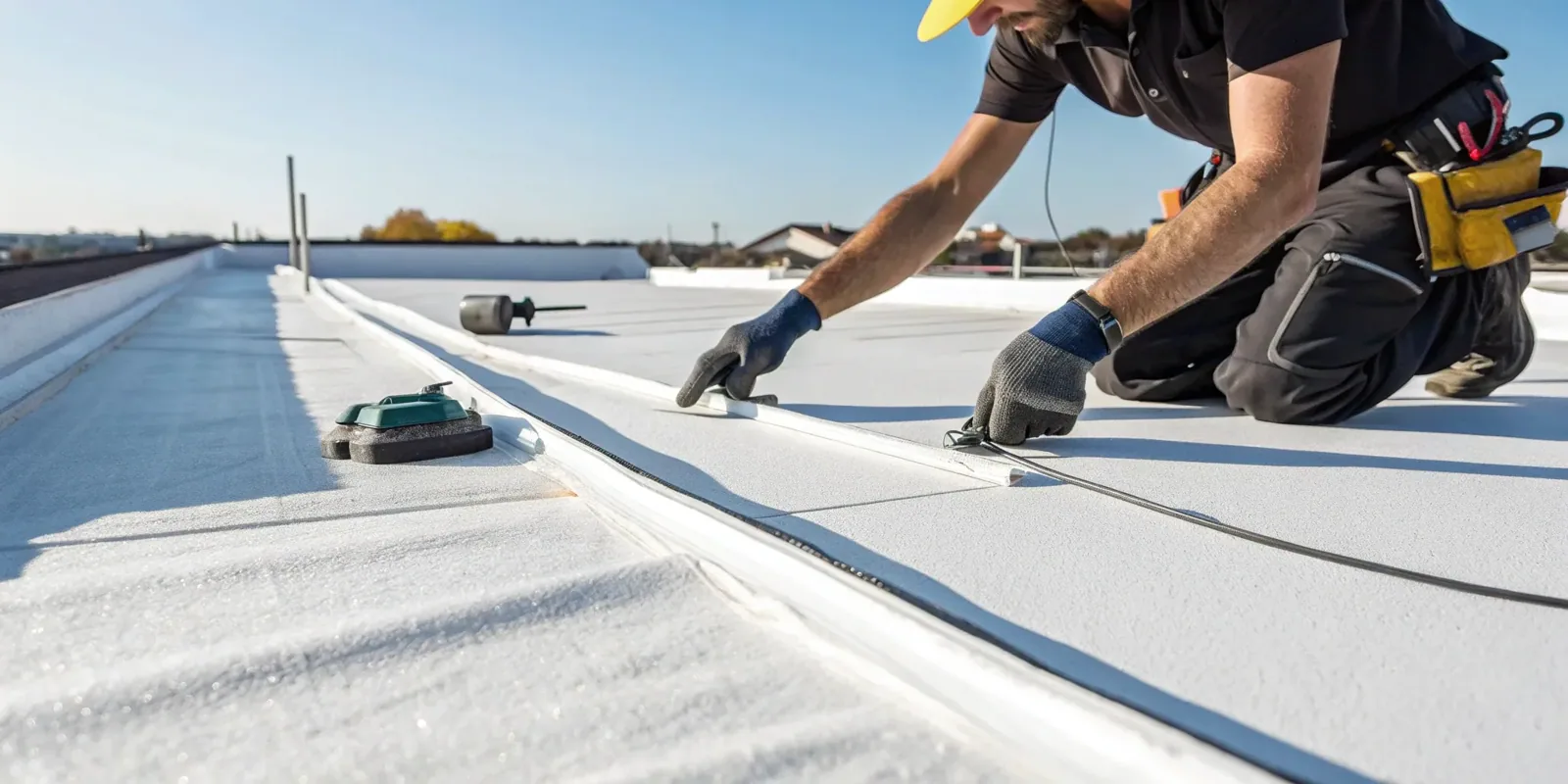
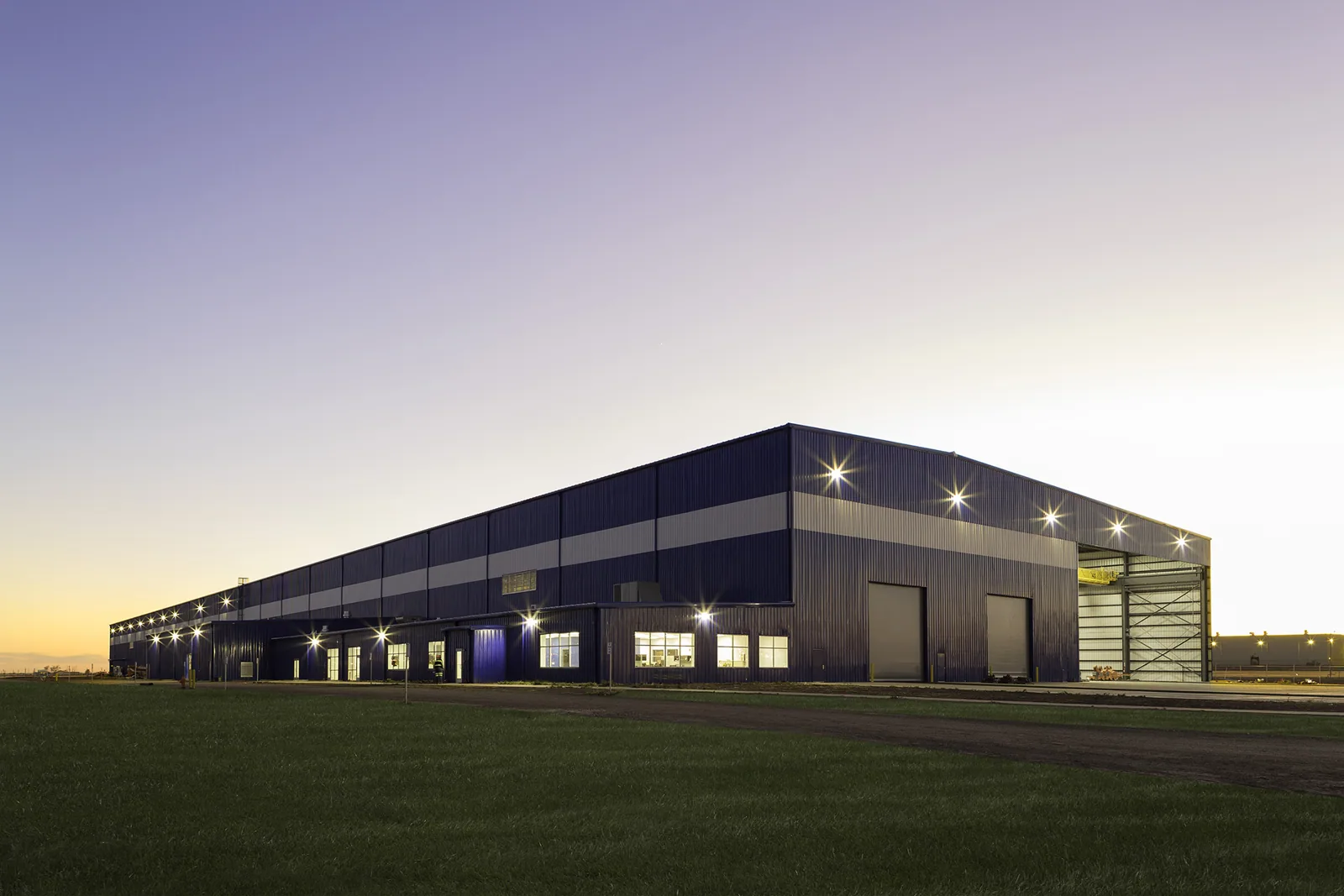
The assembly follows the deck, drainage plan, use of the building and condition of the existing insulation. We review attachment, edge details, penetrations, curb heights and transitions before selecting a system. TPO and PVC can suit different service needs; modified bitumen and built-up assemblies have other strengths and detailing demands. We explain options in terms of seams, repairs, foot traffic, equipment and future inspection access, then identify the proposed components in writing.
Replacement costs move with tear-off depth, deck repair, insulation thickness, rooftop equipment, edge metal, disposal and how much temporary protection the building needs. A roof with repeated layers or hidden wet material takes a different work sequence from a clean, uniform assembly. The scope names those assumptions and the conditions that could change them after opening. Owners can compare a new TPO assembly with a PVC option against actual roof use, without treating a membrane name as the whole design.
Drainage belongs in the assembly choice, not as a final detail after membrane selection. We review whether drains, scuppers and overflow points sit at useful low locations, and whether insulation slope can improve flow without creating difficult transitions. Ponding can stress seams and details over time, while blocked drains can leave standing water in places that are hard to inspect. The scope should identify drain work separately, especially where existing piping or interior access changes the work plan.