Why would a project choose PVC over another membrane?
PVC is useful for some chemical-exposure conditions, but the material selection requires review of actual discharge, substrate, attachment, details and project requirements.

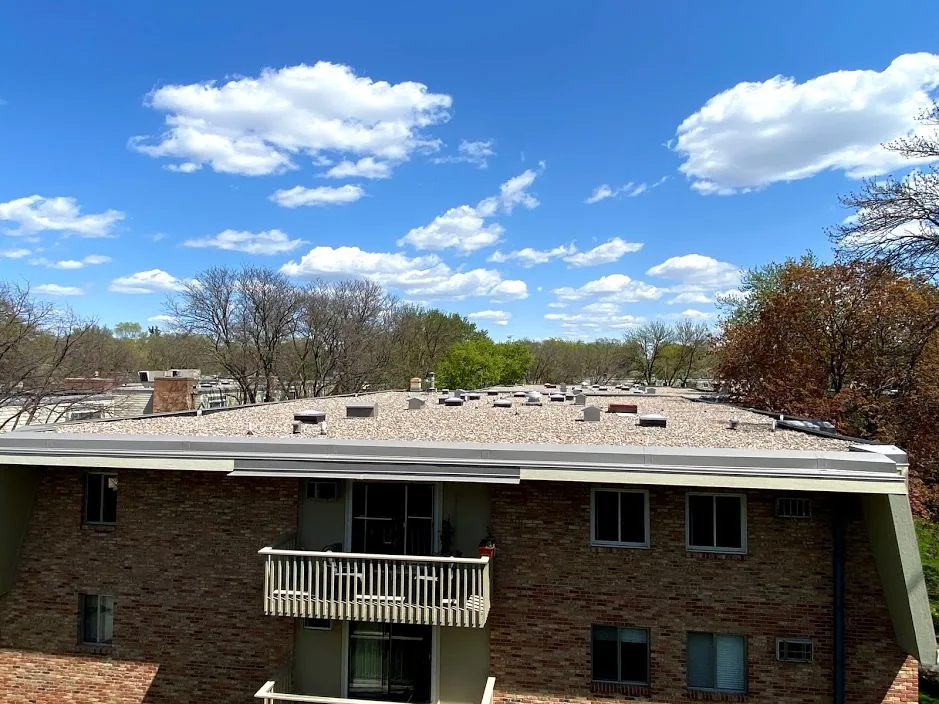
PVC is a heat-welded single-ply membrane used in commercial roofing assemblies. Its seams, perimeter attachment, insulation and flashing details all affect how the system performs. We inspect the existing roof and the building’s use before proposing a repair or installation, paying attention to equipment exhausts, drains and transitions where the membrane turns up or meets metal. The material choice should fit the exposure and project requirements, not just the color of the field sheet.
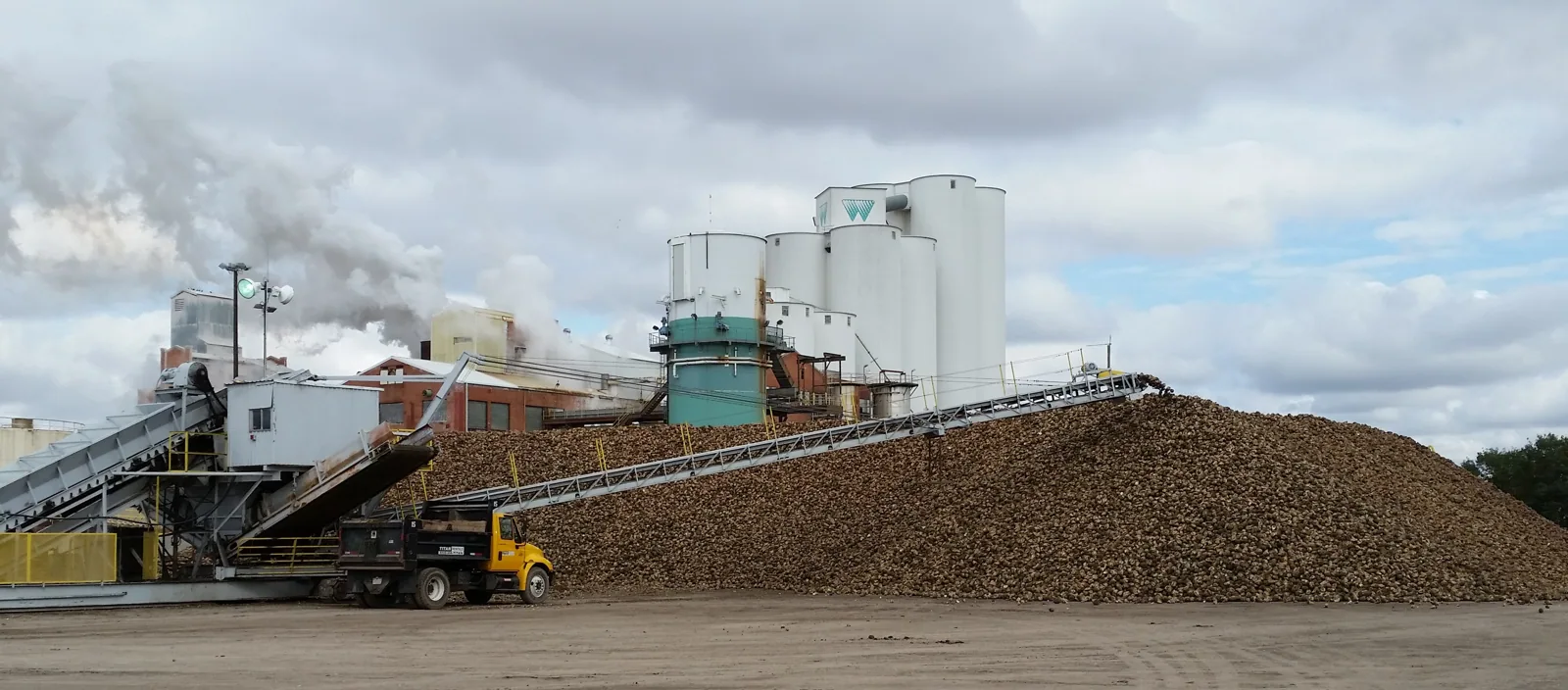
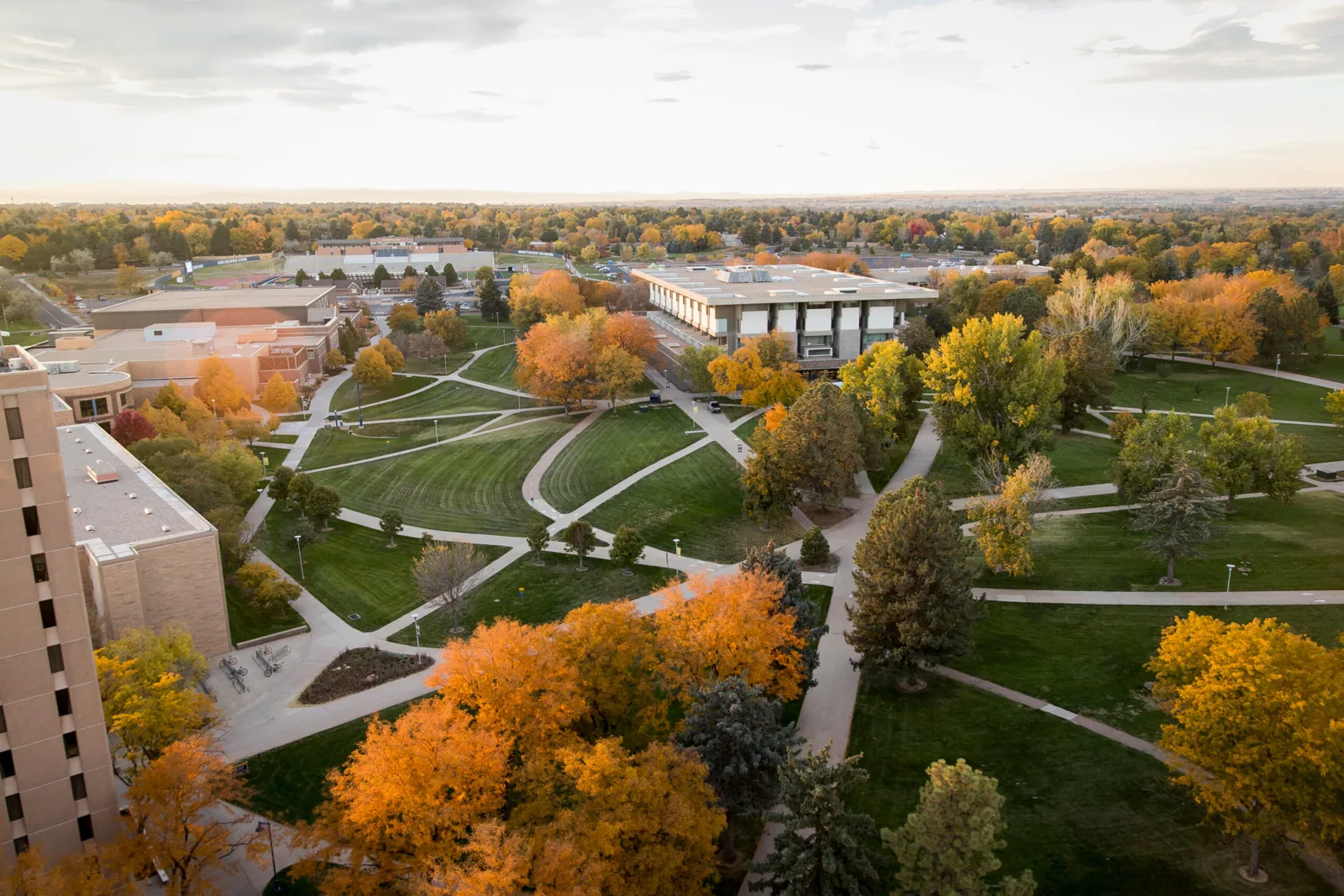
Building use matters when reviewing membrane exposure. A roof in the Western Sugar Industrial Area may face different operational exposures than a facility near the University of Northern Colorado District. We confirm what the actual roof encounters, including grease or chemical discharge from nearby equipment, before identifying whether PVC is an appropriate system for that site.
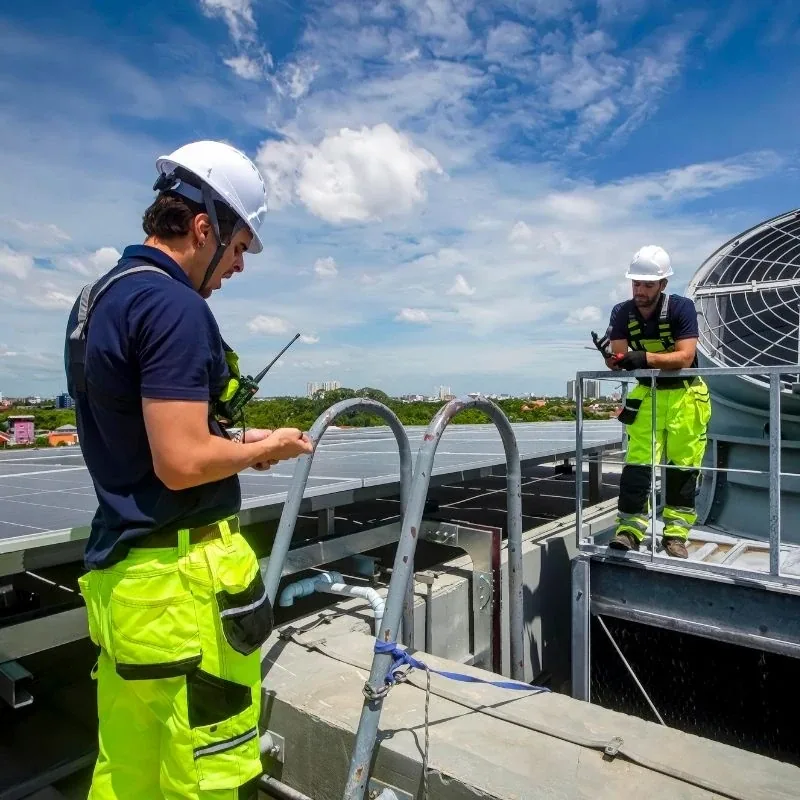
We begin with the roof plan, known leak locations, exhaust points, prior repairs and membrane history. PVC may be selected where the project values its chemical resistance, but the specific exposure and manufacturer guidance still need review. We inspect for surface damage, seam separation, punctures and attachment concerns, then check insulation and deck condition where accessible. A wet or unstable substrate must be addressed before covering it with another membrane.
Greeley heat can affect roof access and material handling, while hail, wind and snow create other seasonal stresses. We focus the inspection on current conditions at the property. If concealed moisture is possible, infrared testing can help select areas for verification. A roof condition inspection records details across the assembly and gives the owner a basis for comparing a local repair with broader replacement.
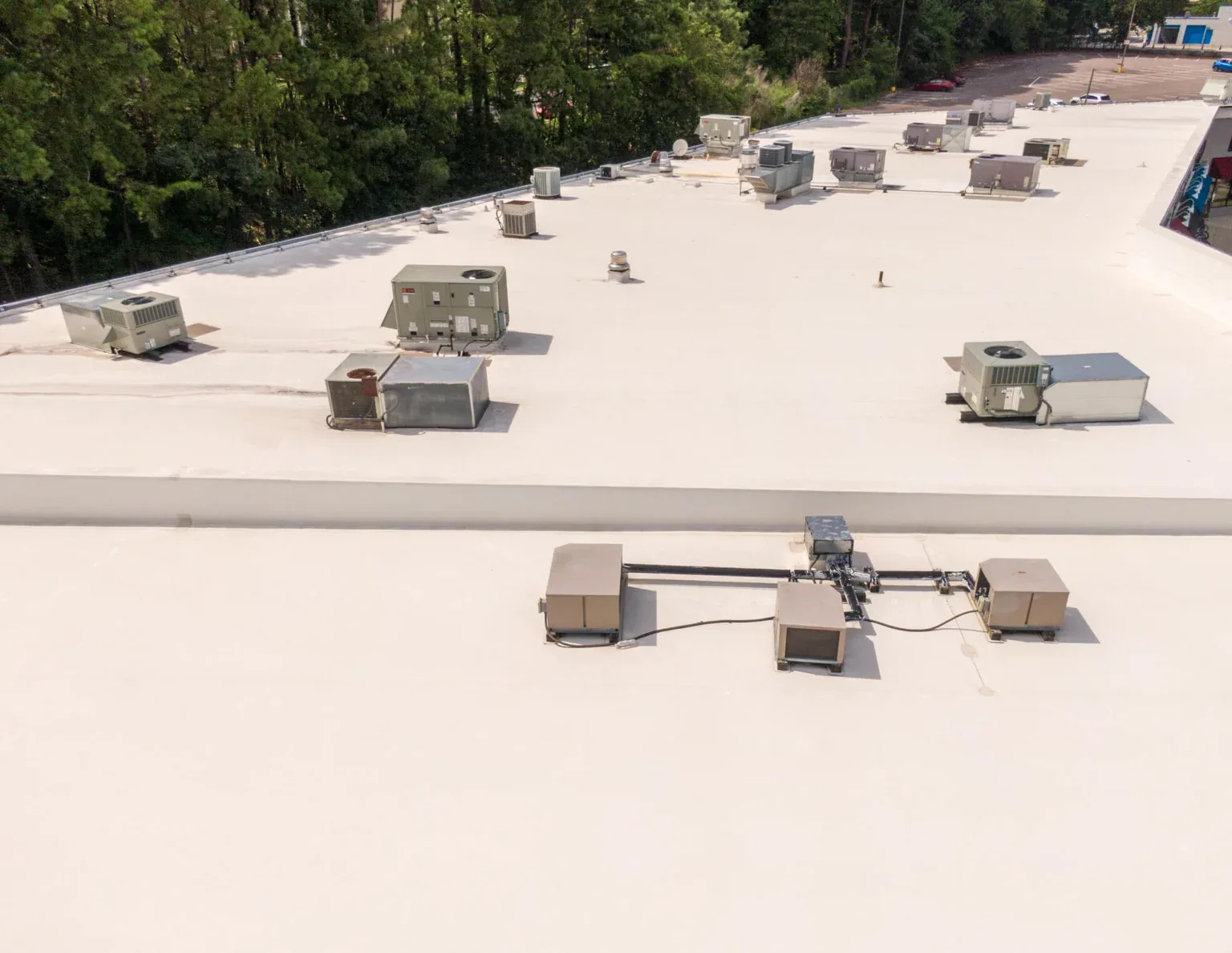
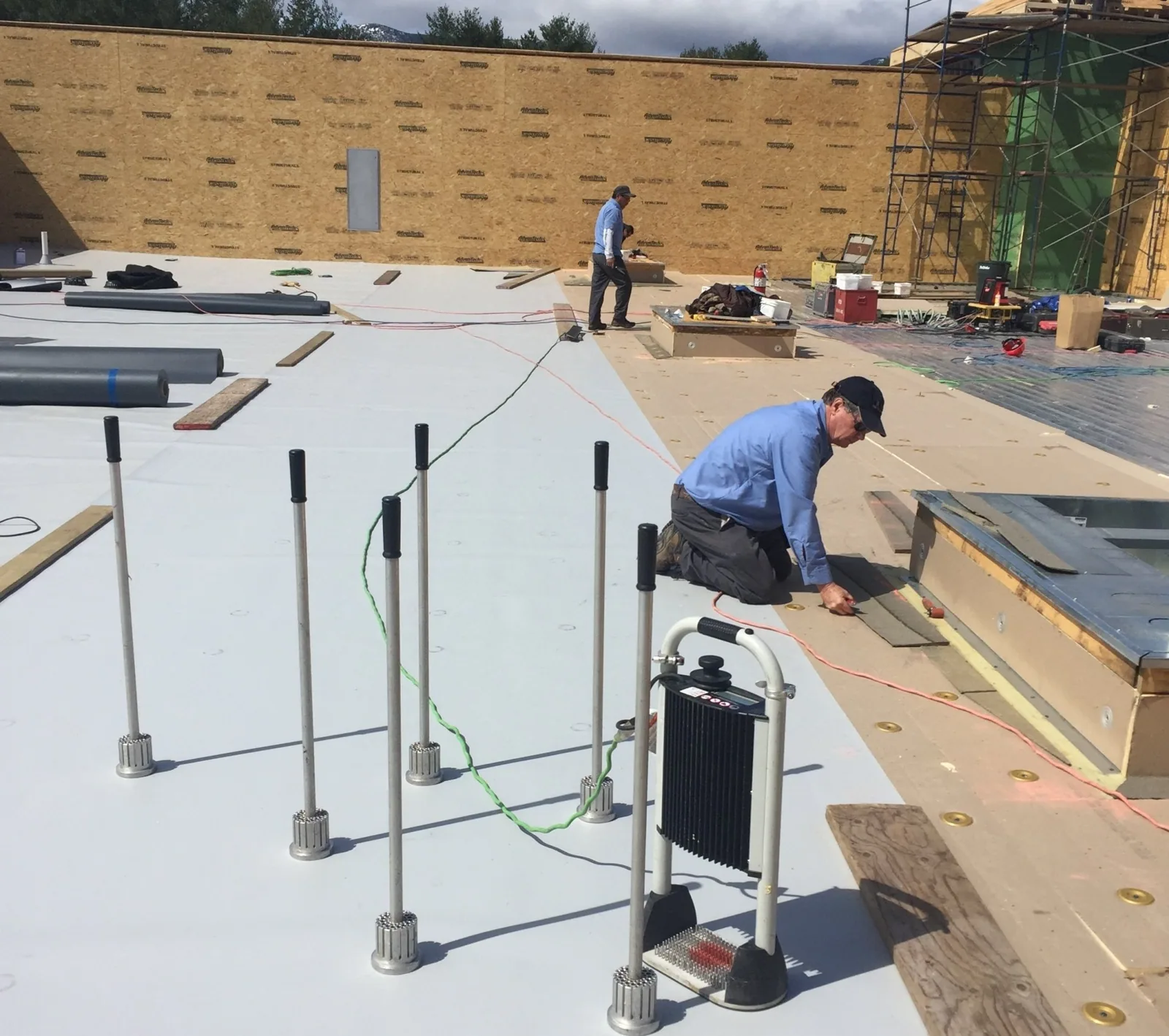
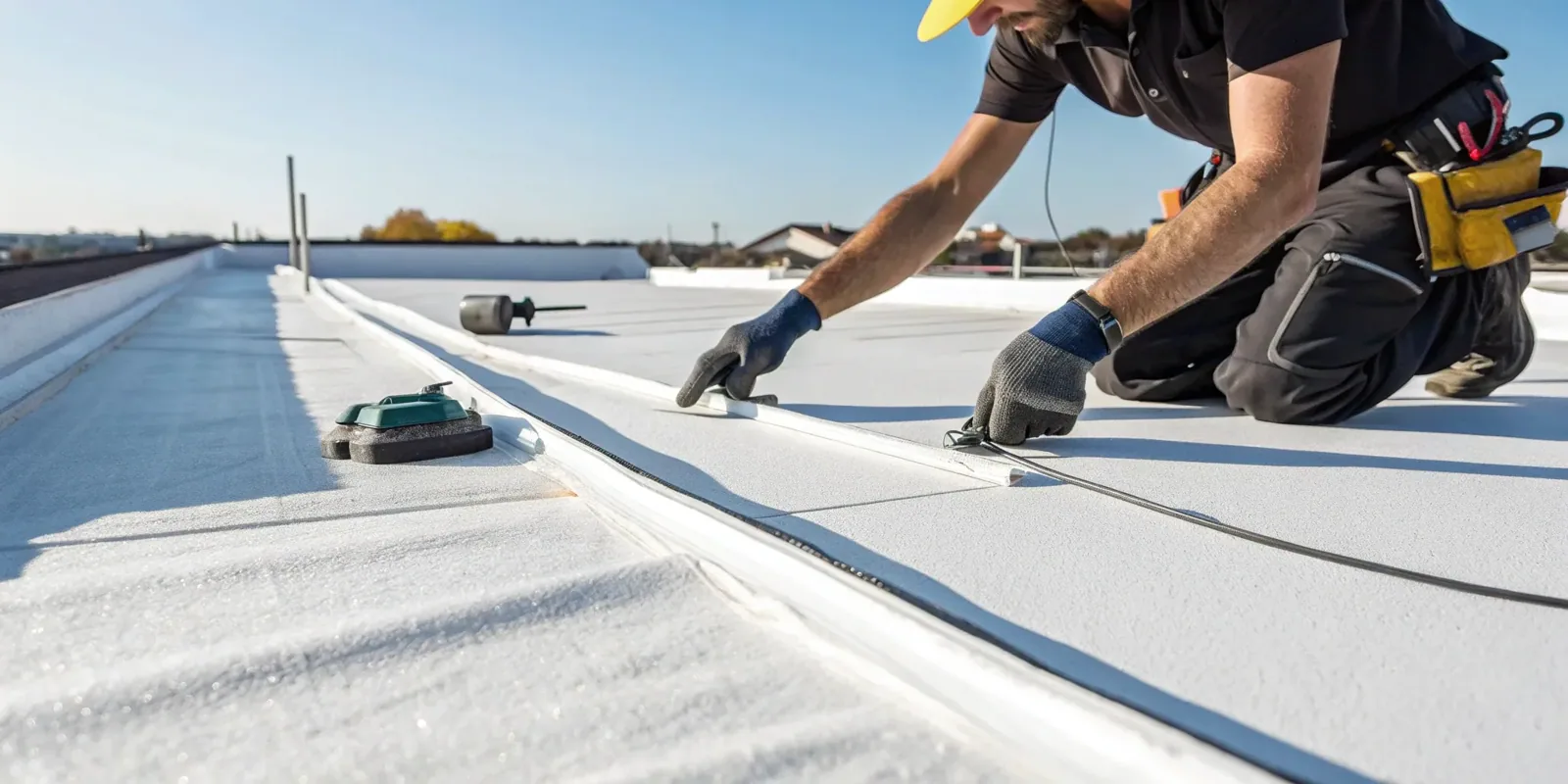
PVC field seams are formed with heat, and the weld has to be continuous through the lap. We inspect for contamination, open edges, cold welds, wrinkles and prior patches that no longer bond. Corners around curbs, pipes and roof openings need fit-up that keeps the membrane supported. At the parapet or edge, attachment and metal transitions should resist movement while allowing the roof to drain.
Surface marks alone do not define a failure. We compare suspected punctures or abrasion with membrane condition, nearby seams and the interior report. If a defect is limited, we prepare a compatible patch and inspect the finished weld. A broader seam or flashing problem may need removal of failed material and a revised boundary. For drains or scuppers near the affected area, a drainage review can check whether water is contributing to membrane stress.
A weld should be checked after cooling, with attention to the lap edge and changes in direction. We use the system’s required probe or inspection method and mark any weak point for additional preparation. Around a pipe or curb, field sheet tension can pull at corners if the membrane is not shaped to the detail. A repair proposal should include enough surrounding material to form a smooth, supported tie-in instead of a narrow strip placed over an irregular gap.
PVC, TPO and EPDM have different seam methods, chemical behavior and installation details. We ask how the space is used, what exhaust or process exposure reaches the roof, how the existing assembly is attached and what the project requires for maintenance. That information informs whether a PVC system is appropriate. We do not treat one membrane as a universal upgrade or select it without reviewing the substrate and transitions.
A TPO roof is also heat-welded but is a different membrane formulation; EPDM uses different seam and flashing practices. The owner can compare each assembly’s substrate needs, repair approach and fit with building operations. If the current roof is sound and compatible, a recover may be possible, but height, moisture and drainage need to be checked first through a recover assessment.
Selection also needs to consider transitions to existing metal, access for future repairs and the expected maintenance route around rooftop units. A material can meet a project requirement on the field but still need separate details at drains, parapets or equipment curbs. We identify these junctions on the roof plan so the system proposal includes the full water-shedding path. That review helps the owner compare assembly costs and construction requirements without reducing the decision to a single product attribute.
PVC is useful for some chemical-exposure conditions, but the material selection requires review of actual discharge, substrate, attachment, details and project requirements.
We clean and prepare the membrane, then use a compatible heat-welded patch or seam repair. The finished weld is checked for continuity and tied to the roof location in the closeout record.
A recover is possible only when the existing layers, moisture, attachment, height and drainage transitions support it. We inspect and confirm system requirements before leaving the old assembly in place.
Yes. Exhaust and process exposure can affect material suitability, so we need to understand what reaches the roof and compare it with the membrane requirements.
Provide roof plans, leak locations, prior membrane records, equipment exhaust details and access rules. Western Sugar Industrial Area and University of Northern Colorado District sites have distinct operating contexts.
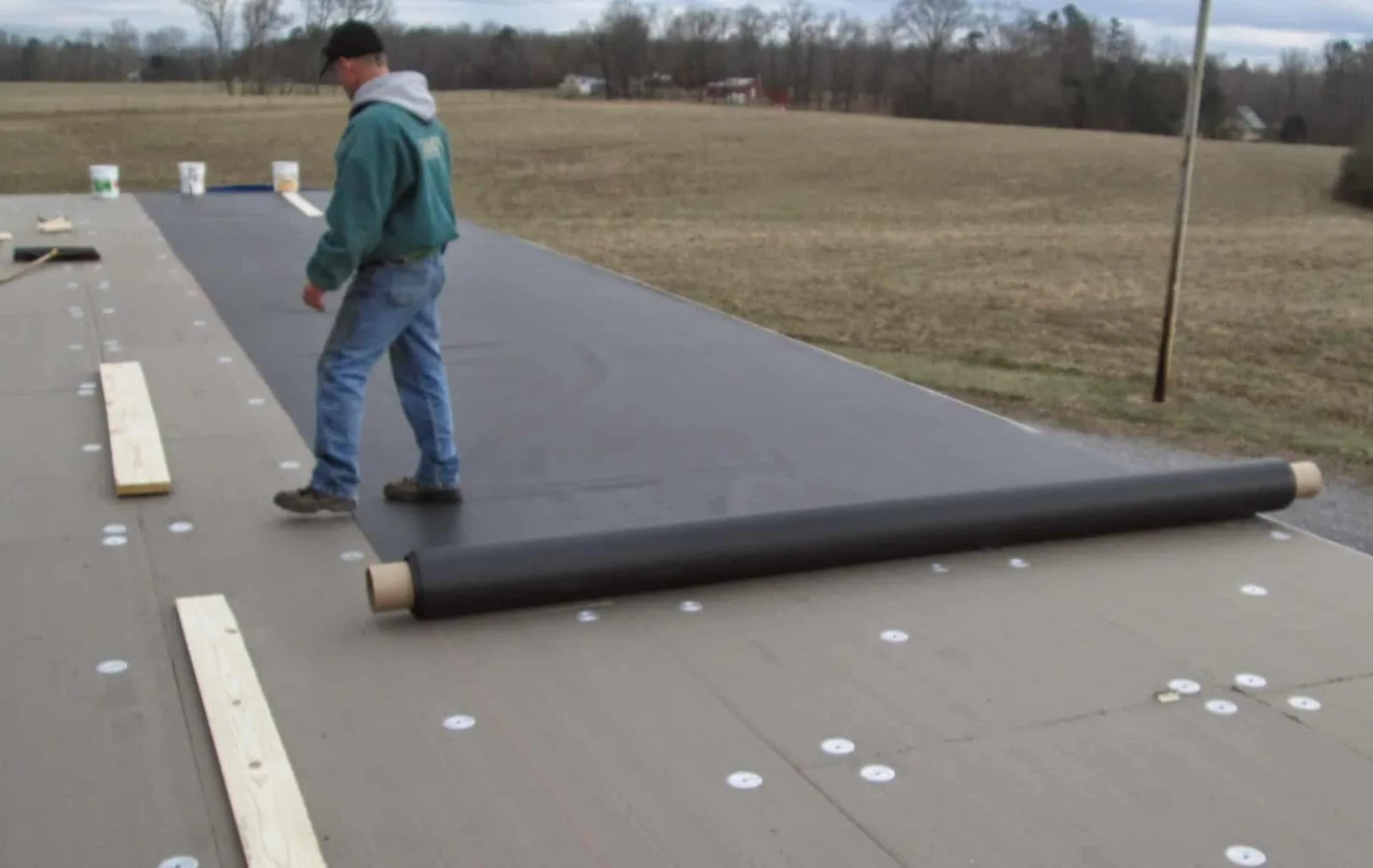
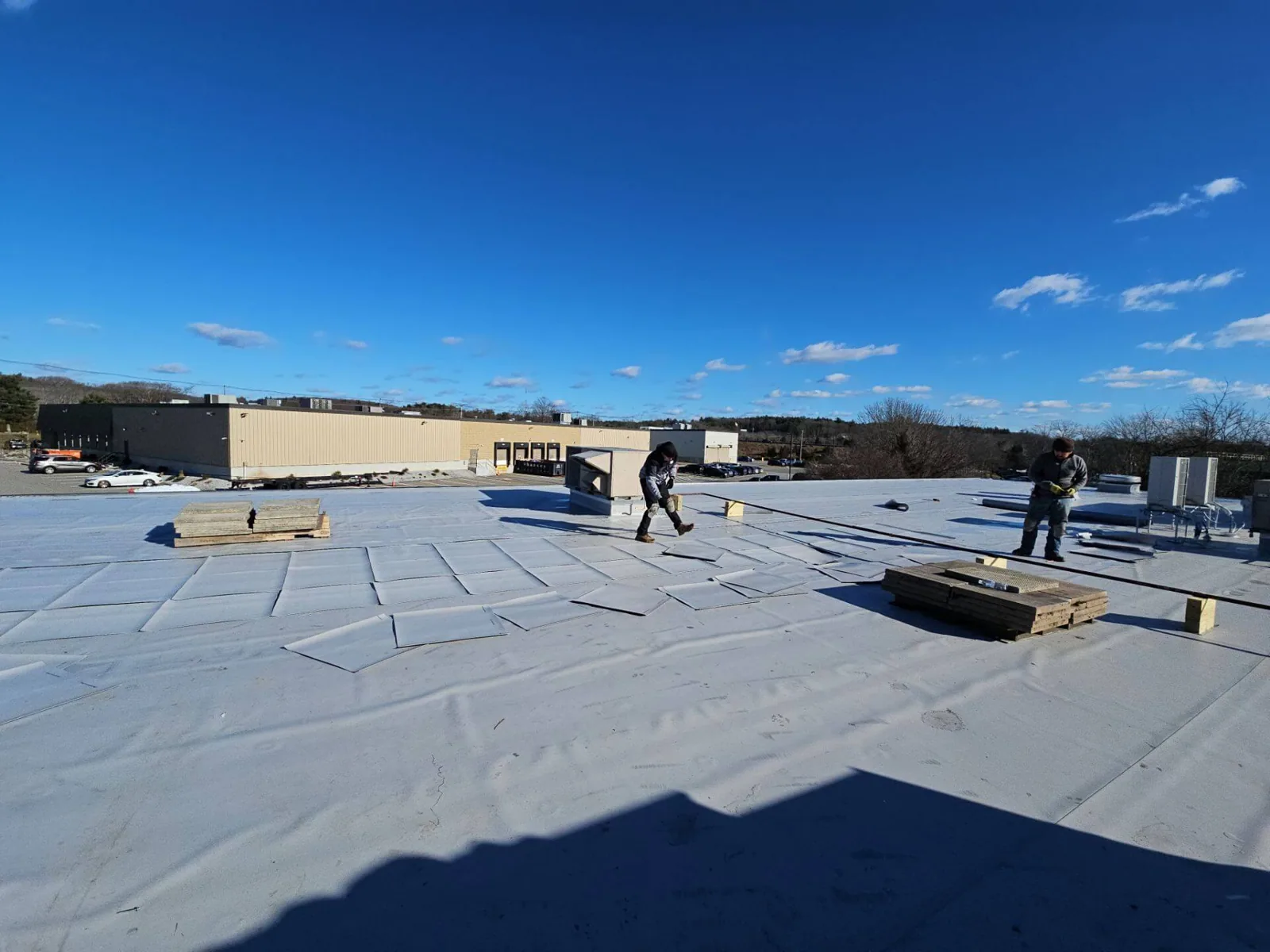
Installation includes delivery and staging of membrane rolls, insulation and attachment materials, followed by seam welding and detailed flashing work. We coordinate equipment access, interior protection, loading and any shutdown with the site contact. The roof is divided into sections that can be completed and closed safely during each shift. If a deck concern appears after removal, we stop at a secure boundary and review the additional work with the owner before proceeding.
Heat, wind, snow and surface moisture can affect access and installation conditions. We check the day’s conditions and system requirements before starting a section, then modify the sequence when the membrane cannot be welded or secured reliably. At the East 8th Street Corridor, commercial rehabilitation and active uses can affect work hours or staging. The property contact should confirm delivery routes and any access area that must stay open.
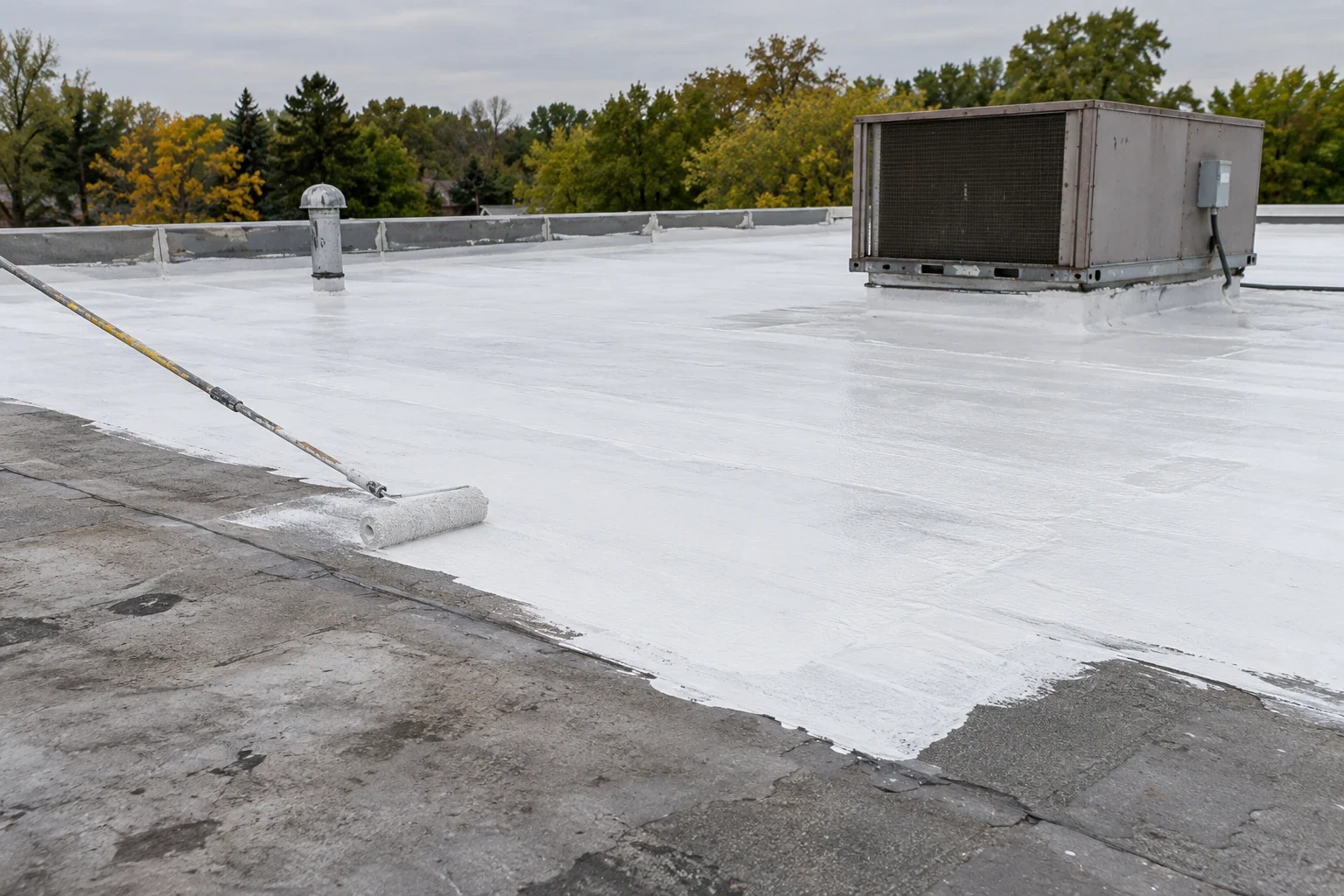
After work, we record membrane type where known, insulation and cover board, attachment method, seam locations and repaired details. Photographs at corners, drains, curbs and perimeters help future crews identify where the system changes. The owner receives maintenance information and any project-specific warranty documents required by the scope. Later equipment work should be coordinated so fasteners or tools do not cut through the new membrane.
Send plans, leak dates, service records, process exhaust locations and access limits before scheduling. If the property is evaluating PVC for replacement, share the intended use and any exposure questions the project team has identified. A roof in Downtown Greeley can have different staging needs from an industrial site, while each assembly requires the same detailed review. We will explain the material fit and the work sequence for the building.
Maintenance staff should report new punctures, open-looking seams or water near a penetration with its roof-zone location. Those details help us distinguish new activity from an earlier repair and plan an efficient follow-up visit before recurring damage expands.
If future equipment work is planned, we identify the membrane clearance and flashing detail that must remain intact. The facility team can give that note to the contractor before drilling, fastening or moving supports.