Cold Storage Roofing in Greeley, CO

Property Types We Roof

Cold Storage Roofing

Moisture at a ceiling joint or frost near a roof penetration can raise questions about the envelope above a freezer or refrigerated room. We start with the location, operating temperature and pattern of the report, then inspect the roof layers, penetrations, drains and transitions that may connect the conditions. Cold-storage repairs need a clear boundary because work can affect refrigeration, stored goods and temperature control. Food production in Evans and industrial activity near Eaton Industrial Park make refrigeration and material flow practical parts of a local roof plan.

We confirm the actual roof assembly and temperature requirements with the facility team before recommending repair or replacement. Greeley’s hot days and winter snowfall create changing exterior conditions while refrigerated spaces maintain a different interior environment. The route between Evans and Greeley serves industrial and food-production activity, so we ask the operator how deliveries, refrigeration service and roof access must fit together. A roof plan, maintenance history and refrigeration contact help us prepare a visit that fits the building.

Track moisture through the roof layers

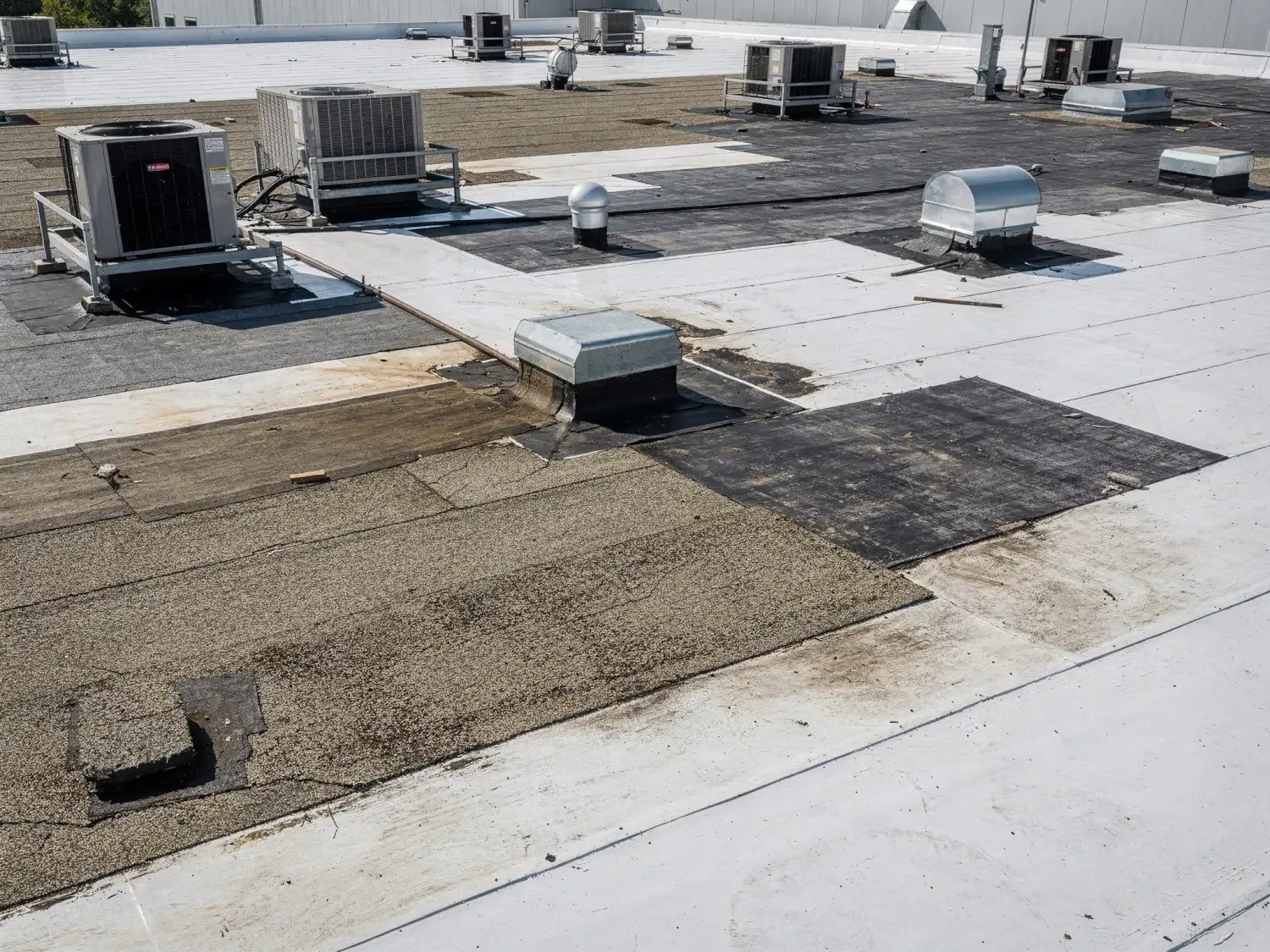
We map the interior report, note whether condensation or active leakage is suspected, and compare it with roof penetrations, seams and drainage areas. Refrigeration lines, electrical conduits and equipment supports can interrupt insulation and vapor-control layers. We inspect each transition for movement, gaps and failed flashing, while checking whether drains or low spots hold water above the assembly. The report keeps the observed roof condition separate from a possible vapor or condensation cause until the evidence supports that conclusion.

If moisture may be inside the insulation, we identify a test area before material is removed. A targeted moisture survey can help locate suspect zones, but cold-storage assemblies may require careful interpretation because temperature differences affect readings. We pair any scan with roof observations and recommend confirmation when needed. The marked plan shows where the inspection could reach and where the refrigeration team should monitor interior conditions during follow-up.

Cold Storage Roofing in Greeley, CO

Coordinate repairs with temperature controls

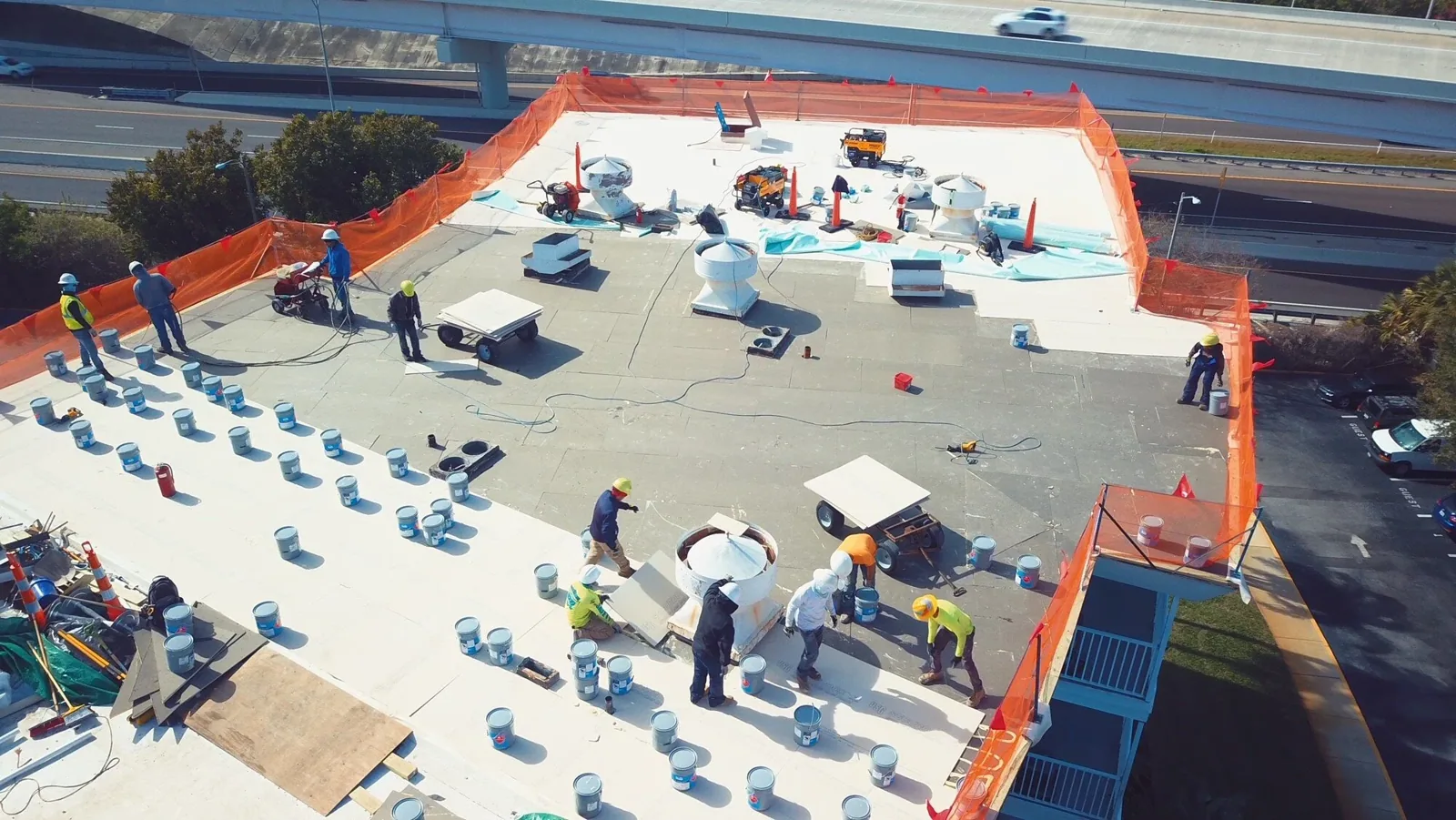
Before roof work, we meet with the site contact and refrigeration lead to understand operating limits, product sensitivity and any planned defrost or maintenance cycle. The team identifies rooms that need uninterrupted temperature control, routes for moving materials and areas below a potential opening. We set temporary protection and dry-in boundaries before removing roof material. If a detail connects with a refrigeration line or control conduit, the appropriate plant trade confirms isolation and clearance before repair begins.

Replacement projects need extra attention at wall interfaces, cooler enclosures, penetrations and vapor-control transitions. We document the order for opening and closing each zone, the materials going back into the assembly and the sign-off required before a protected room returns to normal operation. An occupied-building sequence can help stage work across operating areas, but the facility’s temperature requirements and weather window determine the daily limit. We keep that boundary visible to both roofing and refrigeration staff.

Temporary protection should be coordinated with the plant’s food-safety or product-handling plan, where one applies. The site lead identifies which racks, rooms or packaging lines need covering or a clear exclusion zone, and who can move goods if the work boundary changes. We confirm the access path for crew and materials so insulated panels, refrigeration equipment and roof tools do not cross a controlled area without approval. These decisions belong in the daily sequence, not as an assumption made after a roof opening.

Balance cold interiors with outdoor conditions

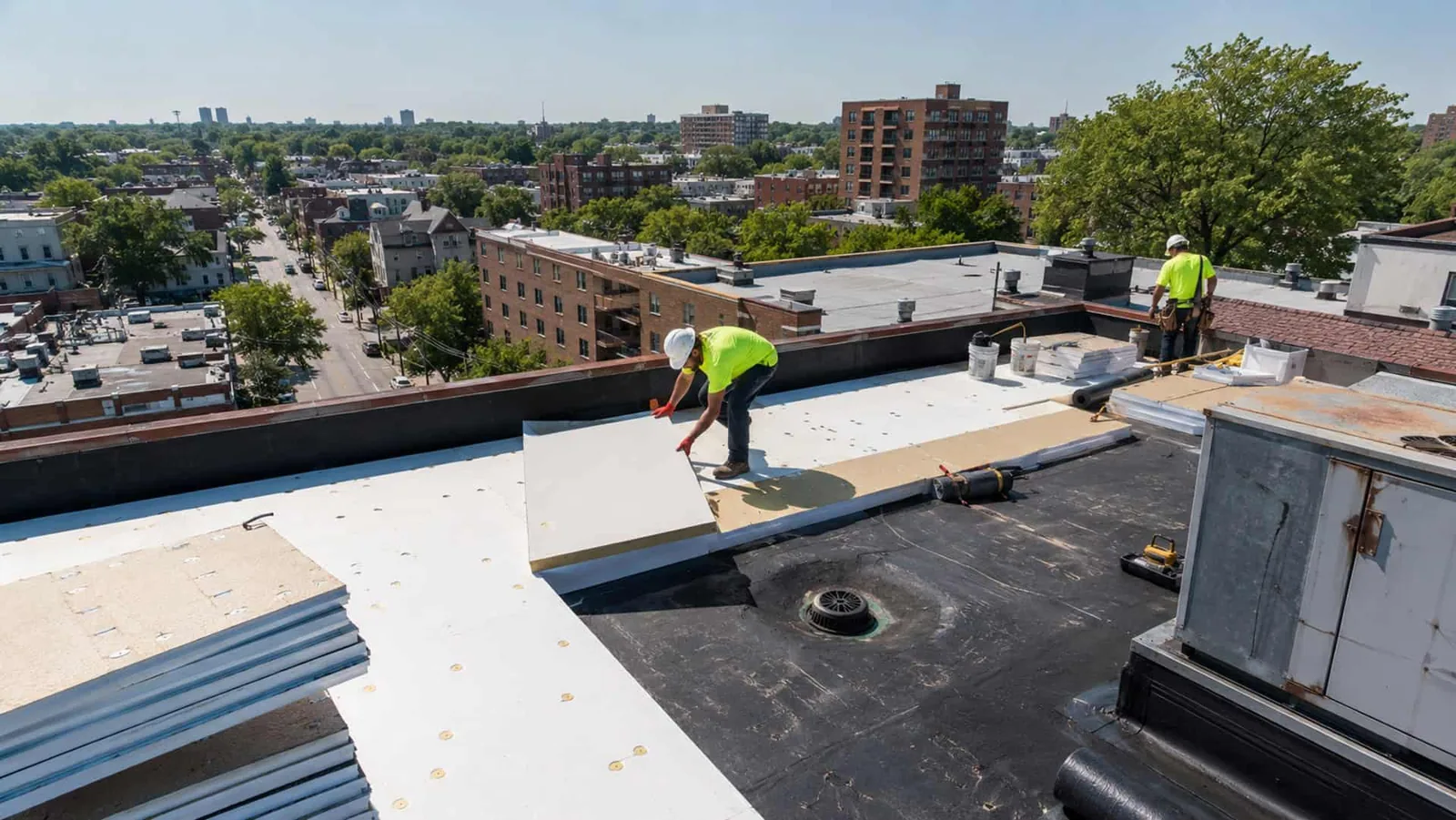
Greeley summers can bring high surface temperatures, while winter snowfall can limit roof access. During hot weather, roof surface temperature and worker exposure influence the work period; during winter, snow or ice can limit access and delay adhesion-sensitive work. The contrast between a cold interior and changing exterior conditions makes correct insulation and vapor-control details important. We verify the specified assembly and existing conditions before changing layers, rather than assuming that added insulation alone will correct condensation.

After snow clears, the facility team should check that roof drains remain open and that runoff has not found a new path at curbs or edges. Wind and hail also merit surface checks after a reported event. A hail or tornado report can prompt a roof check near Greeley. We inspect exposed membrane, edge details and penetrations, then coordinate any repair window with refrigeration staff.

Cold Storage Roofing in Greeley, CO

Commercial Roofing Questions

Could a roof leak look like condensation inside a freezer?

It can be difficult to distinguish without comparing interior patterns, roof transitions and operating conditions. We document the evidence and coordinate testing with the refrigeration contact when needed.

Can you keep refrigeration running during roof work?

We plan work zones and dry-in boundaries with the facility team, then confirm what equipment or rooms must stay active. The actual sequence depends on access and the roof assembly. We also coordinate who monitors interior temperatures while each roof section is open and after it is closed.

Why does vapor control matter at a roof penetration?

An opening through insulation and vapor-control layers can create a path for moisture movement. We inspect the transition and rebuild it to the specified assembly details.

What should we do if insulation may be wet?

We map suspect areas and identify a test location before removal. The scope can separate confirmed wet material from areas that need further verification.

What information should our refrigeration lead provide?

Share temperature limits, service schedules, line and equipment locations, product controls and shutdown authority. That lets us plan roof access without disrupting a critical room unexpectedly.

Define a repair that protects stored product

A leak at one flashing can be a limited repair if the surrounding roof is dry and the vapor and insulation layers remain serviceable. Broad moisture, recurring condensation complaints or deteriorated transitions can require additional testing and a larger assembly correction. We list immediate containment, permanent roof repair and refrigeration work separately, then identify which party controls each step. The owner can use that boundary to protect product while deciding whether a localized repair or broader replacement is warranted.

Cost and timing depend on roof area, insulation depth, vapor-control details, access, refrigeration interfaces, temporary protection and the duration a zone can remain open. A warehouse project may share loading and inventory concerns, while a distribution center may emphasize dock flow; cold storage adds temperature limits that must shape the sequence. We compare repair with replacement using the assembly’s condition and the facility’s operating requirements.

Cold Storage Roofing in Greeley, CO

Keep the envelope history with the site

Closeout should identify repaired roof zones, insulation and vapor-control transitions, photographs, materials and any monitoring needed inside. We provide the facility team with a marked plan so later refrigeration work does not cut through a repaired flashing or leave an opening unsealed. The next inspection can compare new observations with the prior repair boundary and the interior temperature or moisture report. Clear records help the roofing and refrigeration teams work from the same understanding.

Before a visit, send roof drawings, temperature zones, leak dates, product-protection procedures, equipment service plans and access rules. Identify who approves roof entry and who can authorize a temporary shutdown. Industrial and food-production properties near Eaton and Evans have different operating needs. We inspect the assembly, mark each temperature-sensitive zone and leave a written sequence for repair, restoration or replacement. The facility lead can then align refrigeration monitoring with each roof opening.

At each opening, we note the room served, the insulation and vapor-control layers exposed, and the protection used below. That detail helps the refrigeration lead compare interior conditions after the roof is closed and decide whether a separate equipment or controls check is needed.
Related Roofing Work

Review a cold-storage roof concern

ServicesRoof SystemsIndustriesProperty TypesService AreasDamage RepairCapabilitiesManufacturersAboutRequest a Roof Assessment555-555-5555
Call555-555-5555