Can roofing work happen while the data center remains online?
The site’s change-control and access rules decide the permitted window. We define repair zones, temporary protection and the handoff with facility engineering before starting.
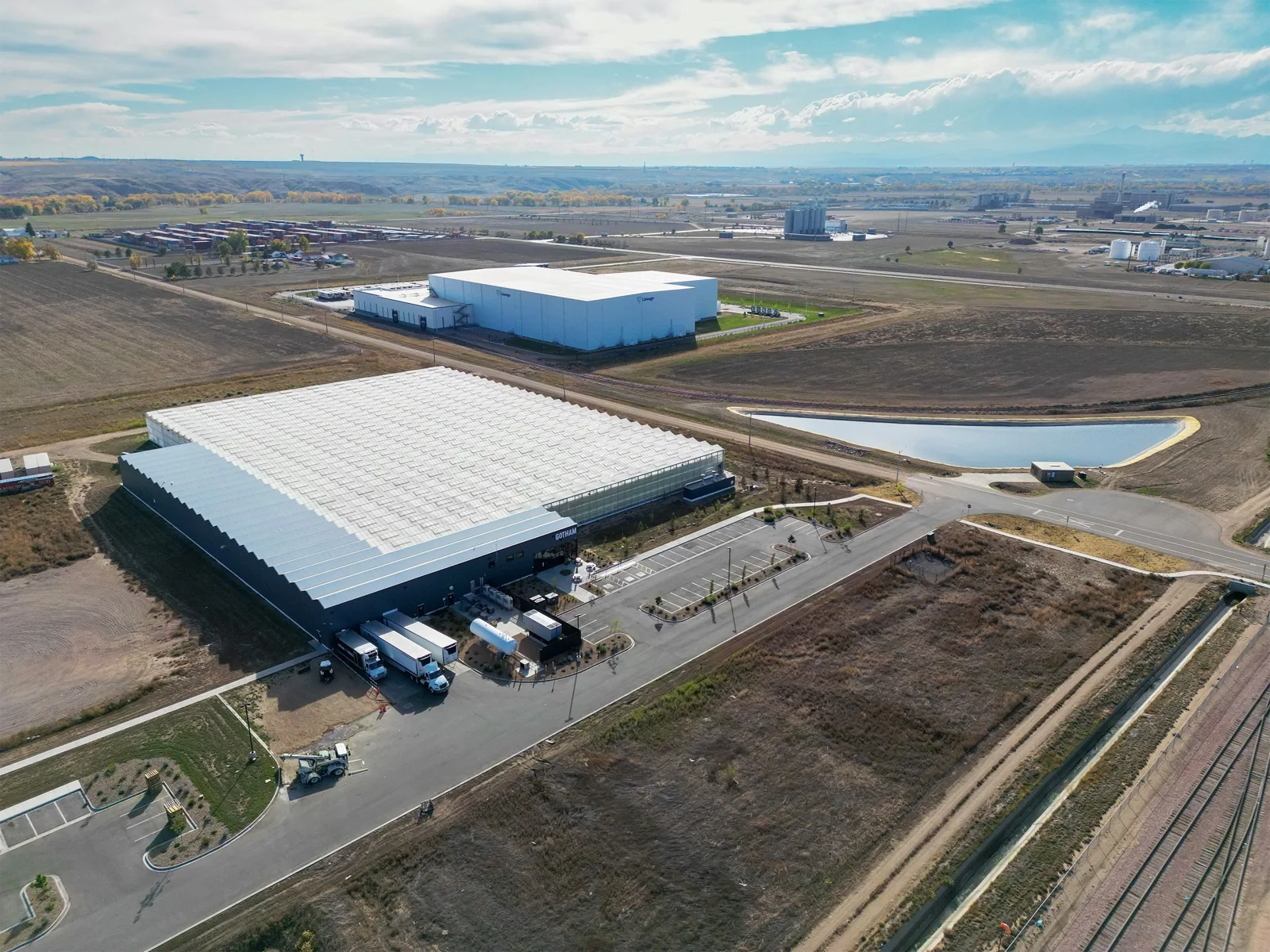
A roof leak above a data hall or electrical room can become an operating issue before water reaches a visible ceiling. We begin with the reported area and facility response plan, then inspect the roof zone above it, including cooling equipment, conduit, curbs, seams and drainage. The first goal is to identify immediate water control without interrupting systems that must remain online. At Highpointe Business Park and Great Western Industrial Park, industrial development is part of Greeley’s regional setting; neither park listing establishes that a data center occupies a specific site.
Each facility defines its own security, redundancy and maintenance rules. We confirm badge procedures, escort requirements, restricted zones, roof access and the people who can authorize a change. The local climate record includes high heat, snowfall, wind and Weld County hail events, but it cannot diagnose an individual building. We document present roof conditions and use the operations team’s requirements to plan a safe inspection or repair window.
We map the room or rack zone where water was reported and compare it with the roof’s drainage path and penetrations. Cooling lines, electrical conduits, cable pathways, supports and intake equipment create interfaces that need separate review. We inspect flashings, seams, metal edges, fasteners and any repaired area, then note whether water has entered or only the surface has changed. The report avoids treating every mark as a threat to uptime until the site evidence shows a connection.
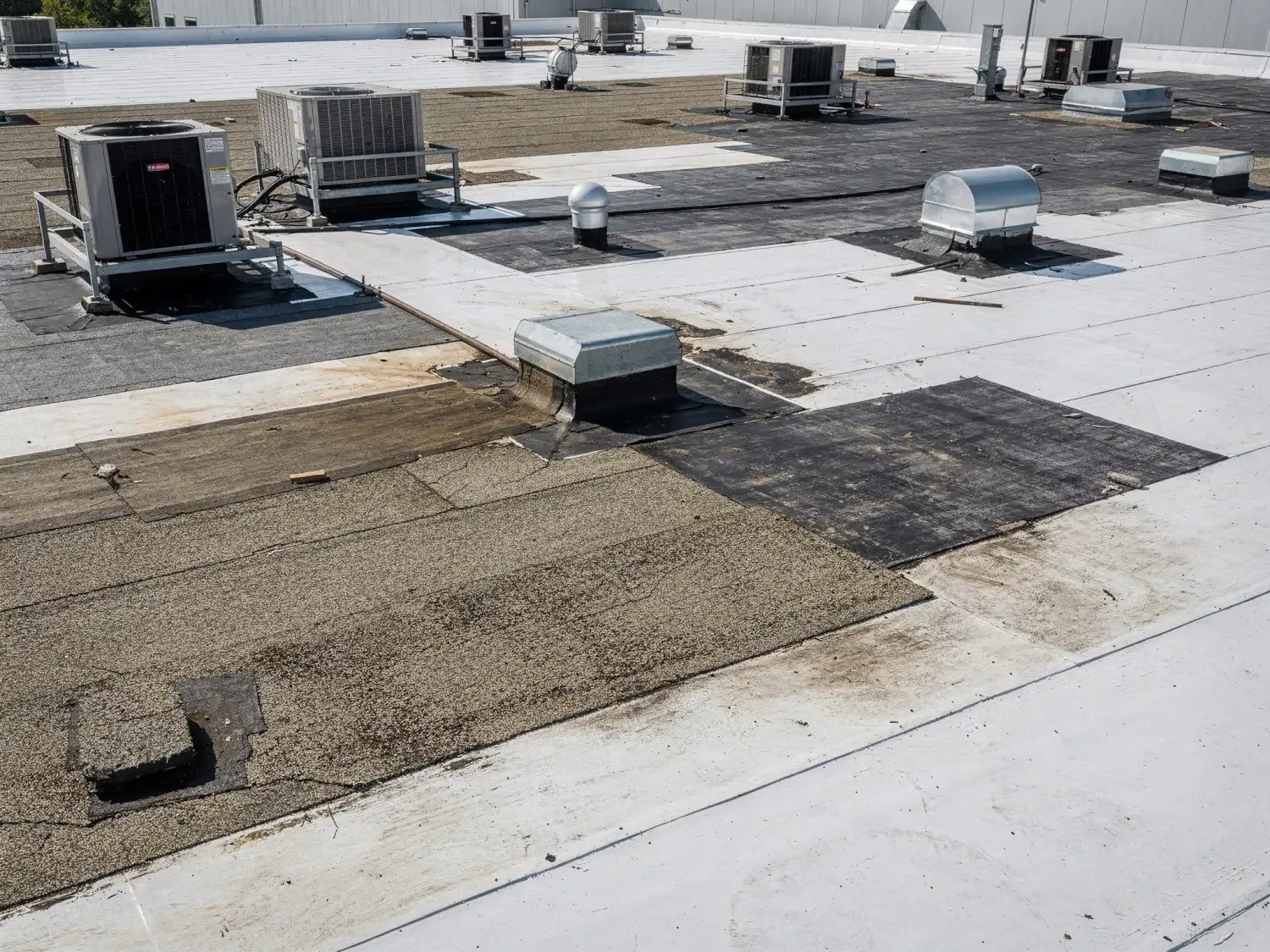
On a broad roof, we divide the survey by equipment zone and drainage area so repeat inspections cover the same locations. We note standing water, blocked outlets, loose components and access limitations, and photograph details with a clear location. If moisture may have entered an insulated assembly, a targeted moisture survey can focus follow-up testing. A written condition report ties roof observations to a prioritized action list without exposing sensitive room layouts in public-facing material.
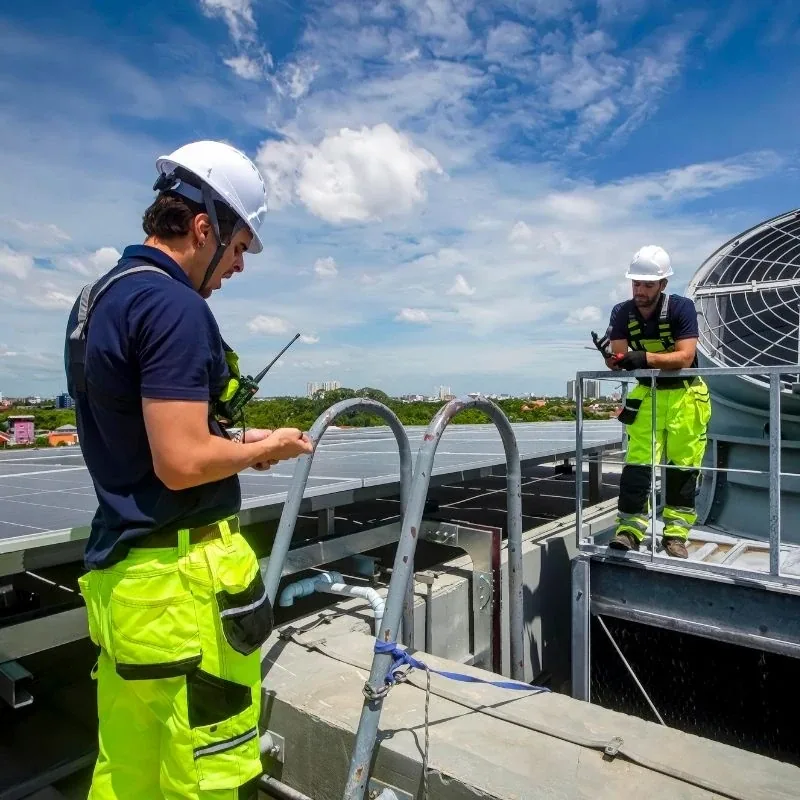
Before stepping onto the roof, we confirm who escorts the crew, what identification is required and which equipment or rooms remain off limits. The site contact identifies the approved route, communications procedure and any maintenance window that could affect cooling or power systems. We keep roofing tools and materials within the authorized work area and coordinate any lift, delivery or temporary closure. A clearly named site lead should receive updates whenever the active roof zone changes.
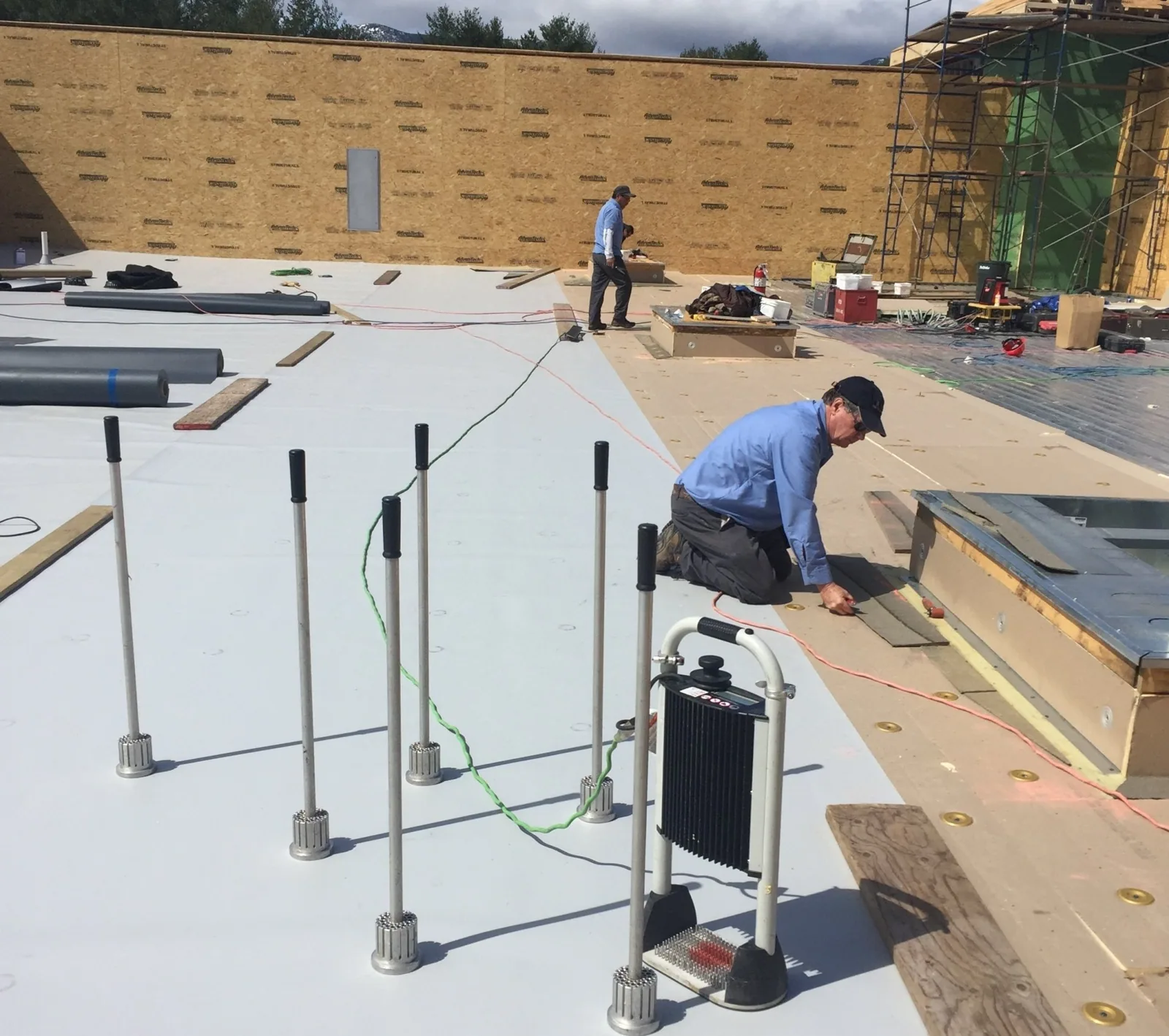
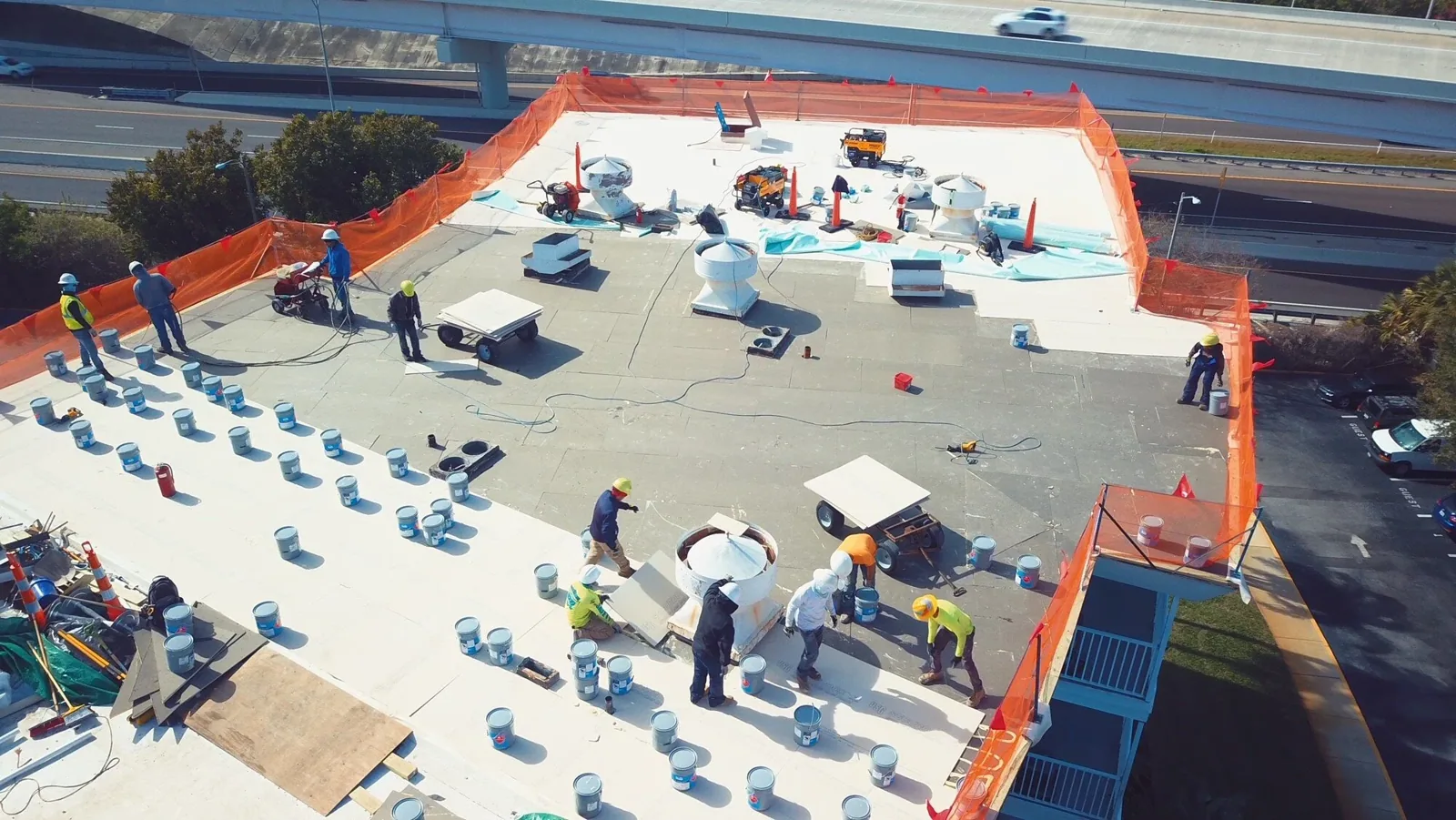
For repair work, we isolate the defect, protect nearby equipment and confirm the repair will not block drainage or service clearances. A larger project needs phased boundaries, temporary dry-in and a handoff at the end of each shift. An occupied-building reroof sequence can organize work around active operations, but the data center’s approved change process controls what can happen and when. We coordinate the roof scope with facility engineering rather than asking technicians to infer operating limits from equipment on the roof.
The maintenance lead can identify periods when roof noise, vibration or access near an air intake would interfere with planned service. We record those restrictions beside the work zone and confirm who receives notice before moving tools or material. Where two crews share the roof, the site contact defines the order and separation between them. This prevents a roofing step from colliding with a scheduled mechanical inspection or an authorized equipment change.
Before mobilization, we confirm who can approve a temporary closure and how the crew reports a changed condition. The closeout notes identify completed roof zones, remaining limits and the next decision for facility staff.
Roof surface temperatures can rise sharply in Greeley’s summer heat, which affects safe access and material handling. Greeley has recorded days above 90 degrees and temperatures above 100. Direct roof exposure can shorten safe work windows and requires careful material handling. Wind also matters when moving materials or working near roof edges. We check the actual forecast and surface before a shift; a dated climate record is background, not permission to access a roof.
After hail or strong wind is reported, we inspect seams, equipment flashings, edge details and exposed membrane for observable changes. After hail or strong wind, we inspect equipment flashings, edge details and exposed membrane at the data center. Snow and ice can restrict access or hide drain openings, so we wait for safe conditions and document any zone not reached. If a critical system is affected, the facility’s incident process decides who receives the roof findings and when a repair can begin.
The site’s change-control and access rules decide the permitted window. We define repair zones, temporary protection and the handoff with facility engineering before starting.
Not always. We begin with the reported location and use the approved roof plan and escort procedure; any interior review is coordinated with the facility contact.
We follow the facility’s recording rules and limit photographs to authorized roof details. The closeout can identify locations without exposing restricted equipment layouts.
The facility incident lead controls system response. We inspect the roof source, document the water path and coordinate repair timing with the approved operations team.
Send access steps, change-control requirements, roof-zone guidance, maintenance windows and prior leak notes. Name the person who can authorize entry and receive the findings.
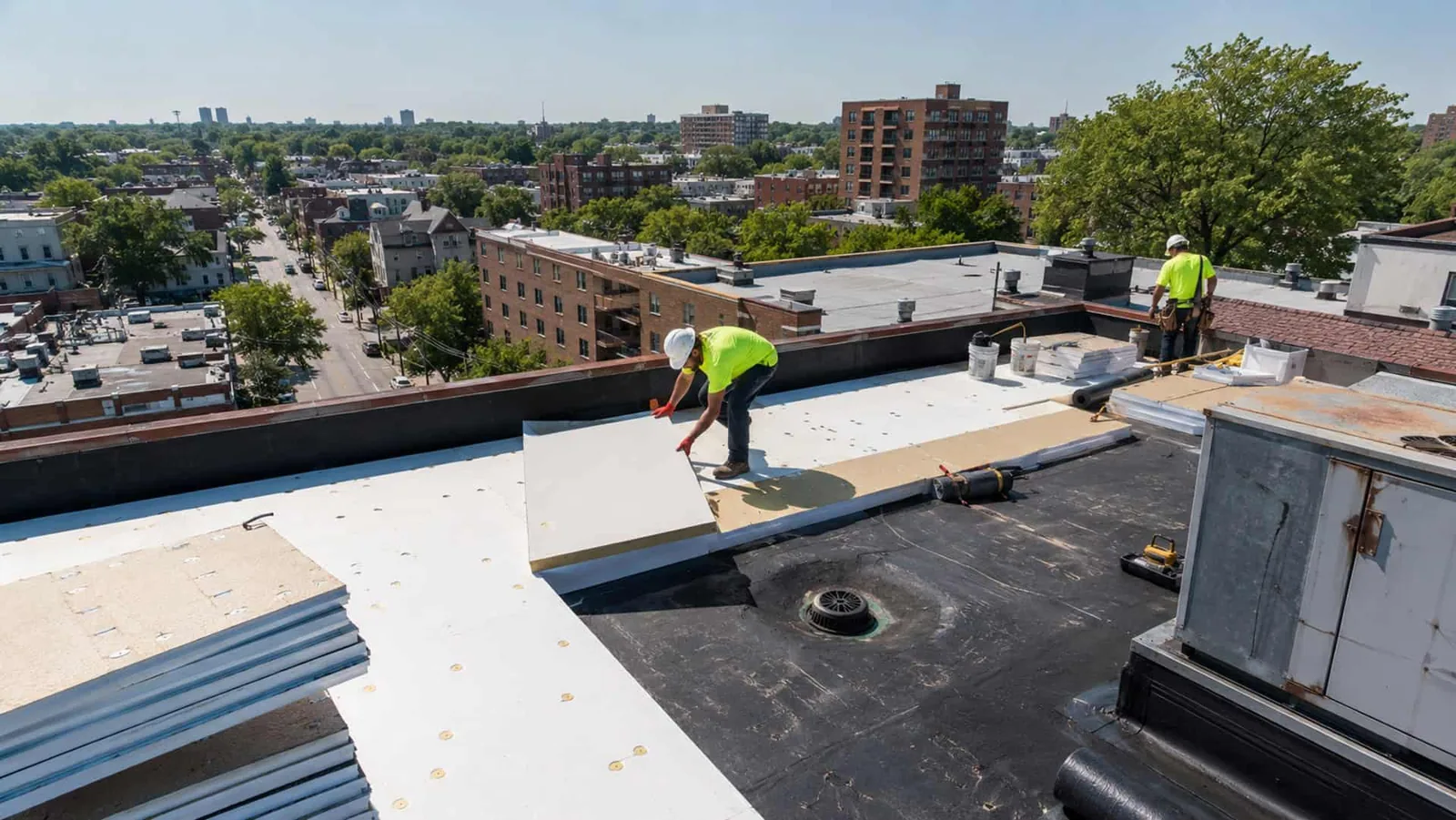
A local flashing or seam repair can be appropriate when the surrounding assembly is sound and the water route is established. Widespread moisture, failing attachment or repeated leak history may call for a larger replacement review. We state which roof areas need immediate protection, which can be scheduled within planned maintenance, and what test could change the recommendation. Any temporary measure is described separately from the permanent repair so the operations lead knows what remains open.
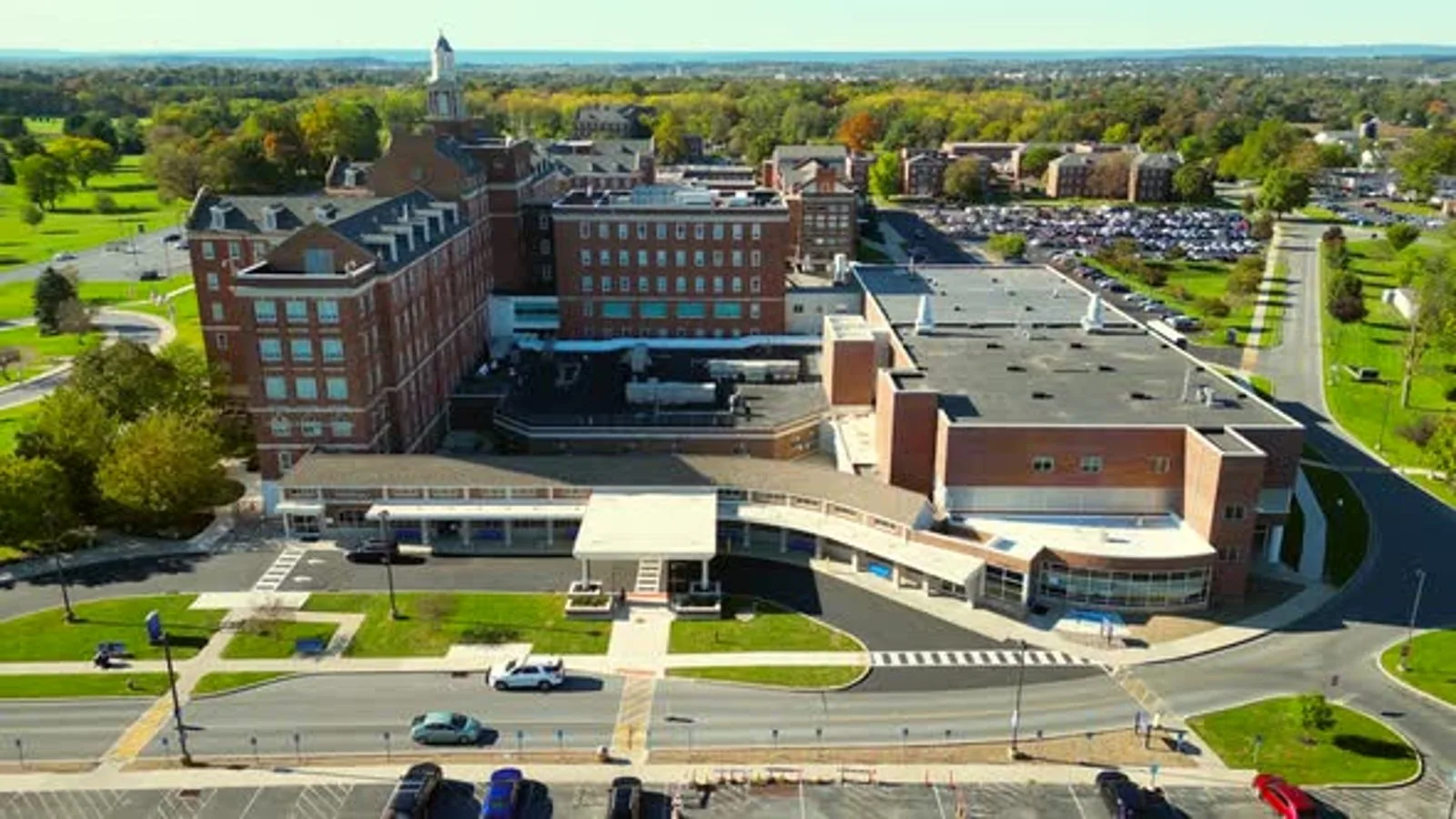
Cost and timing depend on roof assembly, equipment density, access controls, protection needs, material choice and the approved maintenance window. Work near cooling equipment may require coordination with another trade, and replacement can require additional staging or temporary coverage. We compare focused roof repair with replacement using inspection findings. A hospital roof also has critical operations, but a data center’s cooling and power requirements are distinct; the scope follows the site’s own continuity plan. An office building may share rooftop mechanical equipment, yet its system load and continuity plan are not the same as a data hall.
The closeout package should include approved photographs, a roof-zone map, completed details, material records and items left for monitoring. We follow the facility’s restrictions on recording equipment and sensitive areas. Maintenance staff receive the information needed to protect the roof during future cooling-system work and to report a new leak at the right location. A consistent record helps compare inspections without circulating details beyond the people who need them.
Before scheduling, share the facility’s access protocol, maintenance calendar, roof plan appropriate for contractor use, previous repair notes and emergency contact chain. Identify any change-control approval required before work starts. Highpointe and Great Western Industrial Park illustrate the industrial geography around Greeley, while each data center sets its own security and operation requirements. We will inspect only the authorized areas and return a roof scope that fits the approved access and continuity constraints.