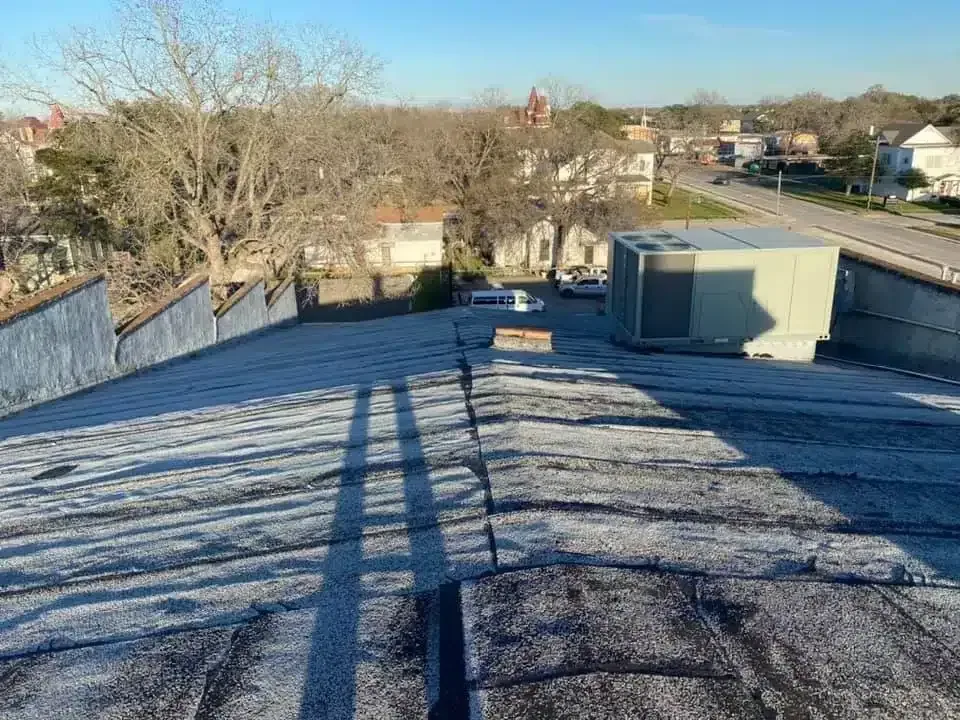
Can you patch a puncture without replacing the roof section?
Often, when the surrounding membrane and substrate are sound. We inspect the edges and confirm the repair boundary before recommending a local patch.

A cut, dropped fastener or maintenance scuff can leave a small opening that admits water during the next storm. We inspect the mark, its edges and the material below before choosing a patch. That first check separates a true puncture from a surface blemish, an open seam or damage that follows a piece of equipment across the roof. The repair scope names the affected area and the test needed to confirm the tie-in.
Commercial sites near Highpointe Business Park and Downtown Greeley differ in access, equipment and roof layout. The place alone does not identify a membrane or explain how a hole occurred. We use the building’s roof plan, reported work history and field observations to locate the puncture, then protect the surrounding system while the repair is made.
A puncture can be round, elongated or hidden beneath a protective layer. We photograph the visible mark, measure its dimensions and note whether the membrane is torn, compressed, scraped or separated from its substrate. Nearby fasteners, walkway pads, conduit routes, curbs and recent service activity help us understand possible causes without treating a nearby item as proof. We also inspect the underside when access permits, since insulation or deck damage can change the repair boundary.
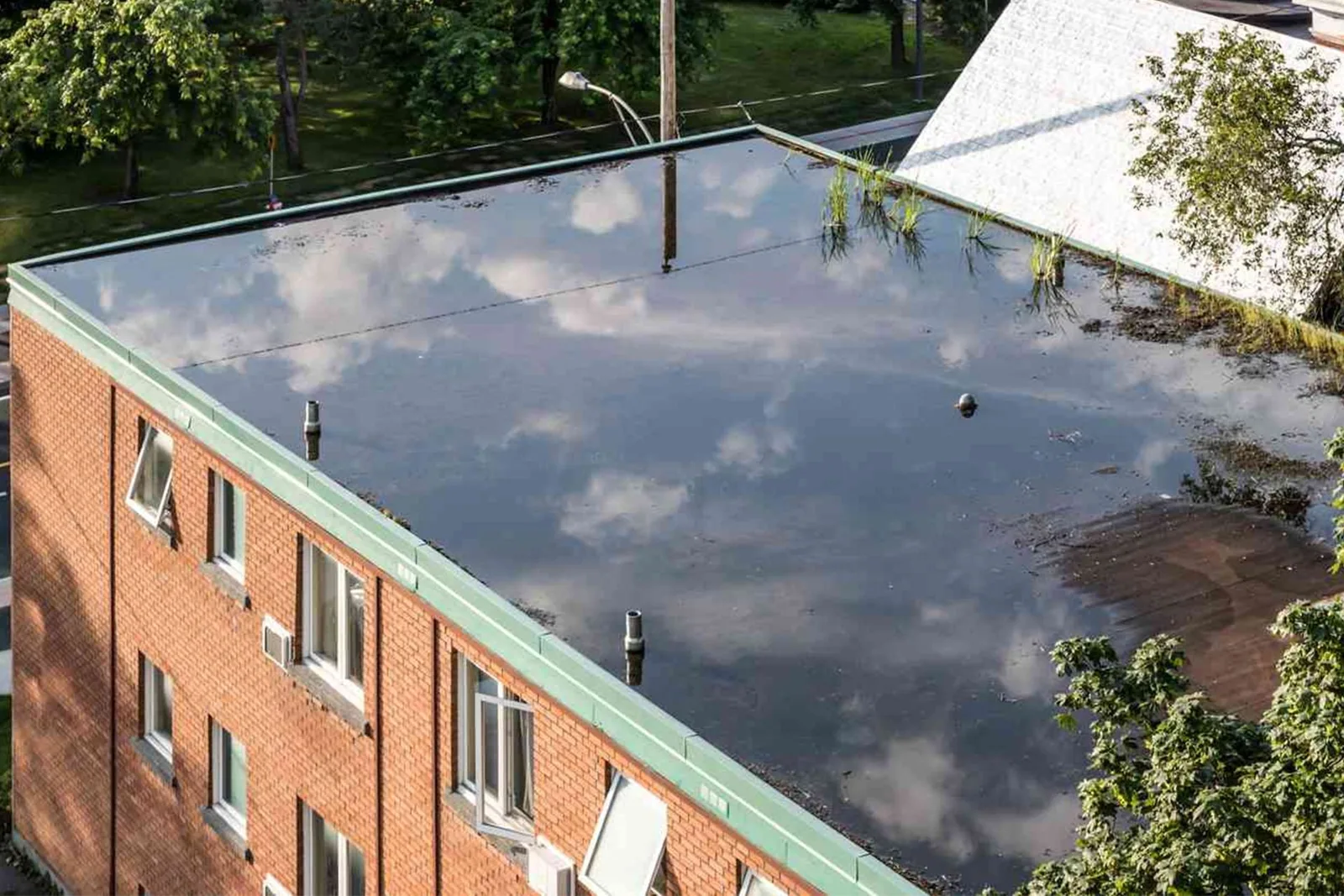
Water inside may travel from the roof opening along a deck flute or insulation joint. We compare the reported room and timing with roof penetrations, drains and low areas above it. A commercial roof inspection can document that path and distinguish the puncture from other nearby conditions. If the roof assembly is concealed, the owner approves any test cut and restoration method before we proceed.
Foot traffic deserves a careful look because repeated contact can leave more than one mark. We check the route between roof access and service equipment, inspect protective walk pads and look for scuffs that continue beyond the reported leak. A written condition report can map separate observations by roof zone. This keeps a local patch from being presented as a roof-wide repair when the evidence only supports work at a defined point.
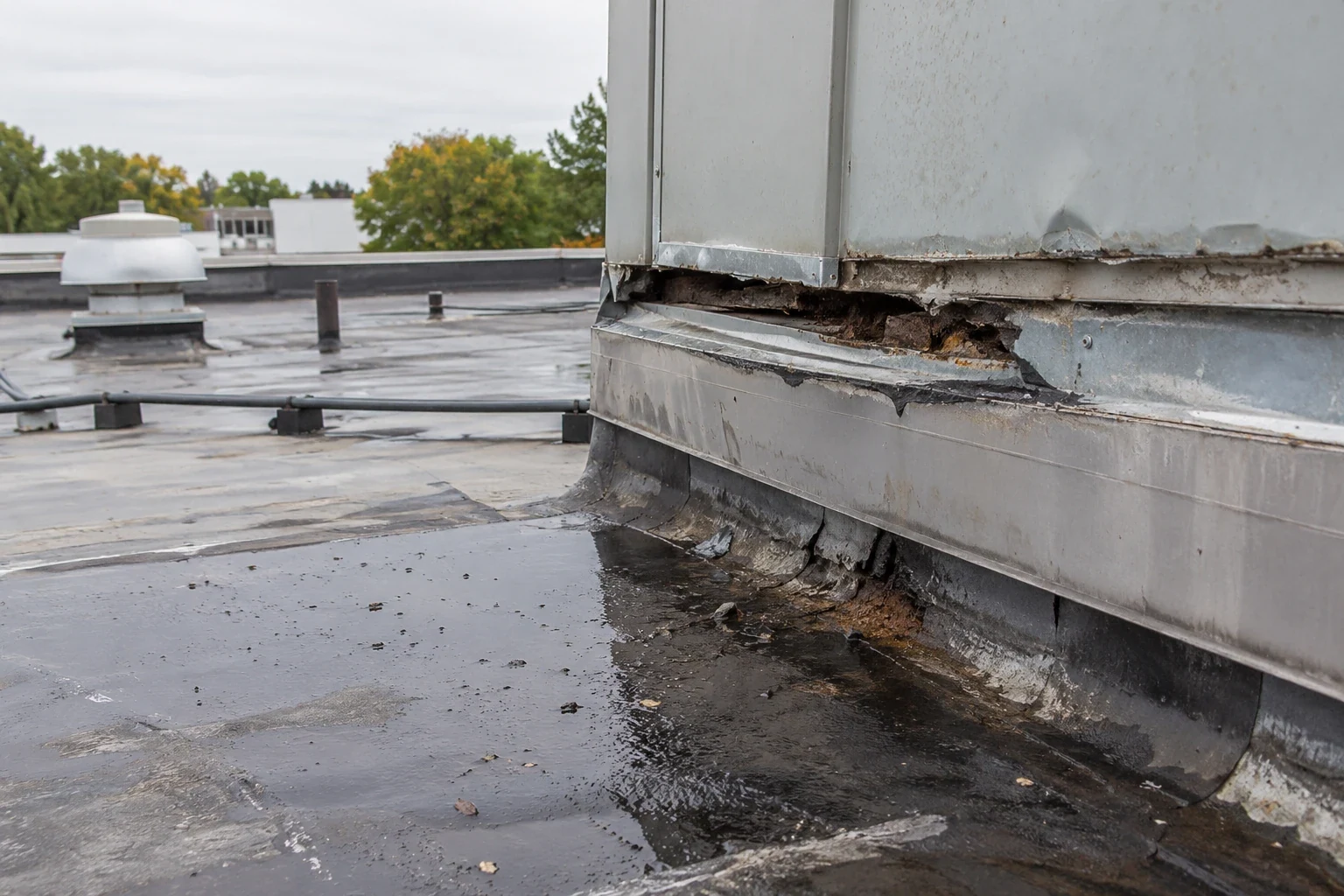
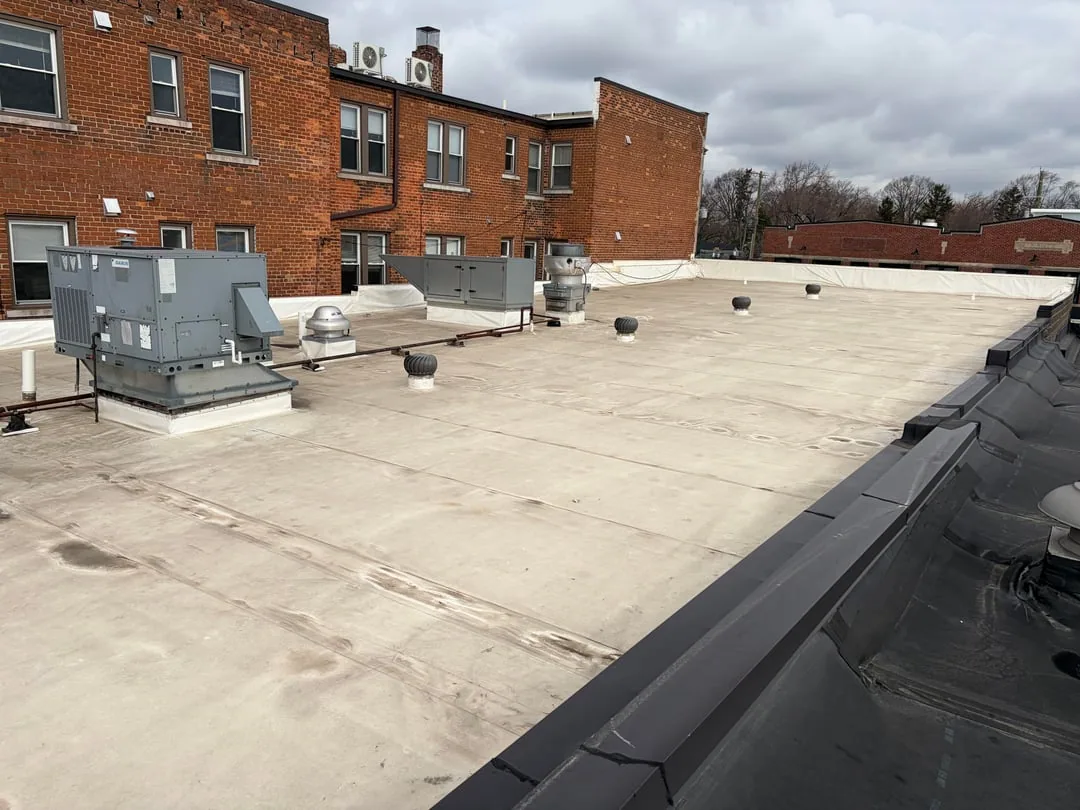
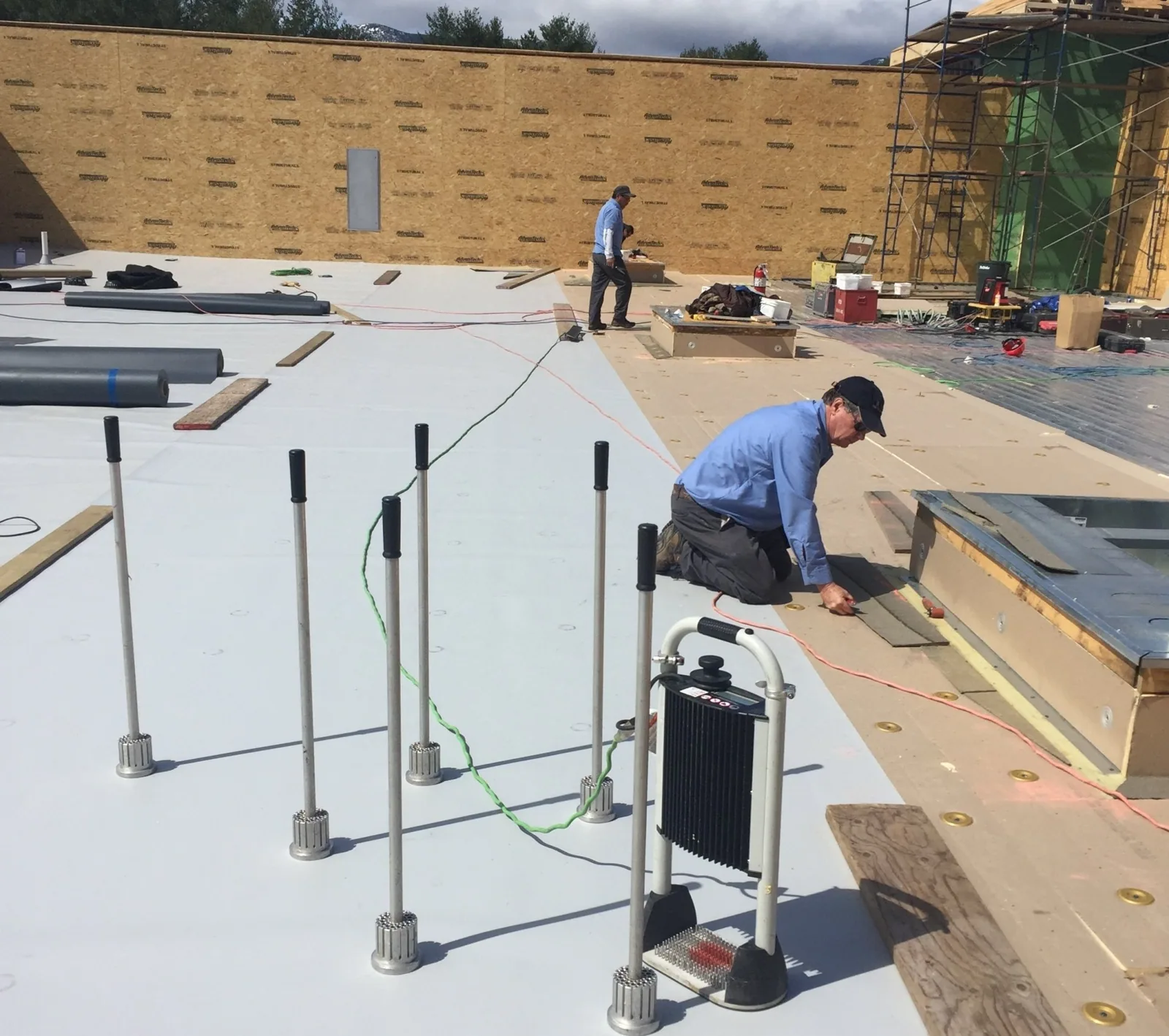
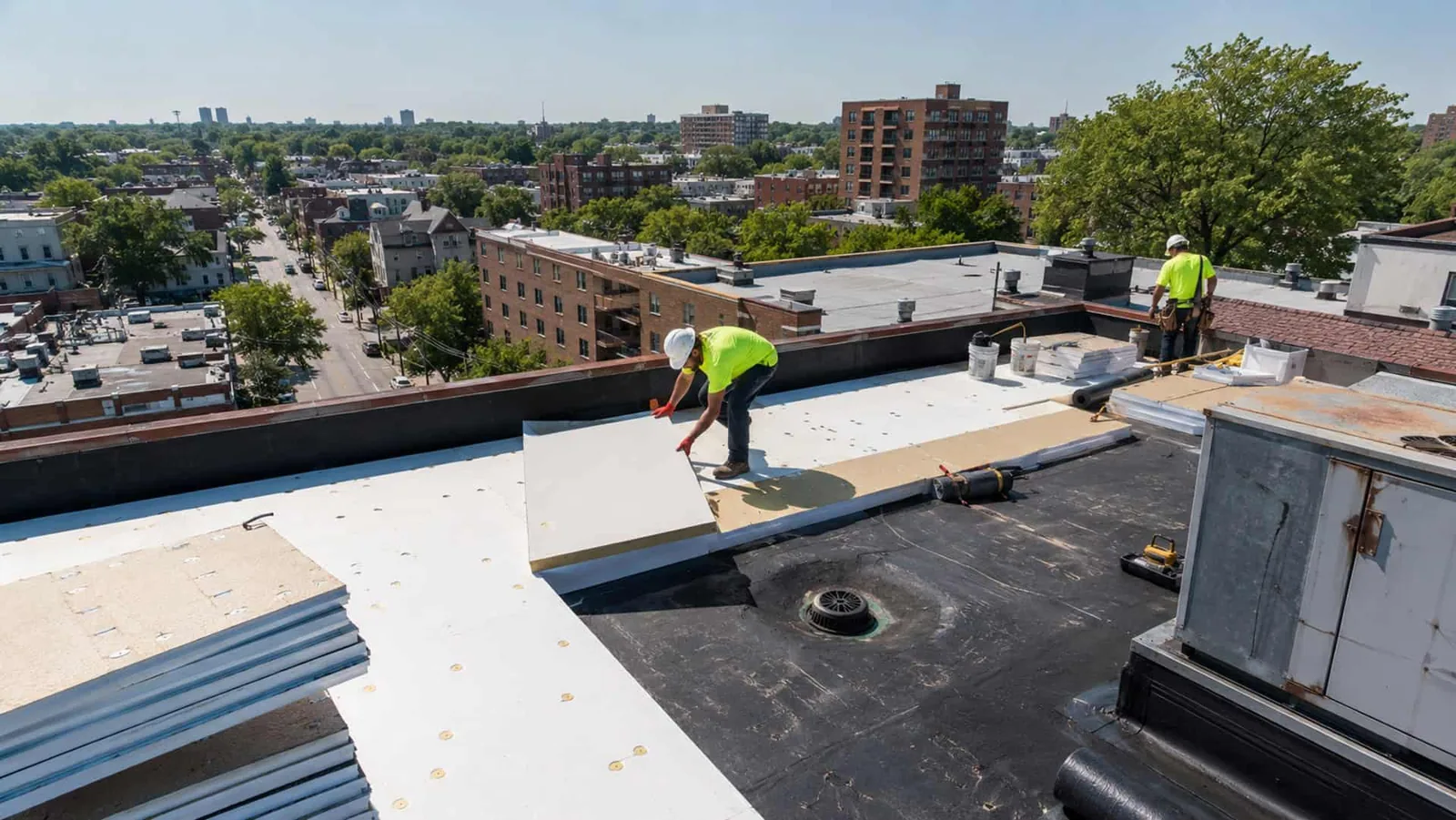
Material and preparation depend on the roof system. A single-ply membrane may need a compatible patch with rounded corners and a welded or adhered perimeter. Modified bitumen, built-up roofing and metal panels require different methods. We identify the surface and follow the applicable system instructions instead of putting a generic sealant over an unknown assembly. The substrate must be sound, clean and dry enough for the selected repair material to bond or weld.
We remove only material needed to expose a repairable boundary. The crew cleans and prepares the area, installs the patch with the required overlap and checks the entire perimeter. Where the defect reaches a nearby lap or flashing, the scope lists that transition separately; flashing repair may be needed if inspection confirms a second failure. We keep patch edges clear of drains and avoid trapping debris or loose material beneath the repair.
Before closing the work area, the supervisor checks adhesion or weld continuity using the method appropriate to the system. We record the patch location and any limitation that prevents a complete test. If water protection is urgent but conditions do not allow a permanent repair, we identify the temporary measure, its expected limits and the return visit needed. For active interior water, our emergency roof response can prioritize containment while the permanent scope is arranged.
Greeley’s temperature range makes the roof surface part of the repair decision. The city’s airport climate series includes days above 90 degrees and record readings above 100, which can affect crew access, material handling and adhesive work. We check actual surface conditions rather than using a calendar date as a substitute. A hot membrane may need a different work window, while a cold or damp surface can prevent a patch from bonding as intended.
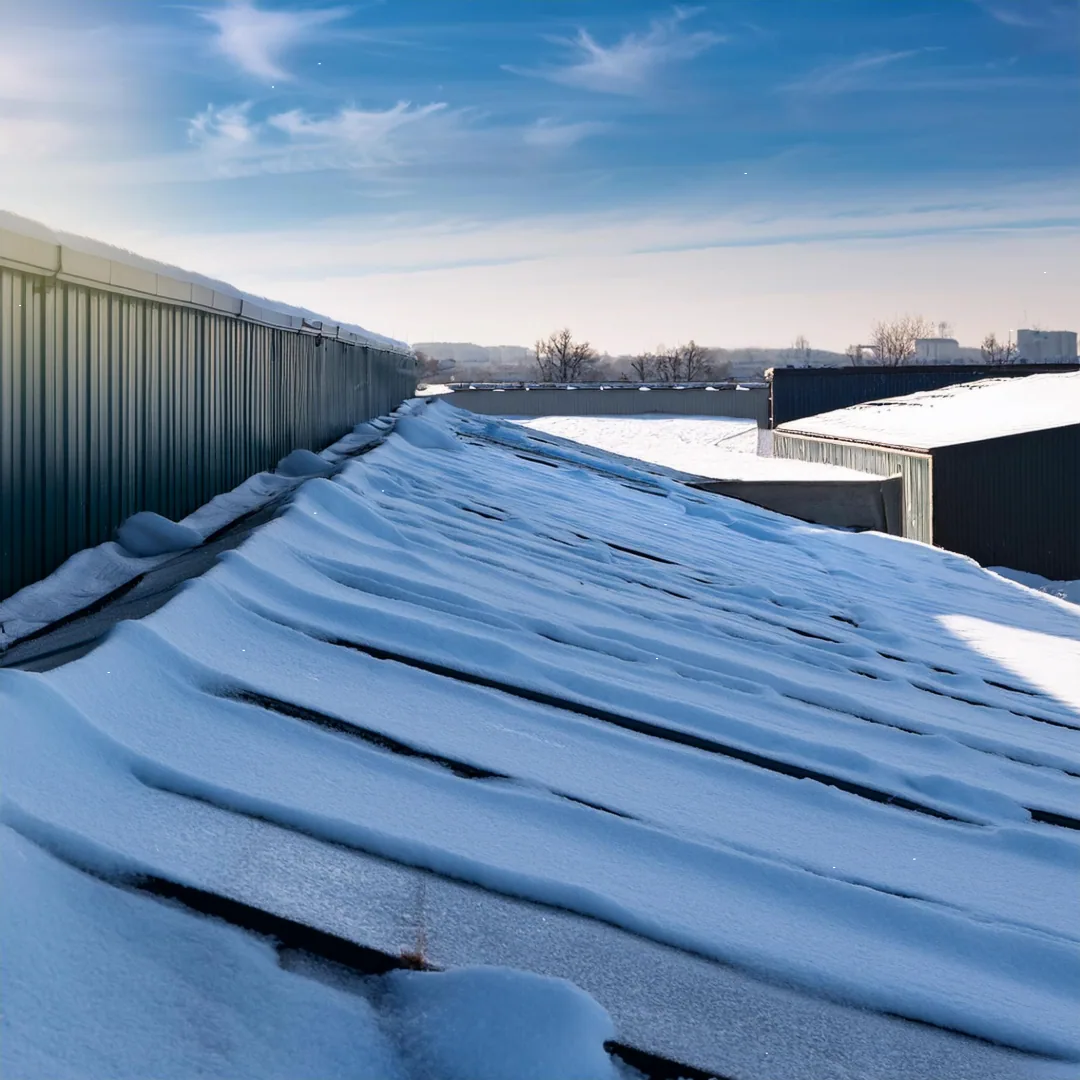
Weld County hail reports and Greeley-area tornado history provide context for checking a roof after severe weather, but neither proves that a particular puncture came from a storm. We inspect the size and shape of the mark, nearby impacts and exposed components. A hail damage inspection can be scoped separately when the owner reports a broader impact pattern. If the roof is wet, icy or snow-covered, we protect the building and schedule detailed work when the repair zone can be reached safely.
Equipment access also affects sequencing. A service crew may need to move carts, tools or temporary lines across the roof, so we establish a clear path and protect the work zone before the patch is prepared. In Highpointe’s light and medium industrial setting, an operating facility may have delivery or production constraints; in Downtown Greeley, entrance and occupant coordination may matter more. We confirm those conditions with the site contact and set the work window accordingly.
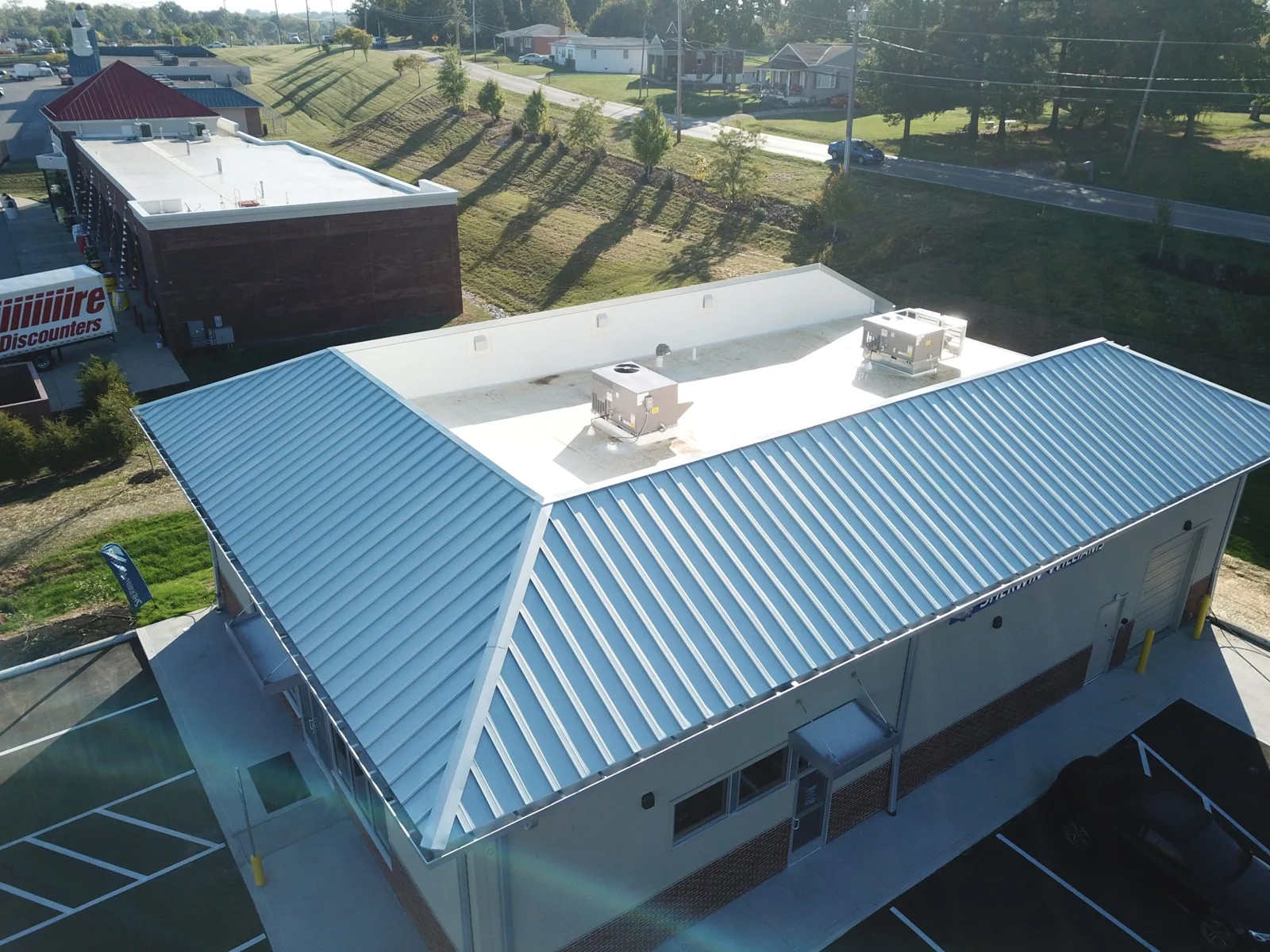
Often, when the surrounding membrane and substrate are sound. We inspect the edges and confirm the repair boundary before recommending a local patch.
The shape and surrounding detail provide clues, but the roof system and field inspection decide. We document whether the defect crosses a membrane field, lap or transition.
Water can move before entering the building. We trace the likely path and check nearby roof details before tying the interior stain to one opening.
Yes, after the site contact confirms access and operating constraints. We define a protected work zone and identify any equipment that must be moved or shut down.
Send the leak location and timing, roof plans, assembly details, recent trade activity and access rules. Those details help us plan inspection and materials.
A single puncture can be a focused repair when the surrounding membrane, insulation and attachment remain serviceable. Multiple cuts, moisture beneath the surface, a damaged cover board or a repeated traffic path can change the scope. We describe what the inspection confirms, what remains concealed and whether additional testing would change the repair decision. The estimate identifies preparation, patch size, tie-in method, access needs and closeout checks.
Cost and timing depend on roof height, access, material compatibility, water protection and whether equipment must be moved. If inspection finds several unrelated conditions, we separate them so the owner can prioritize active openings first. A targeted repair plan may handle the confirmed puncture, while preventive maintenance can address recurring access risks through walk-pad review and documented roof routes.
We also note interior work that is outside the roofing scope. Wet ceiling tile, insulation replacement or electrical review may require coordination with other trades after the roof opening is controlled. If the building team wants an insurance file, photographs and a dated description can support its own review; we do not treat a roof repair estimate as a coverage decision. The owner receives a defined roofing scope and can decide whether to authorize testing or adjacent repairs.
Closeout should identify the roof system observed, repair material, location, patch dimensions, photographs and any test results. We list any nearby condition that was visible but not included, along with an access limit or follow-up test. That record gives the next inspection a specific place to begin instead of relying on a remembered leak stain.
Before the visit, share the room where water appeared, when it was first noticed, recent rooftop work and any roof plans or manufacturer information. Tell us whether access requires an escort, shutdown or safety orientation. We can then bring the right materials and arrange a work sequence around the building’s operating needs. If the mark is changing or water is actively entering, say so at scheduling so containment can be considered with the inspection.
A patch repairs a defined opening; it does not establish the condition of every roof area. If later maintenance or another trade creates a new mark, record its location and timing separately. That record helps distinguish a new impact from the repaired puncture.