Does U.S. 85 Business describe the access route to my building?
It is a city route into Greeley, but property-level truck and roof access must be confirmed with the site contact.
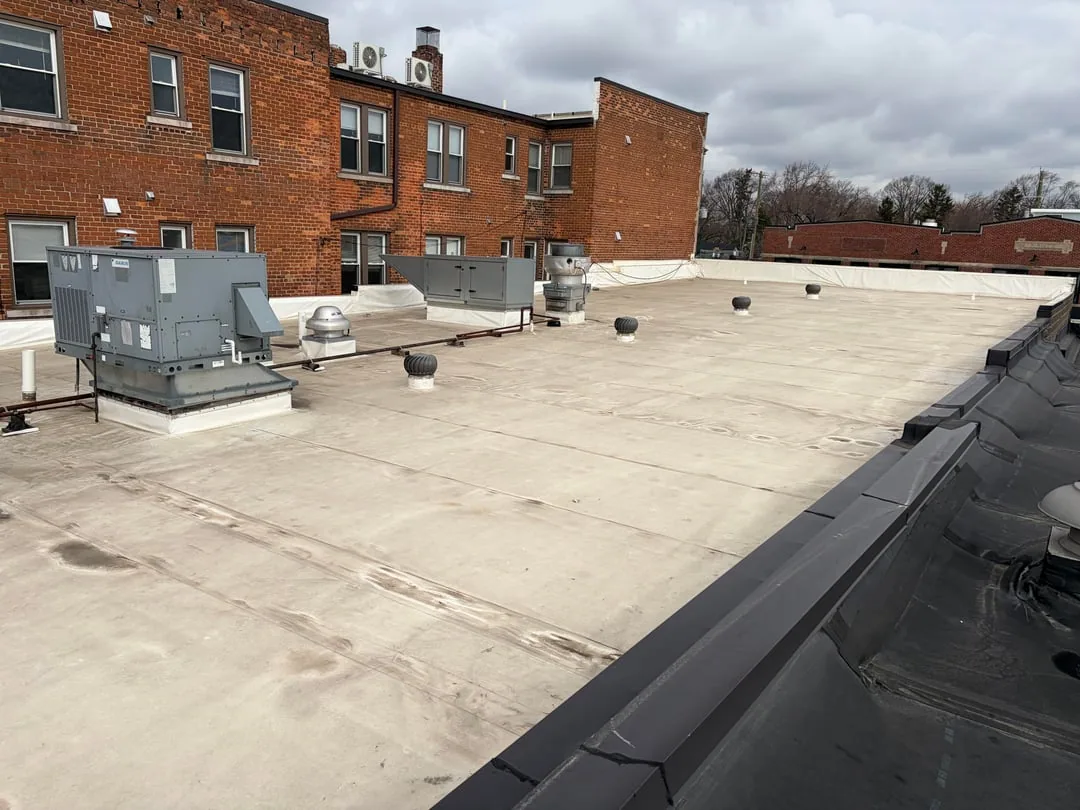
Roof service along the U.S. 85 Business Corridor begins with the building’s condition and the route needed to reach its roof. We inspect the reported area, identify the system and map drains, seams, edges and penetrations that affect water entry. Along this route, properties have different uses and roof assemblies, so we confirm both with the site contact before setting scope. Those details come from the owner’s records and a site inspection.
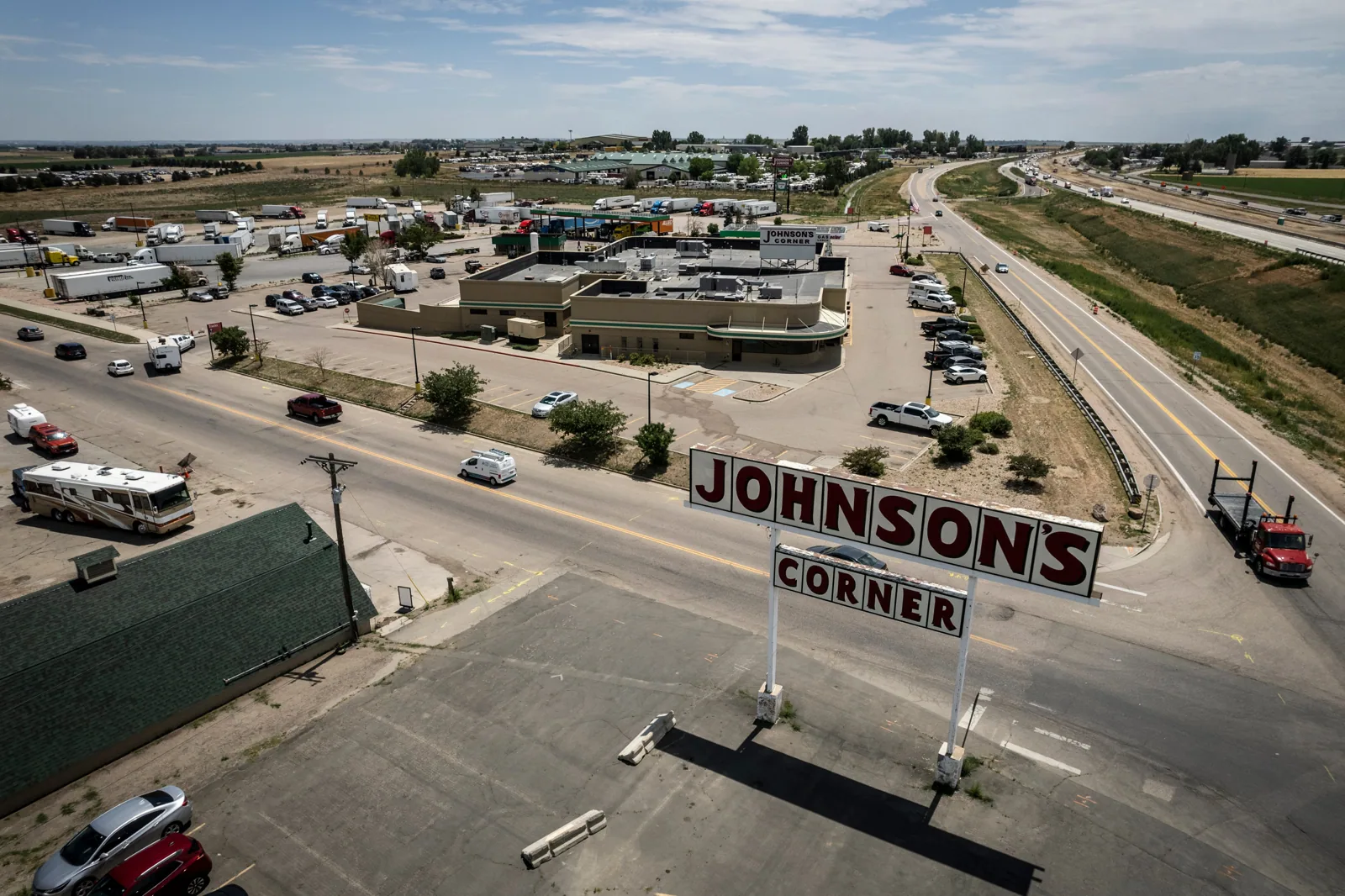
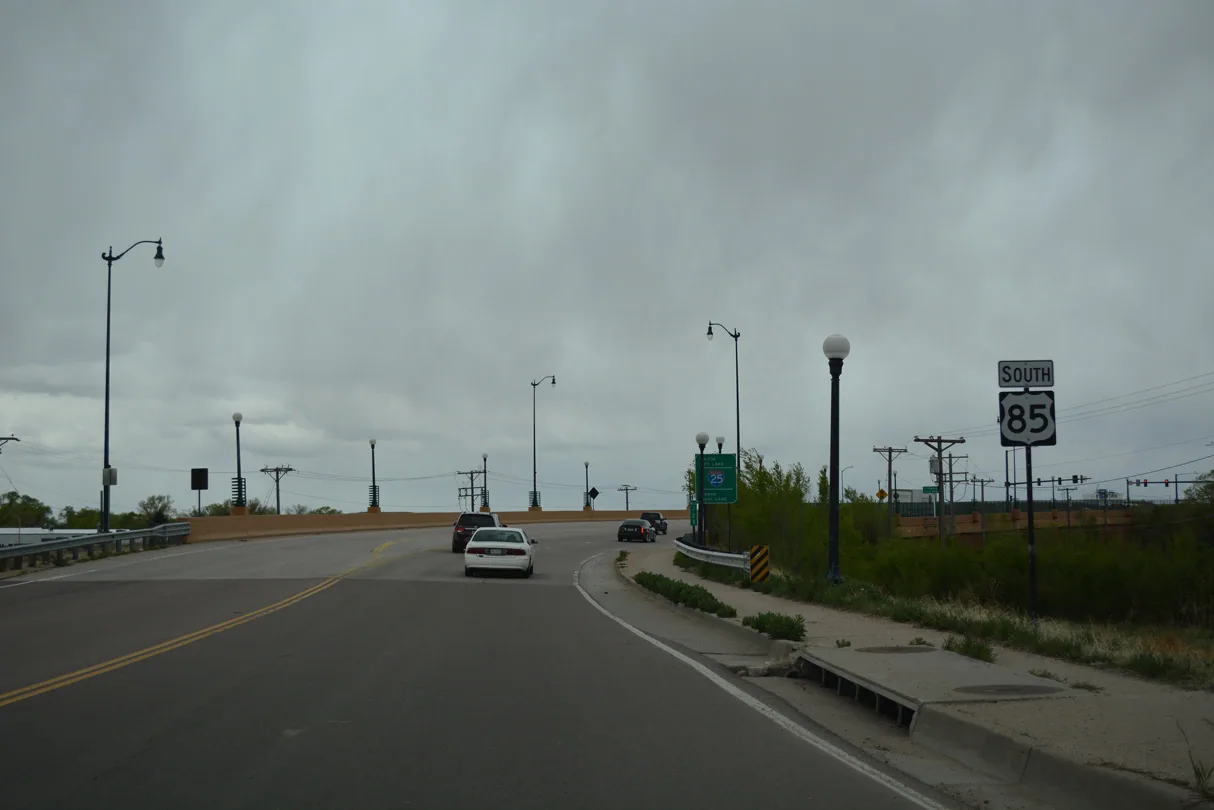
U.S. 85 Business becomes 8th Avenue through Greeley and connects with local streets, including the route toward Island Grove. Greeley’s road, rail and airport connections support regional access. That context can help plan equipment and material arrival; the site contact confirms the actual access route and staging.
We ask where water appeared, when it started and which roof work happened before the report. The crew confirms building access, roof entry, safety requirements and any route that must remain open. After access is confirmed, we trace the affected roof section across its slope, drainage points, field seams and perimeter details. The interior mark may be offset from an opening, so we photograph the suspected route and list the next check if the source remains unclear.
If drawings are available, we use them to mark the roof sections and identify separate construction phases. The installed system still needs field confirmation. A commercial roof inspection can photograph likely entry points, and a condition report can keep the location and repair recommendation clear for facilities staff. Any exploratory cut is approved by the owner and restored under an agreed method.
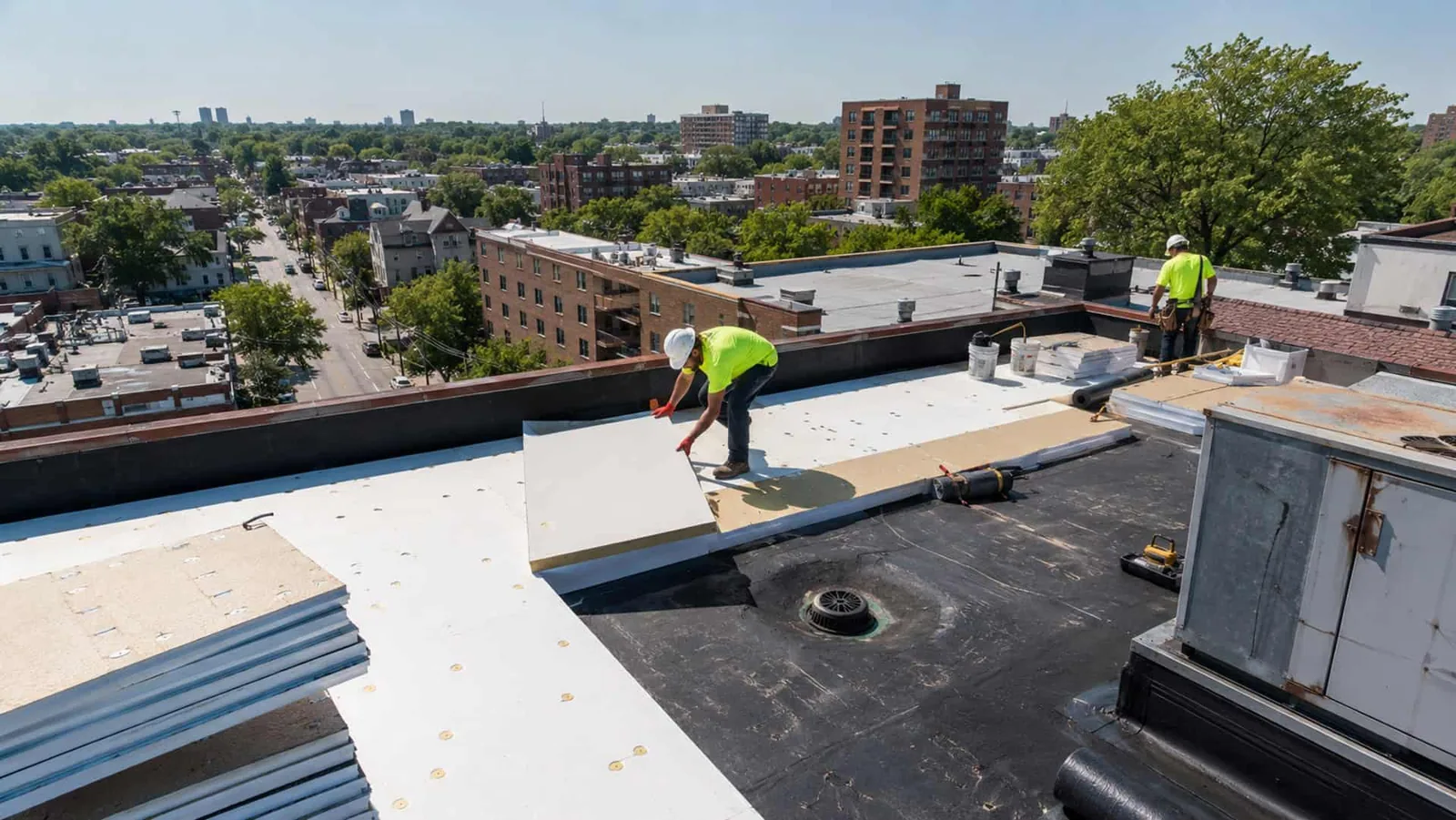
Where a roof extends over more than one operating area, the site representative helps us coordinate equipment, tenant routes and roof access. We identify a staging point that does not block the confirmed travel path and protect drains from materials. If the building has a delivery schedule, the contact shares it before a crew arrives so the work window can be planned.
Greeley Airport climate observations track snow, wind, precipitation and temperature. During winter, snow or ice can conceal a drain and restrict a safe walk. In hot weather, a roof surface can affect adhesive work, membrane handling and crew exposure. We check conditions at the property before opening the roof assembly, then define a daily closure point that the repair crew can complete safely.
Greeley’s airport climate series includes days above 90 degrees and record highs above 100. Material instructions and actual surface temperature control the repair window. If moisture remains on the roof or a wind shift makes handling unsafe, we pause or narrow the area rather than leaving an incomplete tie-in. The site contact receives the temporary protection plan and expected return step.
Weld County severe-weather records include hail near Greeley and tornado events. A storm report may justify a closer look, while the building evidence determines whether roof work is needed. We document observed impact marks, loose edge metal, open laps or water entry and state any access limit. Regional conditions help determine when to look; the roof establishes what should be repaired.
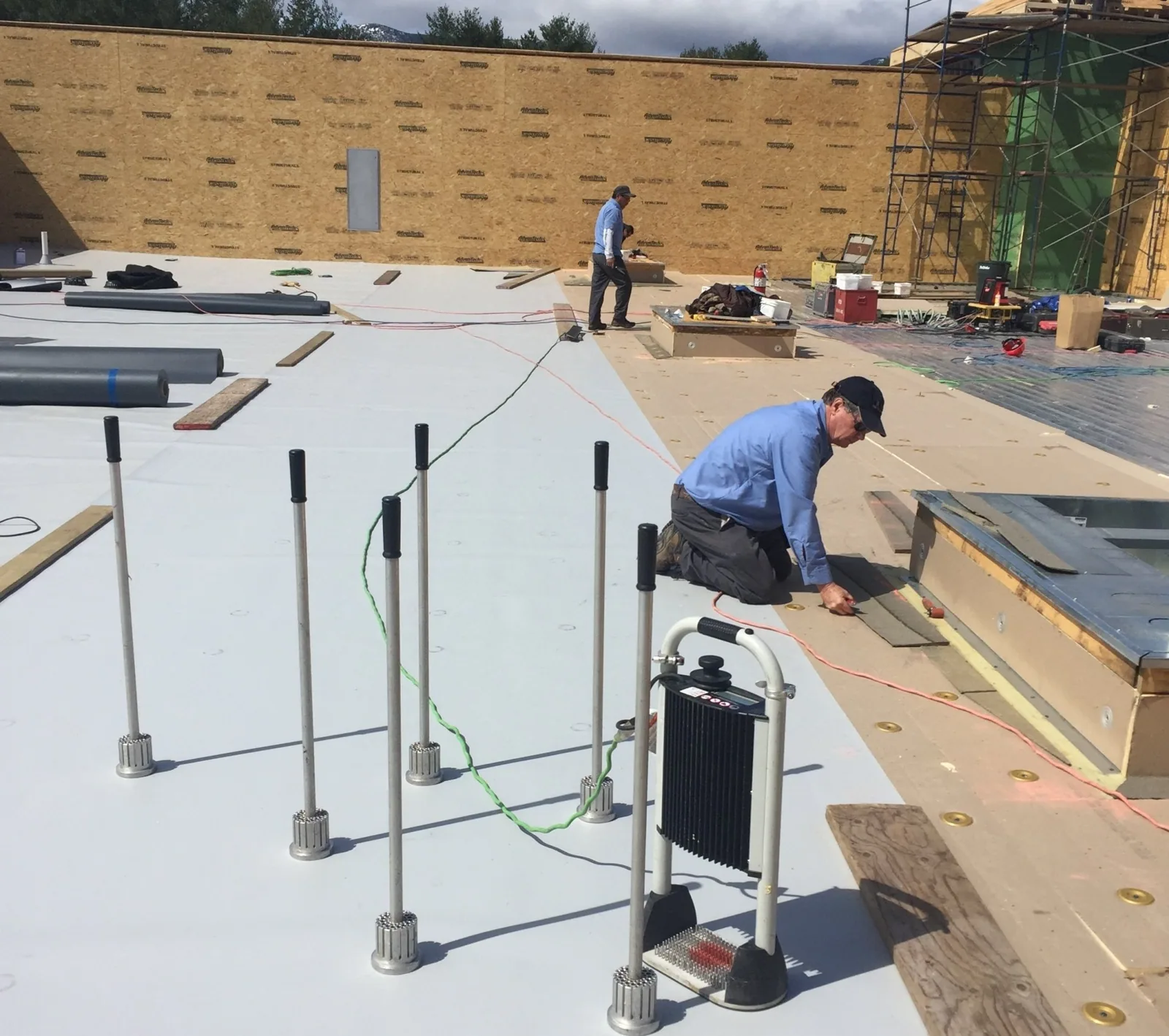
After the assembly is identified, we set the repair method and boundary. A membrane patch, flashing correction and drain repair require distinct preparation. We remove only approved material, protect nearby equipment and keep debris from drains. If an exposed layer reveals wet insulation or a damaged deck, we stop at the defined boundary, document the condition and obtain direction before changing quantities.
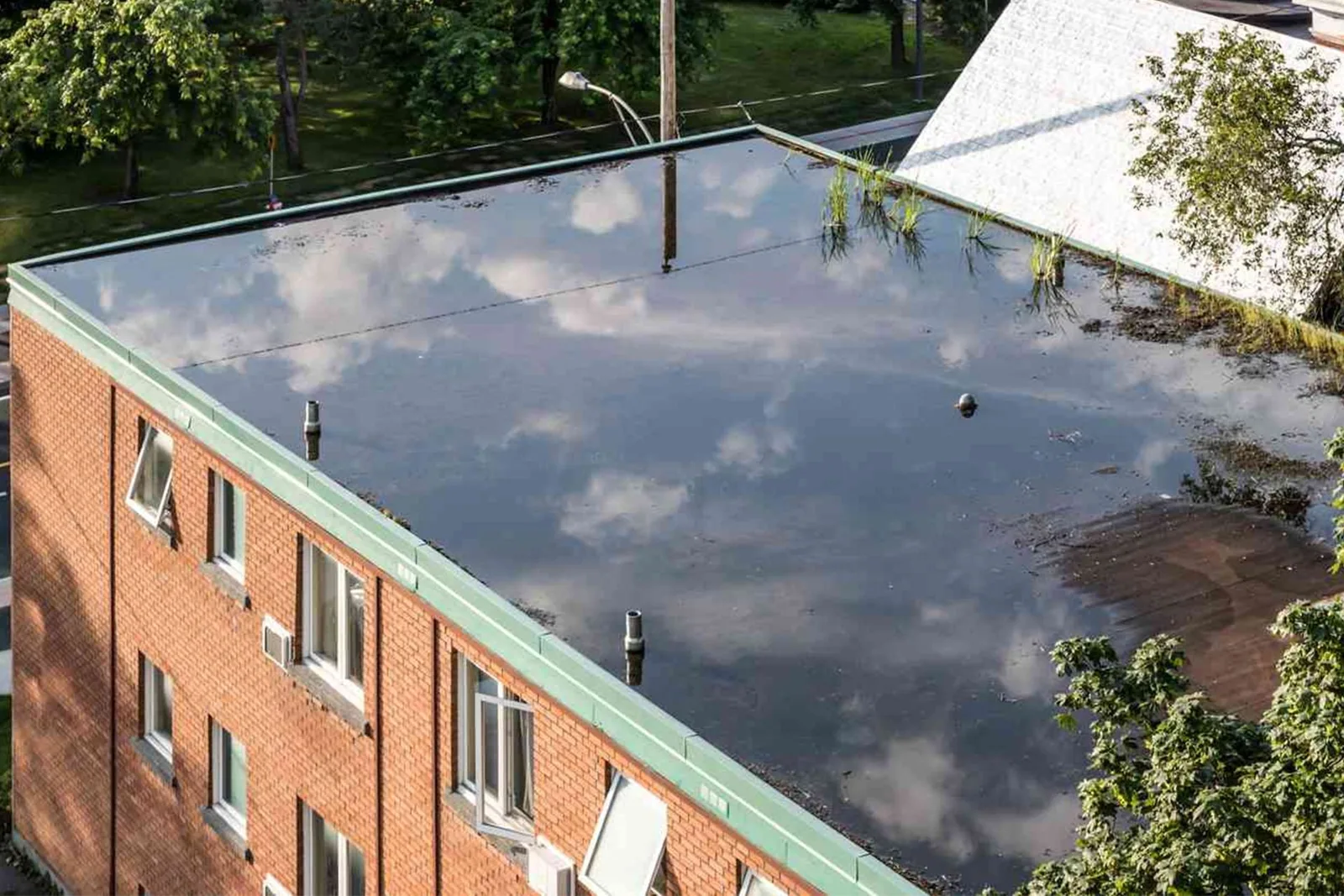
For active water entry, emergency roof service can prioritize protection and safe inspection. A repair proposal can address a verified condition. Where drainage is involved, drain and scupper work can be itemized separately from the membrane. The closeout identifies the materials, photographs and tests completed.
Access planning is distinct from the roofing repair. U.S. 85 Business joins Greeley’s street network. The site contact confirms truck entry, staging and roof access for each property. We confirm the entrance, loading area, roof access and any traffic-control need with the facility representative before placing materials or equipment.
It is a city route into Greeley, but property-level truck and roof access must be confirmed with the site contact.
Yes, when access is safe. We photograph observed conditions and separate them from the storm report, which cannot prove property damage.
The facility contact shares operating hours, loading routes and staging limits. We coordinate those constraints with the inspection and daily roof closure plan.
A portfolio summary can show work across sites, but each building needs its own inspection findings, access notes and repair authorization.
Provide roof plans, the leak location and date, prior repairs, warranty files and access instructions. Those details help define a first inspection.
Owners may manage properties in more than one Greeley corridor. A service calendar can coordinate a visit along U.S. 85 with inspections in the 10th Street Urban Renewal Corridor or the 23rd Avenue Commercial Corridor. Each property still receives its own roof map, findings and authorization. An event or repair at one site should not be carried into another building’s condition record.
Cost and duration depend on roof system, access, height, repair area, material availability, staging, equipment protection and whether a daily dry-in is needed. We list assumptions and exclusions, including interior restoration or other trades. A roof asset record can retain completed repairs, while a capital review can schedule future work from current inspections.
We compare repair, restoration and replacement only when the site evidence supports each option. Before recommending work, we check the roof plan and inspect the visible assembly for age, attachment, drainage and membrane details. If the owner is preparing a project scope, we document the assembly and list questions that require further testing or design review.
When an inspection reveals more than one repair need, we group only tasks that share access or mobilization. Separate roof zones keep different system details and approvals clear. The owner can authorize an urgent water-entry correction first, then decide whether to fund maintenance or broader testing after receiving the photo record. A shared corridor schedule should never substitute for a decision at the individual property.
Closeout identifies the property, date, roof area visited, system observed, repair location, materials, photographs and open items. A marked plan reference helps the site team find the same area during later maintenance. If a section could not be reached, the report names the access issue and says whether a return is required. We record the repair boundary separately from nearby observations.
Before mobilization, send roof plans, access instructions, leak timing, previous repairs, warranty documents and operating hours. Identify who can approve a test opening, temporary protection or additional work. If the property has a designated route for deliveries or public entry, share that information so material staging can be placed correctly.
U.S. 85 Business ties Greeley streets into the regional network, while each roof remains a building-specific inspection. We plan arrival and roof access with the site contact, complete the authorized work and provide a dated record for the next facilities review.