Does a roof condition report include repair pricing?
It can include a repair proposal when requested, but the inspection findings and pricing remain distinct. We list confirmed work, assumptions and any testing that could change quantities.
A roof report should let a facilities manager find the condition again after the inspector leaves. We record the observed assembly, roof zone, photographs, access limits and next action in language that distinguishes evidence from recommendation. The report can support maintenance, repair planning, a capital review or a transaction, provided the inspection scope matches that purpose. It does not replace engineering or structural review when those questions are outside the roofing inspection.
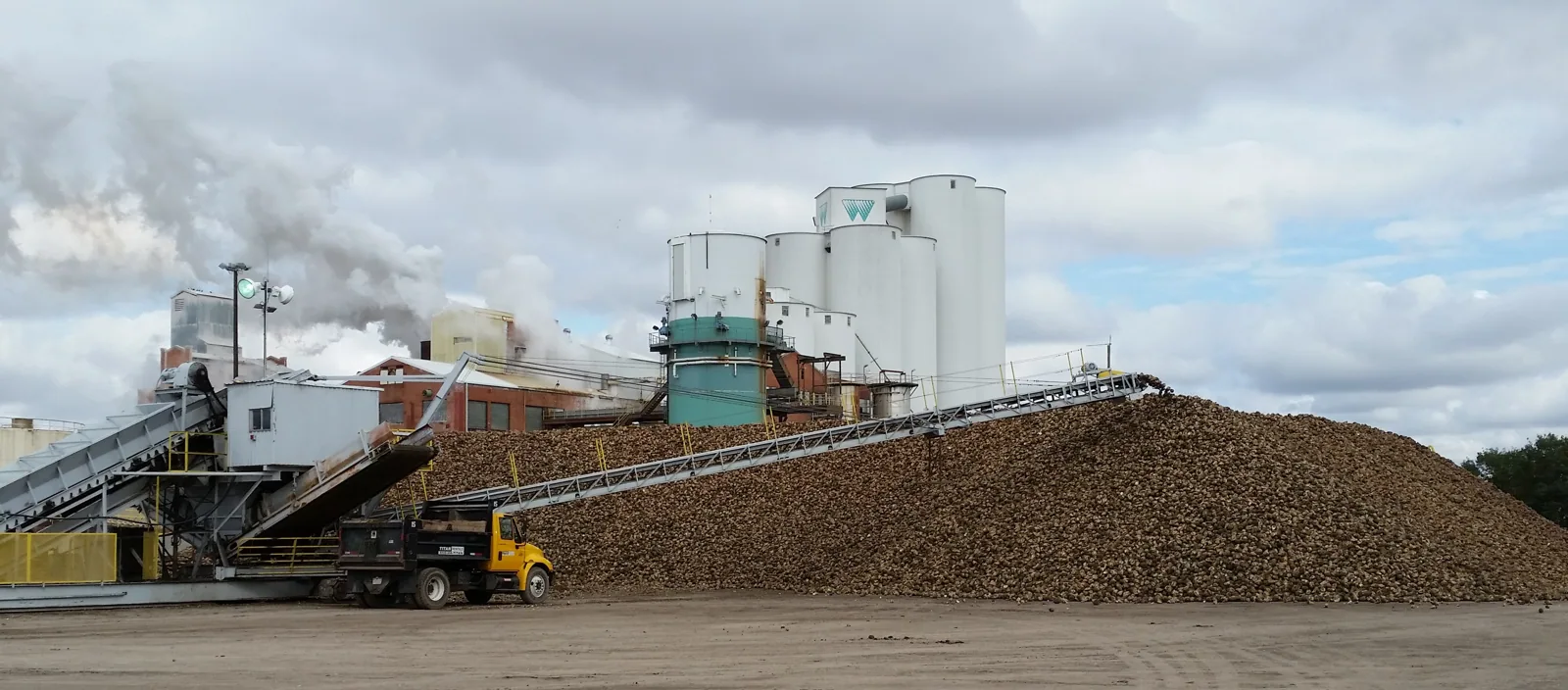
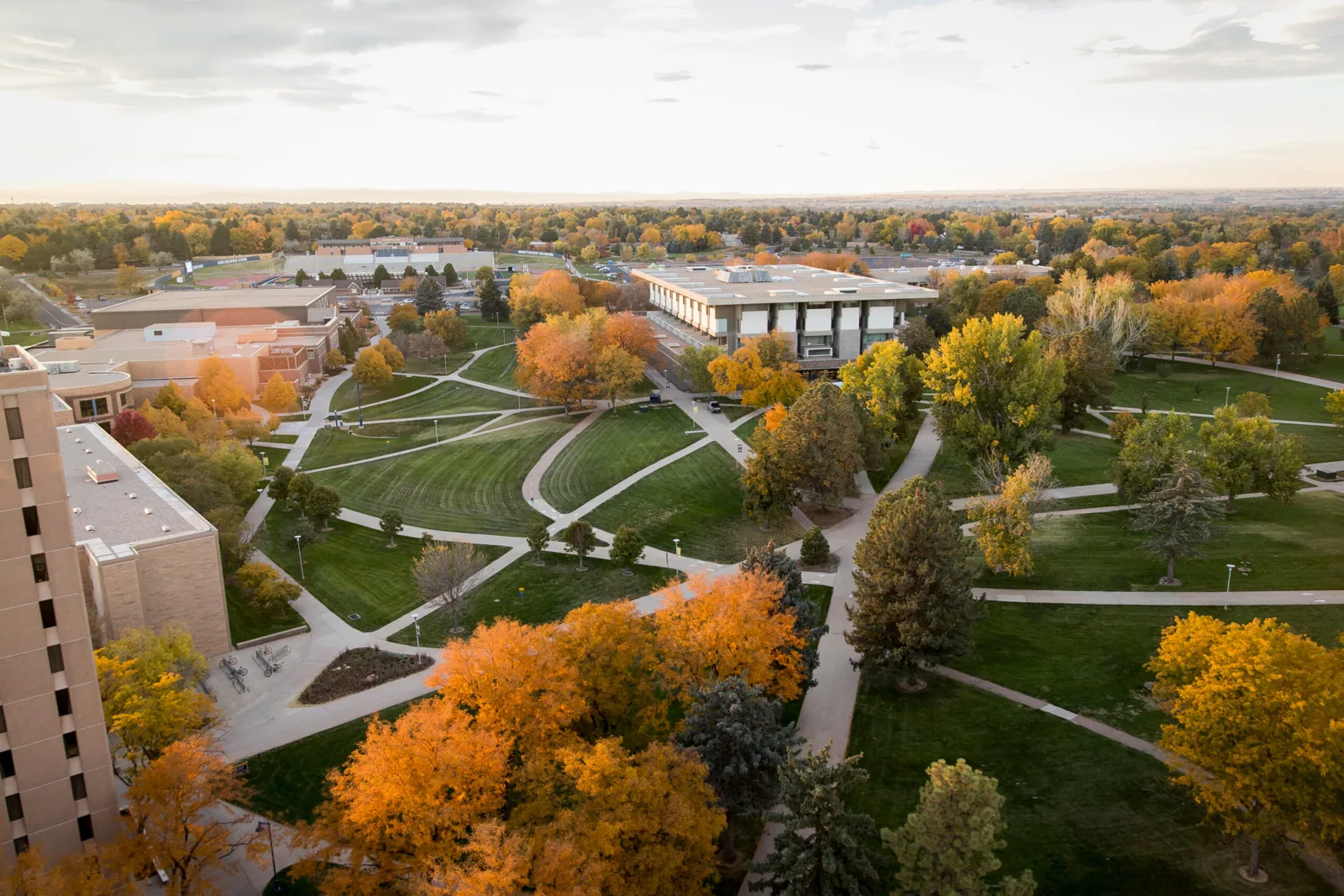
For Greeley properties near the Western Sugar TIF District or the UNC campus district, access and building operations can shape how the inspection is completed. We confirm those arrangements with the site contact and document the roof conditions actually observed at the property.
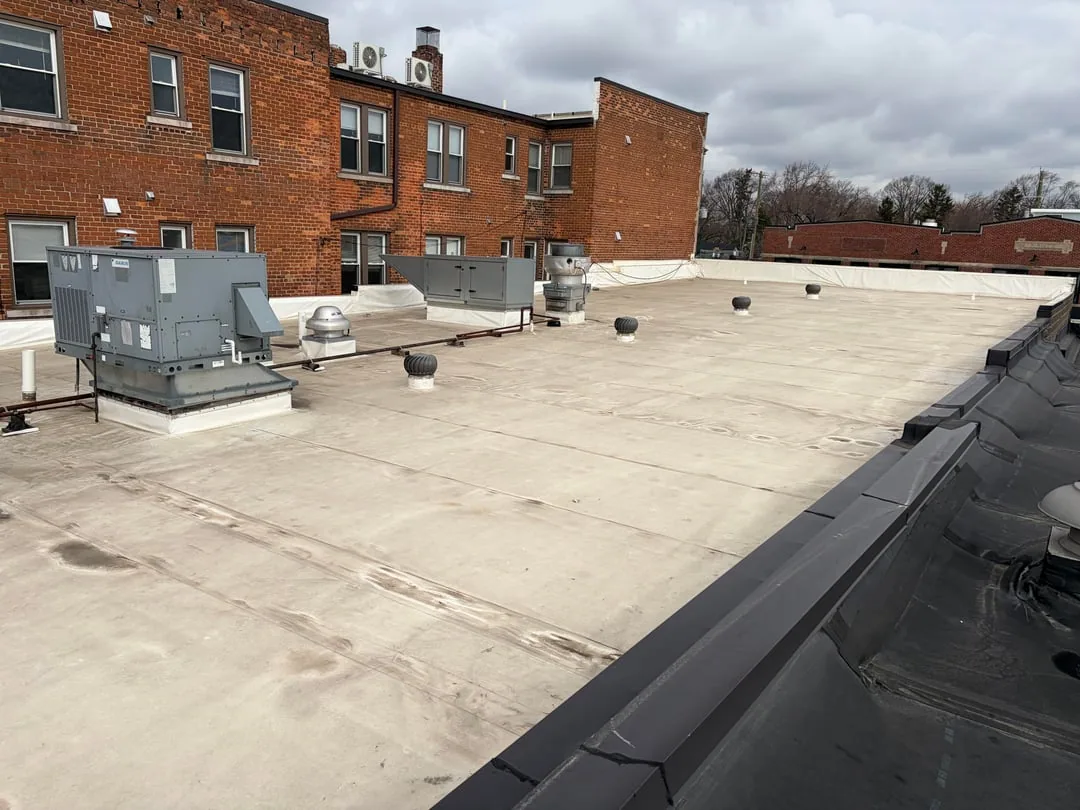
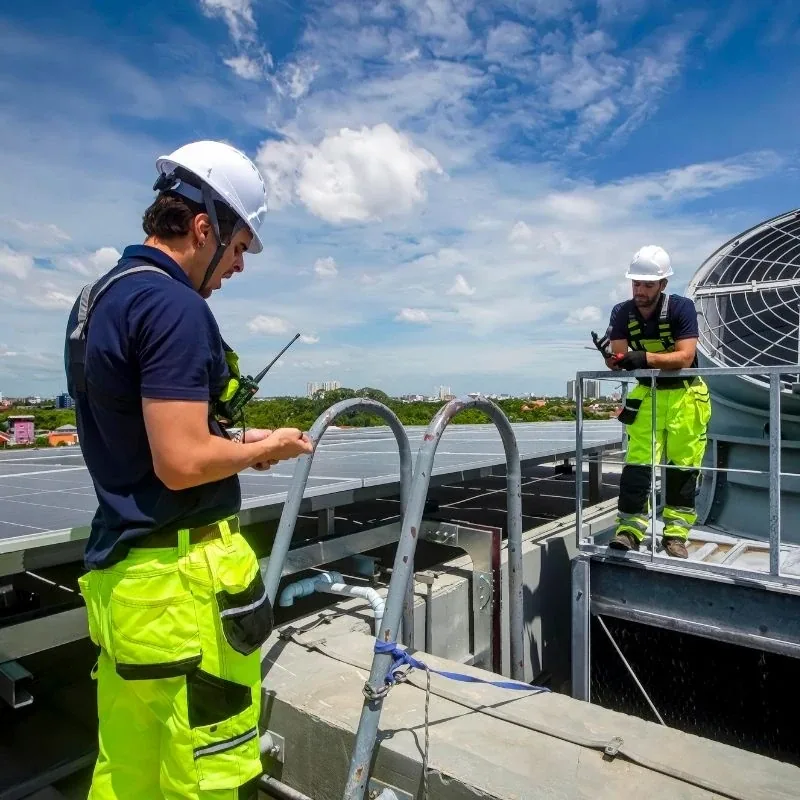
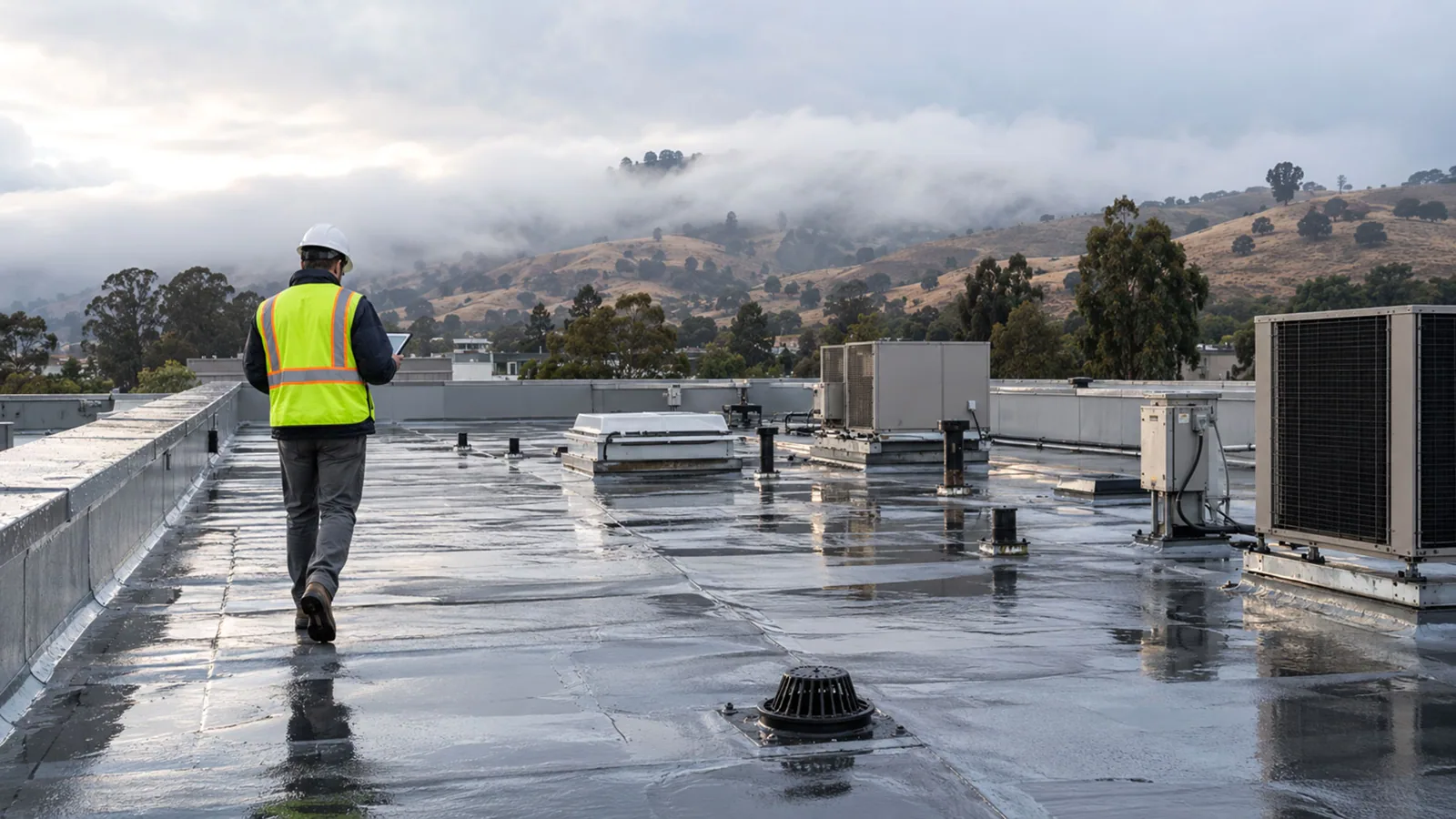
We begin by reviewing available roof plans, leak reports and prior repair notes. On site, we mark the inspection route and identify the roof system, drains, edge details, penetrations and accessible roof zones. Each photograph should show a useful view of the condition and enough context to locate it later. A close image without a roof-zone reference may show a crack but leave the maintenance team unsure where to return.
Reports separate confirmed openings from surface changes, suspected moisture, inaccessible sections and items that need testing. We describe the observation without stretching it into a full roof diagnosis. If a test cut, infrared scan or core sample could change the recommendation, the report names the method and requires authorization. A commercial inspection can focus on a reported leak, a general condition review or a defined project question.
Interior notes can help direct the route, but a ceiling stain does not establish where water entered. We compare the report with roof slope, drains, curbs and nearby seams. If wet insulation is a concern, a moisture survey may help prioritize follow-up; its limits and confirmation method should appear in the report. Where a defect is verified, a repair scope can be written from the same marked locations.
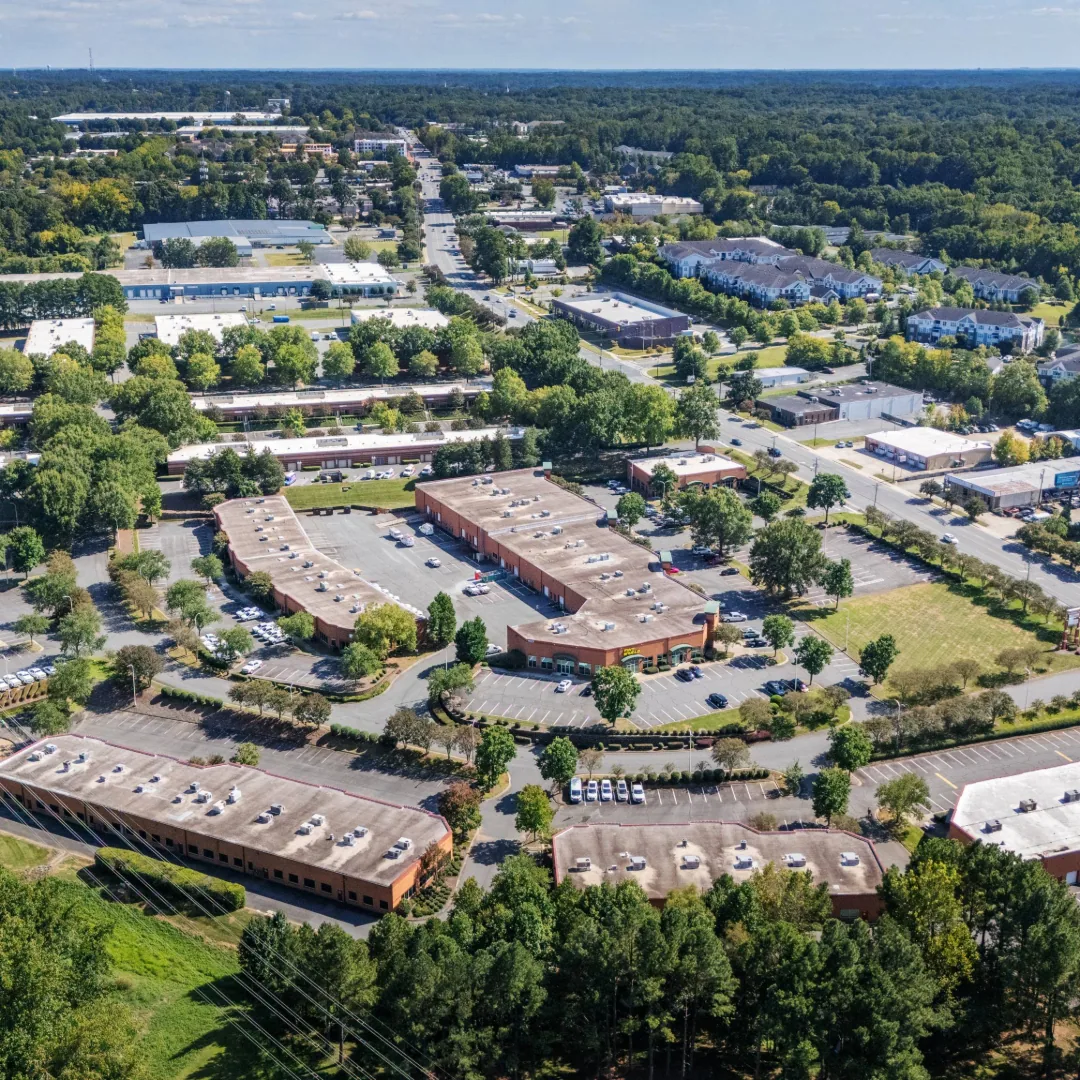
Each finding should state what we saw, where we saw it, why it matters to water protection and what action is recommended. We can label items as repair, maintenance, monitoring or further evaluation. The report names a priority and any condition that could make it urgent, such as active water entry or an exposed opening. If the inspection could not reach a roof area, the boundary appears beside the affected section rather than buried in general notes.
We include system observations only to the level inspection supports. If a coating obscures the original membrane or drawings conflict with the field, we state that uncertainty. Product compatibility, concealed insulation and attachment may require records or testing. We avoid assigning a remaining-life figure where the evidence does not support one. A roof asset record can carry the report date, photos and repair history into later inspections.
When the owner needs a report for a specific use, we define the audience and reliance before the visit. A maintenance record, capital budget request and acquisition survey call for different detail. The inspection should not promise conclusions outside its access and test limits. For a purchase or refinance, a due-diligence roof survey can establish a separate scope with its own requested deliverables.
Greeley Airport climate observations track temperature, precipitation, snow and wind. Those conditions affect safe roof access, the ability to inspect drains or edges and whether a surface can be tested. The report states when snow, ice, standing water or weather prevented a complete review. It also records if high heat changed the inspection schedule or material handling. A later visit may be needed to evaluate a roof section that was hidden or unsafe.
Weld County has recorded hail near Greeley and tornado events in the county. A reported storm can explain an inspection request, but the report describes the marks and defects found at the building. We compare available prior photos and repair entries where provided, then state what changed or remains uncertain. That distinction helps maintenance staff route follow-up without labeling every condition storm damage.
Local context also shapes scheduling. The City has active development initiatives at the downtown civic campus and airport. If a property shares a project calendar with either effort, its facility contact can identify applicable access, staging or shutdown windows.
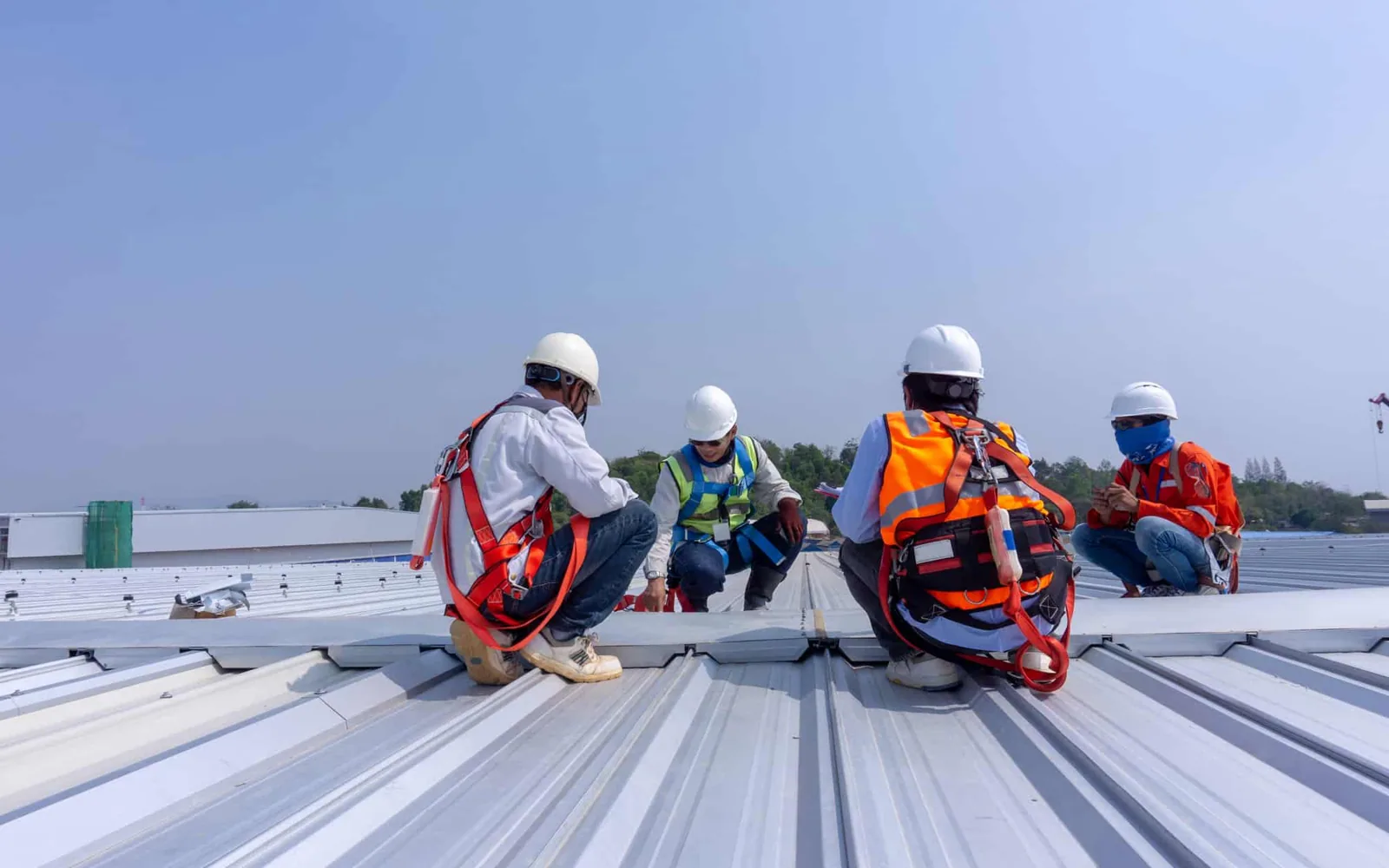
It can include a repair proposal when requested, but the inspection findings and pricing remain distinct. We list confirmed work, assumptions and any testing that could change quantities.
We only include a service-life estimate when inspection scope and records support it. Otherwise, we describe the observed condition, uncertainty and next review trigger.
The report marks the inaccessible zone, explains the access limit and states whether a return visit or different test is needed.
We can review a requested format before the visit and confirm which roofing findings it can capture. Any scope outside the inspection is identified separately.
No. We record roof observations and owner-provided warranty information. The manufacturer or warranty administrator determines coverage under its terms.
A short leak investigation may need a marked roof area, photos and repair recommendation. A capital review may need system-by-system condition categories and cost drivers. A portfolio report may add a table of open actions and dates. We agree on the inspection boundary, deliverable format and intended use so a concise field report does not get mistaken for a structural evaluation or warranty determination.
Cost and timing depend on building count, roof access, number of systems, testing, plan availability and the report format requested. If the owner needs a proposal, we separate immediate repair from monitoring or additional testing. A capital planning review can use the inspection findings to compare timing options, and warranty management can track any documentation or inspection obligation identified in owner records.
For projects along the U.S. 34 Business Corridor or at the Western Sugar district, the facility team can identify tenant, delivery and staging limits. We include those constraints where they affect the next action. A report is most useful when a reader can connect the roofing finding with an operational decision and see what information remains to be gathered.
The final document includes property and inspection date, accessible areas, roof-zone references, photographs, observed conditions, priorities, recommendations, exclusions and follow-up items. We list repairs completed during the visit separately from proposed work. If the owner authorized testing, we identify what was tested and where. The site representative can then assign tasks and preserve a clear record for the next inspection.
Before we arrive, provide roof drawings, system data, leak history, prior reports, warranty documents, access rules and the decision the report needs to support. Tell us if any area requires escort, shutdown or special safety coordination. If a lender, buyer or insurer has a required format, share it before inspection so we can confirm whether it fits the requested roofing scope.
The report remains tied to its inspection date and limits. New leaks, rooftop work or severe weather can change a roof after the visit. When that happens, we update the record through a new inspection rather than silently changing an old conclusion. Facilities teams can use the dated photos to compare conditions and decide whether a follow-up is needed.