Can smoke damage require roof work if flames never reached the membrane?
It can affect exposed materials or equipment, but inspection must establish what needs repair. We document smoke deposits separately from heat damage and wet insulation.
After a roof fire, the first visible hole rarely defines the full roofing scope. Heat can distort metal, weaken a membrane, damage insulation or leave smoke residue across areas that look intact from the ground. We begin with the incident boundary, roof assembly and safe access conditions, then map visible effects before recommending removal or repair. That gives the owner a roofing plan tied to the fire area rather than a guess based on a ceiling stain.
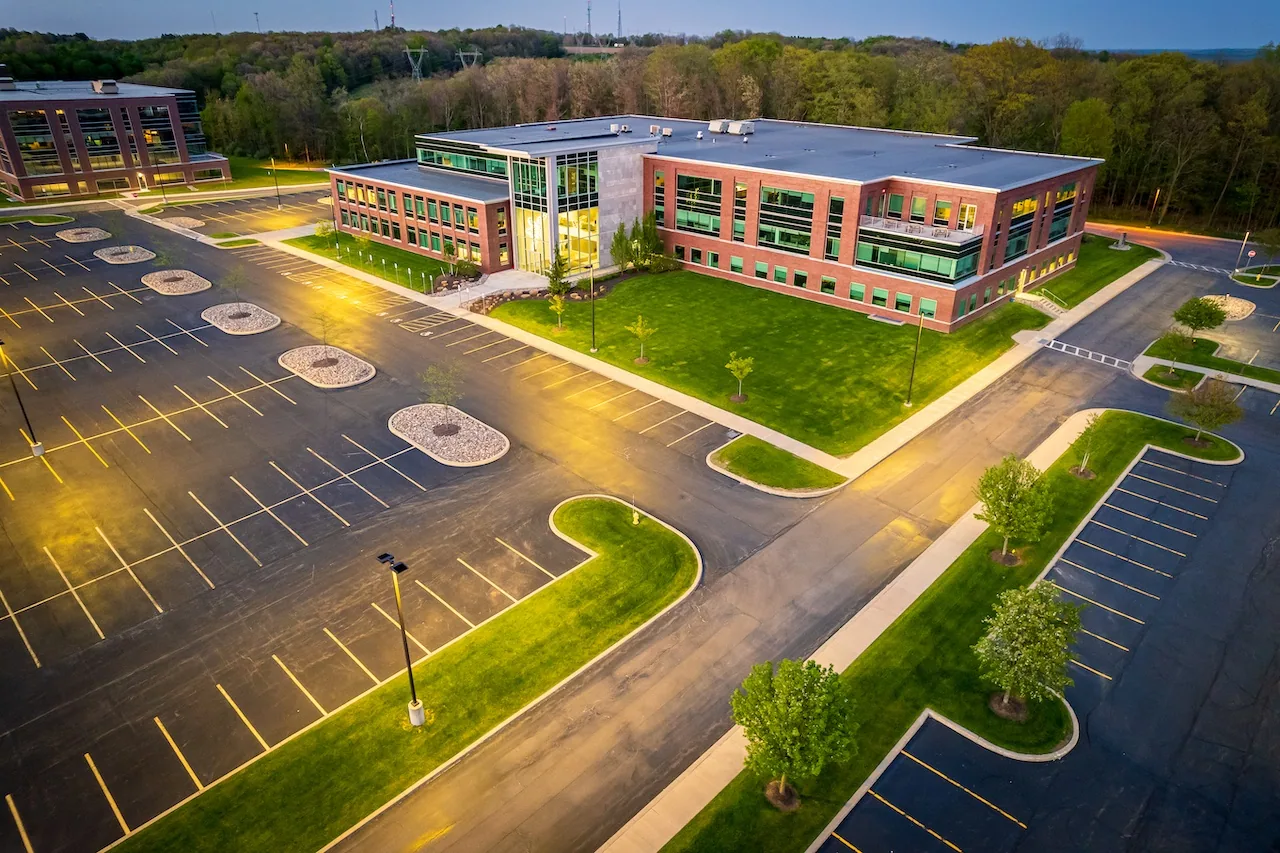
Greeley’s commercial properties range from Downtown Greeley buildings to industrial and mixed-use facilities at Highpointe Business Park. We check each building’s roof assembly and fire boundary with its site contact. We check available plans, incident information and field conditions, then coordinate the inspection with the site contact and other safety personnel.
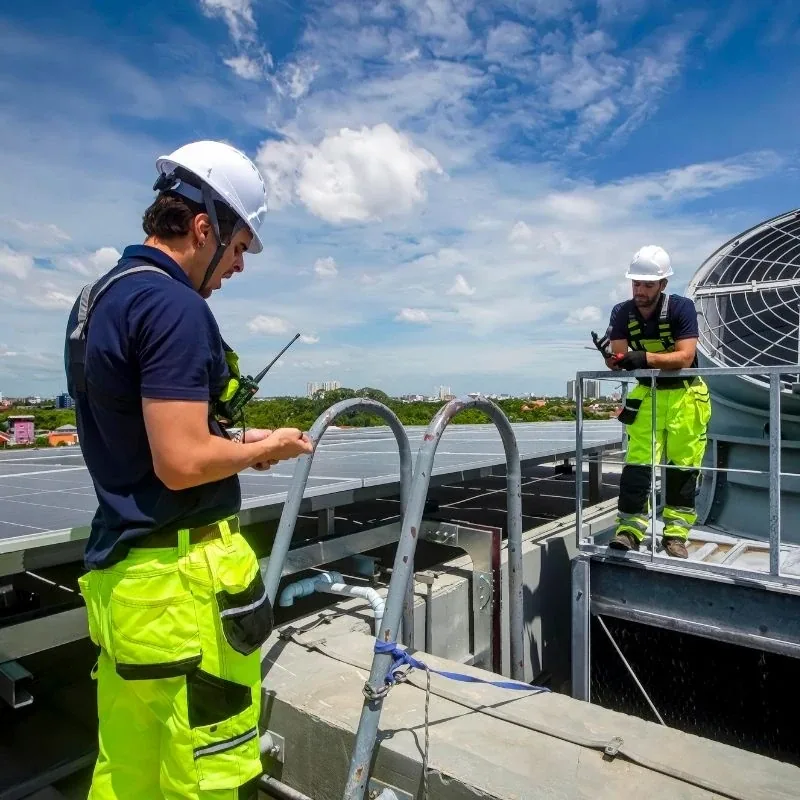
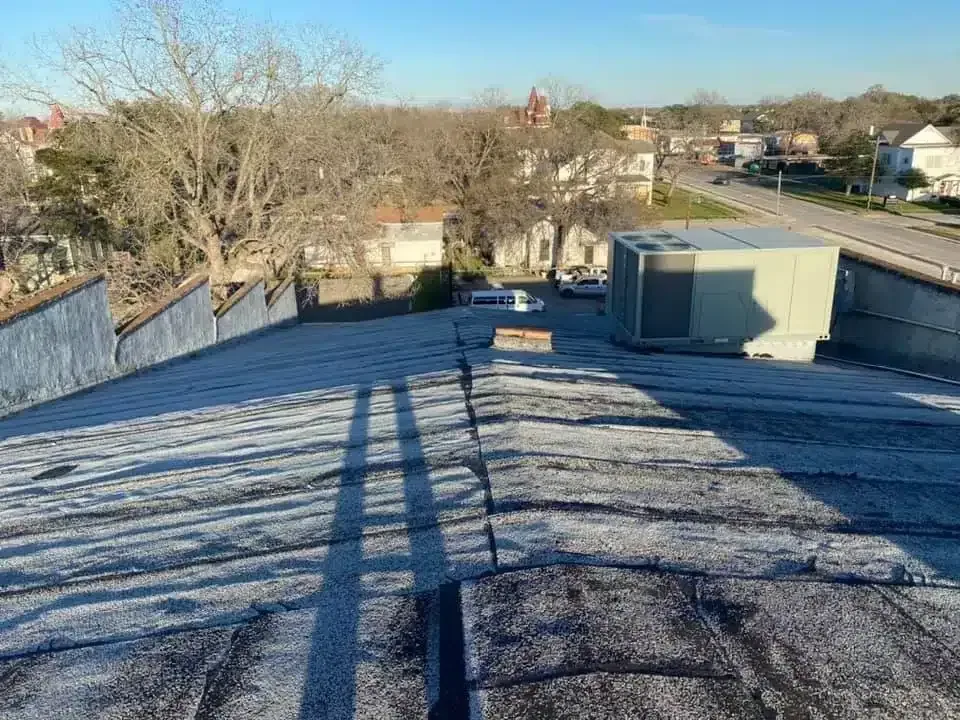
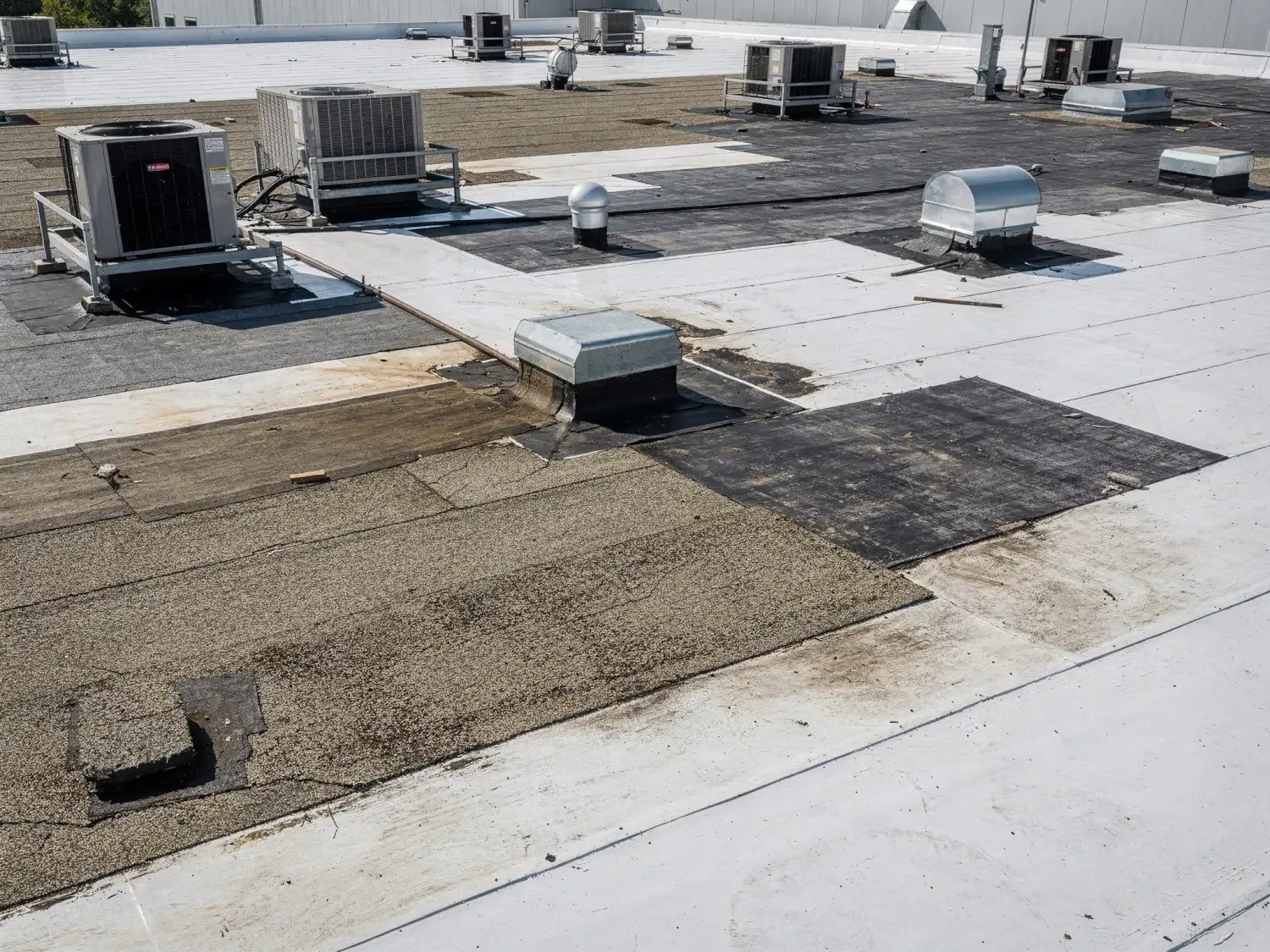
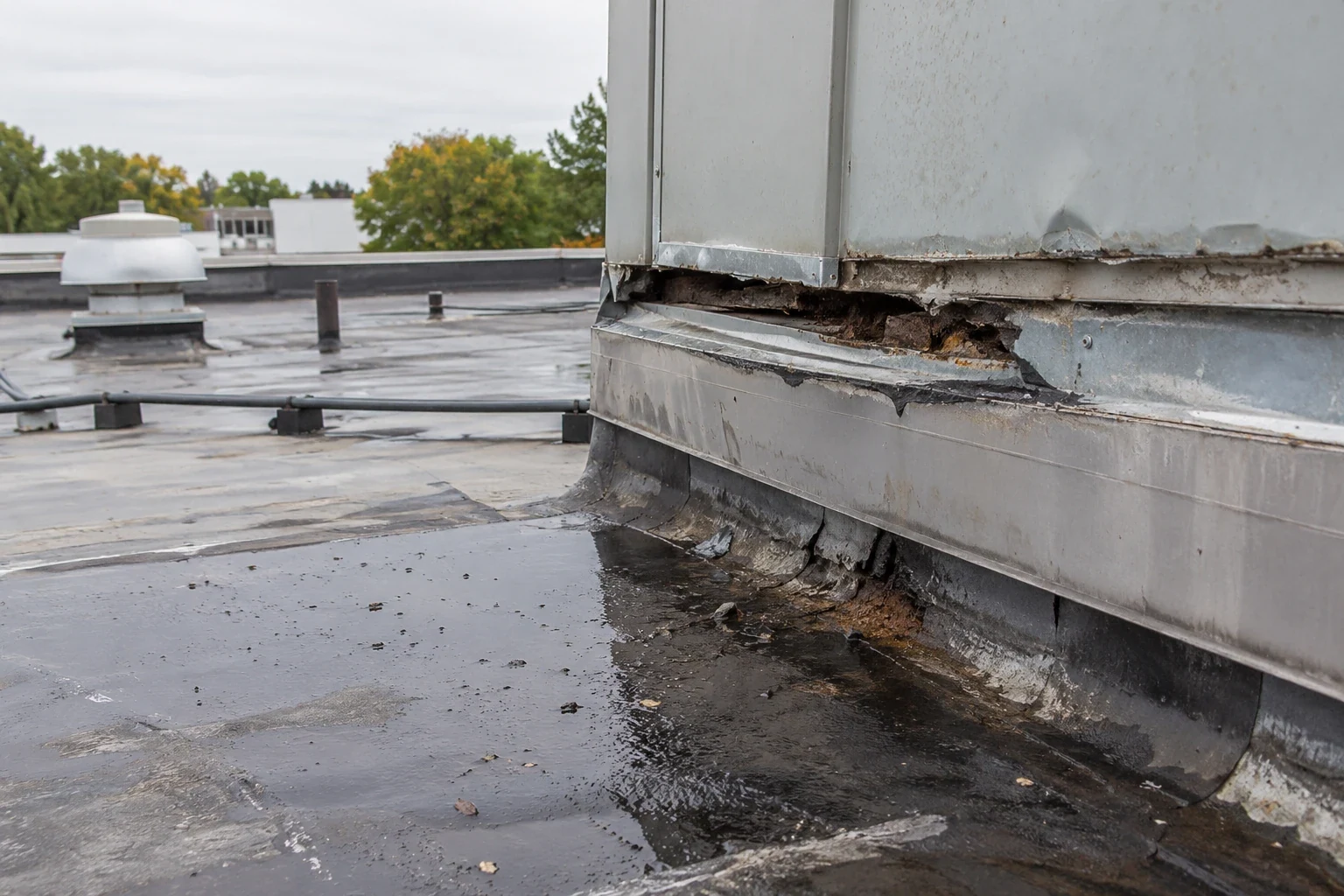
Fire can change a roof surface without creating a clean, round hole. We inspect blistering, char, melted or shrunken membrane, displaced edge metal, damaged penetrations and signs that heat reached the substrate. Smoke deposits may extend beyond the area where flames were visible, so we document them separately from structural or waterproofing damage. The report identifies inaccessible areas and distinguishes direct observation from a condition that requires testing after safe access is restored.
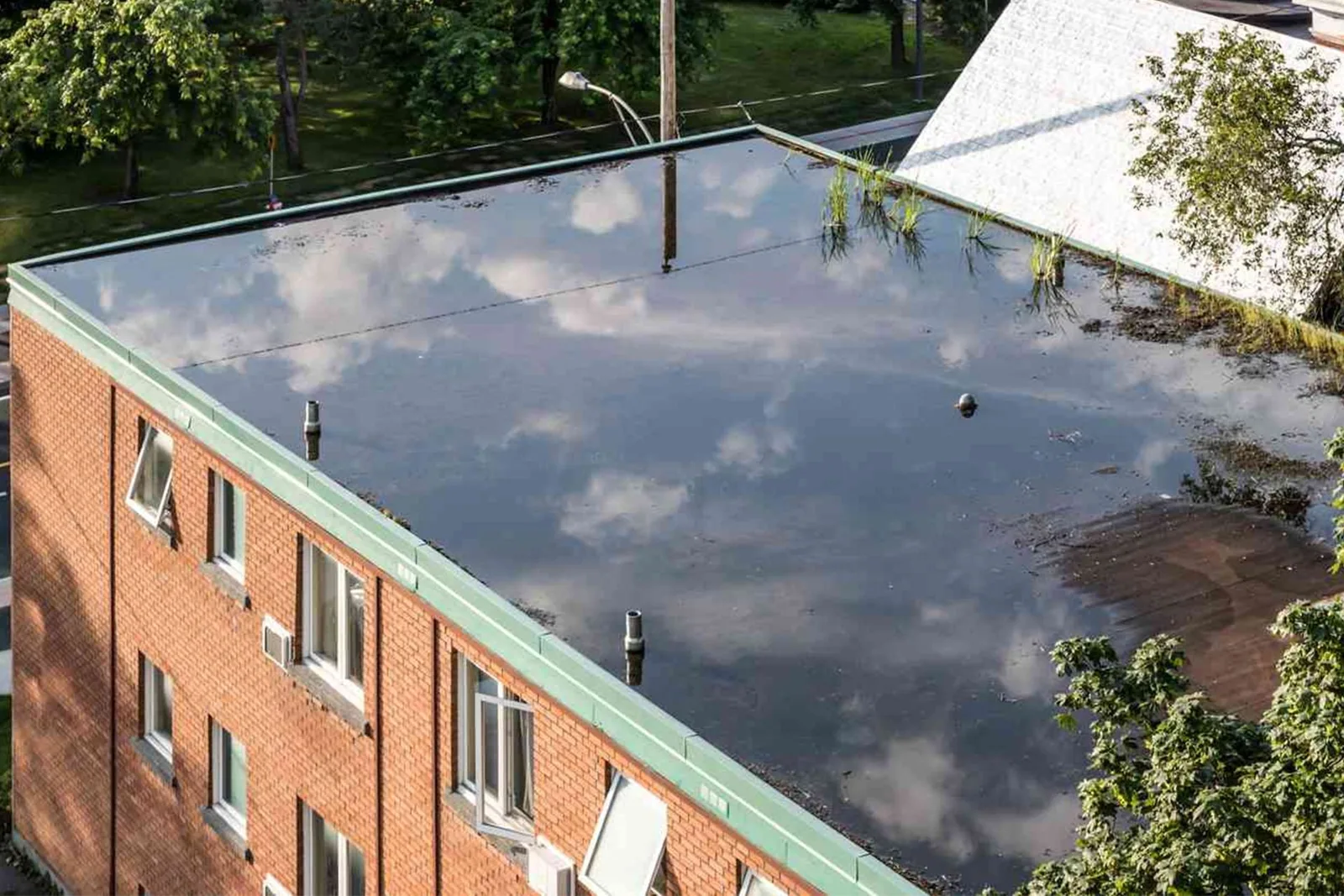
Water used during suppression can create a second path into the building. We review the affected interior areas, roof drains and transitions above them, then look for standing water or wet materials within the authorized inspection boundary. A moisture survey may help locate concealed wet insulation when conditions support that method; it does not replace roof openings or other confirmation where readings remain uncertain. The owner approves test locations and repair of any exploratory cuts.
We also check how fire crews or other trades reached the roof. Hoses, temporary equipment and debris can affect walkways, drains and exposed membrane. Their presence does not prove damage, so we record each condition and ask the site contact about the sequence of events. If the roof edge or a nearby flashing transition is affected, the scope may include flashing repair as a separate line item after inspection.
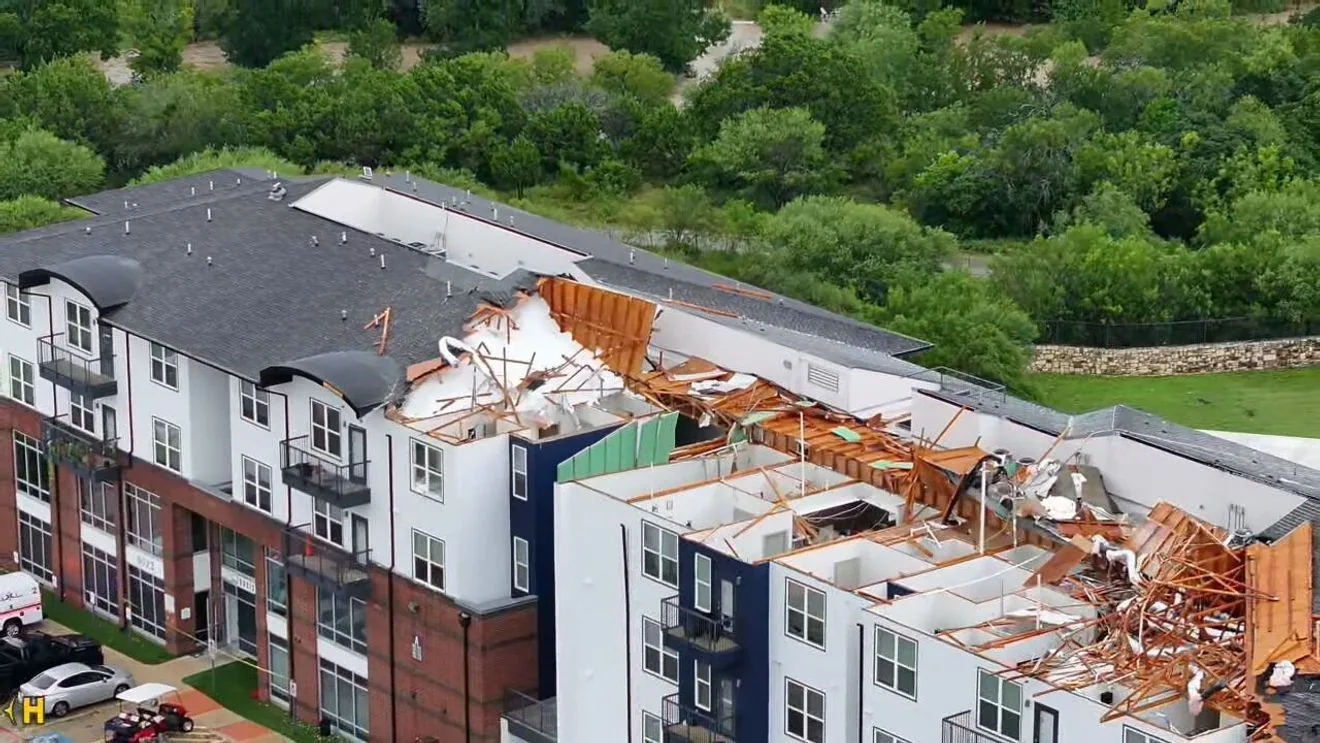
Immediate roofing work focuses on keeping weather out without placing crews in an unsafe area. Once fire officials and the property team release the work zone, we identify openings, loose materials and temporary protection needs. A 24-hour emergency response can address urgent roof exposure while a permanent scope is developed. Temporary covers must have clear limits, safe attachment and a planned removal or replacement date.
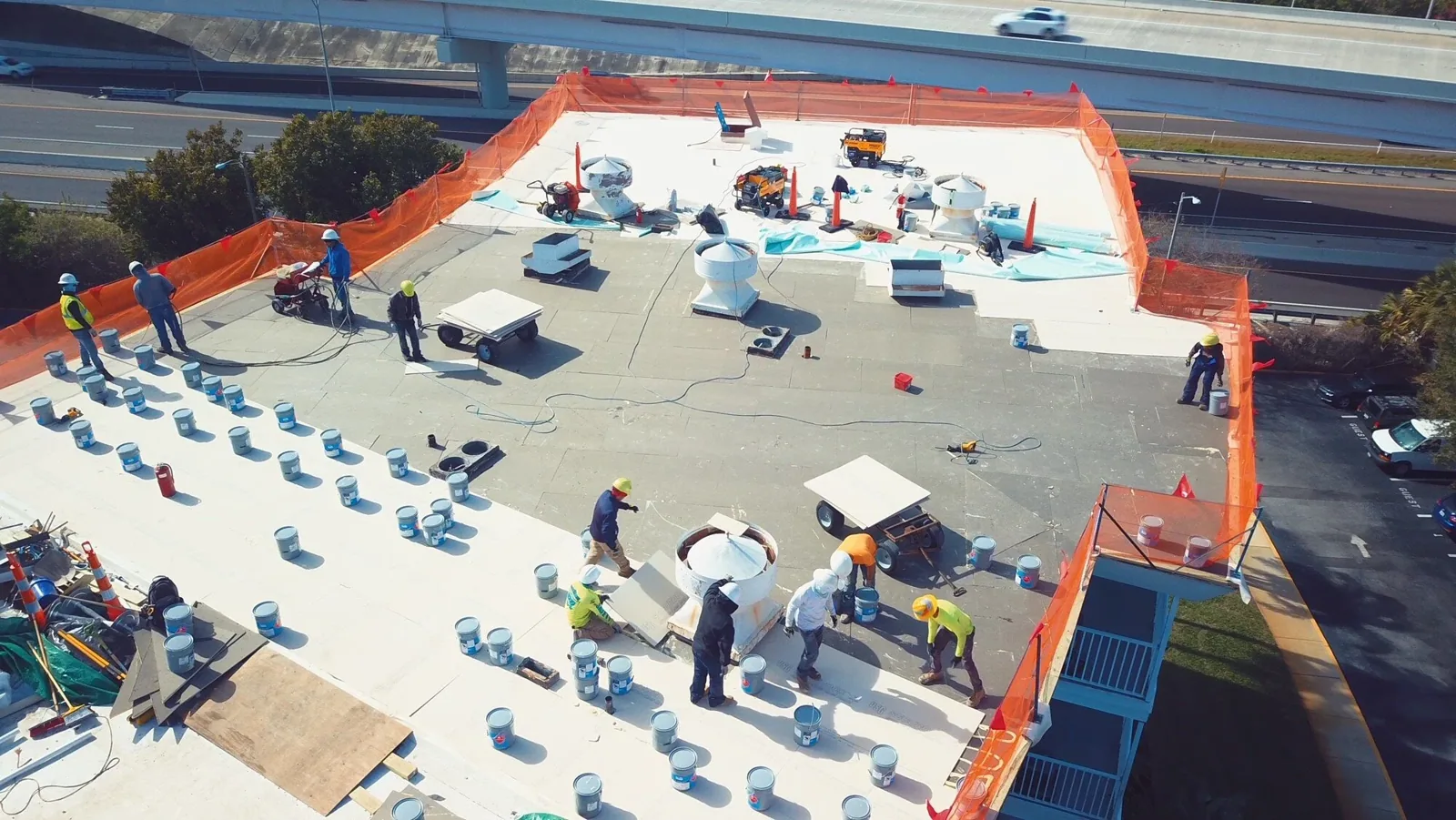
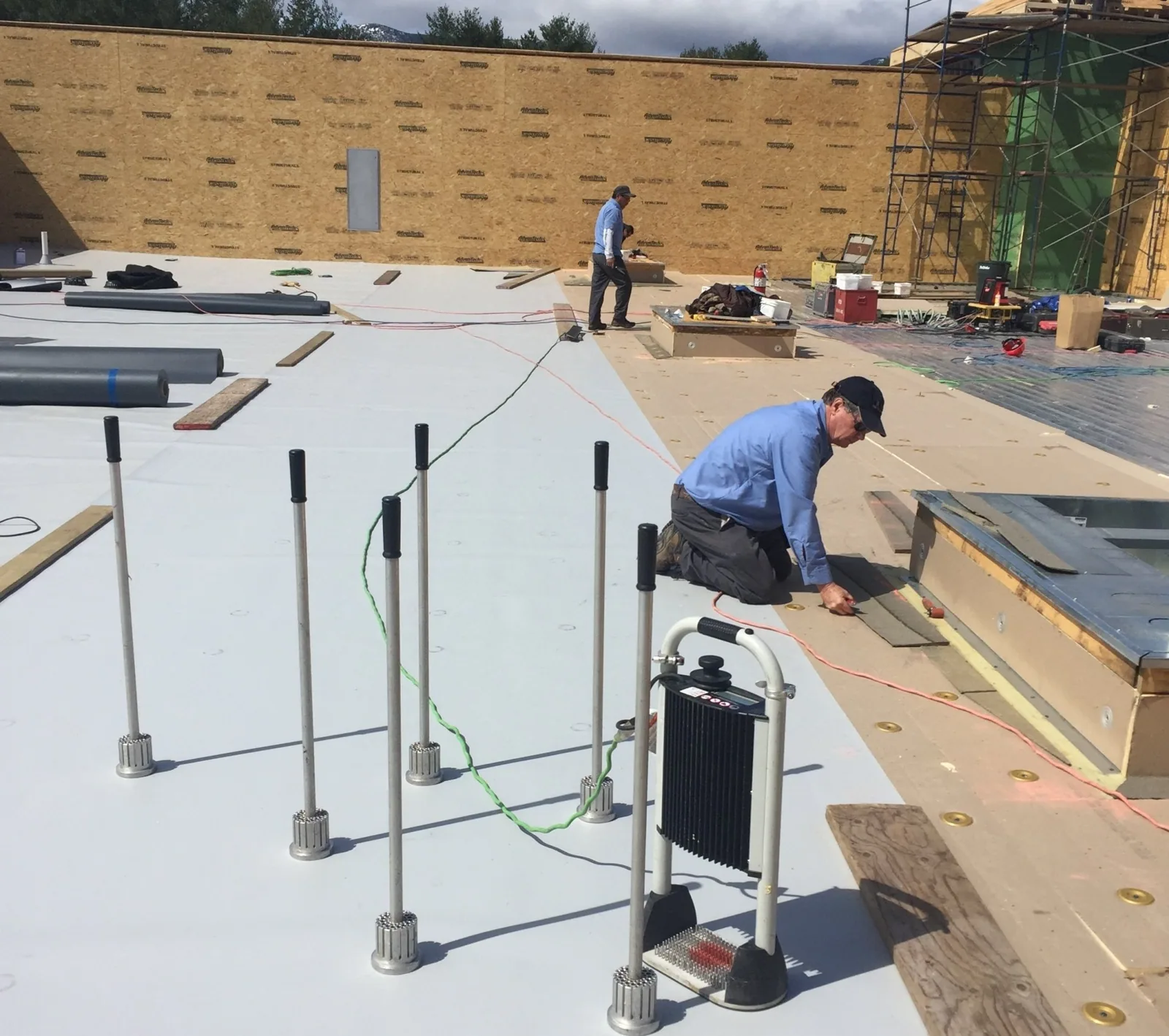
Permanent work follows the confirmed assembly. We remove fire-damaged layers only to the limits approved for the project, inspect the exposed deck or cover board, and determine whether the surrounding membrane remains compatible with a repair. Replacement materials, insulation thickness and tie-ins are selected to match the roof design where practical. If heat has altered a panel or curb, that component is addressed before a membrane patch is closed around it.
Work sequencing matters when the building remains active. The site contact can identify sensitive operations, occupied areas, ventilation concerns and restricted roof routes. We divide the scope into zones, protect drains from debris and agree on daily dry-in boundaries. If the building needs occupied-building roofing work, we coordinate each opening with the facility schedule and keep a clear line between roofing work and other restoration trades.
Summer heat, wind, precipitation and snow can affect a fire repair’s work window. Adhesives need suitable conditions, temporary covers must suit the forecast, and snow or ice can restrict access. We check the roof surface before opening the assembly and close the work area at shift end.
Weld County storm history includes hail and tornado events near Greeley. A fire incident can overlap with weather-related damage. We photograph each finding separately and identify which conditions belong in the fire-repair scope. If hail is also reported, a hail assessment can document impact patterns apart from heat effects. That separation helps the owner review repair needs without combining unrelated evidence.
Site layout can add constraints. Downtown buildings may require coordination around entrances, neighboring operations or limited staging areas. At Highpointe, industrial tenants can have deliveries and equipment routes that affect where materials are placed. We verify the actual roof access and laydown plan with the property representative rather than assuming that a familiar district has standard conditions.
It can affect exposed materials or equipment, but inspection must establish what needs repair. We document smoke deposits separately from heat damage and wet insulation.
The roof should first be protected from weather. The site team can then sequence permanent roofing with drying and interior restoration based on the approved work zones.
We inspect each reported roof zone and its drainage path, then identify wet materials or test locations that need authorization before opening the assembly.
Photos can help plan the first visit, but they cannot confirm concealed deck or insulation conditions. The roofing scope follows a safe on-roof inspection.
No. We document observed roofing conditions, work performed and limits. Coverage and claim decisions remain with the owner and insurer.
Fire damage may call for a local repair, a larger roof section replacement or a full assembly evaluation. The decision depends on heat extent, deck condition, insulation moisture, membrane compatibility, code requirements and whether the roof can accept a reliable tie-in. We describe confirmed damage, testing still needed and areas outside the available access boundary. No roofing recommendation should treat smoke staining alone as proof that every layer has failed.
Pricing and schedule respond to debris handling, material availability, roof height, structural review, temporary protection and coordination with other trades. We state whether demolition, insulation replacement, membrane restoration and edge details are included. Roof replacement can be compared with repair when inspection supports both options; a condition report can organize photos and open decisions for the property team.
Code and permit details should be confirmed with the City for the specific project. Greeley adopts the 2021 International Building Code subject to local amendments, and the applicable requirements can depend on the work scope. We identify the roofing questions that need design or municipal review, then coordinate the roof package with the owner’s project team. Interior contents, electrical systems and air handling equipment remain outside the roofing scope unless specifically included.
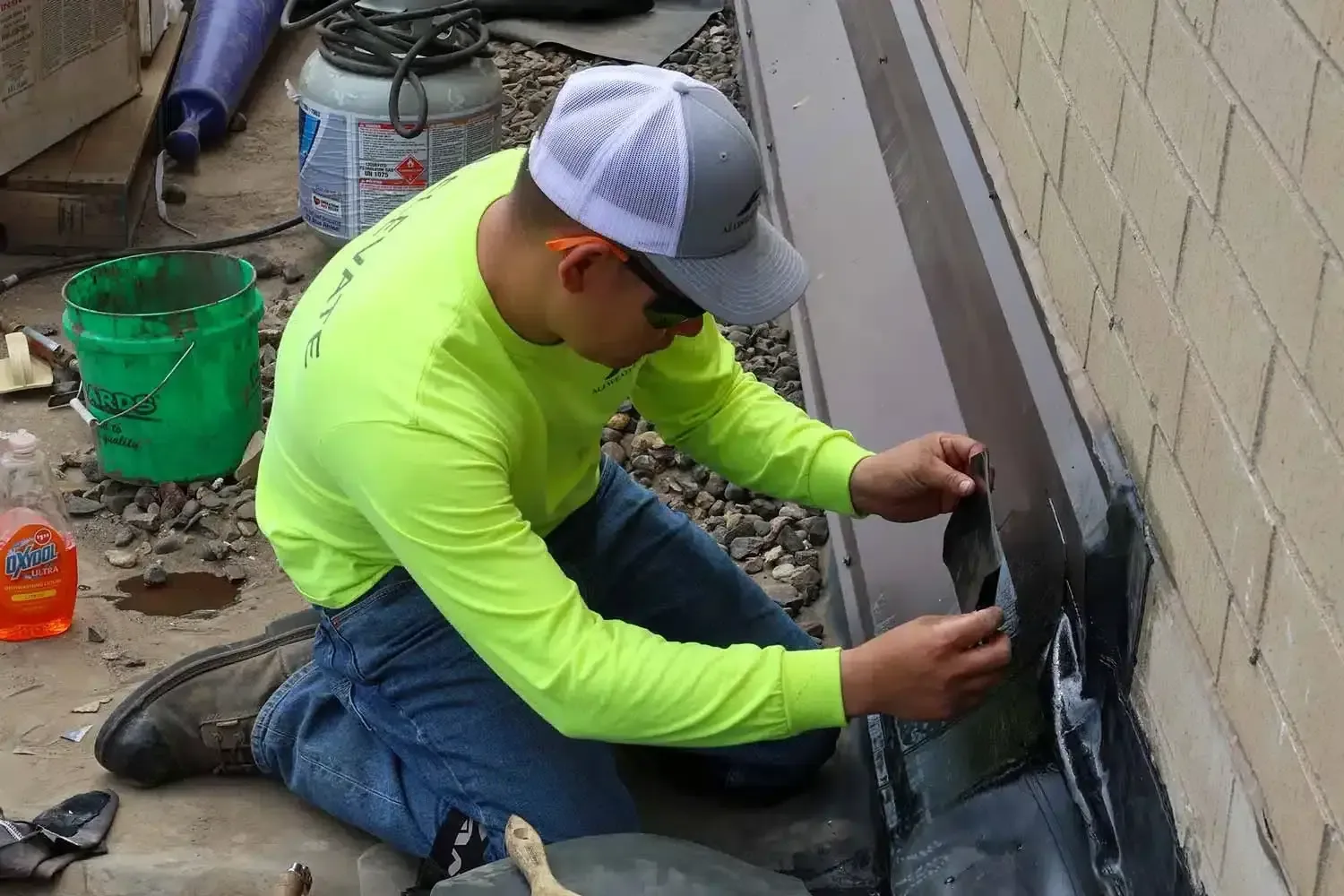
Closeout records the areas opened, layers removed, materials installed, tie-in locations, photographs and any testing completed. We list temporary measures that remain in place and any follow-up needed after other trades finish. If the deck or concealed assembly could not be evaluated, the report says so plainly and identifies the next inspection step. That lets the owner keep the fire response record aligned with what roofing work actually addressed.
Before scheduling, share the incident timeline, fire-department release or site safety instructions, roof plans, assembly records, reported interior areas and access restrictions. Tell us whether the facility remains occupied and who can approve test openings. We can prepare an inspection sequence around those boundaries and identify the materials or equipment needed for the first visit.
Commercial properties near the U.S. 34 Business Corridor and Downtown Greeley may each need a different staging and work plan. We confirm the real conditions at the building, protect the exposed roof area and give the owner a written scope that can be coordinated with restoration and facility work.