Does every hail dent need repair?
No. We check whether the impact changed the roof system or water protection. The proposal separates cosmetic marks from confirmed defects and areas that need testing.

After hail, a roof can look unchanged from the parking lot while small impacts have bruised a membrane, coating or metal panel. We inspect representative roof zones, edges, flashings and rooftop equipment, then record the evidence that supports a repair decision. The surface mark matters, but so does the layer beneath it and whether water protection remains intact. A repair scope should connect each finding to a roof location and a next step.
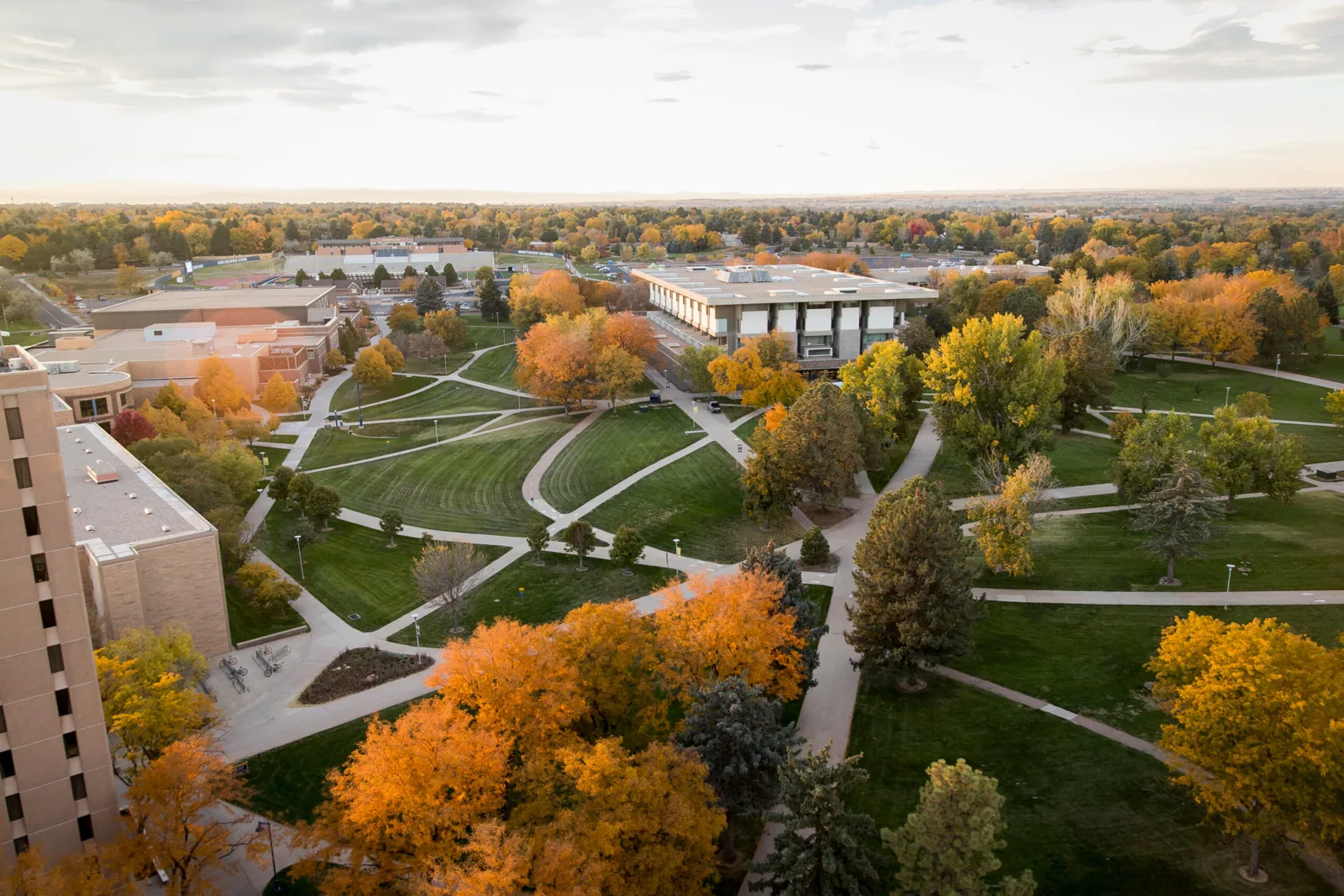
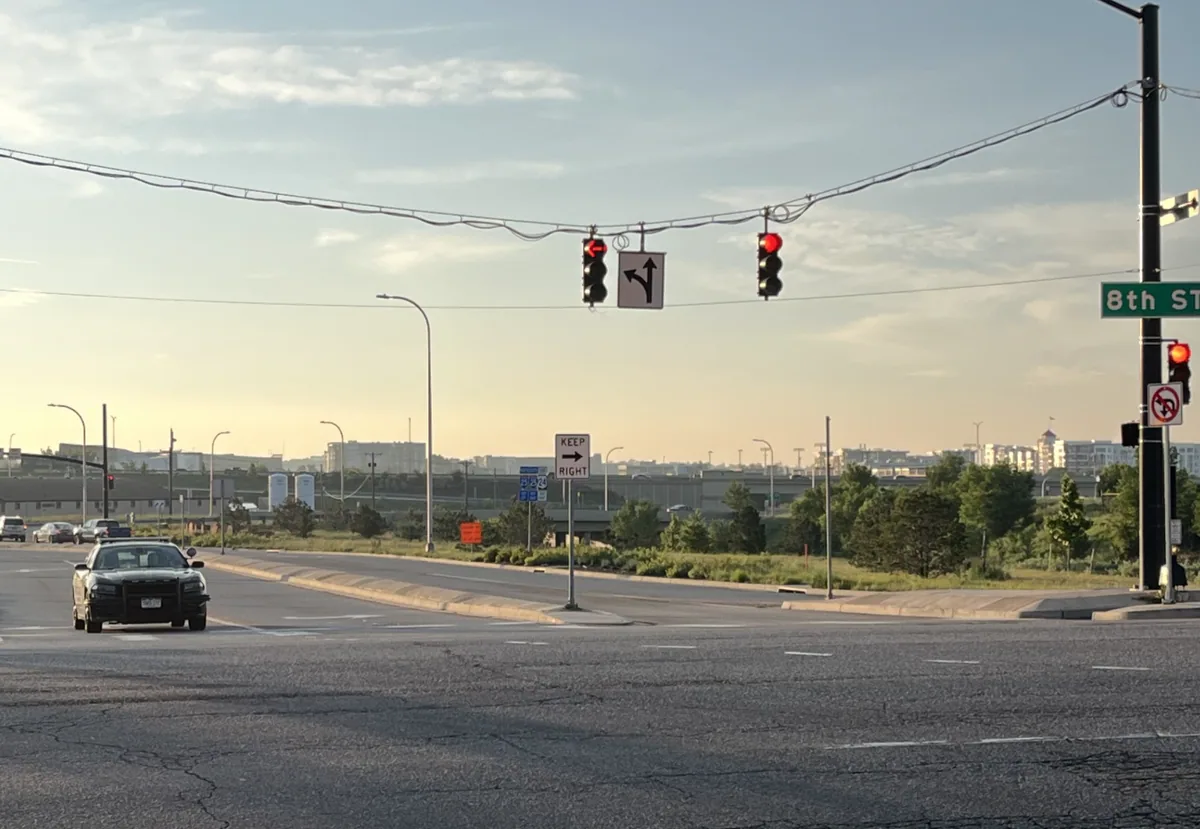
Weld County storm history includes hail events near Greeley, so facilities teams may need to schedule a measured check after a severe storm. That regional exposure does not establish damage at any one property. We evaluate the actual roof and use nearby context, including the University of Northern Colorado District and East 8th Street Corridor, only to plan access and site coordination.
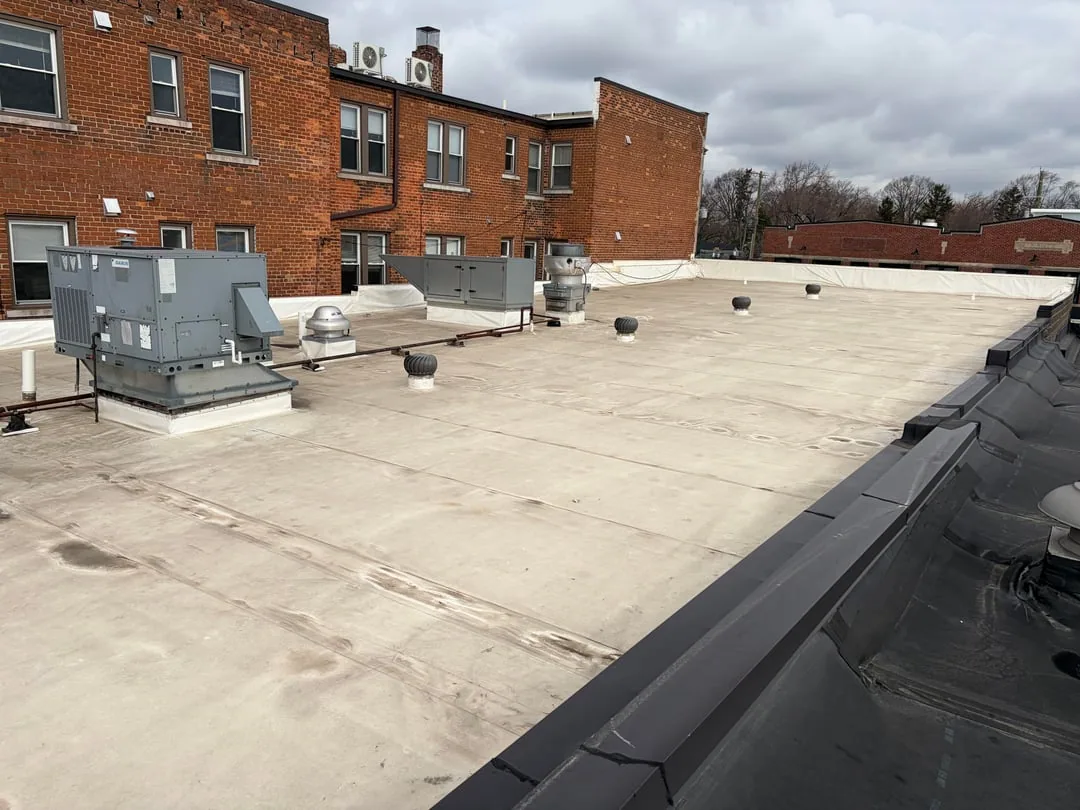
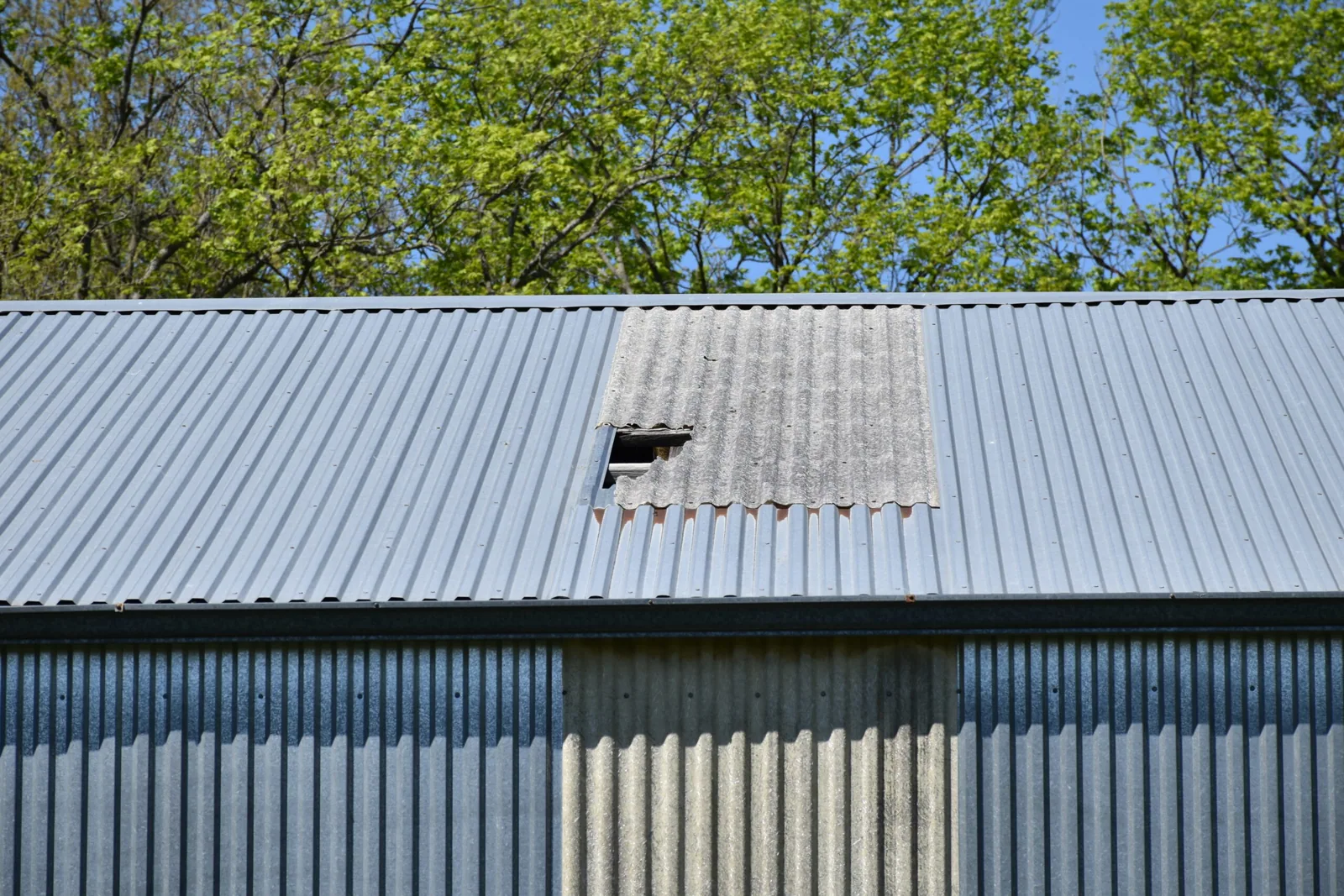
Hail indicators differ by material. A membrane may show punctures, splits or displaced surfacing; a coated roof may show fractures or exposed substrate; metal can have dents, damaged seams or loosened fasteners. We photograph a consistent sample of roof areas and note whether impacts cluster near edges, equipment or open fields. A mark that changes appearance under pressure or reveals a cut may call for closer examination, but no single visual clue answers every assembly question.
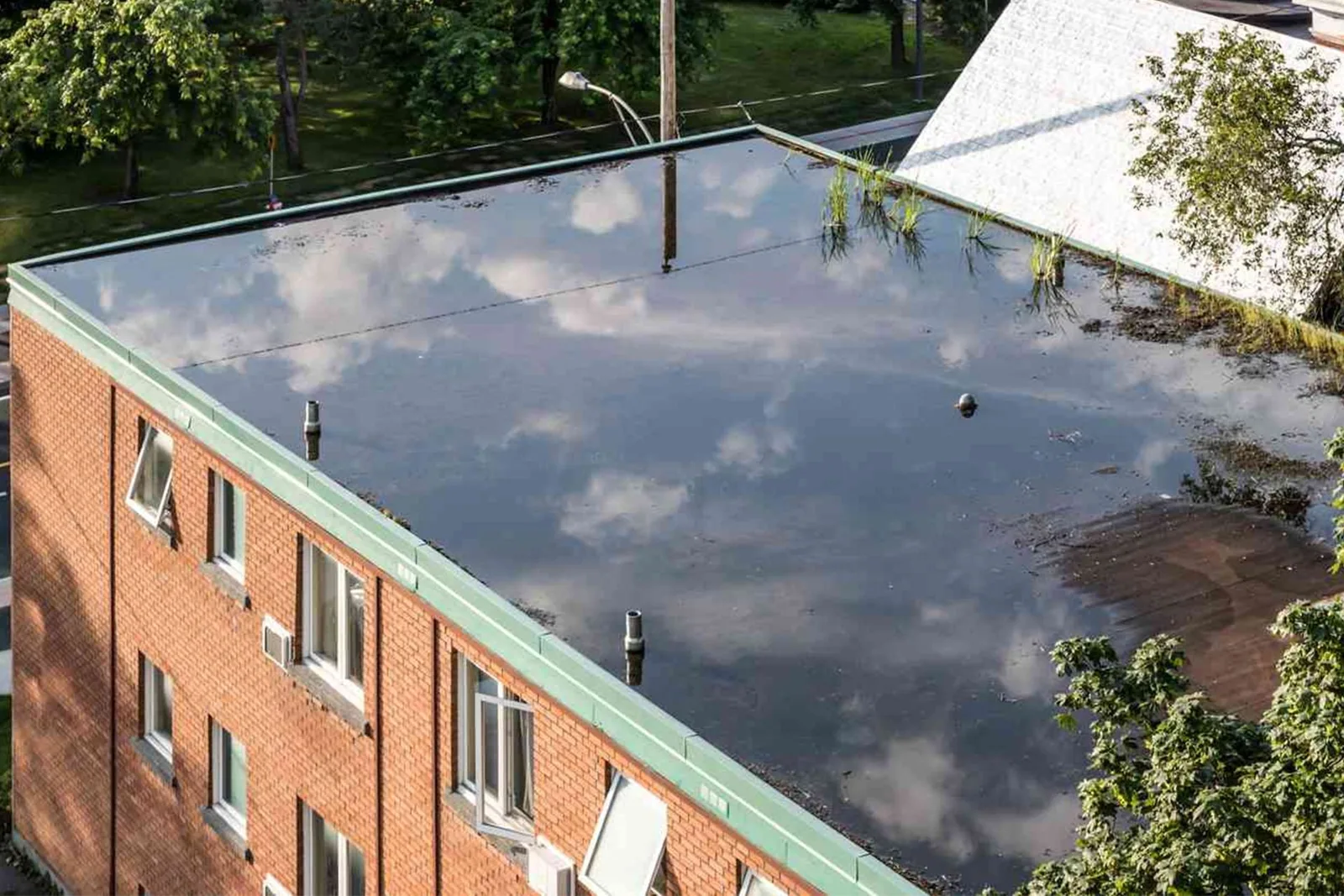
We inspect the underside where access permits and check whether insulation, cover board or deck condition may affect repair. Interior reports help set the inspection path, but a ceiling mark can be separated from its roof source. A commercial roof inspection records the relationship between reported areas and roof features. When concealed moisture remains uncertain, we explain the test options and obtain approval before making an opening.
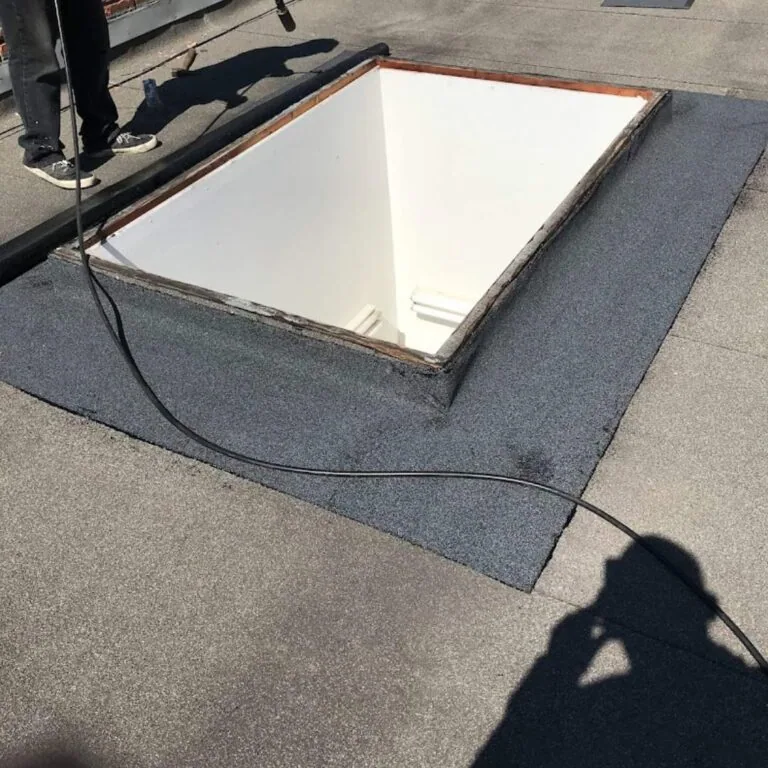
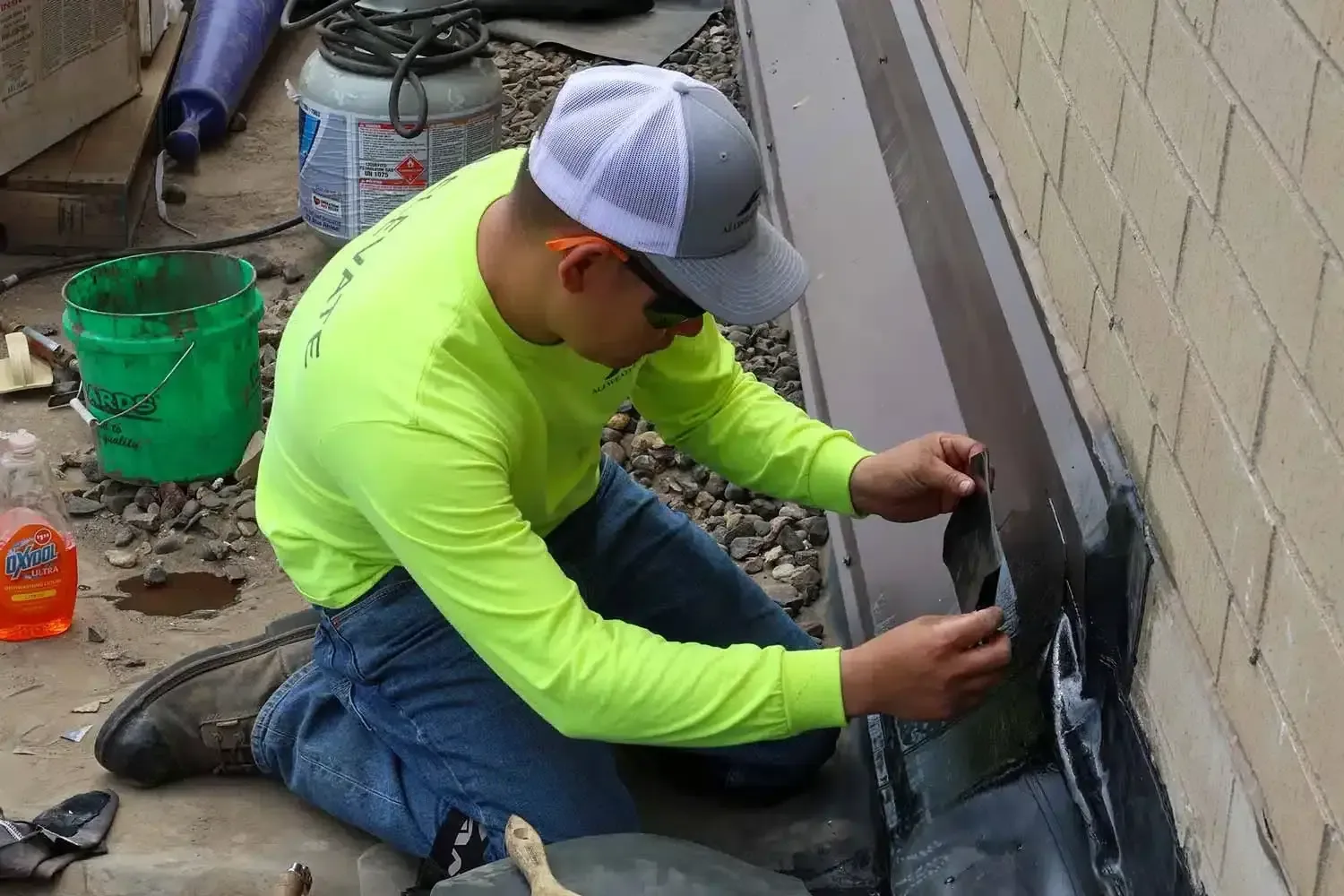
Edges and penetrations can experience different forces than the center of a roof. We check coping, curbs, skylights and drain bowls for separate conditions instead of attributing every issue to hail. Where a metal edge or curb flashing is affected, penetration flashing work can be defined independently. This lets the owner see which repairs address impact evidence and which concern a separate roof detail.
We begin with a roof map or a simple marked sketch, then photograph each sample area with enough context to identify its zone. The inspection notes record the assembly observed, visible impact, surface condition and any limitation on access. If the building has more than one roof system, we separate findings by material rather than combining them into a single damage label. That record helps the property team compare repair proposals against a consistent scope.
Repairs are assembly-specific. A punctured membrane may need a compatible patch; damaged metal may require panel or fastener work; a coating system may need preparation and restoration over a defined area. We confirm that nearby material can accept a sound tie-in before installing a patch. If impacts reach a lap or create an opening, puncture repair may address the confirmed break, while broader storm damage repair can be scoped where several roof components are affected.
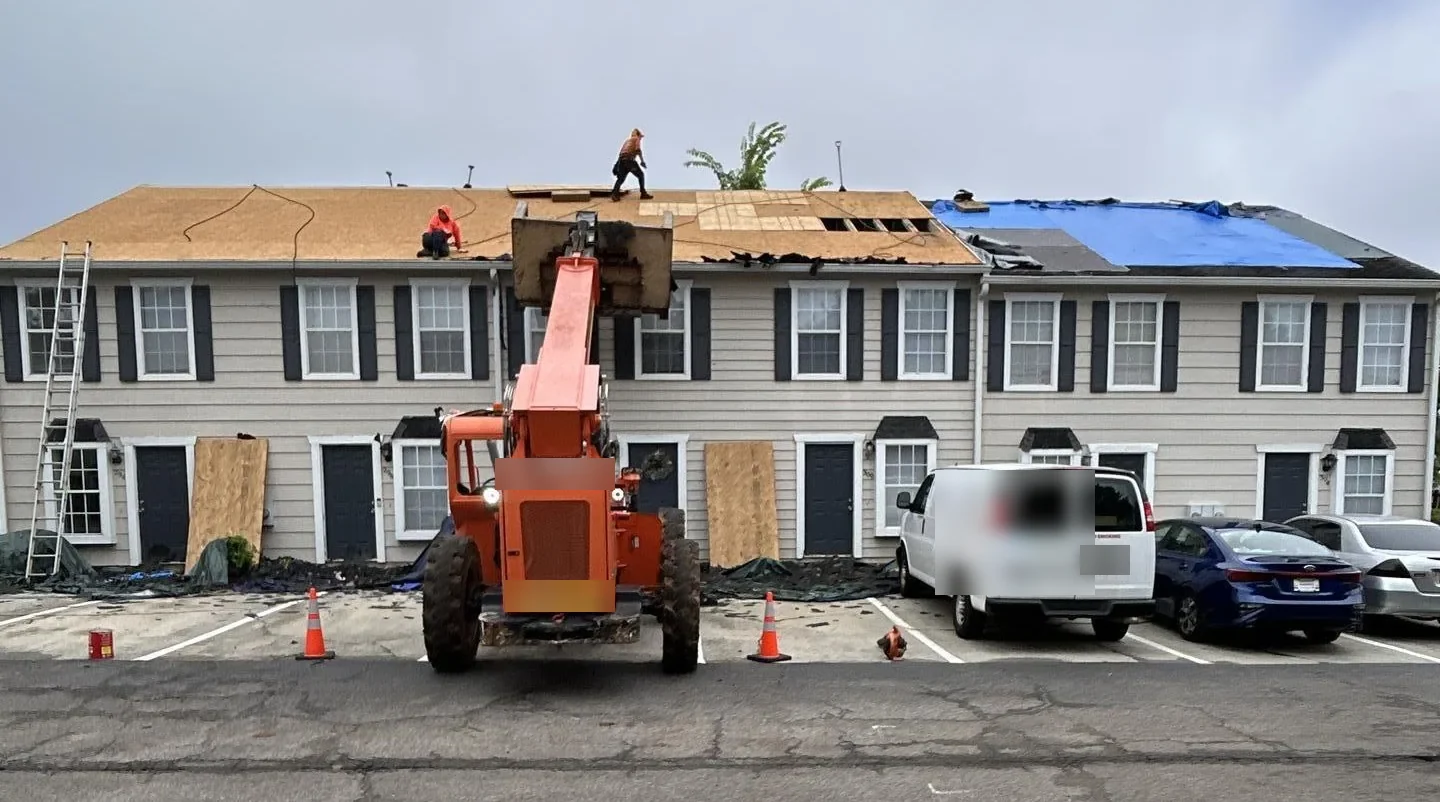
If high wind is also reported, a wind damage review can be scoped as a separate inspection question. Where a temporary safeguard is needed, we describe where it is placed and what it can protect. Temporary material is not a substitute for restoring the roof assembly. We state when the condition should be revisited and what inspection or material is required for permanent work. Any testing that could damage a coating or membrane is planned with the owner, including the location and restoration method.
Greeley Airport climate observations track precipitation, temperature, wind and snow, while Colorado severe-weather history records hail in Weld County. Those facts help the owner place an inspection on the calendar; the building evidence still decides whether repair is needed. We ask when the storm occurred, which interior areas changed and whether roof work happened soon before or after it. A written sequence keeps storm observations distinct from maintenance or construction activity.
Weather after the hail event can affect what we see. Rain may reveal a leak path, while heat can dry a surface before an inspection. Greeley’s airport climate records include days above 90 degrees and record temperatures above 100, so we confirm the roof surface before using heat-sensitive materials or adhesives. If snow or ice remains, roof access may need to wait until the work zone is safe. The inspection record names any area that could not be evaluated.
Building schedules matter as much as the weather window. At the UNC campus district, coordination may involve institutional access procedures; along East 8th Street, the site contact may need to preserve customer or delivery routes. We confirm the actual property arrangements rather than assuming a standard access plan. Emergency roof service can be prioritized when an opening is active, while the broader hail assessment follows once safe access is available.
No. We check whether the impact changed the roof system or water protection. The proposal separates cosmetic marks from confirmed defects and areas that need testing.
Yes. We can document accessible roof conditions and provide photographs and a repair scope. The carrier makes its own coverage decision.
We can assess safe access and active openings first. Detailed inspection or adhesive work may need to wait until surfaces and conditions support the selected method.
Not always. Some impacts weaken a surface before water enters. We record the visible condition and any testing needed to judge its effect.
We compare dates, prior photographs and repair records when available, then describe the evidence at each inspected location without assigning a cause we cannot support.
A visible dent does not automatically mean a roof has lost watertightness, and an intact-looking surface does not rule out concealed damage. We describe what the inspection confirms, what needs testing and whether the owner can defer an item with monitoring. A localized patch may be appropriate when only one area has failed. Repeated impacts, wet insulation, damaged edges or multiple roof systems can require a phased repair or broader evaluation.
Cost and schedule depend on system type, access, repair area, material availability, test requirements, height and whether equipment must be protected or moved. We list the observed condition, repair method, boundaries, exclusions and return checks. A roof condition report can organize photos and unresolved questions; claim documentation support can record roofing observations without deciding insurance coverage.
If the roof has a maintenance history, we compare the current inspection with dated repair records when available. A prior patch or coating may change which repair materials are compatible. We do not carry a storm scope beyond the evidence collected at the building. The owner can authorize a first phase for active openings and retain separate pricing for other items that merit follow-up.
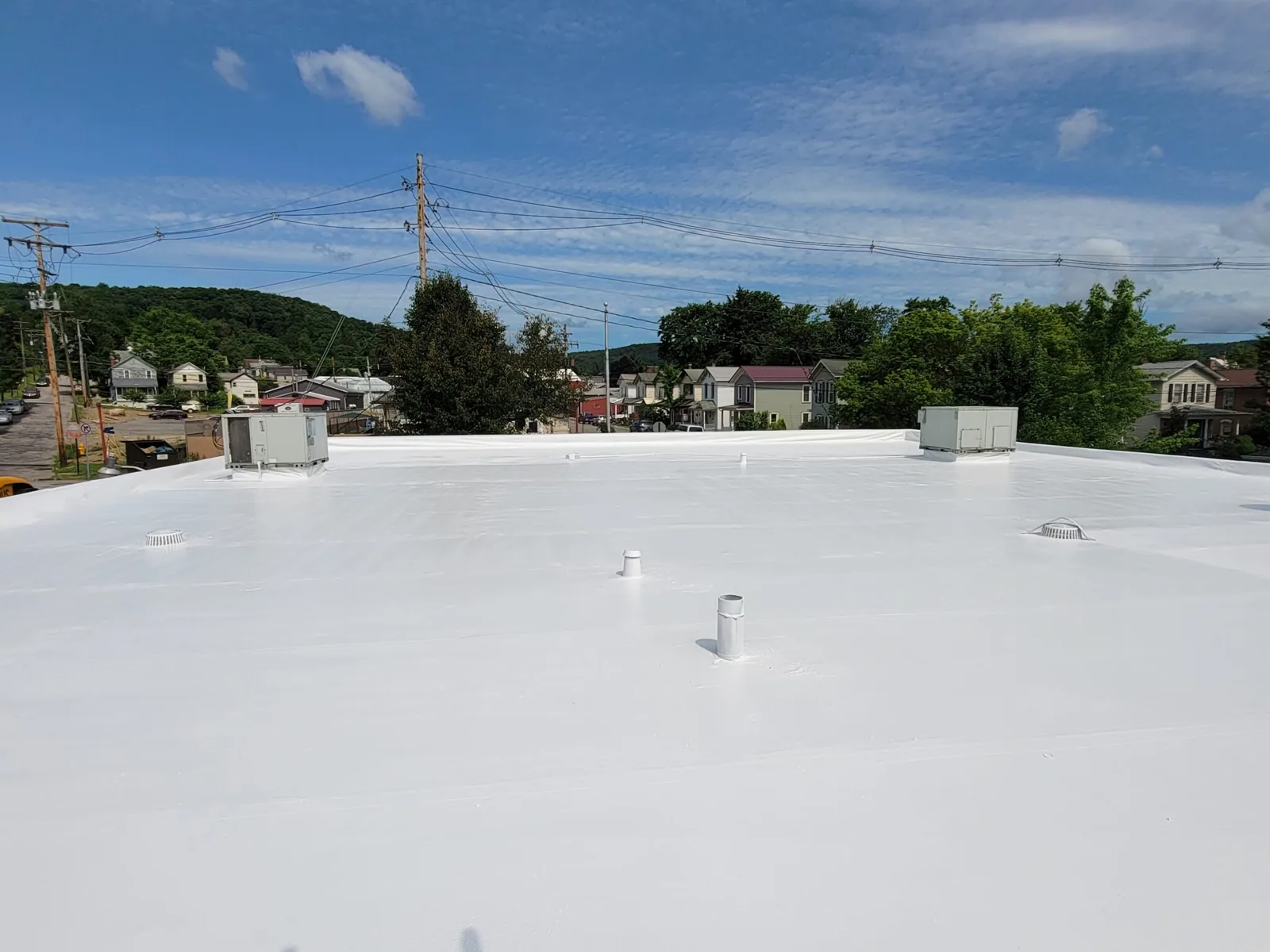
Our closeout identifies the roof areas sampled, materials observed, photographs, confirmed defects, repairs completed and items left open. If conditions differ between roof sections, we label each section separately. We also record weather or access limits that affected the inspection, plus any test proposed but not performed. A clear record helps a facilities manager compare future observations without treating an old storm date as proof of a current leak.
Share roof plans, leak dates, prior repairs, warranty information and access rules before the visit. If a claim is being reviewed, provide its inspection schedule so roofing documentation can be prepared in time. Tell us which rooms, equipment or operations should not be disturbed. We can then plan the roof route, staging area and inspection sequence around the actual property.
Downtown Greeley and the UNC campus district are useful local reference points, but neither identifies a building’s roofing system. We use field observations to choose repair materials and define the work. When the scope is ready, the proposal states what the crew will open, restore, test and document, along with the conditions that would require owner approval before expanding the work.