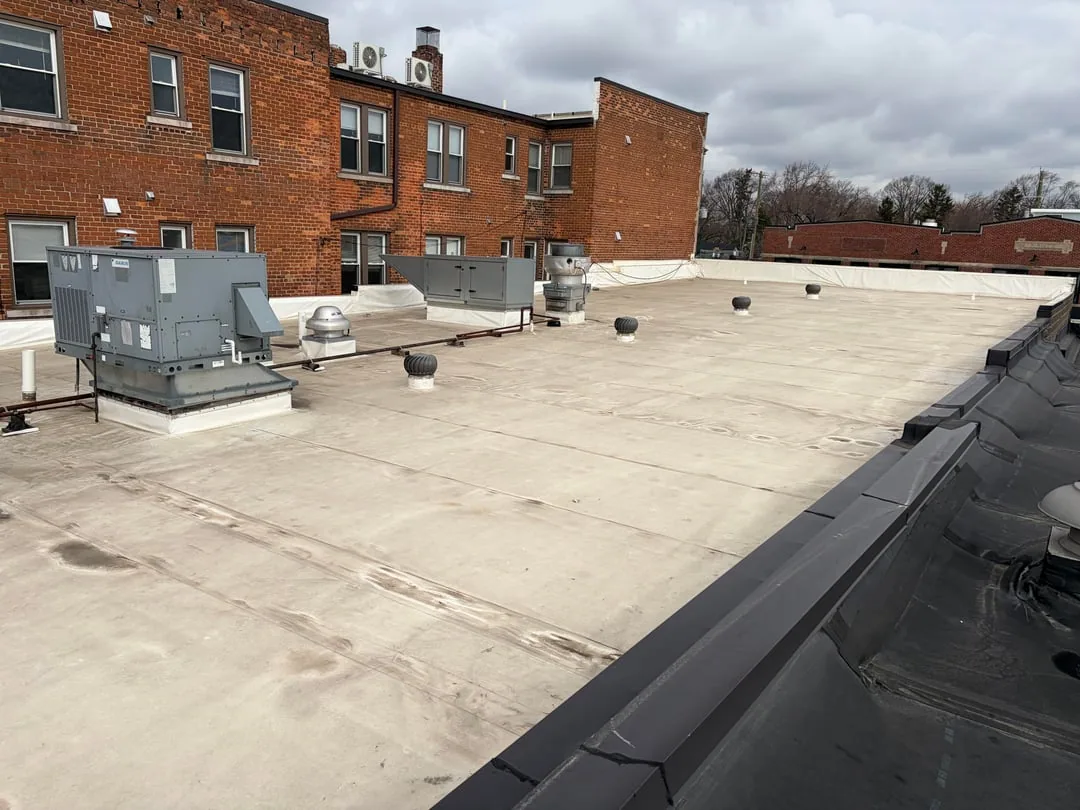
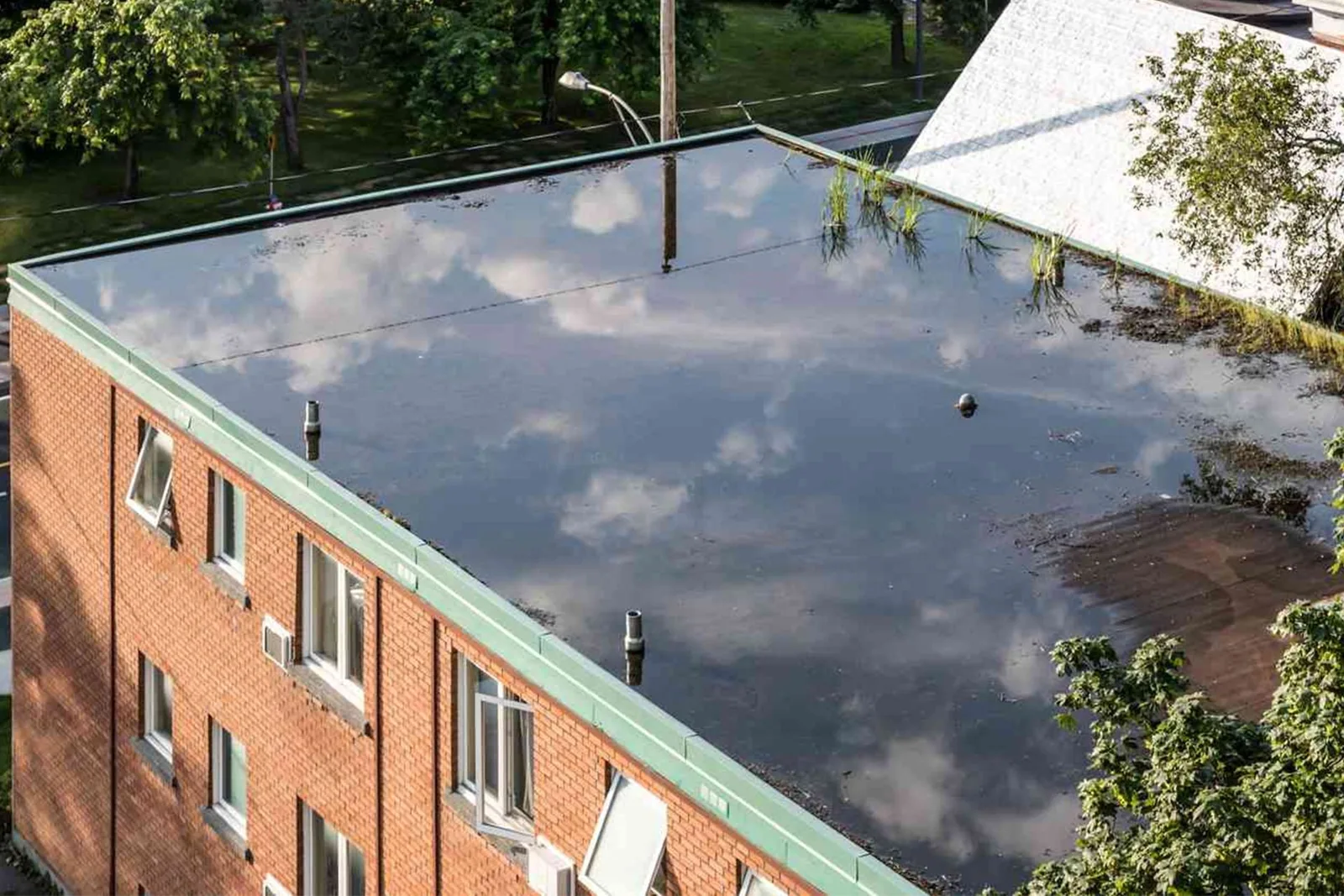
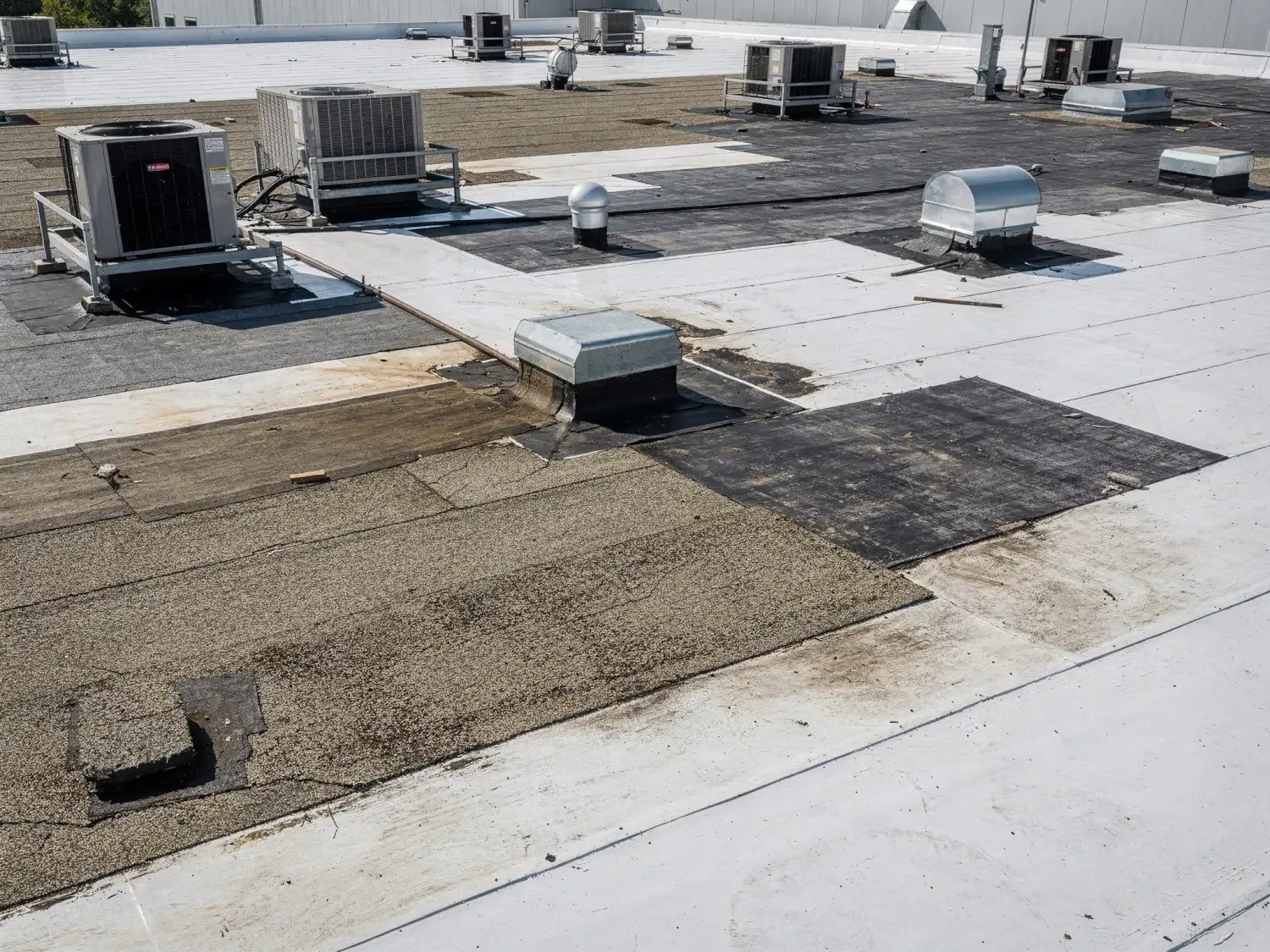
Price and schedule follow the inspected roof, not the institution’s employment profile or the size of a campus district. The main drivers are roof area measured for the specific project, system type, tear-off layers, moisture extent, edge and curb details, access, lift needs, protection of occupied space and disposal. If the repair boundary is small and surrounding material is sound, a targeted repair may be appropriate. If several seams or transitions have failed, or moisture extends past the opening, we explain what additional testing would show before proposing broader work.
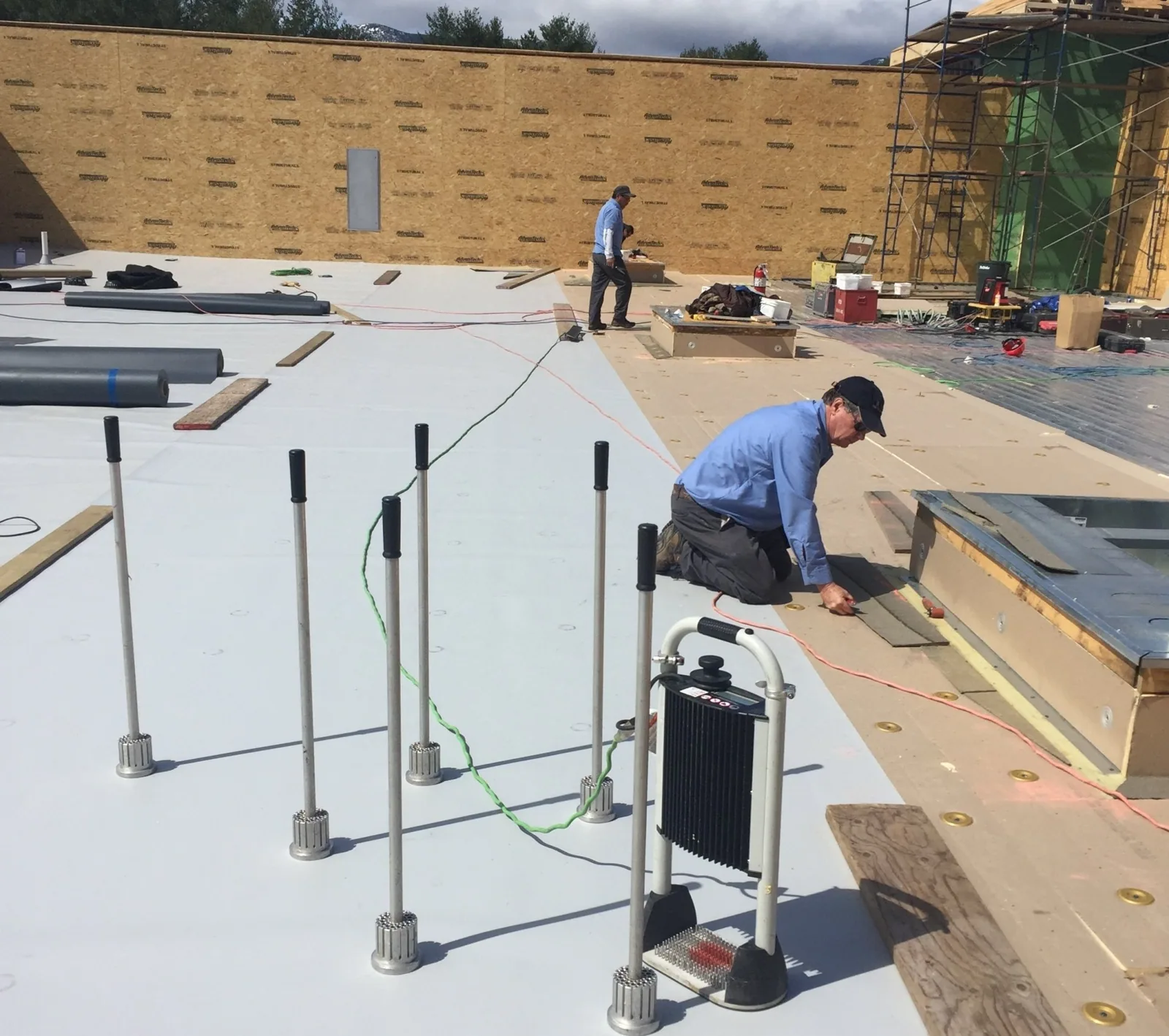
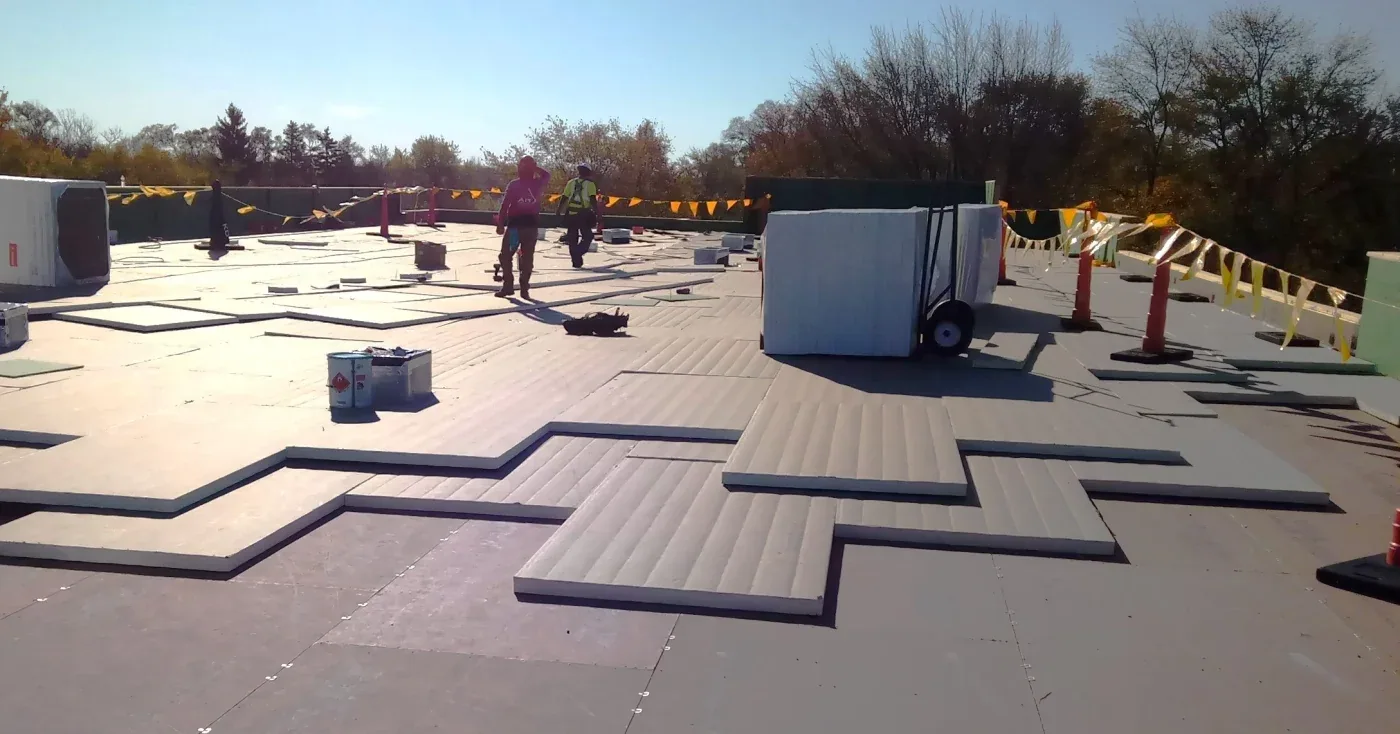
A recover can reduce removal work when the existing roof and structure meet the applicable requirements. It is not suitable when trapped moisture, attachment problems or incompatible layers remain. Replacement gives access to concealed conditions and a new assembly, but it can affect operations and needs a more complete plan. We document the reason for each option, assumptions about access, included tests, exclusions and any interior work that remains separate. An owner comparing a roof replacement with repair receives the decision factors tied to the inspected building.
For a clinic, classroom or support building, the facilities contact identifies sensitive rooms, utility dependencies and restricted hours. We protect occupied space and set daily dry-in checks.