Can one roof inventory cover buildings with different systems?
Yes. We list each roof section and system separately, then group work only where the same access or task genuinely applies.
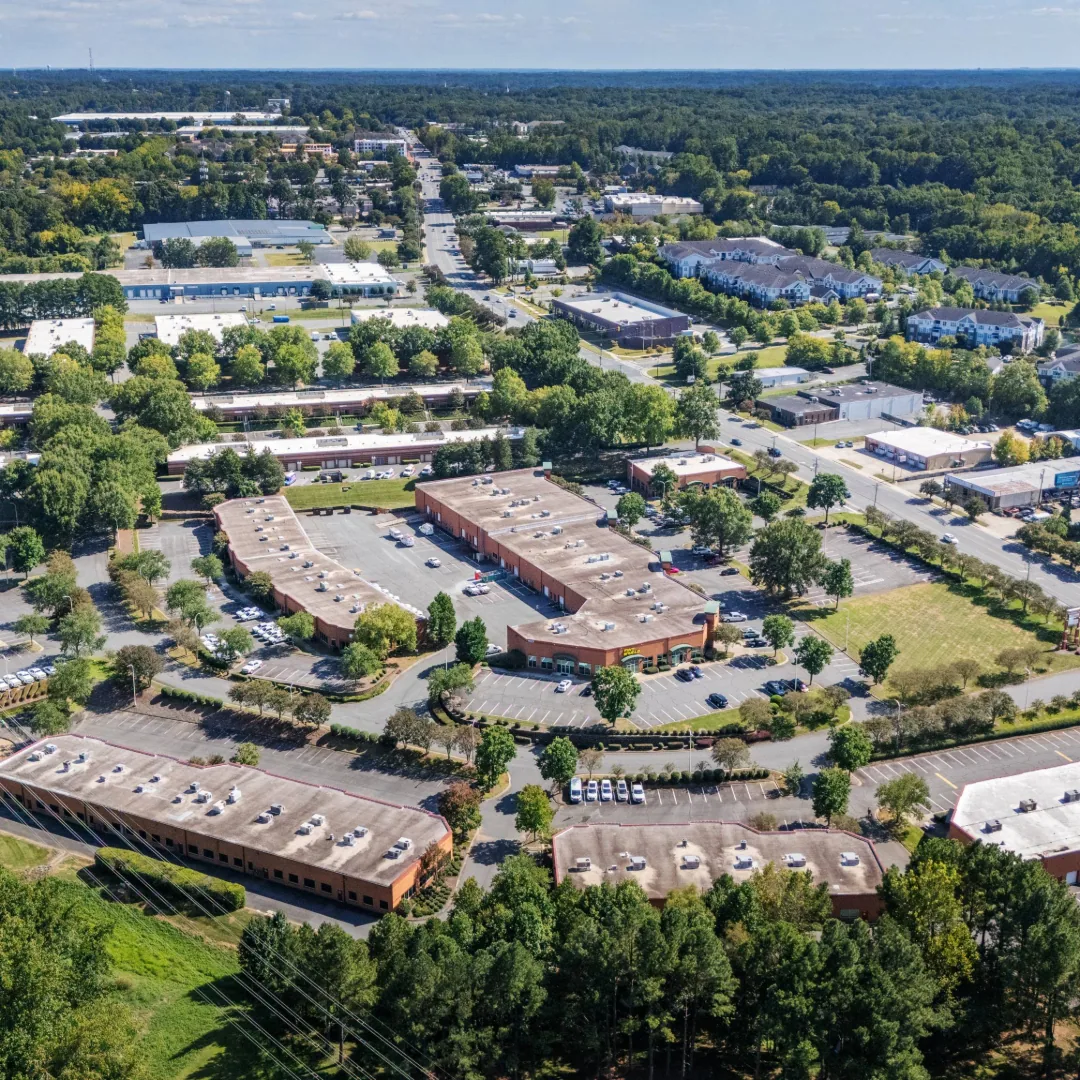
A roof portfolio becomes difficult to manage when one building has a recent repair, another has an open leak, and a third has no current inspection record. We organize each roof by system, area, observed condition, repair history and next action. The owner can see which findings are confirmed, which need testing and which should be monitored. That makes routine decisions easier to compare across buildings without assuming every roof has the same remaining life.
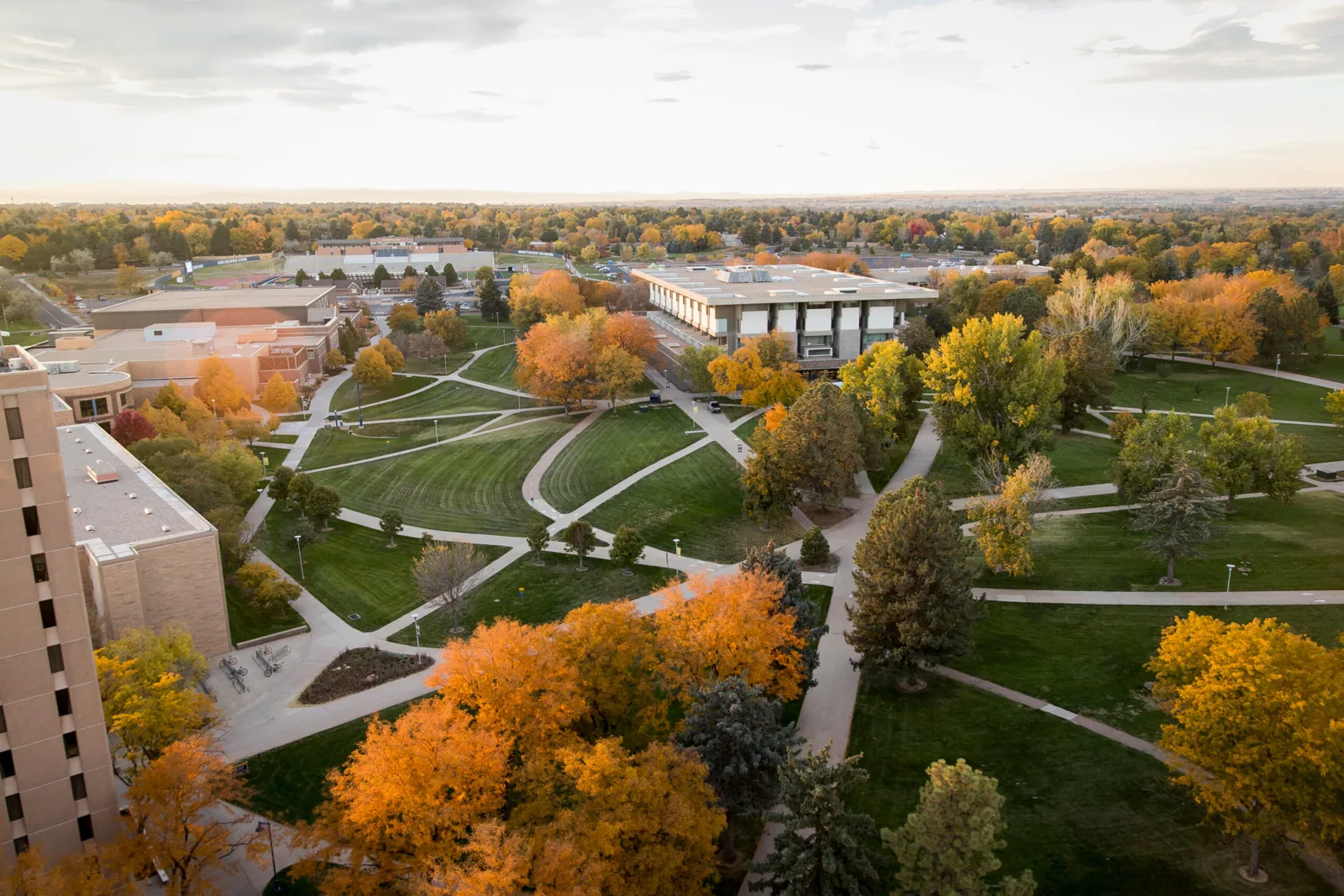
Greeley’s economy includes food production, agriculture, energy, manufacturing, healthcare and technology. A property manager serving sites near the 10th Street Urban Renewal Corridor and the UNC campus district may need different access and scheduling plans. We use those local settings to organize site records, while inspections establish the actual roof condition at each address.
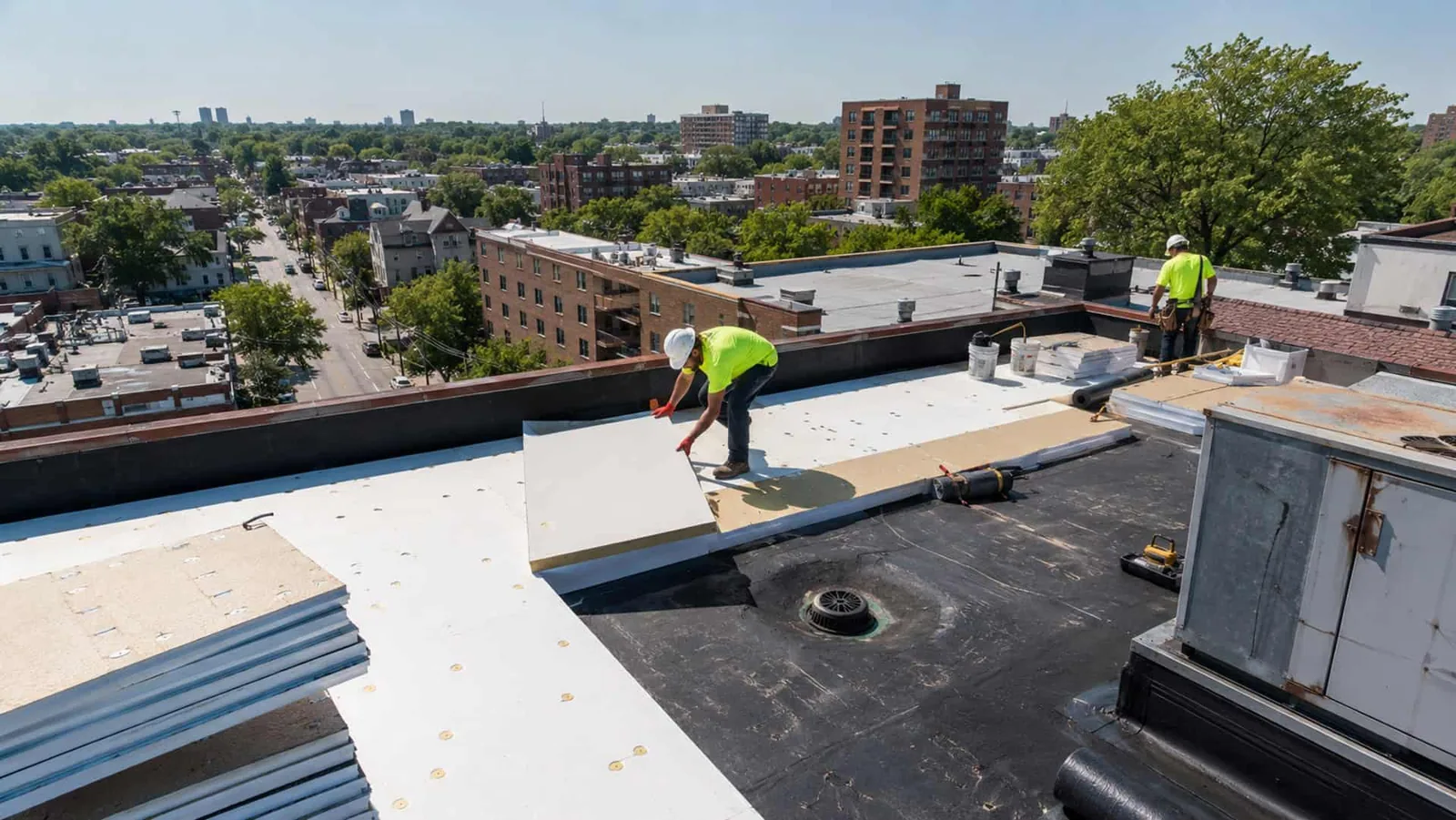
We start with the buildings and records the owner already has. Roof plans, prior proposals, warranties, leak tickets, invoices and photos can be grouped by property and roof zone. During inspection, we identify the visible assembly, drainage layout, penetrations, edges and known repairs. If drawings do not match field conditions, the inventory records the difference instead of silently carrying forward an outdated label.
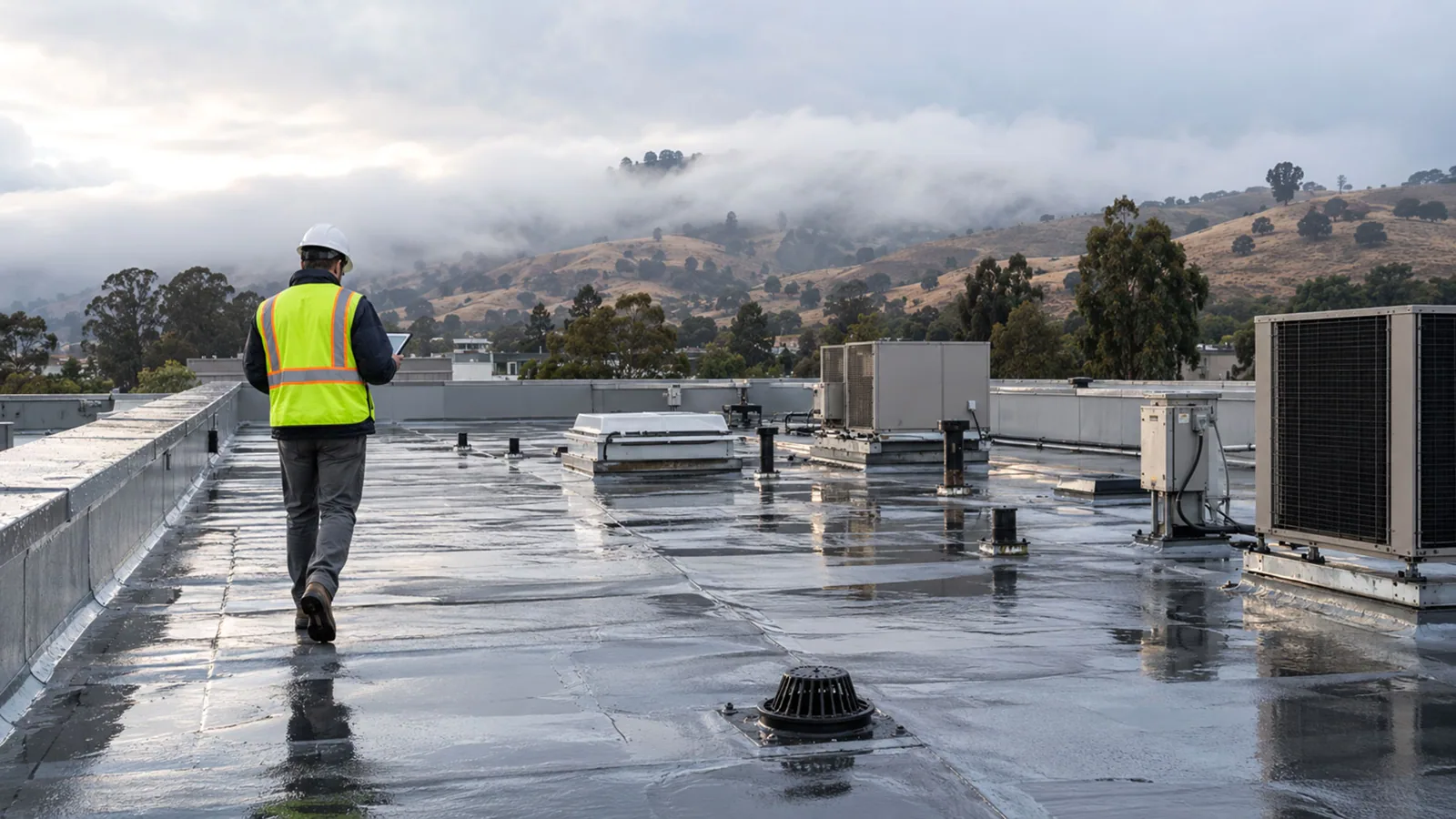
Each finding needs a location and confidence level. A confirmed opening is different from a suspected wet area, a surface mark or an inaccessible section. We attach dated photographs to the roof zone and state what test or follow-up could resolve uncertainty. A condition report can provide the detailed inspection record, while roof inspections refresh the information when new work or a leak changes the picture.
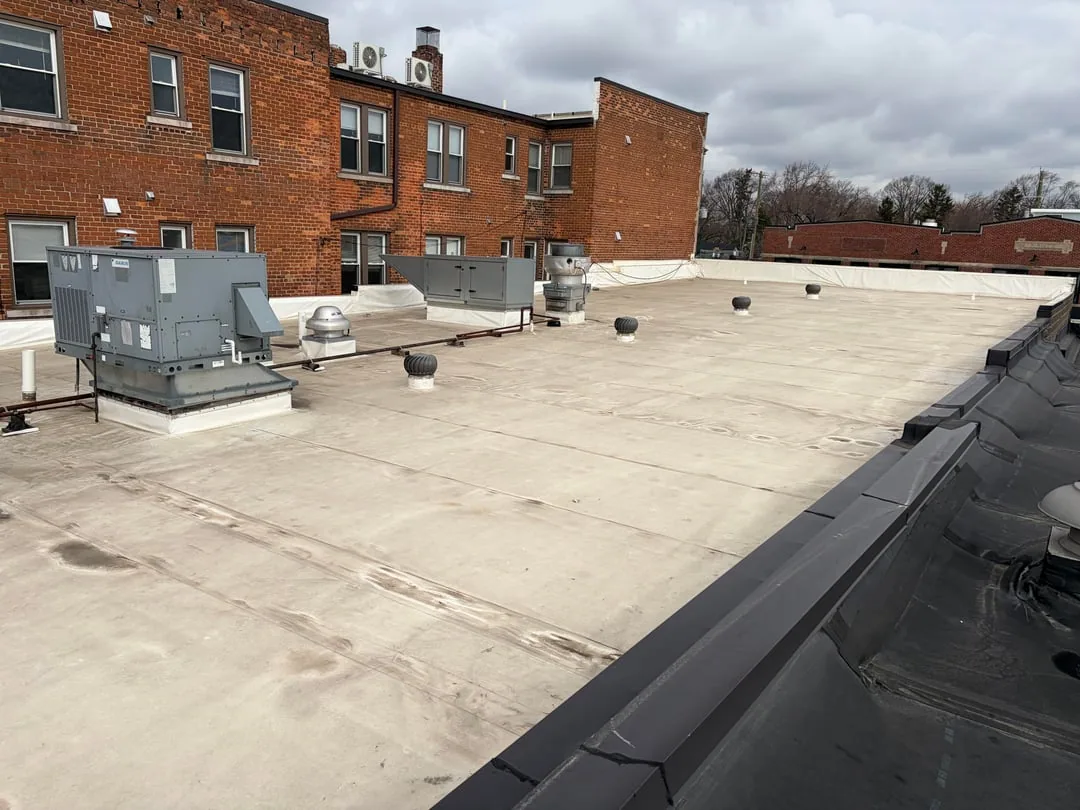
For properties with multiple additions, we separate roof sections by system and approximate boundary rather than treating the building as one uniform surface. We record drains, curbs, edge conditions and critical equipment where those details affect maintenance or repair. At a site in Downtown Greeley, public entrances may shape access planning; at a property in Highpointe Business Park, production or delivery windows may be more relevant. The facility contact confirms each operating constraint.
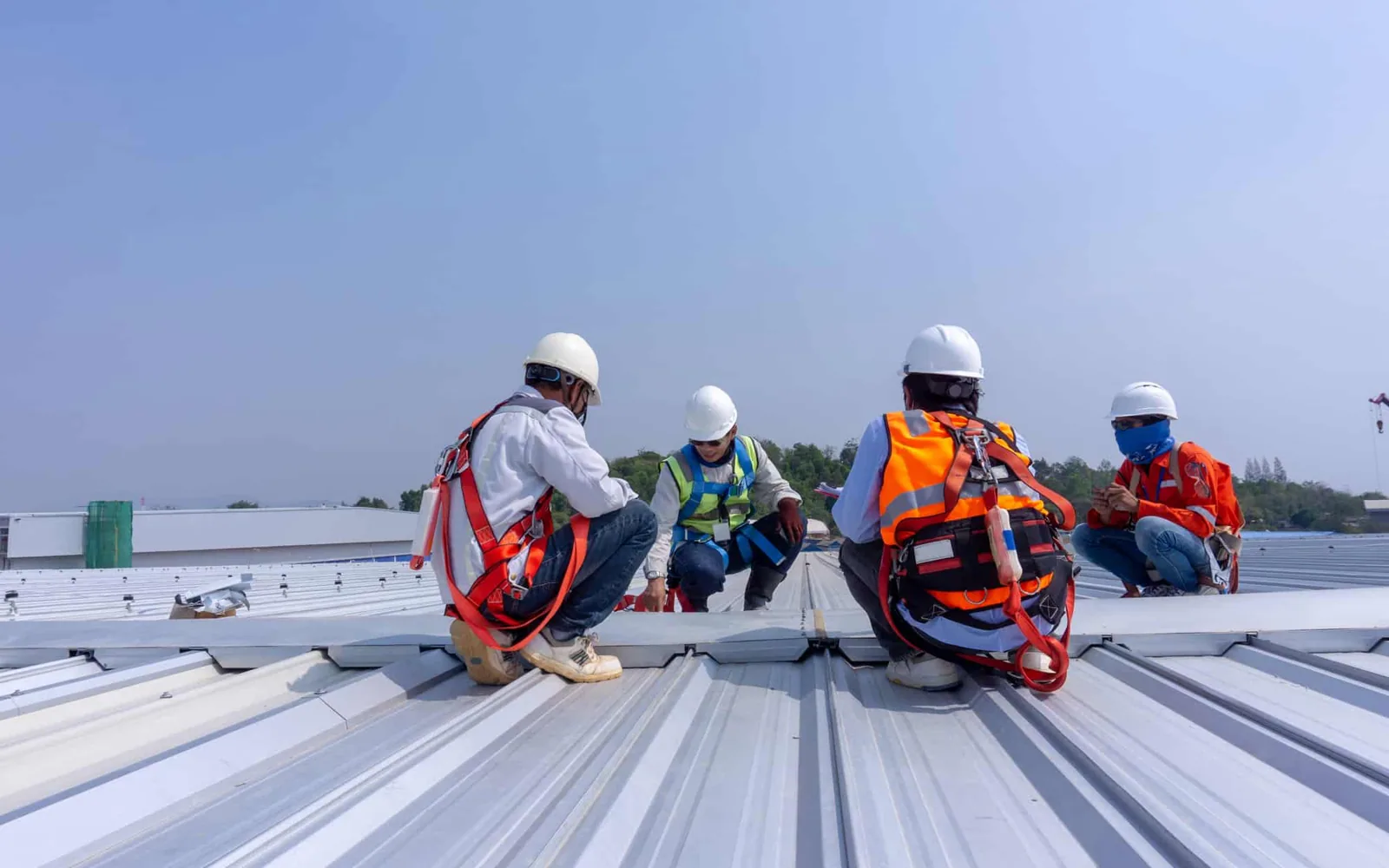
Asset management connects an observation to a next step. We mark active leaks for prompt response, identify maintenance items that can be scheduled and flag conditions that need testing before a capital decision. The record should say who owns the next action and when the roof area should be revisited. A repaired leak also needs a closeout entry, so the next inspection can compare the same location with the work that was completed.
We can group work by material, access requirement, urgency or season, but the grouping must not hide differences between buildings. A membrane patch, metal fastener correction and drain cleaning are not interchangeable line items. A maintenance program can handle repeat inspections and routine tasks. Where a confirmed defect needs work, a separate repair scope defines the repair limits, materials and test.
Changes in tenant use or rooftop equipment should be added to the record when they affect access or roof details. The site team can report new penetrations, service routes and shutdown needs. We inspect affected areas and update the inventory rather than inferring that the rest of the roof changed. This creates a working record that supports each facility team without replacing the original roof plans or warranty documents.
Greeley’s snow, wind, precipitation and hot summer periods affect roof access. We may check drainage after snow, review edges after strong wind or wait for a suitable surface temperature. We schedule around site access and current roof conditions before recommending work.
A post-storm portfolio review compares each building’s accessible roof zones with its own photographs, service history and open maintenance actions. We compare each property’s current photographs and maintenance history with the roof areas accessible during the visit, then list any testing that remains.
The planned Downtown Civic Campus and Aims Workforce Innovation Center bring active public and education projects into Greeley’s development calendar. For nearby facilities, the site contact confirms any schedule or access coordination needed for roof work. We capture each facility’s operating calendar and use it to arrange roof visits.
Yes. We list each roof section and system separately, then group work only where the same access or task genuinely applies.
We record what is available, inspect accessible areas and flag unknowns. The report names the test or document that could resolve each open question.
We can add records the owner provides and inspect the affected area. The inventory states whether a prior repair was documented or confirmed in the field.
No. We record the reported event and the inspection findings separately, including any area that could not be checked.
The cadence can follow maintenance schedules, leak activity, major work and owner reporting needs. We agree on the update cycle and inspection scope before starting.
A useful portfolio view shows condition, open questions, planned work and the person responsible for each decision. We can sort by active water entry, repair access, inspection date or budget cycle. Each line states whether it is a field-confirmed defect, a maintenance task or a recommendation for more testing. The owner can then compare priorities without treating every observation as an emergency.
Cost and timing depend on roof size, system, height, access, material lead times and the amount of testing needed. We identify these drivers and keep optional work separate. A capital plan can help group major repairs and replacement timing, while a multi-site program can establish repeat reporting across properties. Neither should obscure the individual roof’s observed condition.
For a transaction or refinancing, the owner may need a narrower survey with a defined reliance and access scope. A due-diligence roof survey can be set up for that purpose. Routine asset management is different: it maintains a useful picture over time and records what has changed since the last visit. We agree on the report format and update cadence before the first portfolio review.
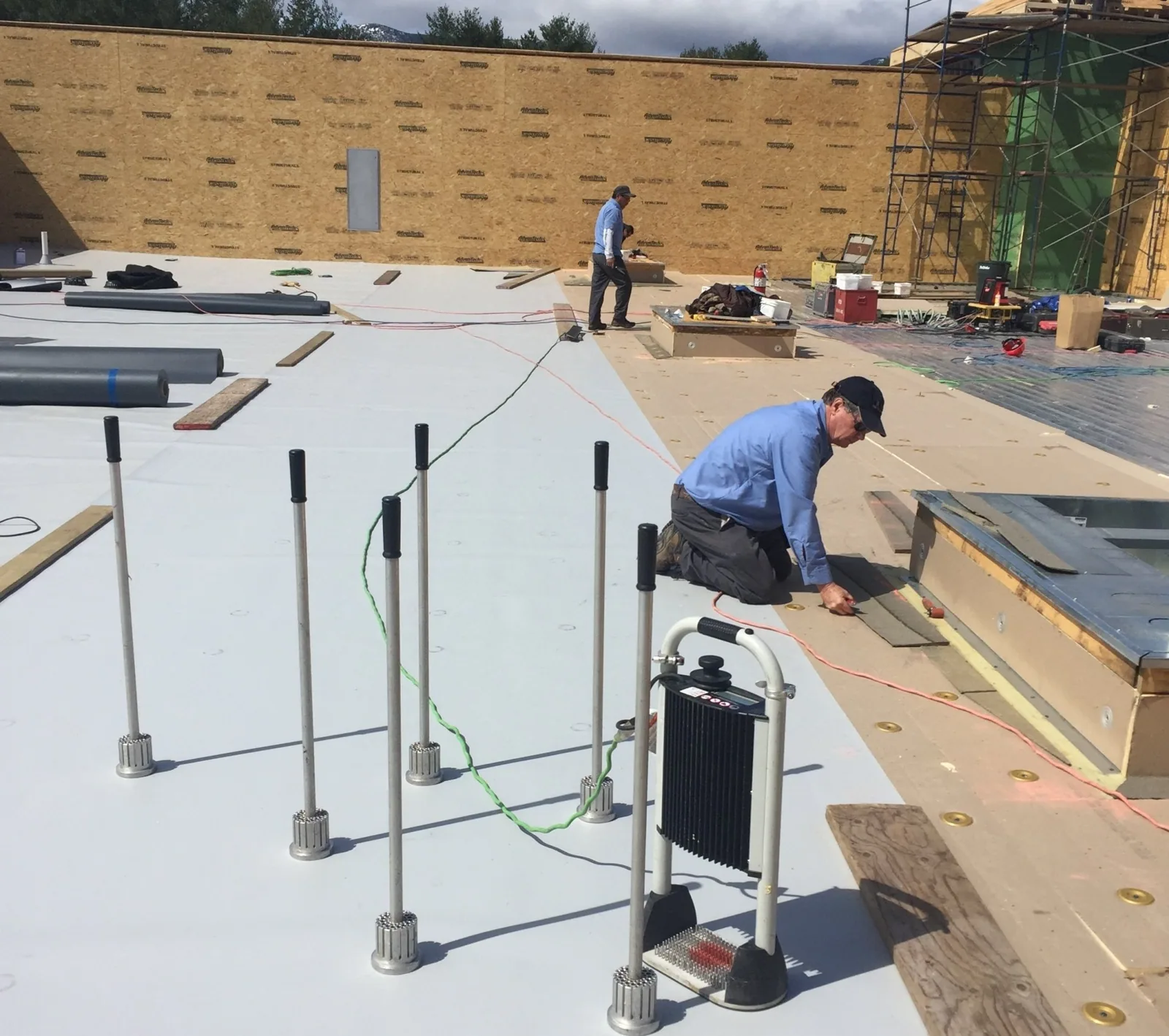
At closeout, the owner receives a current roof inventory, inspection notes, photos, completed-work entries, unresolved tests and scheduled follow-ups. We identify the date, property and roof zone for each entry. If a section could not be accessed, that limitation stays visible so the portfolio view does not imply a full inspection. We can carry forward owner-approved decisions while preserving the distinction between a recommendation and authorized work.
Send a building list, roof plans, known leak history, recent work orders, warranty files and access rules before mobilization. Identify the person who can approve inspection openings and who should receive repair findings. If multiple sites have different safety or operating procedures, provide those requirements per property. The team can then plan a visit sequence that fits the portfolio without losing site-level detail.
The result is a roof record that facilities, finance and property teams can use together. It helps staff locate recurring conditions, track completed work and prepare upcoming decisions. Each update remains tied to field evidence, so an older forecast, storm date or budget assumption does not replace a current inspection.
For a portfolio review, we group open items by urgency and responsible contact, then keep each action tied to its roof zone. A completed repair receives a closeout entry before the next cycle.