Can roof age alone set a replacement year?
Age is one record, not a condition inspection. We document system and observed performance, then state any timing assumption and what could change it.

A capital plan works best when a budget request can point to an inspected roof area, a defined scope and the reason the work belongs in that cycle. We document current conditions, separate active repairs from longer-range needs and state what remains uncertain. The owner can then compare a patch, restoration or replacement using the same roof evidence instead of relying on a single age estimate.
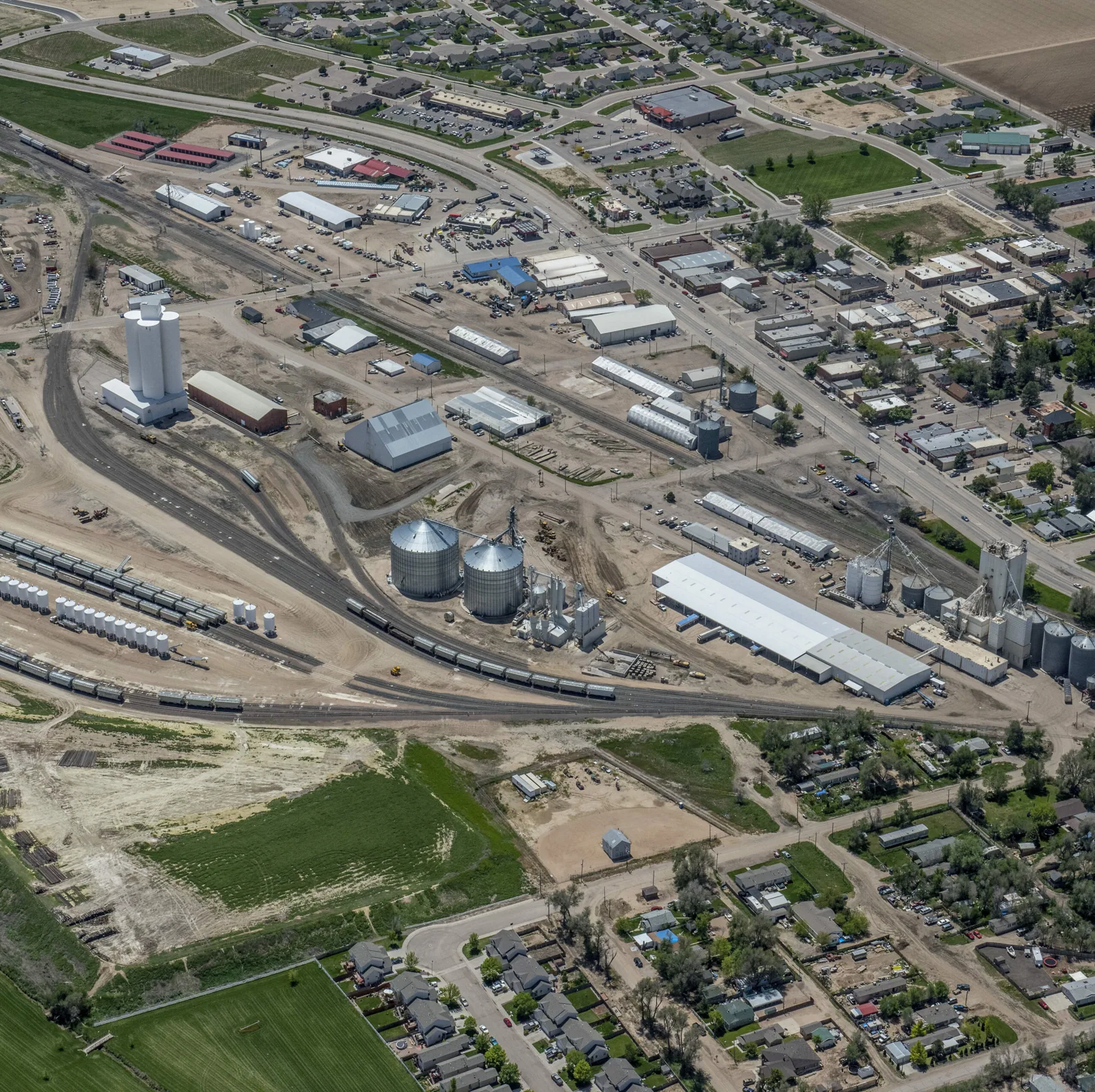
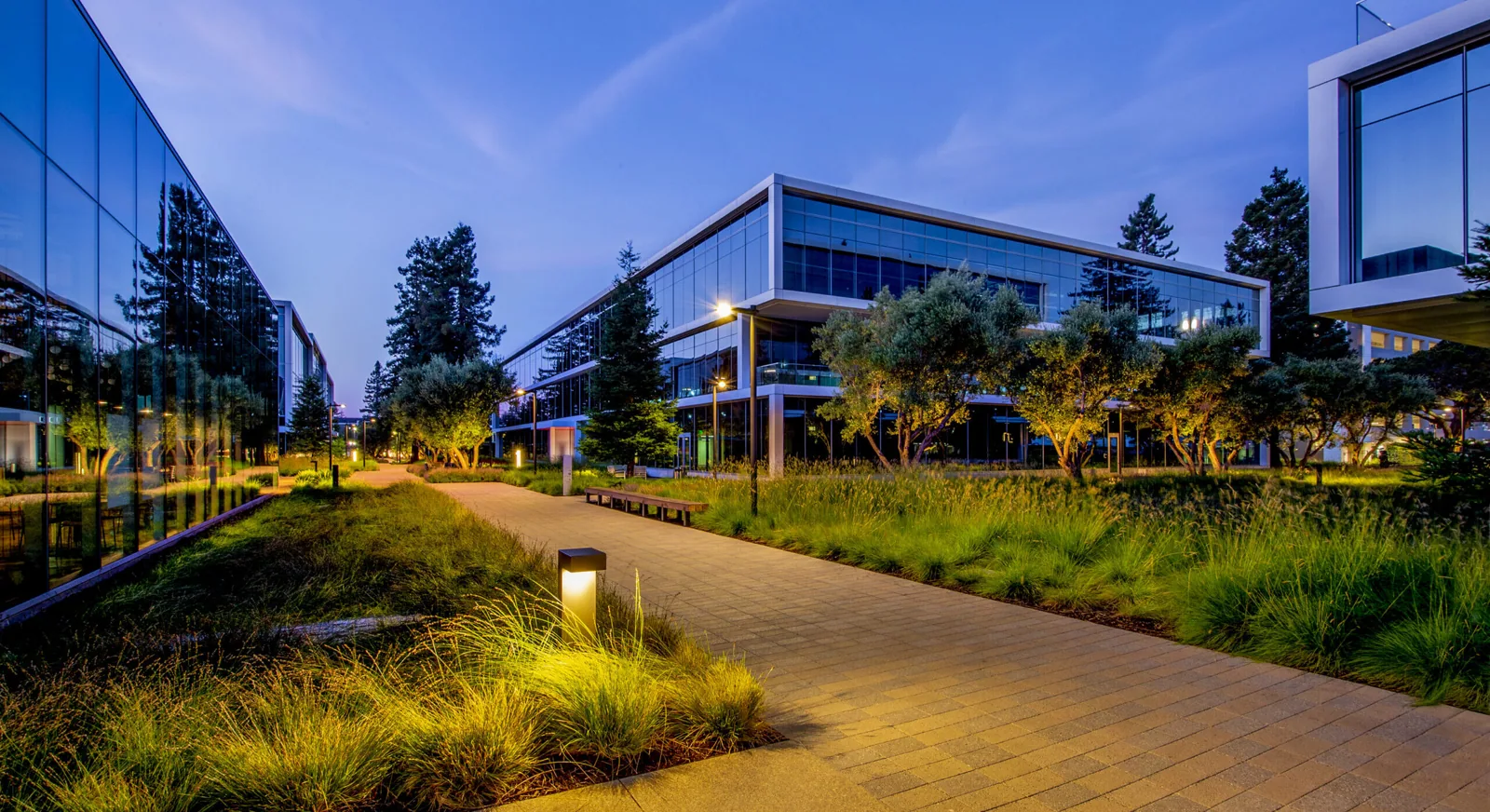
Greeley’s commercial base spans food production, agriculture, manufacturing, energy, healthcare and technology. A planning team with property near Eaton Industrial Rail Park and the Downtown Greeley district may coordinate different facility hours and access. Those facts help frame the work sequence; they do not establish roof age, material or remaining service life.
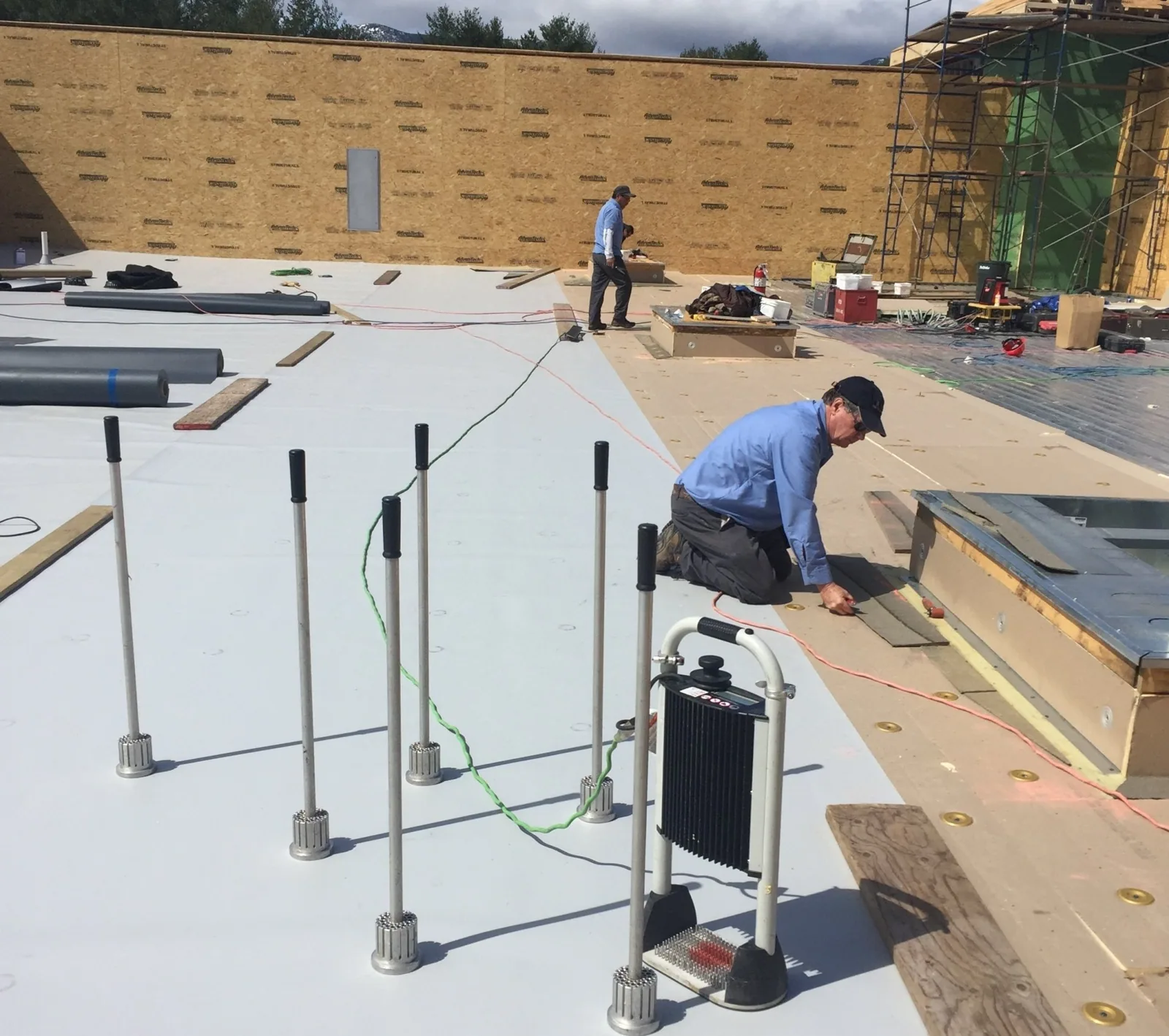
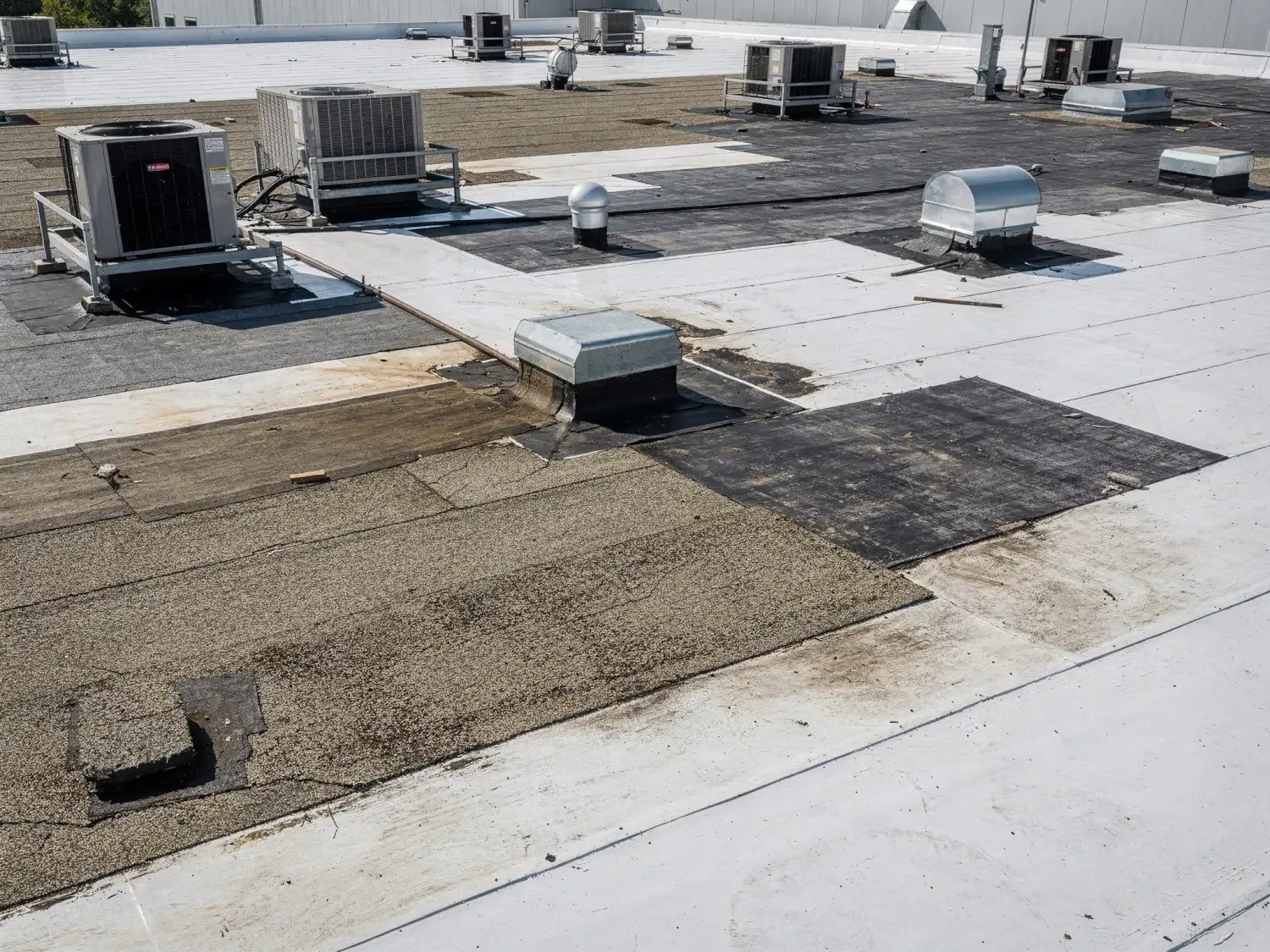
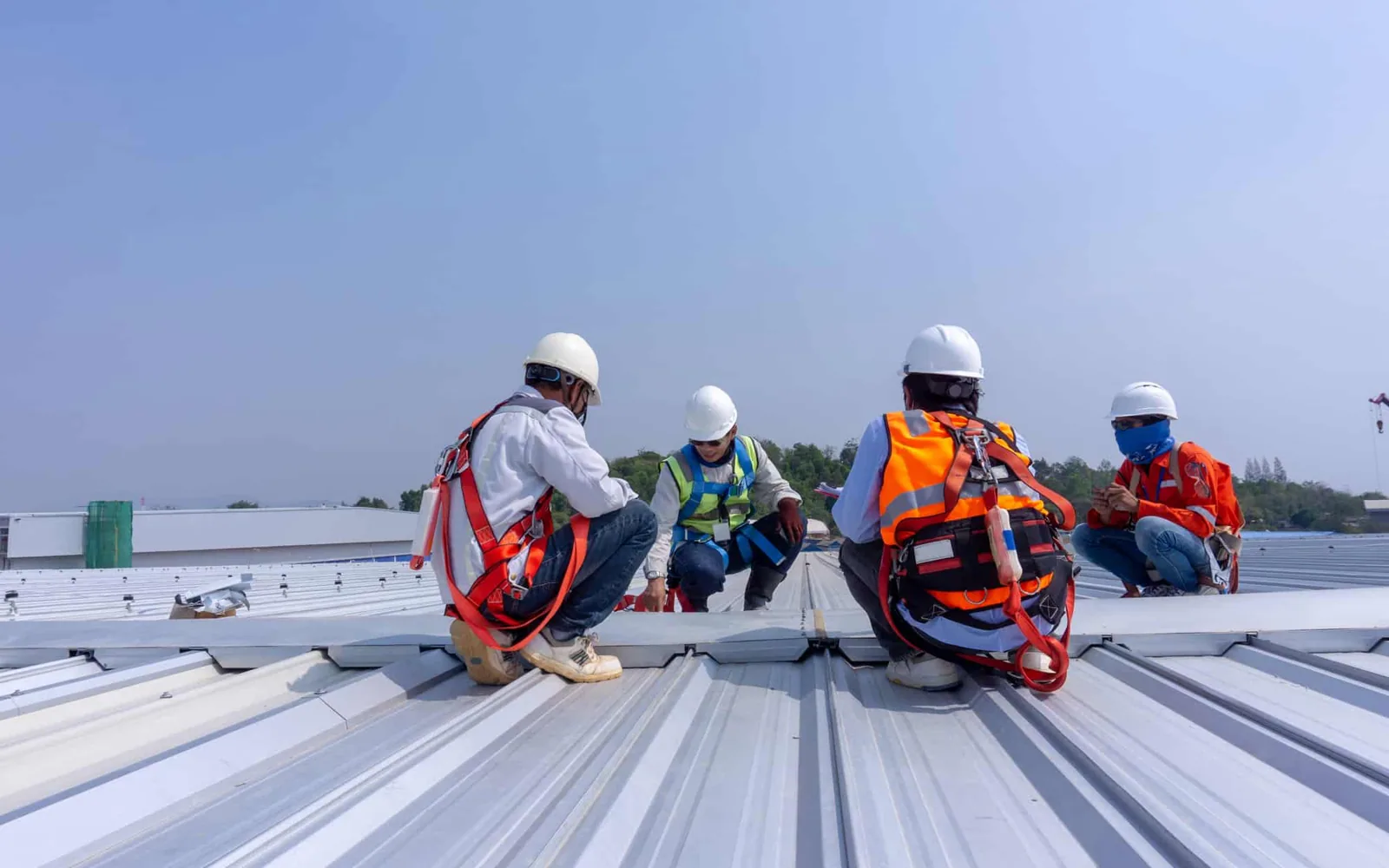
We begin with an inspection of the system, drainage, edges, penetrations and visible repair history. Each recommendation names its roof zone and condition, with photographs that show both the detail and its wider location. If insulation or deck condition is concealed, the plan identifies the test needed before assigning a broader replacement allowance. An untested suspicion should not be listed as a confirmed failure.
A useful condition record distinguishes immediate water entry, maintenance, monitoring and capital work. We note repair history, temporary measures, access restrictions and warranty considerations where records are available. The roof condition report gives the decision team inspection evidence, while asset management can keep those findings current across sites.
We also identify competing scopes. A localized membrane repair may solve an isolated opening; recurring wet insulation or failed attachment can change the recommendation. Where both repair and replacement are plausible, we define the assumptions for each alternative and state what new information could change the comparison. This keeps the capital request connected to the actual roof rather than a broad percentage of the building budget.
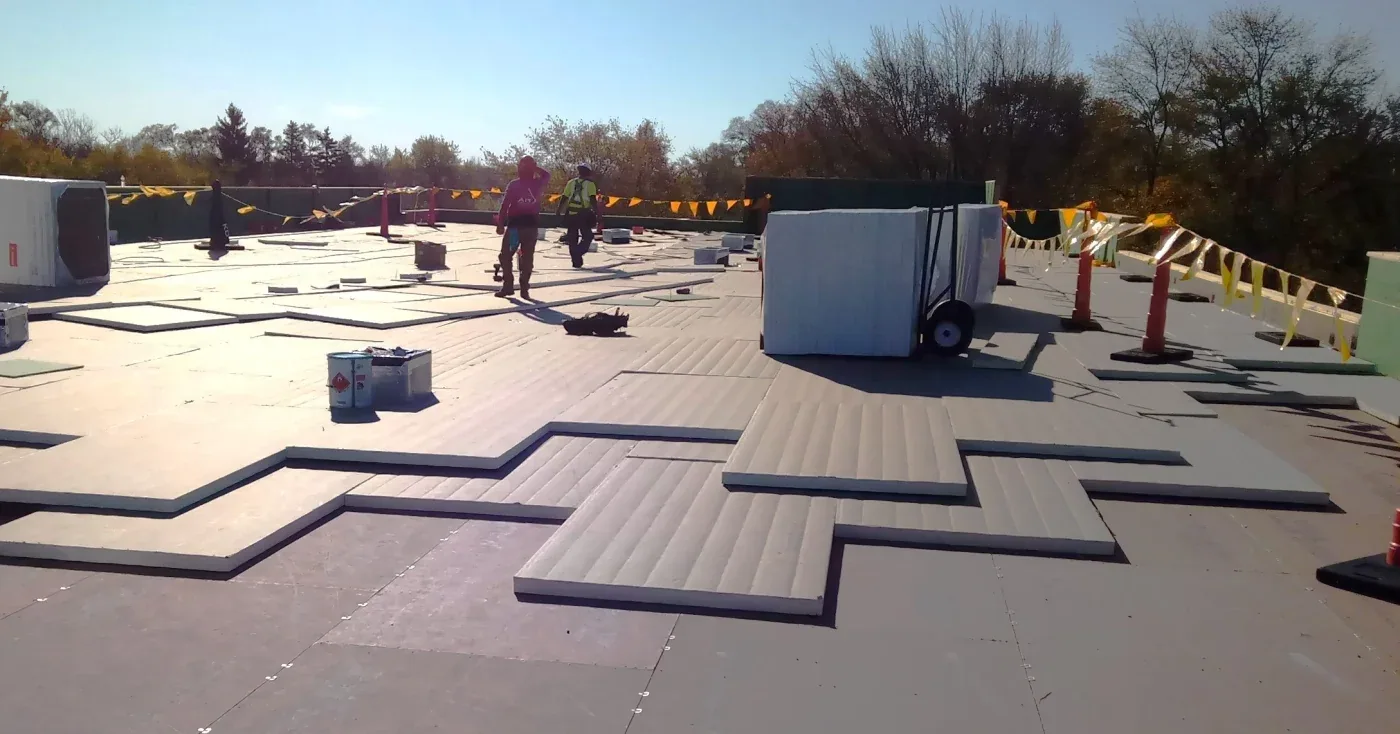
Repair timing depends on active leaks, material compatibility, safe access and whether the affected area can be isolated. Replacement timing depends on broader assembly condition, drainage, insulation, attachment and the owner’s operating window. We do not assign a remaining-life number unless inspection evidence supports a stated assumption. A plan can show near-term repairs alongside a review date for areas that remain serviceable.
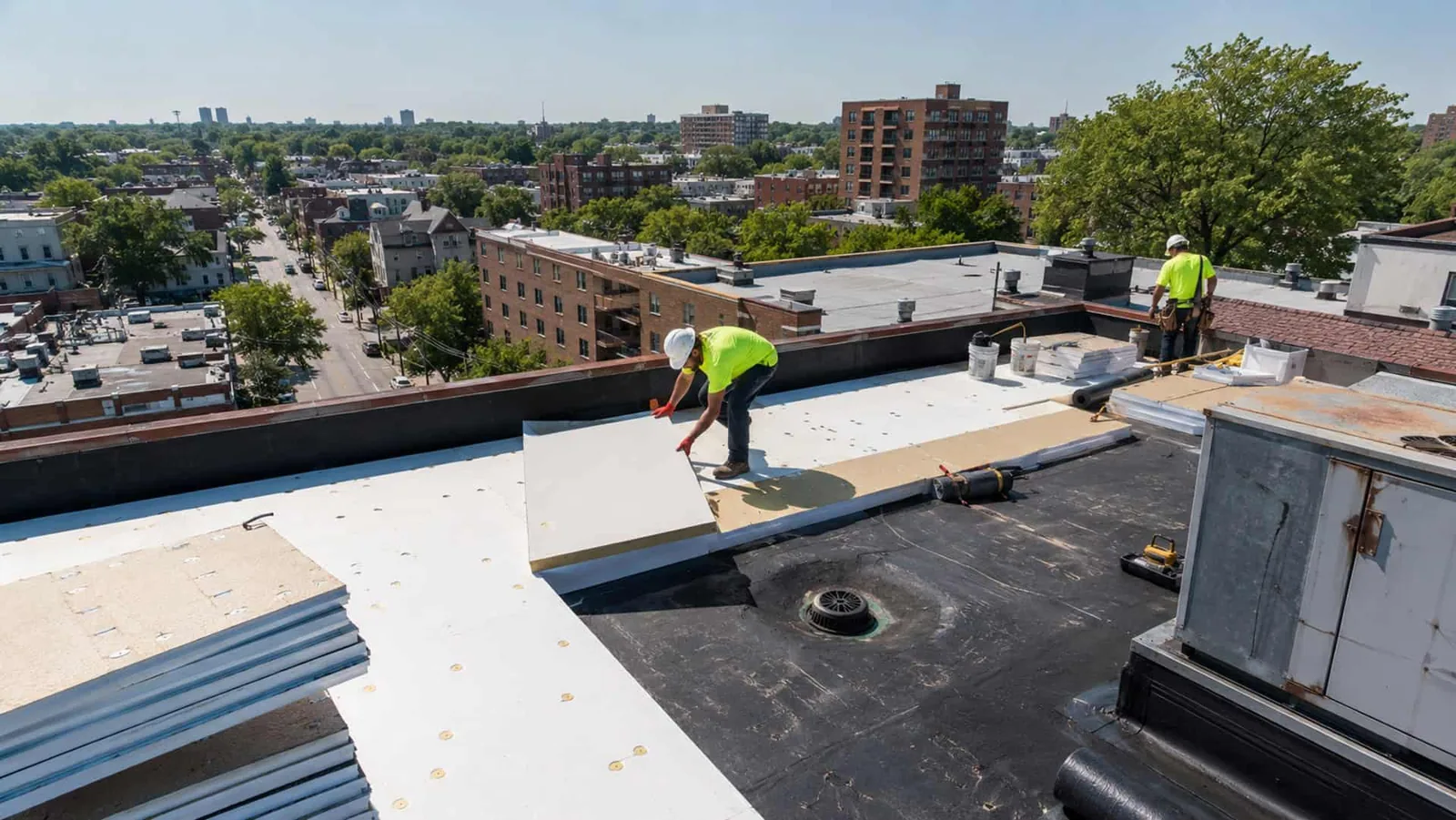
Cost drivers include roof height, system, demolition, staging, protection of equipment, insulation quantities, edge details, disposal and the need to maintain dry-in each shift. We list those drivers beside the scope, then identify alternates rather than blending them into one total. A targeted repair proposal can be compared with replacement, and a recover option can be reviewed only when the existing assembly is eligible.
Greeley’s planned Downtown Civic Campus and Aims Workforce Innovation Center add active public and institutional projects to the local capital calendar. We confirm each building’s roof condition before aligning work with those schedules. If capital work will share a calendar with another project, the owner can coordinate access, permitting and procurement with that schedule. We list those dependencies only when the property team confirms them.
Greeley Airport records track snow, wind, precipitation and temperature, including hot days above 90 degrees and record readings over 100. These conditions can affect inspection access, coating application, material handling and the time needed to close an opened section. We build a schedule around current surface conditions and the requirements of the selected system, not just a preferred month.
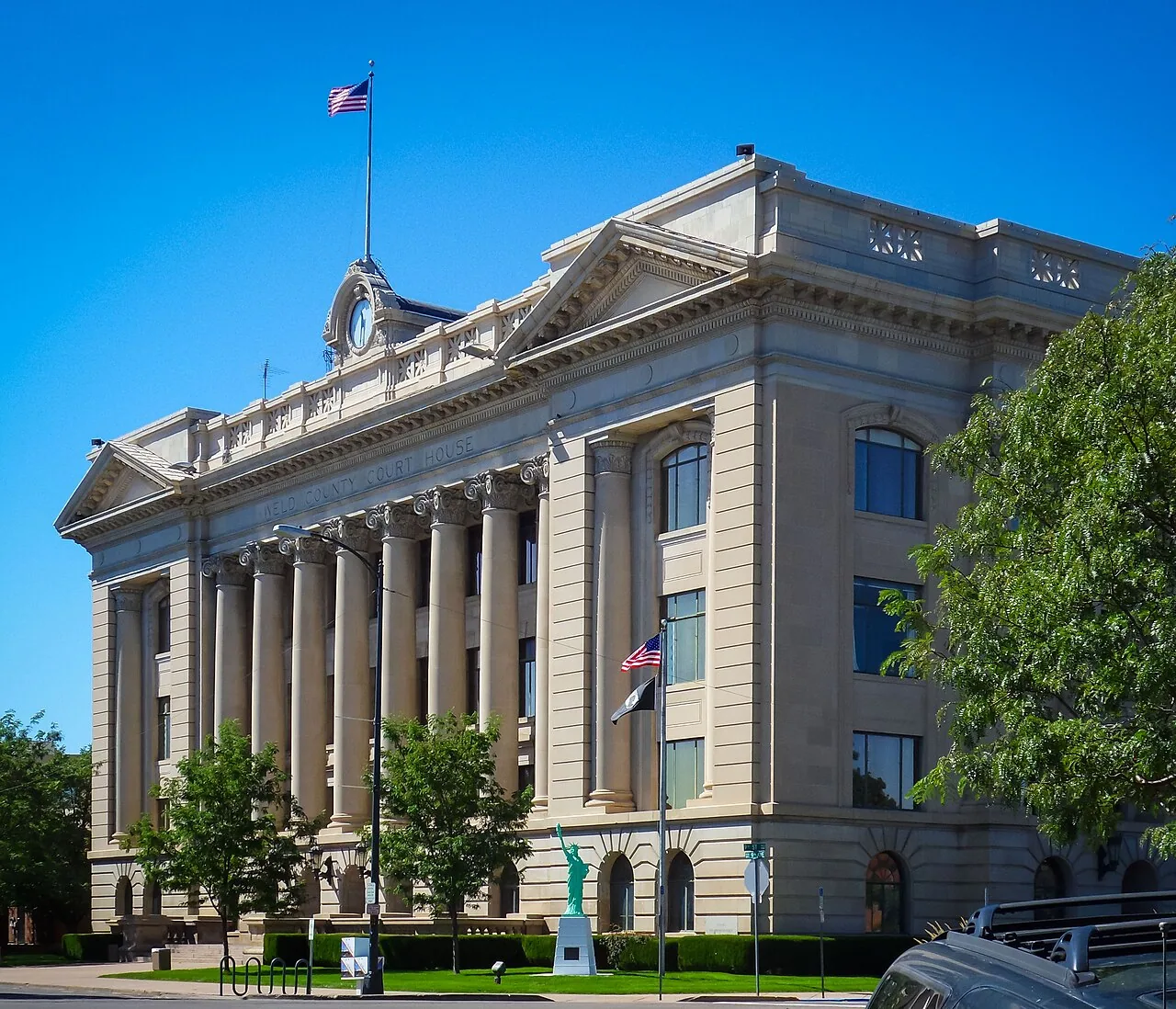
Weld County’s severe-weather history includes hail and tornado events near Greeley. A capital plan can reserve a post-event inspection window, but the event itself does not prove a roof requires repair. The owner can add a condition review after a reported storm, then update the plan only when the inspection documents a change. That separates prudent contingency planning from a claim about damage.
Winter snow and freeze-thaw periods can affect roof access and drainage checks. If a project needs a temporary dry-in, we identify what remains protected during a delay and when the owner should authorize a return visit. Work at an industrial site may need production downtime; a downtown project may need careful entrance and staging coordination. The facility manager confirms these operational limits before dates are committed.
Age is one record, not a condition inspection. We document system and observed performance, then state any timing assumption and what could change it.
Yes. We can compare alternatives when inspection supports them and keep the assumptions, exclusions and next tests visible.
We map the accessible roof areas, record the system observed and identify any test needed to confirm concealed layers or boundaries.
We can list urgent repairs, scheduled projects and monitoring items separately. Each deferred item should retain a review date or condition that prompts action.
Concealed deck or insulation conditions, access limits, material availability and owner-directed scope changes can affect quantities. We document those conditions before expanding work.
For each capital item, we state the inspected condition, repair boundary, materials, access plan and closeout checks. If a scope depends on destructive testing, the budget note identifies that step before assigning quantities. We also state exclusions such as interior ceiling work, electrical changes, equipment relocation or structural review, so the owner can coordinate other trades separately.
A due-diligence survey may be needed when a transaction requires a defined evaluation, while warranty tracking helps identify manufacturer documentation or inspection obligations. For portfolio owners, a multi-site program can align reporting periods without forcing every building into the same replacement year.
We can phase work by roof zone or building. The schedule should identify procurement lead time, mobilization, daily closure points, tenant notices and testing. If a roof must stay in service, we coordinate temporary access controls and protect operating equipment. Each alternative should make clear what the owner receives at completion and which future conditions could trigger a scope revision.
The final planning record includes inspection dates, photographs, current priority, scope alternatives, planning assumptions and unresolved questions. We identify which items are approved, deferred or awaiting testing. When work is completed, closeout photos and repair details update the next capital review. A deferred item keeps its review trigger, so it does not disappear from the plan simply because funds were assigned elsewhere.
Send roof plans, previous proposals, warranty files, maintenance logs, known leaks, planned building changes and budget deadlines. Identify who approves test openings and whether procurement requires a bid format or defined alternates. Those details let us write a scope the owner can compare and schedule, rather than a generic allowance detached from roof access and material needs.
For sites along Eaton Industrial Rail Park or Downtown Greeley, we confirm how active operations affect delivery, staging and shutdown needs. The capital plan then connects a roof decision to its practical work window, keeping the evidence and assumptions visible for the next review.
We can provide a decision log with the date a recommendation was made, the party that approved the next step and the information still needed. If the owner defers work, we record the reason and the review point. That history helps the next budget meeting distinguish deliberate deferral from an overlooked roof condition. The record also keeps the next review tied to a date.