Does 297,000 square feet describe the roofs downtown?
No. The Town’s figure describes retail space, not roof area. We measure the specific roof and confirm its assembly before preparing a repair or renewal scope.

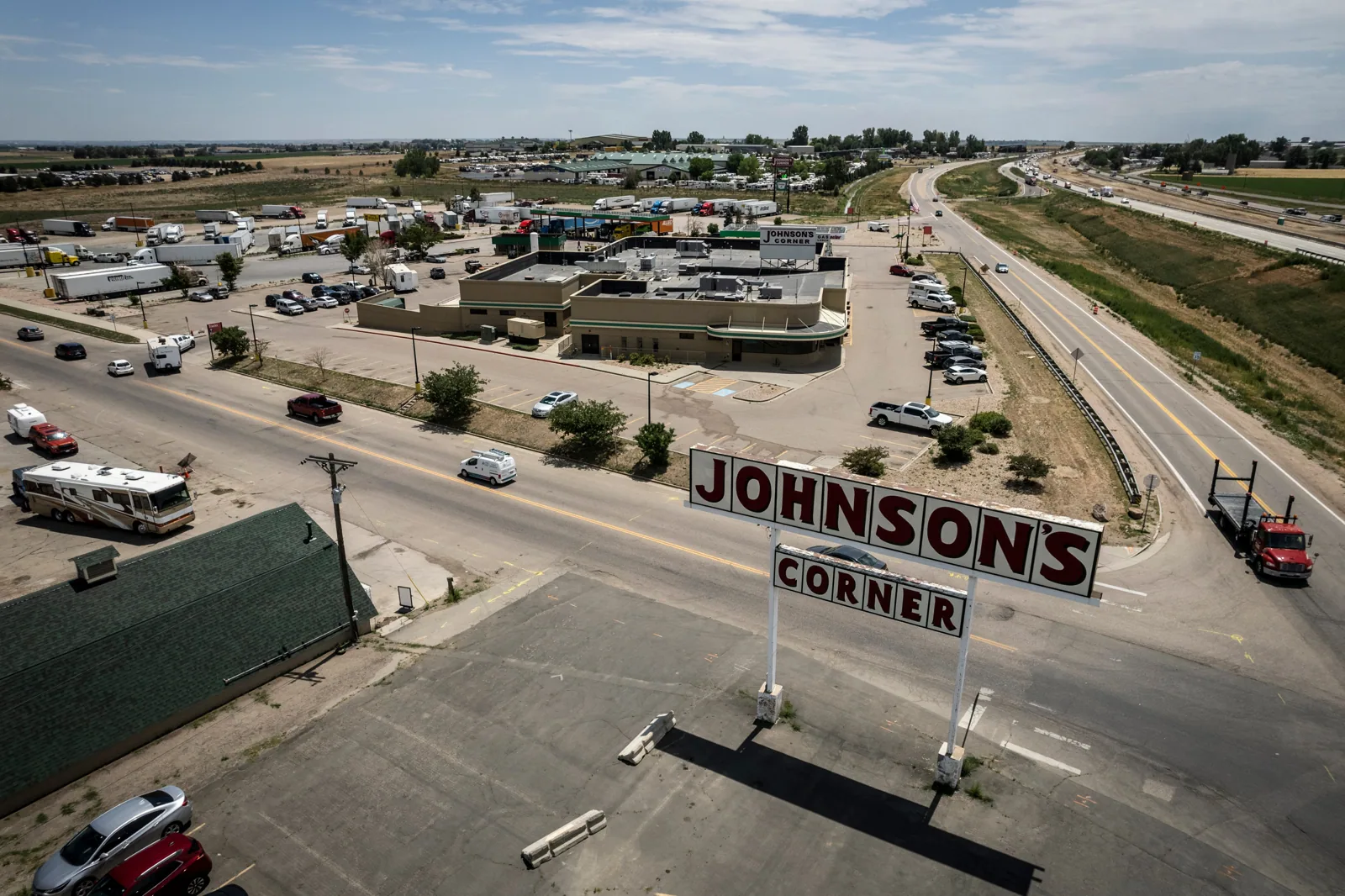
A roof decision in Downtown Johnstown begins with the building, its occupants and the route the crew can use. The Town’s 2026 development information describes the historic downtown as having more than 297,000 square feet of retail space. That is retail floor area, not roof area or evidence of roof condition. Downtown Johnstown is identified as a distinct commercial development area, visible from Highway 60 and less than four miles from I-25. We use those details to orient scheduling, then confirm the property’s entrance, roof access and operating hours with the site contact.
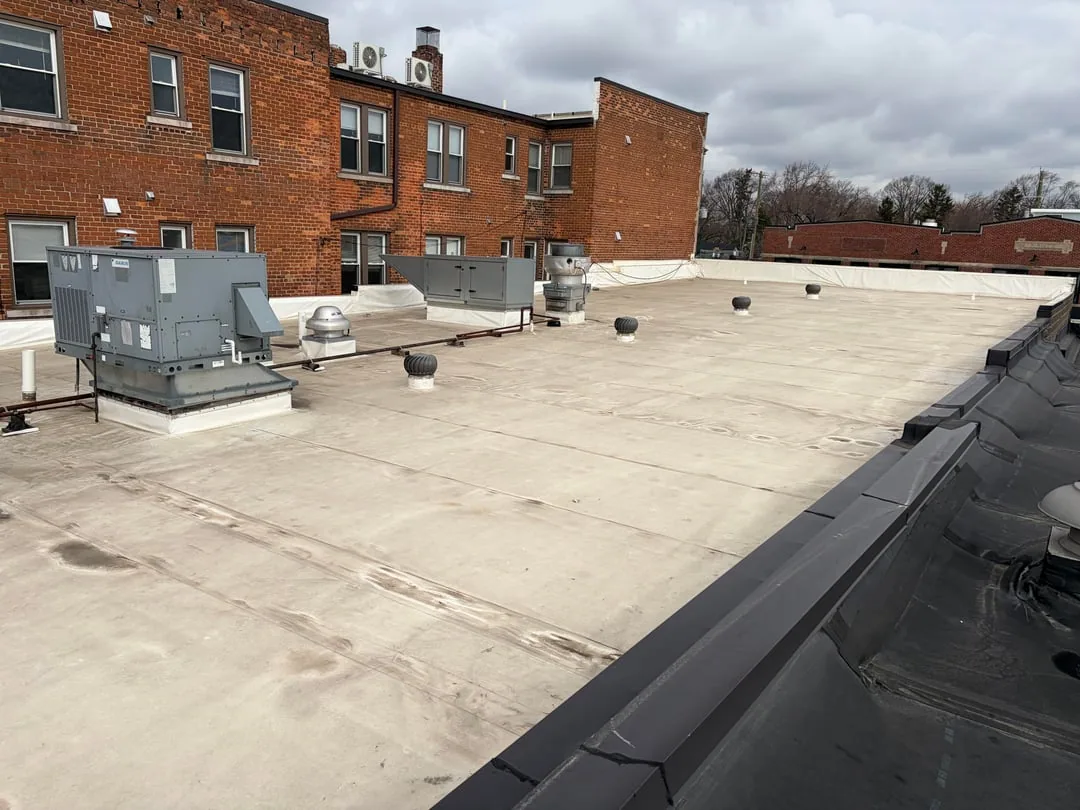
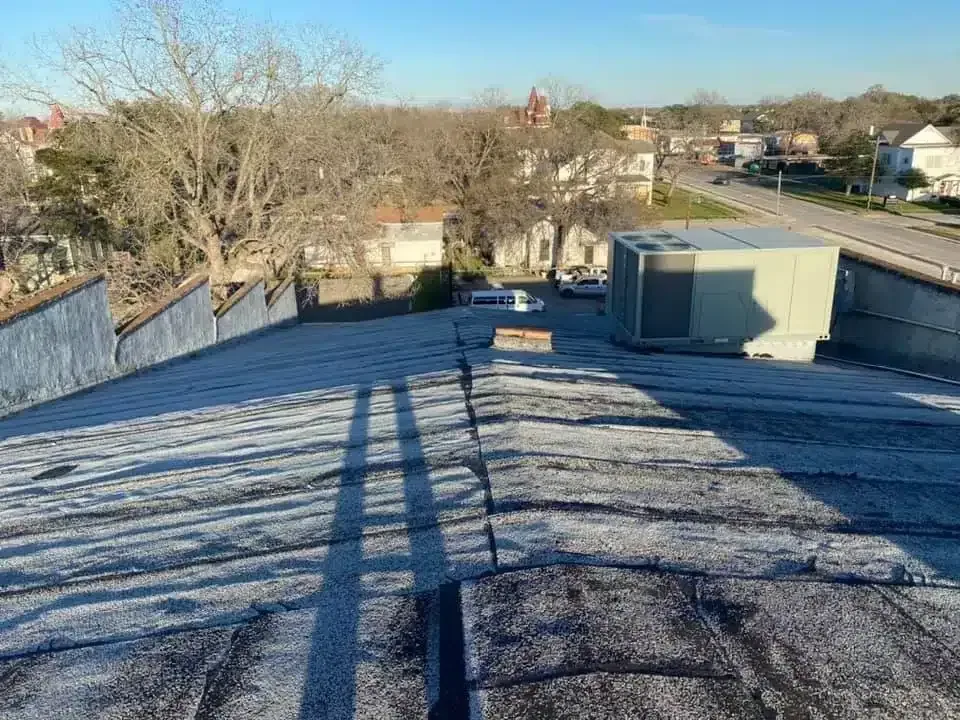
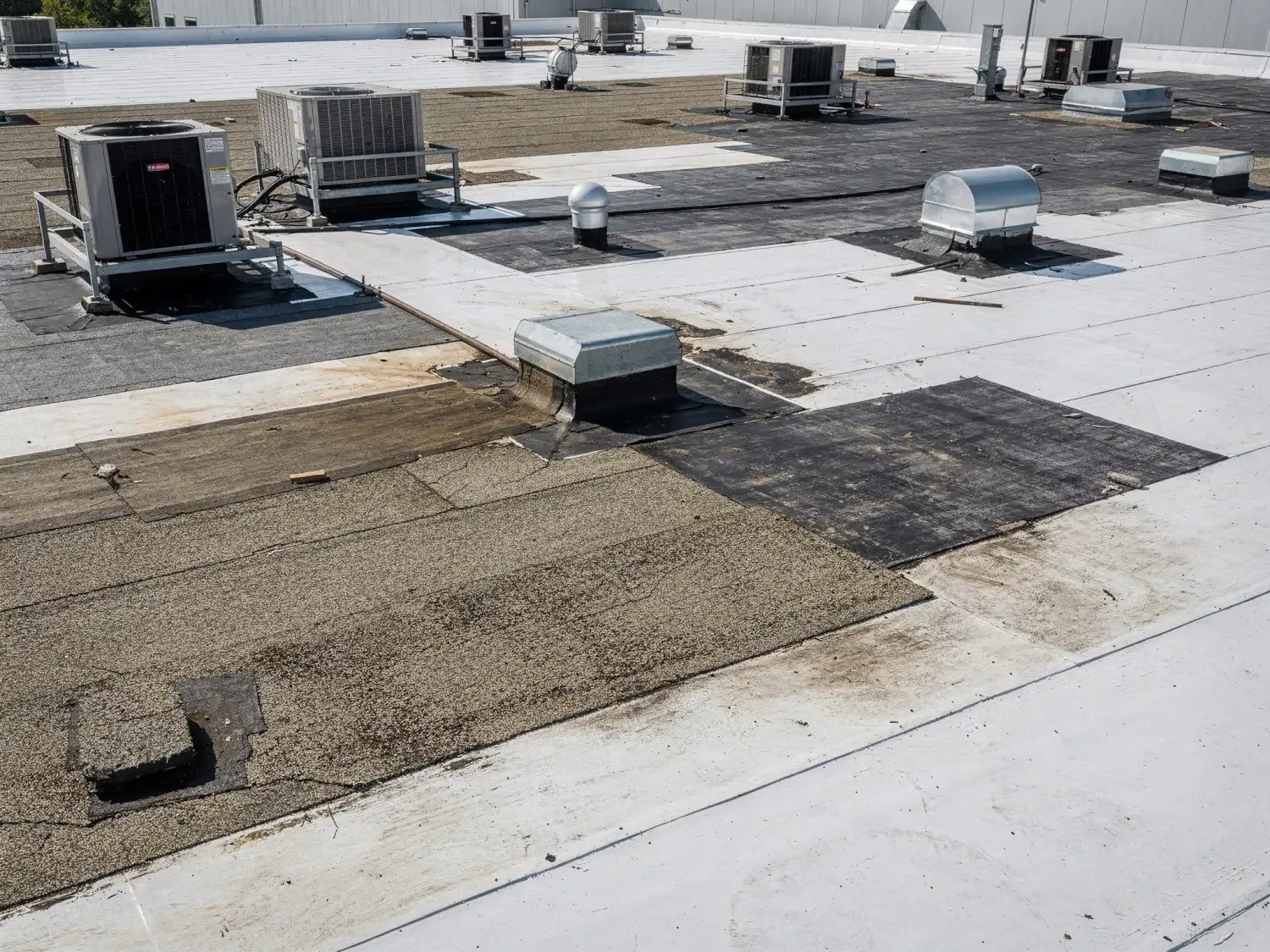
We inspect a reported leak, check a planned repair or document a roof before a capital decision. The first walk records the assembly, drainage, seams, curbs and perimeter. If a property is changing tenants, the manager can also flag planned equipment work or interior improvements that may affect penetrations and access. A commercial roof inspection produces a boundary for what was actually viewed and what still needs testing.
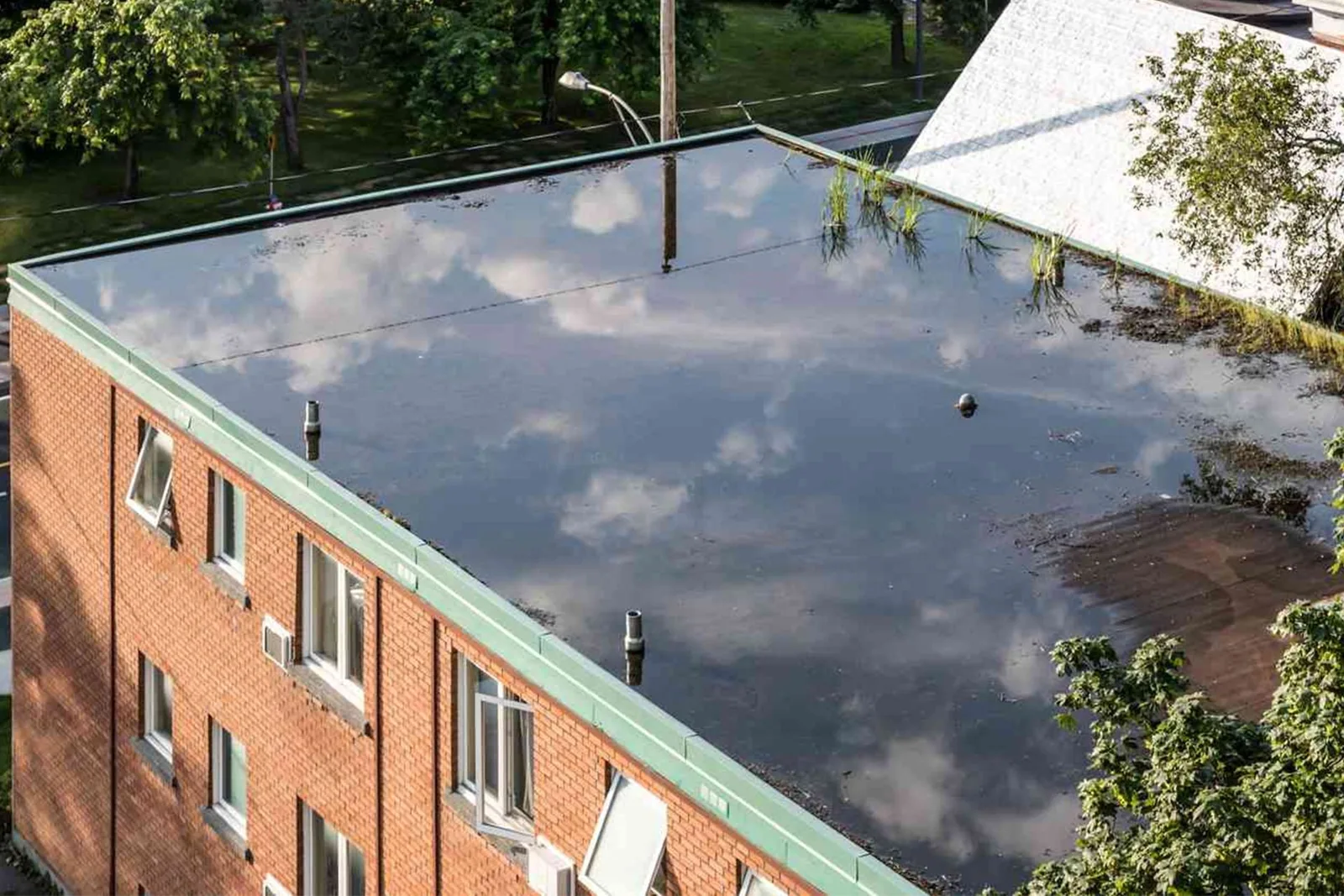
We ask when the water appeared, which tenant or room is affected and whether repairs or equipment changes occurred nearby. An interior stain can be offset from the roof opening as water moves across a deck or insulation layer. The crew checks the area above and adjoining seams, drains, wall joints, penetrations and prior patches. Photos and notes identify each condition by roof zone. If the path remains uncertain, we specify the next test instead of assuming the nearest surface mark caused the leak.
Town development figures describe commercial space at the district level, not the dimensions or systems of an individual storefront or building. Available plans and repair invoices help us compare the roof record with the visible membrane or metal. A photo-based condition report can support a leasing or property review by separating confirmed defects from inaccessible or untested areas.
If water is entering, we can apply temporary roof protection and identify its limit. We state whether permanent work still needs drying, removal or a test opening. That distinction matters when customers or retail stock occupy the space below; the owner receives a clear record of what was stabilized and what remains open.
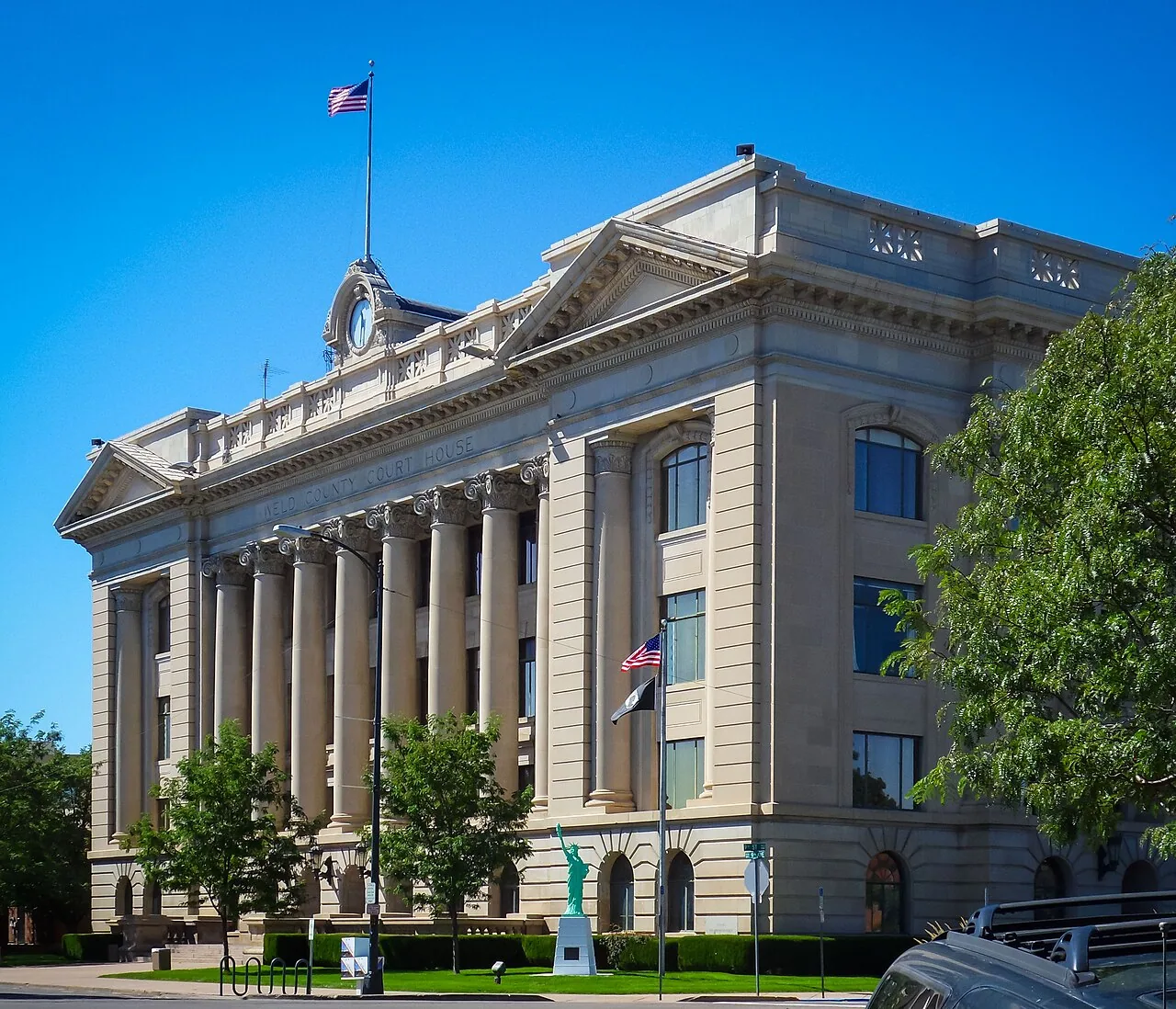
Before mobilization, the building contact confirms roof entry, material staging, customer paths, delivery hours and any lift requirements. Highway 60 visibility and the I-25 connection are district context, not an access approval for the property. We use the entrance and loading instructions the owner verifies. If a project affects a public-facing door or sidewalk, the scope names the barrier and protection required below.
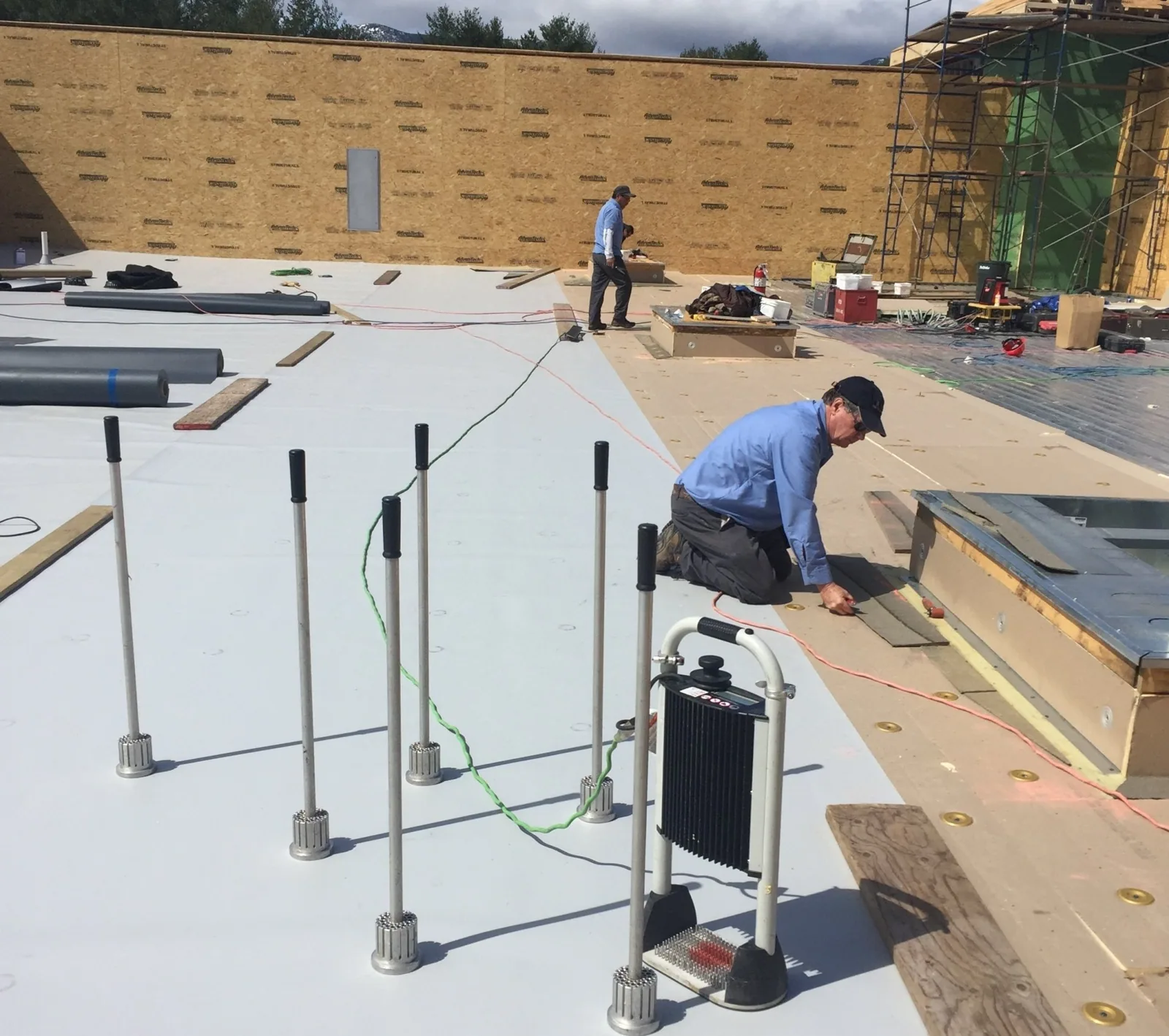
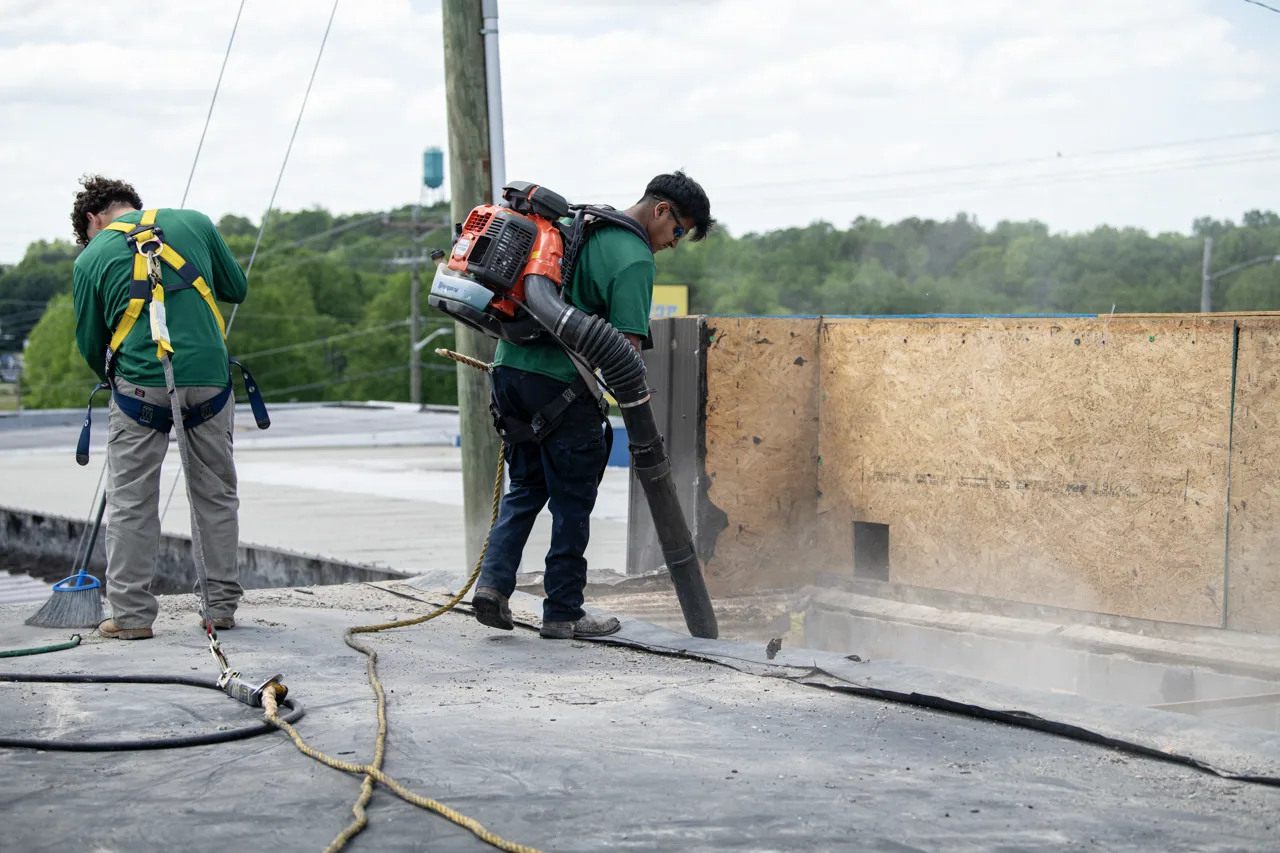
The written work plan defines preparation, compatible materials, tie-in dimensions, daily dry-in and cleanup. We remove only approved roofing, protect drains and keep debris clear of tenant access. If a test opening exposes wet insulation or an additional layer, the crew pauses at the scope boundary, documents the condition and requests direction. A localized repair remains separate from any larger renewal decision.
For a property with recurring maintenance needs, a scheduled roof visit can review drains, edges and completed repairs. If the owner also manages the Johnstown Highway 60 corridor, a separate survey will keep its photos and access plan tied to those buildings. Work records remain property-specific even when the same facilities team coordinates them.
Greeley’s heat, wind and snow inform regional work timing. We check temperature and moisture on the Downtown Johnstown roof before opening a section. We check the actual membrane temperature and moisture, then follow the selected product’s application requirements. Hot material can change handling time; a wet or cold substrate can interfere with adhesion. We set a work window that allows the approved area to be protected and closed, and tell the site contact if weather changes the sequence.
Hail and tornado activity in Weld County can prompt a Johnstown roof inspection. We look for punctures, separated seams, displaced perimeter metal, damaged flashing and drain debris. Photographs locate each observed condition, while any unsafe or inaccessible section remains a follow-up item. If snow or ice restricts roof travel, we do not call the hidden zone clear.
For a larger renewal or structural change, the local authority should confirm current permitting requirements. The roof walk can identify assembly and visible attachment, but concealed structure may require further review. A hail impact inspection can document the condition after an event, with recommendations based on roof evidence rather than regional weather alone.
No. The Town’s figure describes retail space, not roof area. We measure the specific roof and confirm its assembly before preparing a repair or renewal scope.
The property contact identifies customer paths, delivery windows and hours that need protection. We sequence work by zone and agree on the daily dry-in point before opening the roof.
No. We inspect the building and record visible conditions, including areas that remain inaccessible. The recommendation follows those observations rather than a county event alone.
We record the materials and condition by section. A repair or replacement recommendation can then address each assembly without treating the entire building as one system.
The Town’s retail-space figure is not a takeoff. We measure the actual repair area and account for system, layers, moisture, access, protection, edge details, staging and disposal. A single penetration failure may support a local repair when surrounding material is sound. If several roof zones show failure or wet insulation extends beneath the surface, testing may be needed before broader work is priced. Confirmed repairs and optional investigation appear separately.
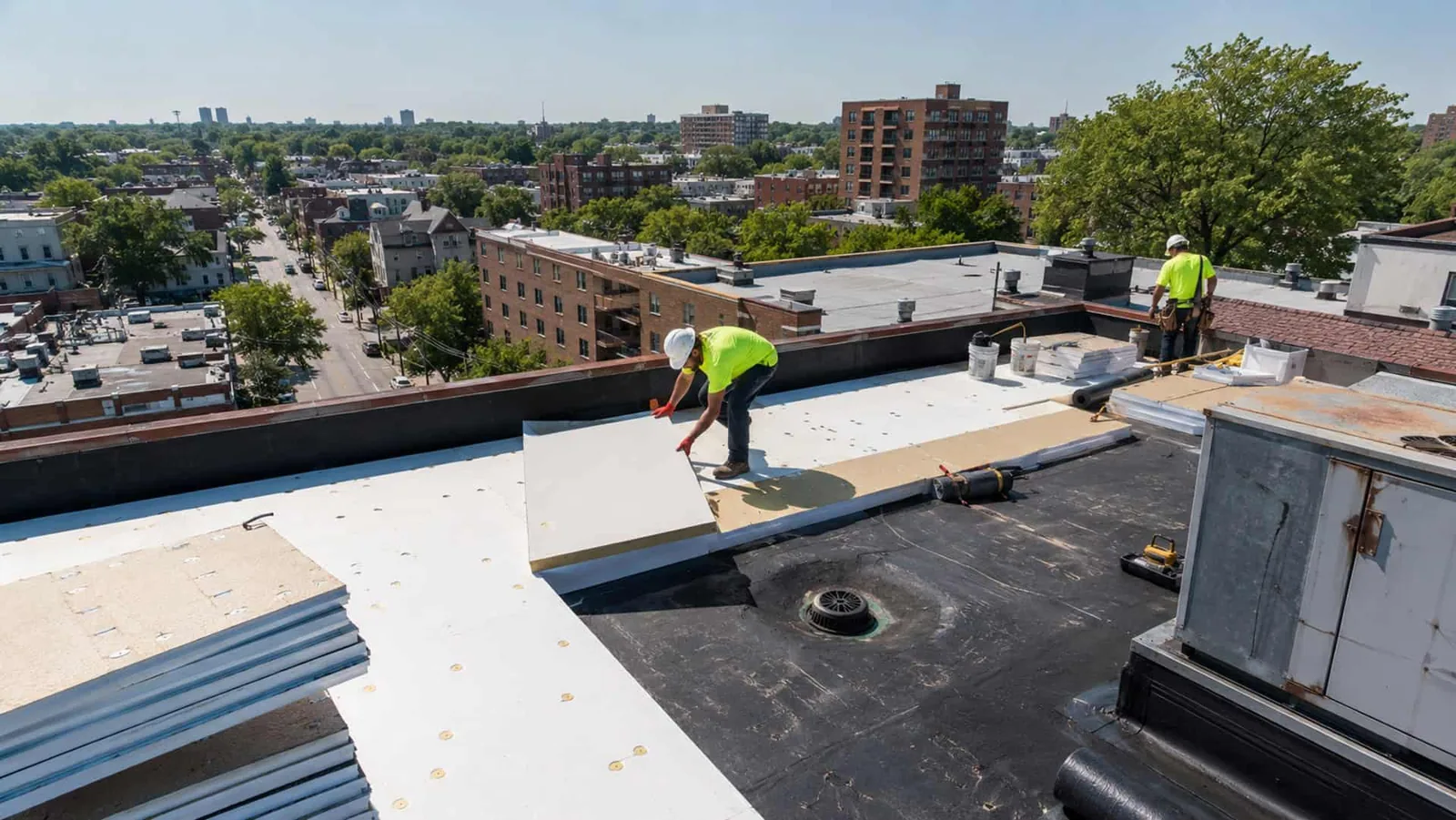
A recover can be considered when the existing assembly and deck can take another layer without trapping moisture. Replacement requires removal and gives access to concealed conditions, but adds work below and can affect business hours. We outline the roof area, material sequence, protection, dry-in and exclusions. A replacement proposal reflects the inspected building, not the Town’s reported retail floor area or highway visibility.
Some owners coordinate multiple commercial districts with a single operations team. A Downtown Milliken roof review still needs its own site contact, survey and repair records. That discipline keeps an inspection useful for each owner decision and prevents unrelated findings from blending in a portfolio summary. Reports can list priority, access dependency and follow-up timing so the facilities lead can compare work by building without confusing roof area with tenant floor space.
At closeout, we list the roof system observed, area checked, work performed, materials, photos and tests. The report marks any portion left inaccessible and any recommendation that depends on further testing. A roof-plan reference helps a later manager find the same curb, drain or seam. Where a repair was temporary, we identify its limit and the permanent step still required.
Before the visit, send the affected room or tenant space, timing, previous repairs, roof plans and access requirements. Identify who can approve testing or an expanded repair. We will confirm the arrival plan, protect customer routes and return a written scope tied to the building. The Town’s development information locates the commercial district; the roof inspection sets the next action.
A downtown repair may share an entry court or service lane with neighboring businesses. We confirm the property contact’s approved staging area and protect pedestrian paths before carrying materials to the roof. The closeout notes any shared access restriction that affects a return visit.