Does a mural mean the roof flashing is historic too?
No. The mural fact describes the exterior, not the roof detail. We inspect the transition and ask the owner how the finished wall should be protected during repair.
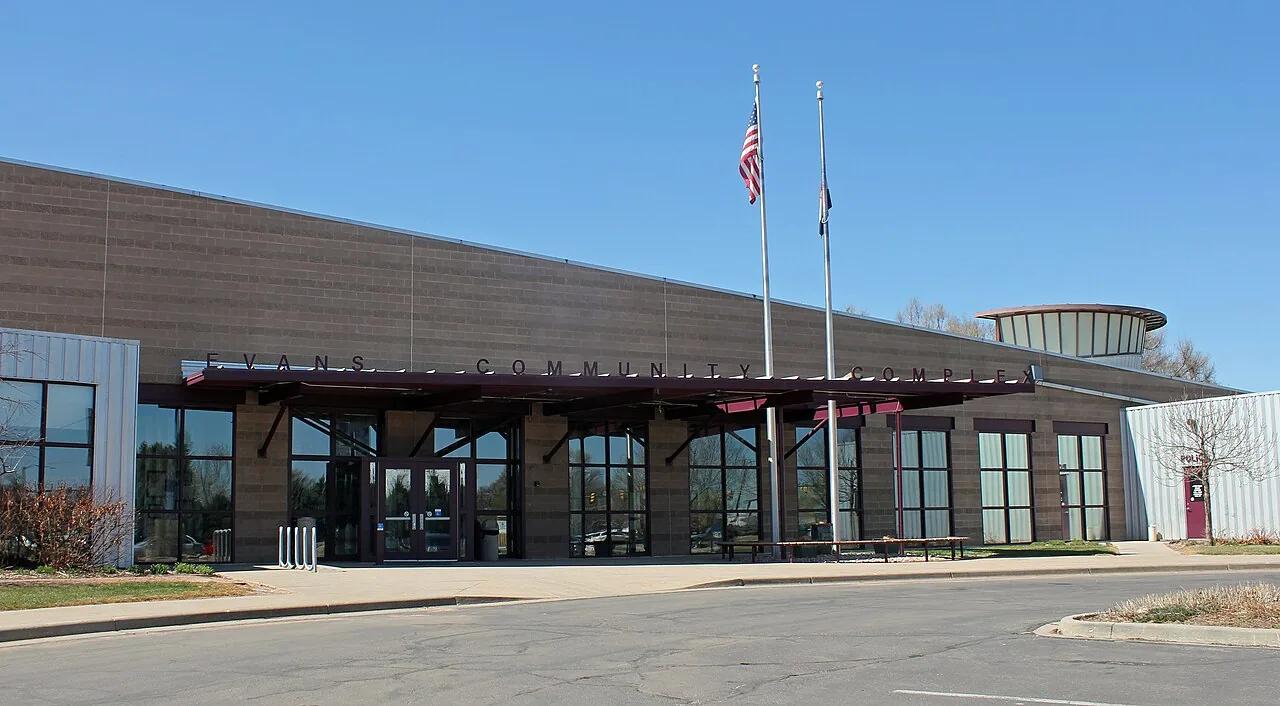
A leak report from Historic Evans calls for a walk that connects the affected room with the roof details above it. The repair plan must also respect the building and public space below. The City’s urban renewal map places the district within Evans, beside the South Platte River and U.S. 85, and identifies Riverside Library and Cultural Center, Riverside Park and the Evans Community Complex as nearby references. We start with the reported interior area, inspect the accessible roof details and identify how flashing, drainage and edges connect to the leak. If exterior finishes or an active public use sit below the repair, the site contact helps set protection and access limits before material is moved.
The City also describes murals on historic buildings in Old Town East Evans. Where a roof detail meets a mural-bearing wall, we plan flashing work to avoid unnecessary disturbance and confirm any finish-protection requirement with the owner. A roof inspection records the actual transition, surrounding materials and any additional access needed before a permanent scope is set.
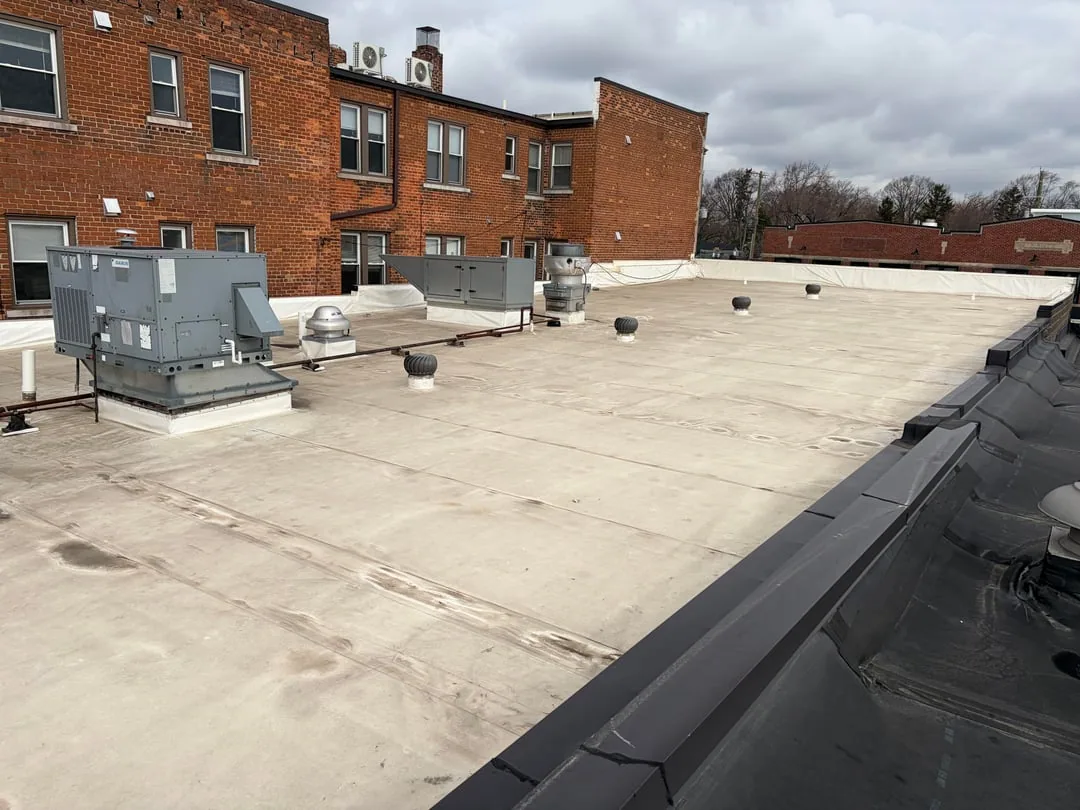
We begin with the room or exterior wall where the concern appeared, then check the roof area above and the adjacent details that can carry water sideways. The visible mark may follow a deck seam, parapet or penetration rather than sit directly beneath the opening. We inspect seams, drains, edge metal, wall terminations and previous patches, recording each observation by location. If the roof surface does not show an obvious opening, the report identifies the next useful test instead of treating an old repair as proof of cause.
At a district property, entry to a roof may require a key, escort or schedule set by the building operator. The site contact tells us which rooms, walkways or public areas need protection. We also confirm whether ladders, lifts, material staging or noise need advance coordination. Photos and notes can be assembled in a roof condition report that separates confirmed conditions from portions hidden by equipment or unavailable for inspection.
If water is entering during the visit, we can arrange a temporary emergency measure while preserving the question of permanent repair. We identify where protection ends, what the next rainfall may reveal and whether wet insulation or interior finishes need another assessment. For a historic exterior, the owner should tell us which wall or public-facing elements require a specific cover or no-contact zone before work starts.
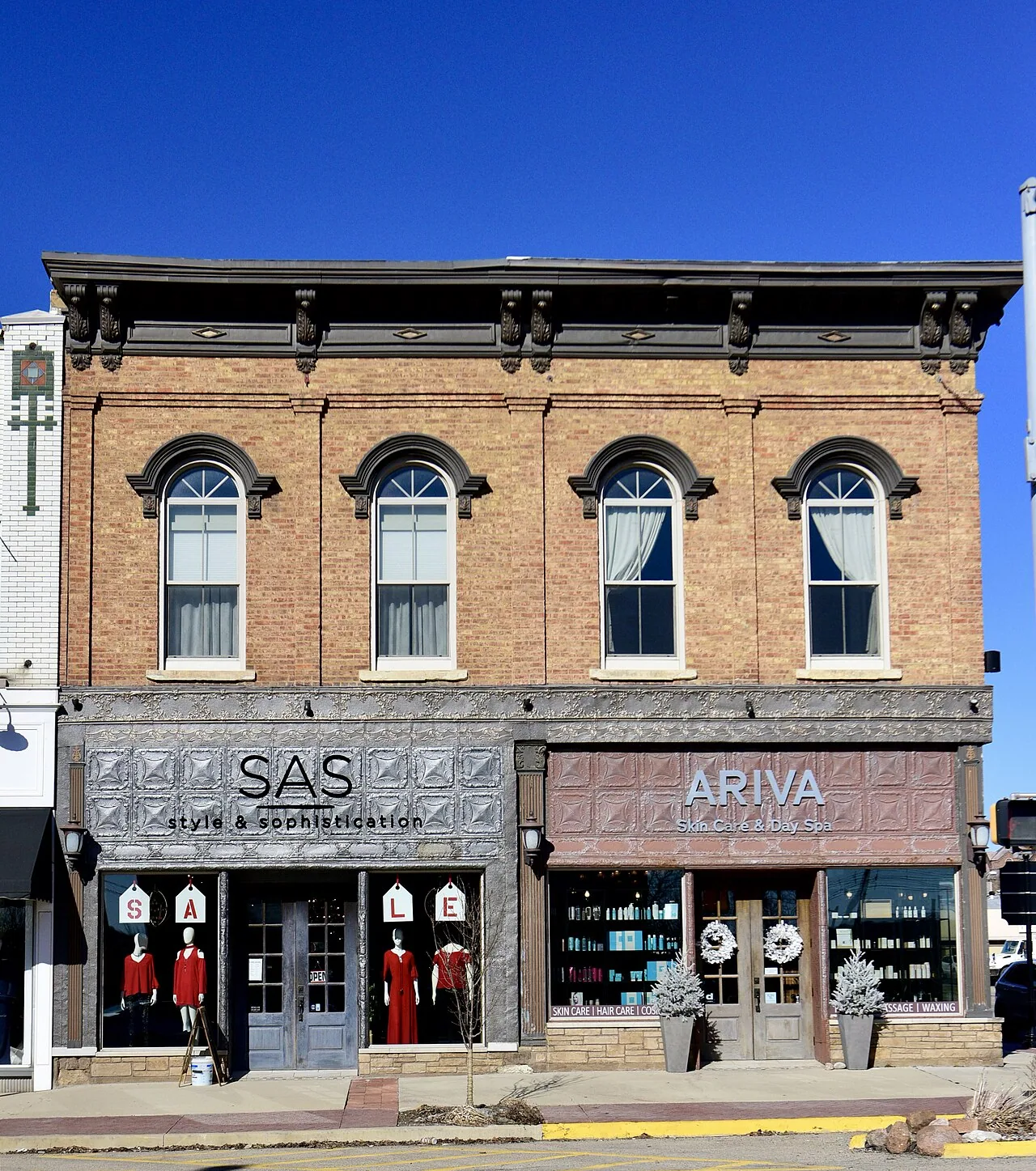
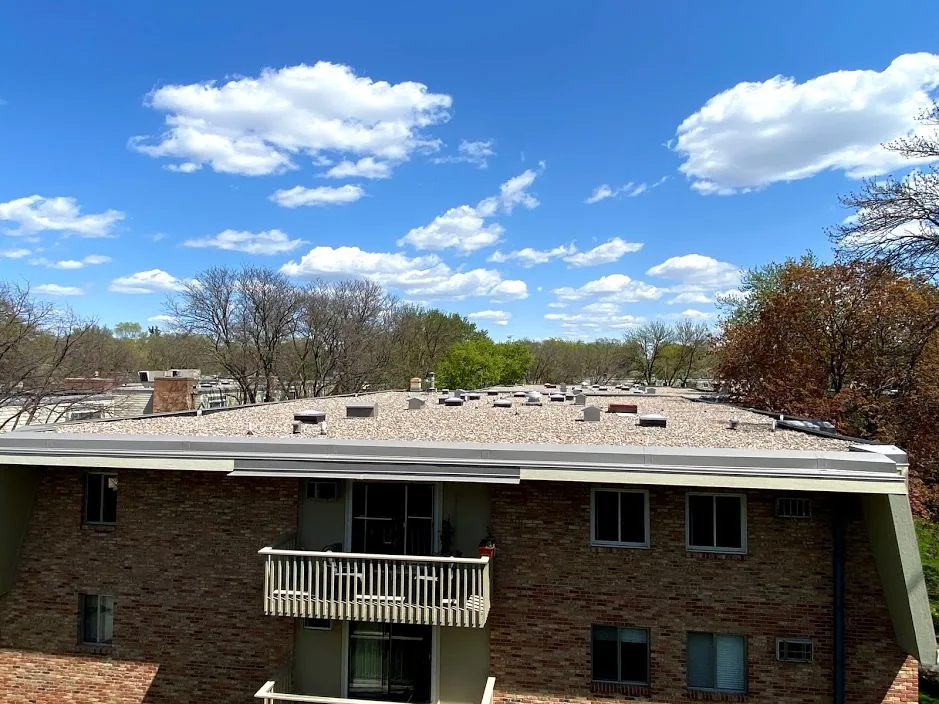
Roof-to-wall transitions deserve a close look because the membrane, metal counterflashing and wall surface must work as one water-shedding detail. We document the termination height, lap direction, sealant condition, fasteners and any visible movement. A mural or finished wall changes how the work area is protected, not what can be assumed about the flashing beneath it. We confirm whether the owner has finish restrictions, then select a repair method that addresses the roof detail without unneeded contact with the façade.
At ground level, Riverside Park, the library and Evans Community Complex are useful map references around the district. We set a barrier if falling debris or a lift could affect a walkway. Material, debris and tools remain within the approved work area, and the drain path is kept clear before the roof is left for the day.
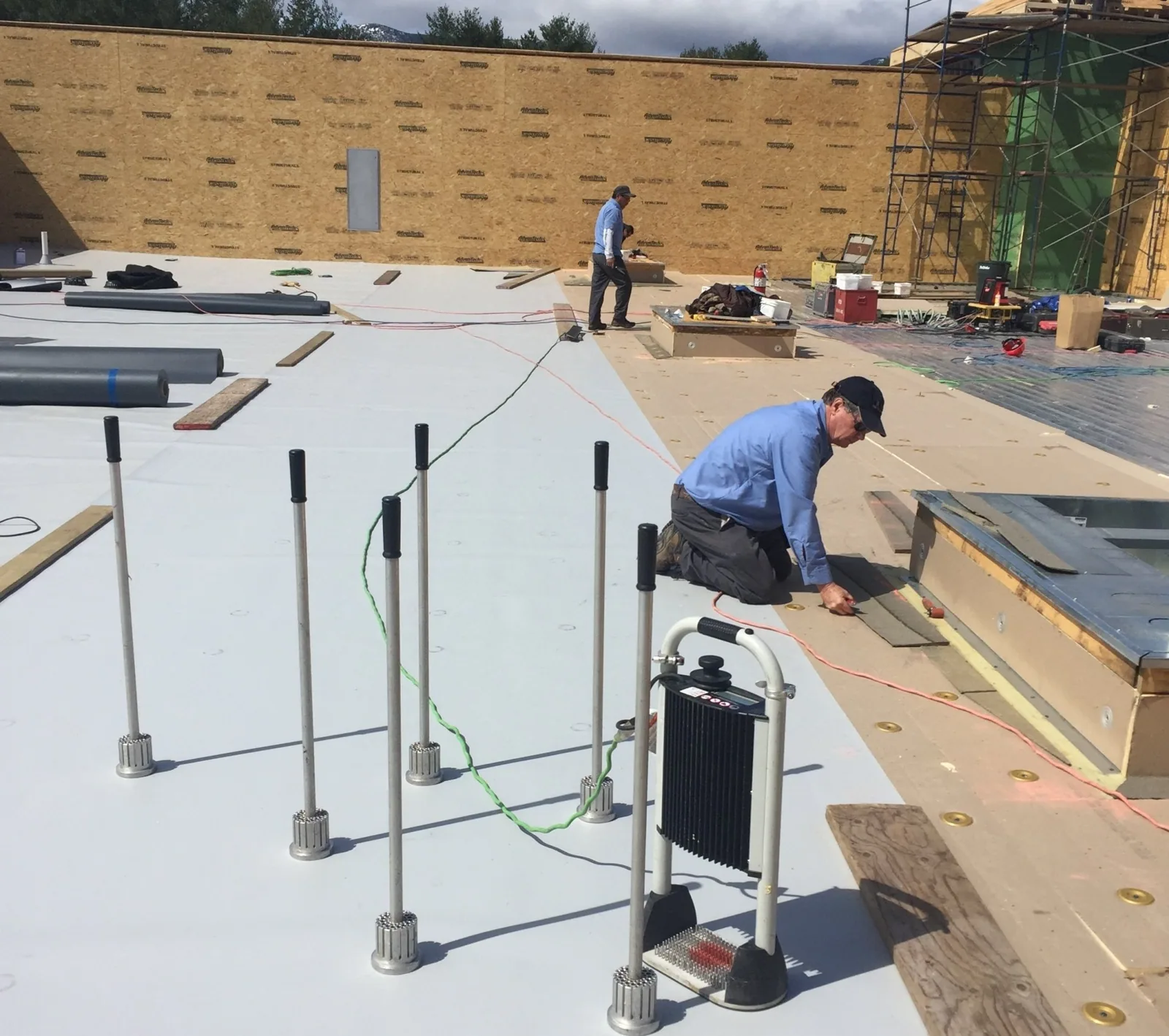
A written repair scope names the preparation, compatible material, tie-in, daily dry-in and closeout check. If removal exposes a different membrane or moisture beyond the approved line, we stop, photograph the condition and request direction. That keeps a repair limited to authorized work while giving the owner a chance to evaluate a broader option when field evidence supports one.
Greeley’s hot periods, snow and wind affect work windows. We check surface temperature and moisture at a Historic Evans property before choosing repair materials. We verify temperature, precipitation and manufacturer instructions before applying adhesive or coating. Heat can change handling, and cold or damp materials can interfere with a bond. If weather closes the safe work window, we protect the exposed area, identify the remaining task and reset the schedule rather than leaving an opening unsecured.
Hail and tornado activity in Weld County can prompt a roof inspection after reported exposure. We examine membrane, edge metal and equipment flashings, then document the conditions found at the individual property. Snow can also hide drains or create an unsafe route; those areas are marked for a return inspection once access is safe.
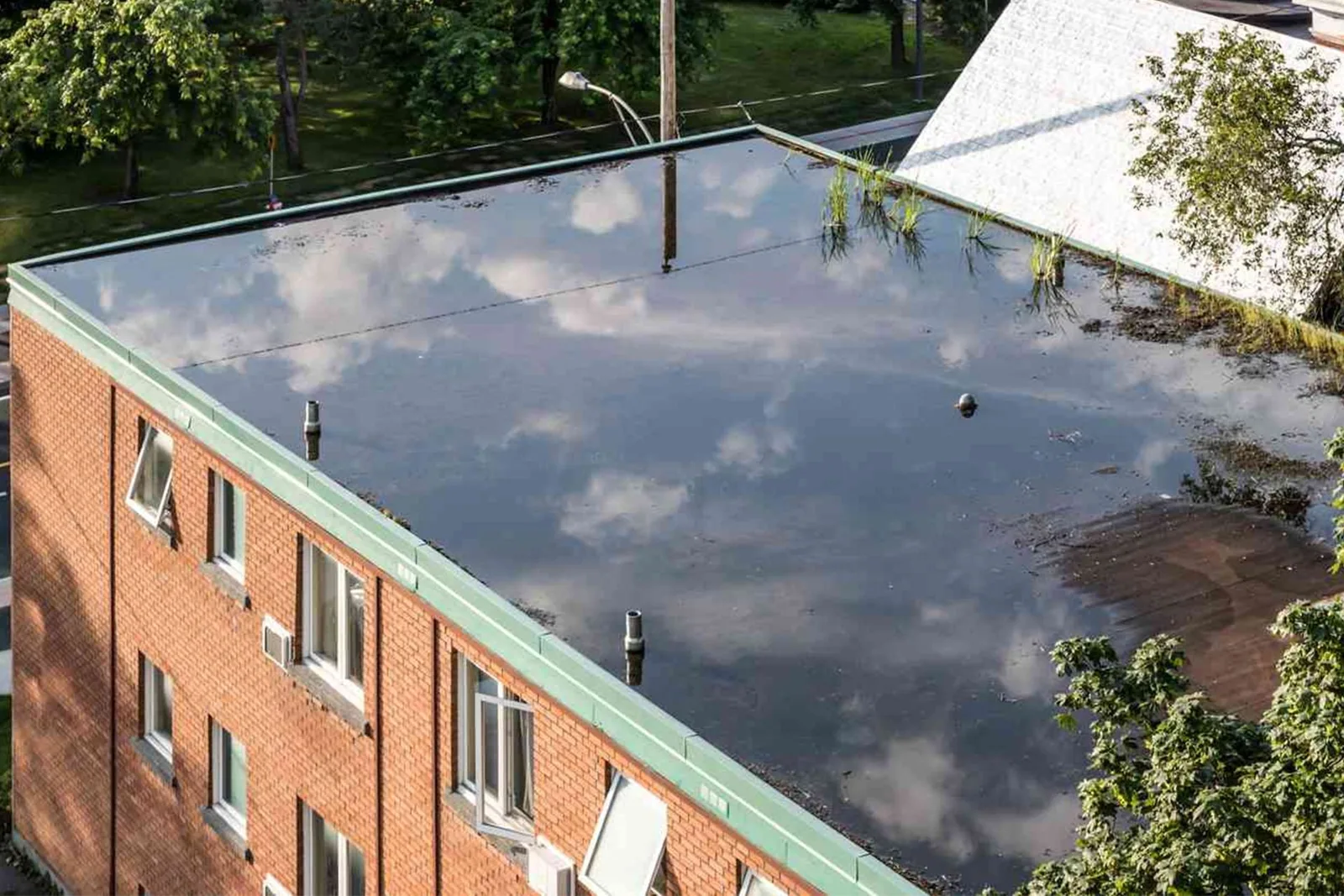
Greeley’s adopted building code is the 2021 International Building Code with local amendments. For a replacement, structural change or other permitted scope, the owner should confirm which provisions apply. A drain and scupper review helps check the water path, especially after snow or wind carries debris to low points. When runoff, masonry or a finished wall could be affected below, we record where roof discharge travels during the inspection.
No. The mural fact describes the exterior, not the roof detail. We inspect the transition and ask the owner how the finished wall should be protected during repair.
The property contact confirms access and adjacent use. We set a work boundary, protect the area below and coordinate any lift or material movement that could affect a walkway.
We check the roof-to-wall termination and nearby seams, then trace possible paths from the reported room. If the opening is not visible, we identify the test or return conditions needed.
A county entry gives regional context, but the building needs its own inspection. We document visible impacts and identify the affected roof zones.
The correct scope depends on the observed roof system, leak path, moisture, access and condition of the surrounding material. A local flashing repair may be enough when the field membrane and adjacent details remain sound. A wider wet area, recurring leak or failed attachment may call for testing or a replacement comparison. We explain what the inspection confirms and what remains unknown, with the price drivers separated by roof area, removal, material, protection, staging and disposal.
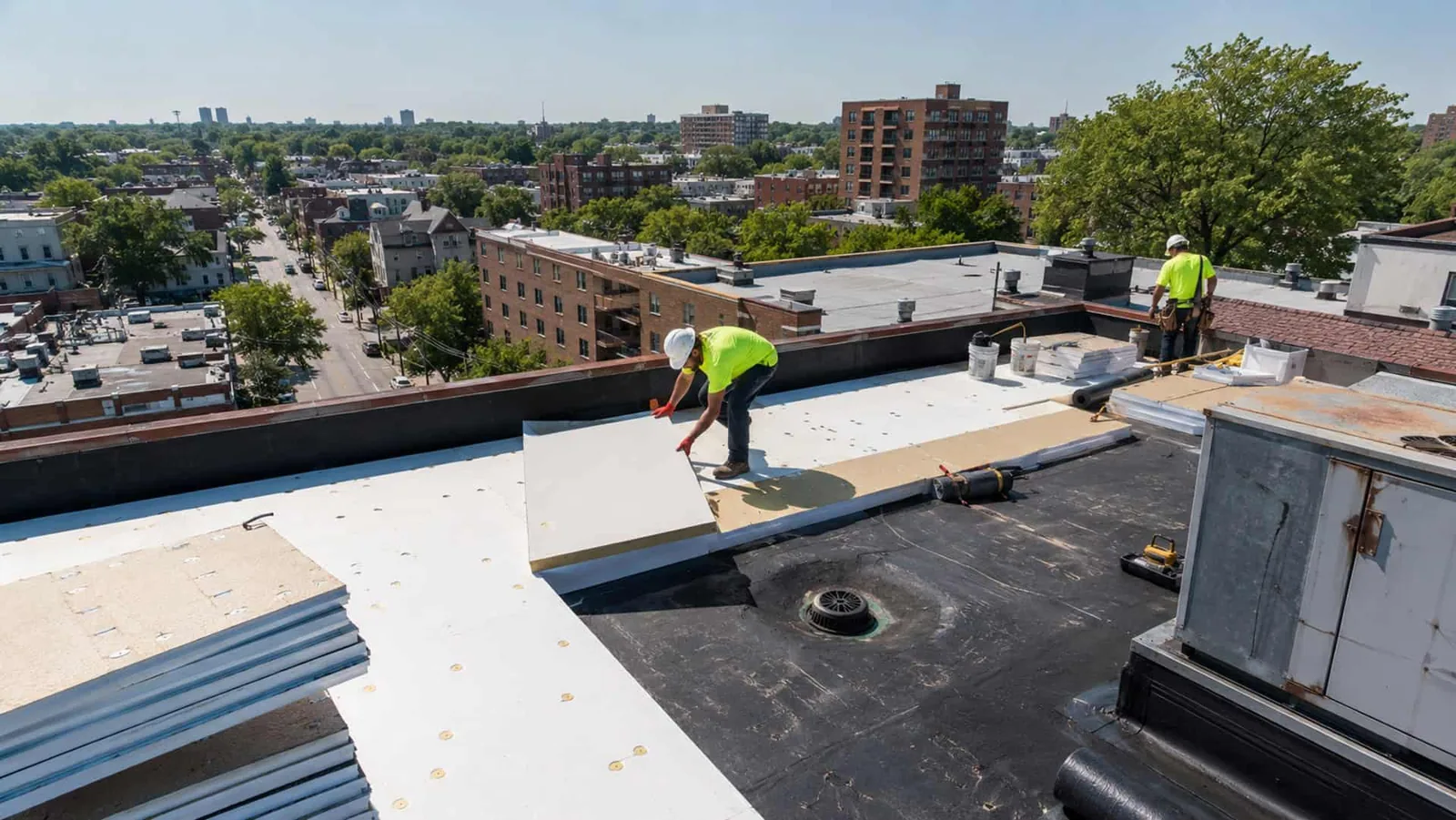
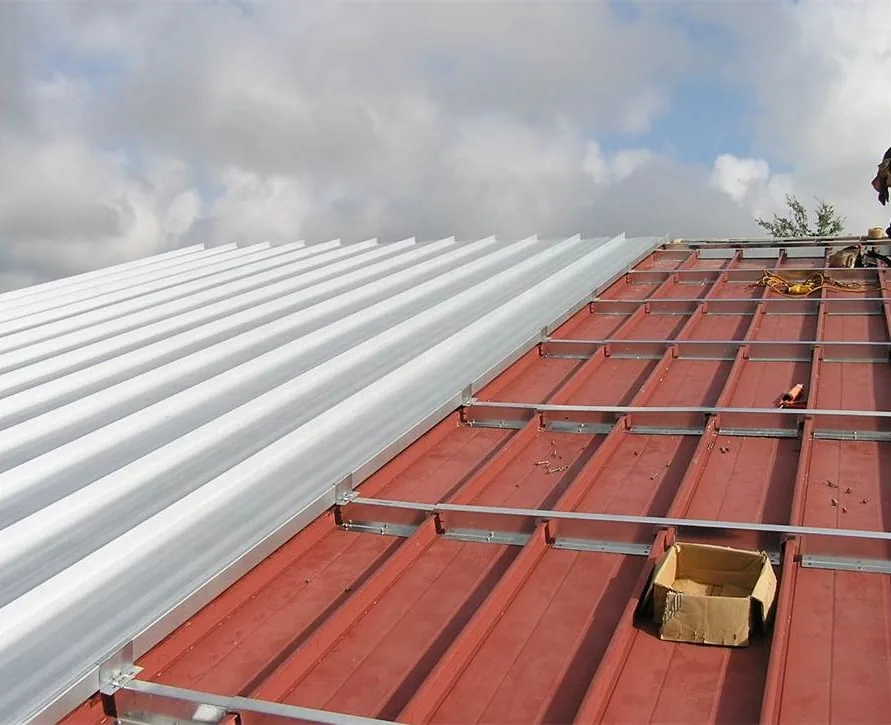
A recover can make sense only when the existing assembly and deck support it and moisture will not be trapped below the new layer. Replacement offers a chance to address concealed conditions, although it requires more removal, coordination and protection beneath the work. Historic character alone does not tell us which option fits. We use roof records, field observations and owner requirements. A metal roof retrofit is considered only if the inspected building has the relevant metal assembly and its condition supports that approach.
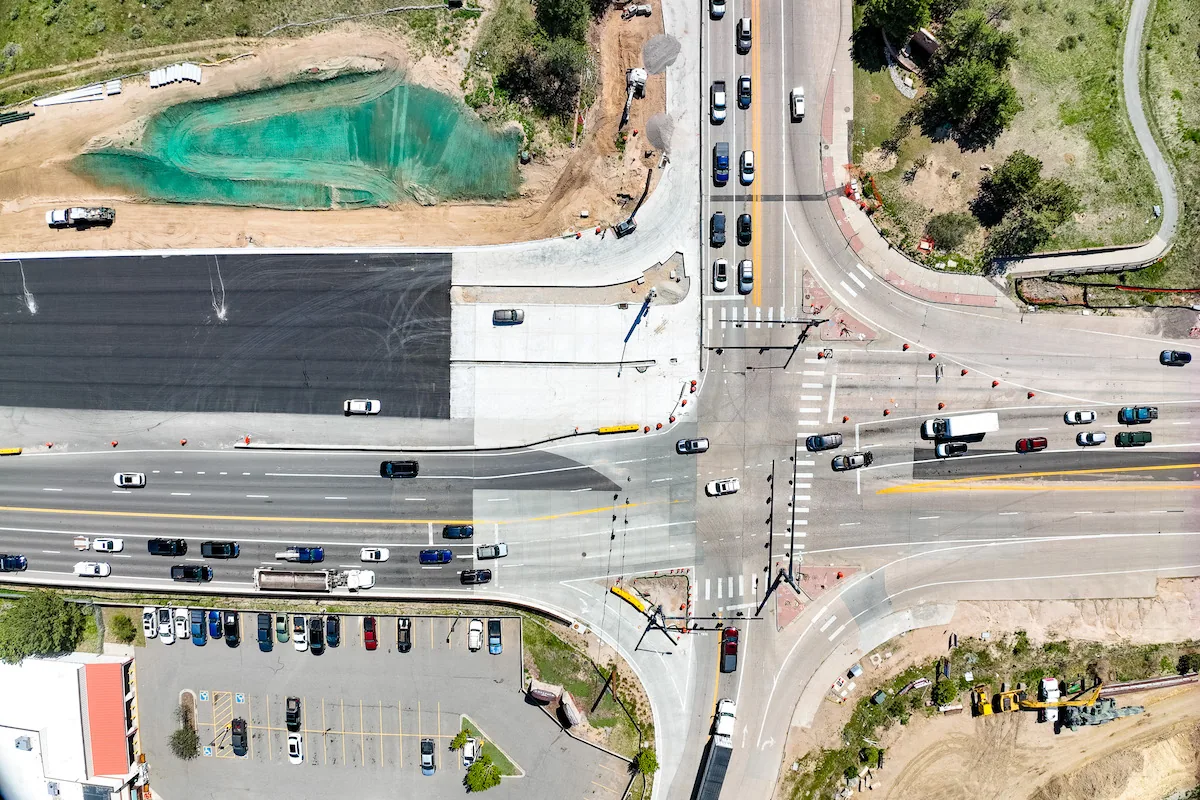
Separate visits in Evans and Evans Junction and the U.S. 85 corridor receive their own access plan and roof survey. We keep each report specific to its property.

Closeout identifies the roof area inspected, visible assembly, repair location, material used, photographs and any test result. If access stopped the crew before a wall or roof zone could be checked, the record says so. We also note protection below the repair and any finish care requested by the owner. That gives facilities staff a direct way to compare the completed detail with a later leak or maintenance visit.
Send the affected room or exterior wall, timing, past repair notes, available plans and access restrictions before we arrive. Identify any mural, public walkway or wall finish needing protection and the person who can approve a test opening. We will confirm the inspection boundary and provide a written scope with repair, testing and return items separated. For routine maintenance service, the next visit can check the same drains, terminations and edge details without assuming the entire roof shares the repaired condition.