Can new SPF go over the coating already on our roof?
The existing surface has to be bonded, compatible, clean and dry. We check the coating and foam, then use a test or removal area when appearance alone cannot establish adhesion.

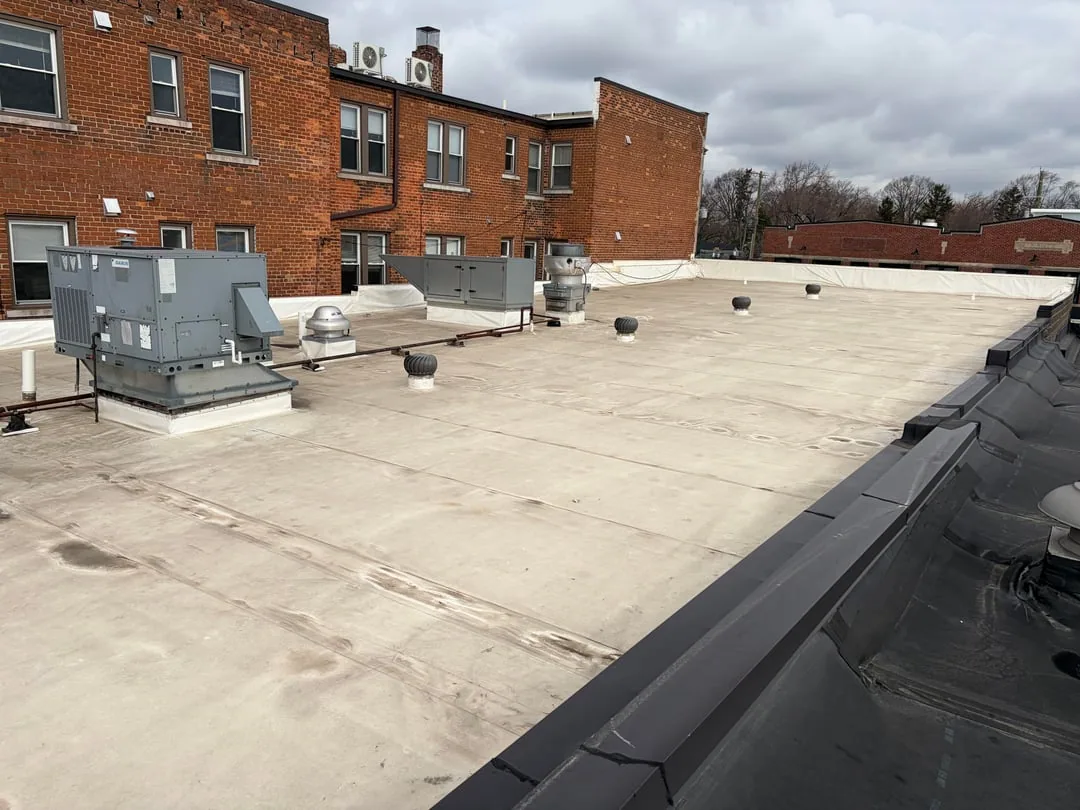
Blistering surfacing, worn coating or water collecting near a roof transition can put spray polyurethane foam on the option list. The first question is whether the existing assembly has a stable surface for new work. We inspect foam condition, coating thickness where accessible, drainage, penetrations and the roof edge, then separate repairable areas from material that may need removal. A commercial roof inspection ties those observations to photographs and a marked roof plan before a price or work sequence is set.
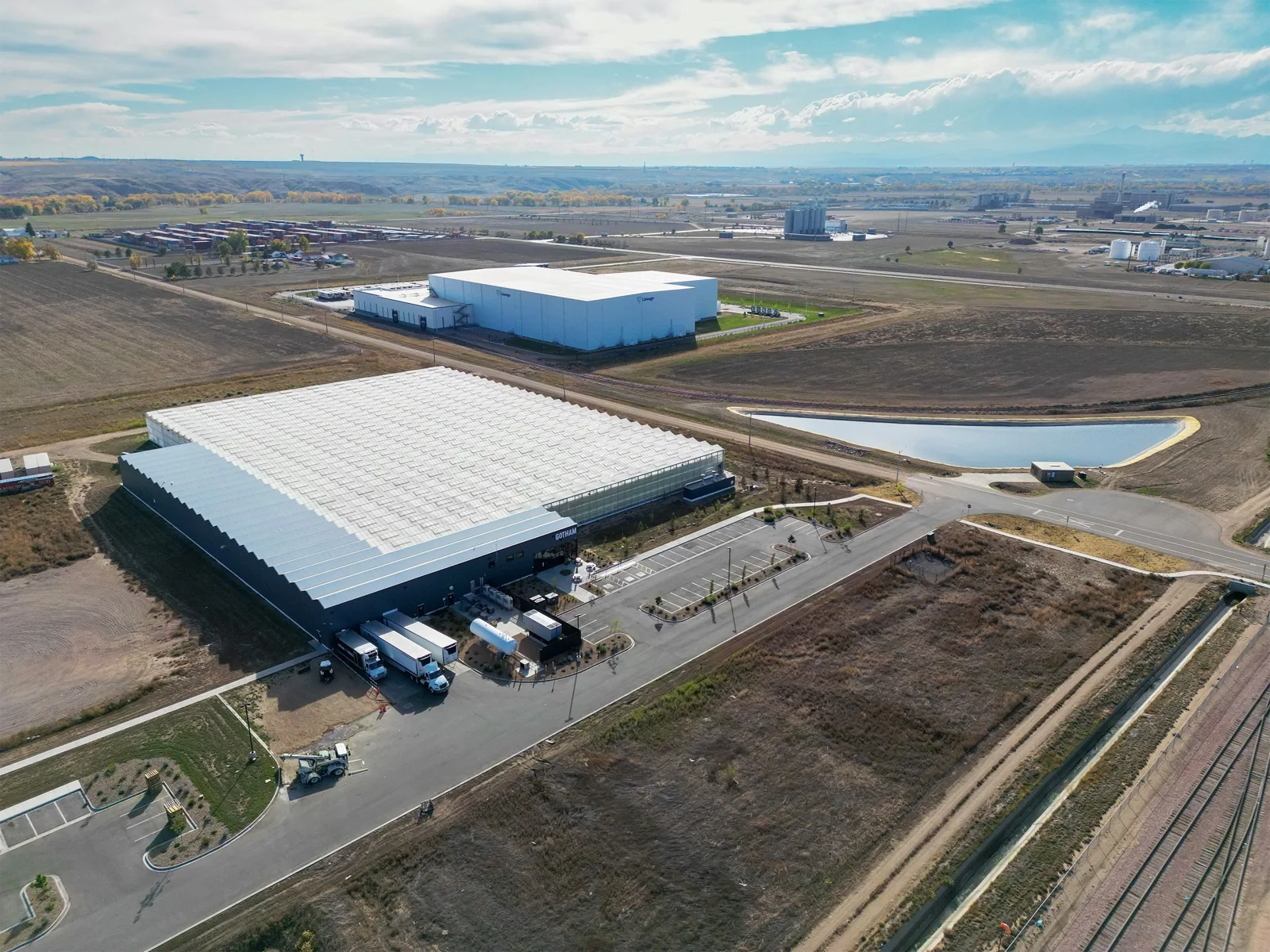
Greeley heat changes roof access and material handling, while hail and strong wind can affect exposed surfacing and details. After severe weather, we inspect the foam system for coating loss, punctures and movement at transitions before recommending localized restoration. We look for current impact marks, displaced coating, open transitions and water paths at the building. Properties at Highpointe Business Park and Great Western Industrial Park have distinct operators and site rules, so the assessment begins with the actual building, not an assumed assembly. We ask for the property contact, roof access procedure and the areas where water or service work has been reported.
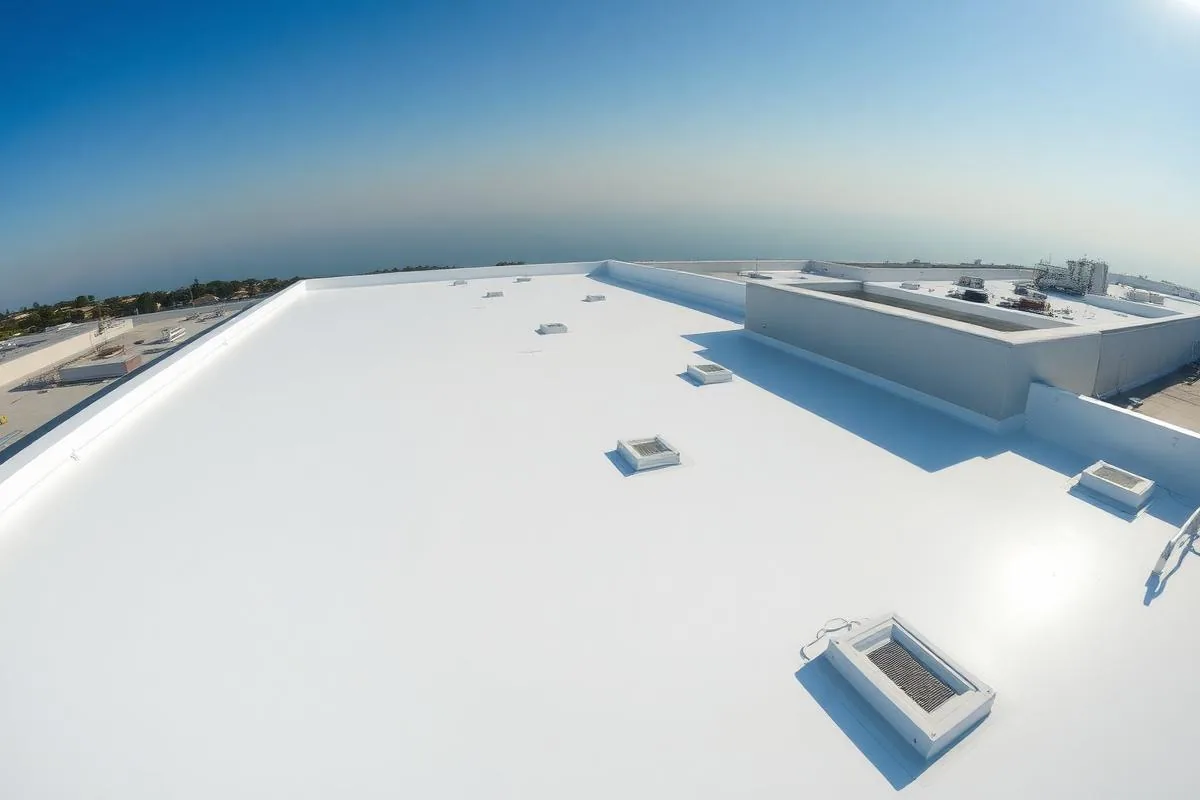
SPF relies on a bonded layer with a protective coating above it. We check for open splits, exposed foam, soft or crushed areas, blisters, punctures and places where water can sit. At penetrations and equipment curbs, the foam and coating should connect cleanly to flashing details without leaving a thin edge for water to enter. We compare suspect areas with interior leak reports and inspect nearby drains, scuppers and slope transitions. If moisture may extend below the foam, we identify a test location before proposing another layer.
A coating surface can look tired while the foam beneath it remains sound, or a neat-looking roof can conceal trapped moisture. We distinguish what can be seen from what needs a probe, test cut or additional survey. Where the assembly is uncertain, infrared moisture mapping can help target the next check, subject to the roof’s construction and conditions. The report records roof zones, visible defects and limitations, then states whether maintenance, localized repair, recoating or broader removal deserves evaluation.
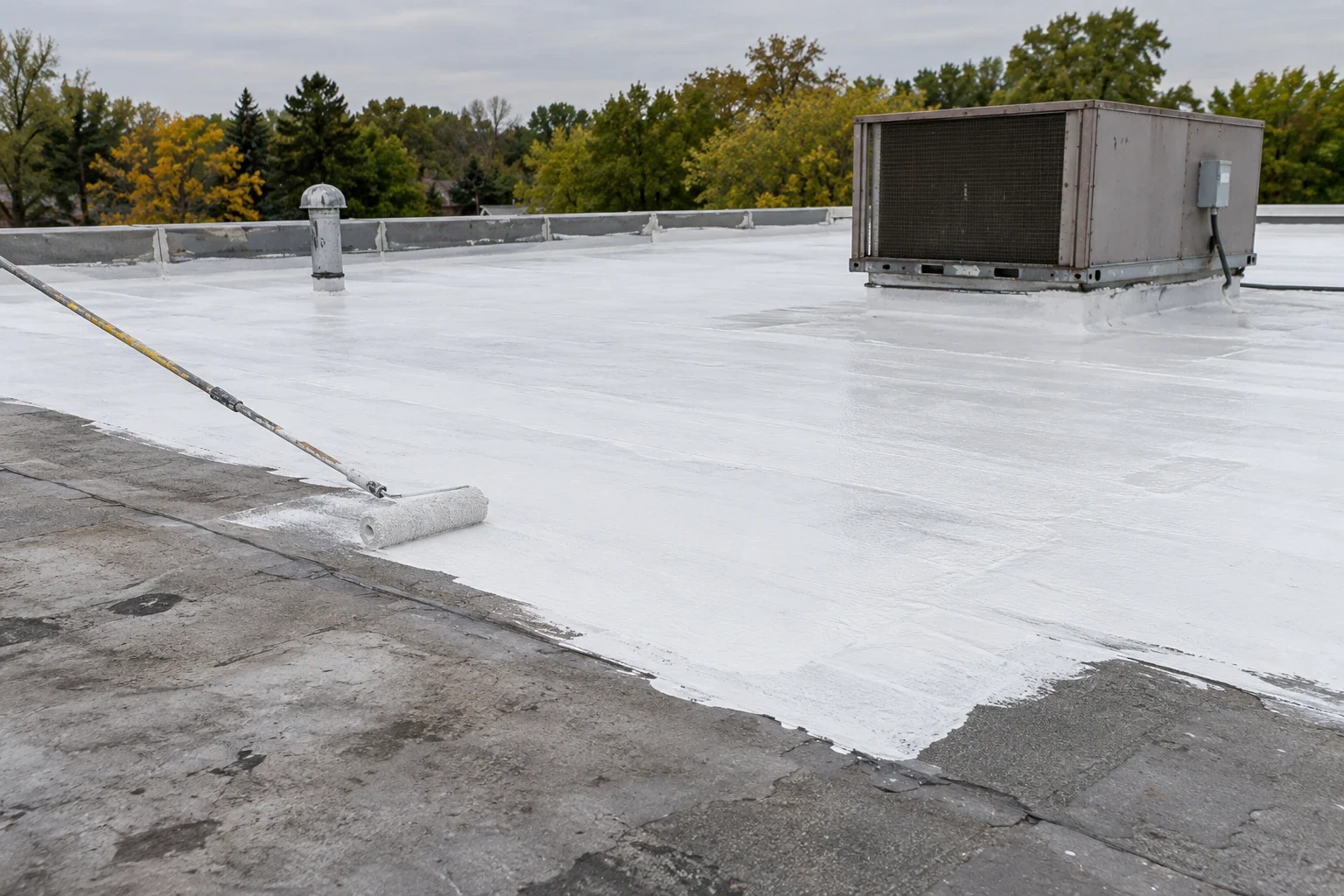
Before foam or coating goes down, the substrate must be clean, dry and suitable for bonding. We remove loose surfacing, address contamination, open failed details and check whether the existing coating is compatible with the proposed material. A small adhesion test can answer a practical question before a larger area is committed. The scope identifies preparation, repair boundaries, primer where required and conditions that would stop application. Skipping surface preparation can leave a new layer attached to material that was already separating.
SPF is applied in controlled passes so thickness and shape can be checked as the roof develops. The crew protects equipment, intakes and nearby surfaces from overspray, and the site contact confirms restricted zones before work begins. We plan how drains, curbs, wall flashings and edge metal will remain clear as foam is placed and trimmed. At a warehouse or production property, deliveries and roof access must fit the operating schedule. The written sequence shows which area is prepared, sprayed, inspected and coated next.
Sunlight degrades unprotected foam, so the surfacing above it is part of the roof assembly rather than a cosmetic finish. A protective coating must cover the foam at the specified thickness and remain continuous around drains, curbs, walls and other interruptions. Greeley Airport records include days at or above 90 degrees and record readings above 100 degrees. We use current surface and air conditions to plan application windows, because heat affects worker exposure, cure and material handling.
Hail, wind and snow create separate inspection questions. After a reported storm, we check for impact damage, coating loss, debris, displaced edge details and water entering at transitions. After winter weather, we inspect drainage and attachment at the roof rather than assuming the same condition across nearby buildings. Near the U.S. 85 Business Corridor, delivery and staging rules are property-specific, while regional weather helps inform timing. A follow-up inspection after a major weather event can catch a small coating break before moisture reaches the foam.
The existing surface has to be bonded, compatible, clean and dry. We check the coating and foam, then use a test or removal area when appearance alone cannot establish adhesion.
We inspect exposed foam, coating breaks, soft areas and moisture clues, then define any probe or test opening needed. Broad concealed damage can change the decision from repair to removal.
A specified protective coating covers the foam and must remain intact around edges and penetrations. We check coverage and repair damage before exposed foam weathers further.
We divide the roof into work zones, coordinate deliveries and protect equipment or air intakes. Cure conditions and weather can affect the sequence, so the site contact receives updates on each active area.
Leak locations, earlier coating records, roof plans, access requirements and equipment layouts help us prepare. Highpointe and Great Western Industrial Park sites should include their own contact and delivery rules.
A focused repair can make sense when damage is limited and the surrounding foam remains dry, bonded and well shaped. We remove unsound material, rebuild the affected area with compatible components, and restore the protective surfacing. Recoating may be appropriate when the foam is sound but the finish has aged; the coating manufacturer’s requirements, existing layers and surface preparation govern that decision. If broad moisture, poor adhesion or repeated repairs extend across the roof, the owner may need a removal or replacement comparison instead.
Cost and duration depend on roof area, access, preparation, coating condition, foam depth, drainage work and how many transitions need rebuilding. Added layers can affect equipment clearances and perimeter heights, so we check those details before recommending restoration. A silicone coating system or acrylic coating system may be evaluated for a compatible assembly, but neither material is a universal answer. We describe the roof evidence, the proposed build-up and the limits of any warranty terms attached to selected materials.
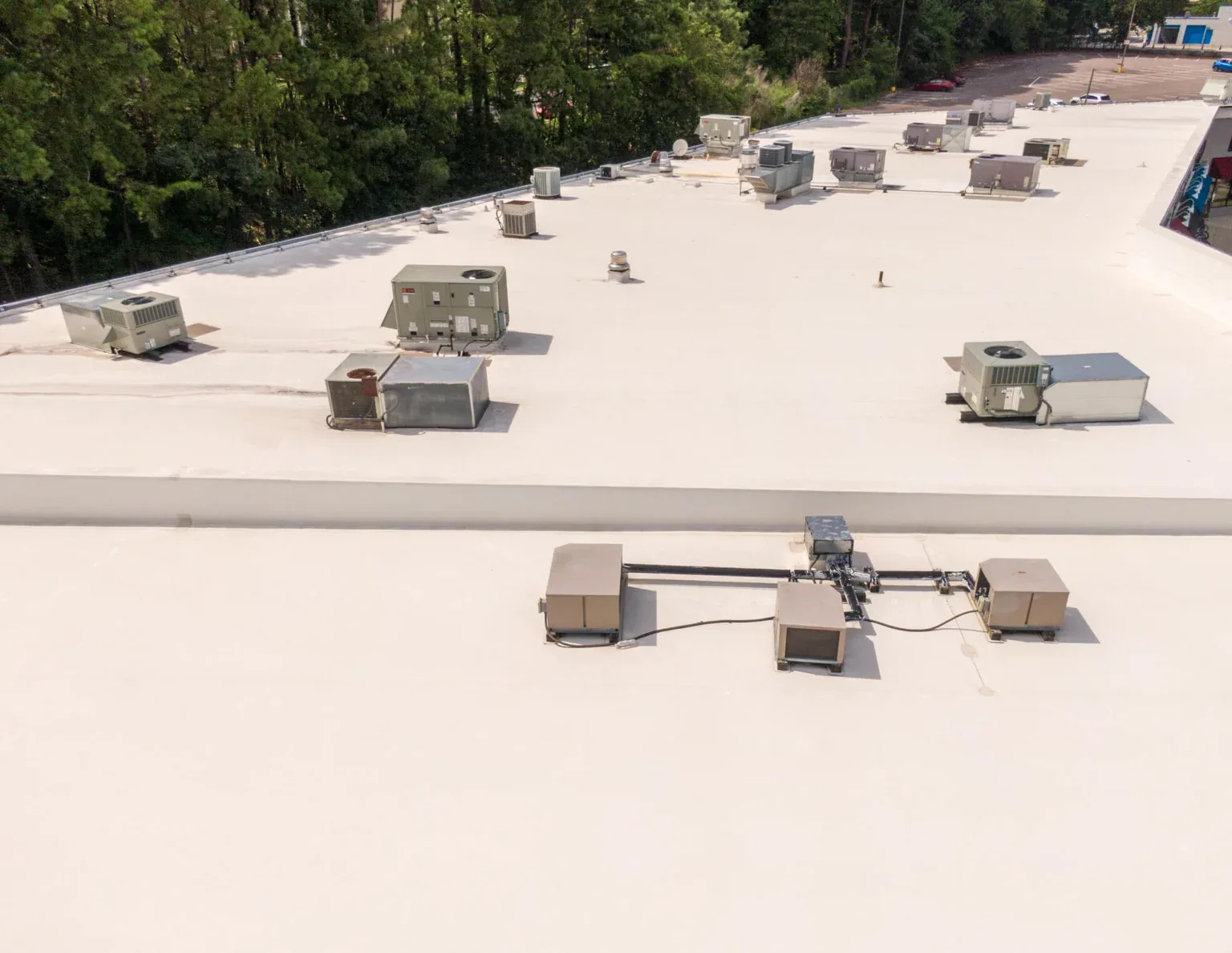
Closeout should identify where foam was installed or repaired, the measured build-up, coating system, details completed and any area left outside the work. Photographs should show drains, curbs, wall transitions and roof edges, not just open field. We provide the site contact with maintenance guidance for foot traffic, future equipment work and prompt reporting of surface damage. Keeping a roof plan with repair boundaries gives later technicians a reference when they inspect a seam, probe a suspect spot or plan another coating cycle.
Send prior leak notes, roof drawings, access instructions, equipment locations and any known coating history before the visit. Tell us which rooms or operations cannot be interrupted and whether deliveries require advance coordination. The mix of industrial and commercial property described at Highpointe Business Park is a reminder that neighboring sites may have different operating schedules, not that their roofs share a design. We will inspect the specific Greeley roof, explain what the surface can support and leave the owner with a defined next step.