Is acrylic coating suitable if water stands on the roof?
Persistent ponding can limit acrylic suitability. We check slope and outlet performance, then decide whether drainage correction or a different system should be evaluated.
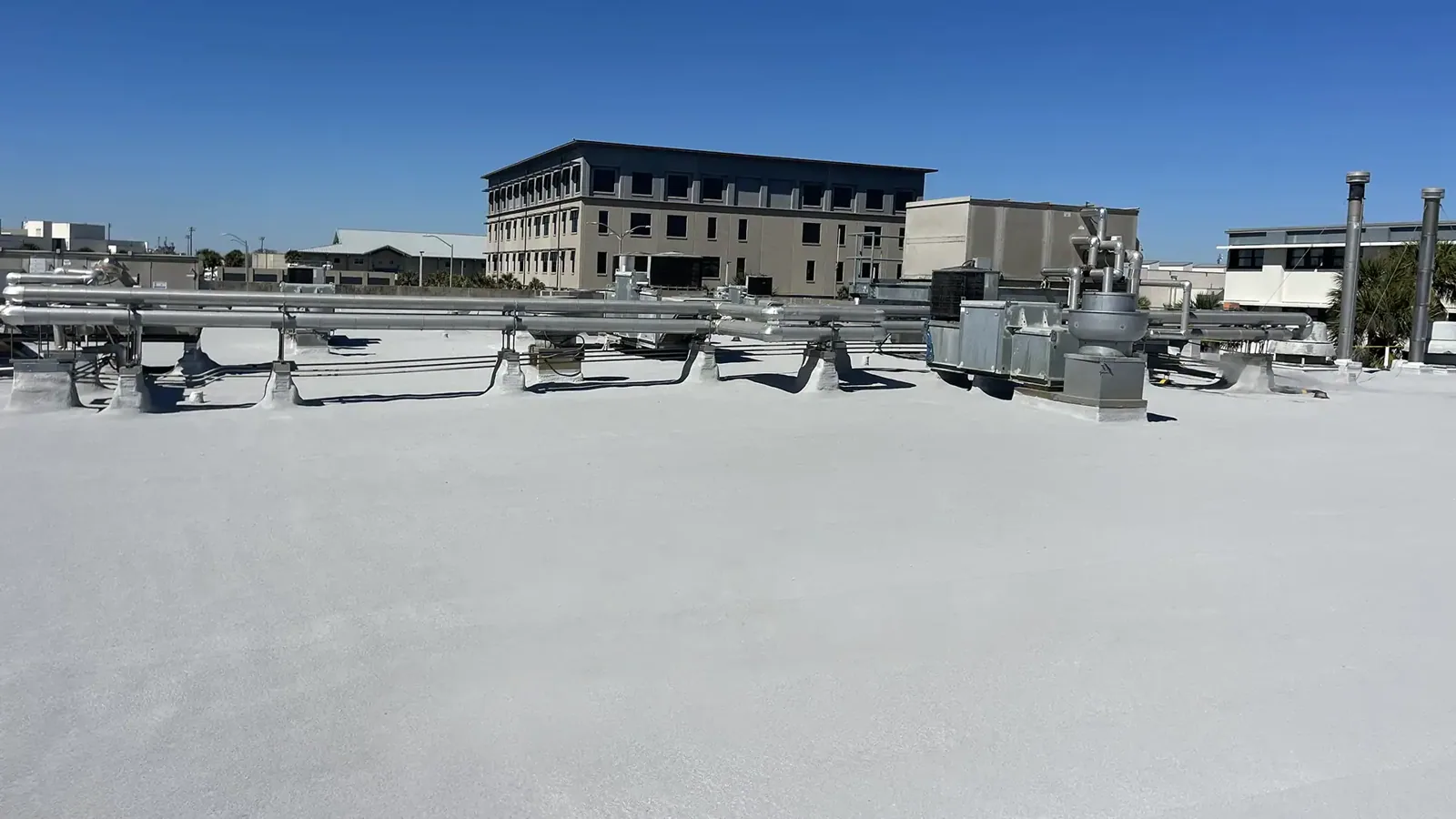
Faded coating, surface wear or a roof that heats quickly in the afternoon can start an acrylic restoration discussion. The first check is whether the existing roof can accept another layer and shed water between application and cure. We inspect slope, drains, seams, adhesion and areas that hold moisture, then identify the preparation and repair work a coating would require. The owner gets a marked scope that separates roof correction from coating coverage. A commercial roof inspection can establish that baseline before a restoration proposal is developed.
Greeley’s summer heat and occasional severe weather affect both roof exposure and the available work window. Greeley Airport climate records include high-temperature observations, snowfall and wind, while Weld County summaries document hail near the city. Those conditions call for inspection after events, not assumptions about a particular property. At the Aims Community College District or the University of Northern Colorado District, access and operating schedules must be confirmed with the site contact. The roof itself determines whether acrylic is a reasonable system to price.
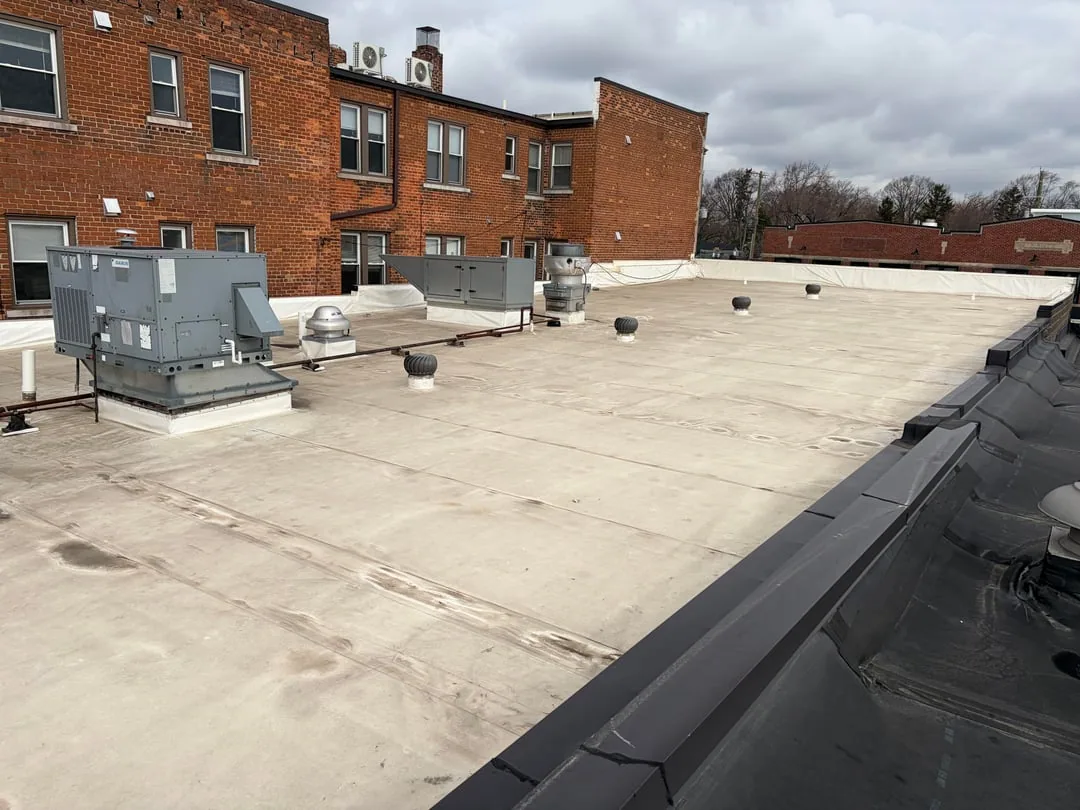
Acrylic coatings work best when water can drain and the surface is prepared to the system requirements. We map low spots, clogged outlets, open seams, worn flashing and the transitions where roof and wall meet. If ponding remains after normal drainage time, we investigate its cause instead of assuming another film will correct it. Wet or soft materials, widespread adhesion loss and repeated leak repairs can make coating a poor fit. We list those conditions by roof area and explain what test or repair would settle an open question.
On metal roofs, movement at panel laps and fastener rows can stress a coating differently from a membrane field. On an older membrane, patches, contaminants and incompatible surfacing can interfere with adhesion. We check representative areas and use a test patch when needed before committing to a large application. Water entry around a curb or drain needs a detail repair first; an outlet and drainage review can help distinguish blocked flow from a roof-shape problem. The report notes both what can be coated and what should remain outside that scope.
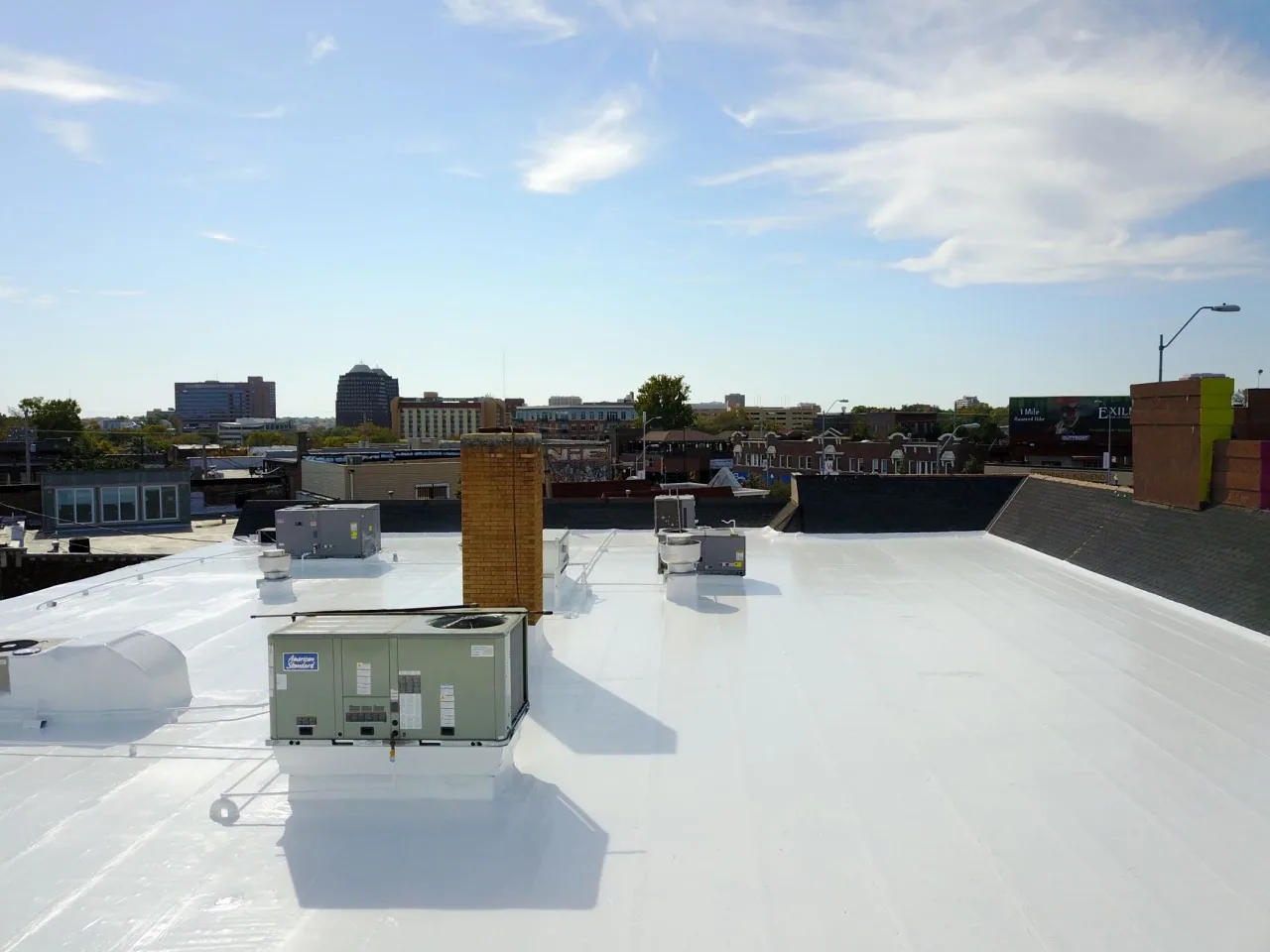
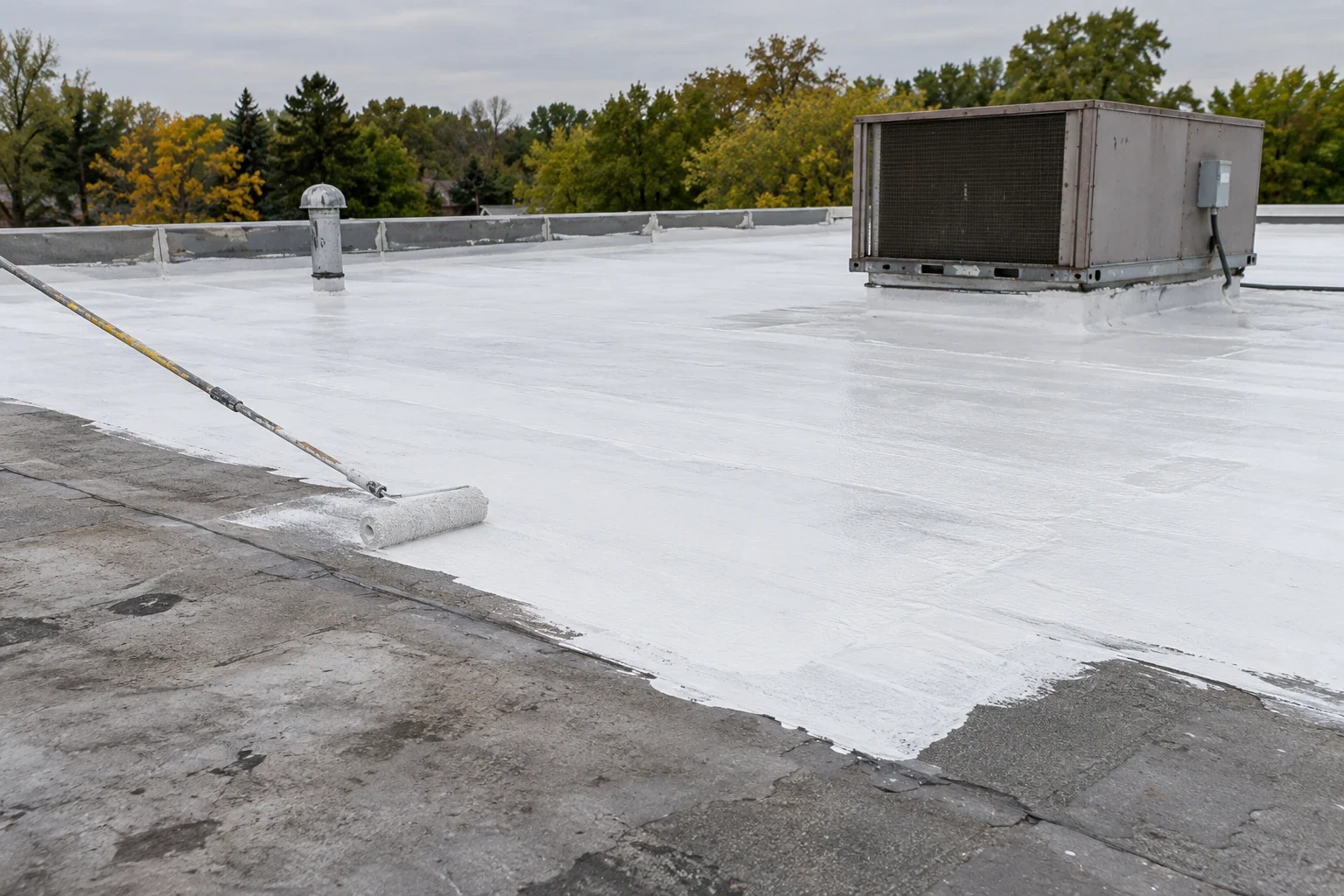
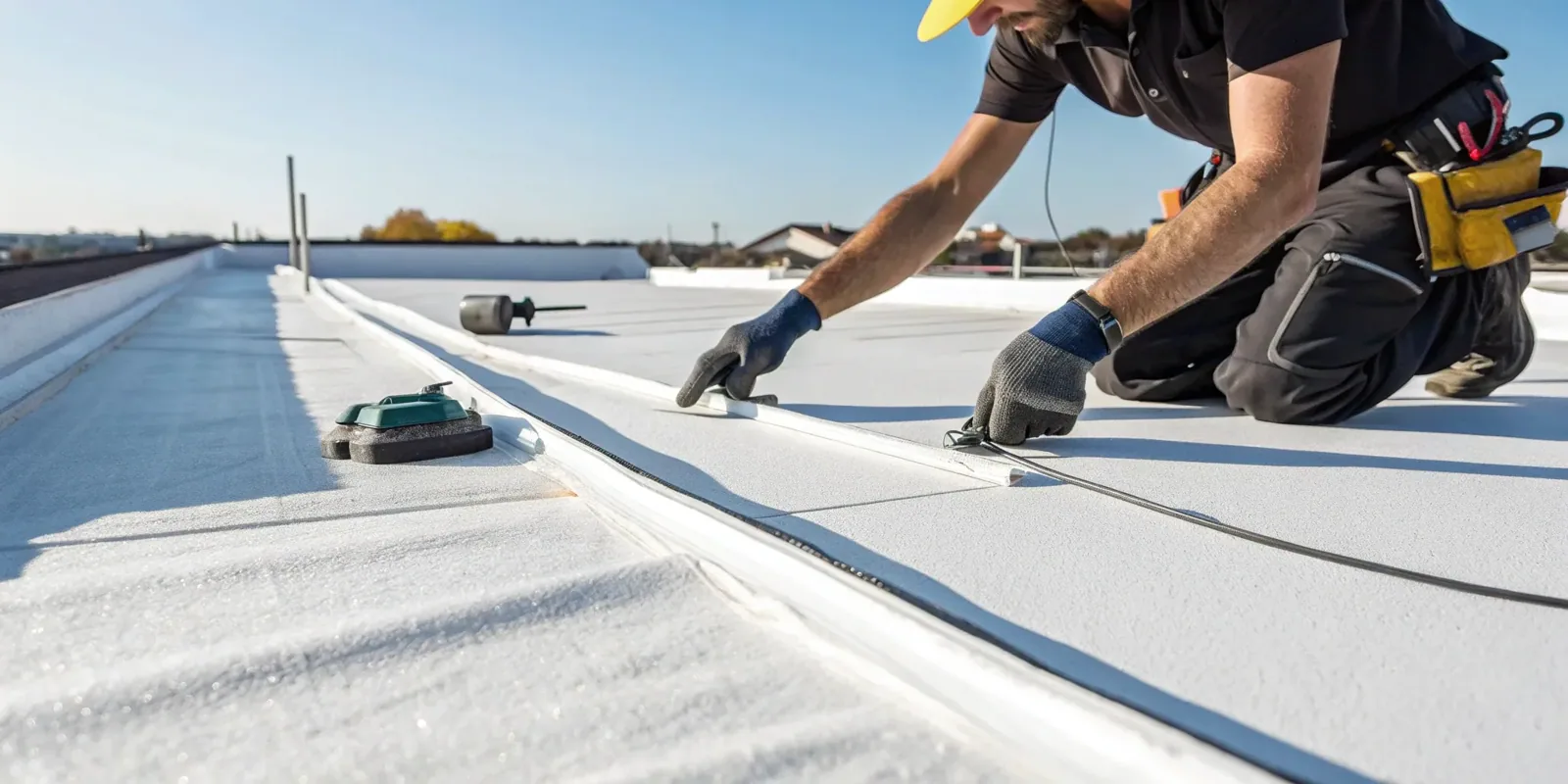
Preparation includes removing loose material, cleaning the surface and repairing defects that would interrupt the coating film. The scope identifies primer or reinforcement where required by the selected system and names the boundary between repair and new coating. We protect equipment, intakes, walk paths and adjacent property from overspray or runoff. Around walls, curbs, drains and metal edges, the system must connect with compatible flashing details; simply extending the field coating to a vertical surface does not make the transition sound.
Acrylic application depends on suitable surface and weather conditions, including time for the material to dry before rain, dew or freezing temperatures. The crew checks the forecast and current roof conditions before each section, then adjusts the sequence when a surface is too wet or cold. We record the applied material and coverage by zone, and keep drainage openings clear throughout. If the property remains occupied, the site contact receives the daily work boundary and can route staff away from active areas. Roof work can then progress without leaving the building team to guess what is open.
Bright coating can reduce solar absorption on a compatible roof, but that benefit depends on coverage, maintenance and the assembly below it. Greeley Airport records show hot days as well as winter snowfall, so work planning has two separate concerns: safe summer roof access and dry, suitable conditions during installation. Heat may limit how long crews can work on exposed surfaces. Cold, moisture or a narrow dry-time window can delay an application. We make the daily work decision from observed conditions rather than a fixed calendar date.
After hail or wind, we inspect the coating, membrane and flashing for observable damage and compare findings with reported leaks. Snow or debris can hide drains and low areas; we check drainage after the obstruction clears. Around West Greeley Mall Area, the City’s current planning activity describes mixed-use investment but does not establish roof types. We keep the recommendation tied to the property we inspect.
Persistent ponding can limit acrylic suitability. We check slope and outlet performance, then decide whether drainage correction or a different system should be evaluated.
We inspect adhesion, contamination, repairs and moisture clues, then test a representative area if the assembly remains uncertain. Loose or wet material needs correction before coating.
A bright surface can reduce solar absorption, but building comfort also depends on insulation, ventilation, equipment and operating conditions. We describe the roof system without promising a specific indoor change.
We sequence work only when the surface and dry-time window meet the selected system requirements. If conditions change, we stop at a defined boundary and protect the open area.
Send product details if available, previous repair notes, leak timing, roof plans and access rules. The Aims and UNC districts both illustrate why site operations need a contact-specific schedule.
Acrylic can suit a compatible roof with positive drainage, an intact substrate and details that can be repaired before coating. It deserves reconsideration where water remains for long periods, where the surface cannot be cleaned adequately, or where moisture has reached the insulation. A silicone system may be evaluated for some roofs with standing water, while spray foam roofing involves a different assembly. We compare those choices against what the inspection shows, not against a claim that one material suits every roof.
Preparation, roof area, repairs, access, primer, reinforcement and required coating coverage shape cost and duration. If tear-off becomes necessary, disposal, insulation and recovery details enter the estimate; if the roof stays, drainage correction and perimeter work may still be needed. We state the expected work sequence, the surfaces included and the conditions that would prompt a change. The silicone coating option can be compared side by side when material behavior or water exposure makes that relevant. A written comparison helps the owner see why a repair, restoration or replacement is proposed.
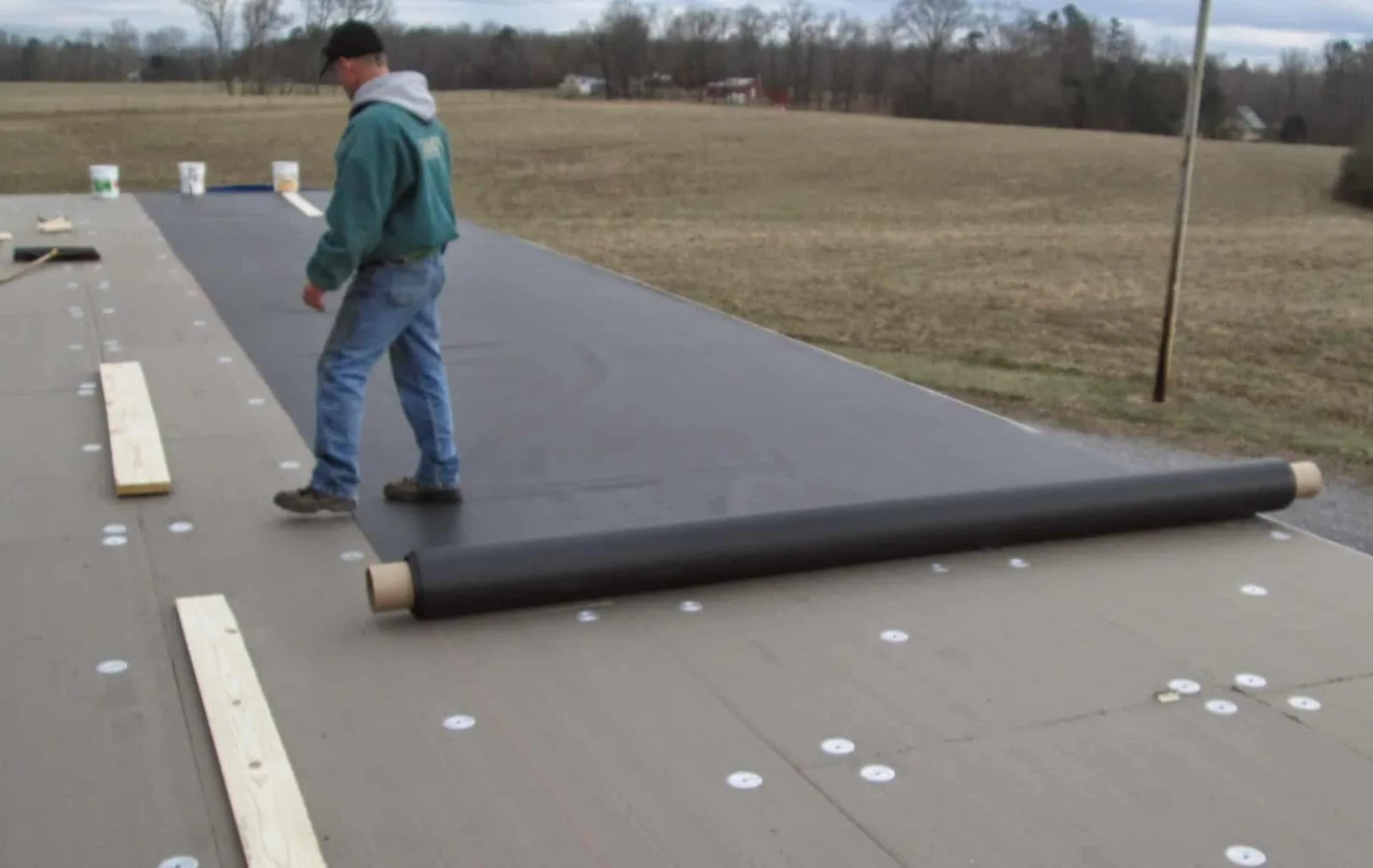
After coating, roof access should be controlled so later trades do not cut or abrade the new surface. We provide care notes for cleaning, inspection intervals and prompt repair of damage, along with photographs of completed details and any excluded area. The record identifies coating product, application zones, repair locations and drainage points. A site contact can use it to brief service contractors before equipment work, and the next roof walk can compare observed wear with the installed baseline rather than relying on memory.
Before an assessment, send roof plans, leak dates, previous coating records, repair invoices and access limits. Include the people who can authorize entry and the operating windows that matter to the building. A campus property in Greeley may have different scheduling needs from a retail site, even where the weather is shared. We inspect the exact assembly, document the preparation needed and explain whether acrylic, another restoration system or replacement is supported. The owner leaves with the work boundary and follow-up steps in writing.