Restaurant Roofing in Greeley, CO

Property Types We Roof

Restaurant Roofing

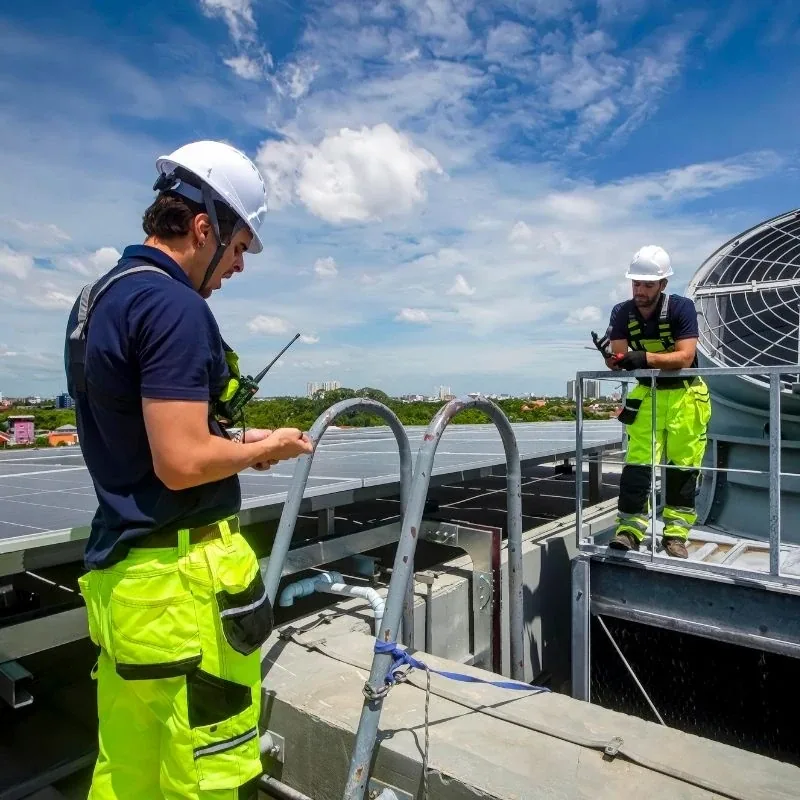
A ceiling drip over a dining room or kitchen can force a manager to move guests before the roof source is known. We locate the reported area, inspect the roof above it and follow nearby drains, curbs, exhausts, seams and wall joints. The findings separate the immediate response from the permanent work so a restaurant can plan service around a clear repair boundary. The 10th Street Urban Renewal Corridor made its first facade-program award to a local restaurant in March 2026. At a restaurant roof, we inspect exhaust curbs, seams and drains before setting the repair limit.

The work plan should account for kitchen ventilation, grease-control equipment, food preparation, deliveries and dining hours. We confirm which equipment must keep operating and coordinate roof access with the person responsible for it. The 10th Street Urban Renewal Corridor and U.S. 34 Business Corridor are local commercial settings with different access patterns; the restaurant contact tells us what applies at its property.

Check roof openings above kitchen equipment

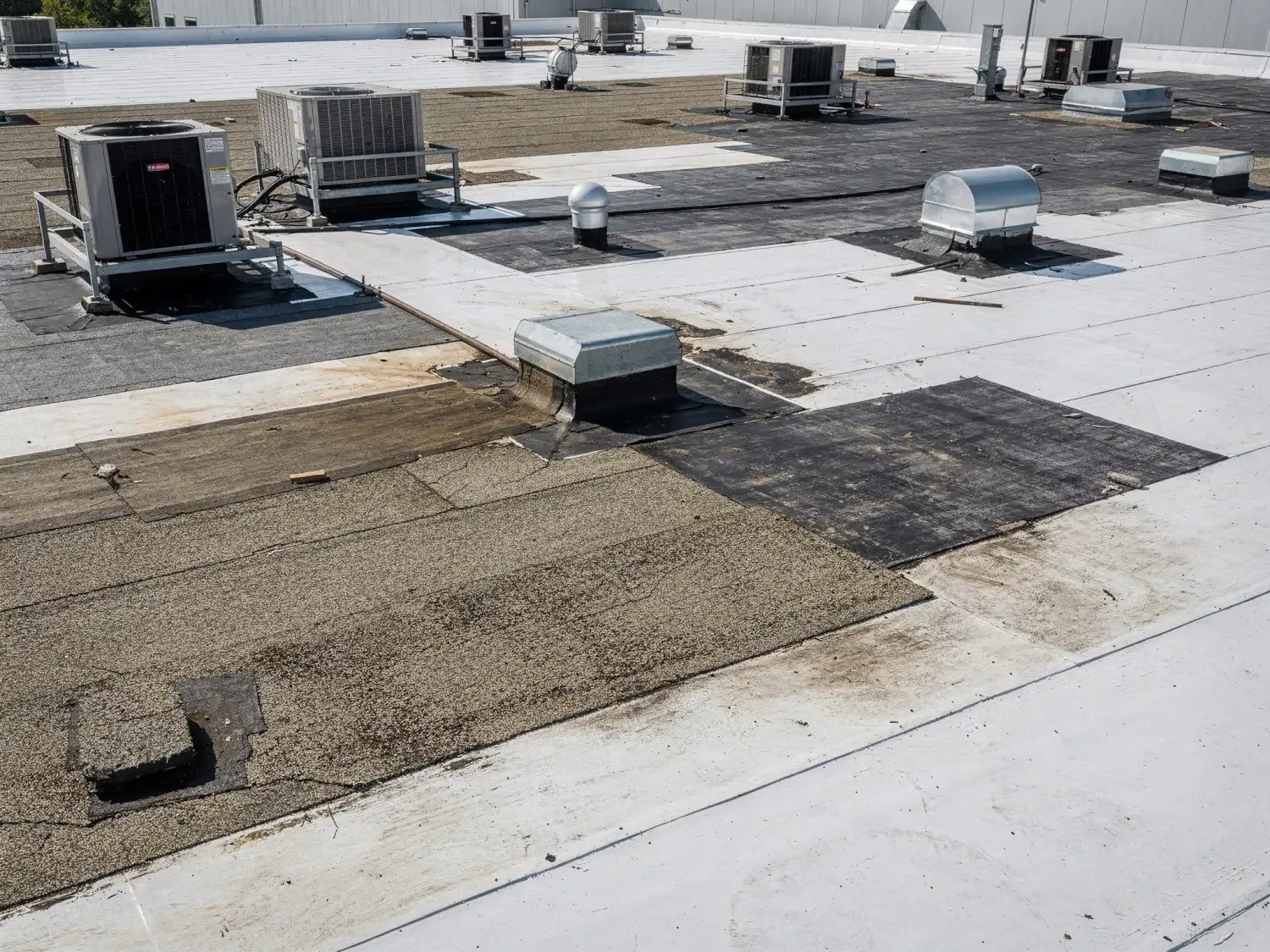
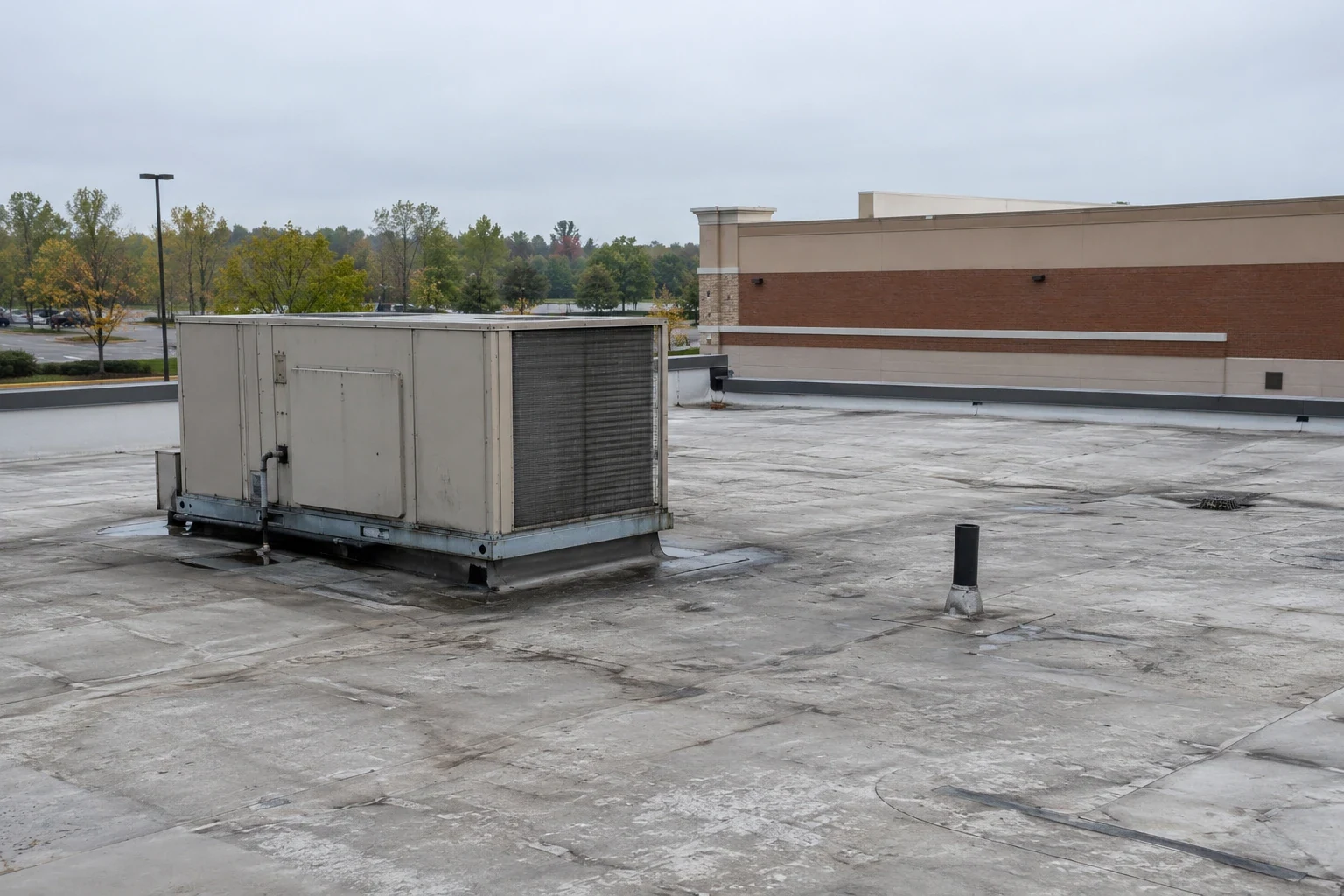
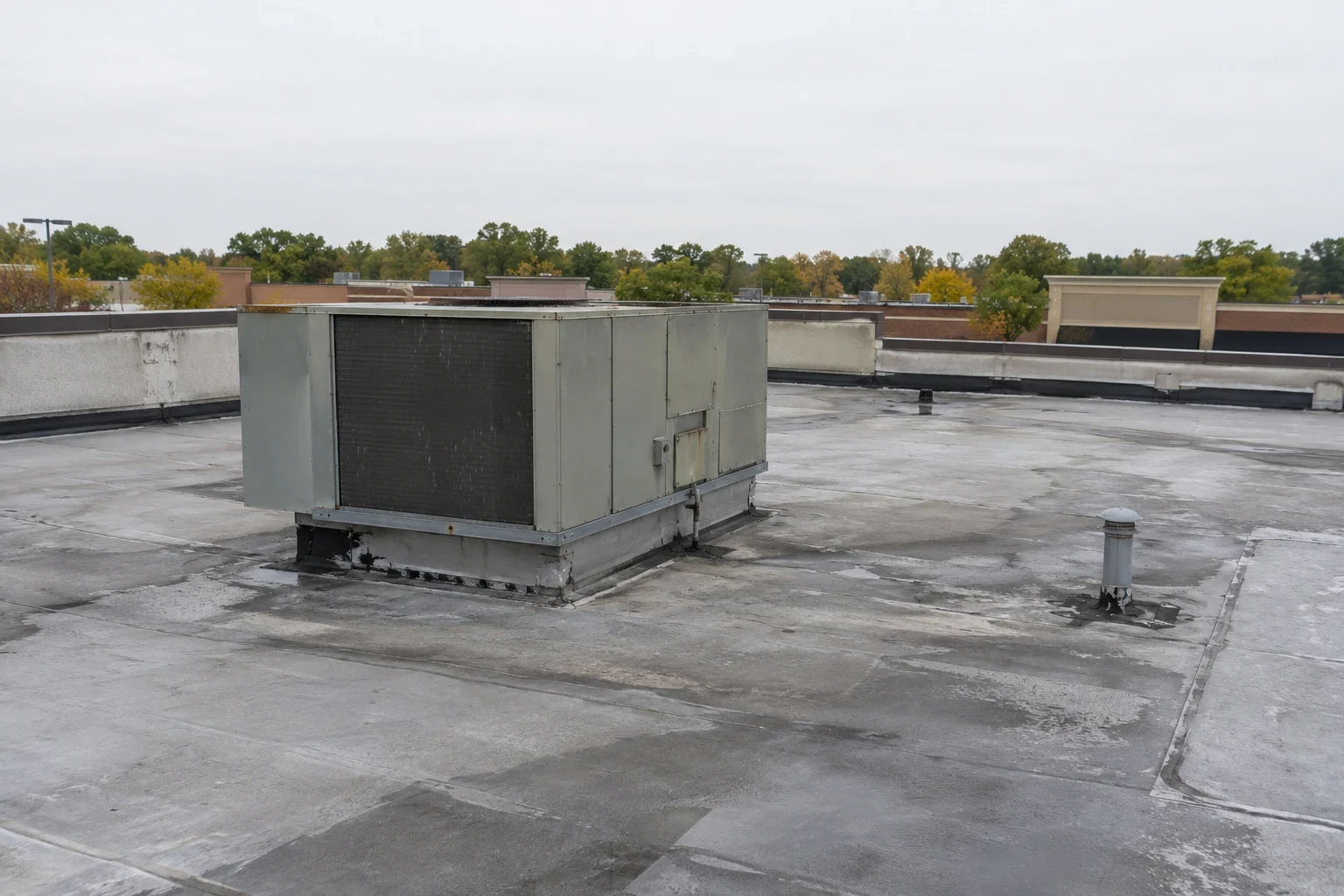
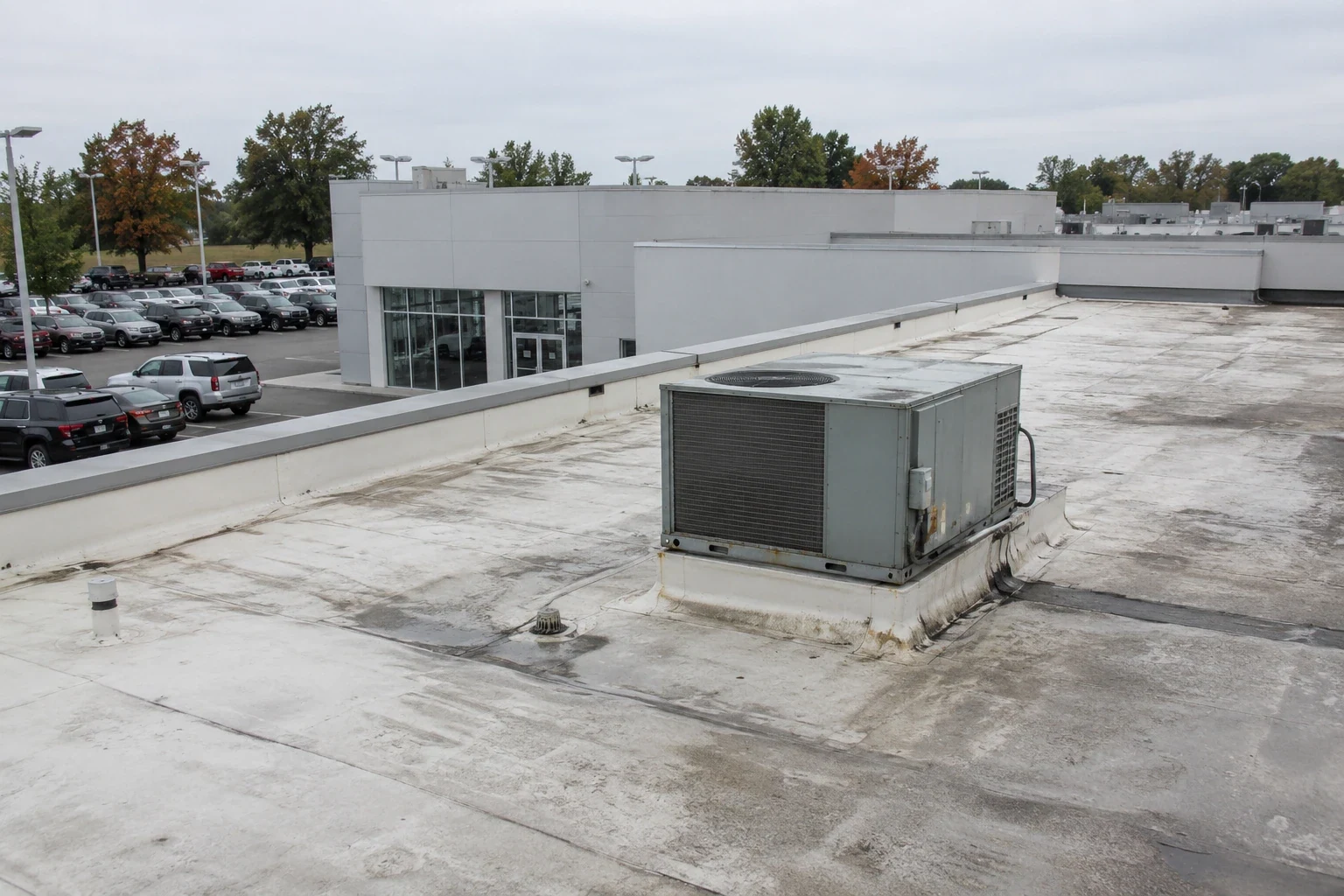
We ask whether water appeared near a dining table, prep line, cooler or exhaust hood, then compare that location with the roof layout. Kitchen exhausts, make-up air units, duct supports and utility lines can create several flashing points. We inspect the curb, membrane or panel around each opening, nearby seams and the route to the nearest drain. A roof opening may not sit directly above the stain, so we record the likely water path and the evidence still needed to confirm it.

Grease residue, routine equipment service and foot traffic can affect the surface near exhaust fans. We inspect for loosened fasteners, worn sealant, cuts and damaged flashing, while avoiding assumptions about what caused the condition. If moisture may extend into insulation, a focused moisture survey or test opening can help establish the boundary. We note any area where a hood or ventilation contractor should coordinate before a roofing repair proceeds.

Roof access near a commercial kitchen should account for foot traffic from service vendors and the route staff use to maintain fans or ductwork. We record equipment clearances and note any grease buildup, loose support or sealant condition that could affect the flashing repair. The roof scope should state whether cleaning, equipment adjustment or roofing is responsible for each step. If the ventilation contractor must remove a component, we plan the roof opening after that work and inspect the finished interface before closeout. A clear sequence avoids leaving a curb detail between trades.
Restaurant Roofing in Greeley, CO

Keep dining and kitchen service coordinated

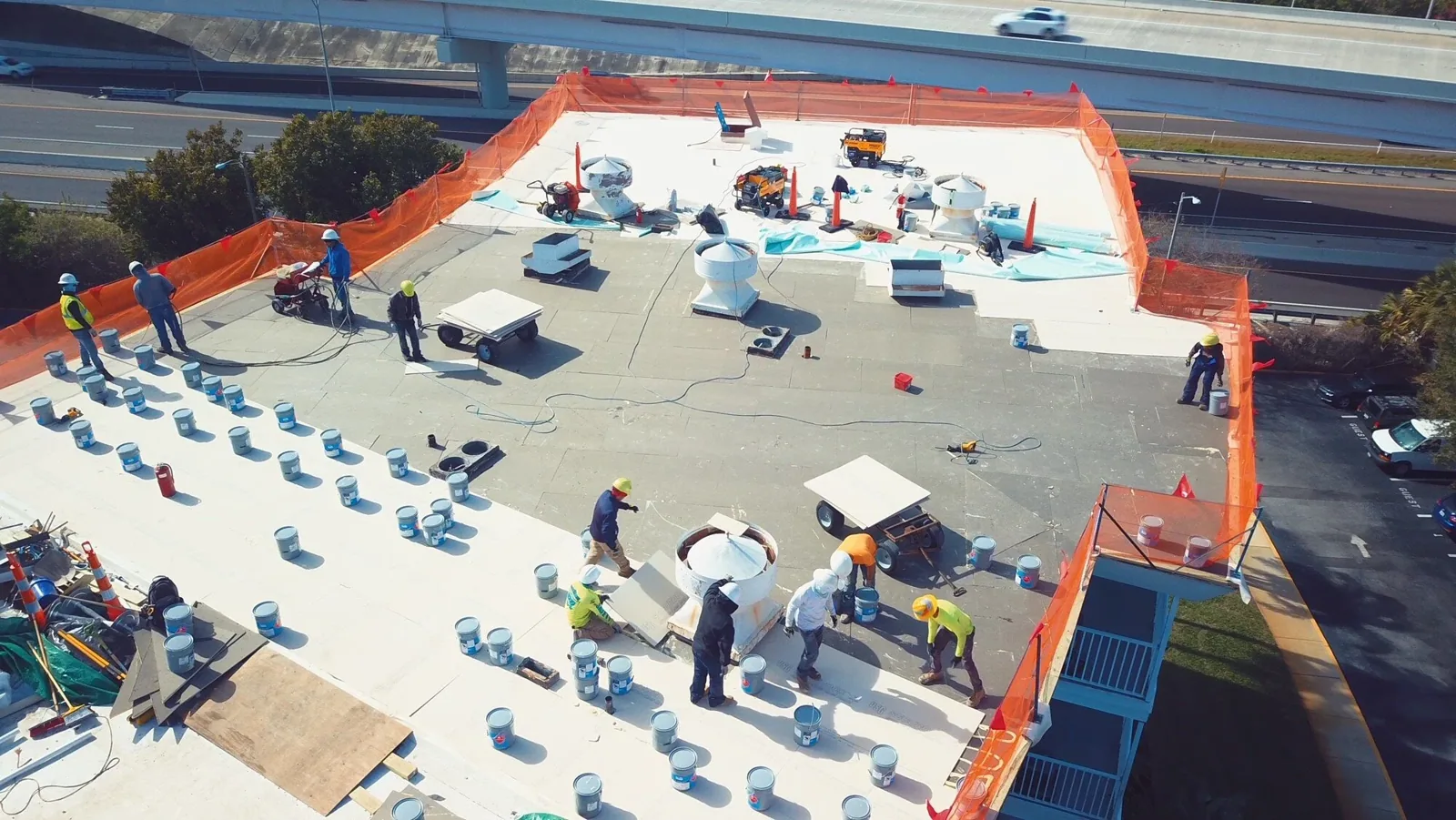
Before mobilizing, we confirm the entrance, delivery route, roof access, work hours and any restrictions on odor, noise or overhead work. The restaurant manager identifies prep periods, reservations, outdoor seating, fire lanes and which doors must stay open. We set a barrier beneath active work and establish how staff will be notified if an aisle, patio or kitchen room needs temporary protection. If roof access passes through a tenant area, we arrange it outside food preparation where possible.

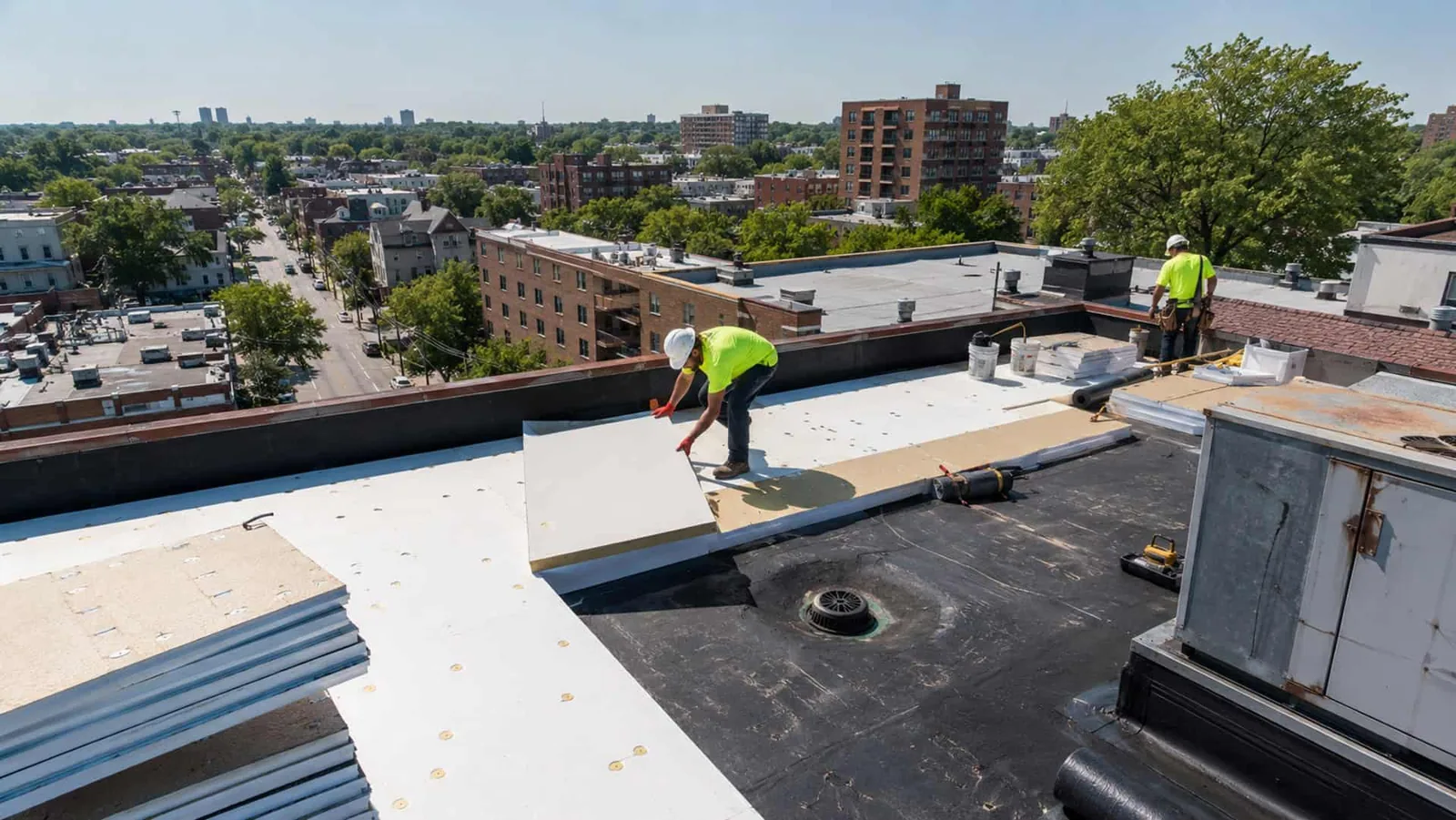
Replacement or coating work needs a sequence that closes the roof each day and coordinates with kitchen exhaust equipment. We plan temporary protection near open ducts, avoid blocking ventilation and confirm who can authorize any equipment shutdown. An occupied-building work plan can separate roof zones from dining periods, but weather and the actual assembly set the daily limit. The manager receives a handoff after each shift that identifies what is complete and what remains protected.

Fit roof work to local conditions

Greeley Airport climate records include high temperatures, snowfall and wind. Heat can affect surface preparation and safe time on a roof; snow or ice may close an access route or hide a drain. We check site conditions before selecting the application window and do not leave a roof area open past the planned dry-in boundary. Restaurant operators can share service hours and delivery peaks so weather changes do not also disrupt a busy meal period.

Weld County summaries document hail near Greeley and tornado activity. After a reported storm, we inspect the roof and equipment flashings for observable damage, then compare those findings with the restaurant’s leak location. We tie the repair scope to visible conditions and any test results from that restaurant roof. If the roof surface is unsafe to reach, we record that limit and schedule the next visit when conditions permit. Drainage and edge details should be checked after snow or wind exposure as well as after a visible leak.

Restaurant Roofing in Greeley, CO

Commercial Roofing Questions

Can roof work happen between meal periods?

We can plan access and noise around the restaurant schedule where weather and the repair allow. The manager identifies prep, dining, delivery and cleanup windows before mobilization. We confirm the planned sequence with the site lead before materials are delivered. We keep staff informed. on the work day.

How do you handle a leak near a kitchen hood?

We inspect the roof curb, flashing, nearby seams and drainage, then coordinate with the ventilation contact if equipment work affects access or shutdown.

Will the kitchen exhaust need to be turned off?

That depends on the repair location and site rules. We identify the required coordination with the kitchen or mechanical lead before setting the work sequence.

What if the leak is above guests during service?

The manager controls immediate room protection and guest movement. We identify the roof source, prepare temporary protection and define when permanent repair can proceed.

What should we send before scheduling a restaurant roof visit?

Share kitchen hours, roof plans, exhaust service notes, leak locations, delivery rules and the person authorized to approve access or equipment changes.

Price the roof scope and service impact

A local repair can work when a seam or exhaust flashing has failed but nearby roof materials remain serviceable. Multiple openings, wet insulation or repeated repairs may call for a broader restoration or replacement review. We list the roof work, equipment coordination, interior protection and any follow-up inspection separately. The owner can then decide whether to schedule one repair before service, phase a larger project or request more testing.

Cost and duration depend on roof area, system, exhaust and curb count, access, temporary ventilation needs, interior barriers and the hours available for noisy work. We compare a focused roof repair with a replacement based on the inspected condition. A grocery store may have more extensive refrigeration controls, while a shopping center may require notices across multiple tenants. We scope the restaurant’s equipment and occupancy as found.

Restaurant Roofing in Greeley, CO

Record the repair before the next service visit

Closeout should show the repaired exhaust curb, utility penetration, drain or roof seam, along with photographs and the service boundary. We give the manager any care instructions needed before a ventilation contractor returns to the roof. If another trade must complete work, the handoff names the area and the order of operations. A marked plan helps staff connect a future ceiling report with the last roof inspection rather than starting from zero.

Send roof drawings, leak timing, kitchen and dining schedules, exhaust service notes, delivery windows and access rules before the visit. Identify who can approve equipment shutdown and who will communicate with staff. The facade grant and planned Two Rivers Marketplace reflect distinct commercial projects. Each restaurant contact confirms its own roof system, service hours and work window. We inspect the property and document the next action in a format the owner can use. The manager can brief kitchen staff before a later service call changes roof access.

Related Roofing Work

Arrange a restaurant roof inspection

ServicesRoof SystemsIndustriesProperty TypesService AreasDamage RepairCapabilitiesManufacturersAboutRequest a Roof Assessment555-555-5555
Call555-555-5555