Can roofing repairs happen while the grocery remains open?
Store hours, barriers and product controls determine which areas stay open. We confirm the aisle boundary with management before staging and share any schedule change with the floor lead.

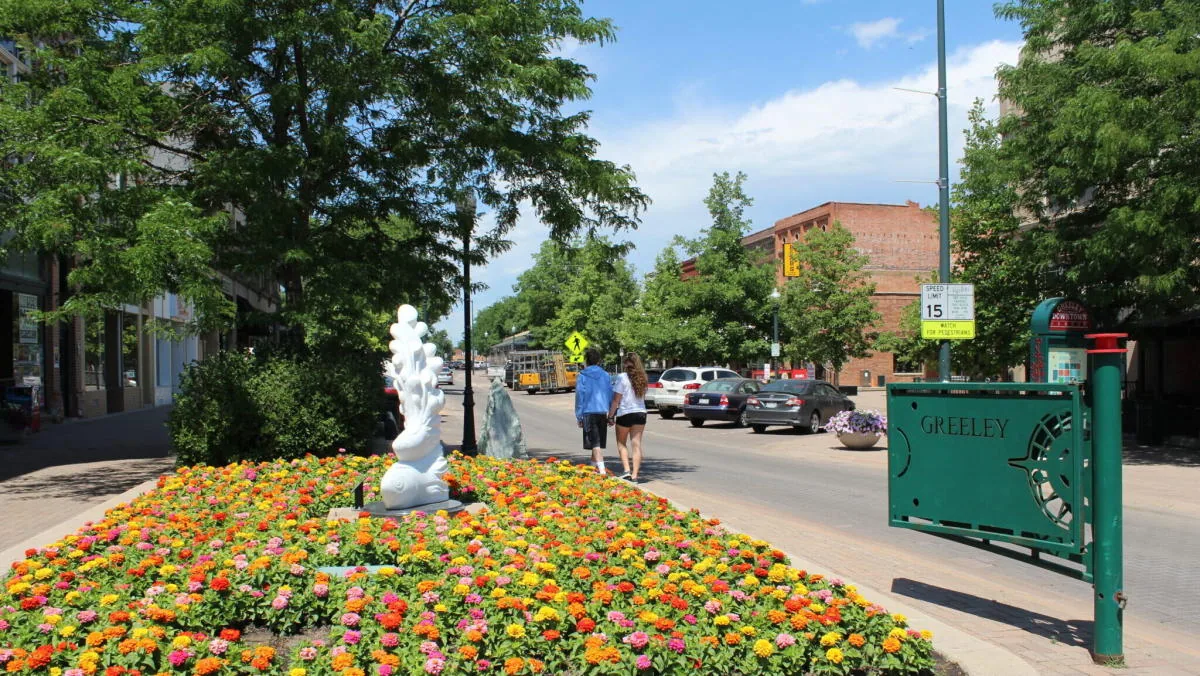
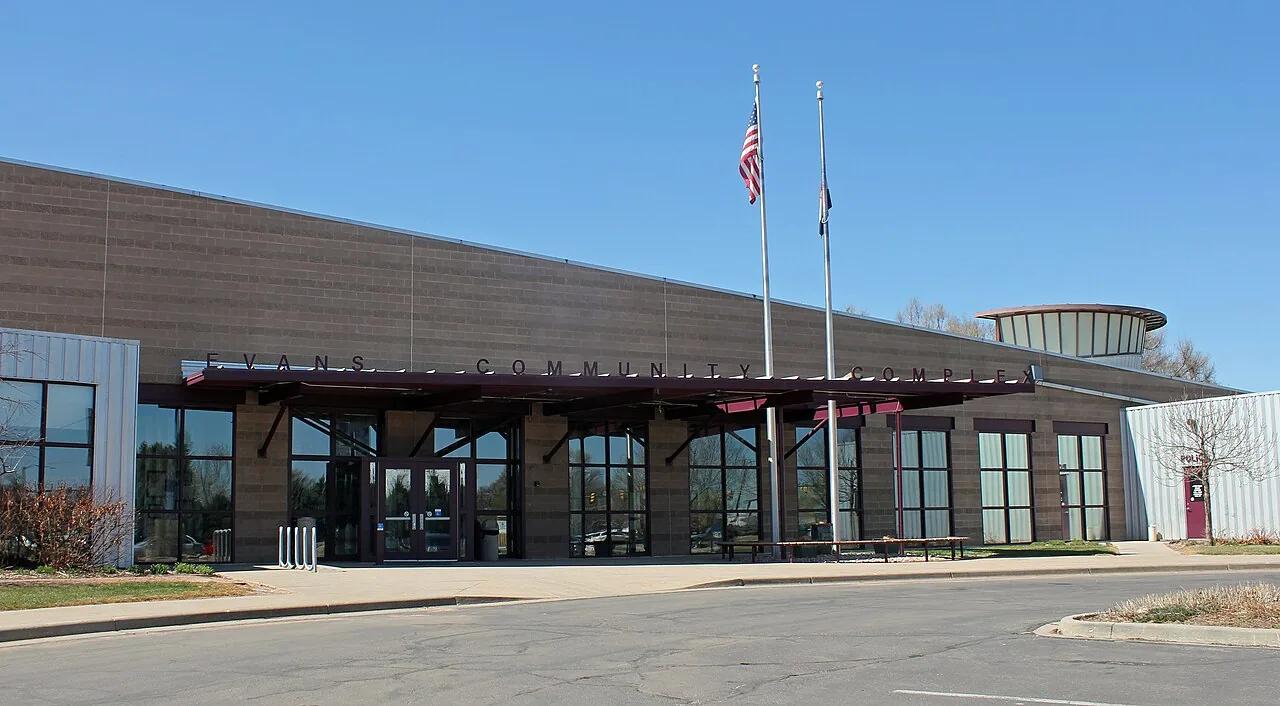
Water above a grocery department can threaten product, customer access and refrigeration service at the same time. We locate the reported aisle or back-room area, inspect the roof above it and map the likely water path through seams, curbs, drains and penetrations. The first report separates water control from the permanent roof repair so store leadership can protect product while setting the next step. The U.S. 34 Business route connects Greeley streets with the regional highway network, while Evans lists food production among its economic sectors; these facts give context, not evidence about a grocery roof.
A store’s receiving schedule, food-handling procedures and customer entrances all matter to roof access. We confirm the refrigeration contact, approved delivery hours, sensitive stock areas and who will direct staff below active work. The U.S. 34 Business Corridor provides local route context, and Evans adds a nearby food-production connection. Each grocery operator supplies its own access, safety and product-protection rules.
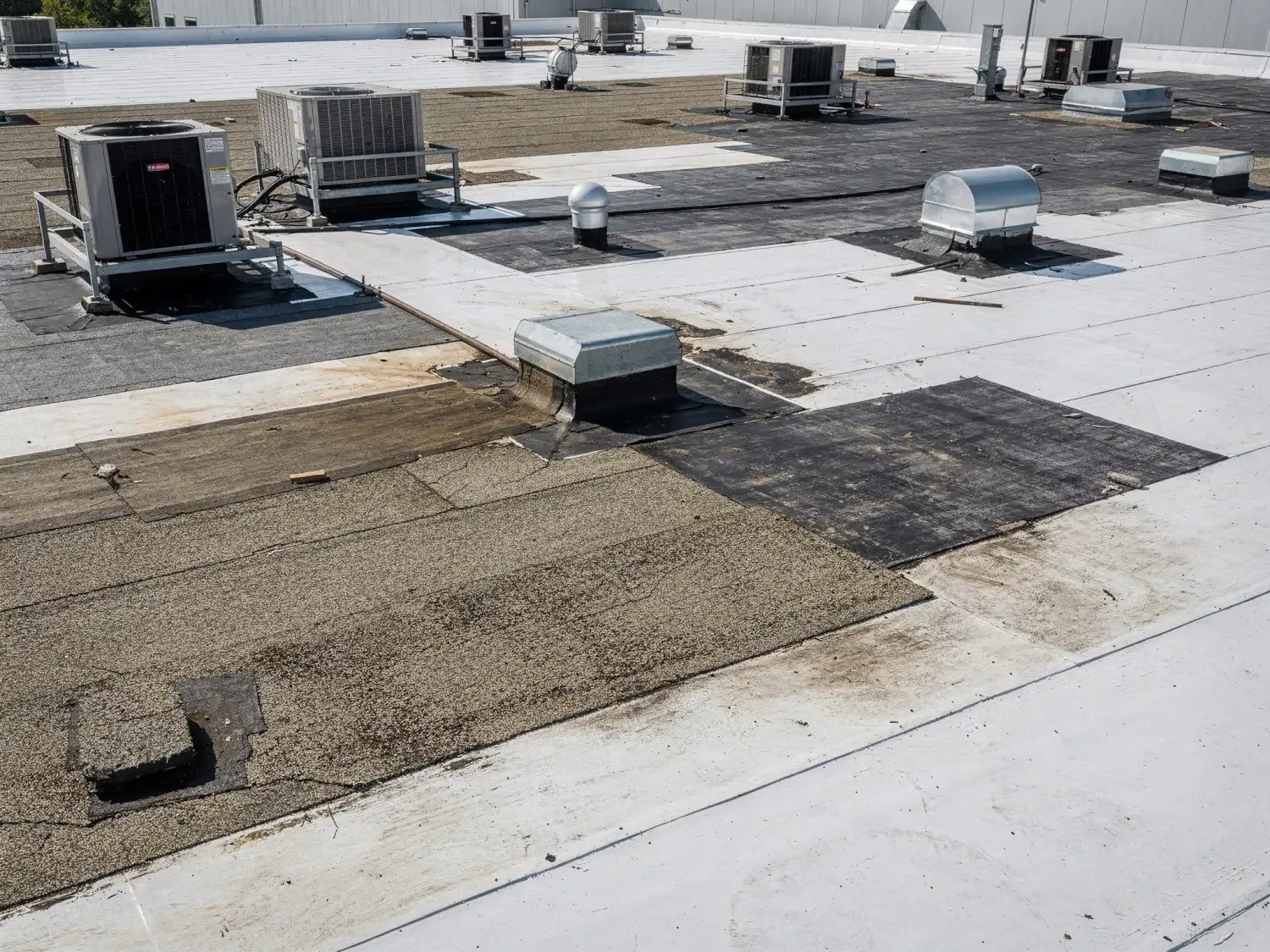
We ask where water appeared, whether it followed a storm or equipment visit and which display, prep or storage area was affected. On the roof, we inspect the related slope, rooftop units, refrigeration lines, drains, seams and flashing transitions. A ceiling stain may be offset from the opening, so we compare nearby paths and note what is confirmed. If an interior area needs immediate protection, the manager identifies safe product movement and the time the space can be accessed.
Condensation and roof leakage can produce similar reports, especially where cold equipment meets the building envelope. We look for a roof-side entry path and coordinate with refrigeration staff before assigning a cause. If concealed moisture is possible, infrared mapping can guide a test area. We mark the roof section and tie photographs to a store plan, so future maintenance can distinguish a flashing repair from refrigeration service or a plumbing condition.
We also check how a roof defect could affect the stock area below without assuming that every stain threatens inventory. The manager can identify packaging, produce or cold-room zones that need an immediate barrier or relocation while we confirm the source. We record the first reported time and later observations, then link those notes to the roof sketch. If a repair needs a test opening, the work plan names who covers the area, who receives notice and how the opening will be closed before the next operating shift.
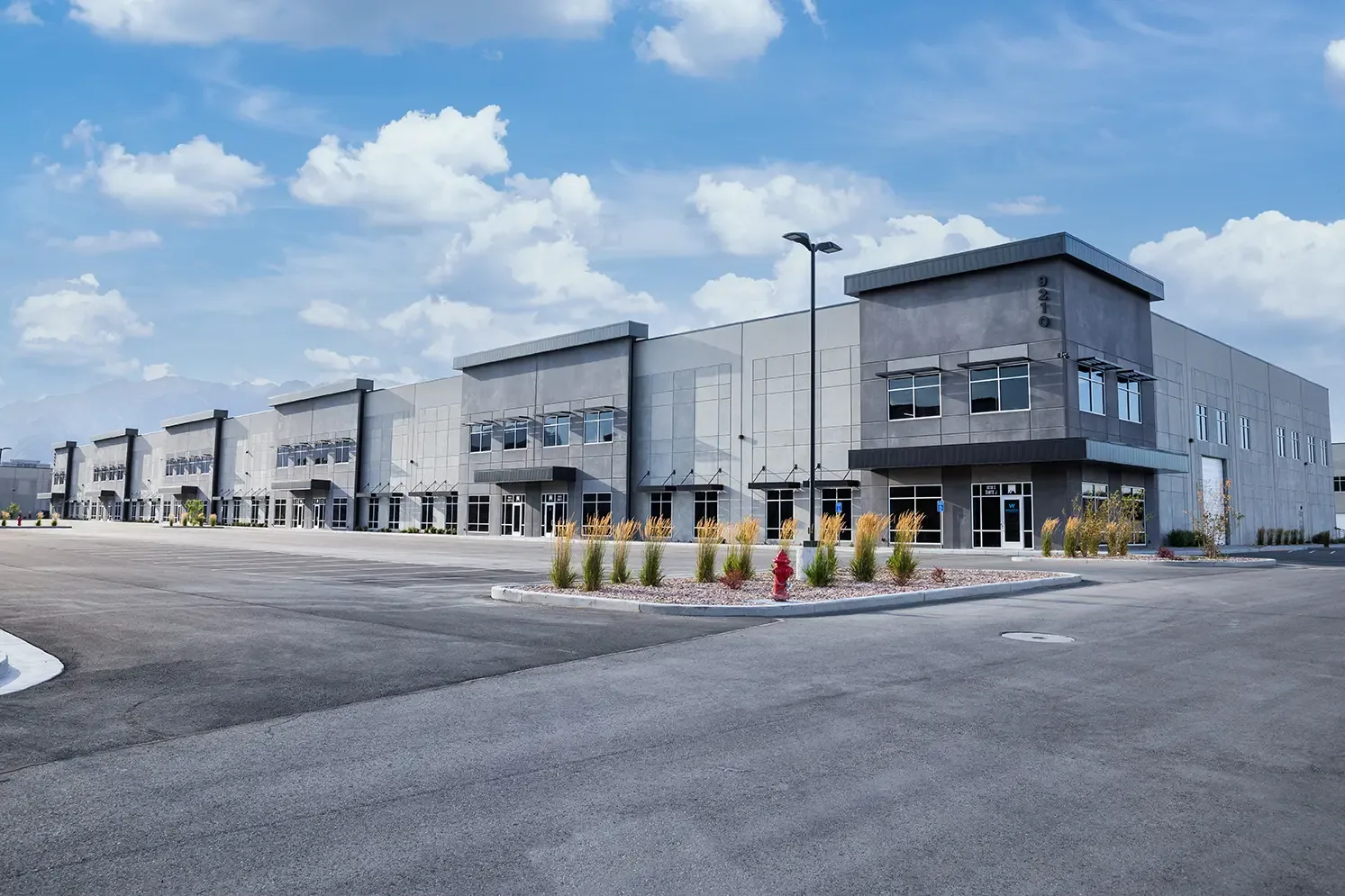
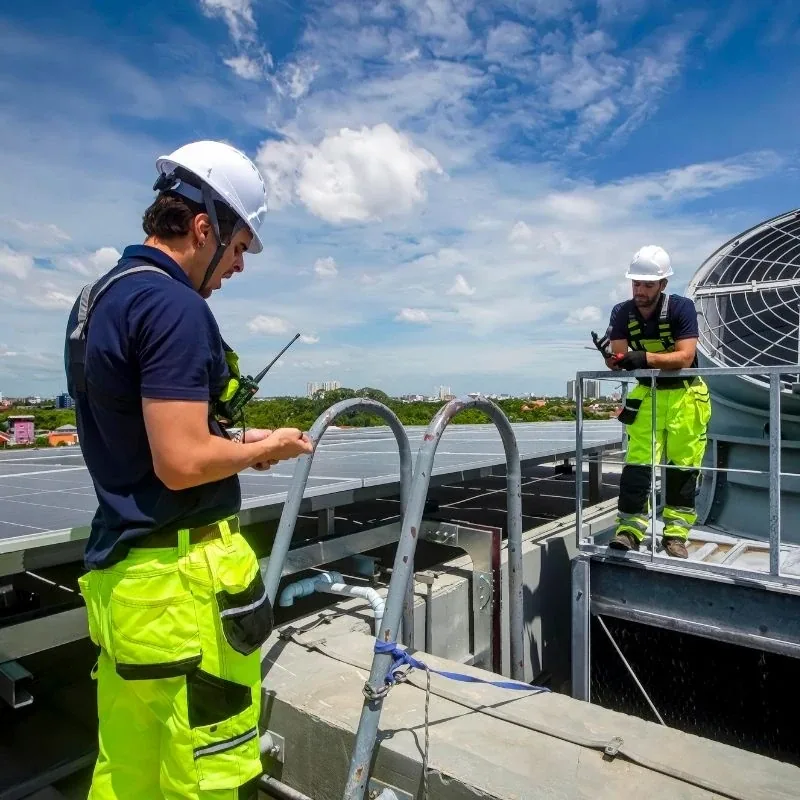
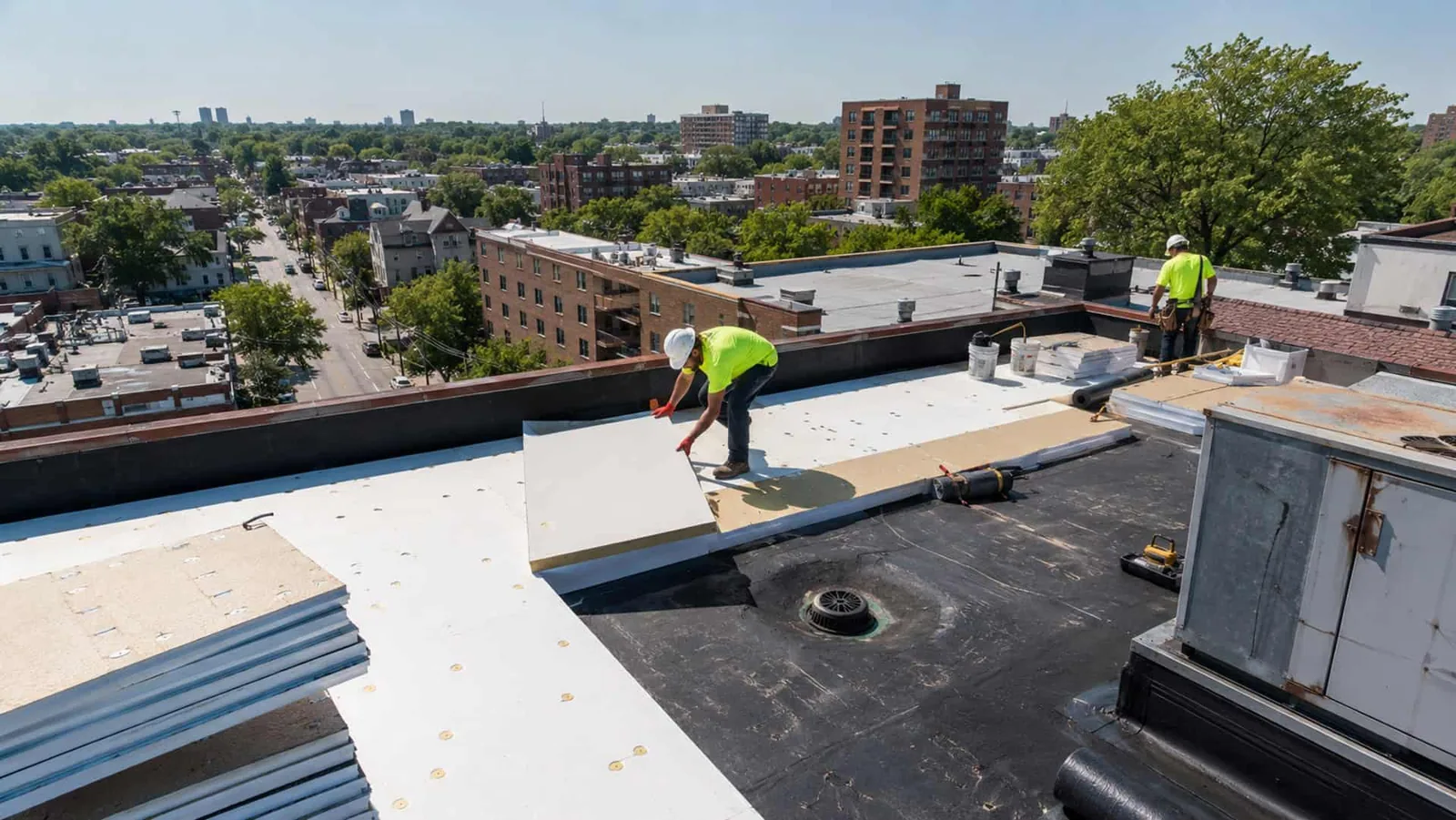
Before work begins, we coordinate loading doors, customer paths, cart routes, lift placement and any area where a temporary barrier is needed. Store leadership identifies food-safety or sanitation controls and who can authorize a product move. We plan roof entry and material staging so the crew does not block a receiving lane or emergency route. If a repair is above a public aisle, the manager and roofing lead agree on overhead protection and when the space can reopen.
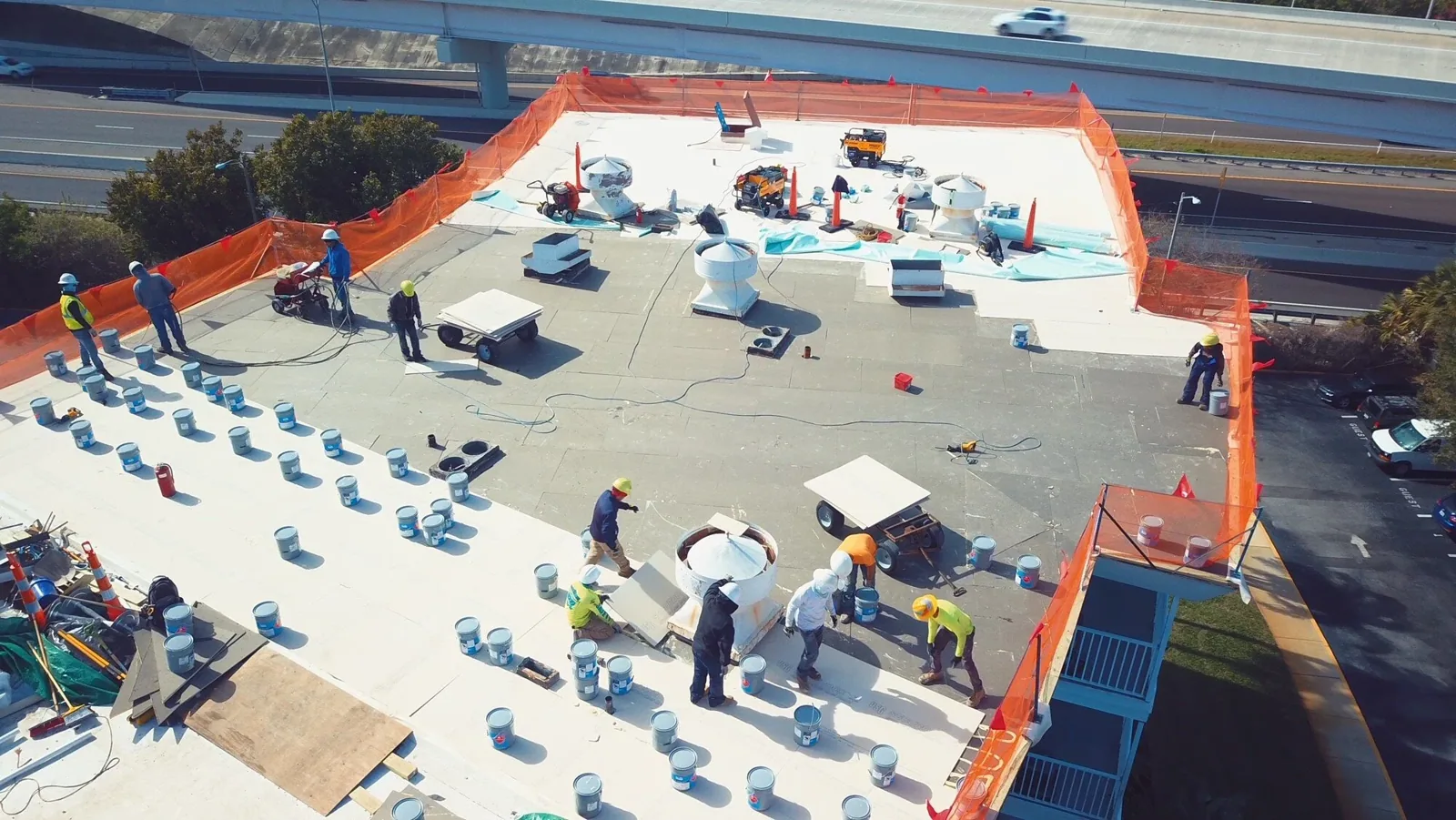
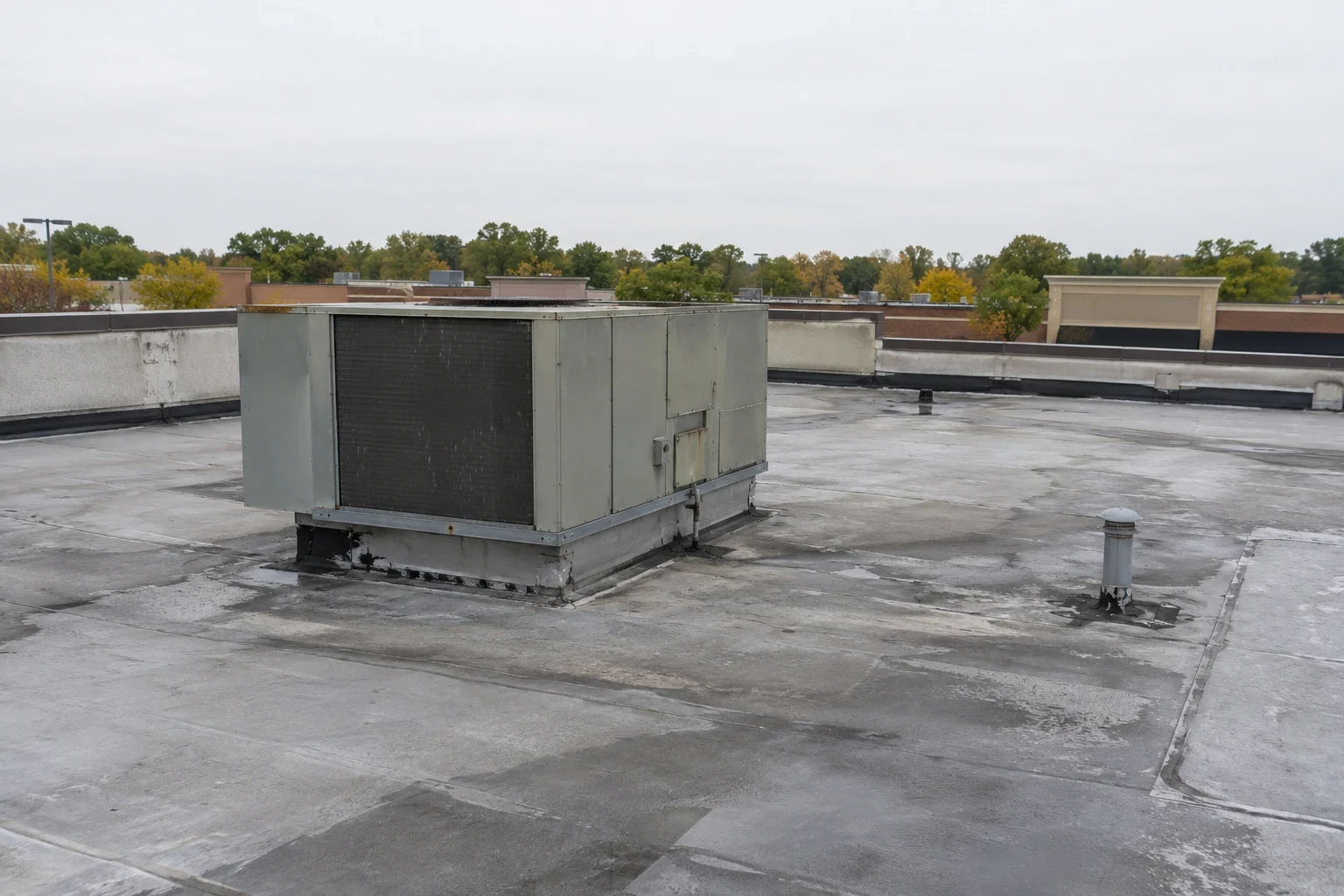
Replacement work needs daily dry-in limits and a sequence that protects temperature-controlled rooms. We coordinate roof openings with the refrigeration lead, identify any affected intake or condenser and record who confirms system operation after the zone closes. A phased reroof plan can keep other departments available, subject to the roof assembly, weather and store rules. The work notice names the active roof area, ground barrier and expected handoff rather than sending a general construction alert.
We confirm how the store will handle exposed food, nearby prep surfaces and customer routes if the work boundary shifts. The manager can assign a department lead to check barriers and receive the roofing handoff. If equipment must be isolated, its service contractor confirms the proper sequence before the roofing crew changes a curb or flashing. This keeps product handling and roof installation under the people responsible for each task.
Greeley Airport logs capture hot days, snowfall, snow depth and wind. Roof temperature can affect safe access and coating or adhesive work; winter surfaces may be slick or covered near drains. We check current conditions before the crew enters and close the planned zone at the established dry-in point. The store contact can share receiving peaks or refrigeration maintenance windows so material deliveries do not compete with roof staging.
Hail near Greeley and tornado events in Weld County appear in regional storm history, but neither one confirms damage at a grocery store. After a report, we inspect the specific roof for punctures, displaced metal, flashing failure or water entry, then connect those findings with the interior location. If weather leaves an area unsafe to reach, we identify that limit and arrange follow-up. The roof plan should state which drains and equipment bases were checked after snow or wind exposure.
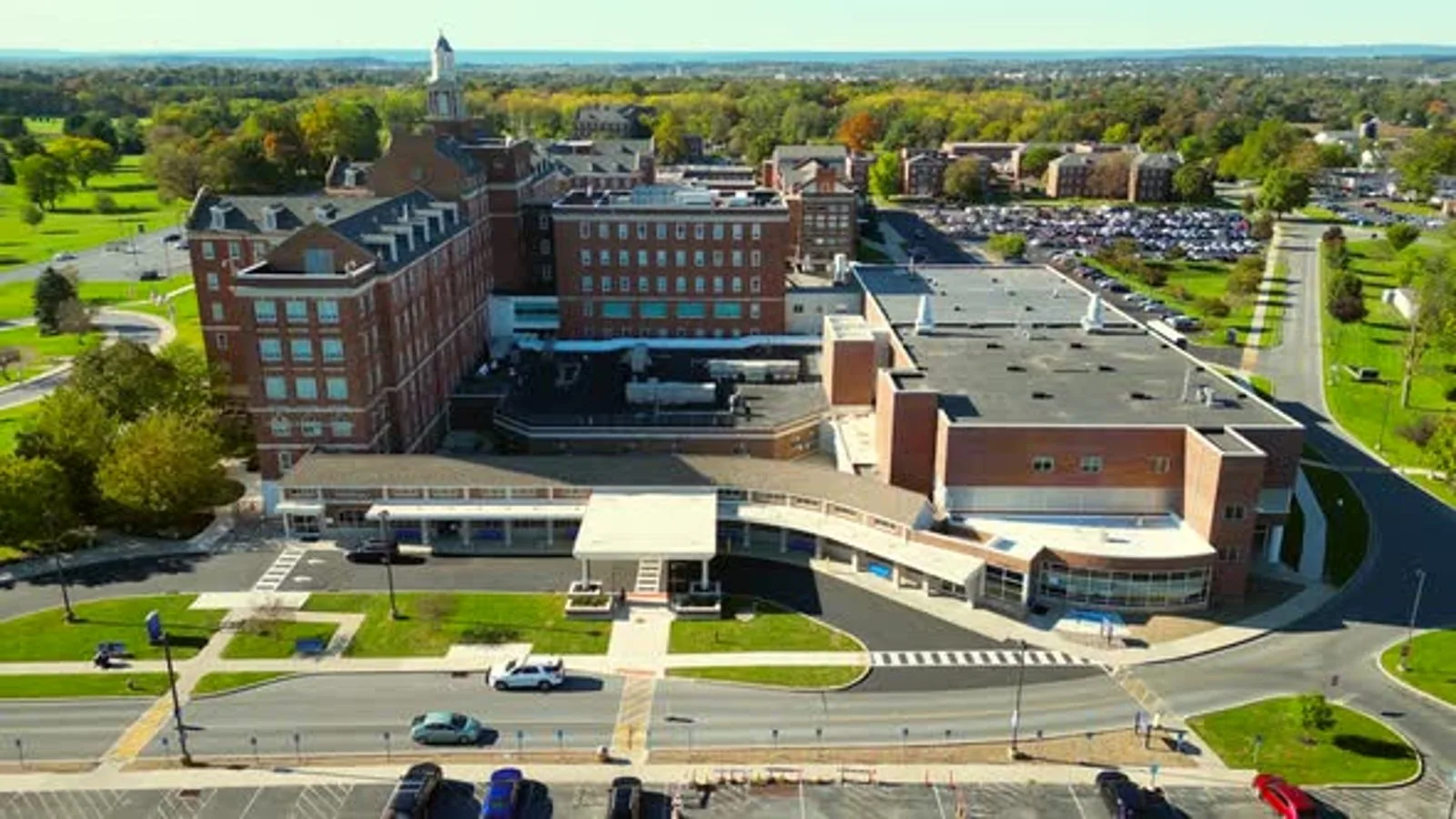
Store hours, barriers and product controls determine which areas stay open. We confirm the aisle boundary with management before staging and share any schedule change with the floor lead.
The store identifies product controls and the refrigeration contact. We limit the opening, set temporary protection and coordinate the closeout before the department returns to normal service.
It could. We inspect the roof route and coordinate observations with the refrigeration lead before assigning a cause. That keeps roofing and equipment responsibilities clear at the property.
Provide the store plan, roof records, leak location, receiving hours, stock controls and equipment schedule. Name the contact who can authorize a temporary closure.
We identify the roof defect, interior barrier needs, sanitation steps and approved work window. The store team confirms when the area can be cleared and released.
A failed curb flashing or local seam can be repaired where the surrounding roof and insulation remain serviceable. If moisture spans multiple zones or the assembly has repeated failures, we may recommend additional testing or replacement. We keep roof work, refrigeration service and interior sanitation steps distinct, then identify where one trade needs to finish before another can close the area. This gives management a clear responsibility line for restoring the affected department.
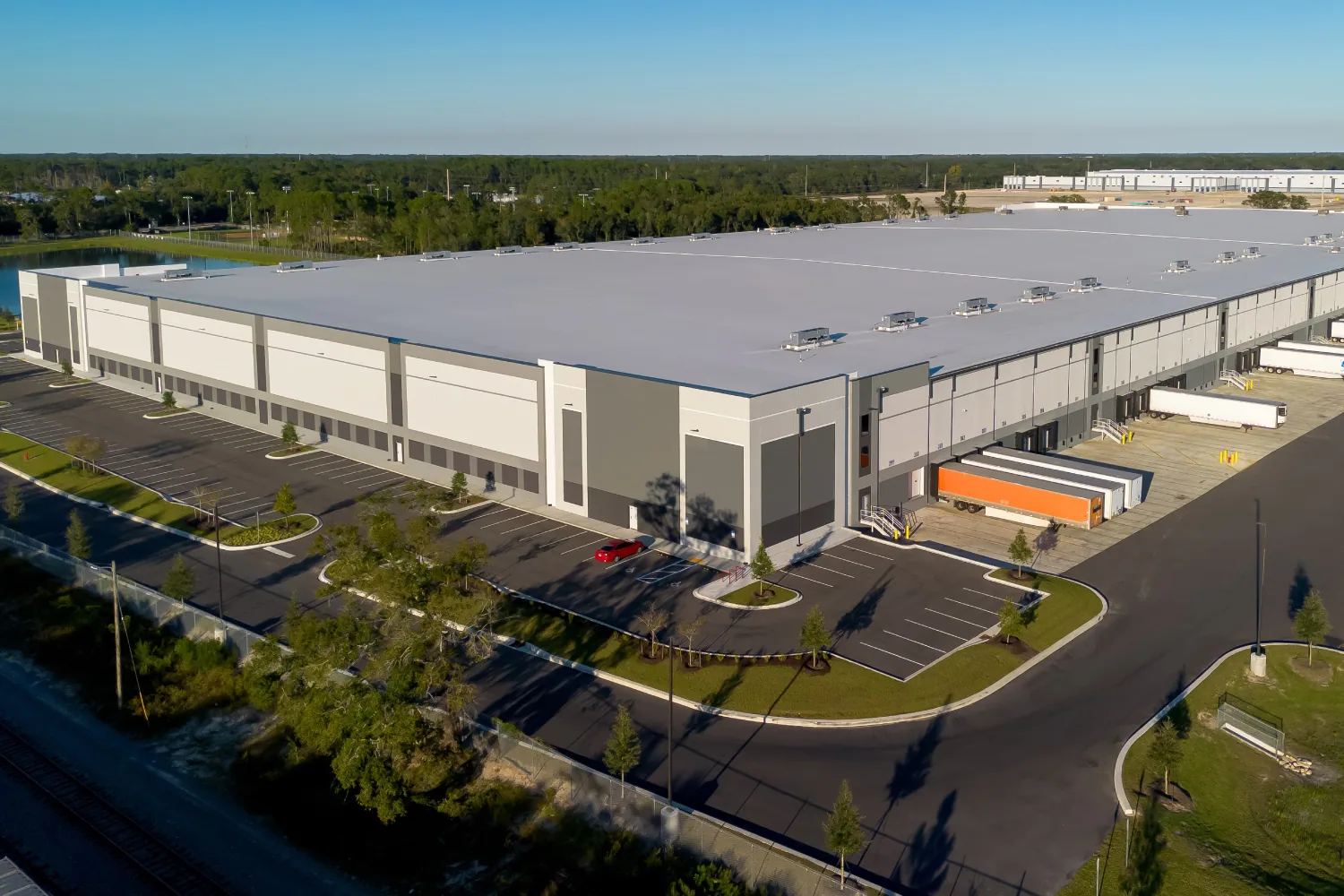
Cost and duration depend on roof area, system, equipment density, drain repairs, interior protection, product movement and time allowed for each opening. A focused repair can address one detail, while replacement covers broader roof deterioration and new transitions. A shopping center may share tenant coordination, while cold storage has different temperature and vapor-control demands. We scope the grocery’s actual equipment, stock controls and operating hours.
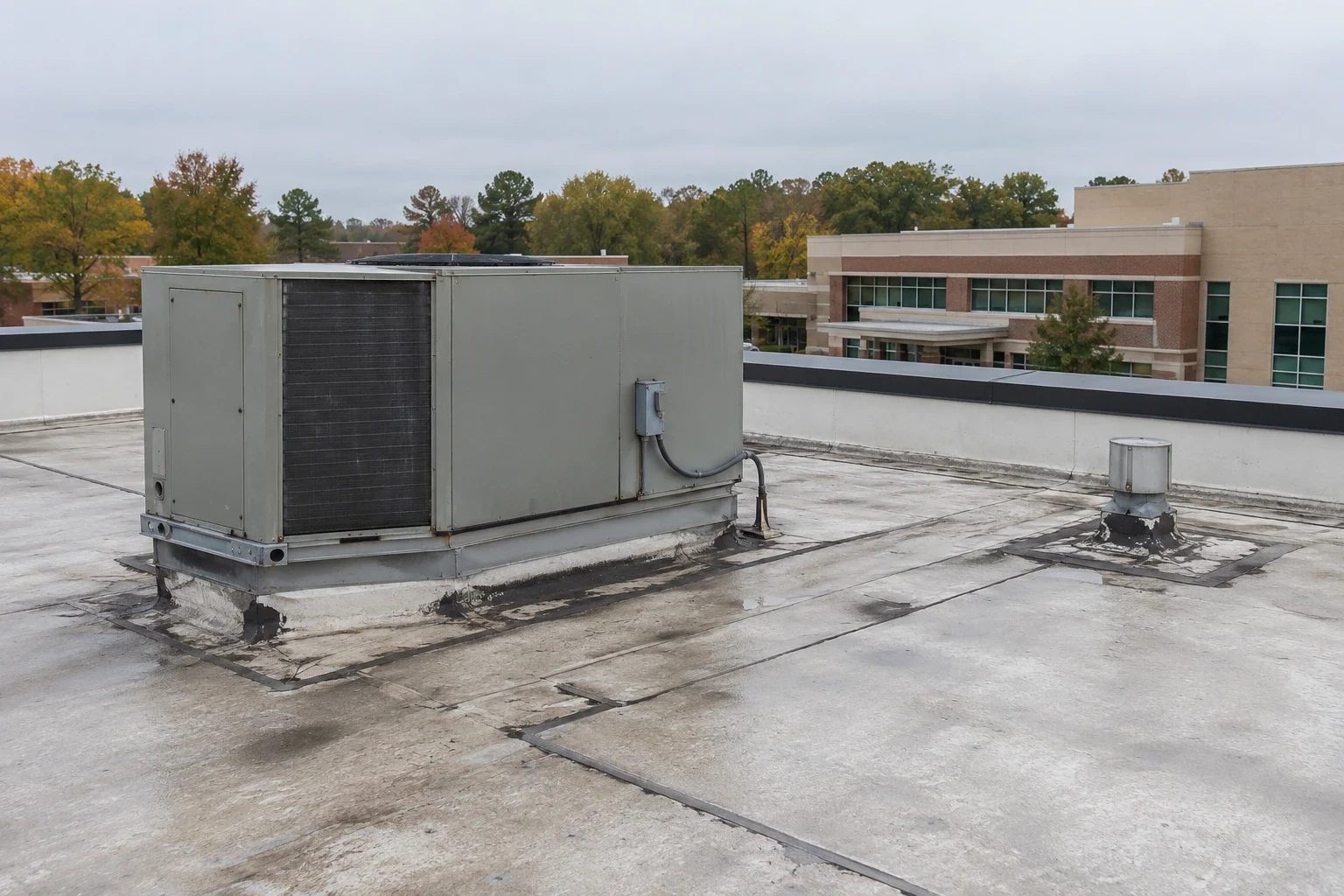
At closeout, we identify the roof section, repaired penetration or seam, drainage conditions, photographs and any monitoring point. The manager receives a written handoff stating when barriers can come down and whether a refrigeration lead must verify equipment operation. Maintenance staff can use the roof map before a future service visit and route a new leak report to the right location. Any area left for testing or a later project remains visible in the record.
Share the store plan, roof drawings, leak dates, receiving hours, refrigeration schedule, product-handling rules and access restrictions before inspection. Include the person who can approve an aisle closure or after-hours roof entry. The Two Rivers project and Evans food-production sector place grocery service in Greeley’s retail and regional food economy, but they do not tell us how a store roof is assembled. We inspect that building and propose work that fits its own operation. The written handoff keeps roofing and refrigeration follow-up on separate action lines.