Can you repair a roof while classes continue?
Sometimes. We coordinate an isolated roof zone, safe interior protection and a schedule with the facility manager before work begins.

A ceiling stain above a studio or training floor can interrupt a class, create a slip concern and put electronic equipment at risk. We trace the report to a roof zone, inspect nearby seams, drains, curbs and penetrations, and record what is confirmed. A ceiling mark can be offset from the roof opening, so we map both locations before assigning a cause. We map both the interior area and roof details so an owner can choose a repair window with the facility manager.
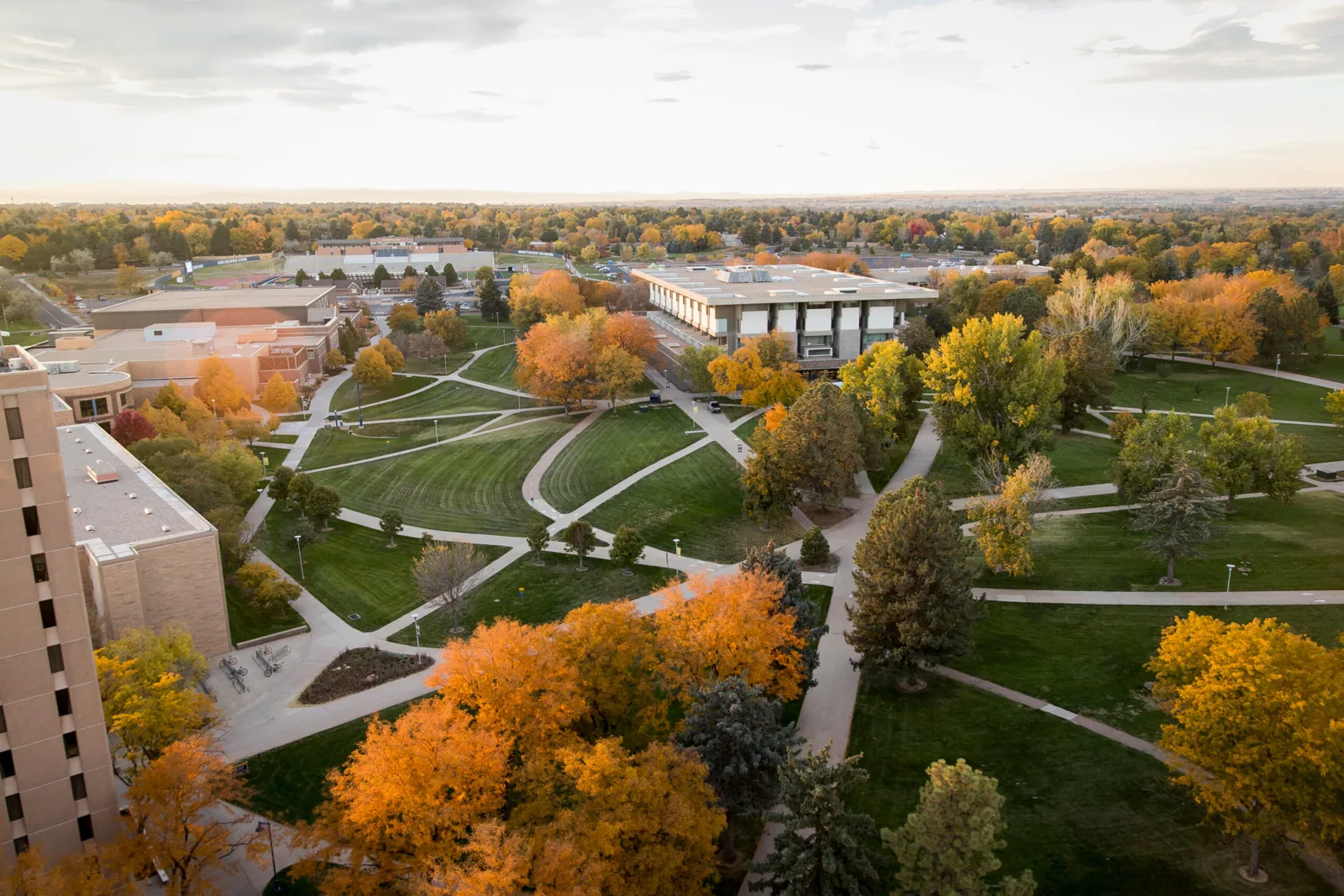
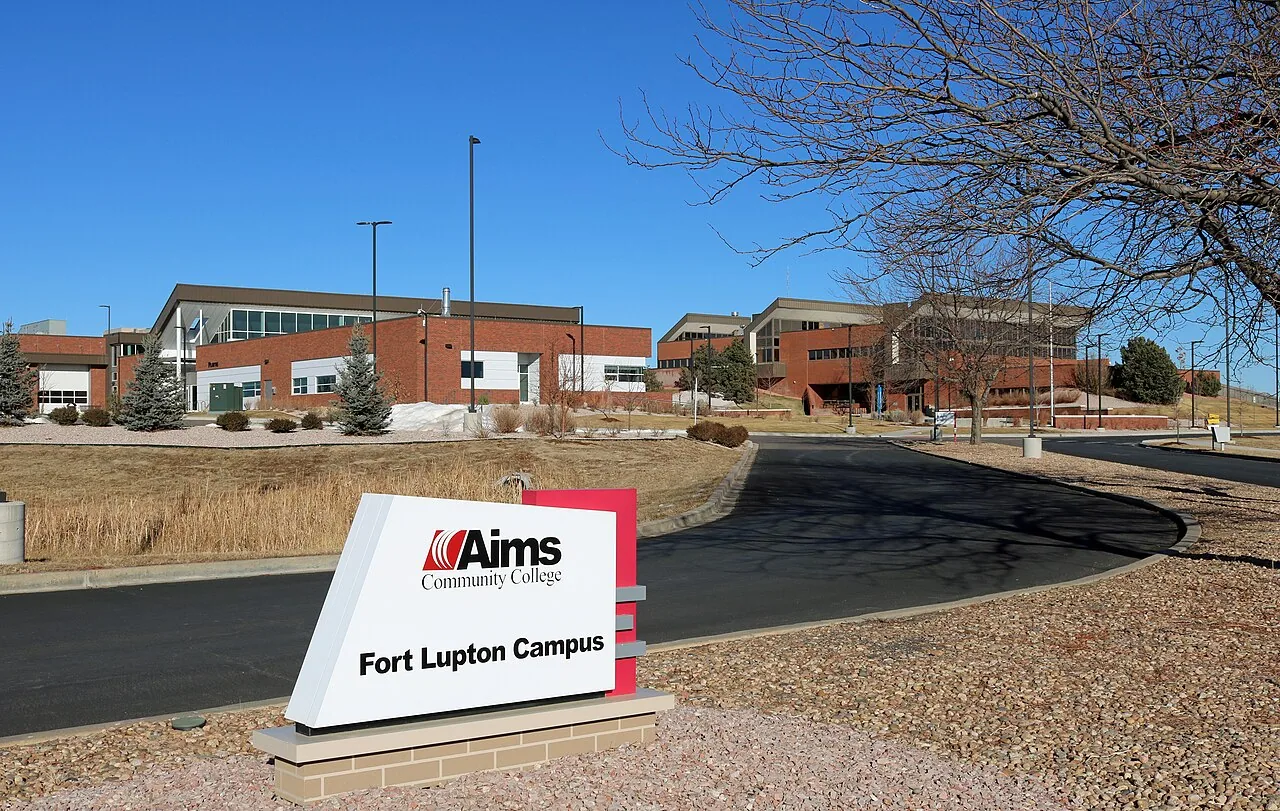
Greeley’s institutional activity includes the University of Northern Colorado District and the Aims Community College District, both part of its education and workforce base. At a fitness property, the owner’s class calendar, locker-room access, equipment layout and roof plans guide the assessment.
We document the room, ceiling grid, equipment beneath the reported area and the time the leak appeared. If the facility has a pool or spa, we ask the manager to identify humidity controls and any known condensation history; we do not assume those spaces exist. Roof inspection focuses on plausible openings above the report, including penetrations, mechanical curbs, drains, seams, skylights and wall transitions. We note whether the interior mark is fresh, recurring or associated with a prior repair.
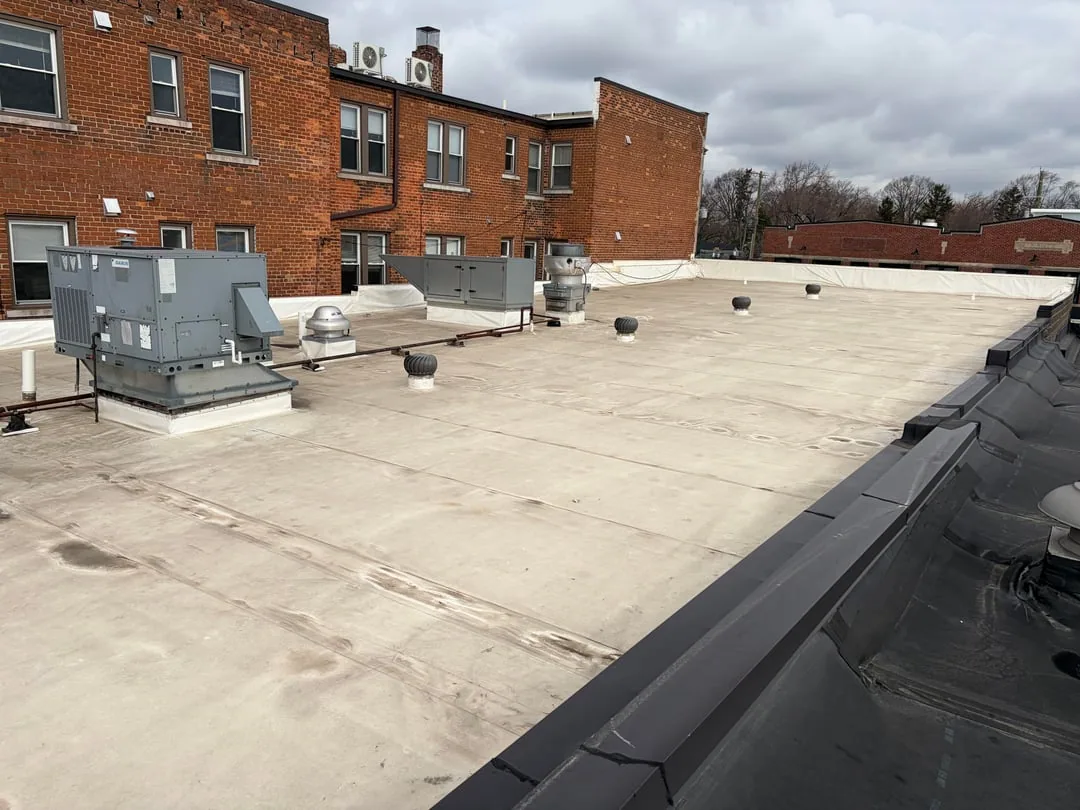
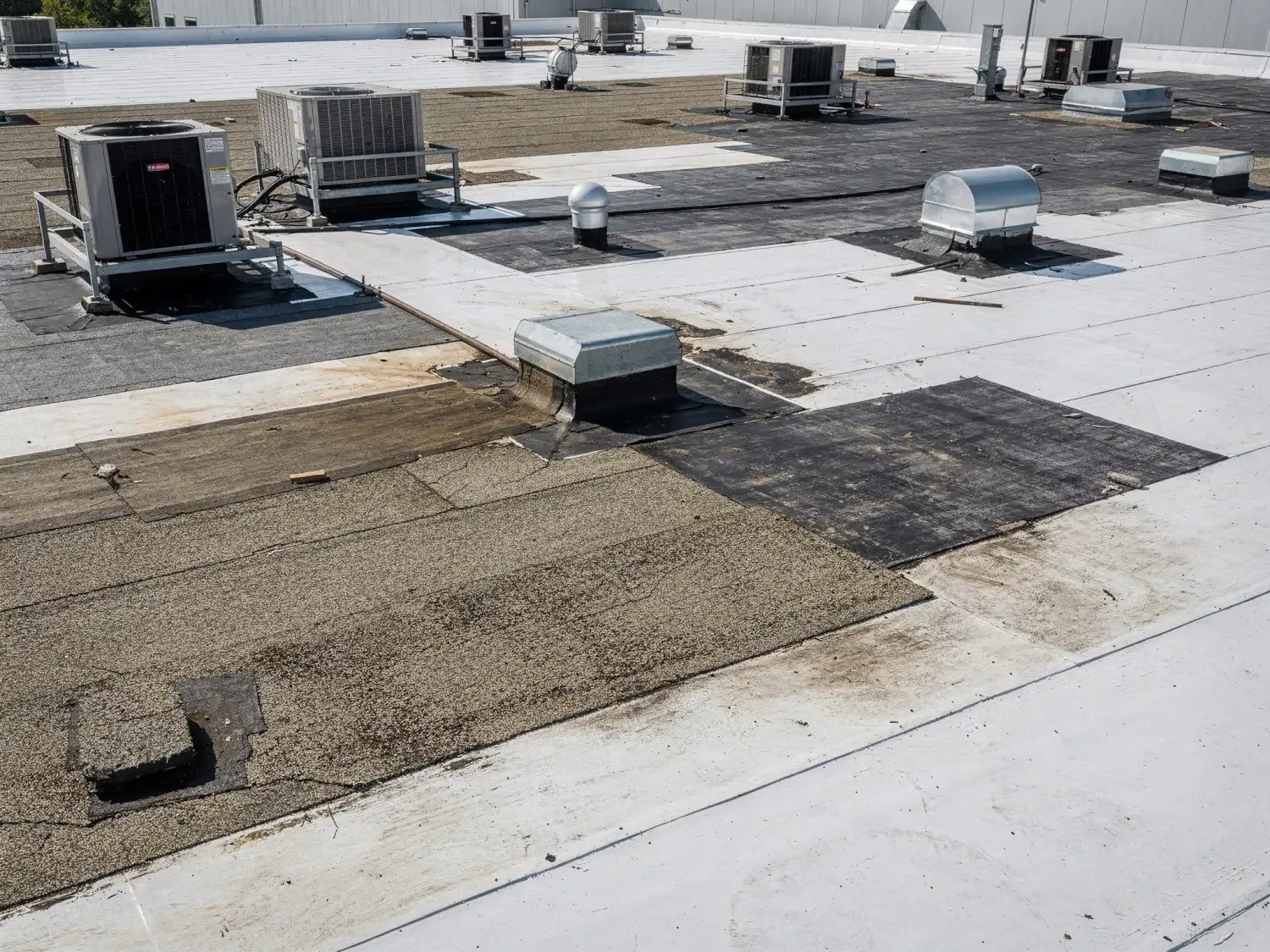
Mechanical systems can create complex roof interfaces at gyms, but a unit’s presence does not identify the leak source. We inspect the curb and surrounding membrane or flashing, and coordinate any operational check with the facility’s authorized technician. An inspection report pairs photographs with a roof-zone sketch, giving the facility manager a location reference for follow-up. If moisture extends beyond the visible ceiling, infrared mapping may help determine where additional testing would be useful.
The manager identifies class blocks, member traffic, childcare periods, locker-room use and any spaces that cannot close simultaneously. We confirm the safest roof access, material route and staging area before reserving a work window. Below the active roof section, staff can redirect members, protect fitness equipment and post a temporary closure notice. We agree on who will communicate schedule changes and who can approve access to ceilings or mechanical rooms.
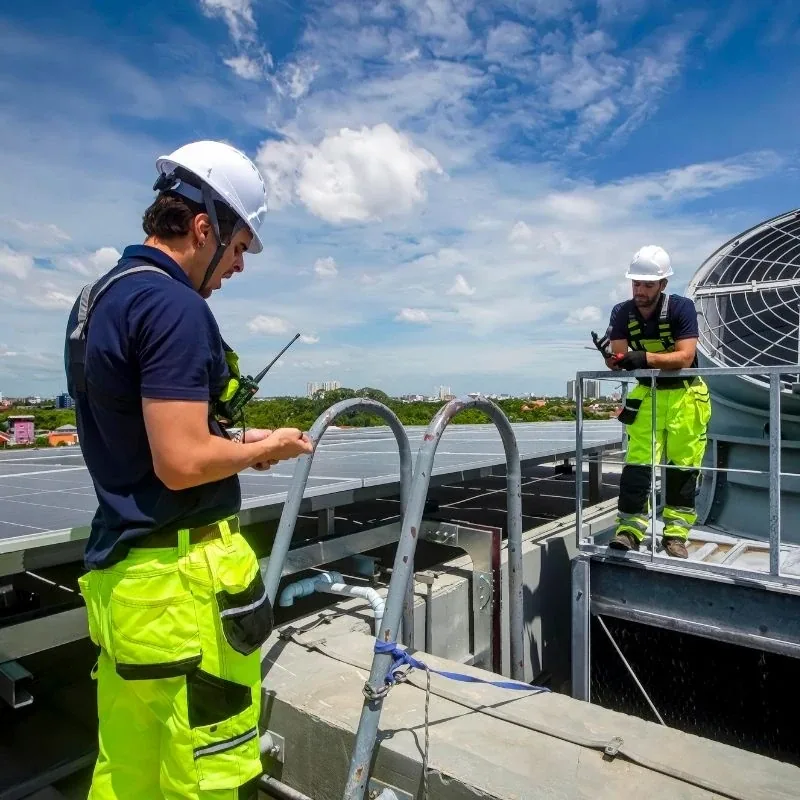
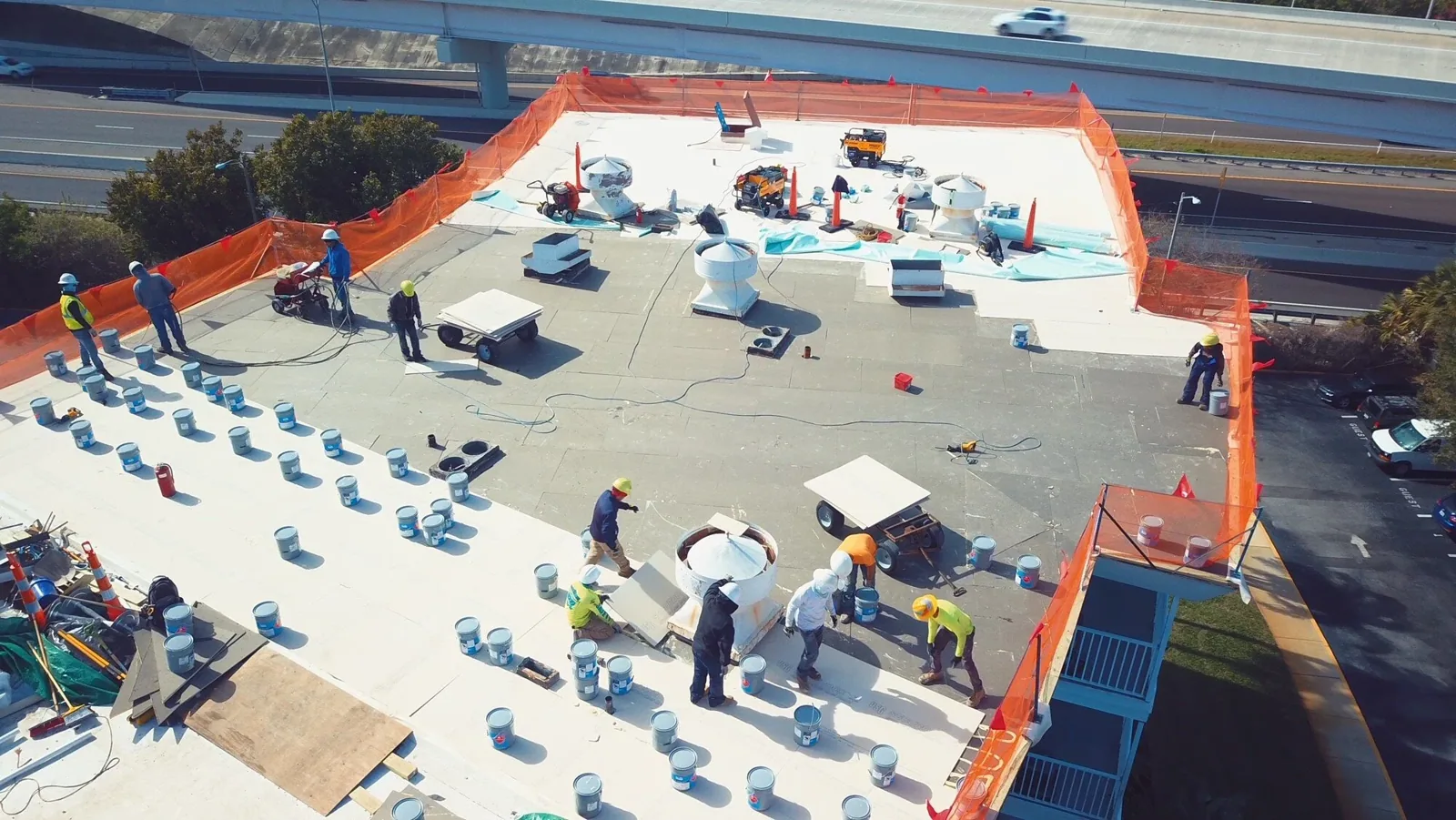
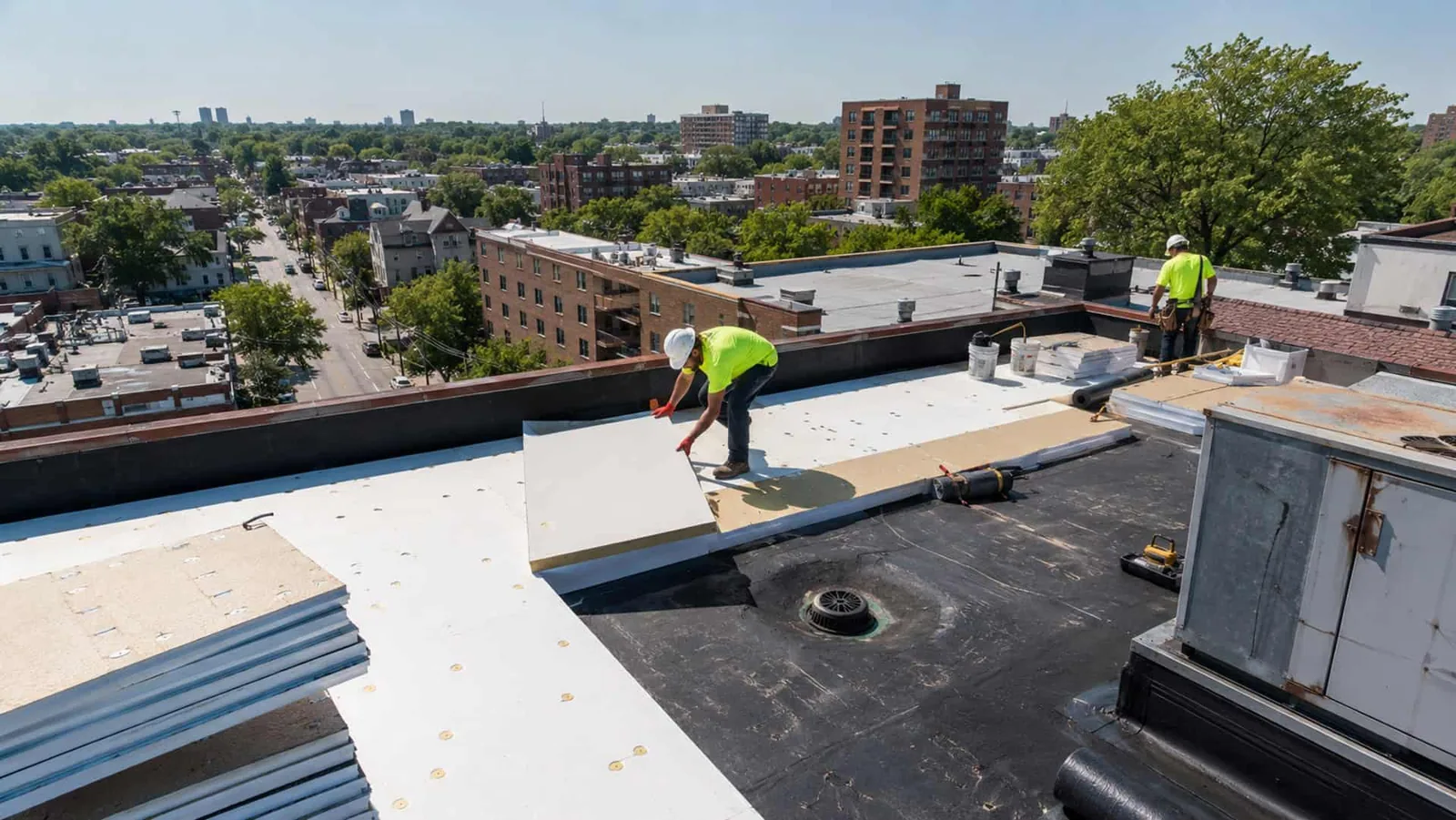
Small repairs may fit between scheduled activities if roof access and weather permit. Larger scopes need a sequence that avoids opening several occupied areas at once. We set a daily limit, protect exposed areas at every stop, and review the interior before releasing a room. An occupied-building reroof plan can coordinate zones and member communication during broad work. Where a facility offers extended hours, we verify overnight security, noise limits and custodial access rather than assuming the building is empty after closing.
Greeley Airport observations include high temperatures, wind, precipitation and snow. Heat can affect installer exposure and the application range of adhesives or coatings. Snow and ice may limit roof access, especially around drains and edges; wind can make material handling more difficult. We check current roof-surface and site conditions and match the work window to the selected product’s requirements. Facility schedules matter too, since a short repair window may need to avoid busy classes or cleaning.
NWS records include hail near Greeley and tornado events in Weld County. Those regional reports are context for a requested inspection, not a diagnosis of a fitness center. We look for observed punctures, displaced edge details, opened seams and drainage issues, and photograph each roof zone. If the owner reports interior water after a storm, we compare that room and timing with roof evidence before describing cause. A weather event does not establish a need for replacement without property-specific inspection.
Sometimes. We coordinate an isolated roof zone, safe interior protection and a schedule with the facility manager before work begins.
It can, depending on the room and water path. The manager identifies equipment below the report so we can define protection and access needs.
If a pool or spa is present, we coordinate access and ask about known humidity issues. The roof still requires direct inspection for the reported condition.
No. We inspect the specific roof, record observed conditions and distinguish localized repairs from broader work supported by evidence.
Provide class times, closure limits, roof plans, mechanical equipment locations and the manager who can coordinate member notices and room access.
A localized seam or curb repair may be enough when surrounding materials remain sound. Recurring leaks, wet insulation or several affected areas may justify targeted testing. The scope identifies temporary room closure, equipment protection and ceiling access separately from roof repair. If a pool deck or shower area is involved, the manager confirms cleaning and moisture-control procedures, and we coordinate work so debris and tools stay outside active member areas.
Cost and schedule reflect the roof assembly, access height, penetrations, equipment, interior protection, number of rooms affected and the hours available. We compare repair with replacement using documented conditions. A coating can be considered only after checking existing material, drainage and substrate. We do not recommend one system based only on the building label. A school roof also needs occupancy scheduling, while a hotel roof adds guest-room coordination; each project still depends on its actual roof.
Before a contractor arrives, the manager should identify which classes can shift to another studio and which machines require power isolation or movement. We confirm overhead clearance for lifts and keep repair materials away from locker paths, entry mats and staff workstations. If ceiling access is needed, staff can move personal items and cover floor equipment before the crew opens the affected bay. A facility that remains partly open also needs a short, plain-language notice describing the closed area, the alternate route and the expected reopening check.
For a multi-zone project, the proposal can separate immediate leak control from preventive work scheduled later. Each option should state the rooms affected, the roof section involved and what the owner must arrange. We note whether an odor, noise or short equipment shutdown is expected so a class schedule can be adjusted in advance. These details help a fitness operator protect member experience while giving the roof crew a defined area to complete and inspect.
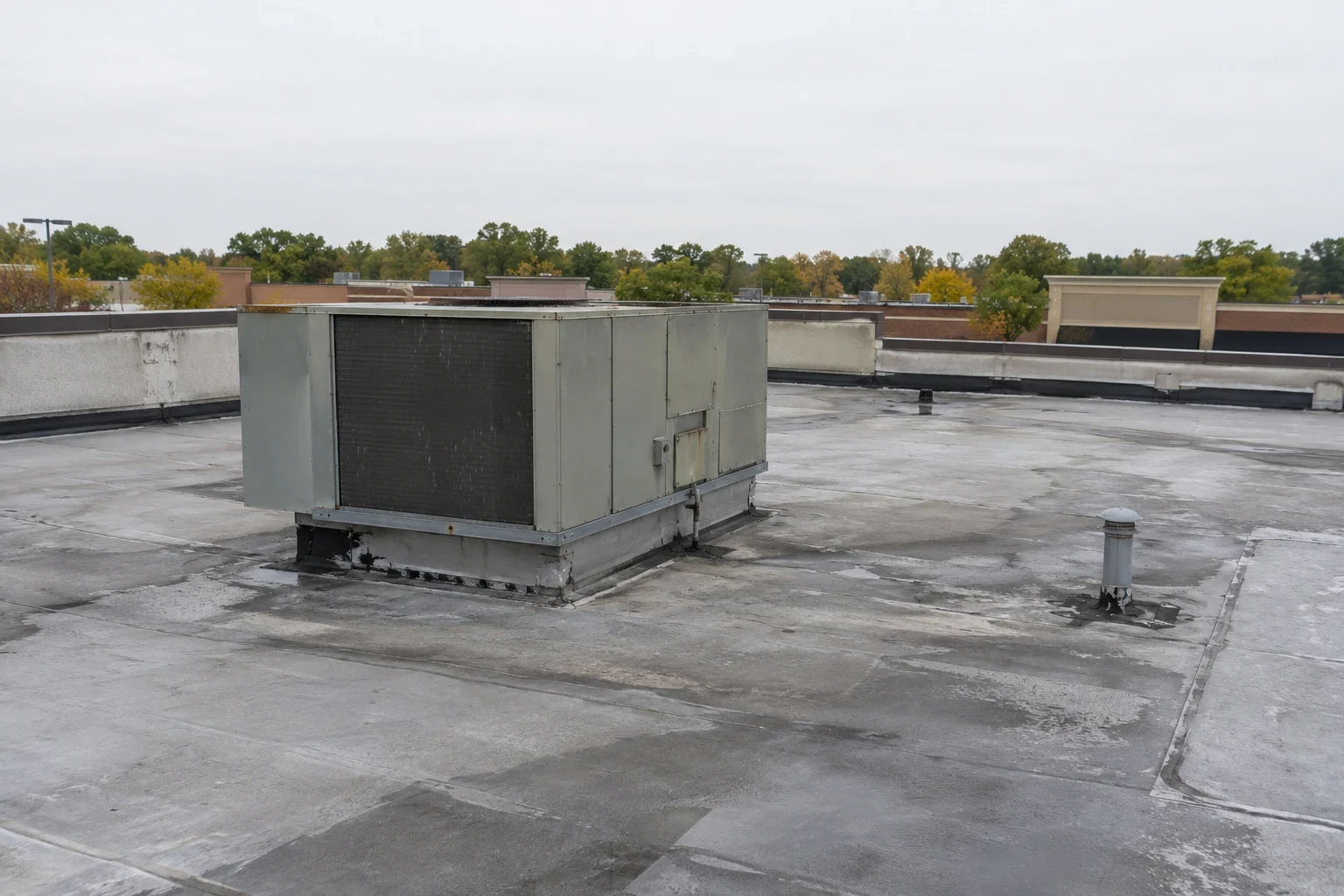
At completion, we identify the repaired roof section, photographs, materials, drain or curb condition and any item still needing attention. The facility manager receives the roof sketch and can connect later leak reports to the work completed. We confirm when a room can reopen and whether ceiling tiles, equipment or interior finishes need a separate follow-up. If a mechanical technician must complete an adjustment, the closeout names the interface rather than implying the roofer changed building controls.
Before an assessment, share roof plans, leak dates, class schedules, equipment locations, member-access rules and the contact who can approve a room closure. If the facility contains pool, locker or childcare spaces, list the access and protection requirements. UNC and Aims contribute to Greeley’s workforce and education sectors, but the specific facility’s condition is established in the field. We inspect that roof and provide a practical sequence for the manager. A marked reopen check helps staff confirm the ceiling area, floor and equipment are ready for scheduled use.