Can hotel guests stay in rooms during roof repairs?
The hotel sets room availability, and we coordinate work zones, barriers and notice with its operations lead. Affected rooms can be identified before roof material is opened.

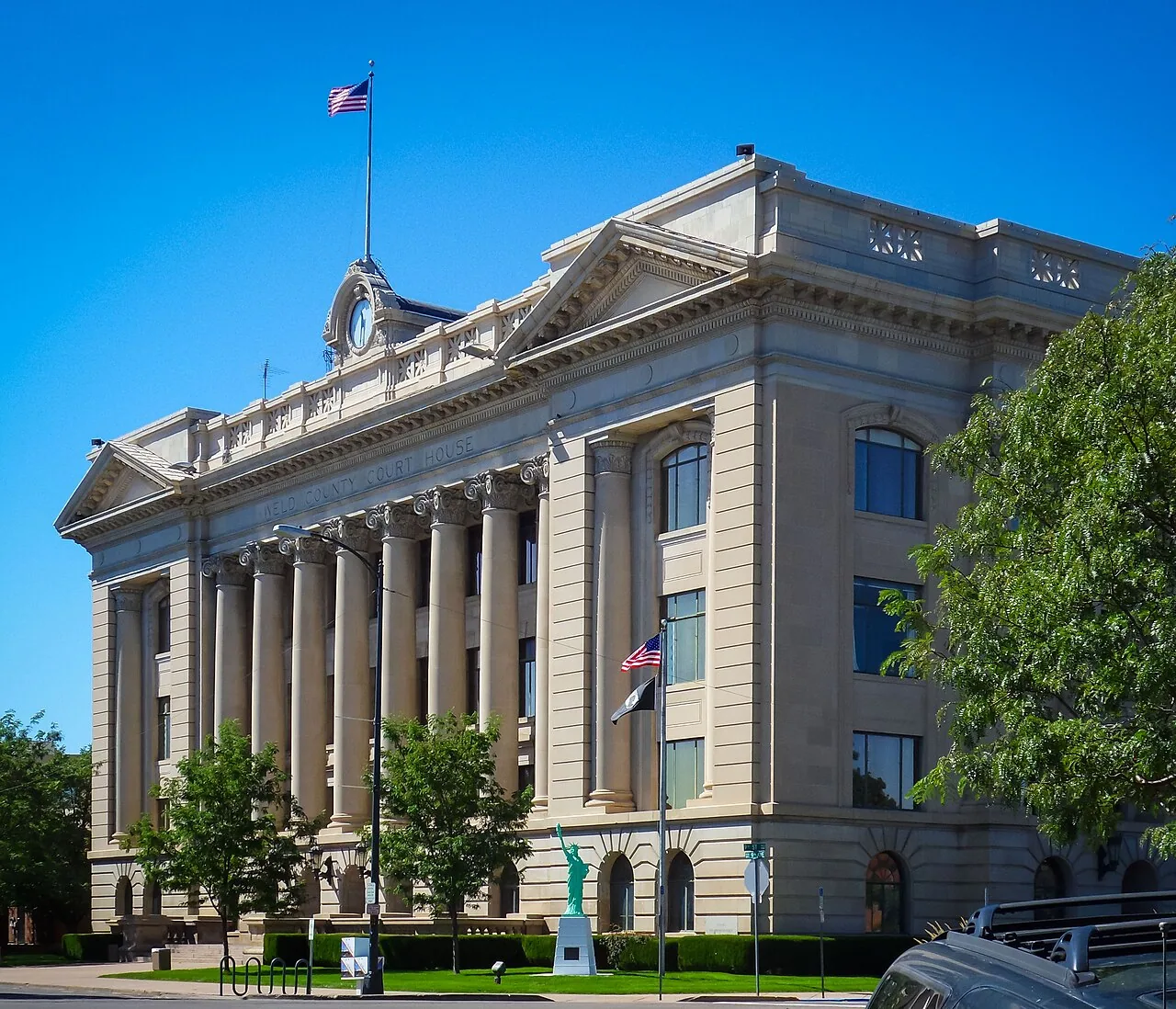
A ceiling drip near a guest room or meeting space can affect reservations before the source is clear. We begin with the room or floor, the time the issue appeared and any equipment below, then inspect the matching roof area, drains, seams, curbs and wall details. A mapped finding helps hotel management decide whether to protect a room, move an event or schedule a permanent repair. Greeley has a planned Downtown Civic Campus project combining city, county and school-district services with public space and retail. That civic plan is local context, not evidence about a hotel roof.
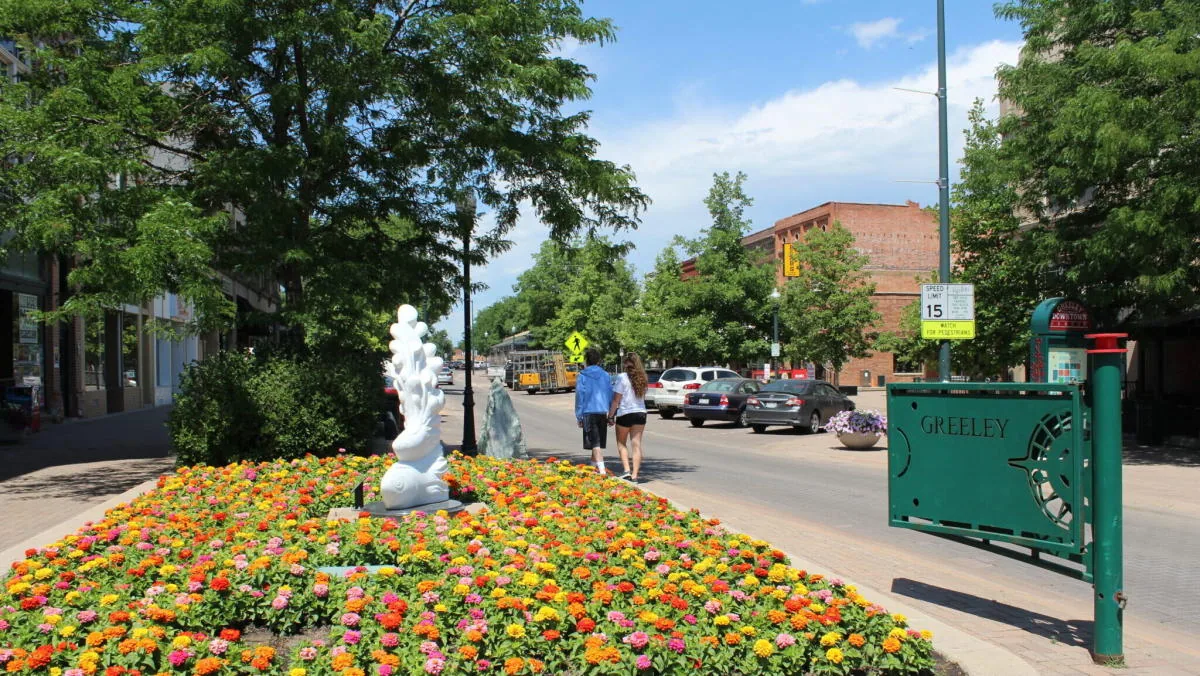
Guest circulation, housekeeping rounds, food service and event calendars shape the work window. We coordinate with the hotel’s facilities lead, identify service entrances and agree on how staff receive updates if a corridor, room or roof zone changes. The Downtown Greeley district and U.S. 34 Business Corridor connect different commercial settings, but every property sets its own access and guest-notice procedures.
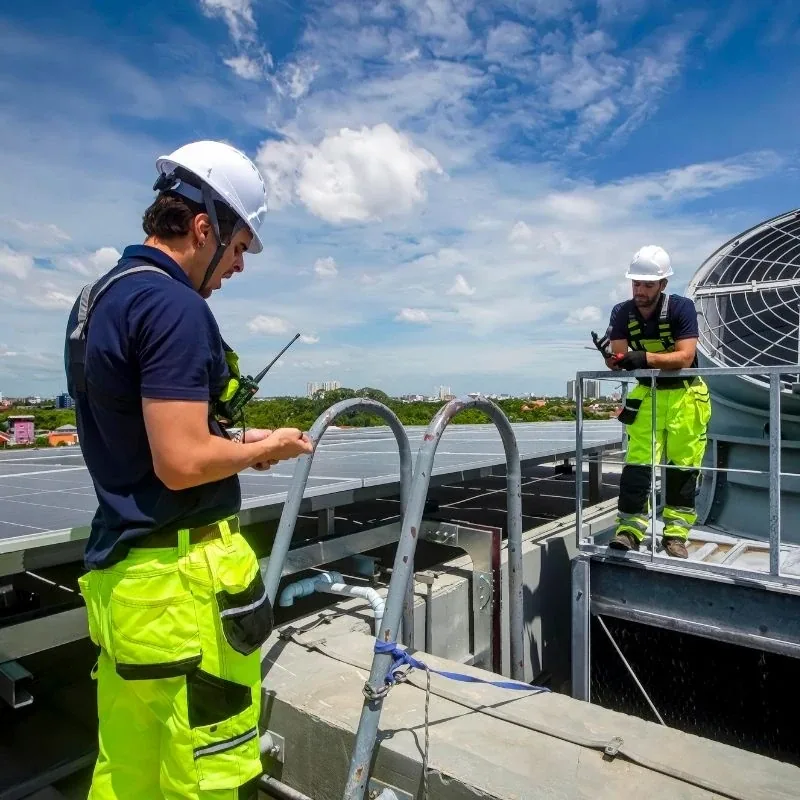
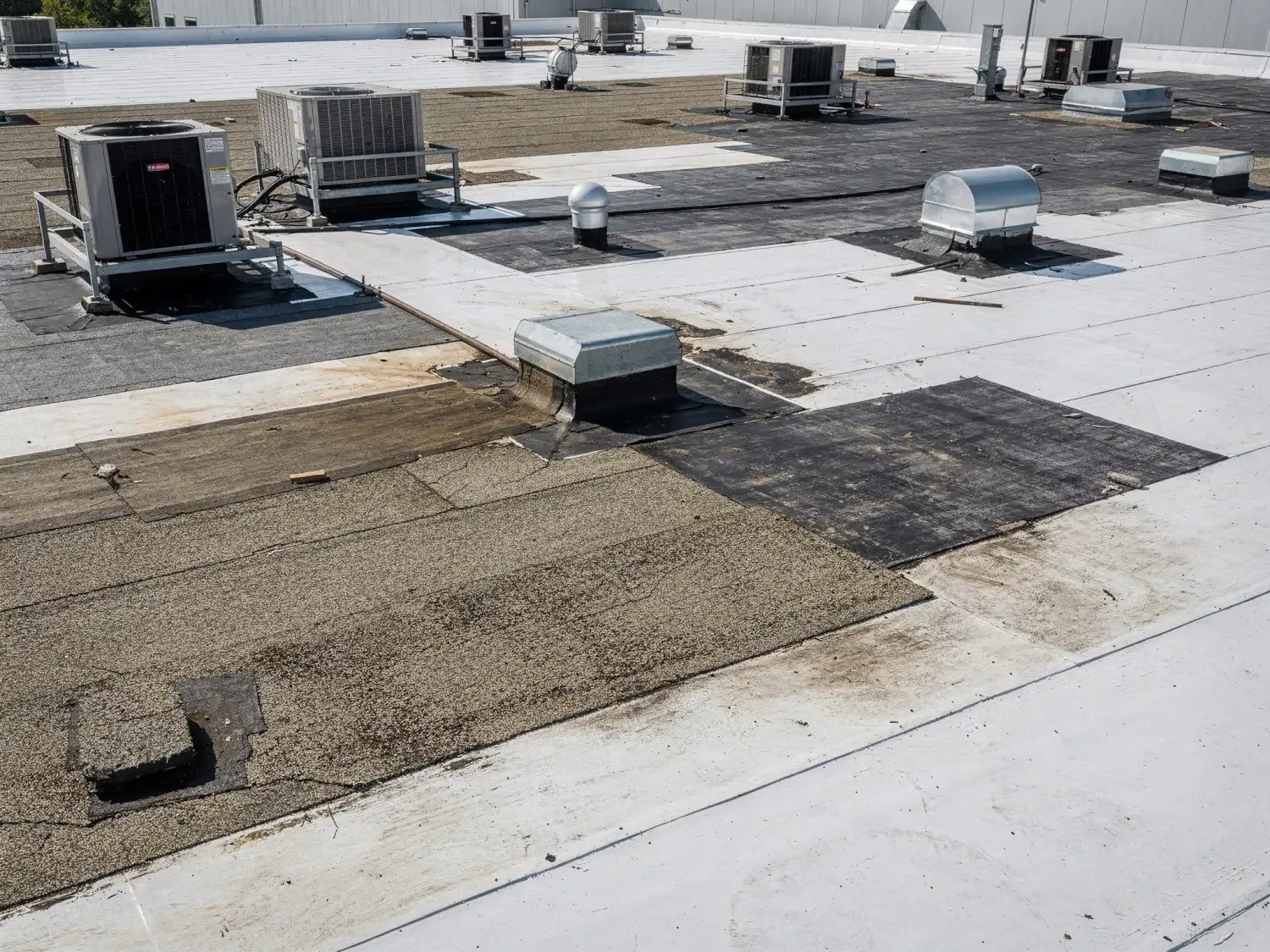
We map the reported room, hallway, ballroom or service area and compare it with roof drains, transitions and penetrations above. Water can move through a deck joint or insulation before reaching the ceiling, so the opening may not sit directly over the mark. We inspect membrane seams, metal panels, skylights, equipment curbs and perimeter flashings, and note any earlier patch that may affect the investigation. The hotel contact can identify whether the report followed rain, snow, HVAC service or an event setup.
A property may contain guest wings, kitchens, meeting rooms and additions with different roof sections. We keep those zones separate on the inspection record and identify access limits before recommending a campus-wide scope. If moisture may extend below the surface, a moisture survey can focus follow-up testing. Photos are labeled by roof area so facilities can connect the finding with a room block without circulating guest details in the maintenance report.
Before work starts, we confirm roof access, material delivery, lift placement, service corridors and entrances that must stay available. Hotel management identifies check-in periods, housekeeping routes, event setups, kitchen deliveries and spaces that cannot be noisy during a meeting. We agree where barriers go below the roof and who can approve a temporary room closure. A work notice should name the affected zone and the expected time window, with one person assigned to update front desk and operations staff.
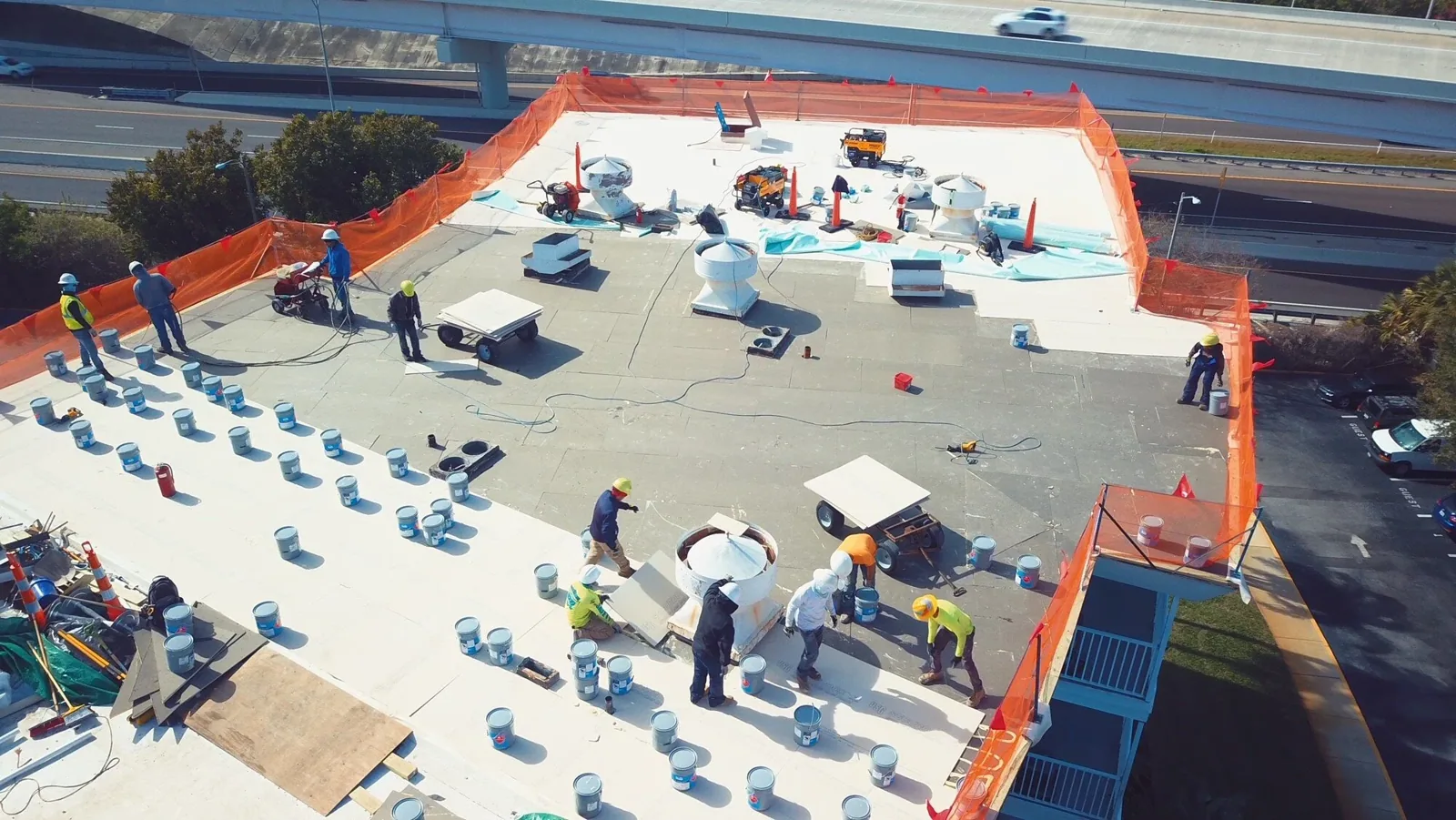
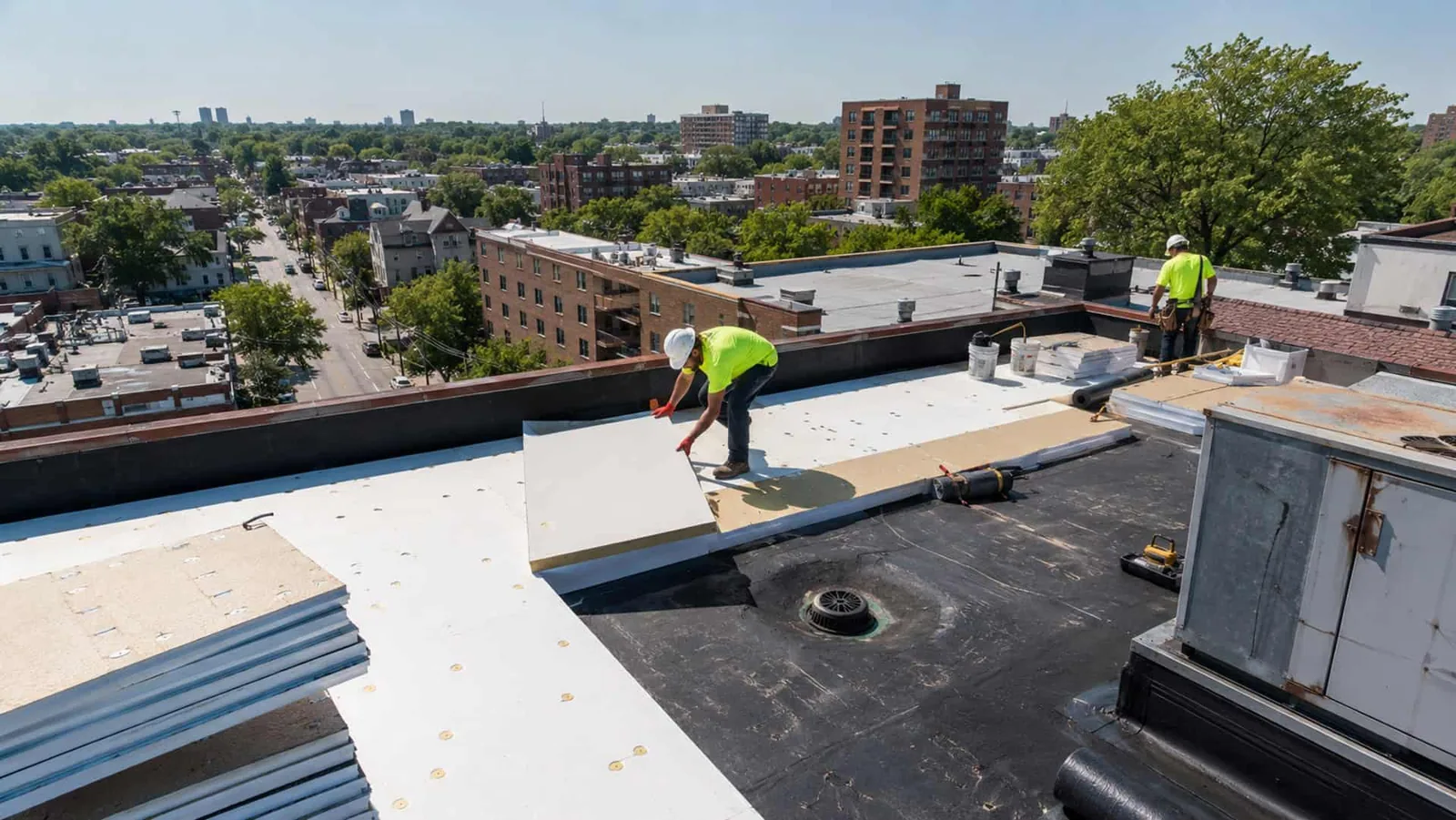
For replacement, we divide the roof into work areas and identify the daily dry-in point, interior protection and next-shift handoff. We coordinate rooftop unit service and avoid moving materials through guest areas when a service route is available. A phased reroof sequence can keep unaffected rooms operating, subject to the roof layout, weather and hotel schedule. We confirm the next work area before each shift so management can adjust housekeeping or event plans if a boundary changes.
Hotel teams can identify quiet-hour requests, event changeovers and rooms that should not receive a crew or material route. We confirm where a guest notice is needed and who can approve an adjustment if a meeting runs late or an entrance closes. If a repair must pass over a public area, we set a physical barrier and a clear alternate route before roofing begins. The work lead updates the operations contact at the agreed time, so front desk and housekeeping teams can plan around the actual work zone.
Greeley Airport climate records include hot days, snowfall, snow depth and wind. Heat can limit safe time on a roof, while snow or ice may block an access route or hide a drain. We review current conditions before the crew enters and protect any opened area at the agreed stopping point. The hotel can share event schedules and occupancy patterns so work is not placed over a busy entrance when a more suitable period is available.
Weld County summaries include hail near Greeley and tornado events. After a storm report, we inspect the hotel roof for observable changes, including punctures, displaced metal, open seams and flashing damage. A regional event does not confirm a roof failure at the property, so we compare current conditions with interior reports and earlier photographs. If the surface is unsafe or a section cannot be reached, the report identifies the limitation and a return visit is scheduled with management.
The hotel sets room availability, and we coordinate work zones, barriers and notice with its operations lead. Affected rooms can be identified before roof material is opened.
We map the interior report, inspect the roof transitions above it and coordinate the work period with event staff. The report separates immediate protection from permanent repair.
We plan lifts, deliveries and access around the hotel schedule when the roof and weather allow. Management identifies the times when entrances or corridors must remain clear. We identify a backup contact if weather changes the schedule.
Each room report gets mapped and compared with the roof drainage areas above it. We identify whether separate locations appear connected, then note any test needed to confirm the path.
Share roof plans, room or event constraints, leak dates, access instructions and equipment schedules. Name the manager authorized to approve barriers or work-hour changes.
An isolated curb or seam repair can be suitable when the surrounding roof is sound and the water path is understood. Repeated leaks, widespread moisture or damaged transitions can require testing or a replacement review. We list temporary protection, roof work and room-level actions separately, then state which hotel contacts need to coordinate each step. That keeps the repair estimate useful to facilities without implying that the roofing crew controls guest relocation or hotel operations.
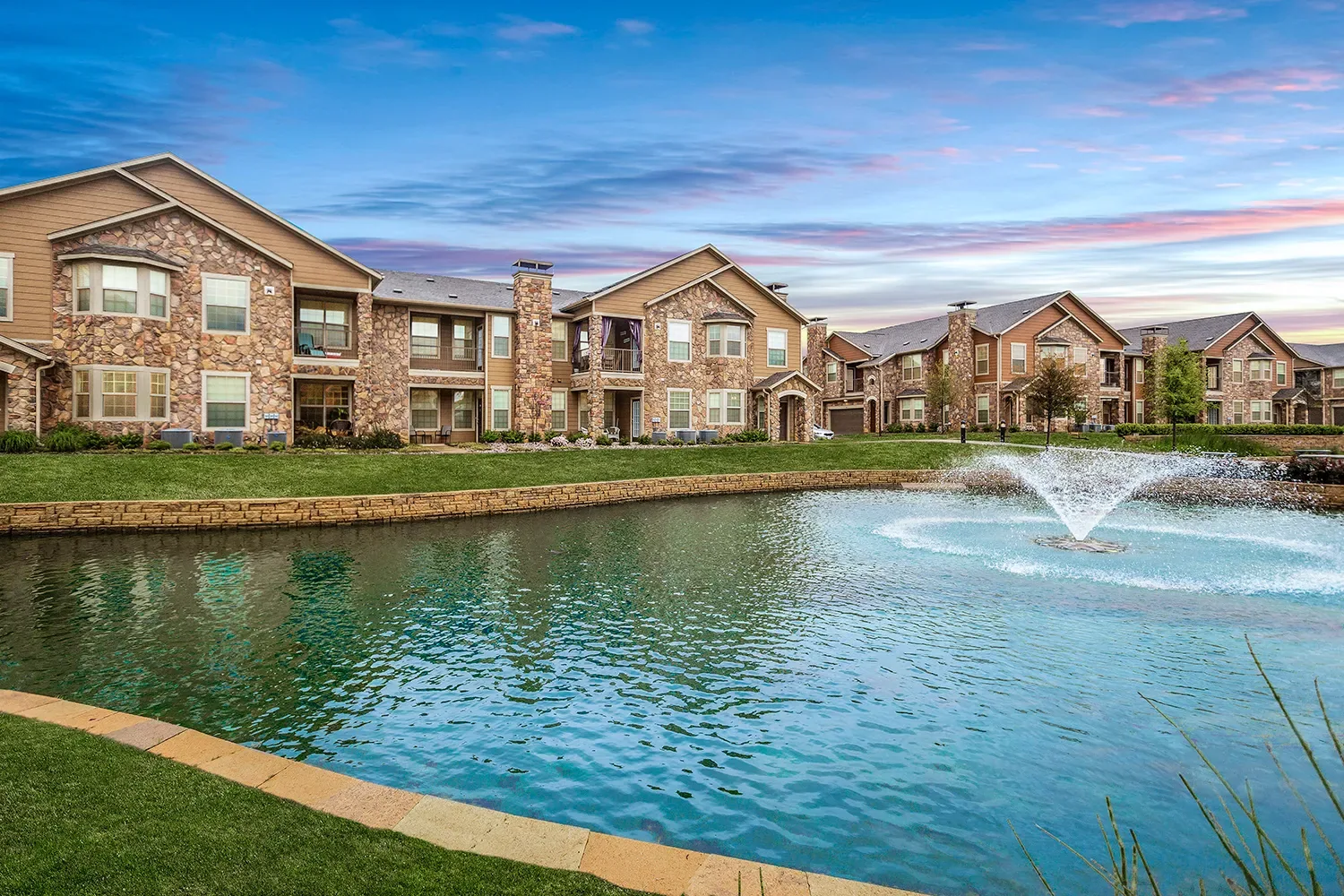
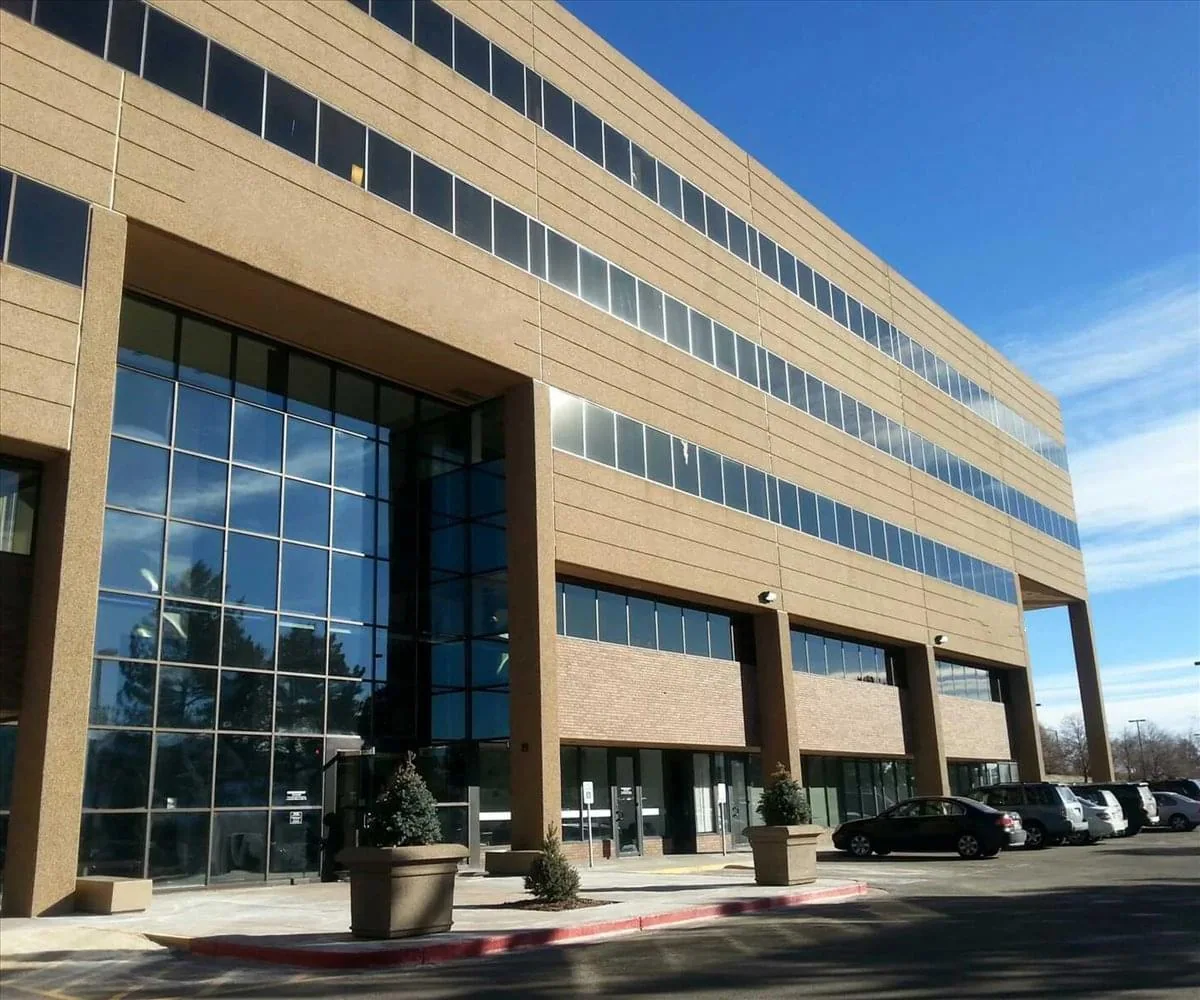
Cost and timing depend on roof system, area, penetrations, access, room protection, material staging, event limits and the number of floors or wings involved. We compare a focused repair with a replacement using the inspected assembly. A multifamily building also has resident notices, while an office property has a different tenant schedule. We scope the hotel’s guest spaces and operating requirements as they exist.
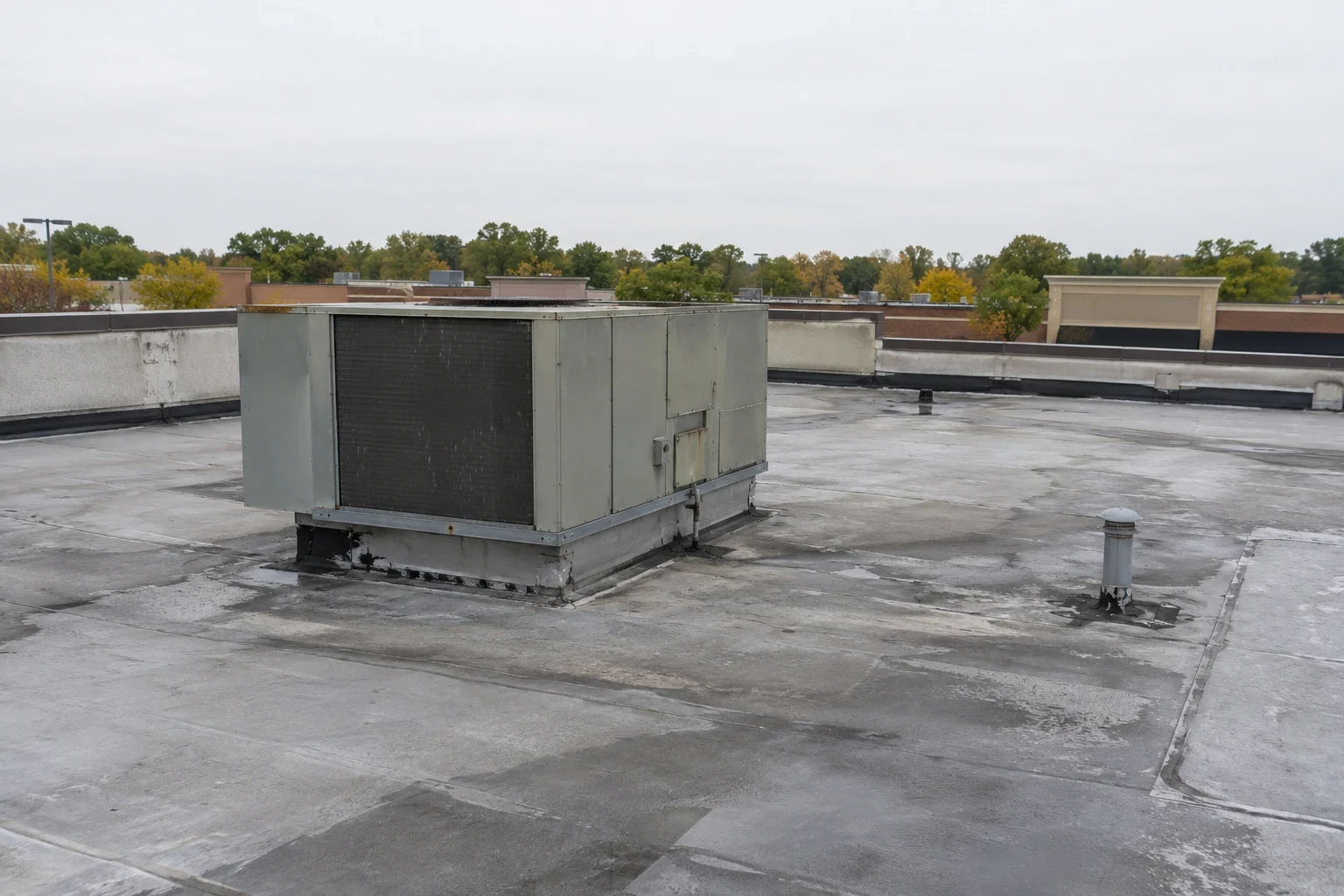
At closeout, we provide a marked roof plan, photographs of the repaired detail, materials used, and any area left for monitoring. The record identifies the room or zone affected without including guest names or reservation information. Hotel maintenance staff can use it before a future HVAC visit and can tell housekeeping when a protected area is clear. If a later leak appears nearby, the repair boundary and date help distinguish a recurrence from a separate roof condition.
Send roof plans, leak dates, guest-area constraints, event calendars, equipment service notes, prior repair records and access rules before the inspection. Identify the person who can approve room protection or after-hours work. Downtown Greeley and the U.S. 34 Business route provide local commercial context; the hotel’s own staff determine guest flow, delivery windows and security. We inspect the roof and return a defined next step for facilities and management. The record identifies any item that should be checked before the next busy occupancy period.