Are you authorized to enter Greeley Air National Guard Station?
No general access is implied. Eligibility and authorization are determined by the government for each project, and we follow its procurement and site procedures.
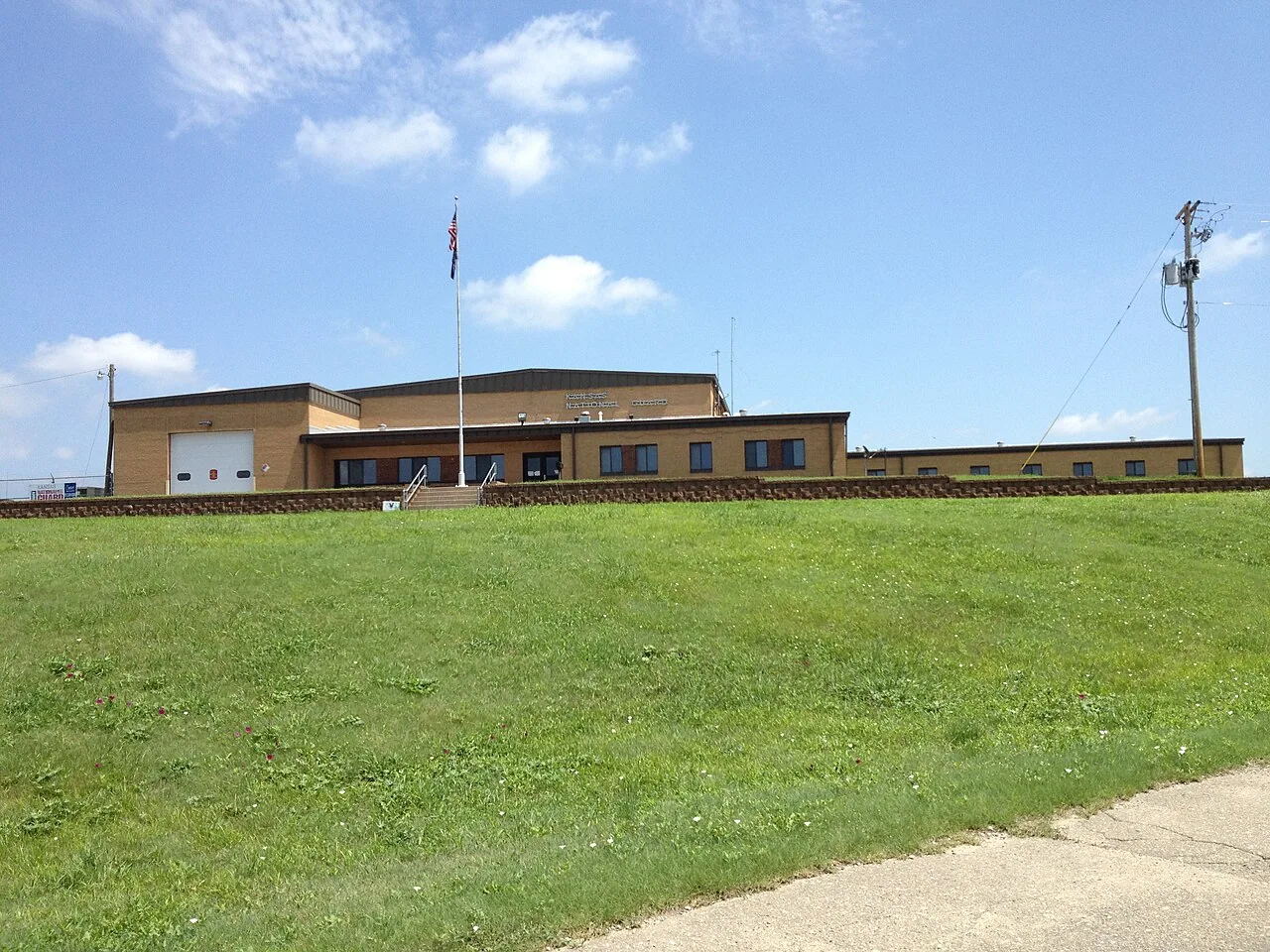
Roof work at an Air Force or Guard facility begins with the person who controls access and the building’s approved work rules. A leak report needs a clear location, a protected interior area and a roof inspection that respects mission activity. We document the observed condition, identify the roof zone and outline the limits of the review. The 233rd Space Group conducts its space mission from Greeley Air National Guard Station. That local installation fact does not imply a known roof condition, contract relationship or authorization for access.
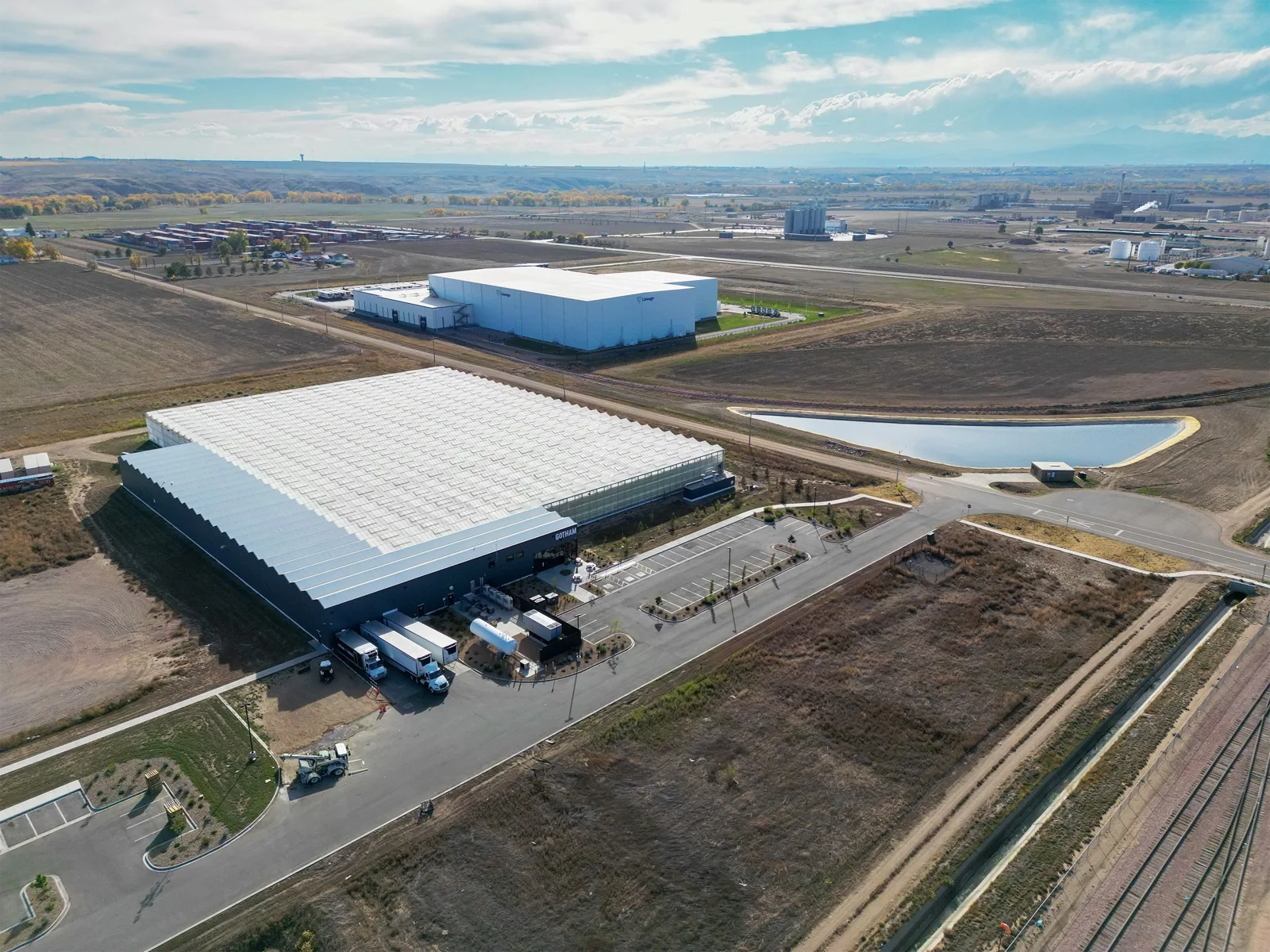
Owners and contracting representatives establish procurement, badging, escort, security and safety requirements before a site visit. We follow the documents and procedures provided for the particular project. The Great Western Industrial Park, U.S. 34 Business Corridor and Greeley-Weld County Airport show the broader regional industrial and aviation setting, but none determines military project requirements. A facility’s contract documents, roof records and authorized site contact control the actual scope.
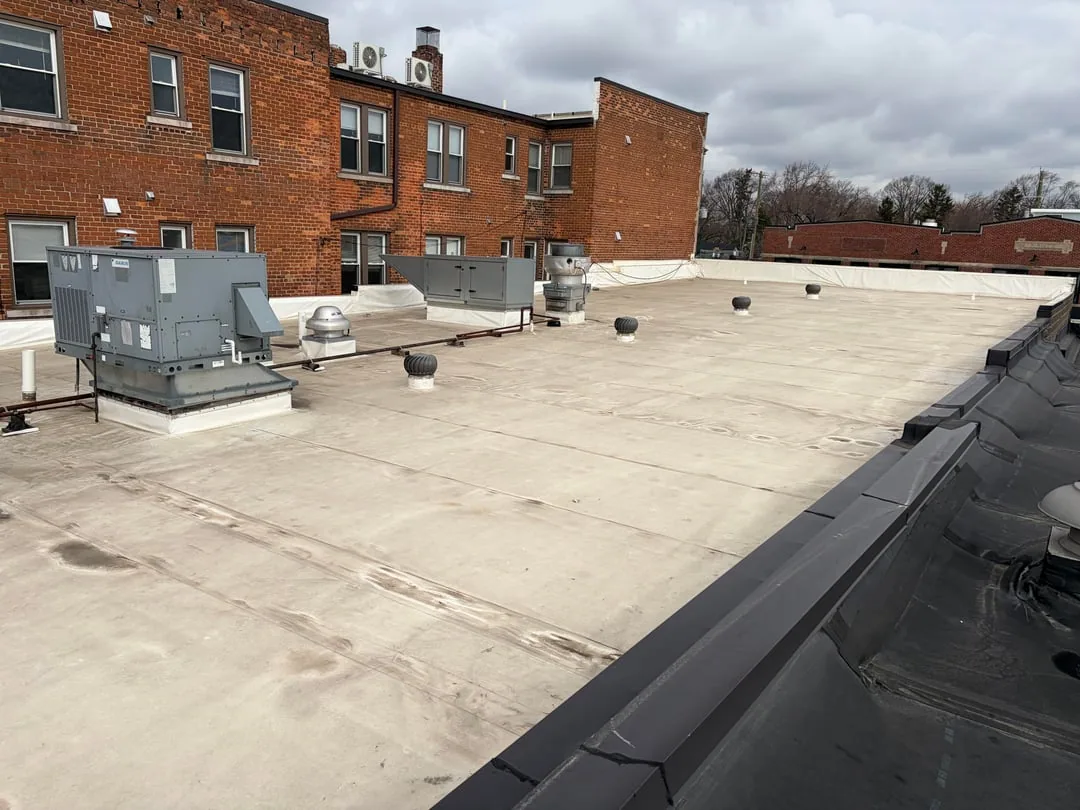
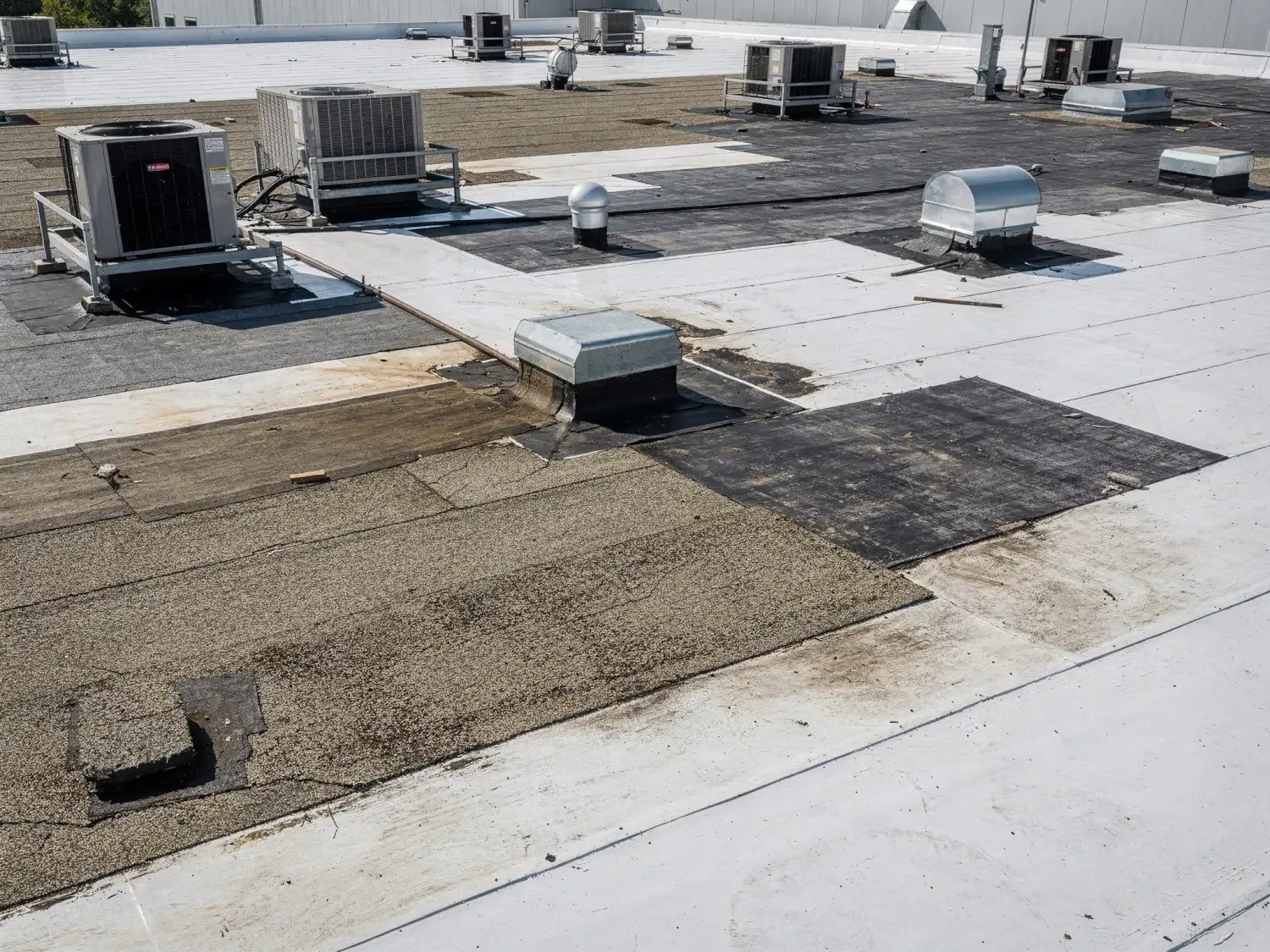
We record the reported leak area, timing, interior protection needs and the authority approving roof access. Inspection proceeds only in approved zones and within the stated escort or safety limits. On the roof, we check visible seams, penetrations, drainage, edge securement, curbs and prior repair interfaces. Photos and a roof-zone sketch connect each observation to a location without including restricted information in a public-facing summary.
Military buildings can have specialized systems, communications equipment, exhaust, rooftop units or controlled areas. We do not infer equipment sensitivity or access permission from the building type. The government representative identifies what may be photographed, moved, covered or discussed. A condition report can separate direct observations from items requiring authorized testing. If moisture mapping is proposed, we first confirm that the method, equipment and data handling meet the project’s written requirements.
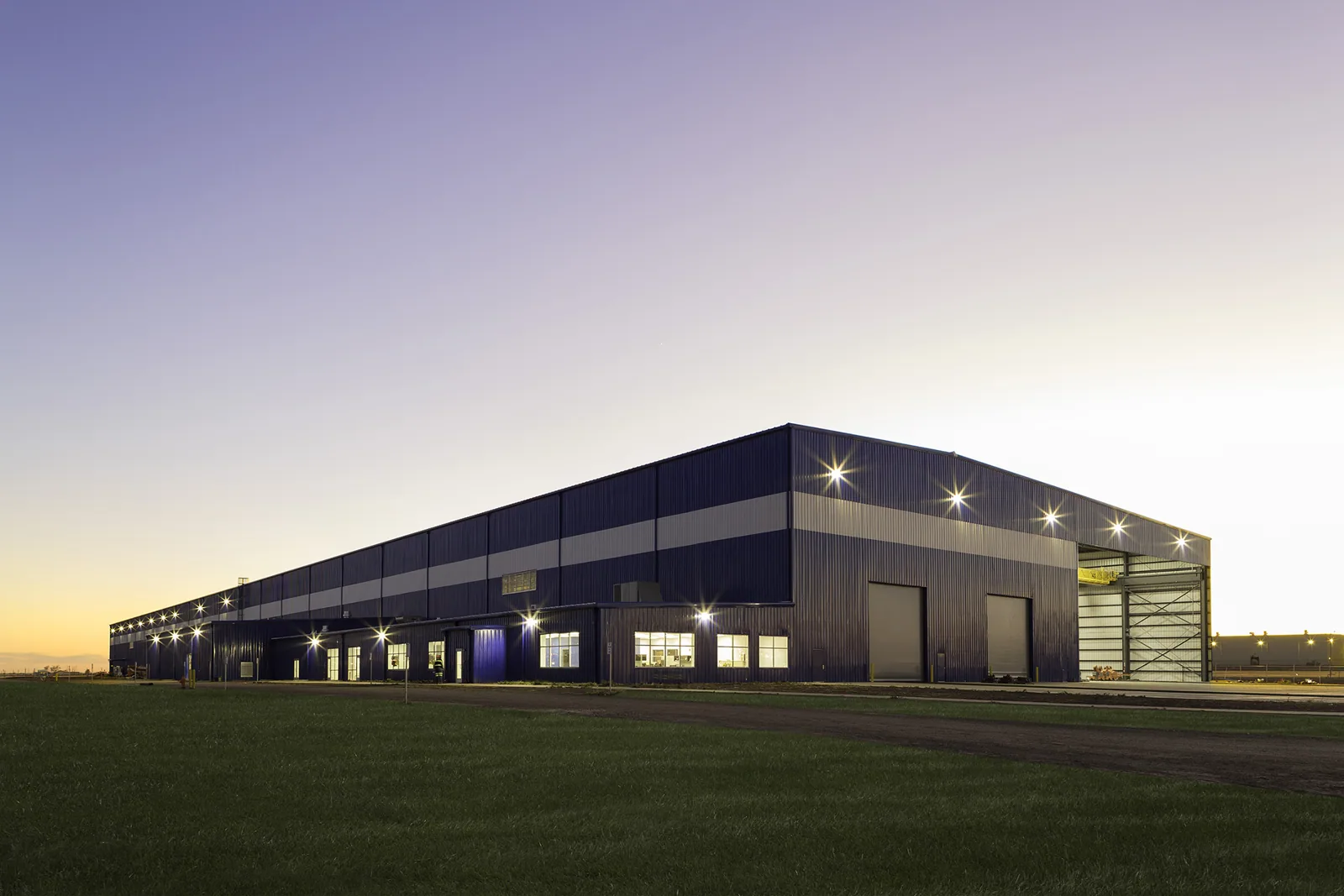
Before mobilization, we confirm the approved crew roster, arrival procedure, escort point, tools and materials that may enter the property. The site representative identifies mission windows, vehicle routes, controlled doors and any areas that must remain clear. We submit product information, safety documents and sequencing details through the channel specified for the job. Work begins only after required approvals and access coordination are complete.
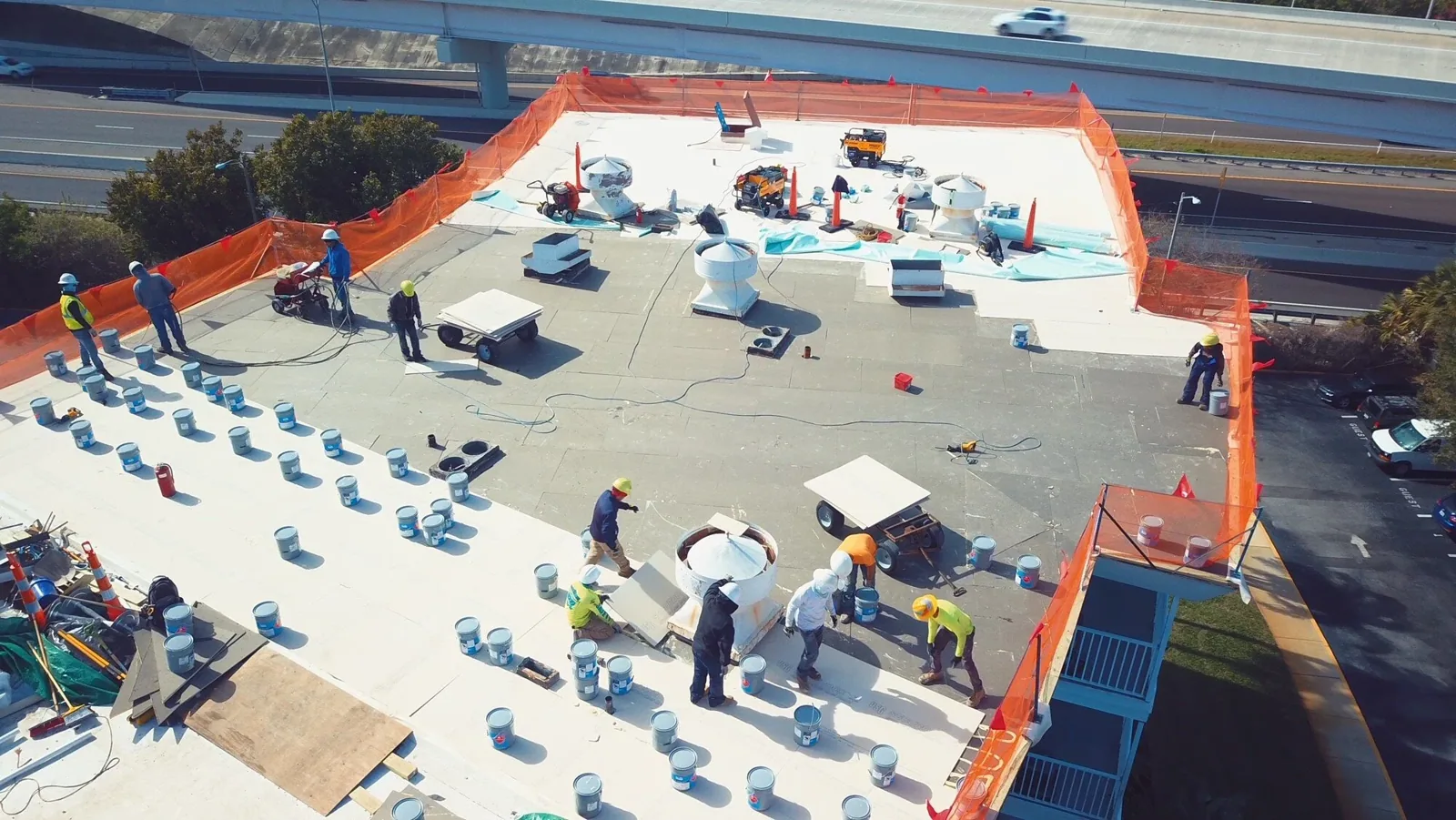
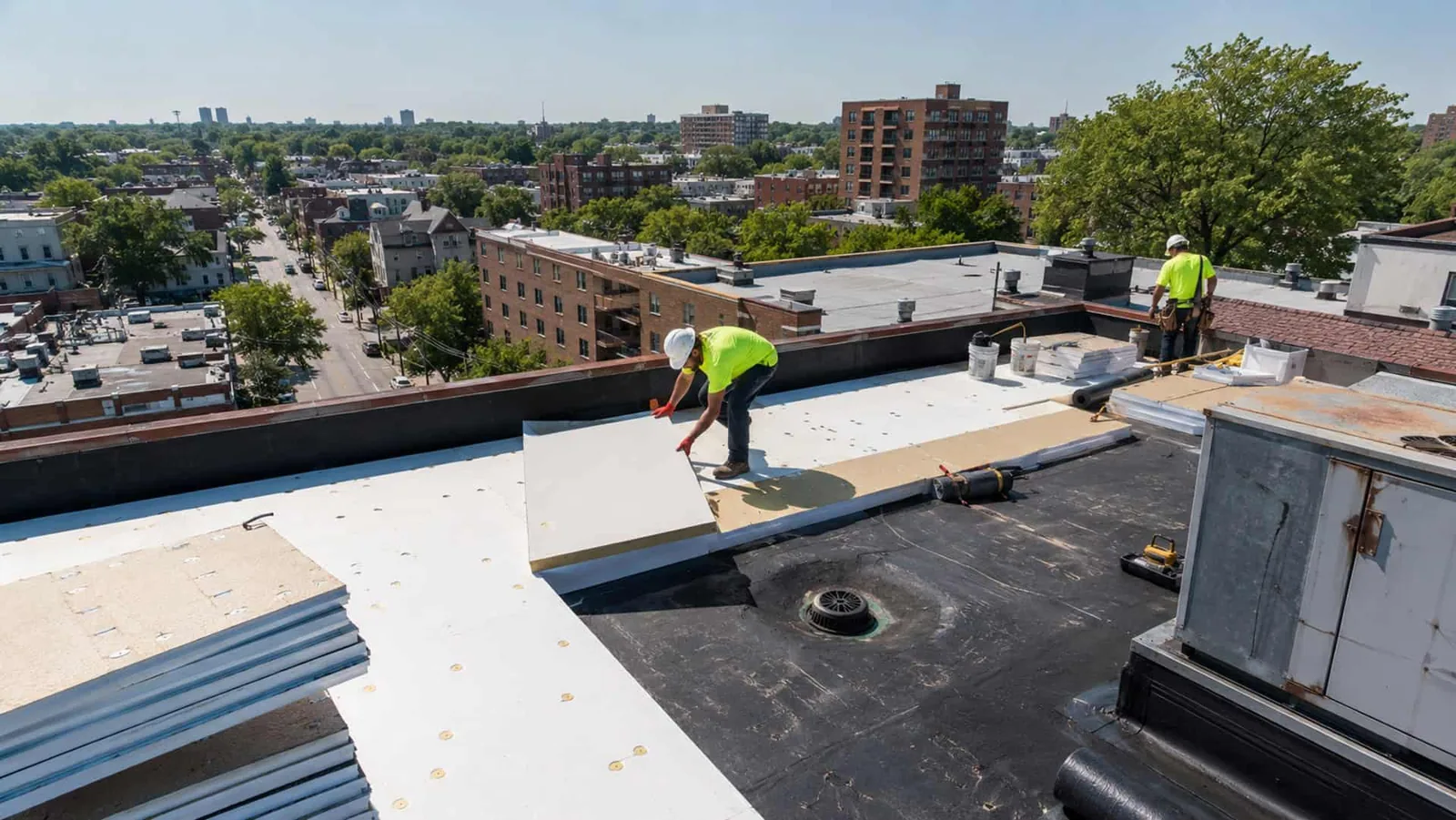
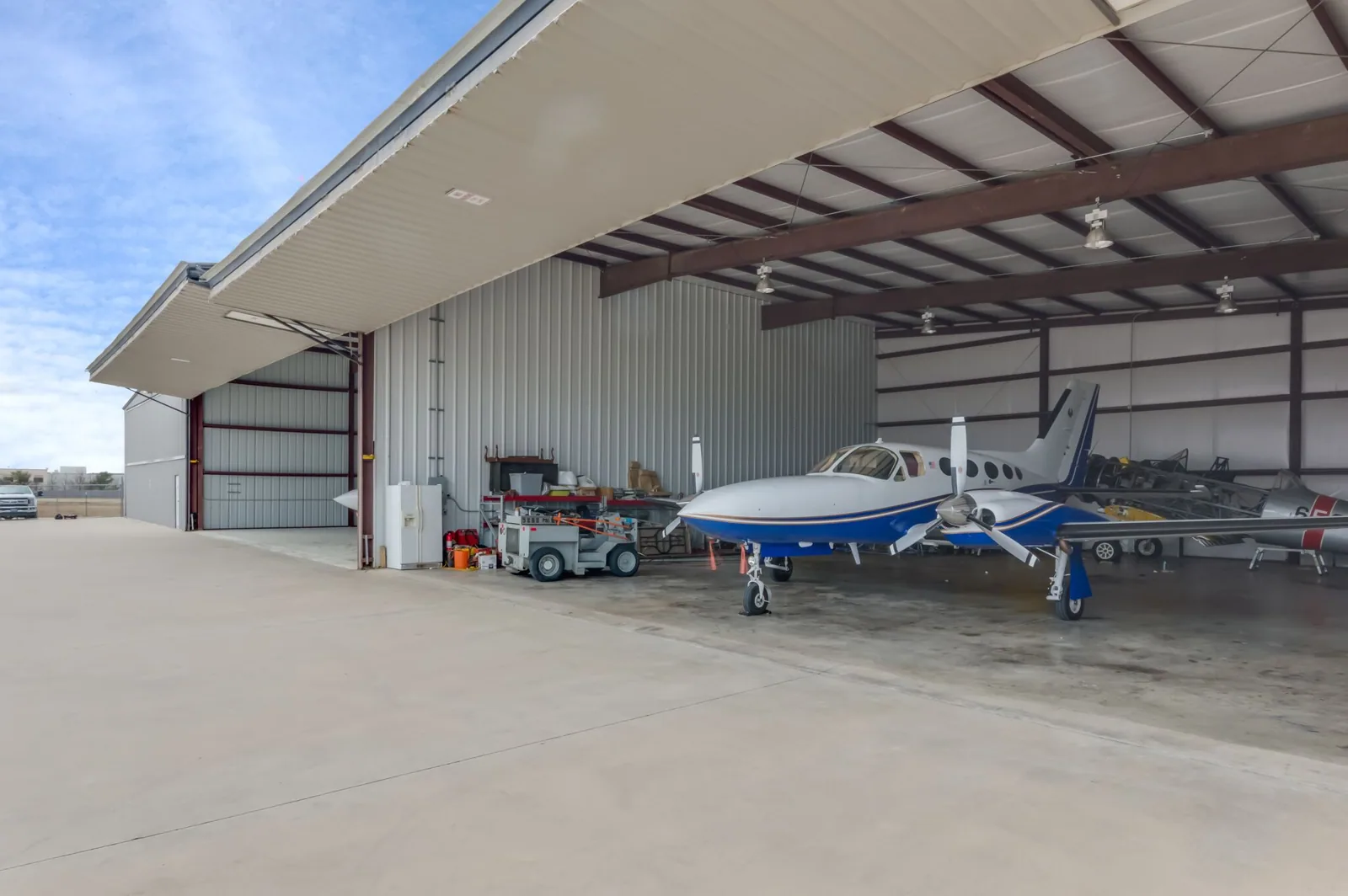
The daily plan identifies which roof area is active, the protection below it, the staging location and the person who can authorize a change. We secure tools and materials, maintain temporary dry-in and stop when an access condition changes. Where one roof covers multiple functions, we phase the work to keep the approved boundary clear and return each area to the site representative after inspection. Our occupied-facility sequence can help organize phasing, subject to the applicable contract and government direction. For a separate aviation structure, see aircraft hangar roofing; for readiness facilities, see National Guard armory roofing.
Greeley’s hot periods, winter snow and wind affect roof access and the work window. These conditions can affect roof access, material handling and the safe timing of exposed work. We verify current site conditions and follow the product limitations and project documents. Snow or ice may restrict movement near roof edges and drains. Heat may narrow a shift’s safe work period or influence when a material can be installed. The facility representative’s mission schedule remains part of the work window.
National Weather Service summaries include hail near Greeley and tornado events in Weld County. After severe weather, we inspect approved roof zones at Greeley Air National Guard Station for openings, displaced edges and water entry, then document the repair boundary. After an event, inspection records should identify what was seen, what could not be accessed and which areas require follow-up. We avoid conclusions about mission equipment or interior impact unless the authorized representative provides that information and it belongs in the approved report.
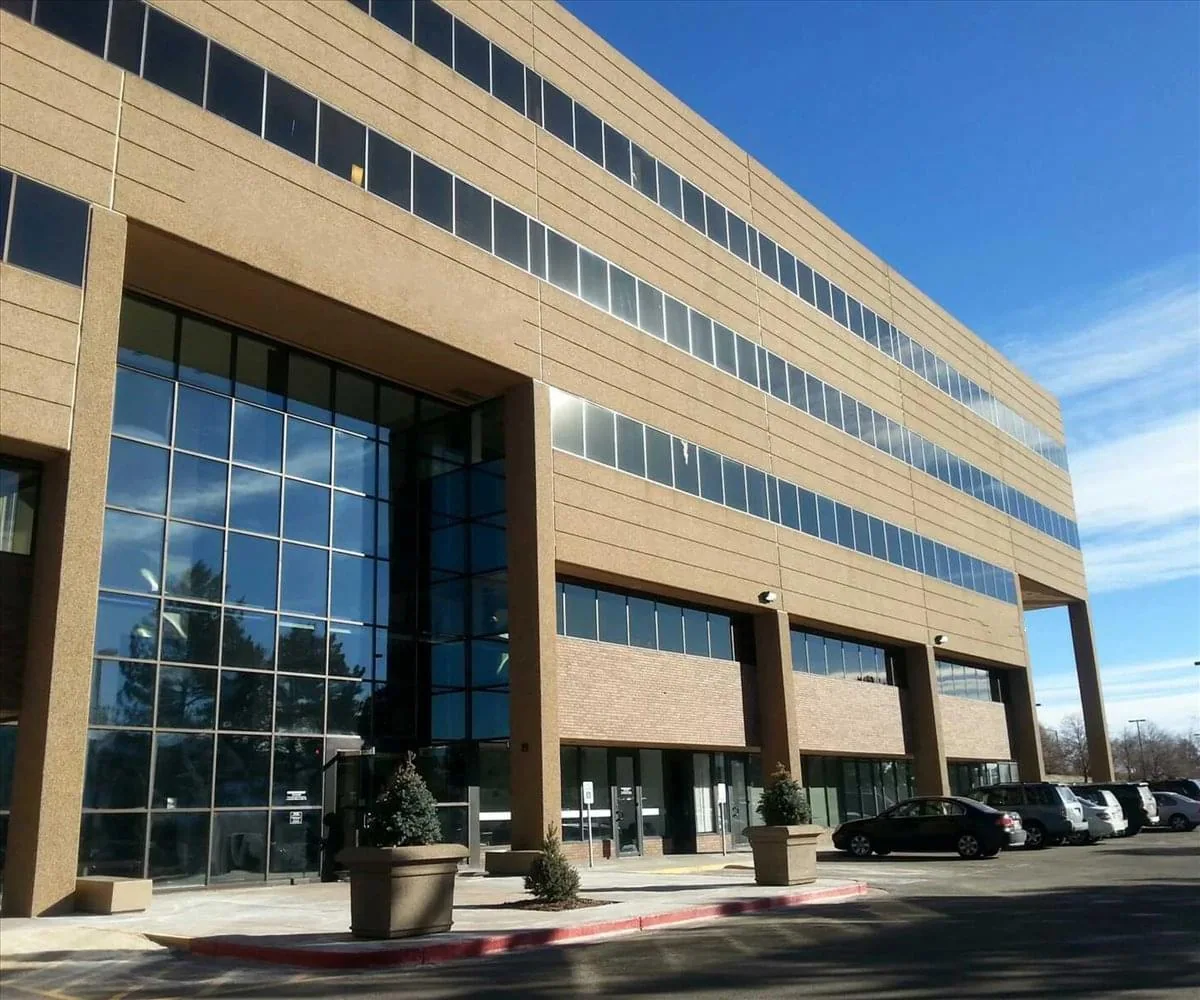
No general access is implied. Eligibility and authorization are determined by the government for each project, and we follow its procurement and site procedures.
We can coordinate with an approved escort process when the contract and site representative authorize the visit. The facility sets the permitted boundaries.
The bid review starts with the criteria identified in project documents. We confirm the applicable edition and scope with the contracting representative before proposing work.
After the site authorizes access, we assess the permitted roof area and document visible conditions. A regional weather event alone does not establish facility damage.
Provide the scope, roof drawings, existing system data, access and escort process, work-hour limits, submittal requirements and authorized point of contact.
Scope is set by observed condition, verified roof assembly and the project’s written requirements. We define the repair boundary, tie-ins, temporary protection, testing steps and acceptance points. If replacement is considered, the proposal identifies removal limits, attachment, flashing details and what happens at rooftop equipment. No single manufacturer or assembly is assumed before the existing roof is inspected and the government’s specifications are reviewed.
Cost and schedule depend on roof area, assembly, access controls, escort availability, submittal review, work hours, protection measures and the sequence approved for the facility. We distinguish roofing labor from electrical, mechanical, communications and interior work unless the contract assigns those items to our scope. Targeted repair may be compared with replacement when both fit the documents and findings. Applicable UFC, code and agency criteria must be verified for the specific contract; we do not substitute generic guidance for the controlling specification.
A government work package should distinguish warranty expectations, manufacturer participation, roof-system submittals and inspections required before concealment. If tear-off reveals a different substrate or wet insulation, we stop at the authorized limit and request direction through the contracting channel. This prevents the field crew from expanding scope based on an assumption. We can provide marked photographs, a proposed change description and the reason for the request, subject to the contract’s reporting rules. Acceptance criteria should be agreed before the repair begins, especially where multiple trades share a penetration or curb.
The estimate should also note any item that remains outside the roofing proposal, such as interior ceiling restoration, equipment servicing or security staffing. For a phased project, each option can identify the next roof zone, planned duration and inspection hold point. That structure gives the government reviewer a clear comparison while preserving the approval path for changes. We keep the field record aligned with authorized direction and do not treat a requested observation as approval to perform added work.
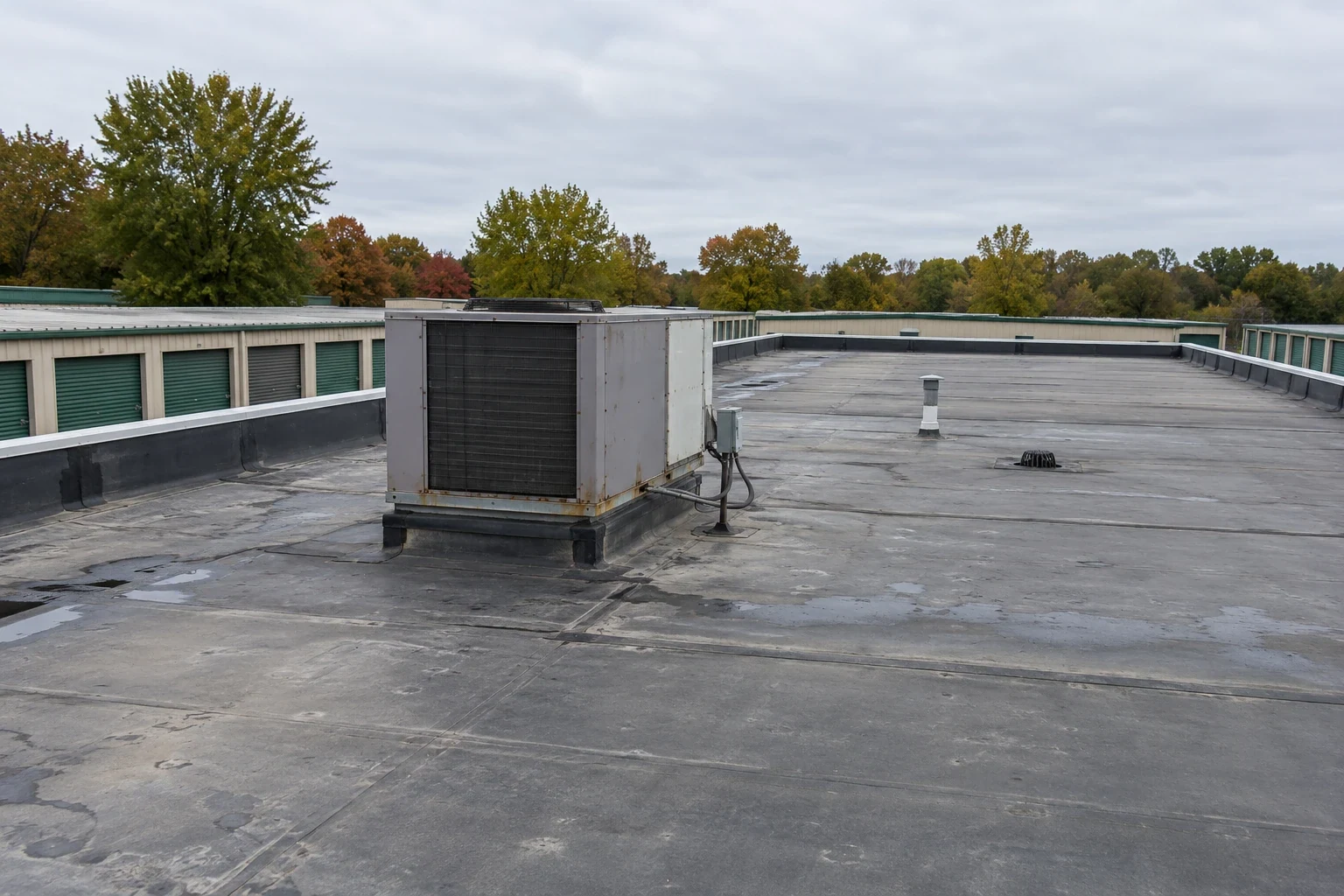
Closeout follows the contract’s format for photographs, daily logs, material records, inspection results and remaining items. We provide only information authorized for the recipient and approved storage channel. The site representative confirms when the work zone is released, whether temporary protection can be removed and whether an additional inspection is needed. If an unresolved interface remains, the record names the responsible party and the next decision rather than treating the roof work as complete.
For planning, provide the solicitation or task documents, roof plans, existing assembly data, access process, approved work hours and the contracting or facility contact. Identify requirements for escorts, badging, photographs, submittals and closeout before the estimate is finalized. Greeley Air National Guard Station’s documented mission is the local reference point; the actual project determines whether work is eligible, authorized and feasible. We follow that project’s scope and return a condition-based roof plan.