Does Soprema make both membrane and bitumen roofing?
Yes. Its commercial range includes modified bitumen and membrane products, among other roof materials. We verify which system is on the building before recommending work.
A Soprema roof can use modified bitumen, single-ply membrane, insulation or a liquid-applied detail, and the repair method follows the layer installed at the building. We inspect seams, surfacing, flashings, drains and prior repairs, then review owner records before selecting materials. A quick patch over an unknown layer can hide the condition instead of restoring the intended water path.
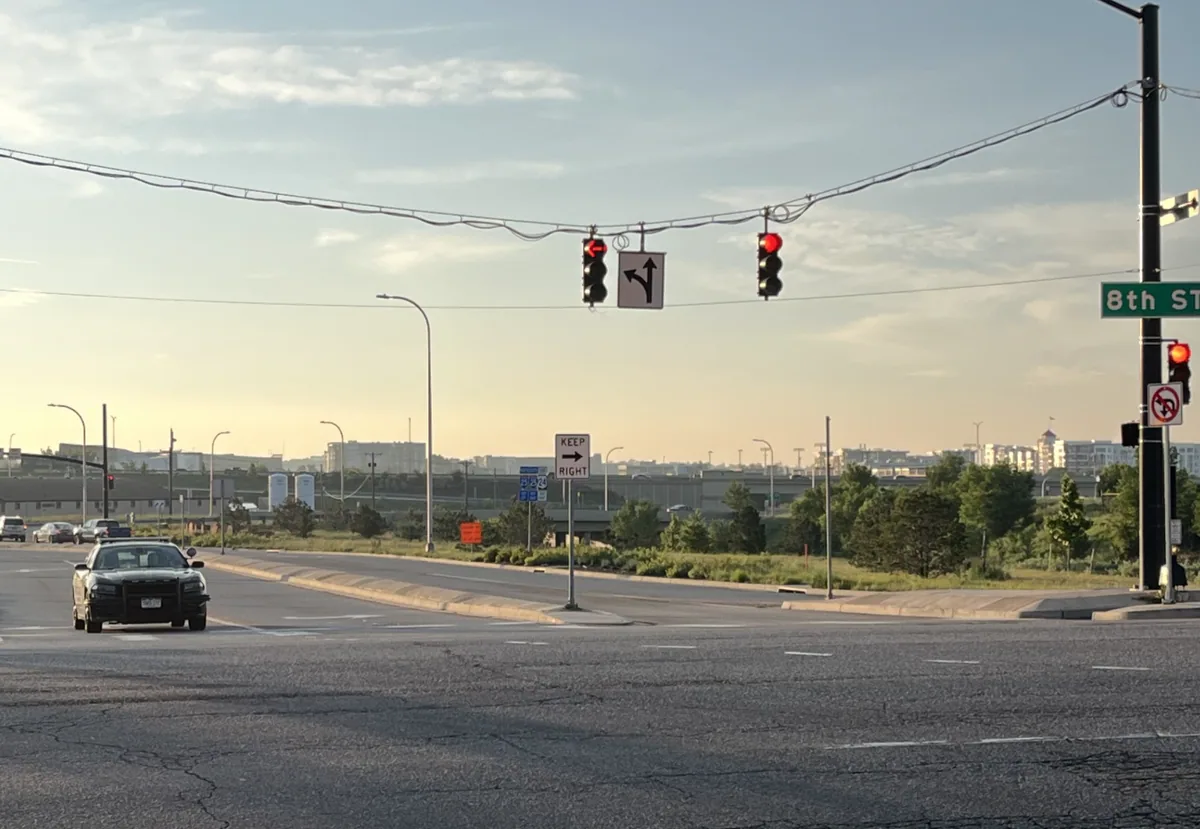
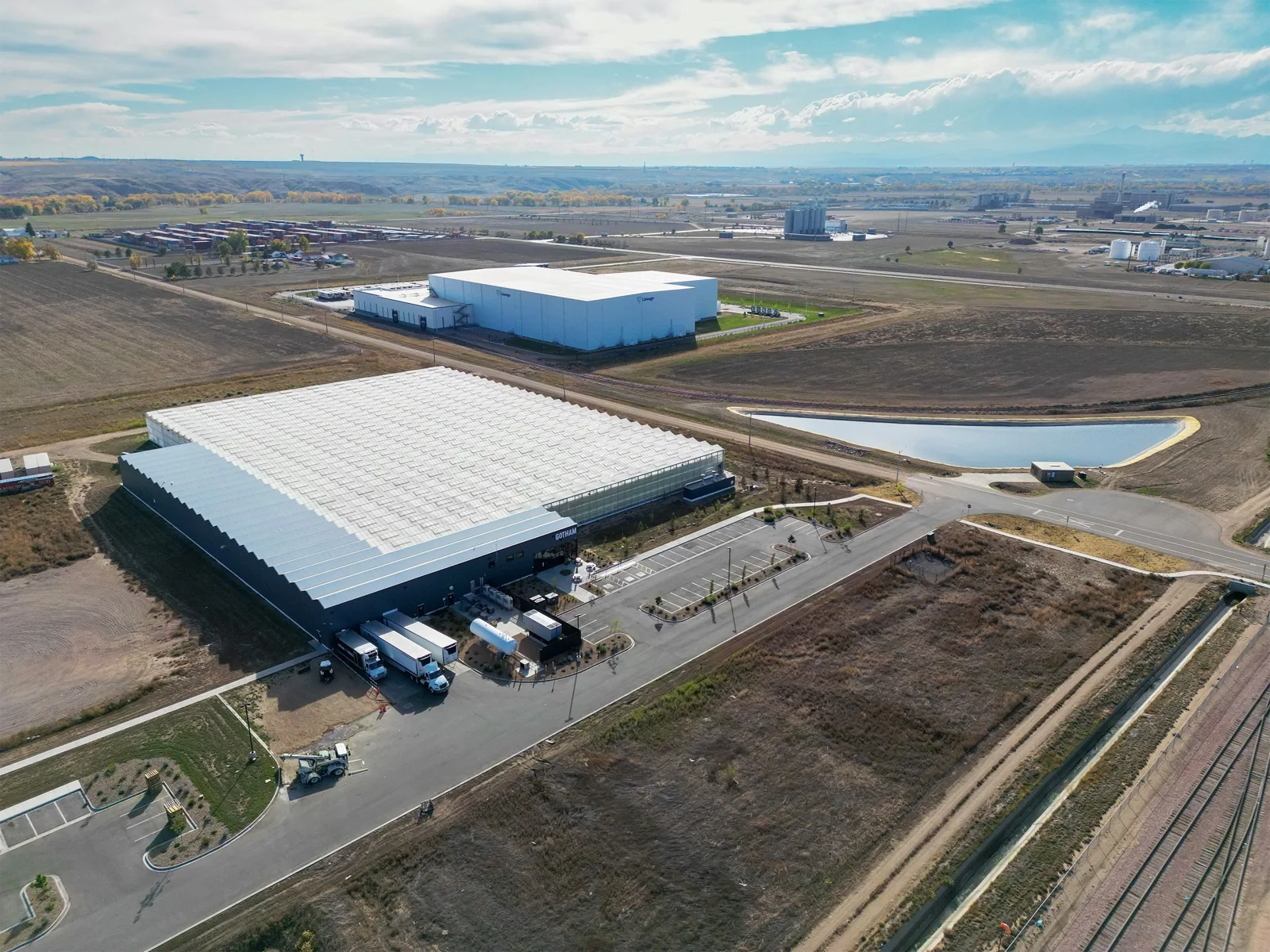
Greeley facilities span food and beverage production, manufacturing, healthcare and public projects. A property near East 8th Street Corridor may have different tenant access than a site by the Great Western Industrial Park. We confirm the roof and work constraints at each property before writing the scope.
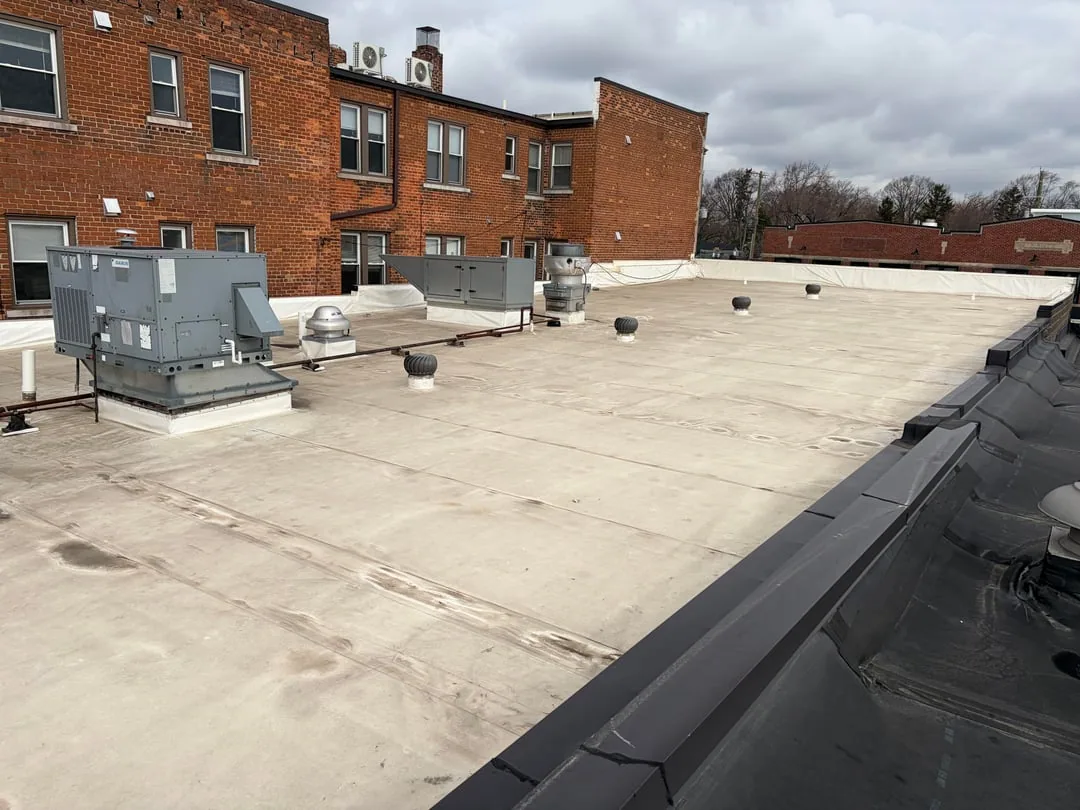
We identify the exposed material and look at seams, laps, granule surfacing, penetrations and transitions. Soprema commercial systems include modified bitumen, TPO and PVC membranes, insulation and liquid-applied products. An older roof may combine materials from more than one project. We note which layers are visible, compare them with submittals and identify whether more testing is needed before cutting or coating.
A leak can travel under the surface or along a deck before appearing inside. We map the reported room against drains, curbs and roof slope, then photograph the area above it. A commercial roof inspection can document those observations, while a condition report can show the owner where the finding sits in the larger assembly. Any test opening requires approval and a defined restoration method.
Modified bitumen and membrane systems respond differently to patching and surface preparation. We look for blisters, split laps, exposed reinforcement, displaced granules, open welds and previous coating edges. For liquid-applied details, we check whether the underlying surface is dry, sound and compatible. If a transition includes metal or masonry, we define that boundary separately instead of assuming the field material controls the entire repair.
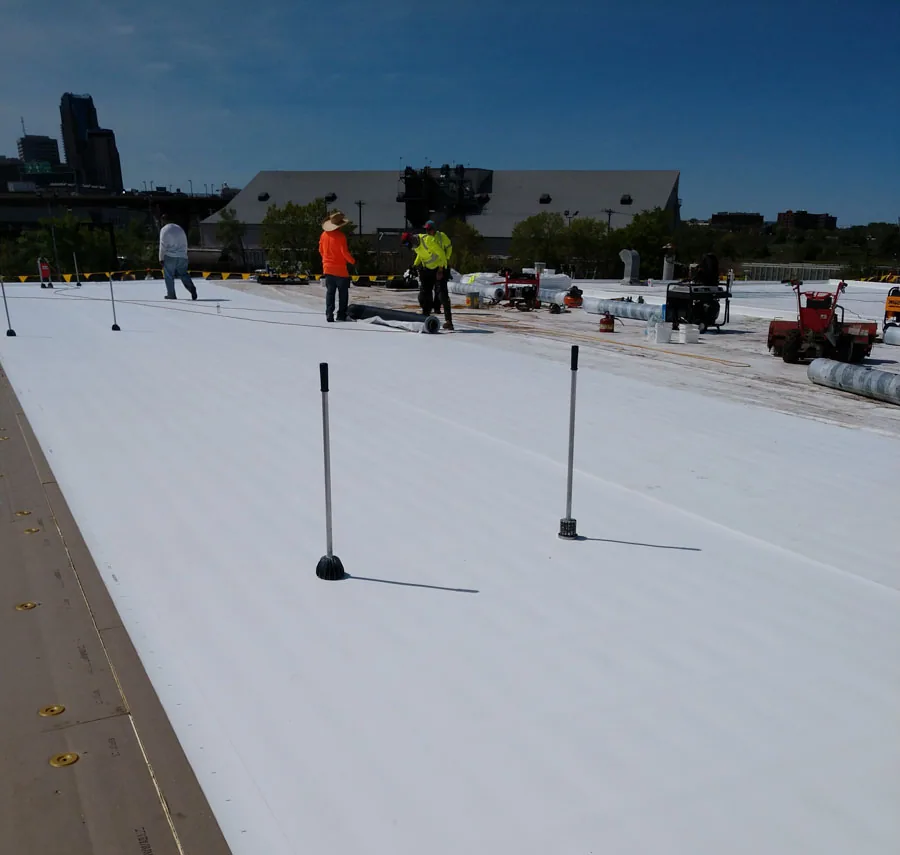
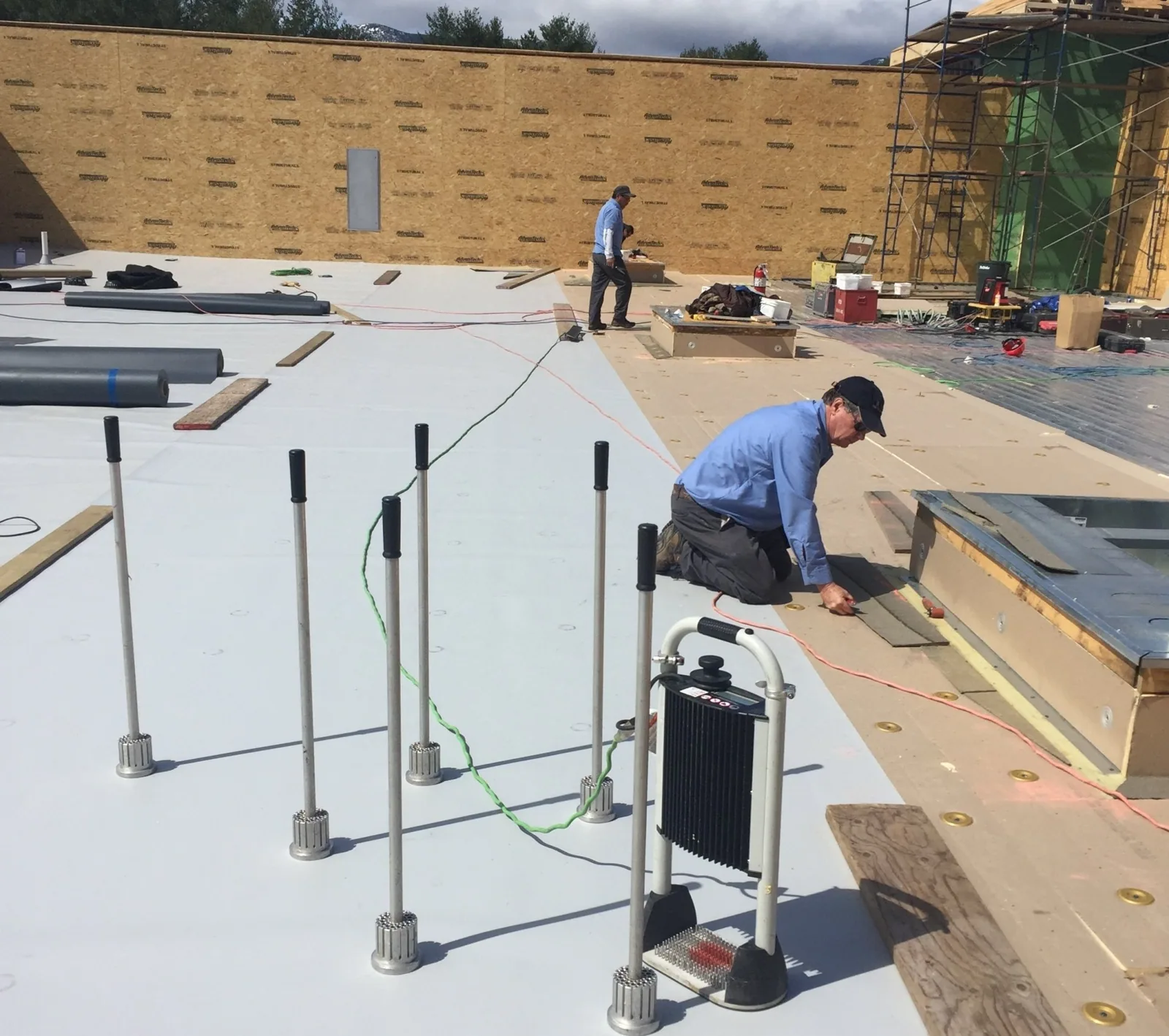
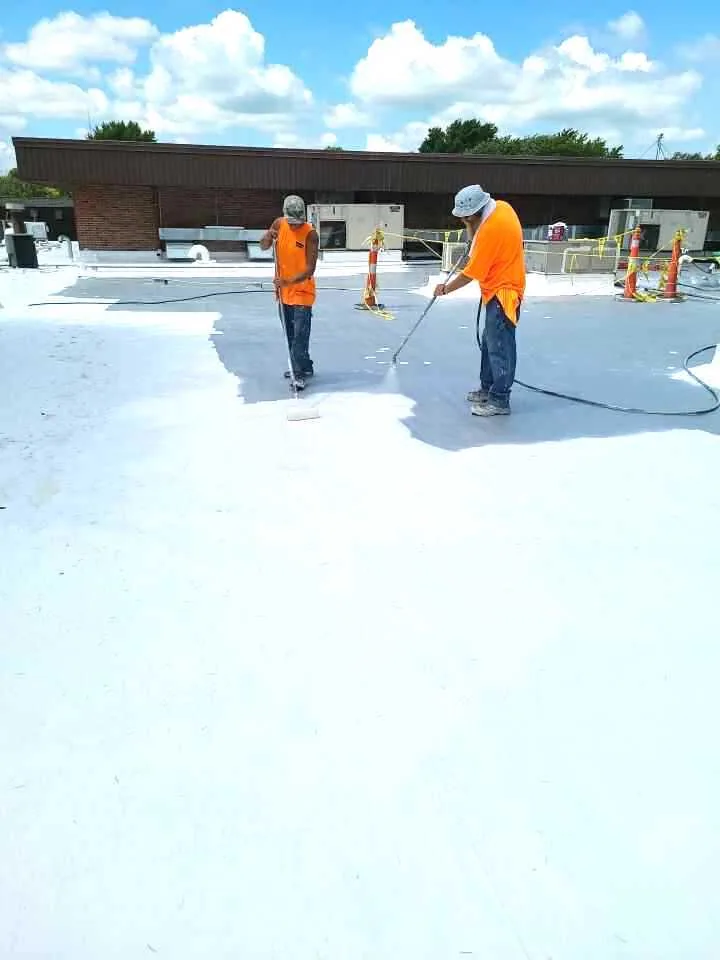
A modified-bitumen lap may require cleaning and compatible asphaltic materials, while a TPO or PVC field repair needs membrane preparation and a proper weld or attachment. A liquid-applied system requires its own substrate preparation and reinforcement detail. We confirm the installed Soprema product family and follow the applicable instructions. The proposal states the repair boundary, materials, tie-ins and inspection needed before the area is returned to service.
We remove loose material within the approved boundary, protect drains and equipment, and inspect the substrate before installing the repair. If water entry also involves a lap, seam repair can identify that work. If a puncture crosses the field material, a puncture patch can be scoped to the confirmed opening. The supervisor checks the finished edge and records any area that could not be tested.
Different manufacturers specify different products and accessory details. Versico system information and GAF commercial systems are not substitutes for the Soprema submittal. We use the documents for the roof actually installed and do not infer a manufacturer relationship from product use.
Greeley sees hot summer days along with winter snow and wind, which can change roof access and material handling. Heat can change surface temperature and material handling; snow or ice can restrict access to a lap or drain. We check current roof conditions before preparing an area, then set a work window that allows the selected product to be applied and inspected as required.
After hail or tornadic weather in Weld County, we examine Soprema surfacing, field seams, penetration flashings and drains for conditions that need repair. We record the condition observed, distinguish impact marks from open seams and note any area covered by snow or debris. If the inspection cannot reach a section safely, that boundary appears in the report.
Industrial sites may need material staging away from loading routes, while a commercial district may need work coordinated around customer access. East 8th Street Corridor and Great Western Industrial Park provide local planning context; the site contact confirms actual hours, delivery routes and equipment constraints. We include the confirmed arrangements in the daily sequence.
Yes. Its commercial range includes modified bitumen and membrane products, among other roof materials. We verify which system is on the building before recommending work.
No. The substrate, surface condition and product instructions control whether that method is suitable. We inspect and identify any required testing first.
We record the visible layers and request available project documents. Additional evaluation may be needed before selecting a tie-in or coating.
It can be when the impact boundary is limited and the surrounding material supports a compatible patch. We inspect and document the affected zones before setting quantities.
The written terms and administrator control. We can provide a dated description of observed conditions and completed roofing work for the owner’s review.
A local repair may be sufficient when the adjoining material and insulation are sound. Repeated leaks, widespread surfacing loss, multiple open laps or wet layers can require a broader evaluation. We state which conditions were directly observed and which need a test. A replacement recommendation should follow evidence about the assembly, not the appearance of an isolated patch or a manufacturer name.
Cost and duration depend on roof system, preparation, tear-off, repair area, access, edge conditions, equipment protection and required dry-in. We list included work, optional tests and exclusions such as interior finishes or structural review. A repair proposal can cover a defined defect, and restoration can be reviewed when the substrate and assembly are suitable.
For long-term planning at the University of Northern Colorado District or Downtown Greeley, a roof inventory can record system areas and completed work, while capital planning can compare project timing. Each roof section needs its own inspection entry when multiple installation phases or materials are present.
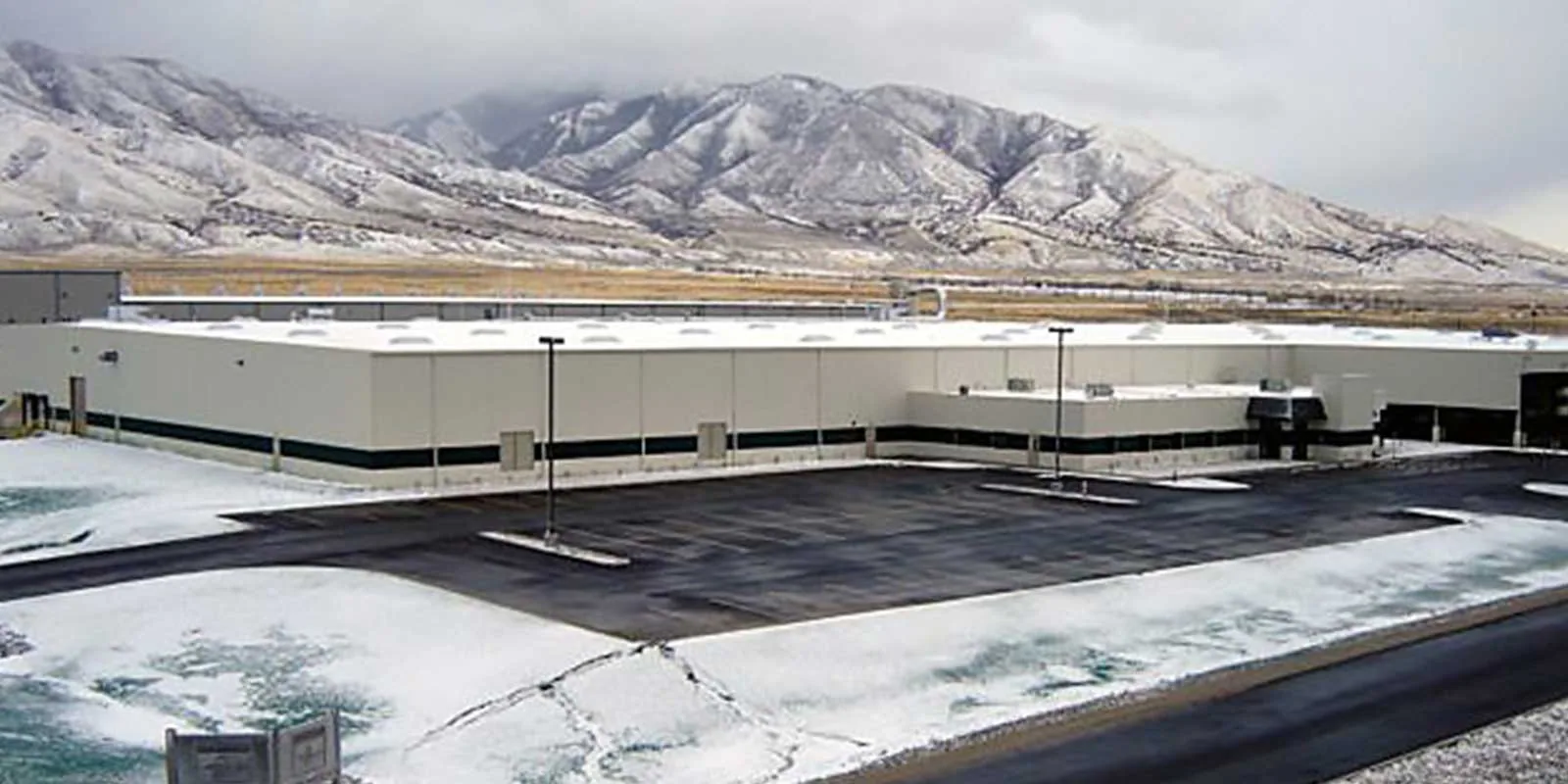
Closeout identifies the system observed, repair material, roof zone, photographs, test results and work still open. We state if product identification relied on owner records or field observation and note any conflicting detail. The facilities team can then compare the repair with later inspections and determine whether the same boundary has changed.
Before mobilization, share Soprema product data, roof plans, prior repair records, warranty documents, leak timing and access rules. Tell us whether coatings or overlays were installed after the original membrane and who can authorize testing. If another trade must move equipment or utilities, identify the coordinator and the sequence needed to keep the area protected.
East 8th Street and Great Western Industrial Park have different operating settings, so the site contact confirms roof access and work hours at each property. We return an assembly-specific scope with the materials, surface preparation and closeout steps clearly stated. Any follow-up inspection remains tied to a date and roof zone.
For a roof with bitumen in one section and membrane elsewhere, we label the transitions and keep each repair method separate. If drawings are incomplete, a marked field sketch can show where one material ends and another begins. The owner can then attach product sheets, warranty letters and repair photos to the right section. That record is useful when future work touches the same edge or drain, because staff can see which material was installed and what preparation was used.