Does Versico make TPO and EPDM roofs?
Yes. The commercial portfolio includes multiple membrane families. We verify which one is installed before choosing seam or patch materials.
A Versico membrane repair starts with the installed sheet, seam and attachment detail. We inspect the affected roof zone, review product records and check nearby edges, penetrations and drains before selecting a patch or broader work. A leak report alone does not tell us whether the roof has TPO, PVC or EPDM, or whether an earlier repair changed the surface. Identification comes first so the proposed work can tie into the material on the building.
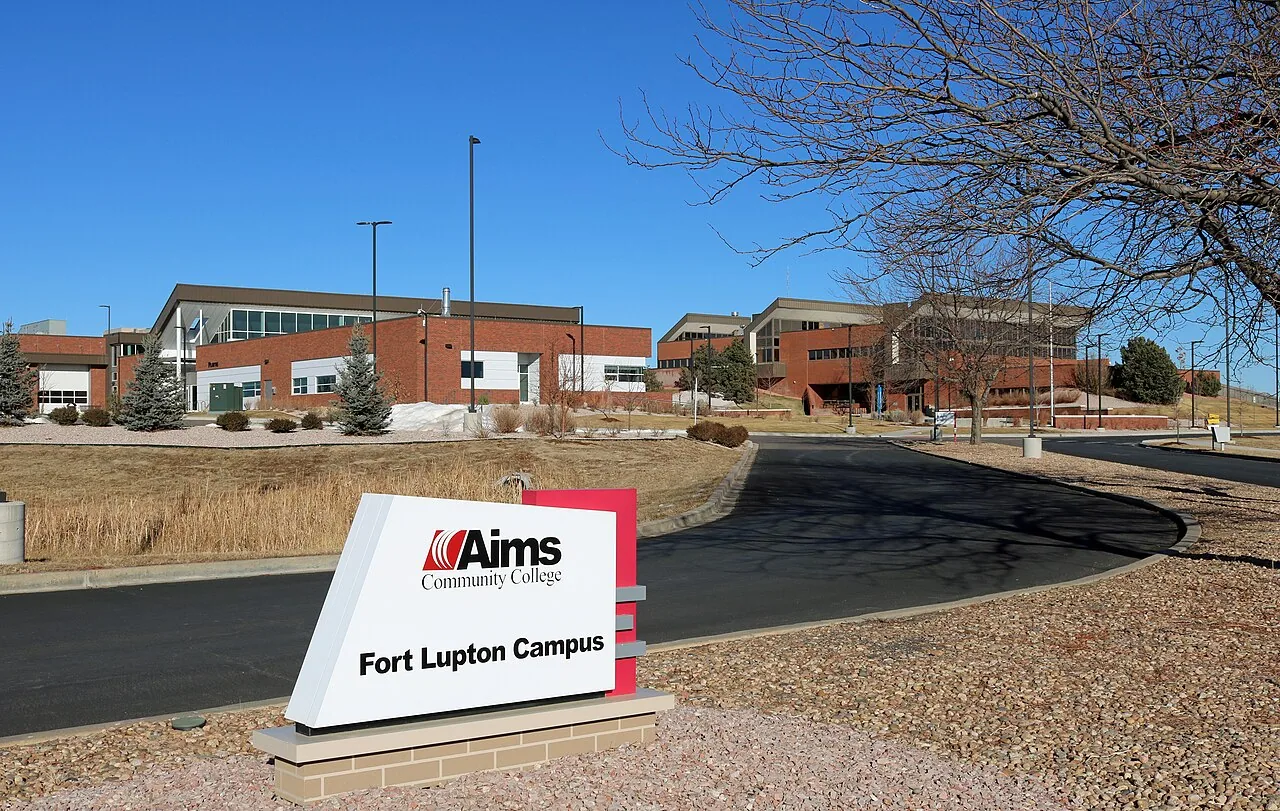
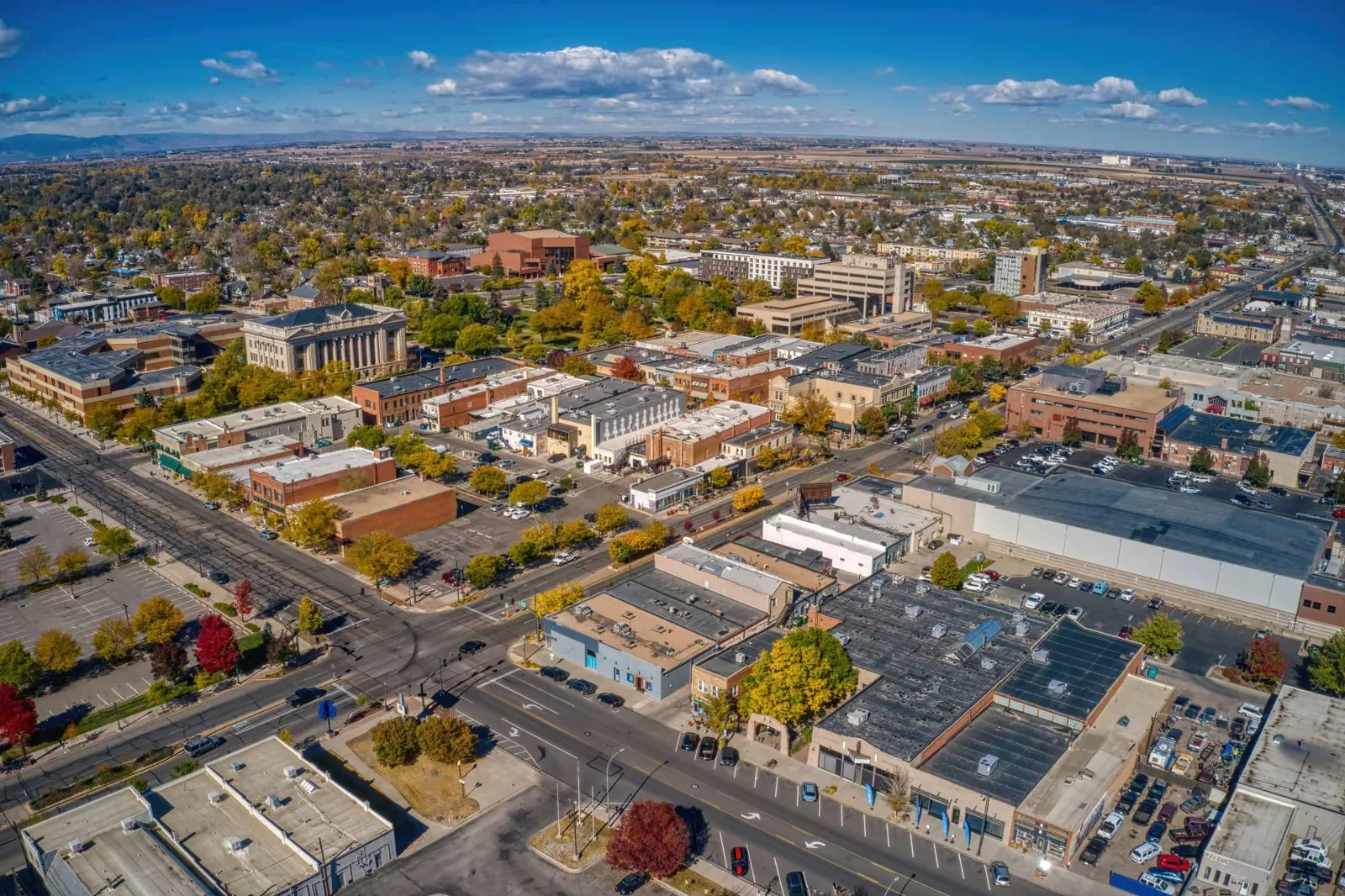
Greeley properties range from education and healthcare settings near Aims Community College District to commercial development in the West Greeley Mall Area. We confirm access routes, operating hours and roof assembly records at each site rather than applying the same plan everywhere.
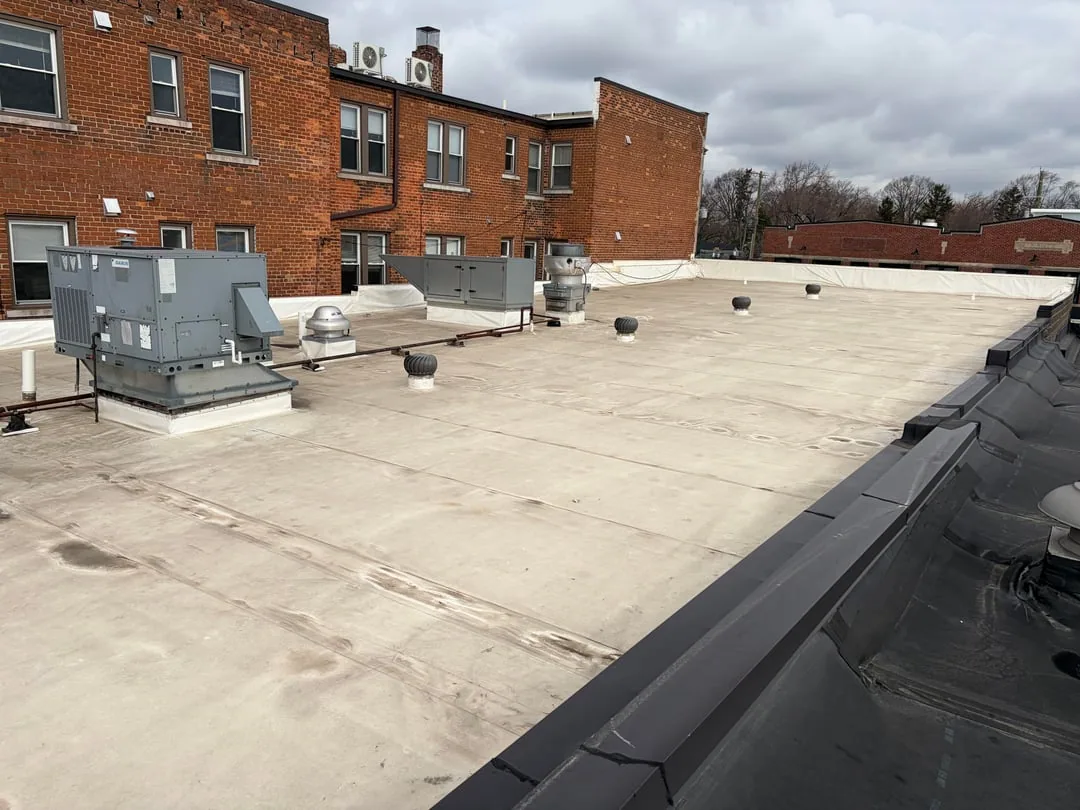
We look at membrane seams, field cuts, flashing details, roof edges, drains and attachment. Records that identify Versico can narrow the system family, but a field inspection still needs to confirm the installed layers and visible condition. We note patches, coatings or equipment changes that may hide the original material. If plans show a different detail from what is present, the report carries that discrepancy forward for review.
The interior leak location can help narrow the search, though water can travel through insulation or along a deck. We compare it with roof slopes, curbs and drain paths. A roof inspection can produce photos tied to the relevant roof zones. Where moisture may extend beyond a visible opening, a moisture survey can help select follow-up testing when conditions are suitable.
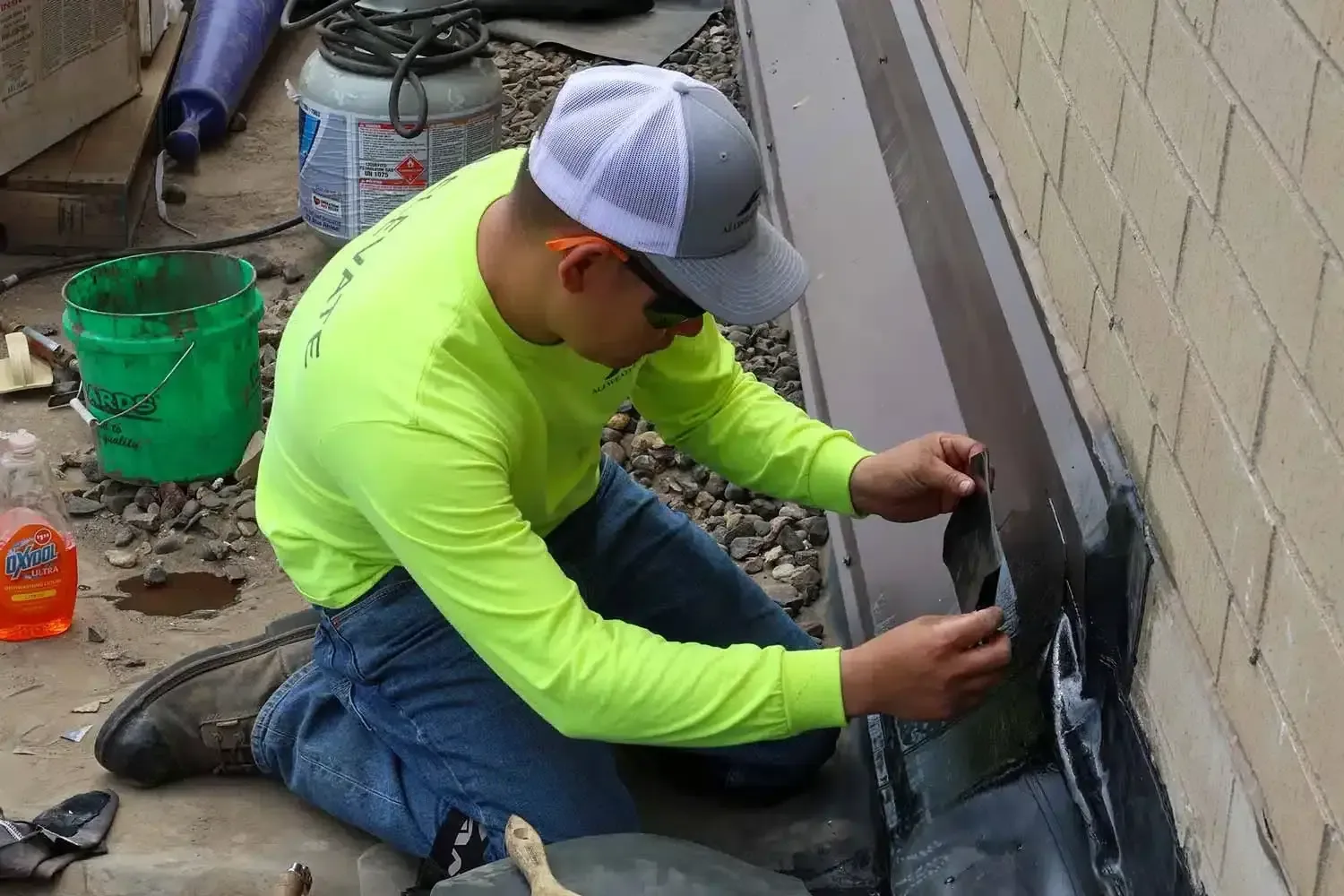
We inspect the repair edge, not only its center. Loose membrane, dirt, old sealant or incompatible coating can prevent a durable tie-in. If the defect intersects a curb or wall, we evaluate that transition as its own detail. The crew should know whether the work needs welding, adhesive preparation or a separate flashing component before mobilization.
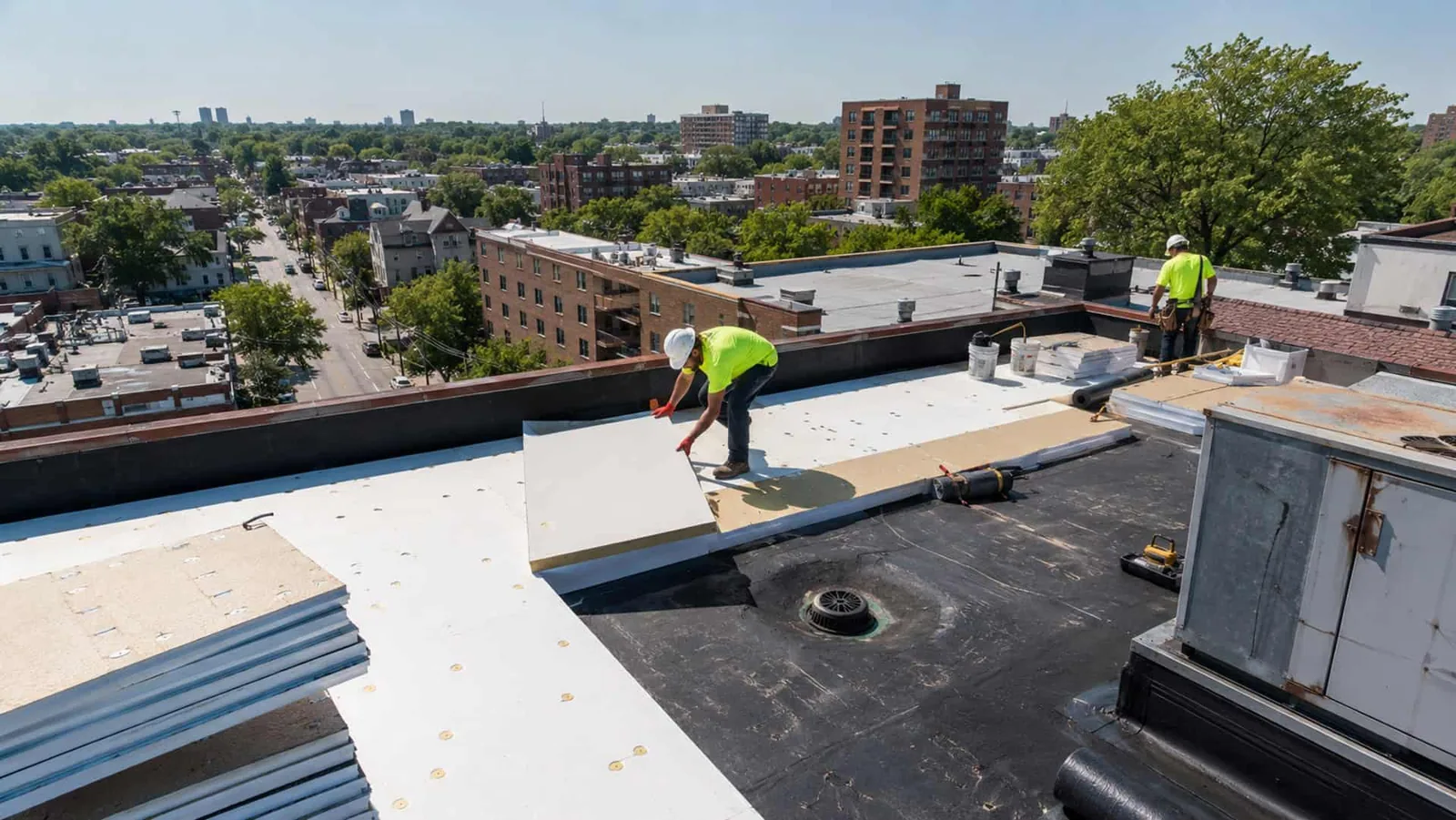
When the same property has more than one roof phase, we note where each phase starts and ends. That boundary can determine whether a patch uses the current membrane, an earlier product or a transition detail with separate preparation requirements.
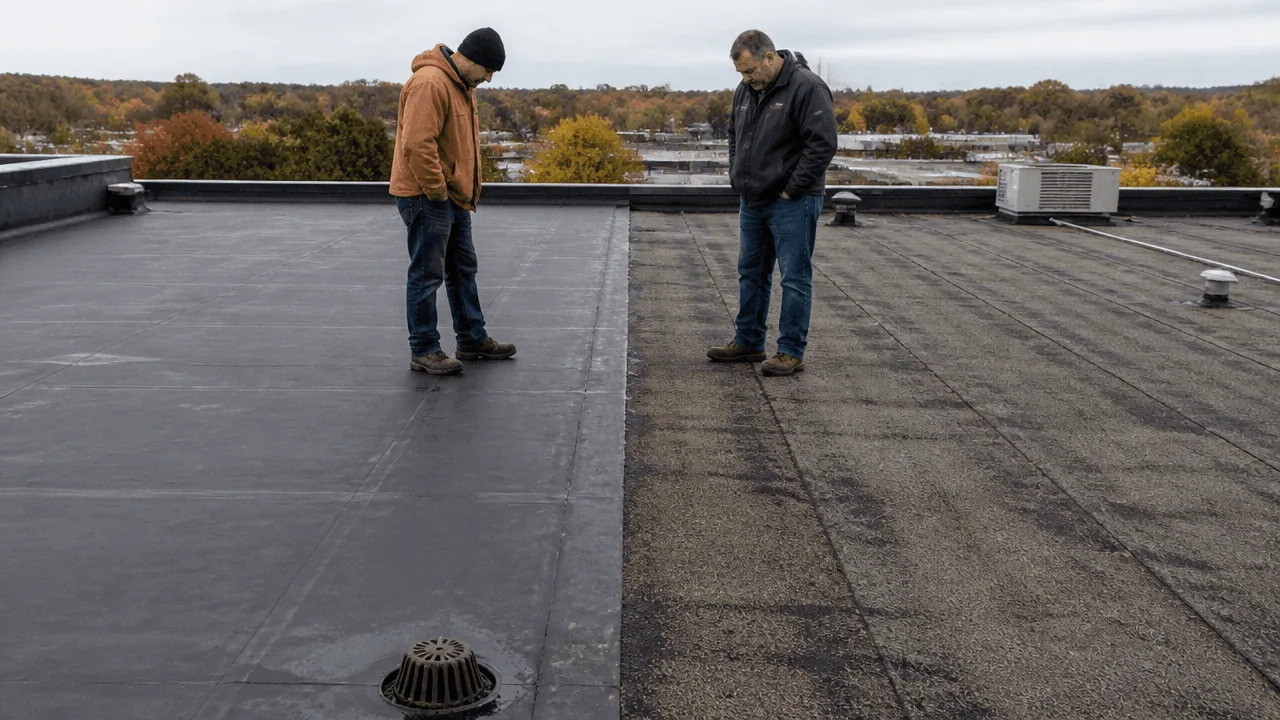
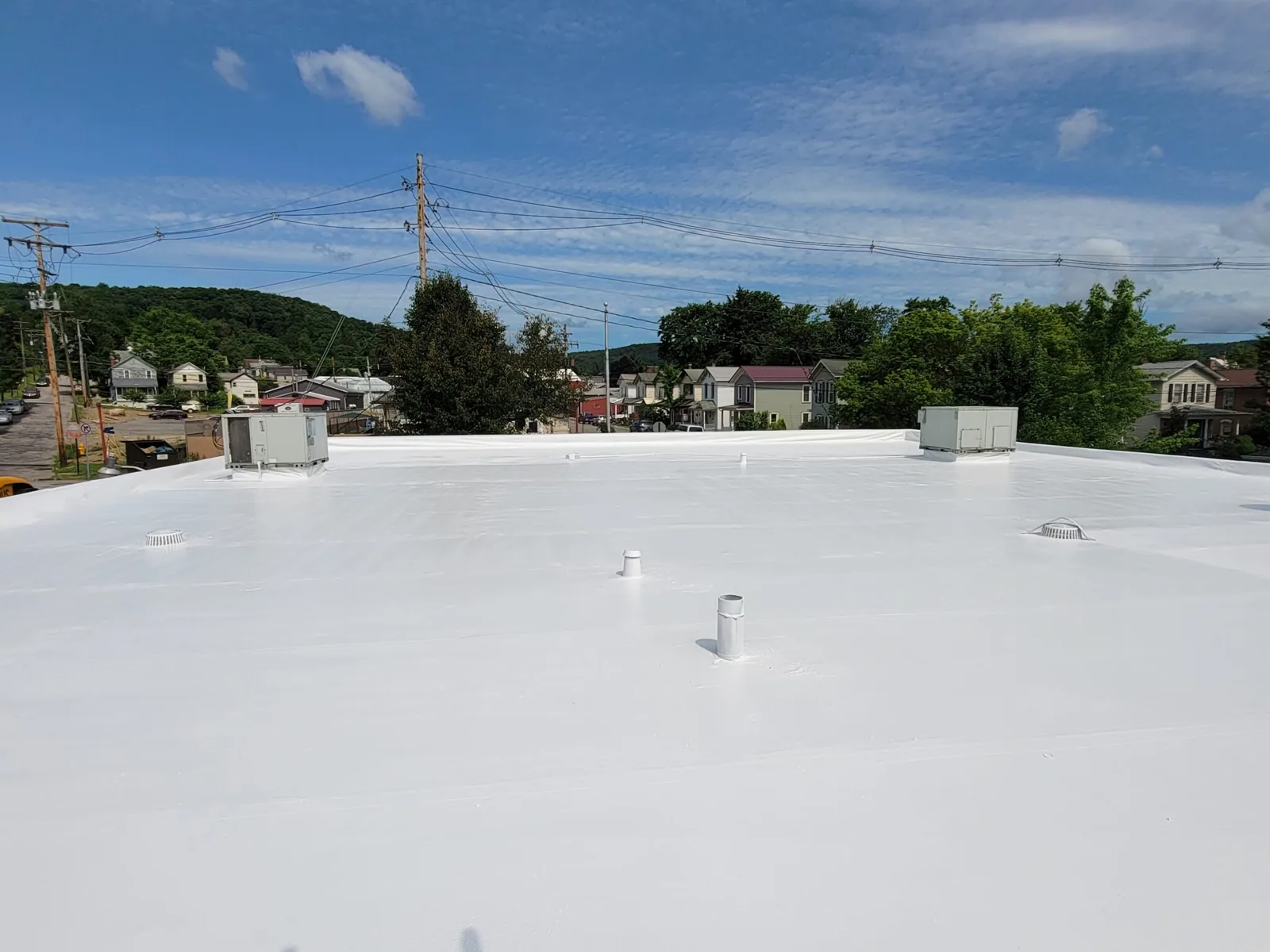
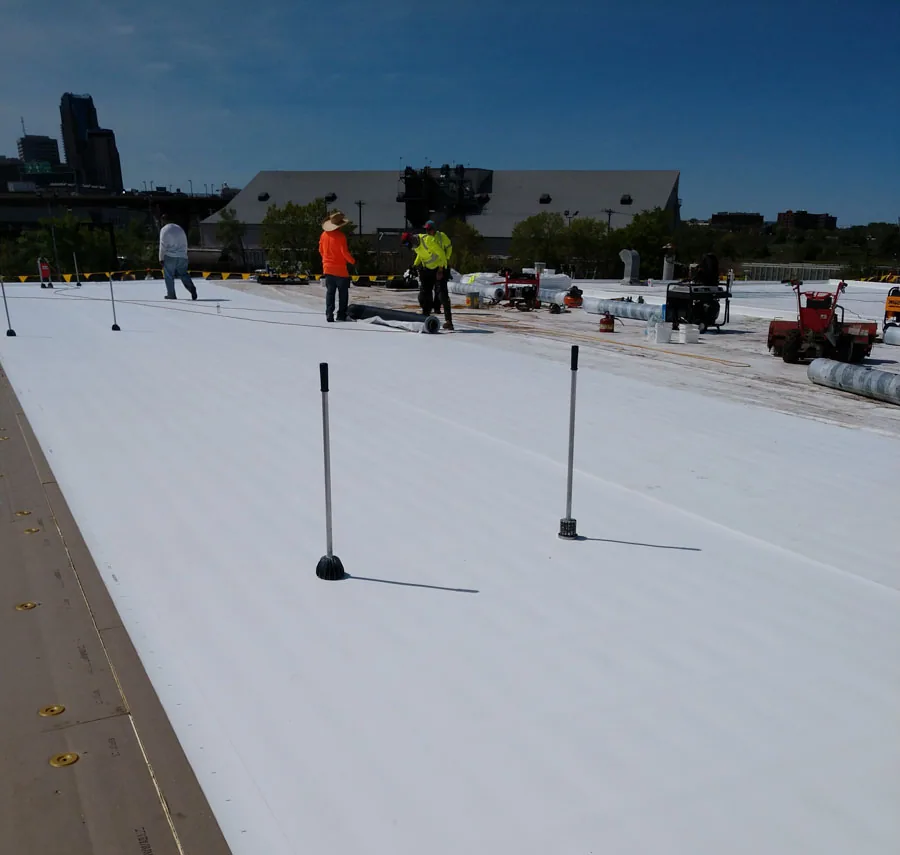
Versico offers commercial TPO, PVC and EPDM roofing systems. These membranes do not all use the same preparation or seam method. We identify the roof system, select compatible repair material and follow the applicable product instructions. The work boundary extends to sound material; the finished patch or flashing is checked along its full edge using a method appropriate to the assembly.
If a roof has an open lap, seam repair can define the work. A cut or impact opening can use a compatible membrane patch. If the defect reaches a wall or curb, a separate flashing detail may be required. We protect drains, rooftop equipment and nearby roof sections while material is removed and the surface is prepared.
Manufacturer product data and warranty documents supplied by the owner can help confirm a repair detail. We service the documented assembly under the owner-approved scope. For comparison, GAF commercial systems and Carlisle SynTec membranes have their own accessories and installation requirements. The proposed material should match the roof being repaired, not the nearest familiar product label.
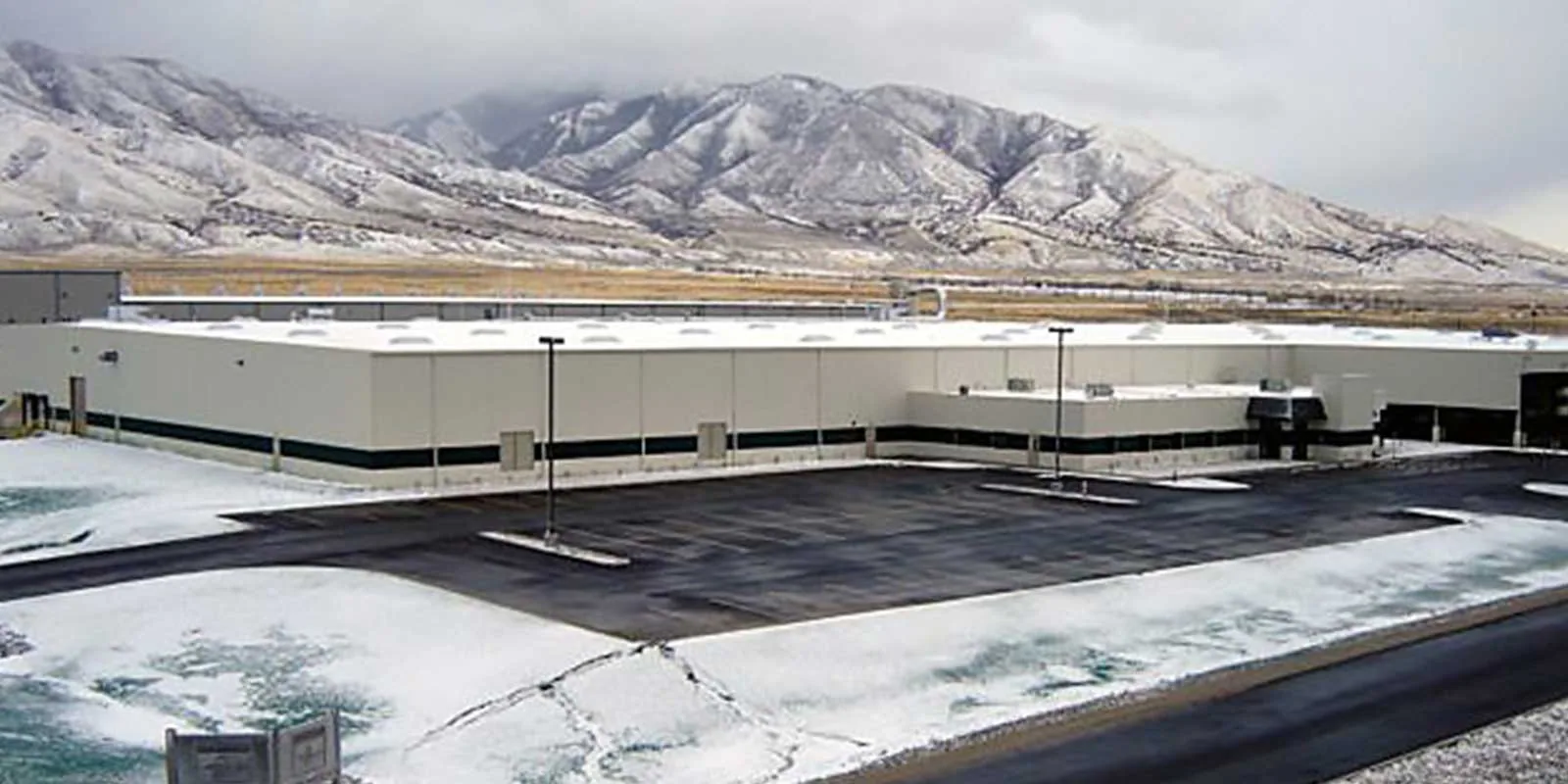
Greeley’s climate can affect membrane repair timing. Airport observations include winter snow and wind along with hot days above 90 degrees and record temperatures above 100. Heat can change sheet handling, while cold, moisture or wind can affect preparation and weld checks. We confirm roof-surface conditions at the site and reserve enough time to complete the tie-in and close the work zone.
Weld County weather summaries document hail and tornado events near Greeley. If a Versico roof is reviewed after a severe-weather report, we inspect the membrane and attachment for visible conditions and photograph them by zone. The event itself does not establish damage. Snow or ice may conceal a section, so we note the blocked area and arrange a return when access is safe.
At Aims, an institutional calendar can affect crew access and material delivery. In West Greeley, tenant or public routes may shape staging. We ask the property contact about site-specific requirements and confirm which rooftop equipment must remain available. Those details inform the daily work sequence but do not change the membrane repair method.
Yes. The commercial portfolio includes multiple membrane families. We verify which one is installed before choosing seam or patch materials.
We first check the patch edge, surface condition and underlying membrane. If the old material prevents a reliable tie-in, removal or further testing may be needed.
It is useful to review stated notice and inspection requirements. The owner confirms any coverage or approval question with the administrator.
They can change safe access and material handling. We check the actual roof surface and product instructions before setting the work window.
Provide roof plans, product data, warranty information, earlier repair records, leak details and access instructions for the property.
A local patch may be appropriate when the surrounding Versico membrane, attachment and insulation remain serviceable. Multiple leaks, widespread adhesion concerns or repeated seam openings can justify additional testing or a broader project. We describe confirmed defects, suspected conditions and inaccessible areas separately. The owner can then authorize a repair with known limits rather than buying a roof-wide scope based only on one leak.
Cost and timing depend on roof height, access, material, repair length, edge details, insulation, staging and equipment protection. We itemize preparation, patching, tests, dry-in and closeout. A repair proposal can address confirmed work; replacement planning can be compared if the assembly condition supports it. Optional testing stays separate from approved repair quantities.
If the owner has warranty terms, they should be reviewed before permanent work. Warranty tracking can retain the certificate, service record and owner follow-up. For properties with several roof systems, we identify each section independently so a Versico detail does not become a default assumption for an adjacent assembly.
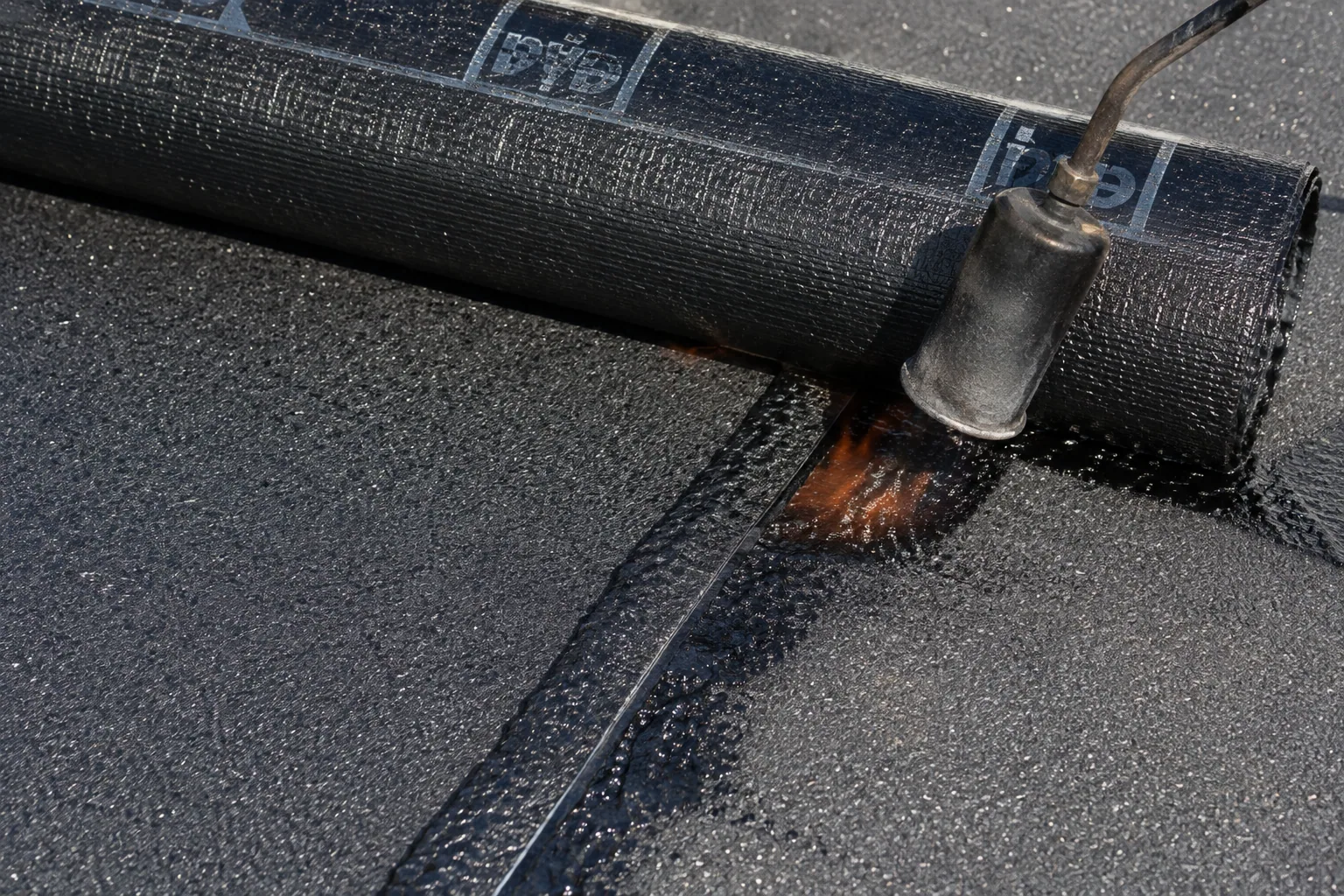
Closeout identifies the Versico system observed, repair materials, roof-zone location, photographs, weld or adhesion check and open items. If product identity remains uncertain, that limitation is stated. The record distinguishes a completed patch from a nearby condition that was observed but excluded. Facilities staff can compare these details with future leak reports and avoid repeating an inspection of the same question.
Send product submittals, roof plans, warranty papers, repair history, leak timing and access rules before the visit. Tell us about recent rooftop work and whether any area requires an escort or shutdown. If a repair must be coordinated with another trade, identify the site contact who can approve a boundary change or test opening.
From the Aims district to West Greeley, we plan around each property's operating needs and return a roof-specific result. The owner receives the inspection basis, authorized work and follow-up needed for the next maintenance cycle, with the system records kept alongside the photos.
For a phased repair program, we can state which membrane areas were checked, which were left undisturbed and what conditions warrant another visit. Photos and roof-zone references help a maintenance team avoid confusing a repaired edge with an adjacent seam that was never part of the approved work.